Michael Powell and Emeric Pressburger’s drama of religious repression is sensuous, frightening and worth seeing for its performances alone. Its Himalayan setting sometimes invites an outsider’s simplifications, but the colour and music make the women’s distress hard to dismiss.
Black Narcissus is a gripping melodrama about nuns struggling with desire in the Himalayas. We recommend it warmly, though the women are understood more fully than the place around them. Michael Powell and Emeric Pressburger give religious discipline a difficult test, surrounding it with colour and physical beauty that demand attention. This is an adaptation of a novel by Rumer Godden, but its strongest passages need little explaining. A glance can make a room uncomfortable before anyone has said anything improper.
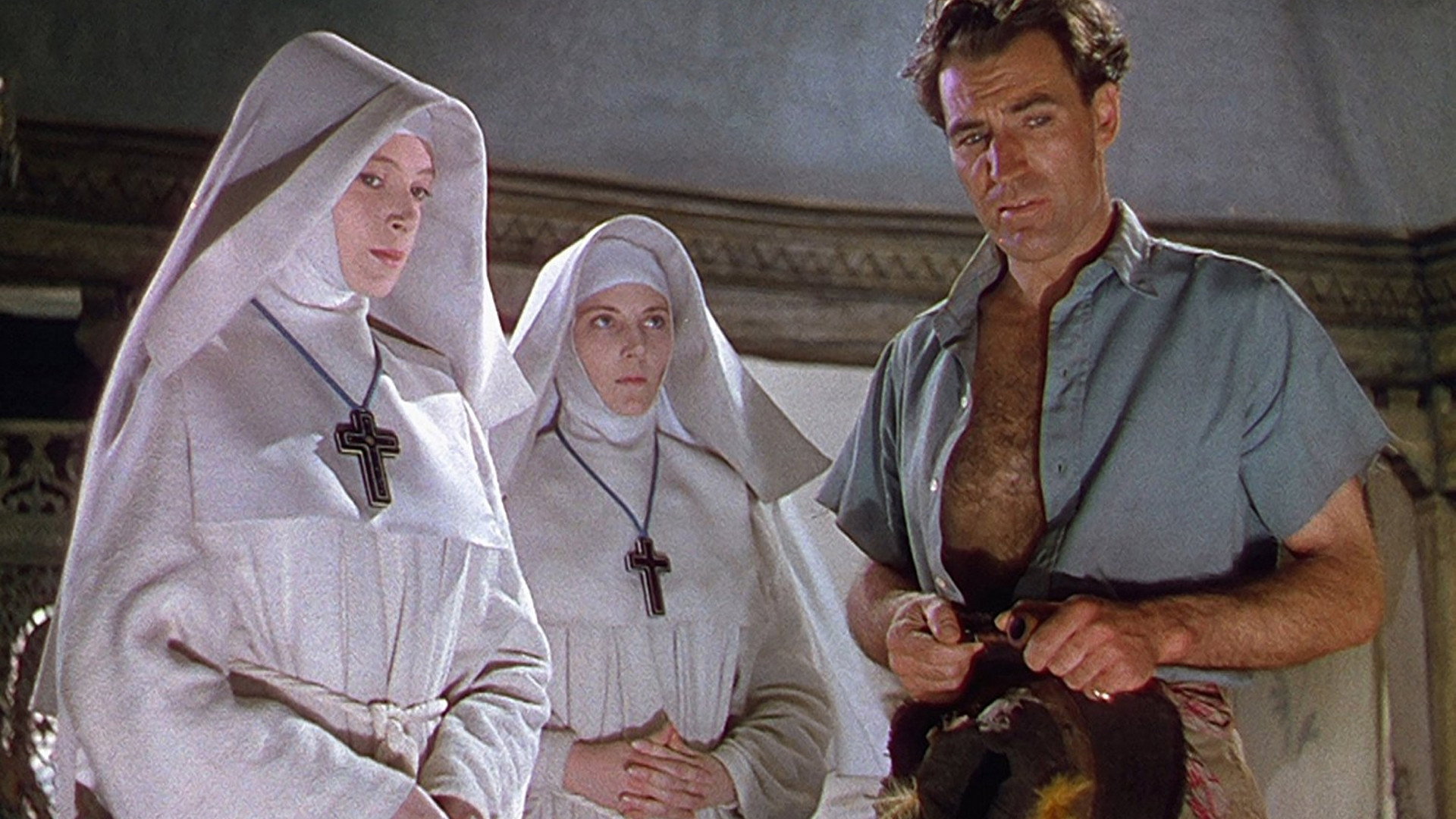
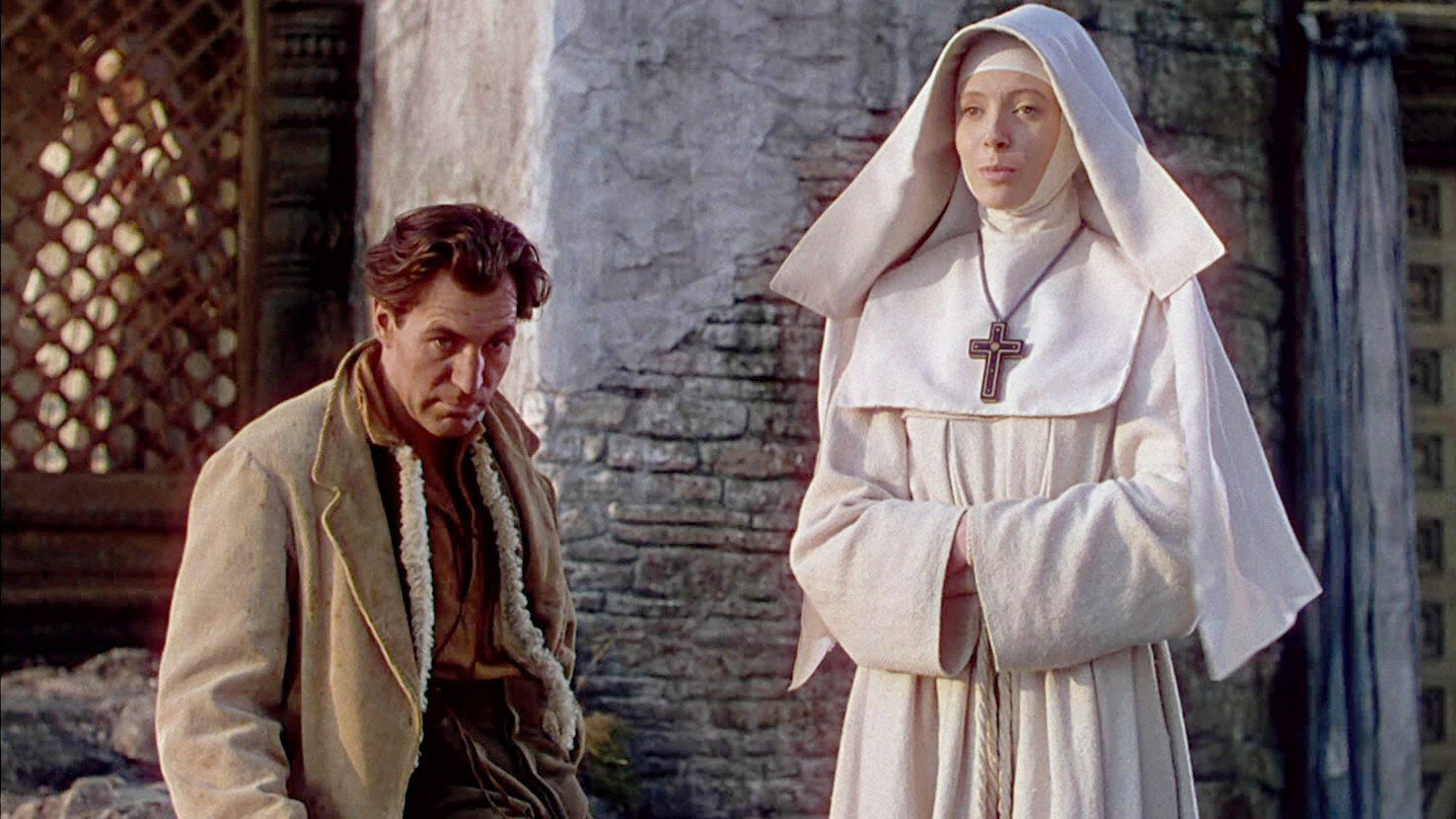
Deborah Kerr makes Sister Clodagh’s self-control worth watching because it looks like work. The composure is persuasive, but we can see how much effort goes into maintaining it. David Farrar, as Mr. Dean, gives that restraint something bodily and inconvenient to contend with. Their scenes carry an erotic charge without needing explicit action; the attention one person pays to another is enough.
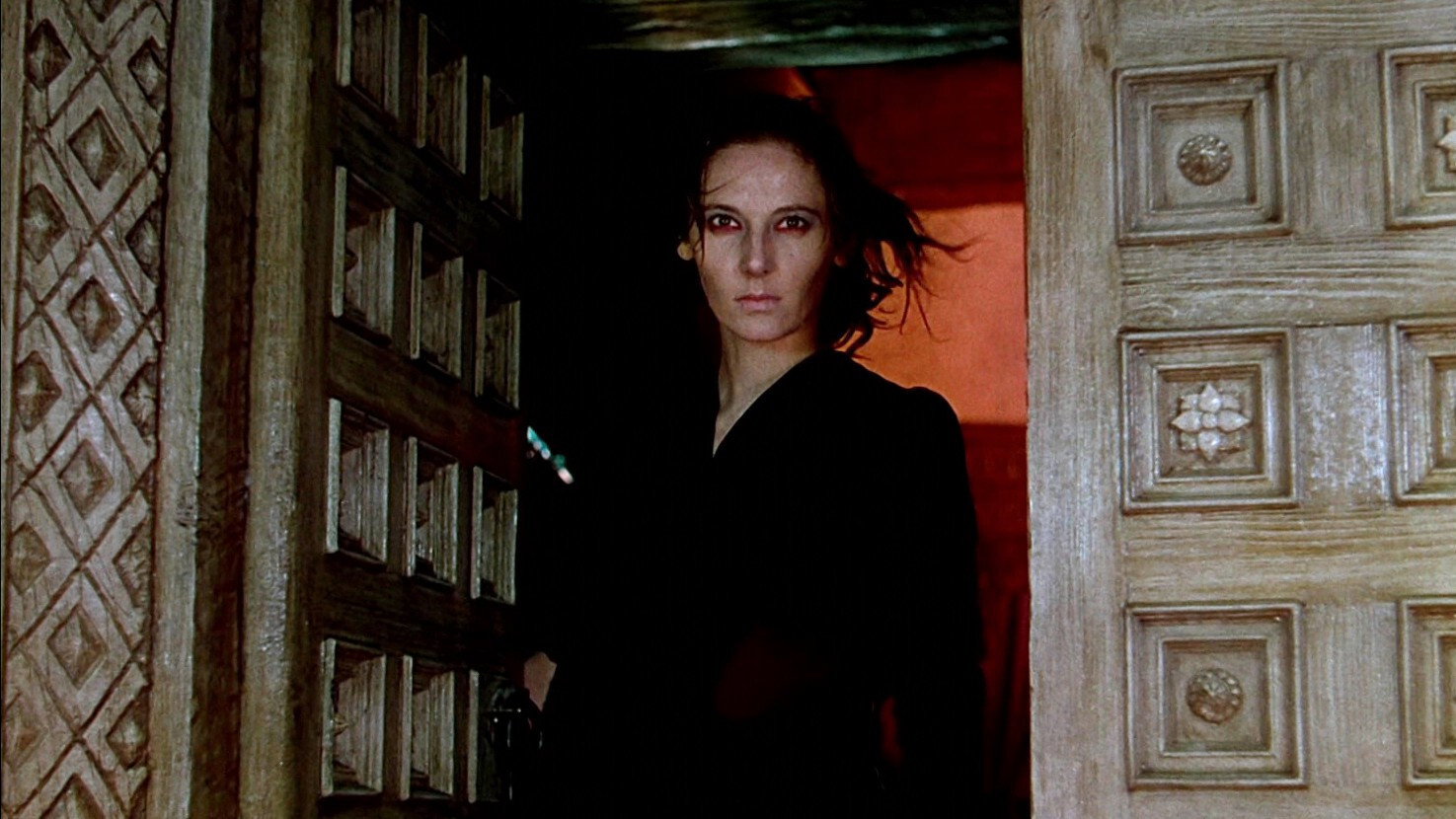
Kathleen Byron works at a more dangerous pitch as Sister Ruth, and her intensity makes good sense beside that controlled performance. We were frightened by her: the hard concentration of her gaze makes even an exchange of looks feel unsafe. This could become a crude division between a sensible woman and a hysterical one, and sometimes the film approaches that simplification. Yet her distress is sufficiently immediate that we cannot comfortably watch her as a problem for somebody else to manage.
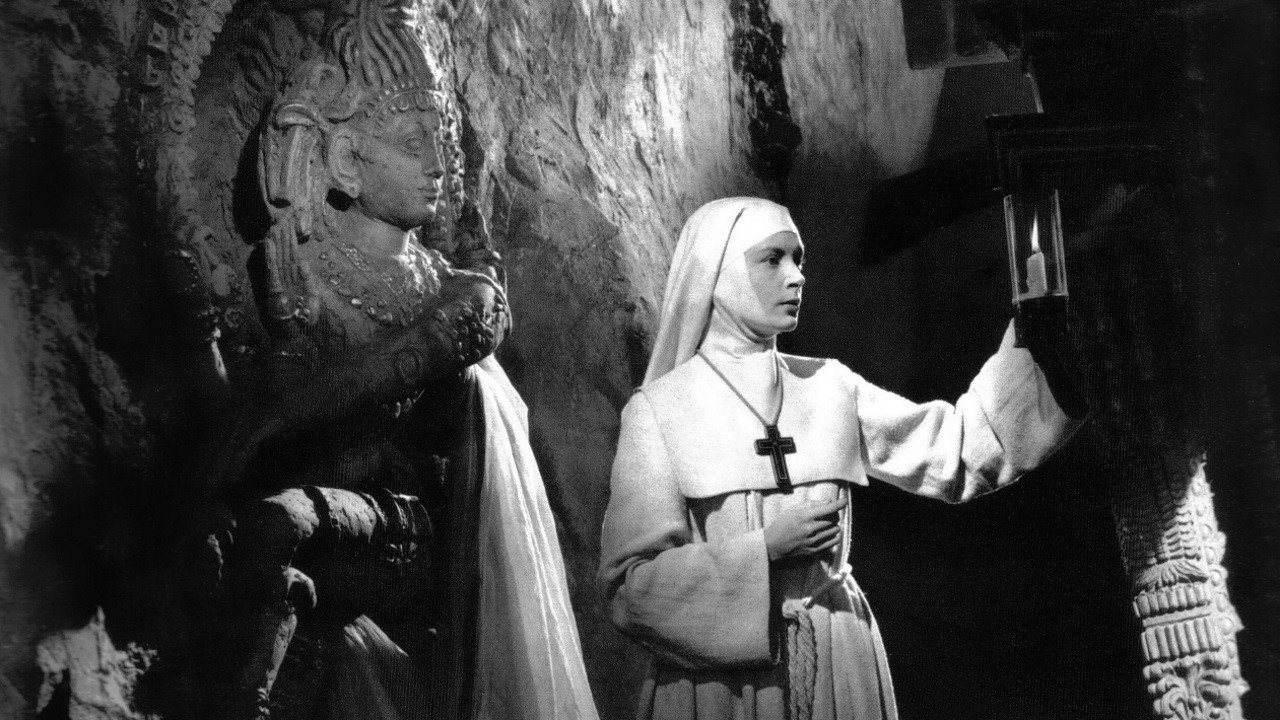
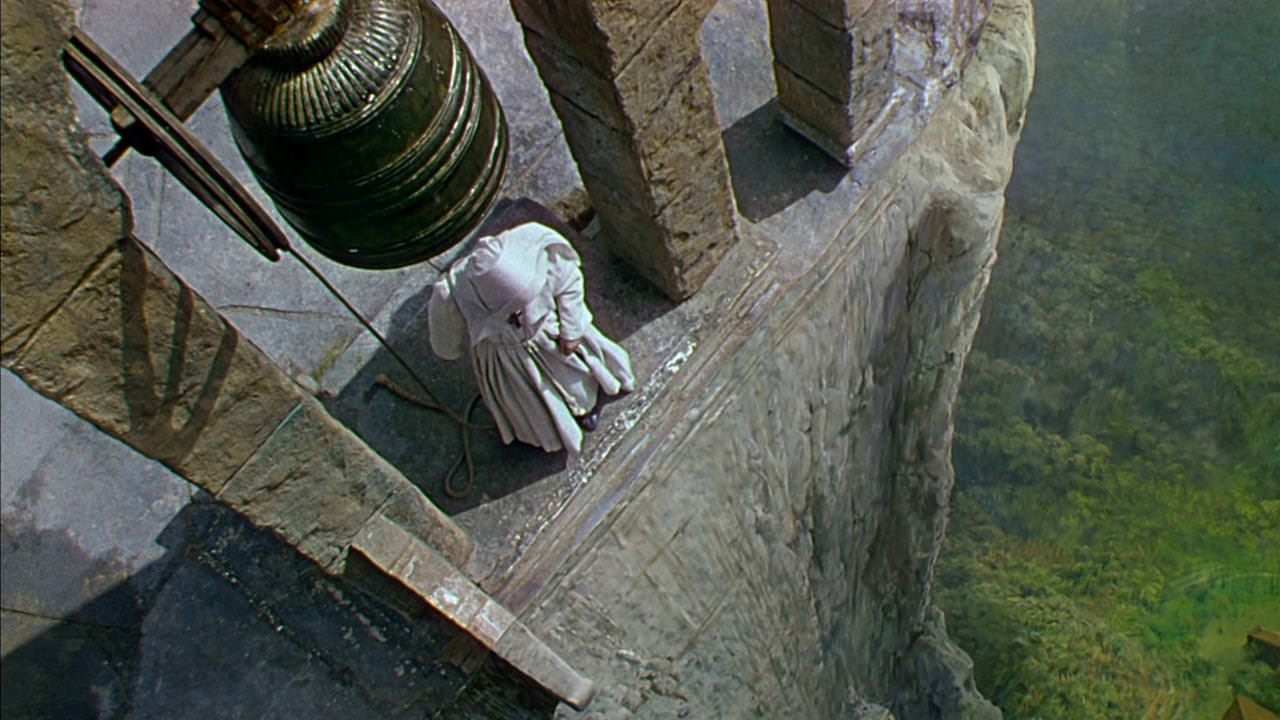
Jack Cardiff’s Technicolor photography makes the colour active throughout these encounters. Red draws our eye and keeps desire present even when the women try to contain it; the images would be less troubling if they were less pleasurable to look at. Production designer Alfred Junge’s studio settings and the painted mountain backdrops make a place that seems to press upon the people within it. We can recognise the artifice and still feel the height and isolation, which serves this drama better than geographical accuracy would.
Reginald Mills’s editing gives those looks enough weight for small changes of expression to matter. The scenes feel watchful, as though everyone is noticing more than anyone is prepared to say, and the cutting sustains that discomfort. Brian Easdale’s music makes the suppressed feeling harder to ignore, pushing the drama towards an excess that will divide viewers. We find the insistence largely justified, though occasionally less musical encouragement would let the acting carry more.
The difficulty lies in the treatment of the Himalayan setting, which too readily makes local difference seem like a threat to English composure. There is an awareness of colonial presumption here, but the concentration on the nuns leaves less room for the people around them to be understood on their own terms. The film does not always distinguish between showing the women’s limited understanding and sharing it. That limitation matters, even when the images are doing everything possible to distract us from it.
Religious melodrama can settle for punishing desire or congratulating itself for discovering that believers have bodies. Here, the performances keep returning us to how exhausting it is to monitor every feeling, and the force of the colour and music makes that exhaustion felt. At 100 minutes, it asks for concentrated attention without making a test of endurance. Do not choose it for a quiet evening simply because the central characters are nuns.