Critics’ reviews

Black Narcissus (1947)

13 reviews from 13 publications. Critics’ score 81: 11 positive, 1 mixed, 1 negative.

Back to our review of Black Narcissus

81
Positive
11
Mixed
1
Negative
1

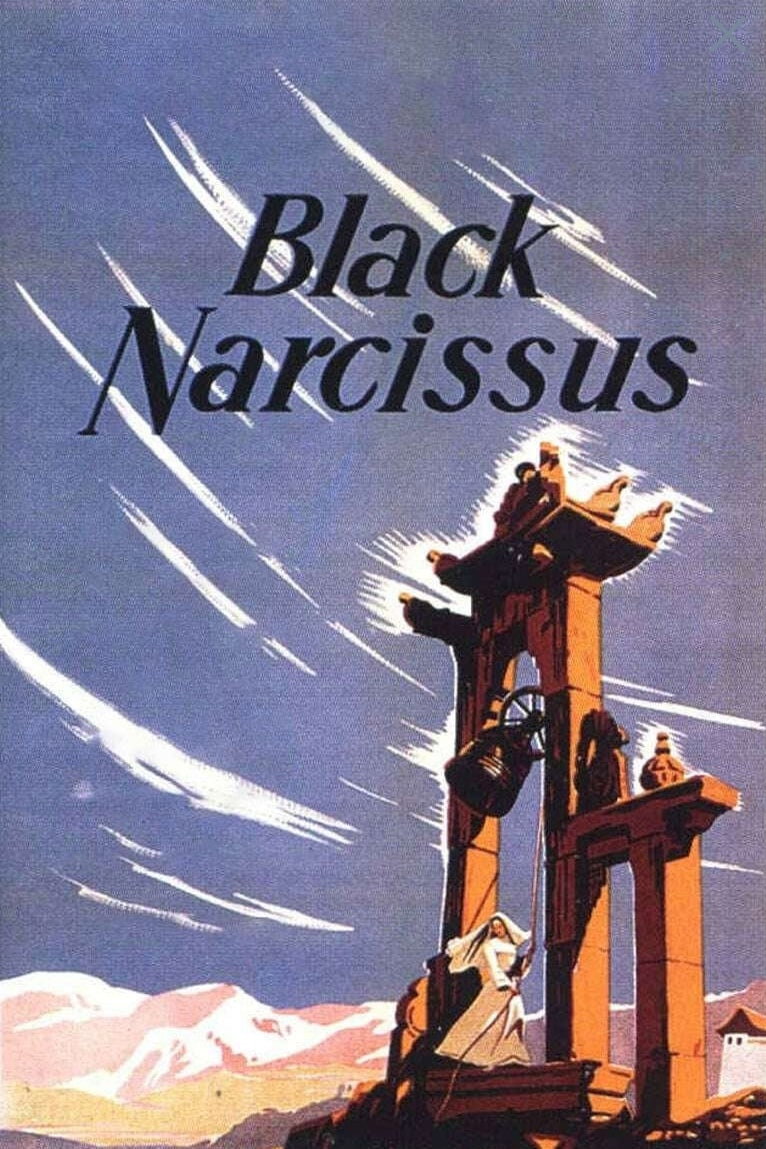
Most critics praise Black Narcissus for making colour, landscape and studio artifice express the desires its characters cannot acknowledge. Jack Cardiff’s Technicolor cinematography, the matte paintings and the sets attract consistent admiration: the reviews see them as essential to the psychological drama, rather than decoration. Praise also clusters around Kathleen Byron’s performance, with Deborah Kerr drawing strong notices, while several critics value the film’s frank treatment of female desire and its attention to cultural tensions.

The disagreement concerns how much of this feverish melodrama the story can sustain. Variety admires the production and colour photography but finds lapses in the storytelling; the Los Angeles Times finds the sexual hysteria and atmosphere excessive. The spread is therefore wide, though the dissent is isolated: most critics regard the heightened emotion and visual intensity as the means by which Powell and Pressburger make repression visible.

Empire
1 January 2014 · William Thomas
90*

The critic calls the film a 1947 masterpiece by Powell and Pressburger. They single out Jack Cardiff’s Oscar-winning Technicolor cinematography and the dramatic matte paintings for praise, noting how the visuals heighten the story of repressed desires.

Read the full review →
Slant Magazine
30 December 2012 · Joseph Jon Lanthier
90*

The critic praises Powell and Pressburger's film as a visually stunning and psychologically complex work, highlighting its erotic undertones, masterful Technicolor cinematography by Jack Cardiff, and empathetic direction that elevates the story of repressed nuns in the Himalayas into a metaphor for artistic vision.

Read the full review →
The AV Club
19 April 2002 · Noel Murray
90*

The critic describes the 1947 Powell-Pressburger film as a rapturous, near-indescribable work of cinematic art that blends spiritual melodrama with abstract emotional resonance through its story of nuns challenged by Himalayan elements and mysticism.

Read the full review →
The Guardian
5 August 2005
90*

The critic urges readers to see this 1947 classic from Michael Powell and Emeric Pressburger on its digitally restored big-screen re-release, calling it an all-time favourite that delivers a sugar-rush of pleasure. They single out the extraordinary melodrama of repressed love and Englishness unravelling in the Himalayas, along with the superb studio sets, convincing backdrops and the magnificent, terrifying performance of Kathleen Byron as Sister Ruth.

Read the full review →
The New Yorker
9 December 2013 · Michael Sragow
90*

This lush 1947 adaptation keeps the screen aglow and the mind agog as a landmark of design and color about faith and temptation. Powell and Pressburger created a rapturous landscape without leaving England.

Read the full review →
The New York Times
14 August 1947
90*

The film is a work of rare pictorial beauty with stunning Technicolor settings and a strong cast led by Deborah Kerr and Kathleen Byron. It is an artistic accomplishment of no small proportions despite potentially disturbing elements.

Read the full review →
Sight and Sound
25 May 2017
85*

The critic highlights the film's radical exploration of female sexual desire and repression alongside its treatment of exoticism and the 'other' in 1940s British cinema. It singles out the landscape and Technicolor imagery as key to revealing characters' inner worlds and notes the film's nuanced awareness of colonial folly, which helps it age well.

Read the full review →
Variety
31 December 1946 · Variety Staff
50*

The lavish production resolves into the story of two sex-starved women and a man, with no happy ending except perhaps spiritually. Production values and color photography atone for minor lapses in the story.

Read the full review →
Los Angeles Times
2 May 2002
30*

The film verges on the outrageous in its evocation of incipient corruption and sexual hysteria, with lush color and an atmosphere that threatens to undermine the nuns' resolve. A cult favorite, but a bit much.

Read the full review →
The Playlist
19 March 2013 · A+
100

The piece calls Black Narcissus a tonal shift for the duo into dark, sensual, and highly experimental territory with unforgettable photography and a feverish atmosphere of suppressed hysteria and eroticism. It is recommended as an essential starting point for the filmmakers' work.

Read the full review →
Eye for Film
21 May 2012 · Jennie Kermode
90*

The review highlights the film's haunting sense of place through masterful cinematography and matte work, its beauty, and rare confrontation of female desire in its era. It notes the intense eroticism conveyed through color, music, and glances rather than explicit action, with strong performances from Kerr and Farrar.

Read the full review →
/Film
4 May 2022 · Joshua Meyer
90*

The critic praises the film's stunning Technicolor visuals, matte paintings, and psychological depth as a sophisticated psychodrama exploring desire, repression, and cultural tensions. The Oscar-winning cinematography and performances, especially Kathleen Byron's, are highlighted as enduring strengths of this Powell and Pressburger classic.

Read the full review →
Collider
12 August 2022 · Andrew Taylor
85*

The critic praises the film's use of Technicolor to convey repressed desire and erotic tension among the nuns in a remote Himalayan setting. They single out the cinematography by Jack Cardiff and the symbolic use of red as particularly effective.

Read the full review →

Ordered by the weight we give each publication, then by score. Scores are normalised to 100; * means inferred from an unrated review. Summaries are ours, not quotations; follow the links for the reviews themselves. How we rate