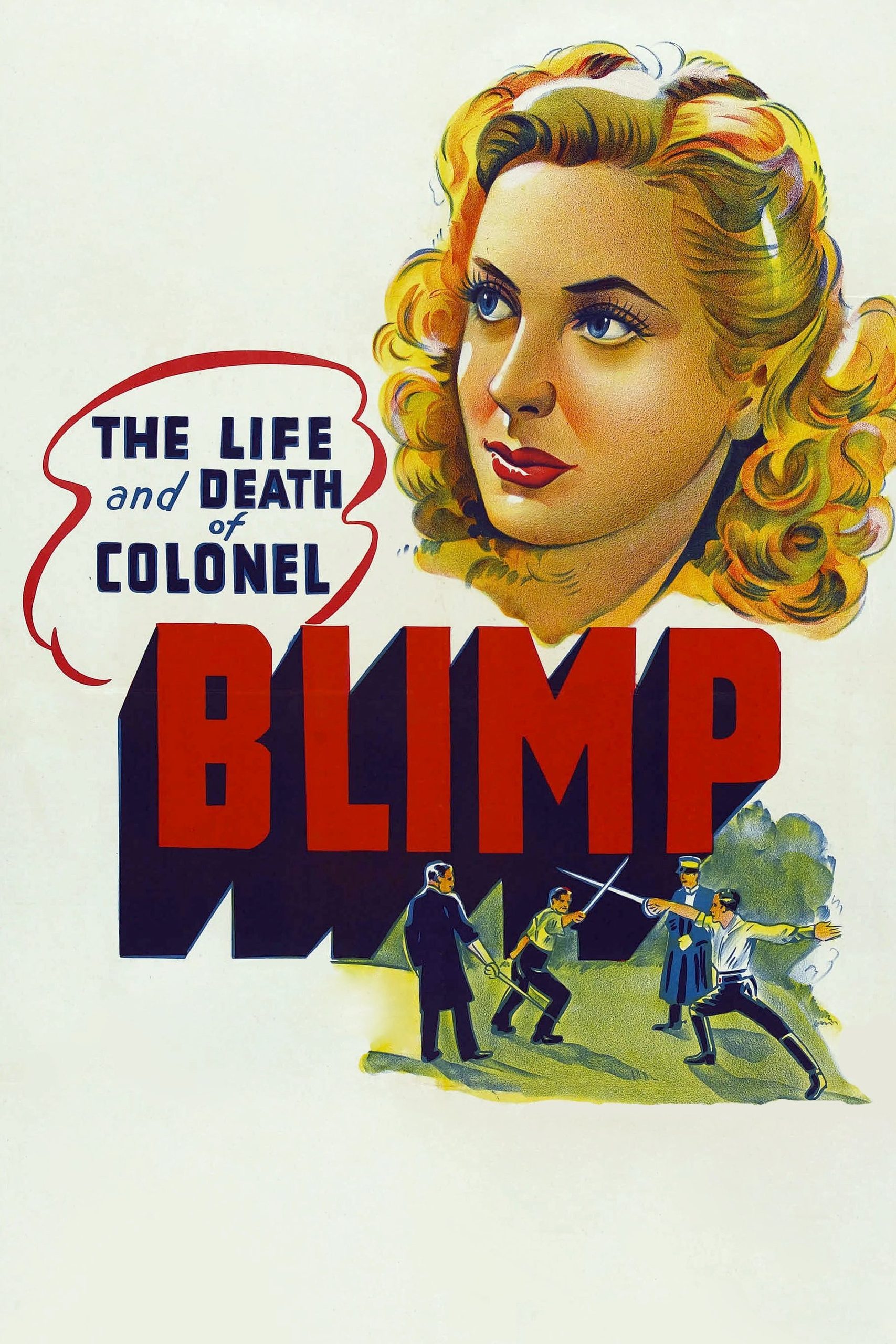
The consensus is firmly positive, with praise centred on the film’s compassion for Clive Candy as his ideas of honour become harder to reconcile with modern war. Critics repeatedly value the friendship between Clive and Theo, and the way Powell and Pressburger give a potentially pompous caricature dignity without overlooking his failings. The performances draw strong approval, particularly Roger Livesey’s balance of absurdity and decency, while the Technicolor images, editing and transitions also attract praise.
The differences concern the degree of enthusiasm rather than any outright rejection: all eleven reviews are positive. The two reviews from 1945 are more measured than the later assessments. The New York Times finds the entertainment impressive but sometimes inconsistent; The New Yorker stresses the touching contradictions of a soldier who is absurd, brave and honest. Elsewhere, the reviews largely treat the tension between affection and criticism as a strength.