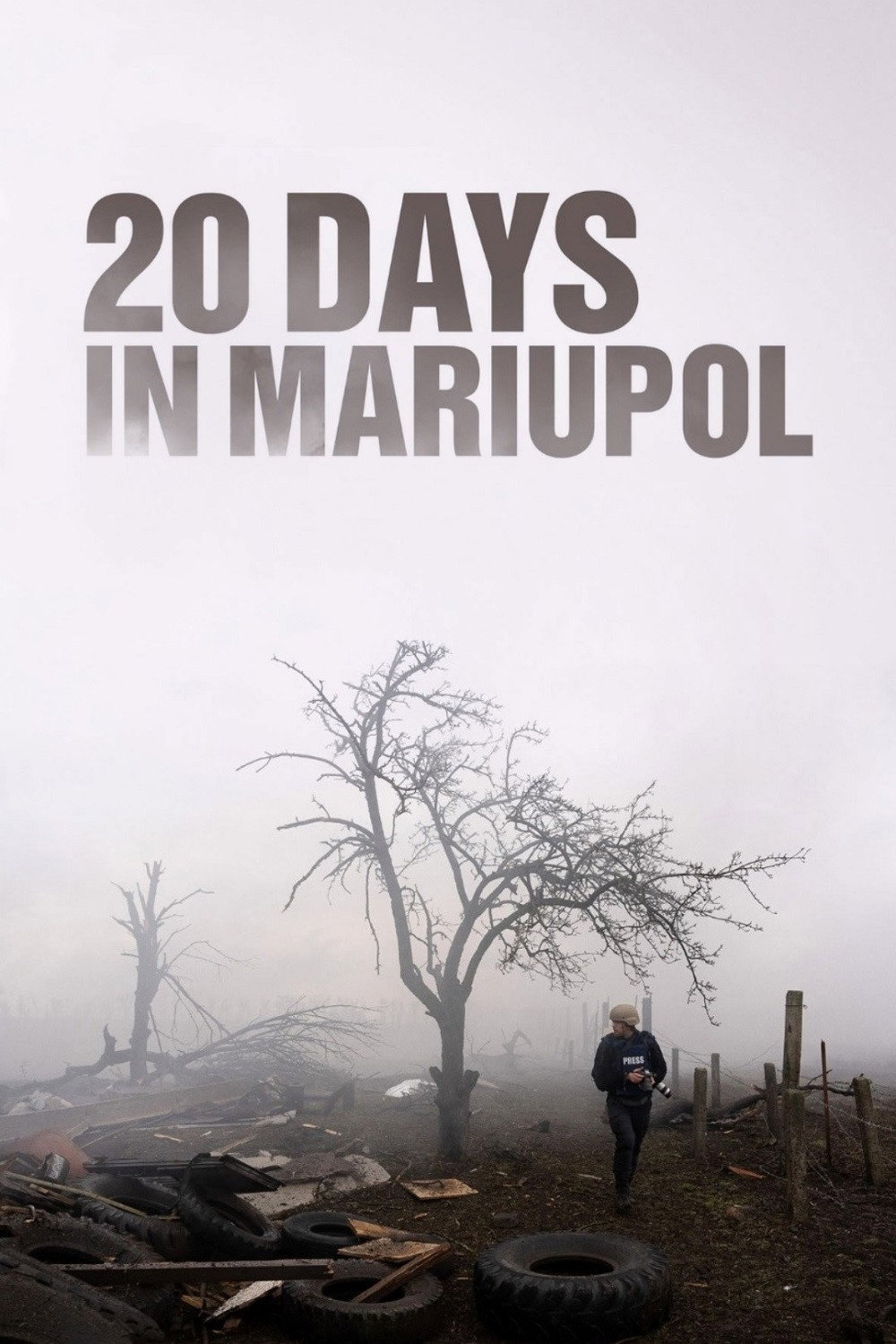
The reviews are uniformly positive about 20 Days in Mariupol, with praise centred on the immediacy of its eyewitness footage and its record of civilian suffering. Critics repeatedly single out the journalists’ work inside hospitals and amid the city’s destruction, finding the images deeply upsetting but necessary to confront. The narration also draws praise for guiding viewers through the collapse of ordinary life, while the reporting is valued for documenting events that Russian disinformation seeks to deny.
The differences concern emphasis rather than substantial objections, and there is no negative dissent in the supplied reviews. Time Out notes the lack of hope found in comparable documentaries, though it praises Chernov’s refusal to put himself at the centre. Paste questions the usefulness of conventional judgements about film quality here, concentrating instead on the footage’s immediacy and the obligation to bear witness.