We strongly recommend Mstyslav Chernov’s documentary about the siege of Mariupol, with a firm warning about its distressing images. The civilian testimony commands attention, although the sombre narration sometimes presses harder than it needs to.
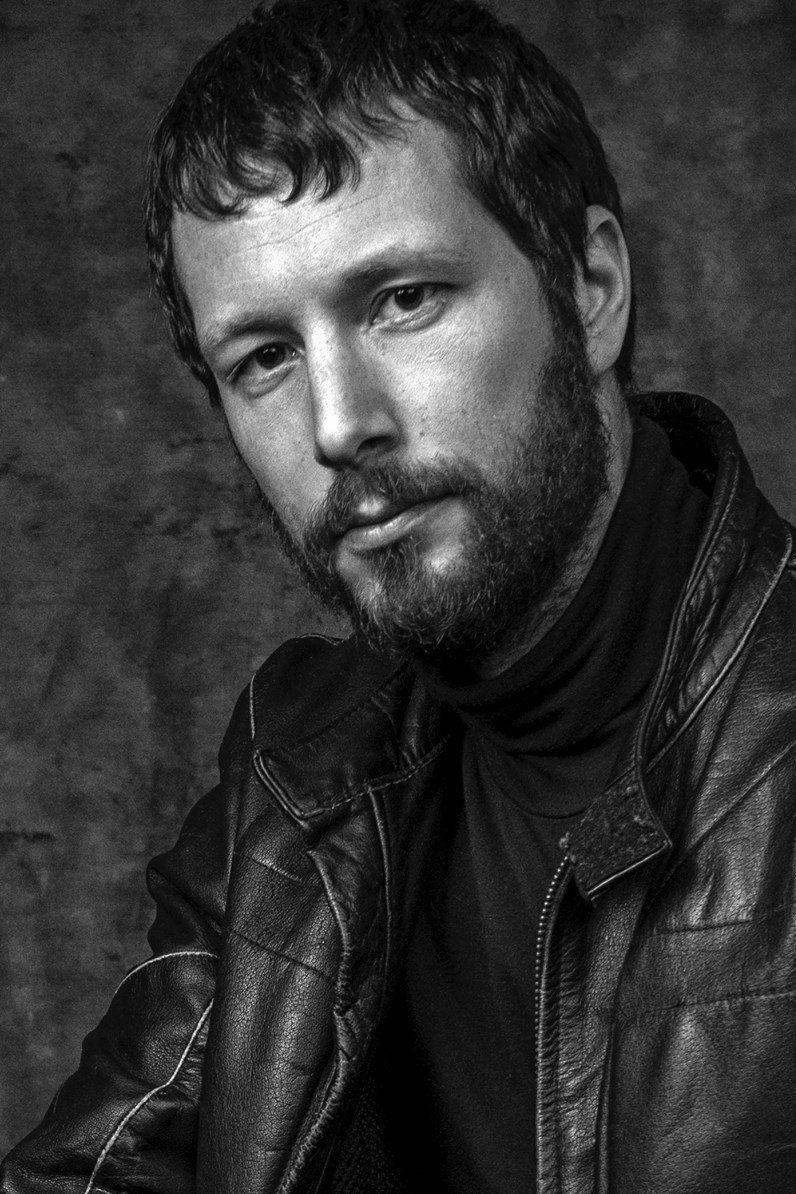
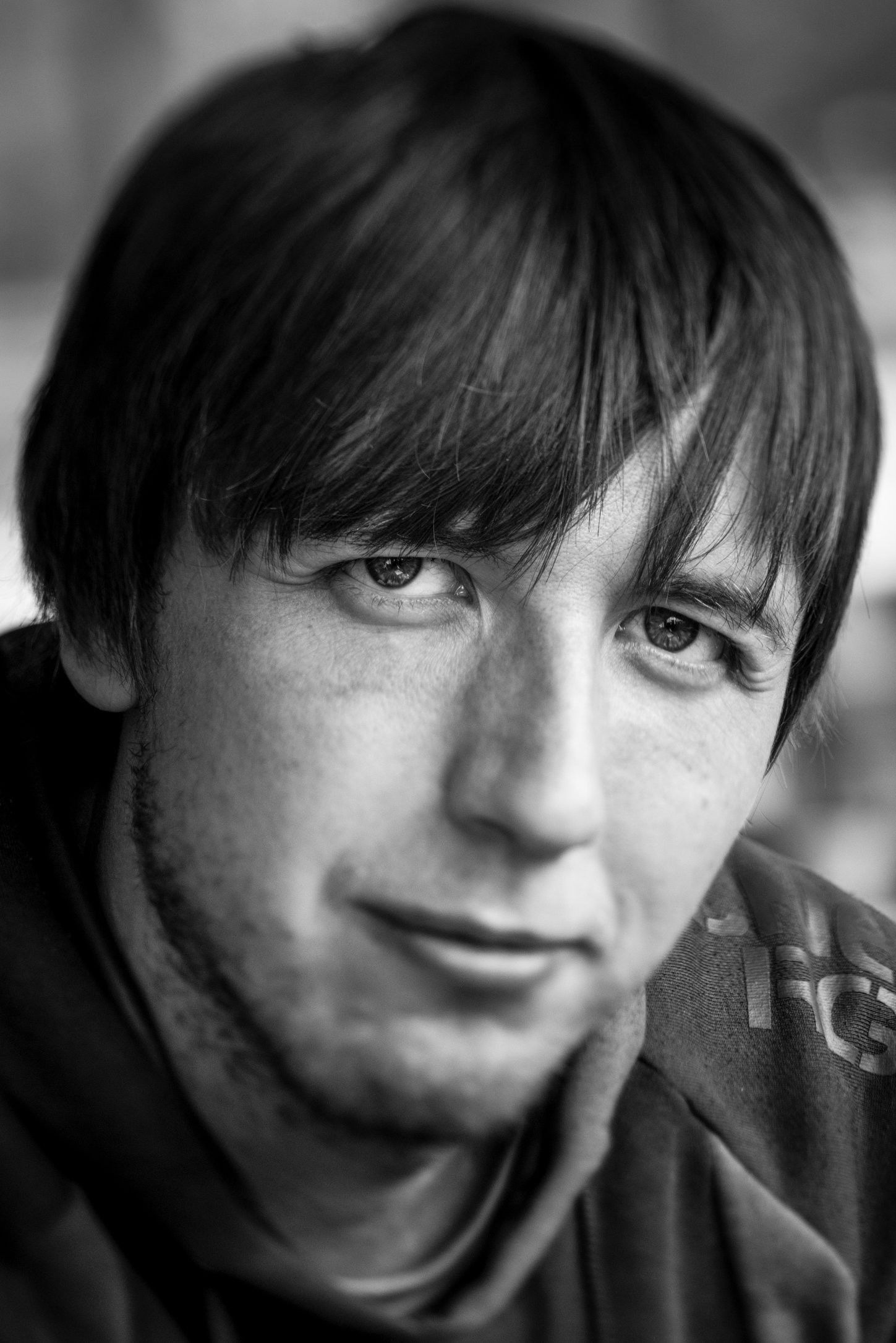
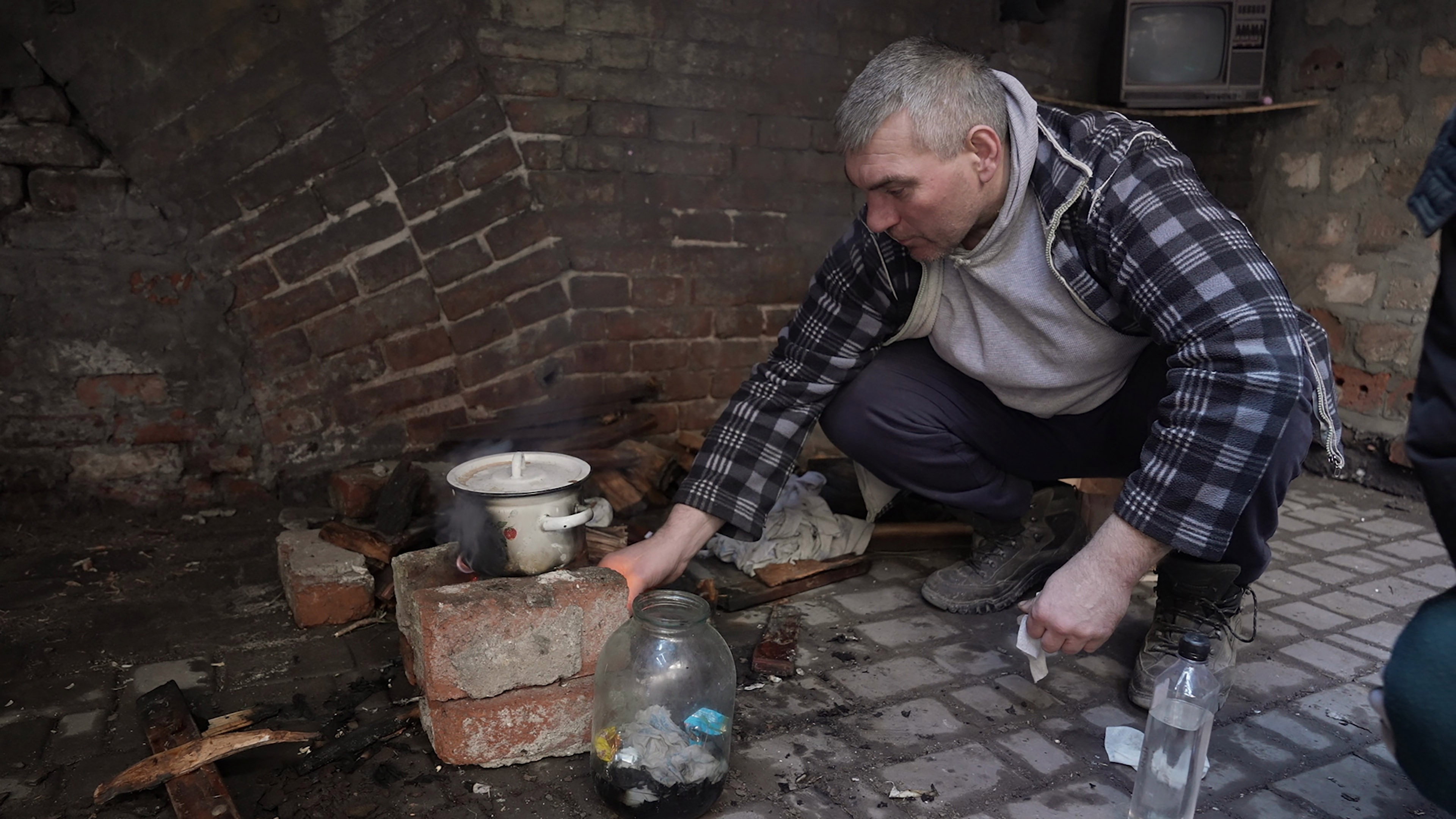
20 Days in Mariupol is an exceptional piece of reporting, and a film we recommend with a firm warning about the distress it causes. Director Mstyslav Chernov records civilians under siege at the beginning of Russia’s invasion, staying close to people whose immediate task is to survive. He also narrates, giving the account an identifiable person behind the camera. The purpose is plain enough: to show what happens to civilians when their city is attacked.
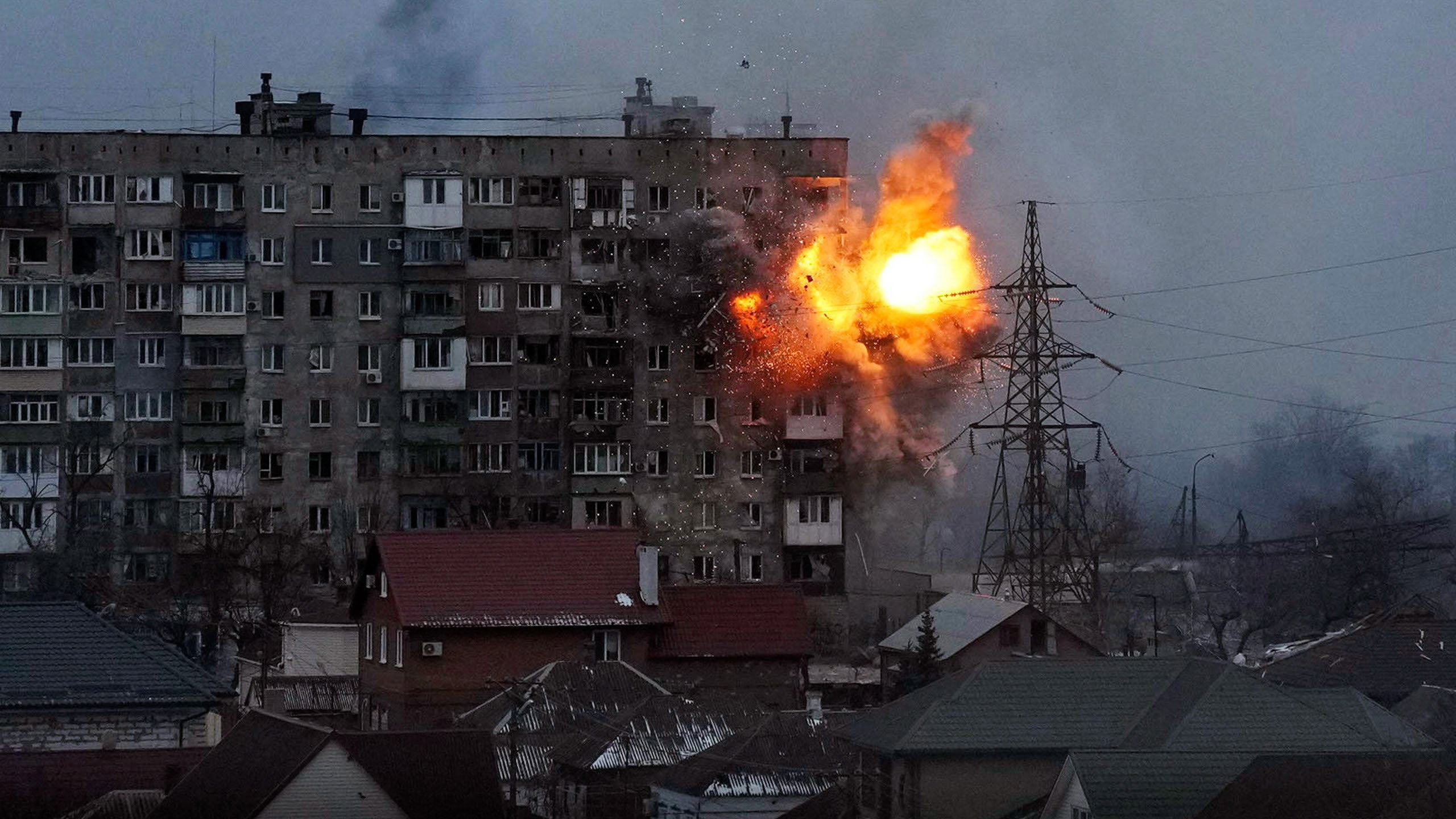
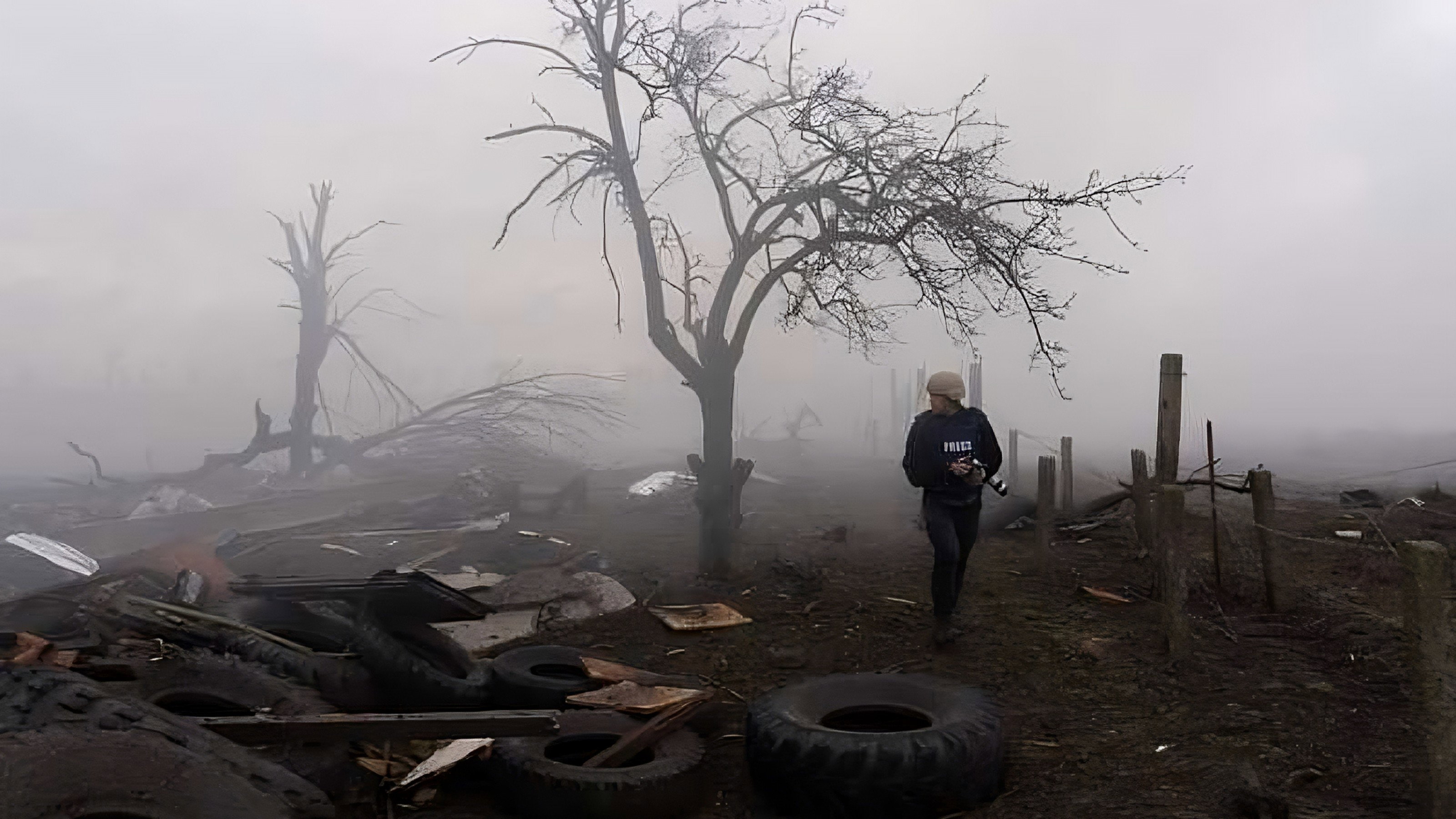
Evgeniy Maloletka’s cinematography has the instability of a camera being used under threat. Damaged buildings and distressed civilians are recorded from the ground, close enough that we have to work to understand what we are seeing. The shaking can be exhausting. It also makes the confusion felt without preventing us from recognising individual suffering. The footage’s roughness helps us understand the conditions in which it was made, and there is little temptation to admire a composition while overlooking its subject.
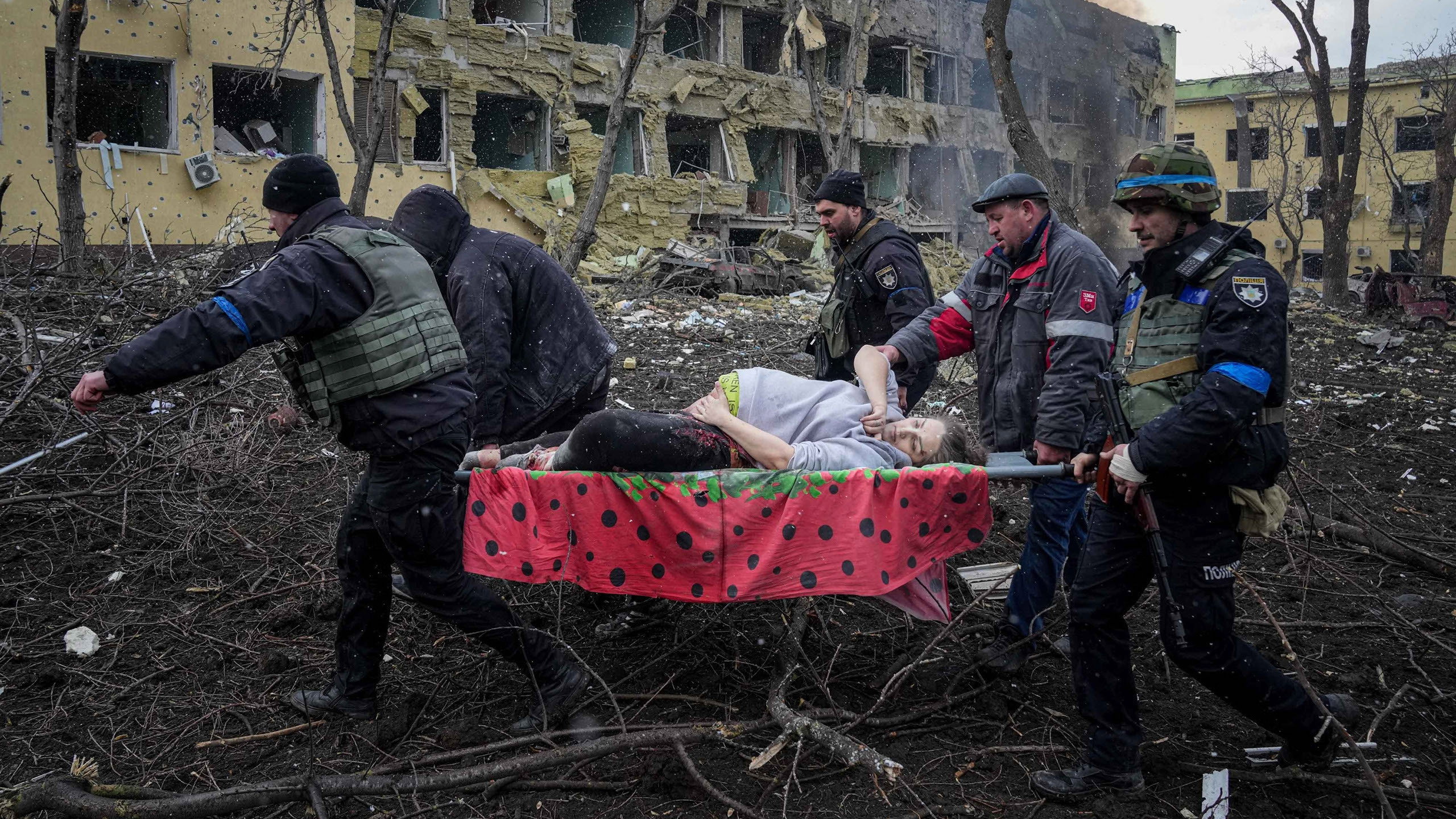
We were horrified by the footage of injured children and their parents’ distress. Chernov keeps the human consequences of the bombardment before us long enough that we cannot absorb them as another piece of news and move on. The parents command our attention as completely as the wounds. These passages are difficult to sit through, and the difficulty is inseparable from what they show.
Michelle Mizner’s editing has the difficult job of condensing the reportage into 94 minutes without making the siege look orderly. The accumulation of injuries, wrecked buildings and people needing help remains comprehensible. Mizner gives the human encounters room to register, so the damaged buildings do not become the film’s only measure of destruction. We can follow the account without being offered a tidy explanation for each person’s experience. That clarity matters when so much of what is being recorded is confusion.
Chernov’s sombre narration is less convincing when it seems to underline an emotional response the footage has already produced. His presence is useful: a named witness helps us understand whose account we are hearing. But some of the emphasis feels unnecessary beside the directness of the civilians’ distress. Jordan Dykstra’s music adds another prompt to feel the gravity of what we are seeing, and we rarely need it. These are limited objections, though the plainest passages make us wish the film trusted its recorded voices a little more.
The residents who ask the journalists to record what is happening complicate the question of when a camera should be put down. Their requests give the journalists a job they want done, even when watching feels intrusive. The account of Russian disinformation also explains why those pictures matter beyond the immediate experience of seeing them. As a war documentary, it makes a persuasive case for eyewitness reporting by showing who needs it. Chernov keeps our attention on those civilians and resists making his own courage the main subject.
The film offers little relief, and its 18 certificate should be taken seriously. This is not something to put on while deciding how much attention to give it. Anyone who finds footage of injured children intolerable should heed that warning without apology. For those who decide to watch, we would suggest leaving some quiet afterwards.