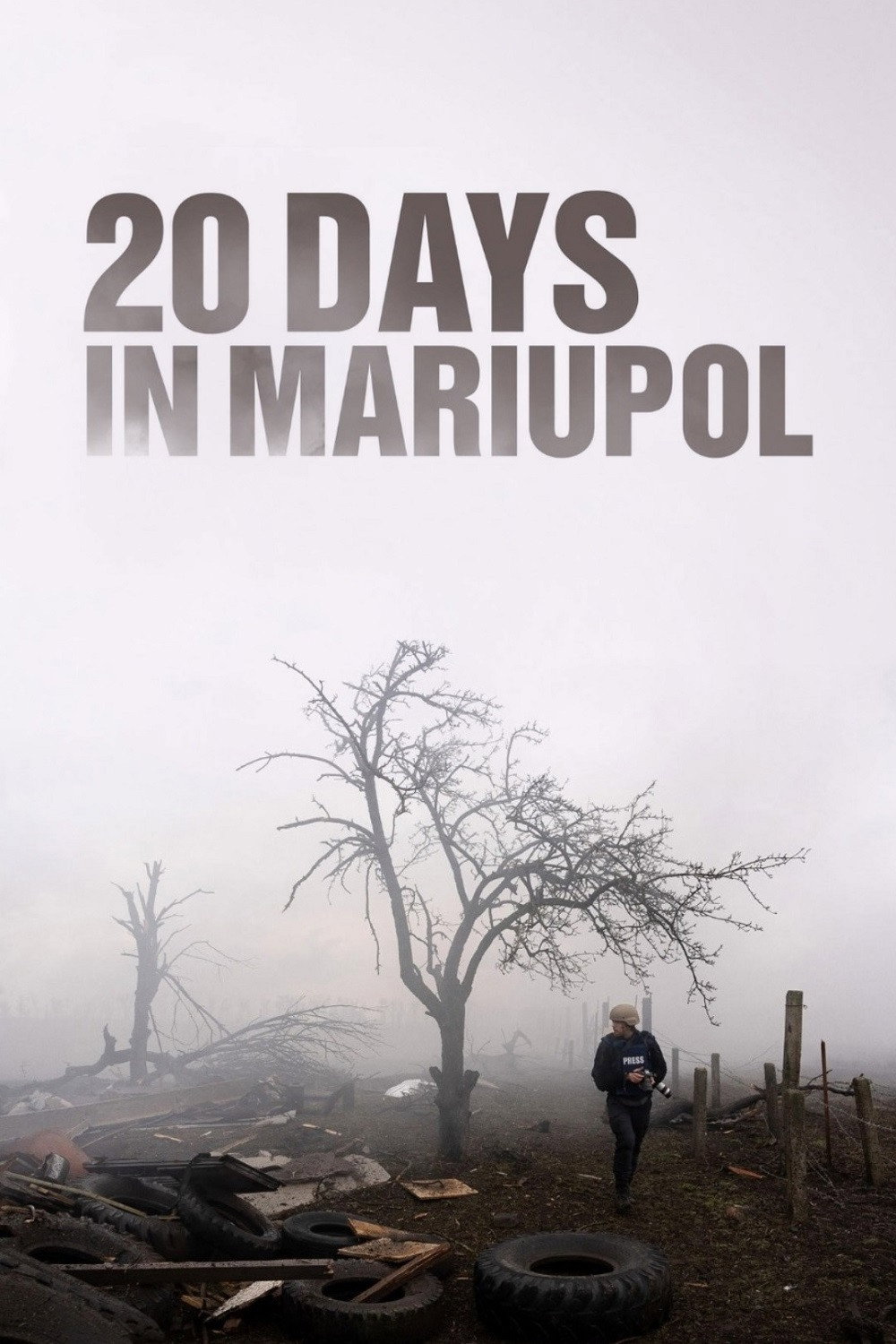
Evgeniy Maloletka’s contribution to 20 Days in Mariupol is the close, difficult work of recording civilians under threat. We strongly recommend the film, with a firm warning about its distressing images and a reservation about the sombre narration.
Fi1m perspective
The camera shakes among damaged buildings in 20 Days in Mariupol (2023), and we have to work to understand what it records. Civilians are filmed at close quarters, with little distance between their distress and the person holding the camera. Evgeniy Maloletka’s work preserves that confusion without making the people in it anonymous. We were horrified by these images because individual suffering remains clear even when the surroundings are difficult to read. The roughness keeps our attention on what has happened to them.
Maloletka appears as himself, so judging his contribution as acting would be a mistake. His work has centred on still photography of conflict and civilian suffering in Ukraine since 2014. In 2022 he joined Mstyslav Chernov and Vasilisa Stepanenko to document twenty days of the Mariupol siege. Their material became this documentary, directed by Chernov, with Stepanenko working as field producer.
The practical difficulty of getting images out matters as much as recording them. Maloletka works in small teams that remain in high-risk areas and transmit material under siege conditions. That persistence helps explain why this footage exists, but danger alone would not make it good cinema. What works here is the proximity to particular civilians: we can recognise their suffering even when we cannot immediately make sense of the space around them. The shaking can be exhausting, and it is worth saying so without treating it as carelessness.
Chernov’s film is less sure when its sombre narration presses for a response the images have already earned. We would have preferred it to leave more to the civilian testimony, which holds our attention without that extra insistence. That is a limited reservation about a documentary we strongly recommend, and it does not diminish the value of the reporting. See 20 Days in Mariupol, but take the warning about its distressing images seriously.
Biography
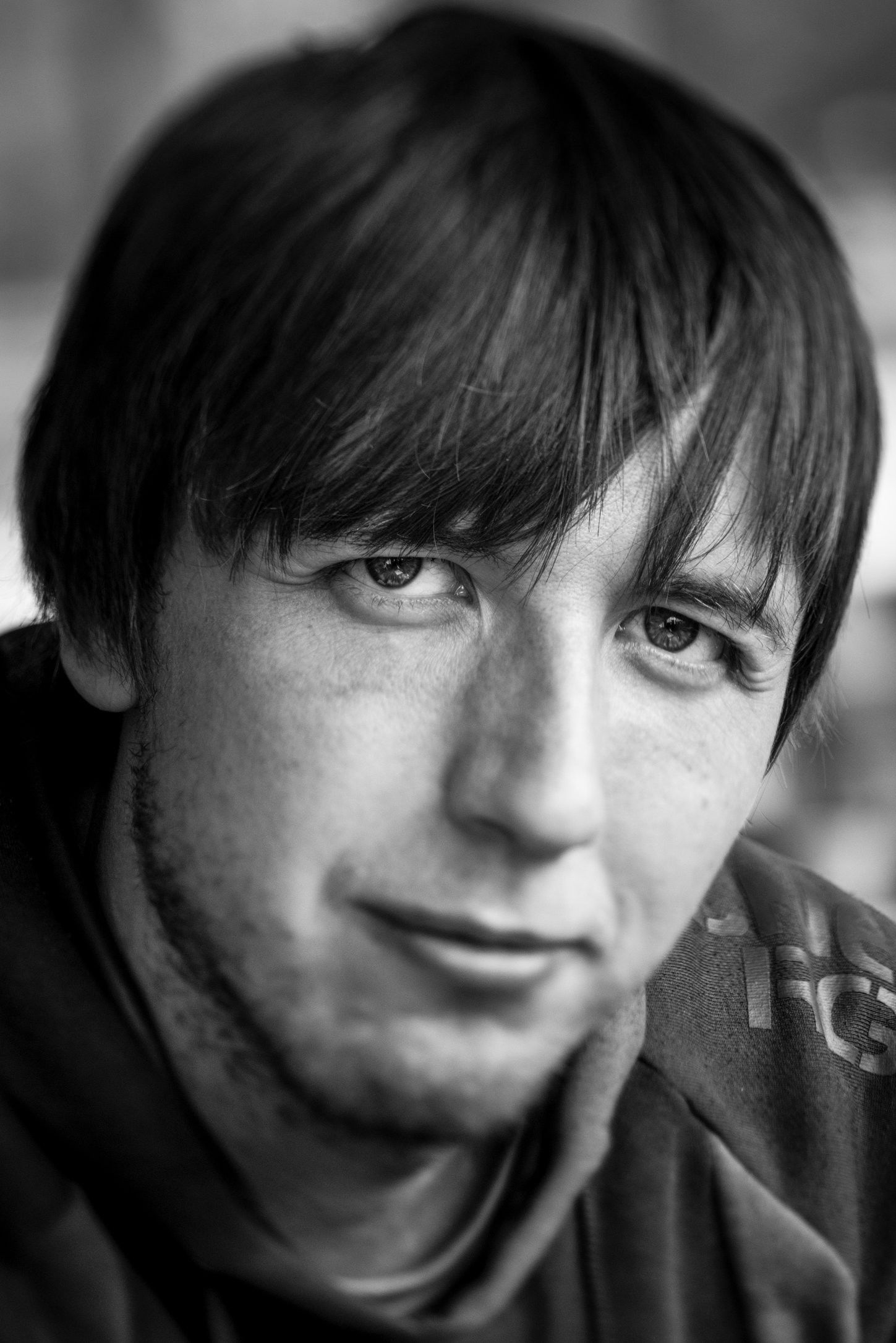
Evgeniy Maloletka is a Ukrainian photojournalist and filmmaker. He provided the still photography for the documentary 20 Days in Mariupol (2023), in which he also appears as himself, and collaborated with videographer Mstyslav Chernov and producer Vasilisa Stepanenko during the siege of the city.
Born in Berdiansk, he graduated from the Igor Sikorsky Kyiv Polytechnic Institute in 2010. He began working as a staff photographer for UNIAN in 2009 and later freelanced for the Associated Press and other international outlets. Maloletka has covered the war in Ukraine since 2014, as well as the Euromaidan protests and the COVID-19 pandemic.
His photographs from Mariupol in early 2022 received widespread publication and contributed to the Oscar-winning documentary. He has received two Pulitzer Prizes, the World Press Photo of the Year and other awards for his reporting.