Film review

For Sama

2019 · Directed by Edward Watts, Waad al-Kateab · 1h 40m

In a sentenceThe baby stops flinching at the bombs, and that is the most frightening thing in it

DocumentaryWar

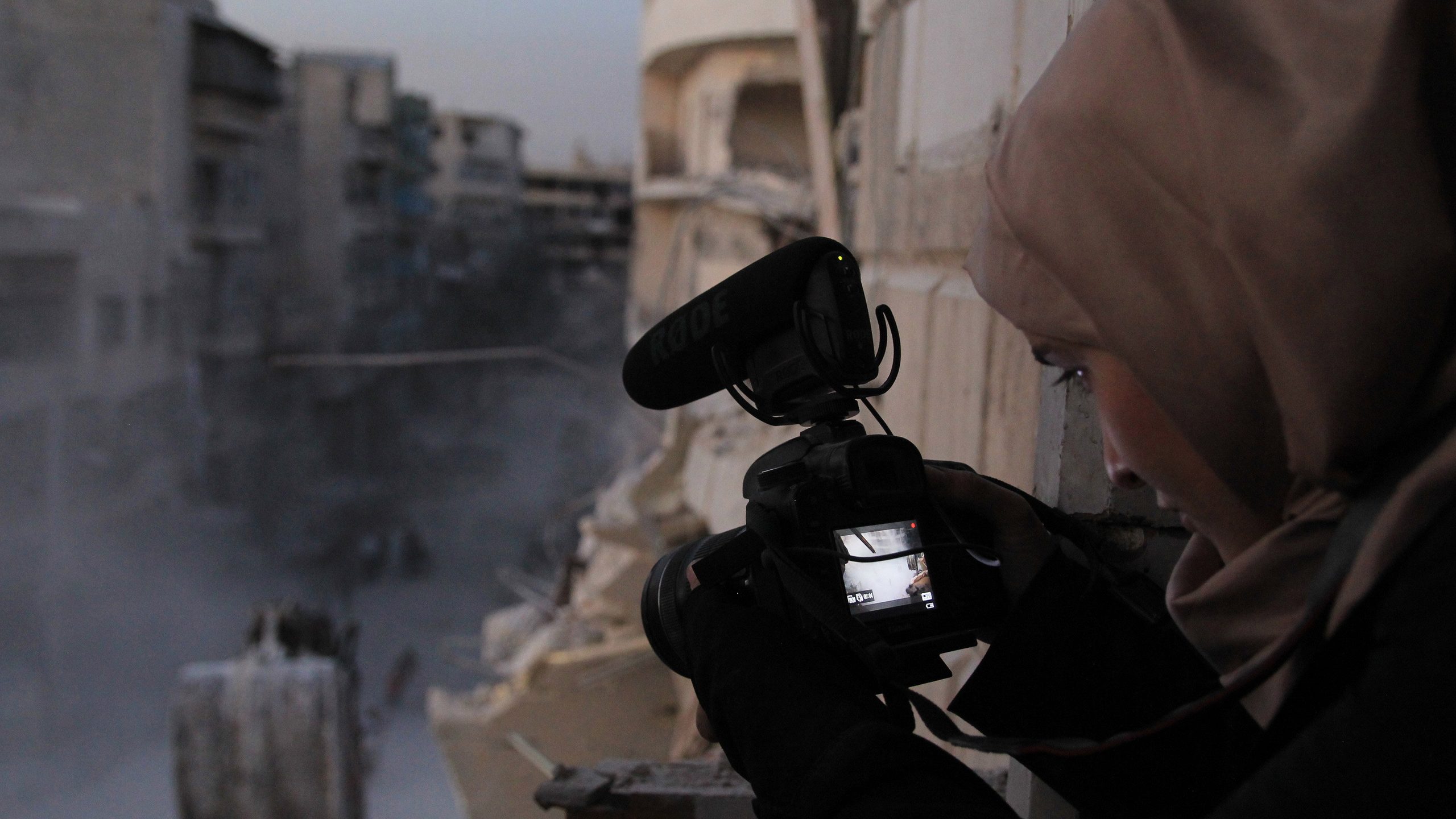
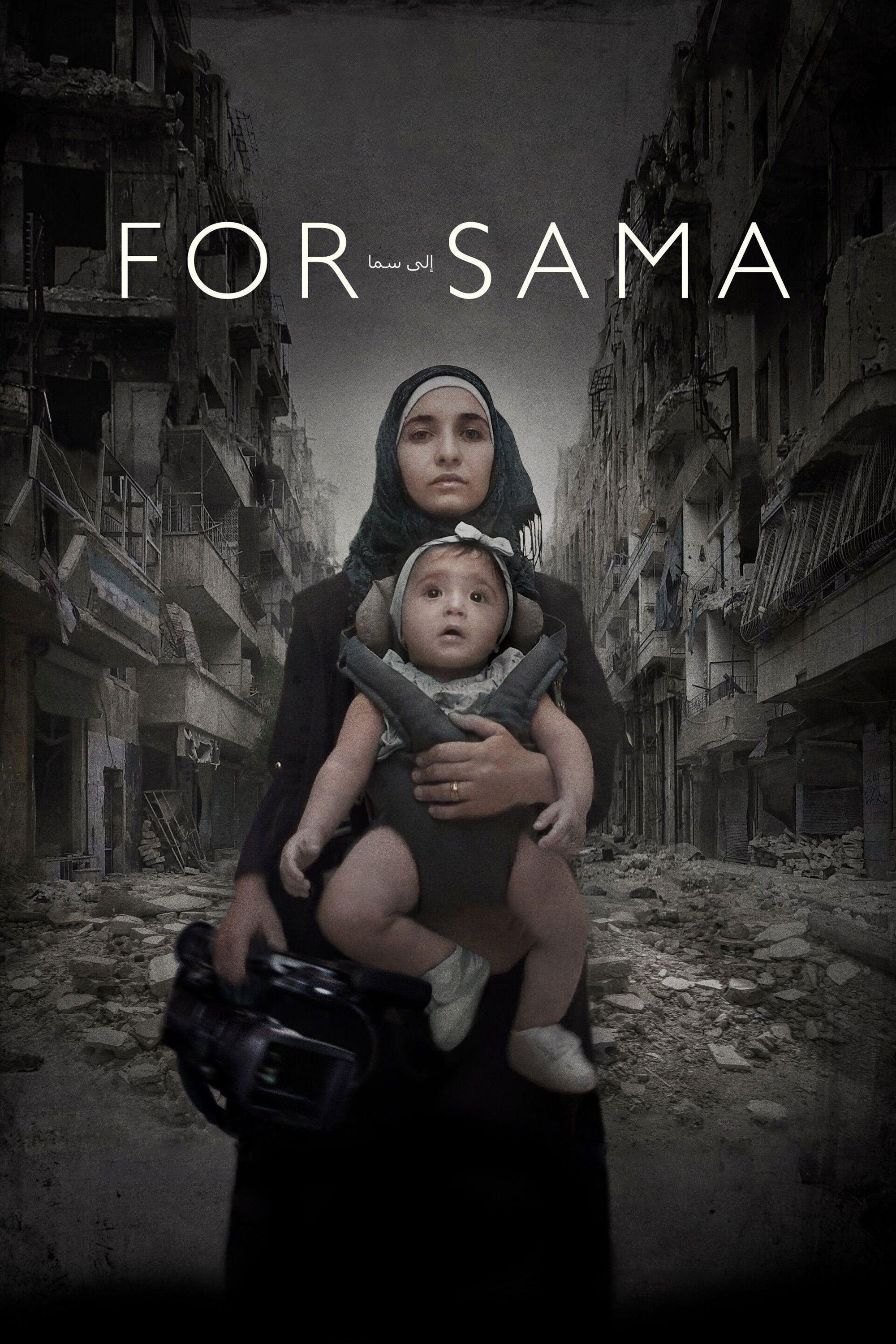
Aleppo, Syria. Waad al-Kateab, a student at the university, starts filming when the protests against the regime begin in 2012, and she does not stop. She marries Hamza Al-Khateab, a doctor, and stays with him in the eastern half of the city as the government bombs it and then seals it off, working in a hospital he runs with a handful of colleagues. Their daughter, Sama Al-Khateab, is born there. The film is cut from the footage Waad shot across those years and spoken over as a letter to Sama, explaining why her parents stayed. It opens in the hospital in 2016, mid-bombardment, and works back to the beginning: the student demonstrations, a wedding, a new flat, and the first barrel bombs.

Plays from YouTube when you press play; nothing loads from them until then.

Fi1m review

Waad al-Kateab filmed the siege of Aleppo from inside a hospital and addresses the result to her infant daughter. It is the most direct account of that war we have seen, and one of the hardest to sit through. Sit through it.

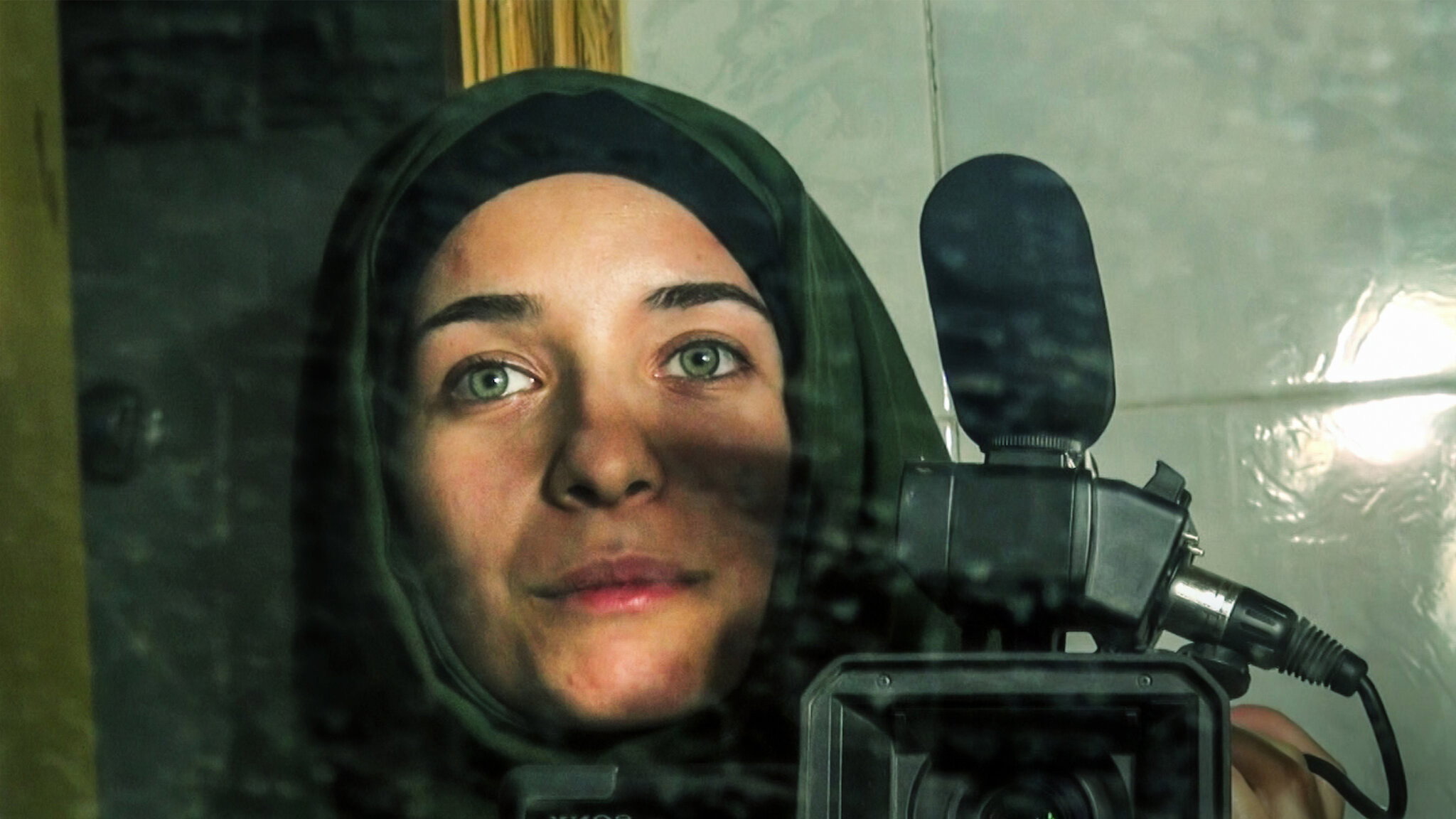
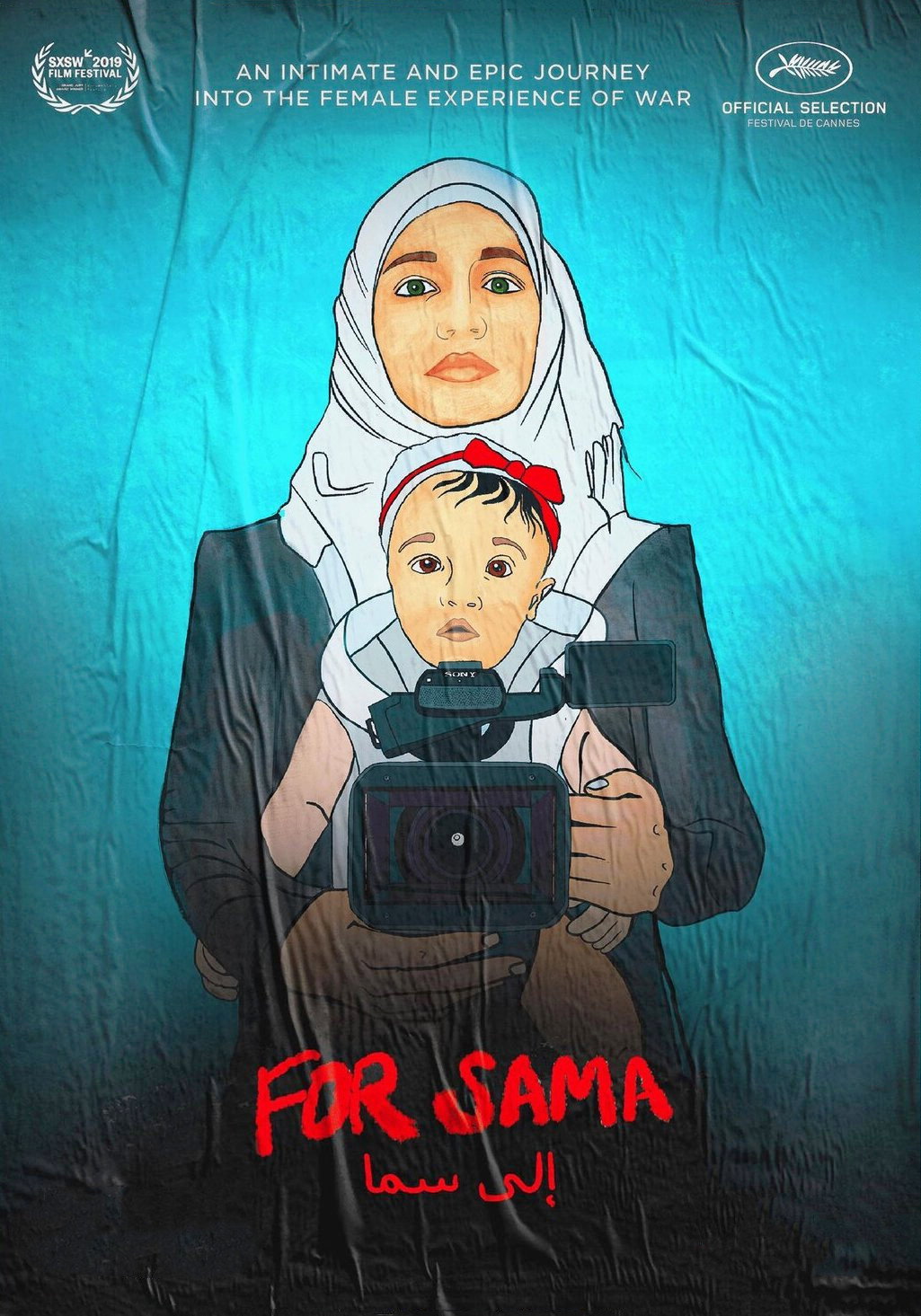
Waad al-Kateab was a student in Aleppo when the demonstrations against the regime began in 2012, and she picked up a camera. She kept it running for years: through the protests, through her marriage to Hamza Al-Khateab, a doctor who ran a hospital in the eastern half of the city, and through the birth of their daughter, Sama Al-Khateab, while the bombs were falling. For Sama is cut from that footage and spoken over as a letter to the child, an attempt to explain why her parents stayed. It runs 100 minutes, it is certificate 18, and we think everyone who can bear it should see it. We also understand why some people cannot.

She is credited as her own cinematographer, which is a grand phrase for what she was doing. The camera is small and handheld, it hunts for focus, and more than once it is put down on a counter in the middle of a crisis and left to record whatever passes. That is the film’s strength. A crew would have lit the hospital and found the angle; al-Kateab is in the corridor because she lives there, and the shots have the offhand framing of someone who is also trying to keep out of the way. When a strike lands near the building the picture jerks to the ceiling and comes back, and nobody has to explain what happened.

Edward Watts, who co-directs, and the editors Chloe Lambourne and Simon McMahon have not cut it in order. The film opens in the hospital in 2016 and then drops back to the university, forward to the birth, back to the wedding, and for the first twenty minutes or so we were checking the captions and doing sums. That is our one real complaint about the structure, and it does not last. Once the pattern settles, the earlier footage (a wedding, a new flat being painted, a garden with a tree in it) is weighted by what you already know is coming, and the editors use that weight carefully rather than for shock.

We were horrified, and we should say by what. Not the explosions, which the film shows plainly and without dwelling, but the hospital floor afterwards: children carried in grey with dust, a mother who has just been told and will not put her son down, and the staff moving around her because there is a next one. There is a birth, in the middle of the film, under bombardment, that we will not describe. It is the point at which we stopped writing anything down. She films it at eye level and holds the shot longer than a news camera would.

The letter itself is spoken quietly and without rhetoric. Waad al-Kateab asks Sama, more than once, whether she will understand and whether she will forgive them, and she does not pretend to know the answer. Hamza Al-Khateab is the film’s other centre, a calm man in a place with no reason for calm, seen mostly at work and occasionally asleep in his clothes. Nainita Desai’s score is restrained for most of the running time, a low pulse under the voiceover, and we were grateful for that. There are two or three passages where it swells under footage that needed no help, and we noticed each of them.

The ending reaches, a little, for a shape the footage never needed, and one or two of the later sequences are held past the point where they have done their work. These are small things. What the film gets right is the ordinary: Sama in a pushchair on a ruined street, a joke made over dinner about the shelling, children painting a burnt-out bus. Most films about this war were shot by people who flew in and flew out. This one was shot by a woman whose kitchen is in the frame.

Watch it in a cinema if one is showing it; the noise is part of it, and you cannot pause. At home, keep the lights on and have someone to talk to afterwards. It is an 18 and that is the right certificate.
Critical consensus AI synthesised

84
Positive
19
Mixed
0
Negative
1

The reviews are close to unanimous: nineteen of twenty are positive, and most critics call For Sama one of the most intimate accounts of the Syrian conflict yet filmed. The praise clusters on Waad al-Kateab’s own footage and on the voiceover addressed to her daughter, which critics say turns years of siege reportage into a family story without softening it. Several single out the hospital scenes, one involving a newborn, as the film’s hardest and most cathartic moments, and a few admire the non-chronological cutting for showing how ordinary the bombardment becomes.

Reservations are scarce. Vulture finds the ending a touch too polished for material this raw. The one real dissent is the Evening Standard’s one-star rating, though its write-up describes a sweet love story and a diary of a betrayed revolution, so what it objects to is hard to tell. Otherwise the spread is narrow, with festival and release-week reviews saying much the same thing.

The Telegraph
7 January 2020 · ★★★★★ · Tim Robey
100

The documentary delivers an acutely personal and soul-shaking view of atrocity through Waad al-Kateab's intimate footage of life during the Aleppo siege. It stands out for its indelible scenes of human endurance amid systematic destruction, making it unmissable.

Read the full review →
The Times
13 September 2019 · ★★★★★ · Kevin Maher
100

This award-winning documentary is the antithesis of escapist entertainment, treating its subjects with remarkable tenderness and kindness amid harrowing scenes of war. It captures an unprecedented, compassionate chronicle of survival and loss in Aleppo that is both unbearable and unmissable.

Read the full review →
Film Comment
· Imogen Sara Smith
90*

The film is a powerful, first-person documentary in which Waad al-Kateab and Edward Watts interweave harrowing footage of the siege of Aleppo with Waad’s personal story of marriage, motherhood, and resistance. The critic praises its emotional directness, non-chronological structure, and the way it humanizes the horrors of war through intimate family moments and unflinching hospital scenes.

Read the full review →
IndieWire
26 July 2019 · David Ehrlich
90*

The critic describes it as a bracingly horrific but resiliently beautiful and essential documentary about a young mother raising her daughter in a Syrian war zone.

Read the full review →
RogerEbert.com
16 May 2019 · festival review · Ben Kenigsberg
90*

The film captures the details of daily life under the Syria conflict better than any documentary yet seen through the filmmaker’s personal, diary-like footage addressed to her daughter. It heightens the sense of desensitization and humanity in the conflict via non-chronological structure and intimate moments.

Read the full review →
Sight and Sound
12 September 2019 · Nikki Baughan
90*

The critic hails it as one of the most powerful and essential films to emerge from Syria, a stirring cry of pain and protest from a female perspective. She singles out the intimate first-person voiceover, framed as a letter to Waad's daughter, for bringing home the human cost amid the unflinching footage.

Read the full review →

Cast

Awards

British Academy Film Awards, 2020

Won
British Academy Film Awards

International Emmy Award for best documentary, 2020

Won
International Emmy Award for best documentary

European Film Award for Best Documentary, 2019

Won
European Film Award for Best Documentary

If you liked this, try…

Last Men in Aleppo poster

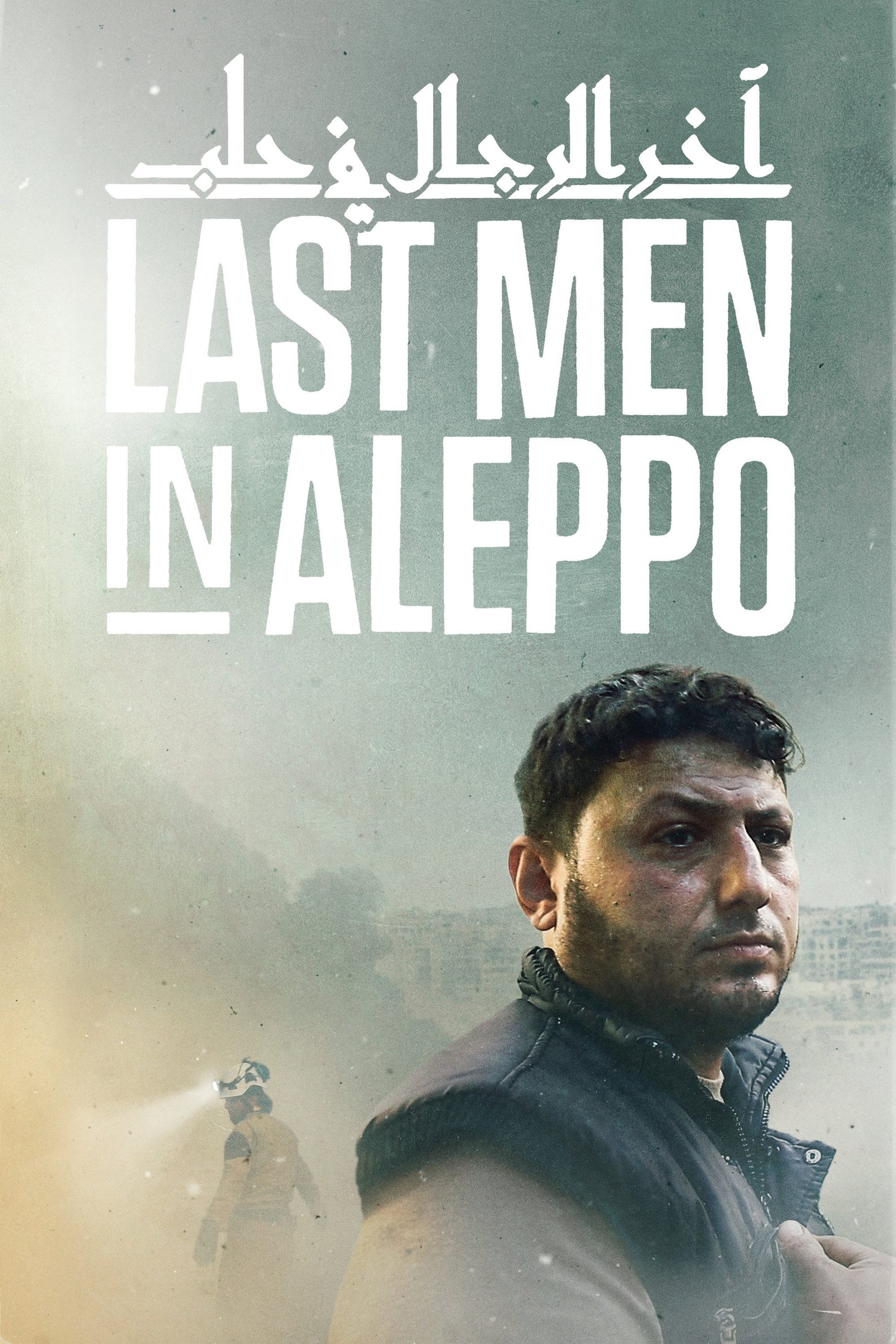
Last Men in Aleppo

2017 · The same city and the same years, seen from the rescue crews digging people out.

5 Broken Cameras poster

5 Broken Cameras

2011 · A Palestinian farmer films his village’s protests, one camera at a time, each one destroyed.

Restrepo poster

Restrepo

2010 · A year with American soldiers in an Afghan valley, shot by two men who lived there too.

Flee poster

Flee

2021 · An animated account of leaving Afghanistan as a boy, told to a friend who already half knows.

Waltz with Bashir poster83

Waltz with Bashir

2008 · Israeli veterans try to recall a massacre they were near, and animation stands in for memory.