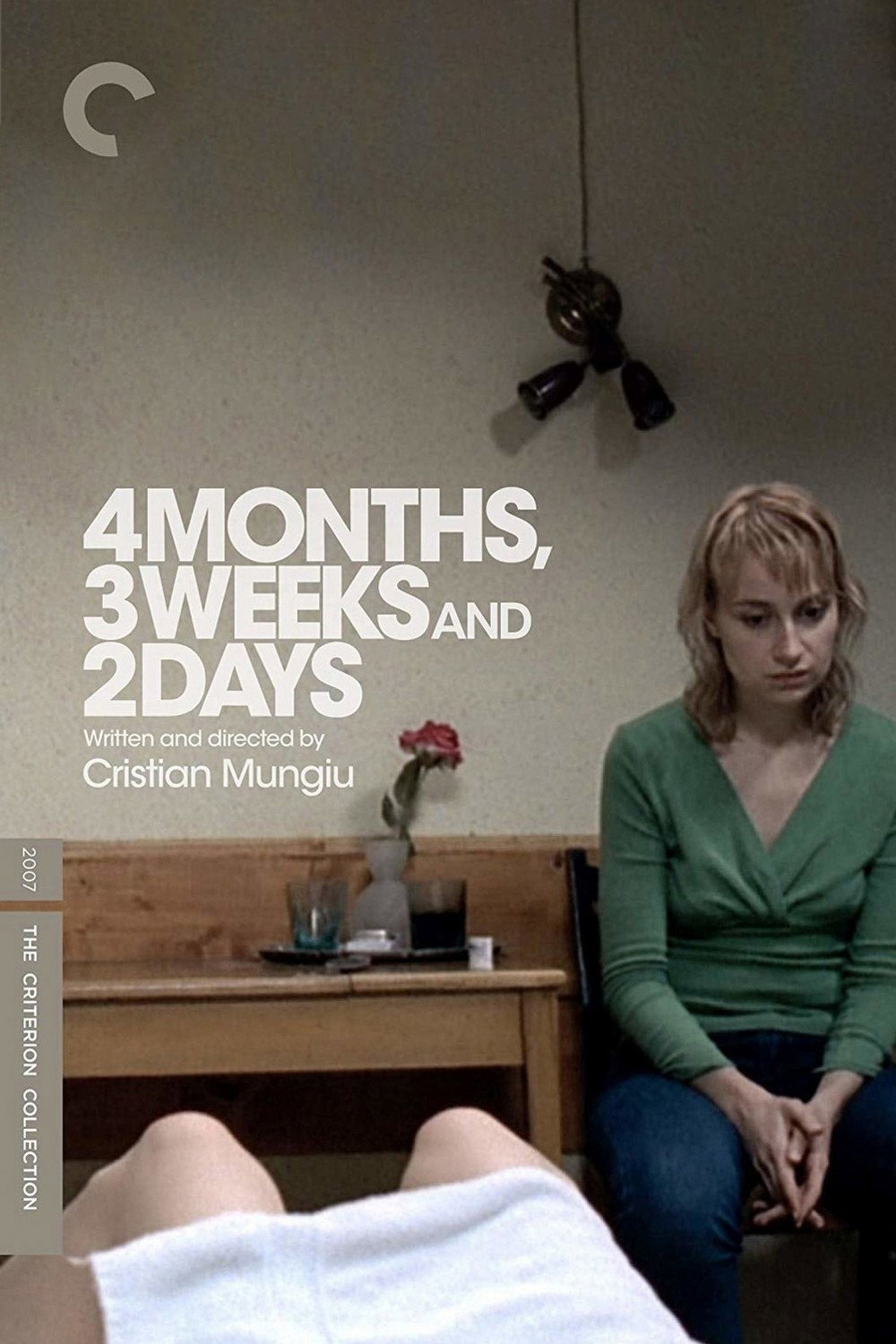
The consensus is strongly positive, with praise centred on Cristian Mungiu’s controlled direction, the sustained tension of the long takes and Anamaria Marinca’s performance. Critics repeatedly describe the camerawork as essential to the pressure of the story, keeping ordinary negotiations and practical obstacles tense without forcing the drama. Marinca draws particular praise for her concentration and emotional depth. The reviews also value the film’s sympathy for its characters and its close attention to the cruelties of life under communist rule.
The differences are largely matters of emphasis rather than disagreement, and the supplied reviews contain no outright dissent. Some focus on the thriller-like pacing; others stress female solidarity or political oppression. Reservations concern the experience of watching something so relentlessly grim. Eye for Film offers the clearest caveat, recommending it only to those prepared for its distressing effects and noting the unqualified condemnation of the regime’s policies.
R
RogerEbert.com
7 February 2008 · ★★★★/4 · Roger Ebert
100
The film is a powerful and stark visual accomplishment set in late-1980s Romania under Ceausescu, where a young woman helps her roommate obtain an illegal abortion. The critic singles out the masterful performances of Anamaria Marinca as the resourceful Otilia and the rigorous long-take style for praise.
Read the full review →T
Time Out
7 January 2008 · ★★★★★ · Dave Calhoun
100
The review calls it the most striking and memorable film of Cannes, a grim yet terrifically made and sensitive portrayal of backstreet abortion under strict communist law. It singles out the intimate story's sting, the perspective play with off-stage drama, and the real-time tension in long takes.
Read the full review →E
Empire
29 December 2007 · Damon Wise
90*
The critic calls the film superb and brilliantly made, noting its tense, kinetic and intelligent storytelling with universal appeal. They single out the gorgeous camerawork and the powerful final moment for particular praise.
Read the full review →N
The New York Times
25 January 2008 · Manohla Dargis
90*
This ferocious, unsentimental film marks the emergence of an important new talent in director Cristian Mungiu, offering a haunting intellectual and aesthetic achievement about an illegal abortion in Ceausescu-era Romania. The critic singles out the brilliantly directed camerawork that expresses consciousness itself and the sustained long shots for praise.
Read the full review →N
The New Yorker
28 January 2008 · Anthony Lane
85*
Mungiu has arrived at an honest if disturbing way to tell a story of sundering and invasion in 1987 Romania, where the camera roams like a hound amid crises. The critic singles out the sure pacing that makes the film feel like a thriller and the unwavering concentration of lead actress Anamaria Marinca for praise.
Read the full review →F
Film Comment
· Kristin M. Jones
The critic praises Mungiu's use of prolonged, unblinking long takes that build tension around the central illegal abortion story set in late-1980s Romania. She highlights the film's realistic details drawn from real-life experiences and its portrayal of the oppressive societal backdrop under Ceausescu.
Read the full review →S
Screen Daily
17 May 2007 · festival review
The critic describes a deceptively simple tale carrying a tremendous wallop that leads new Romanian cinema at Cannes, exploring character, friendship, responsibility and devotion under duress in Ceausescu-era Romania. It praises the remarkably controlled and unaffected lead performances and the use of long sequence shots.
Read the full review →S
Sight and Sound
· Ben Walters
The critic applauds how the film mixes profound sympathy for its characters' ordeals with an eye for the grim absurdities of late-communist Romanian society. It highlights the technical tour de force of lengthy takes, the nerve-wracking dinner scene, and the balance of humane charting with knowing distance.
Read the full review →S
Slant Magazine
26 September 2007 · Ed Gonzalez
The critic highlights the film's urgent, ticking-bomb quality through concentrated long shots and heightened performances, noting how it transforms a desperate struggle into a stirring expression of female solidarity. It praises the canny deployment of red herrings and the allegory of struggles under a political machine.
Read the full review →G
The Guardian
11 January 2008 · Peter Bradshaw
The critic calls the film a brutal masterwork and a masterpiece of intimate desperation about an illegal abortion in 1980s Romania. They single out the lead performance by Anamaria Marinca for its emotional depth and the director's controlled long-take sequences.
Read the full review →H
The Hollywood Reporter
17 May 2007 · festival review · Ray Bennett
The critic finds the film dark and gloomy yet observant and highly suspenseful, casting an unblinking eye on life in the last years of communism in Romania. It praises the exceptional performance by Anamaria Marinca and the balance of banal cruelty with simple generosity.
Read the full review →V
Variety
7 June 2007 · festival review · Jay Weissberg
This is a stunning achievement helmed with purity and honesty that captures not just the illegal abortion story but the constant negotiations for survival in the final days of the Soviet bloc. The critic singles out the long takes, controlled camera, and astonishing ear for natural dialogue for praise.
Read the full review →E
Eye for Film
8 January 2008 · Jennie Kermode
80*
The film is an incredibly powerful piece of cinema that takes hold of the audience and never lets go, forcing viewers through the characters' horrific experience step by step while raising questions about the treatment of women. It is grim throughout with no attempt to balance its condemnation of the regime's policies, and the critic can recommend it only to those prepared to be utterly depressed afterwards.
Read the full review →P
Paste
17 January 2008 · Paste Staff
80*
The film powerfully depicts the emotional and logistical toll of obtaining an illegal abortion in 1980s Romania through the experiences of two roommates. Its strength lies in a sober, minimalist style of long handheld takes that confront the situation directly without evasion or stylization.
Read the full review →Ordered by the weight we give each publication, then by score. Scores are normalised to 100; * means inferred from an unrated review. Summaries are ours, not quotations; follow the links for the reviews themselves. How we rate