Film review

4 Months, 3 Weeks and 2 Days

2007 · Directed by Cristian Mungiu · 1h 54m

In a sentenceWe kept hoping someone would simply help, which ought not to have been such an extravagant wish

Drama

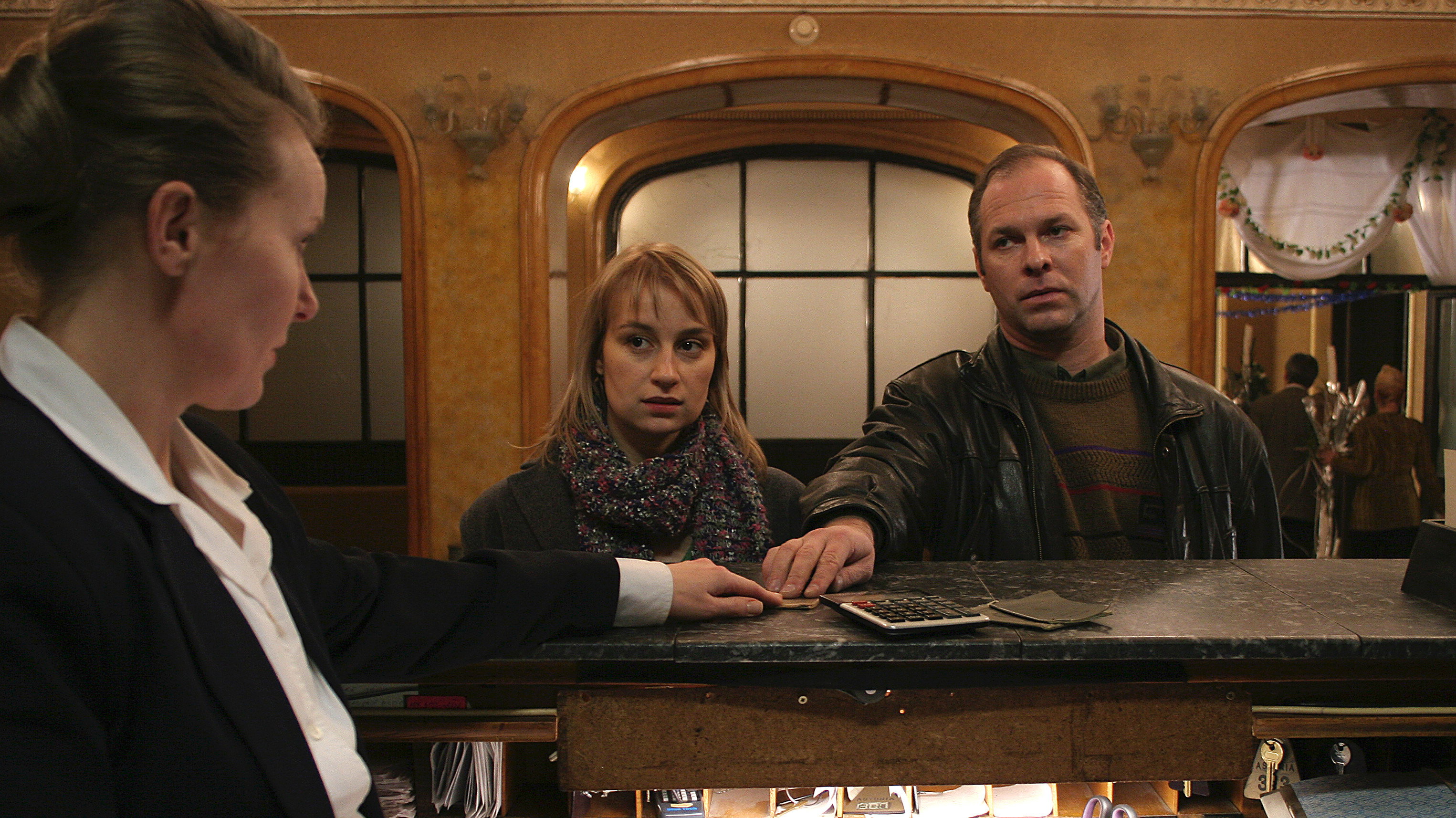
In Romania in 1987, Otilia (Anamaria Marinca) helps her roommate Găbiță (Laura Vasiliu) obtain an illegal abortion. Under Ceaușescu, the decision exposes both women to danger, and arranging it requires negotiations with people whose help they need. Otilia takes on the practical work, trying to keep the situation manageable while looking after her friend. The task puts their friendship under pressure and leaves them dependent on other people’s co-operation. Written and directed by Cristian Mungiu, the film follows the women through the emotional and logistical difficulties of seeking an abortion under an oppressive regime.

Plays from YouTube when you press play; nothing loads from them until then.

Fi1m review

Cristian Mungiu makes the practical business of obtaining an illegal abortion almost unbearably tense. Anamaria Marinca holds our attention throughout; the pressure sometimes feels excessive, but we would still urge people to see it.

4 Months, 3 Weeks and 2 Days is a frightening film about trying to get something done when almost every practical step carries a risk. We would urge people to see it, with a clear warning that it is hard to sit through. Cristian Mungiu follows Otilia as she helps her roommate obtain an illegal abortion in Romania in 1987. The story is intimate, but the law determines what the women can ask for and whom they have to trust. Mungiu gets considerable suspense from that dependence, without making their distress feel like an excuse for a thriller.

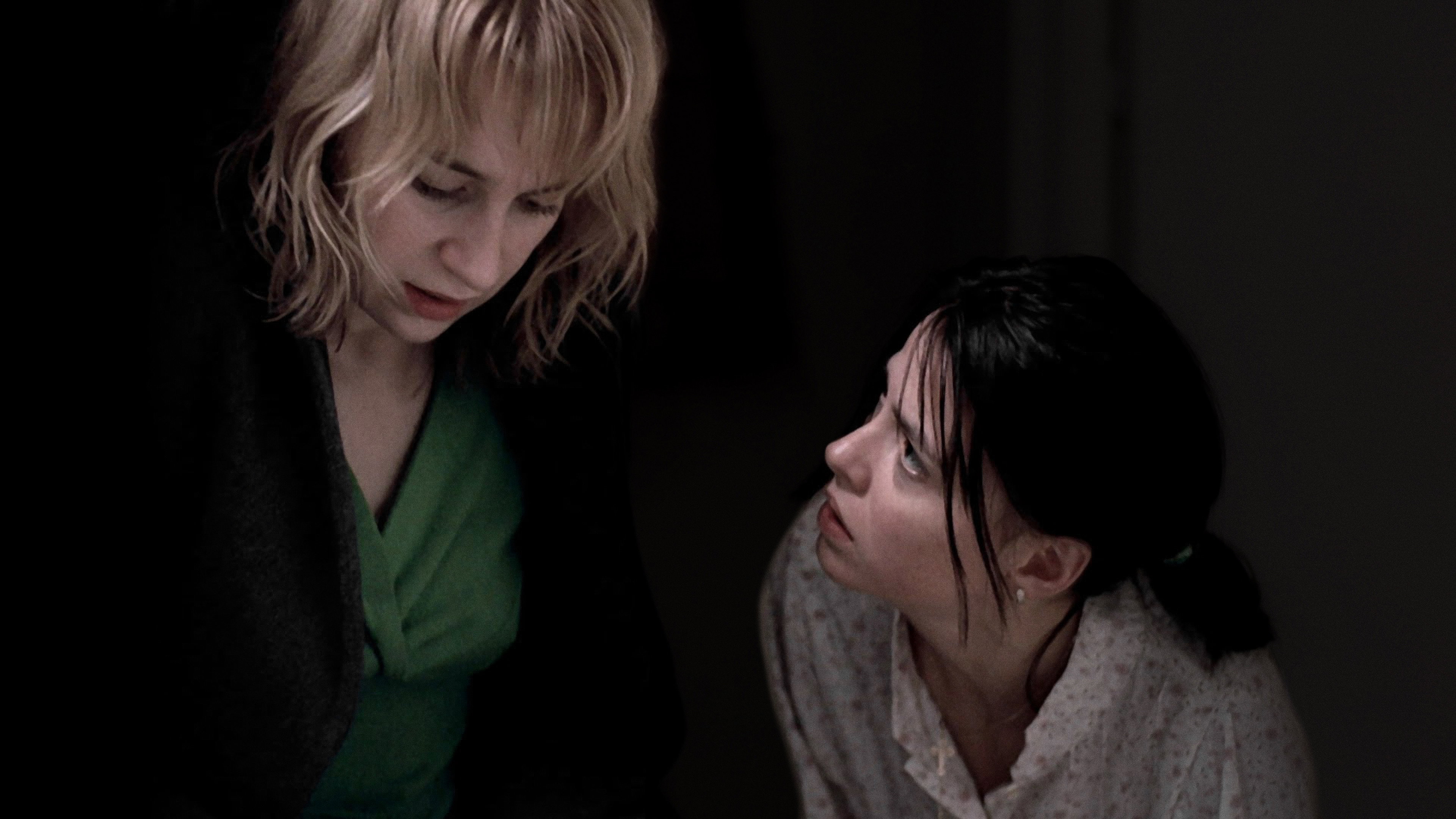
Anamaria Marinca makes Otilia’s resourcefulness believable because she never presents it as confidence. Her concentration suggests someone who must think carefully even when there is no time to think at all. We were frightened by the effort it took her simply to keep a conversation going. Marinca gives the practical business of asking for help the strain of a task that has to be done correctly, with no assurance that doing it correctly will be enough.

Laura Vasiliu, as Găbiță, helps keep the friendship awkward and believable. Neither actor seems interested in making her character especially likeable, which is a relief in a film with so much at stake. Mungiu’s screenplay gives the dialogue the awkwardness and pressure of people needing something from one another. The women remain people whose immediate needs deserve attention, even when the subject invites everyone else to deliver a speech.

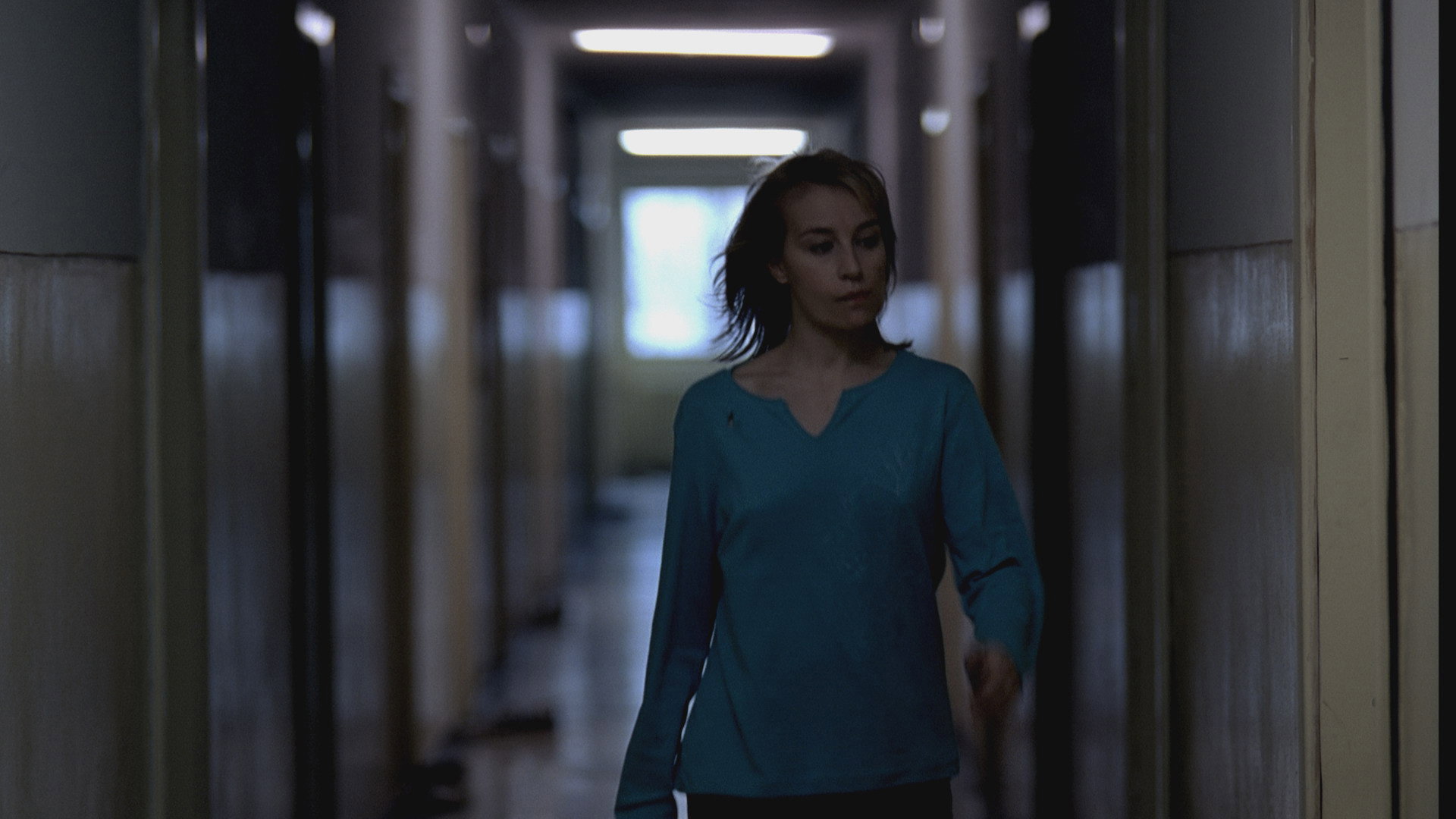
Oleg Mutu’s long takes make it difficult to settle into the comfortable position of merely observing. We have time to study a face, then more time than we want to consider what might happen outside the frame. Dana Bunescu’s editing is equally important: the intervals between cuts make waiting an active part of the suspense. There are moments when a change of shot would let us relax, and the film keeps us waiting instead. The precision is impressive, though the technique is demanding enough to become a problem of its own.

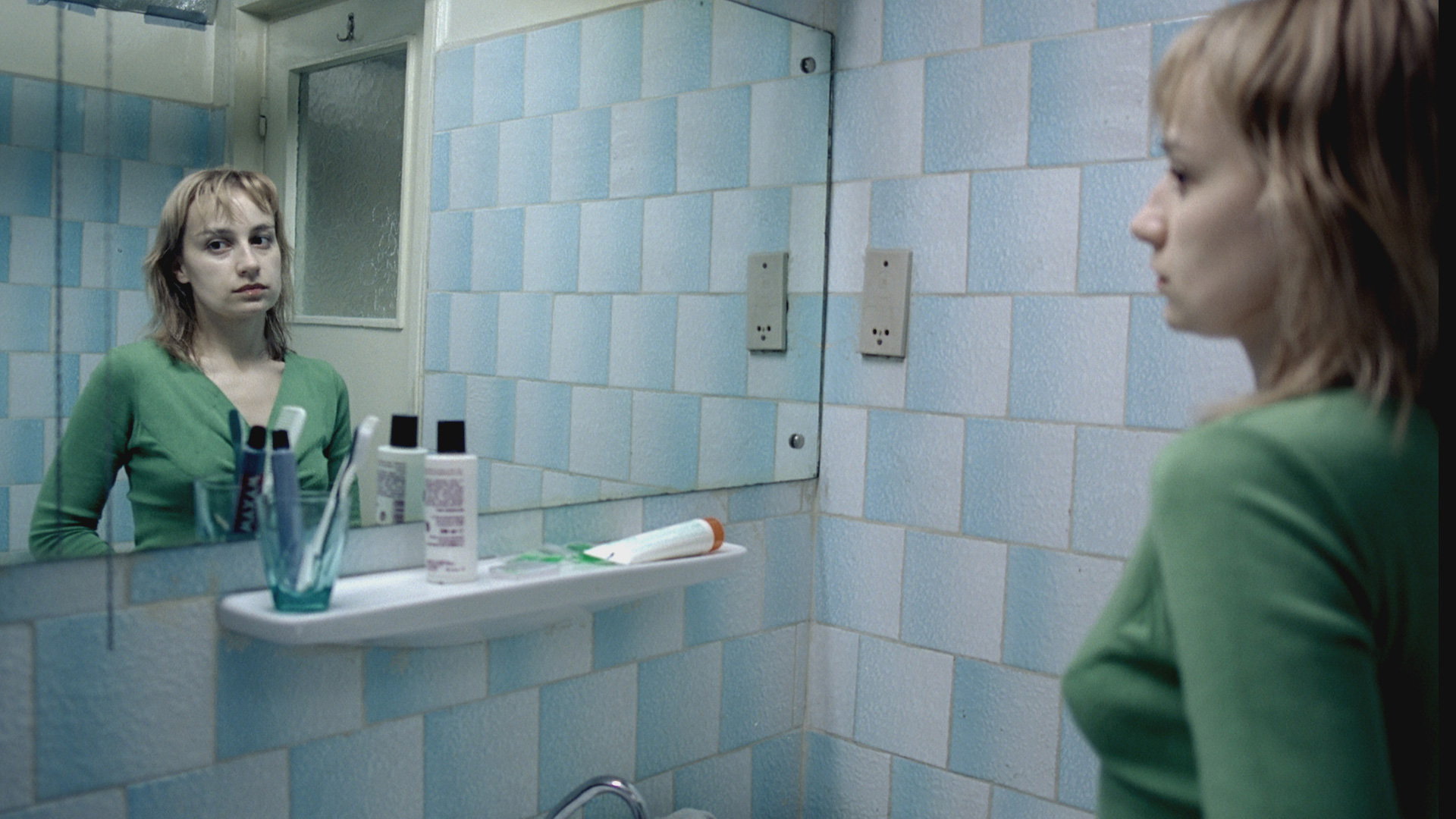
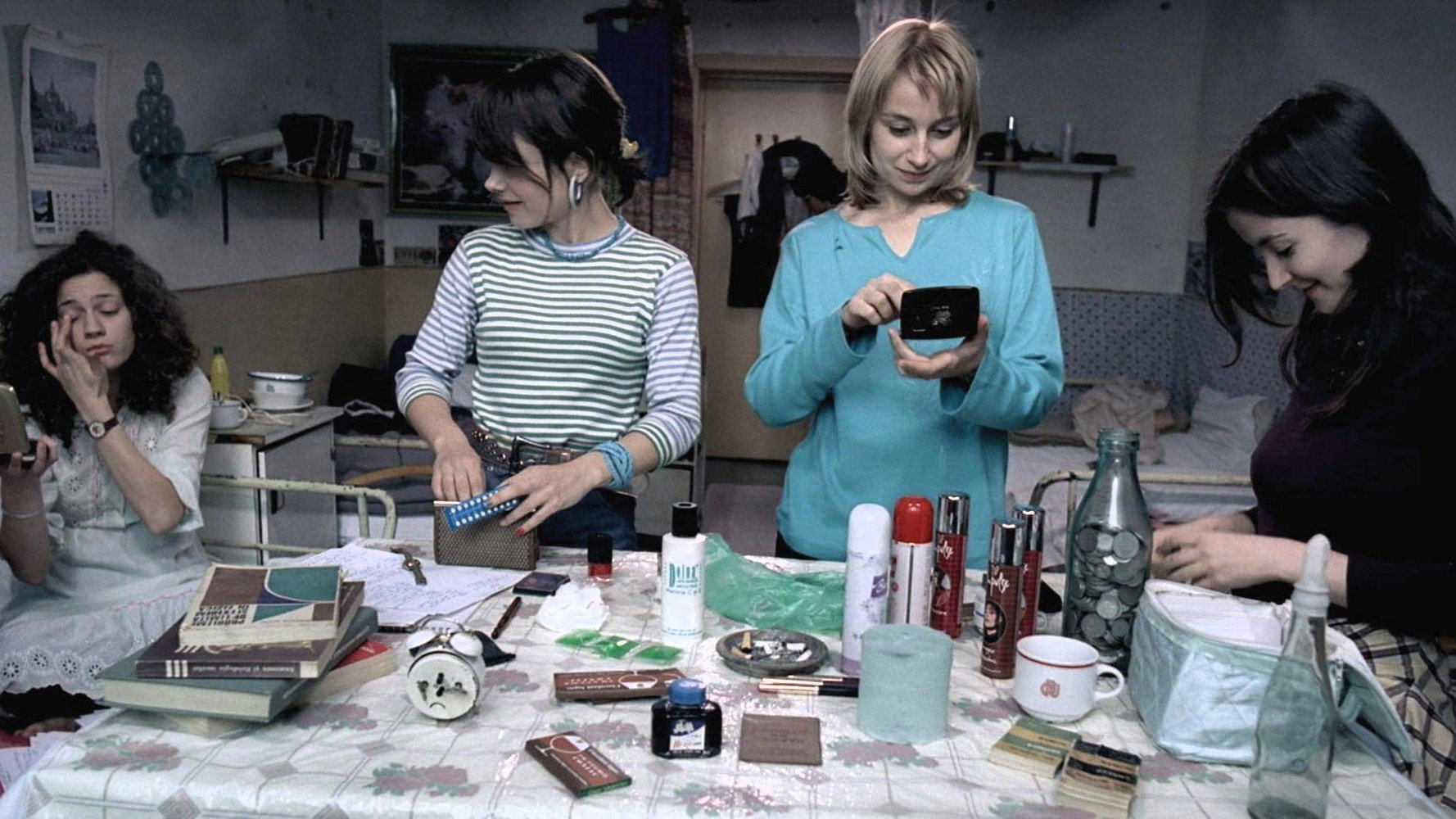
Mihaela Poenaru’s production design gives this pressure an ordinary setting, which makes it more disturbing. Nothing about the surroundings offers the comfortable excuse that such cruelty belongs somewhere separate from everyday life. Mungiu finds room for mundane absurdity and small acts of generosity, and these keep the people around the women from becoming a uniform procession of monsters. His attention to the constant bargaining also makes the political setting clear without requiring anyone to explain the entire country.

The reservation concerns how firmly Mungiu controls our response. At times the prolonged attention to distress feels insistently severe, as though allowing us a moment’s breathing space would somehow be dishonest. We do not think the film needs quite that much pressure to make us understand, and its 114 minutes can feel punishing. Yet Marinca and Vasiliu keep our attention on what their characters need to do next, even when the direction seems determined to leave us exhausted.

A social drama this severe can easily start treating its characters as evidence. Mungiu avoids that because we are kept close to Otilia’s practical concerns, and because Marinca makes her worth watching even when she has little freedom to act. We understand the politics through the strain of helping a friend. See it when you have the attention to give it, and no need for reassurance before bed.

Critical consensus AI synthesised

90
Positive
7
Mixed
0
Negative
0

The consensus is strongly positive, with praise centred on Cristian Mungiu’s controlled direction, the sustained tension of the long takes and Anamaria Marinca’s performance. Critics repeatedly describe the camerawork as essential to the pressure of the story, keeping ordinary negotiations and practical obstacles tense without forcing the drama. Marinca draws particular praise for her concentration and emotional depth. The reviews also value the film’s sympathy for its characters and its close attention to the cruelties of life under communist rule.

The differences are largely matters of emphasis rather than disagreement, and the supplied reviews contain no outright dissent. Some focus on the thriller-like pacing; others stress female solidarity or political oppression. Reservations concern the experience of watching something so relentlessly grim. Eye for Film offers the clearest caveat, recommending it only to those prepared for its distressing effects and noting the unqualified condemnation of the regime’s policies.

RogerEbert.com
7 February 2008 · ★★★★/4 · Roger Ebert
100

The film is a powerful and stark visual accomplishment set in late-1980s Romania under Ceausescu, where a young woman helps her roommate obtain an illegal abortion. The critic singles out the masterful performances of Anamaria Marinca as the resourceful Otilia and the rigorous long-take style for praise.

Read the full review →
Time Out
7 January 2008 · ★★★★★ · Dave Calhoun
100

The review calls it the most striking and memorable film of Cannes, a grim yet terrifically made and sensitive portrayal of backstreet abortion under strict communist law. It singles out the intimate story's sting, the perspective play with off-stage drama, and the real-time tension in long takes.

Read the full review →
Empire
29 December 2007 · Damon Wise
90*

The critic calls the film superb and brilliantly made, noting its tense, kinetic and intelligent storytelling with universal appeal. They single out the gorgeous camerawork and the powerful final moment for particular praise.

Read the full review →
The New York Times
25 January 2008 · Manohla Dargis
90*

This ferocious, unsentimental film marks the emergence of an important new talent in director Cristian Mungiu, offering a haunting intellectual and aesthetic achievement about an illegal abortion in Ceausescu-era Romania. The critic singles out the brilliantly directed camerawork that expresses consciousness itself and the sustained long shots for praise.

Read the full review →
The New Yorker
28 January 2008 · Anthony Lane
85*

Mungiu has arrived at an honest if disturbing way to tell a story of sundering and invasion in 1987 Romania, where the camera roams like a hound amid crises. The critic singles out the sure pacing that makes the film feel like a thriller and the unwavering concentration of lead actress Anamaria Marinca for praise.

Read the full review →
Film Comment
· Kristin M. Jones

The critic praises Mungiu's use of prolonged, unblinking long takes that build tension around the central illegal abortion story set in late-1980s Romania. She highlights the film's realistic details drawn from real-life experiences and its portrayal of the oppressive societal backdrop under Ceausescu.

Read the full review →

Cast

Stills

Awards

Central Ohio Film Critics Association Award for Best Foreign Language Film, 2008

Won
Central Ohio Film Critics Association Award for Best Foreign Language Film

International Submission to the Academy Awards, 2008

Nominated
International Submission to the Academy Awards

Meeting Point Europe Award, 2008

Won
Meeting Point Europe Award

Cannes Film Festival, 2007

Won
Palme d'Or

European Film Award for Best Actress, 2007

Nominated
European Film Award for Best Actress

European Film Award for Best Director, 2007

Won
European Film Award for Best Director

European Film Award for Best Film, 2007

Won
European Film Award for Best Film

European Film Award for Best Screenwriter, 2007

Nominated
European Film Award for Best Screenwriter

Lux Prize, 2007

Nominated
Lux Prize

If you liked this, try…

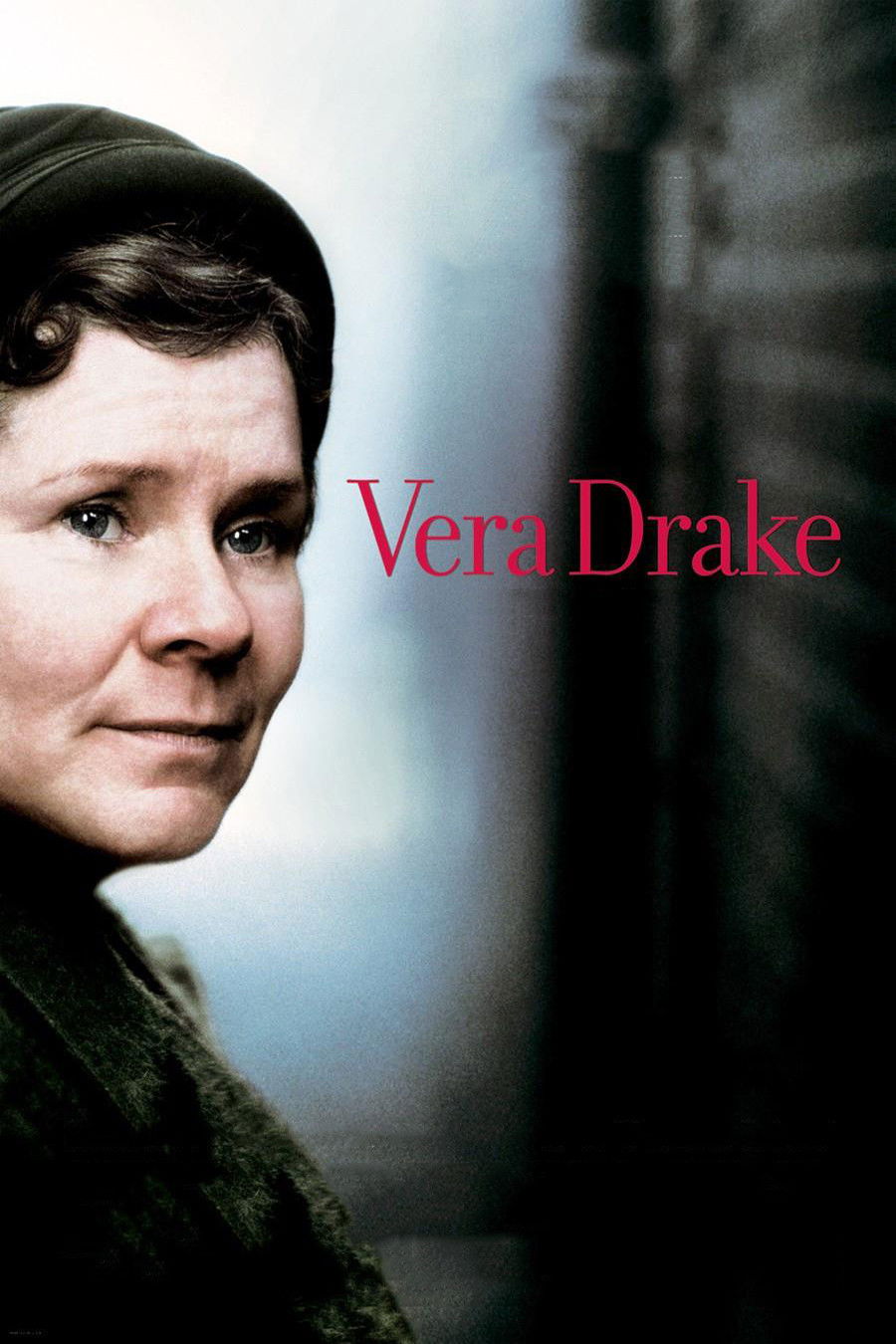
Vera Drake poster84

Vera Drake

2004 · Another unsentimental account of illegal abortion, with equal attention to care and class.

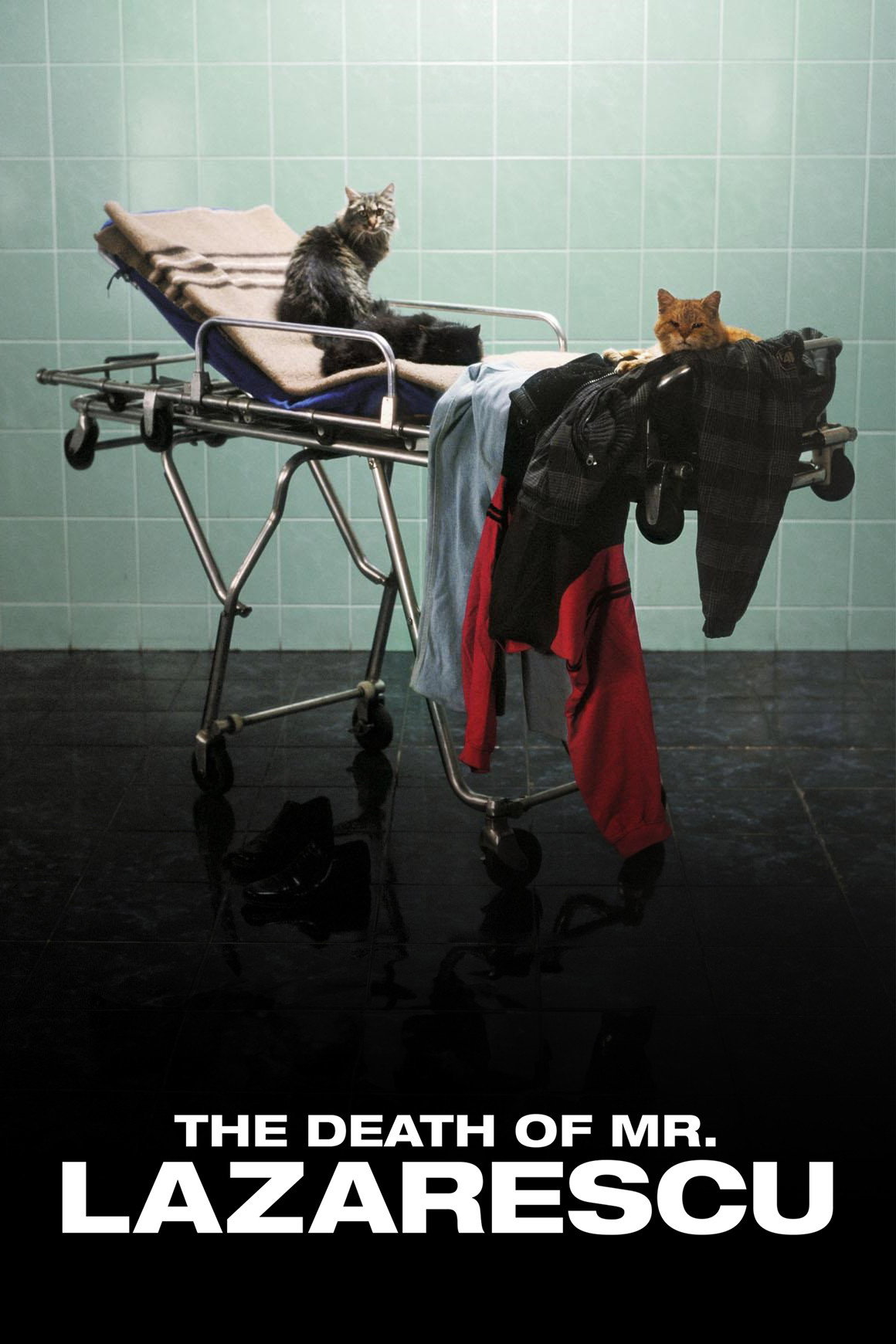
The Death of Mr Lazarescu poster

The Death of Mr Lazarescu

2005 · For the exhausting negotiations, ordinary indifference and grim humour of seeking help.

Never Rarely Sometimes Always poster

Never Rarely Sometimes Always

2020 · Two young women navigate abortion access, with friendship doing the work institutions will not.

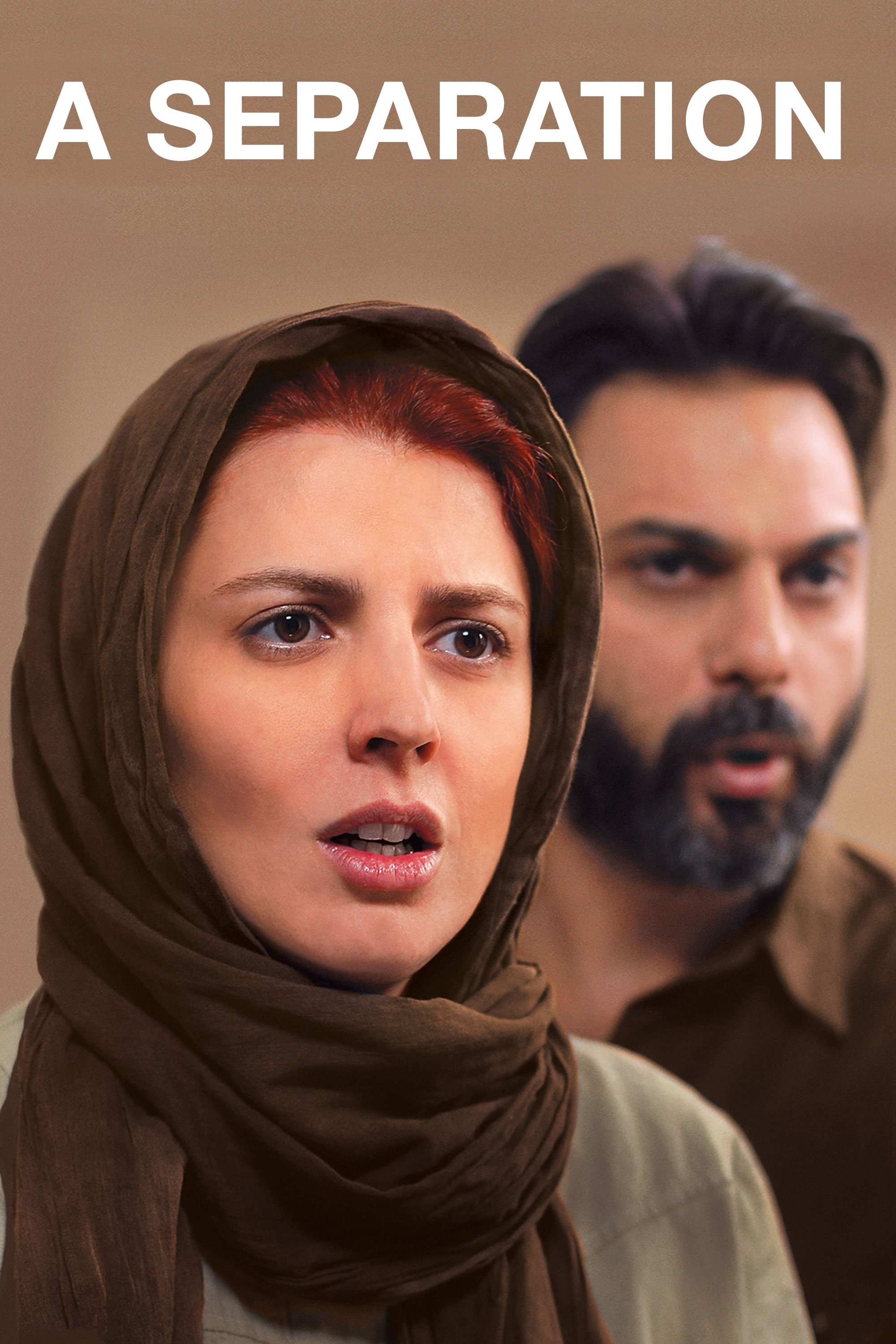
A Separation poster

A Separation

2011 · Practical decisions become moral emergencies, and nobody gets an easy explanation.

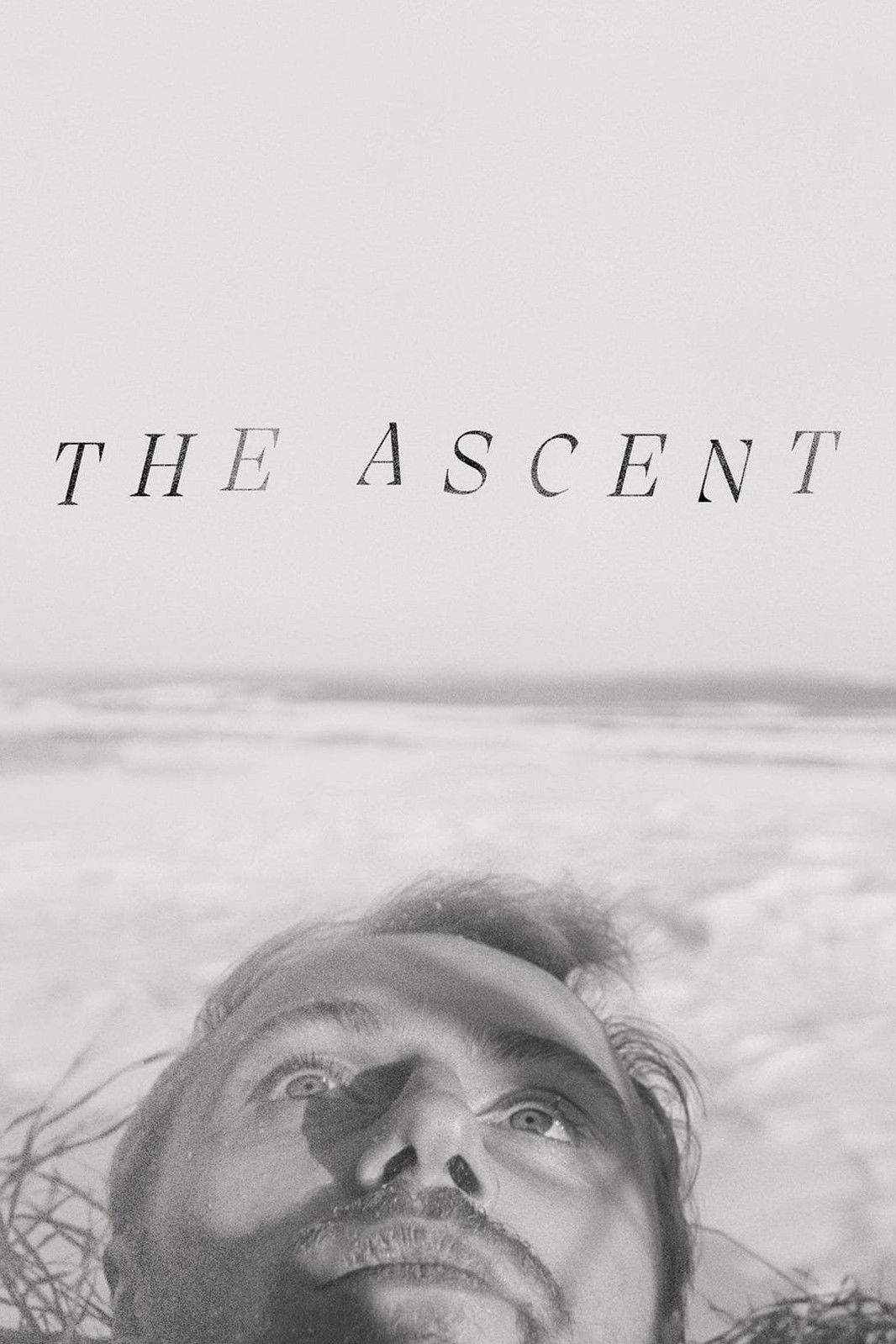
The Ascent poster

The Ascent

1977 · For another demanding study of loyalty and responsibility under unbearable pressure.