Imelda Staunton gives Mike Leigh’s abortion drama its force, making a cleaner’s constant care for others deeply affecting. Leigh is too protective of Vera’s goodness, but the patient family scenes earn our recommendation.
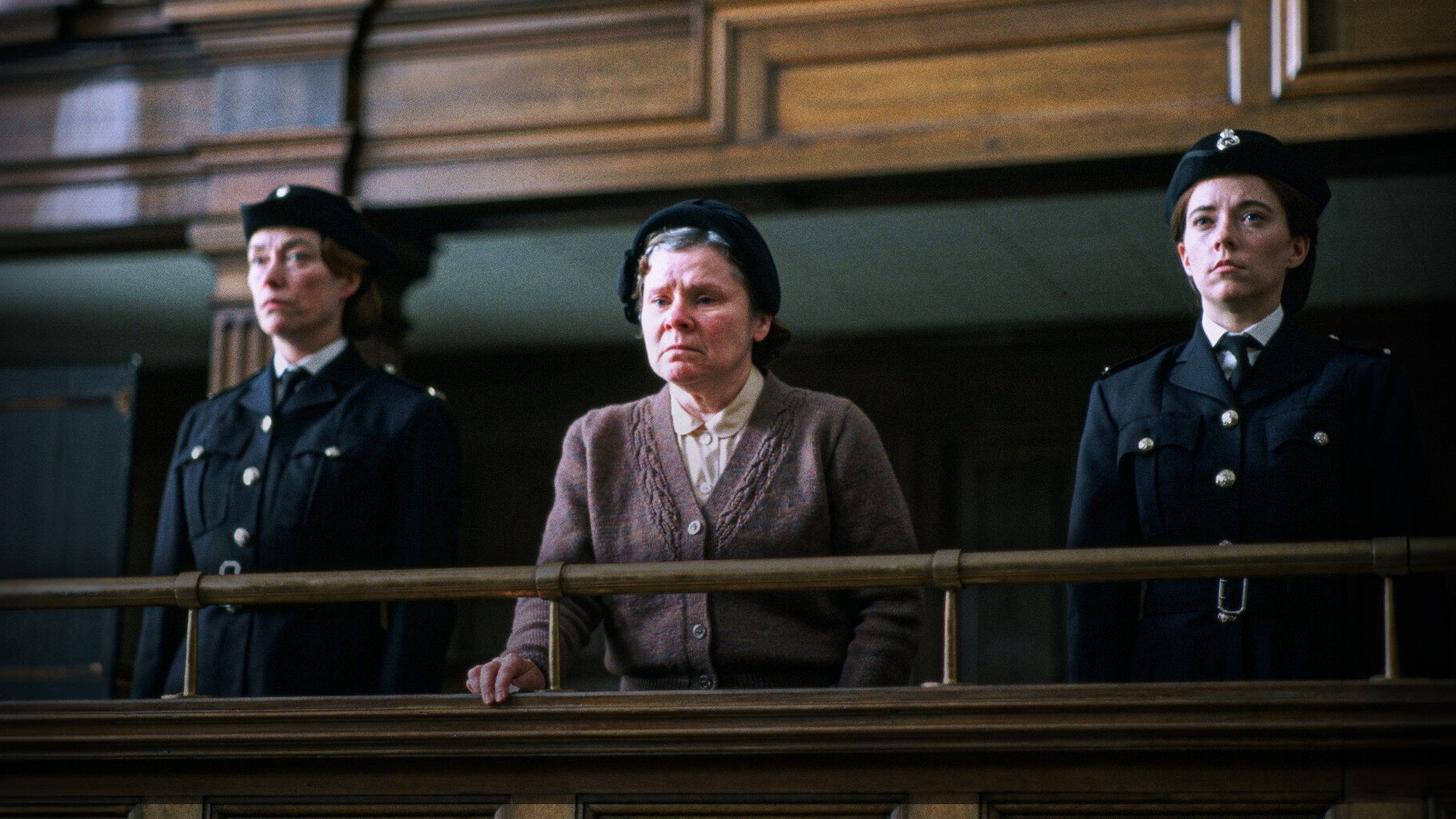
Mike Leigh’s Vera Drake is a compassionate, troubling drama that earns our recommendation through Imelda Staunton’s performance. Set in working-class London in the 1950s, it treats illegal abortion as part of a woman’s daily business of helping people. Leigh spends time establishing that daily life, so the family matters before the subject begins to dominate our attention. He is sometimes too determined to protect Vera from criticism, but the family scenes are convincing enough to keep us involved.
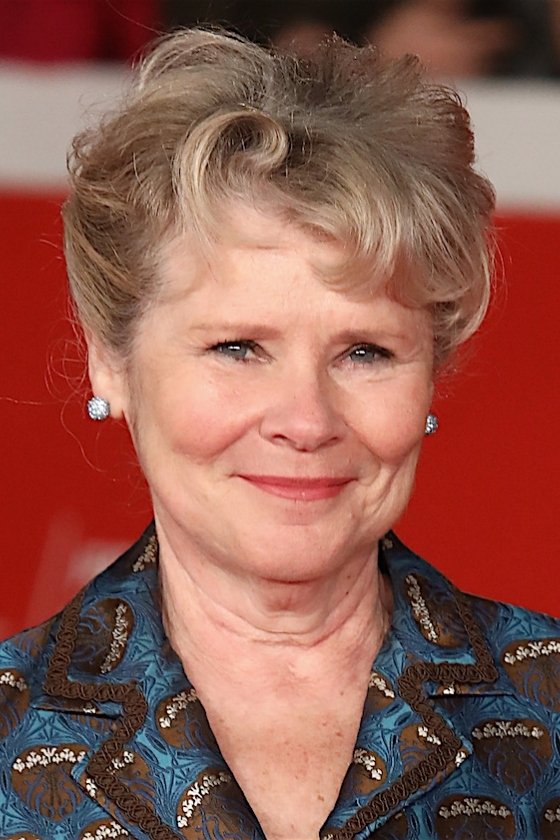
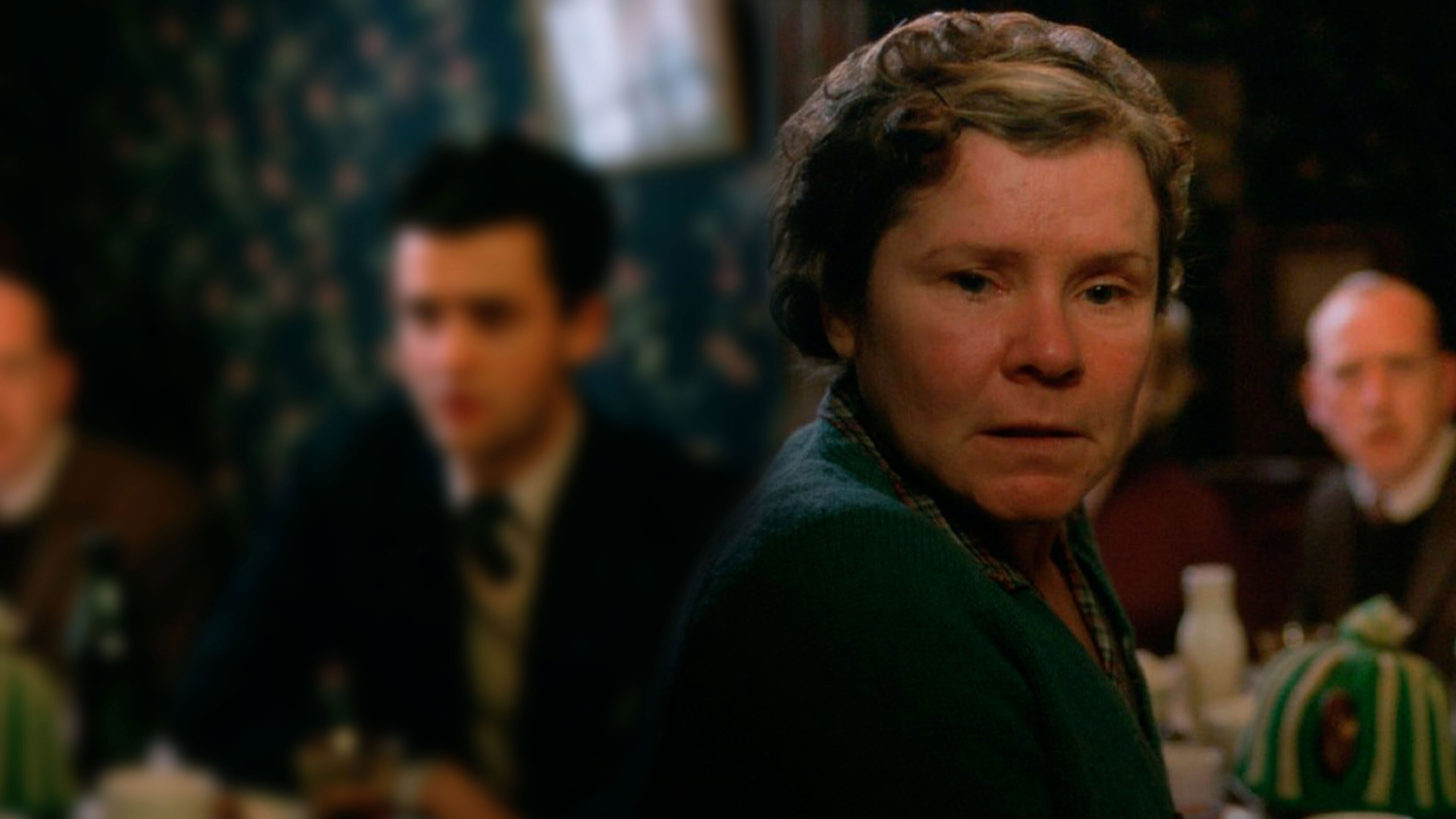
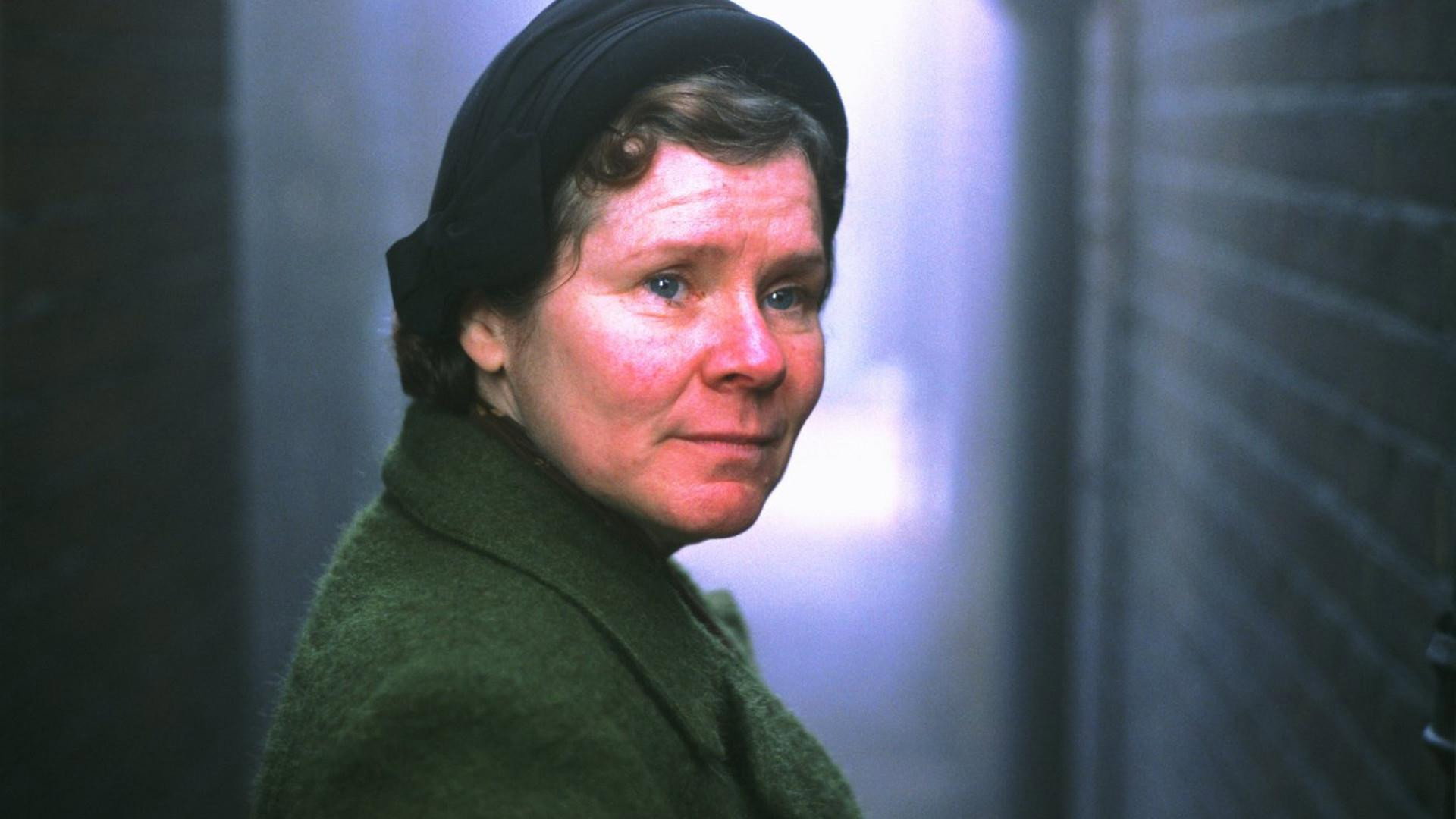
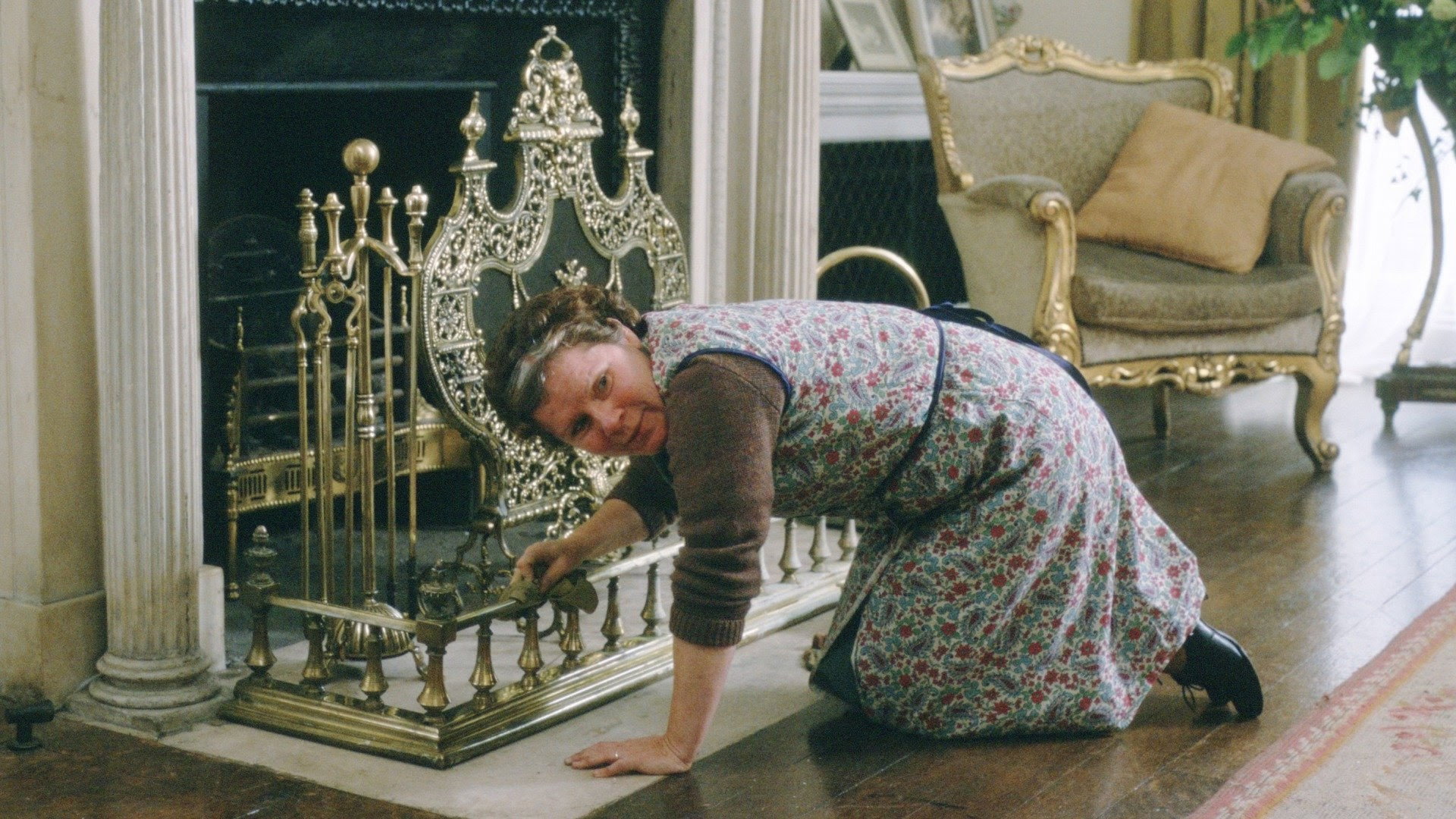
Staunton’s Vera is a cleaner whose impulse to look after others seems almost continuous. There is energy in the performance, and a practical concentration on whatever needs doing next. We believe that this woman has things to get on with; we also believe that she gives little thought to how she might explain herself. Her cheerfulness has the briskness of somebody with more jobs waiting, and Staunton never makes us feel that we are being asked to thank her.
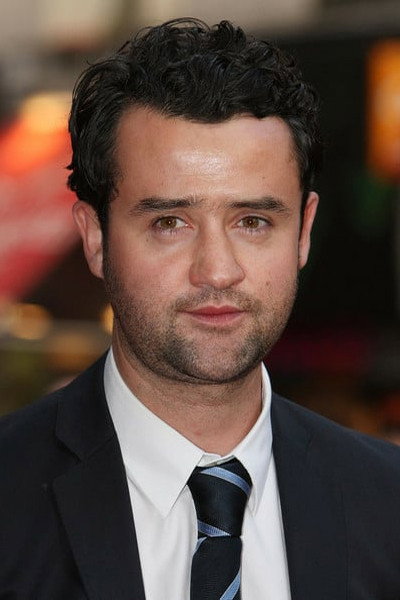
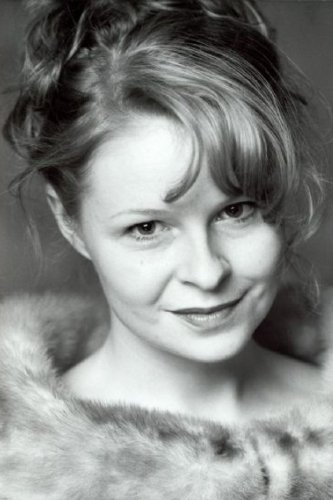
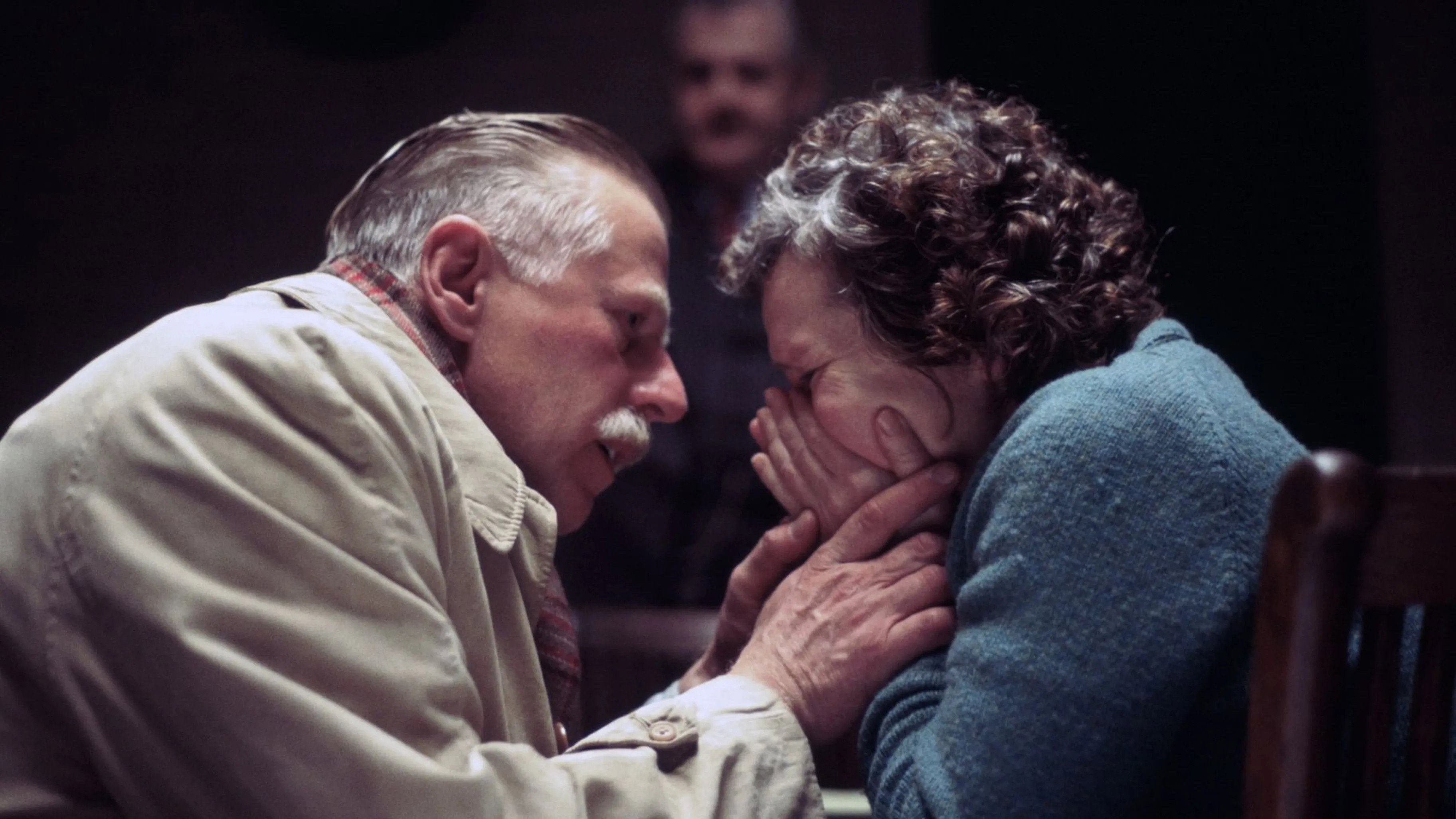
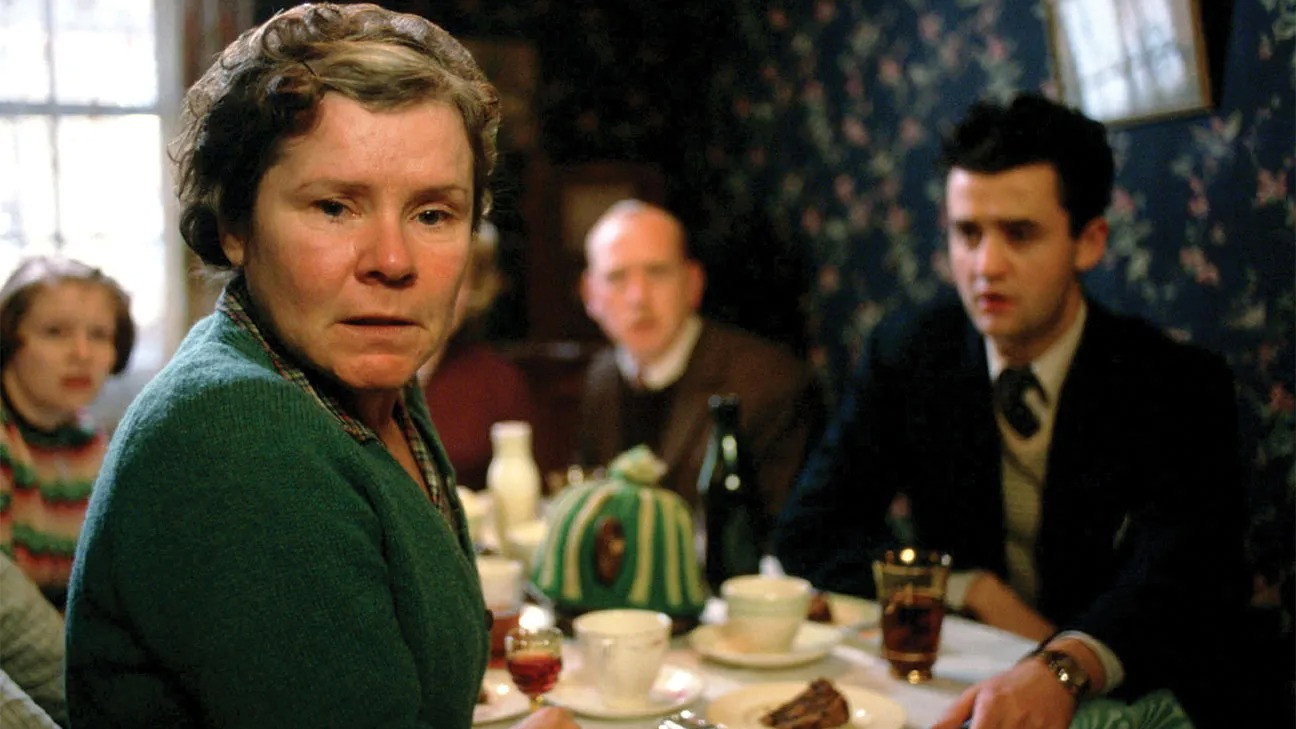
Phil Davis, playing Stan, is especially valuable in the family scenes: his restrained performance works well beside Staunton’s busier one. Daniel Mays as Sid and Alex Kelly as Ethel help the household feel inhabited by people with their own ways of speaking and listening. Leigh takes their domestic happiness seriously, and the ensemble makes that happiness plausible. The care with which they listen to one another matters as much as the dialogue.
Dick Pope’s photography and Eve Stewart’s production design make the class differences visible in the rooms people occupy. The period detail feels lived with, and the contrast between households does useful work without requiring a speech about inequality. Pope keeps our attention on the people within those spaces, which prevents Stewart’s recreation from becoming an attraction in itself. Jim Clark’s editing allows the family scenes to establish their rhythms before pressing the drama forward. Andrew Dickson’s music underlines the sorrow a little too dutifully for our taste; Staunton and Davis have already given us ample reason to feel it.
We were distressed by the matter-of-fact way Leigh presents the abortion procedures. The lack of melodramatic staging leaves us thinking about the women’s vulnerability, and about how much Vera’s assurance asks them to trust her. Her willingness to help is moving, but it cannot settle every question about what she does. Leigh is strongest when we can feel that uncertainty alongside the unequal choices available to women of different classes.
The weakness is Leigh’s tendency to keep returning us to the same judgement of Vera. Staunton suggests a person whose habits might contain contradictions, while the writing repeatedly reassures us of her fundamental innocence. The increasingly sombre tone also narrows the range of feeling that the early family scenes make possible. We wanted more room for awkwardness and irritation, particularly because the cast is so good at making ordinary behaviour interesting.
Social dramas can become thin when everyone has to speak for a position, and Leigh mostly avoids that by giving the family so much time. At 125 minutes, the film can feel heavy with unhappiness, but we would be reluctant to lose the early domestic scenes. The reservations matter, but Staunton’s attentive, unsentimental work keeps bringing us back. Watch it with someone willing to argue afterwards about where kindness stops being enough.