Critics’ reviews

Addams Family Values (1993)

8 reviews from 8 publications. Critics’ score 75: 6 positive, 2 mixed, 0 negative.

Back to our review of Addams Family Values

75
Positive
6
Mixed
2
Negative
0

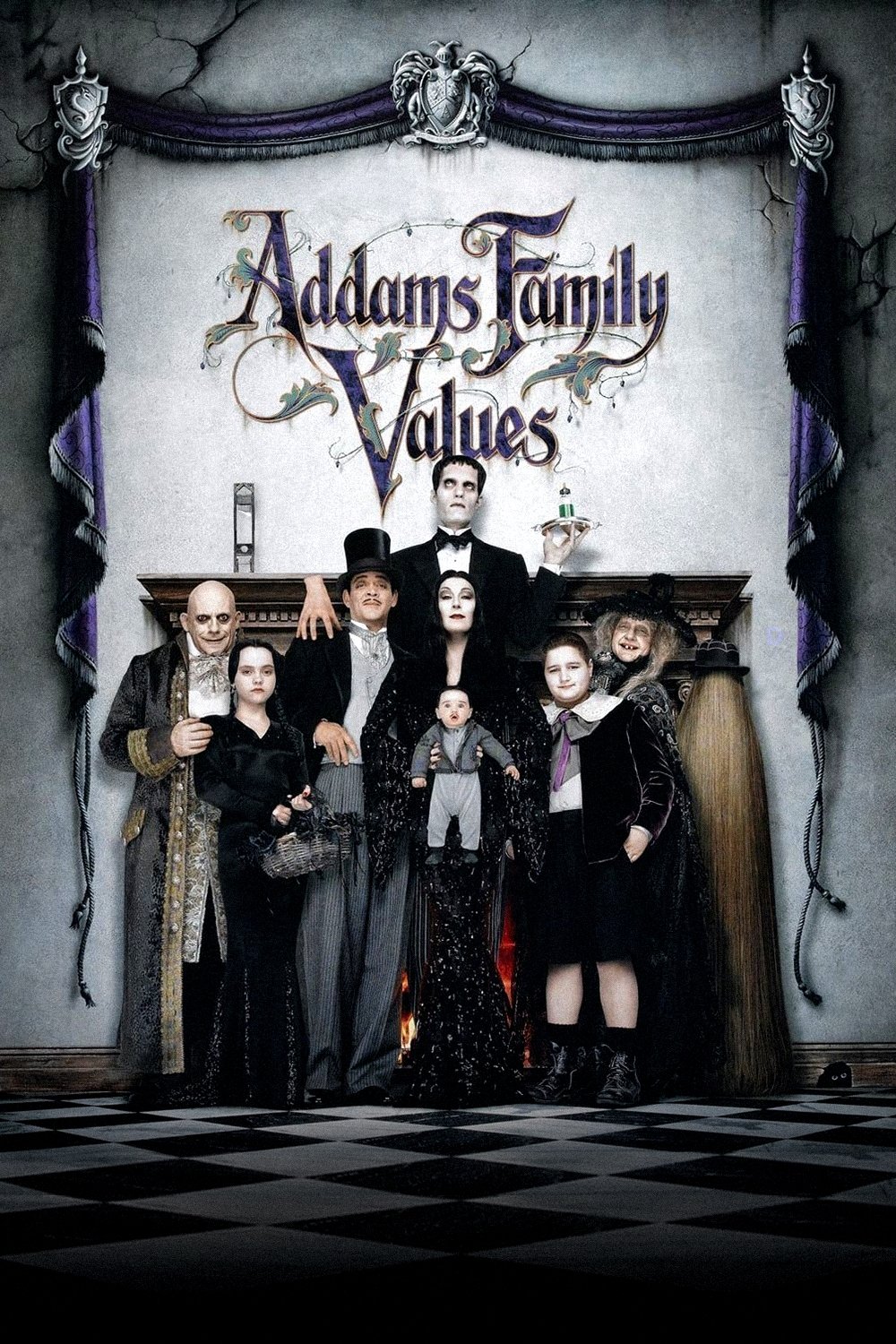
Most critics call it a rare sequel that improves on the original: funnier, darker and with rather more plot. The praise clusters around the cast. Anjelica Huston and Raúl Juliá are repeatedly described as a genuinely romantic screen couple, Christina Ricci’s deadpan Wednesday and the summer camp scenes are singled out by nearly everyone, and Joan Cusack’s scheming nanny is welcomed as the ideal new villain. Barry Sonnenfeld’s direction and the production design also draw approval, as does Paul Rudnick’s script for its sharper double entendres and satirical jabs.

The reservations are about story and stamina. Several find the plot slim and episodic, and the Los Angeles Times says the frenetic pace eventually tips into tedium. The Independent thinks it could be more savage, and Time Out rates it merely passable, no more coherent than the first film. The spread is otherwise narrow: six positive, two mixed, none negative, and the retrospective reviews written years later are the warmest.

RogerEbert.com
19 November 1993 · ★★★½/4 · Roger Ebert
88

The critic finds this sequel funnier than the original, praising its inventive subplots, sight gags, and the affectionate dynamic between Gomez and Morticia. Joan Cusack's addition as the nanny and the concrete realization of the Addams world are highlighted as strengths.

Read the full review →
The AV Club
11 March 2021 · Tatiana Tenreyro
85*

The critic finds the sequel more memorable than the original, praising how it deepens the characters and makes the Addams family relatable despite their outsider status. They single out the Thanksgiving play climax and Wednesday’s defiant speech for particular praise.

Read the full review →
Empire
1 January 2000 · Angie Errigo
80*

The review calls it a funnier sequel with more of a plot, highlighting the strong cast, Ricci's droll performance at camp, and Sonnenfeld's stylish direction. It concludes that the children steal the show in this silly but entertaining alternative to typical kids' films.

Read the full review →
Variety
14 November 1993 · Leonard Klady
80*

The review notes the film's slim story is offset by technical razzle-dazzle, a winning cast, and an anarchic, politically incorrect spirit. Huston and Julia are singled out as a magical screen couple, with strong contributions from Ricci, Cusack, and production design.

Read the full review →
Los Angeles Times
19 November 1993 · Peter Rainer
70*

The kinetically nutty film delivers more laughs than its predecessor despite eventual tedium, thanks to Sonnenfeld and Rudnick's comic assault and strong performances like Huston’s Morticia and Ricci’s Wednesday. It is praised for showing the Addamses as more stable than outsiders but critiqued for overfamiliar shtick and frenetic direction.

Read the full review →
The Independent
10 December 1993 · Adam Mars-Jones
65*

The critic notes that while only a few things match the promise of the title, the film earns points for its effort and gives the Addams principals dignity and passion. It praises the camp scenes showcasing Wednesday's dry wit and the family's perversions but suggests it could be more savage.

Read the full review →
Time Out
10 September 2012 · NF
50*

As sequels go, this is passable: no more coherent than the episodic first instalment, but with enough sick humour to satisfy the mildly depraved. The plot involves the new baby Pubert and a scheming nanny targeting the family fortune.

Read the full review →
Den of Geek
22 November 2022
90*

The critic ranks Addams Family Values as the best of the Addams Family movies, calling it a darker, funnier improvement on the original with sharper double entendres and a perfect new villain in Joan Cusack's Debbie Jellinsky. They single out the contemporary satirical jabs and the strong performances, especially Raúl Juliá's Gomez.

Read the full review →

Ordered by the weight we give each publication, then by score. Scores are normalised to 100; * means inferred from an unrated review. Summaries are ours, not quotations; follow the links for the reviews themselves. How we rate