Barry Sonnenfeld’s sequel is sharper and funnier than the original, and the summer-camp half, with Christina Ricci at her most immovable, is close to perfect. The other half, in which Joan Cusack hunts Uncle Fester, is enjoyable but runs out of road.
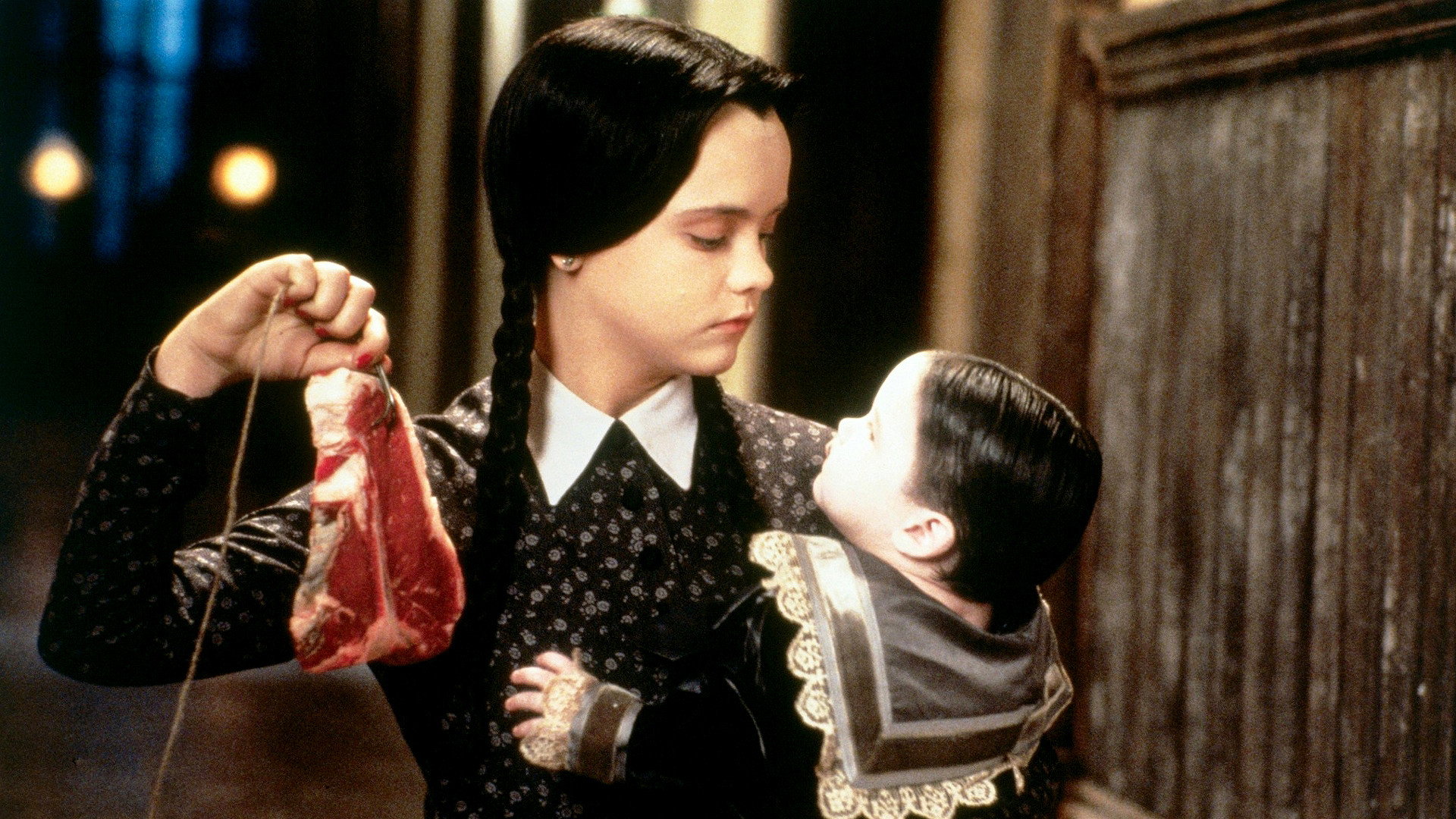
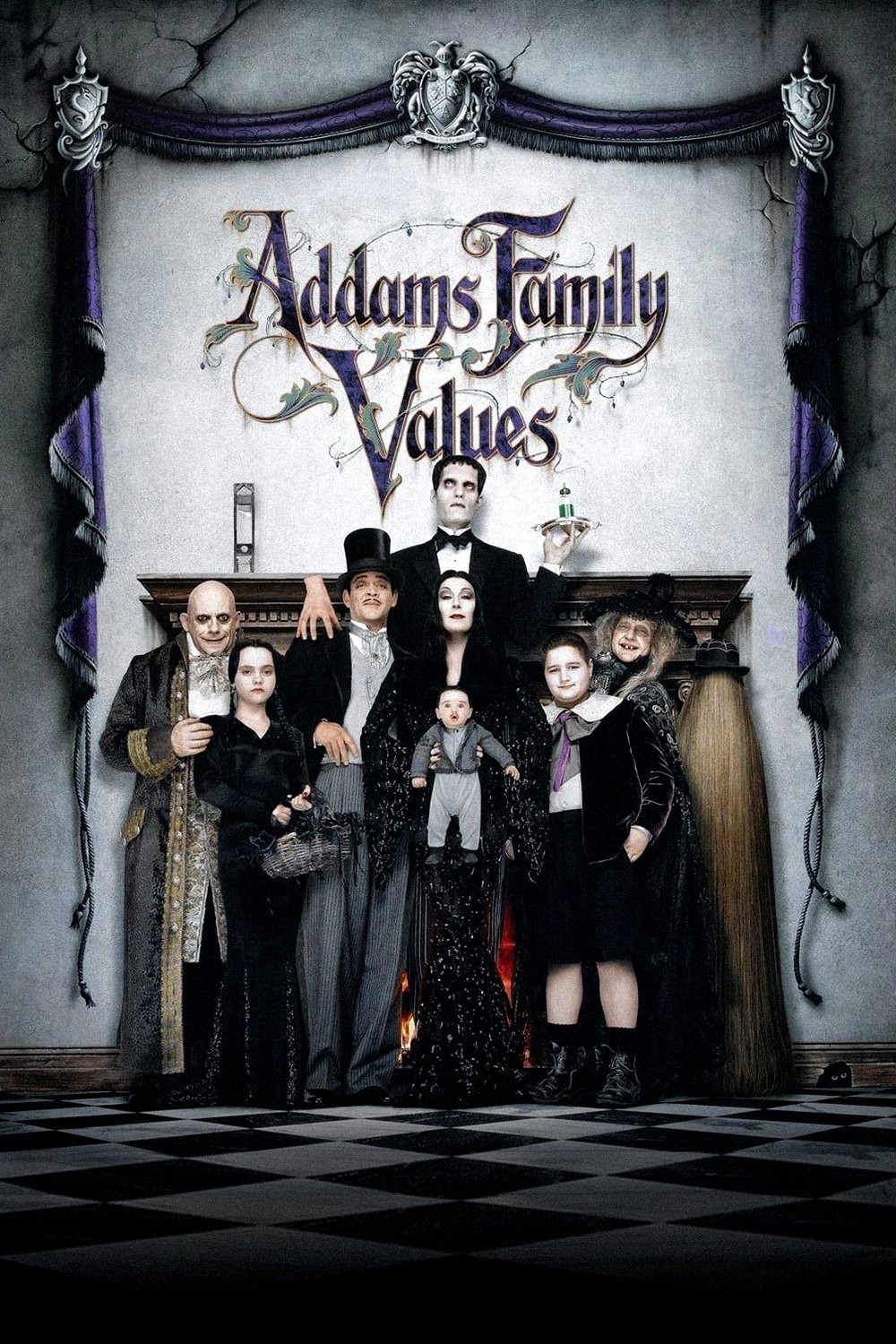
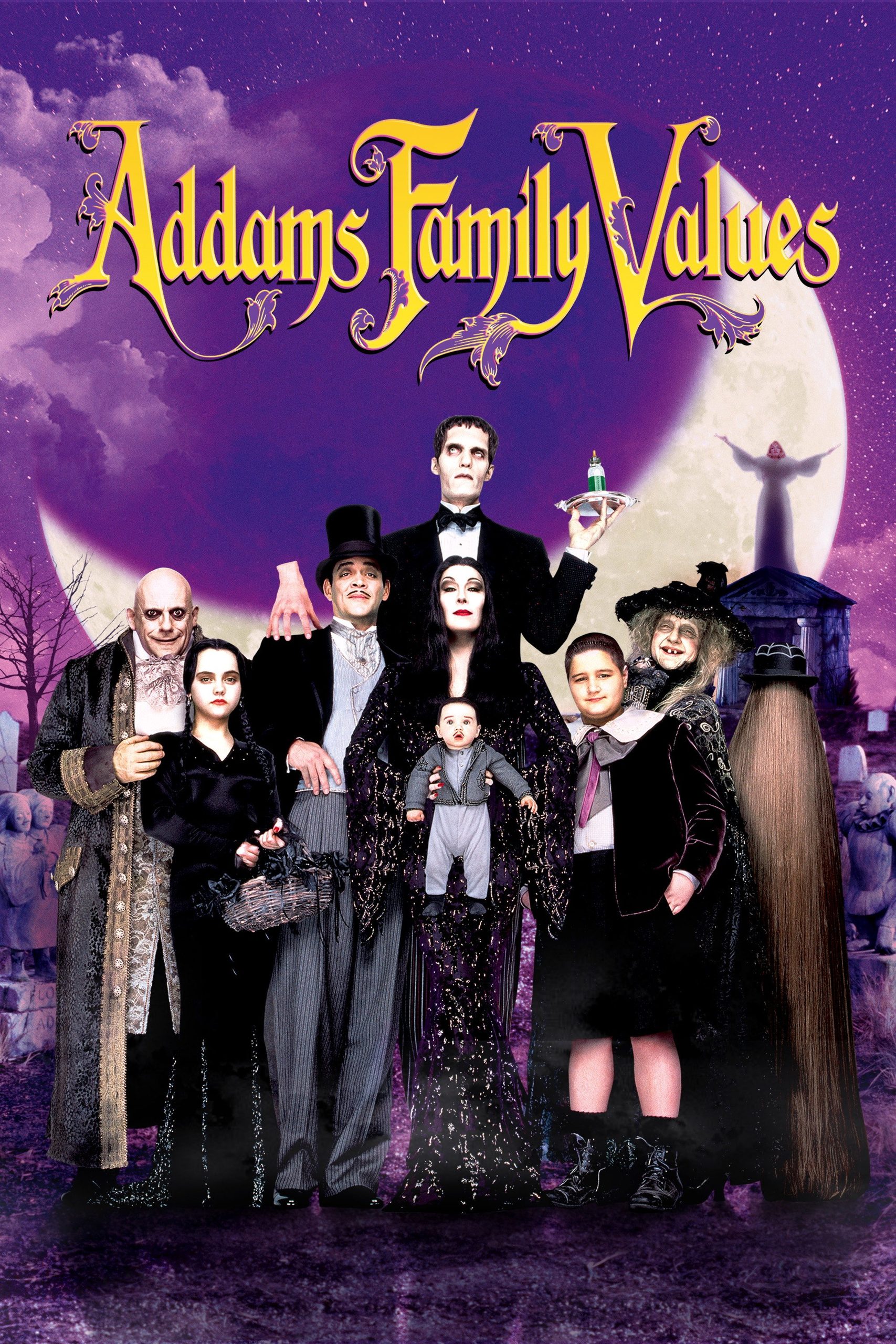
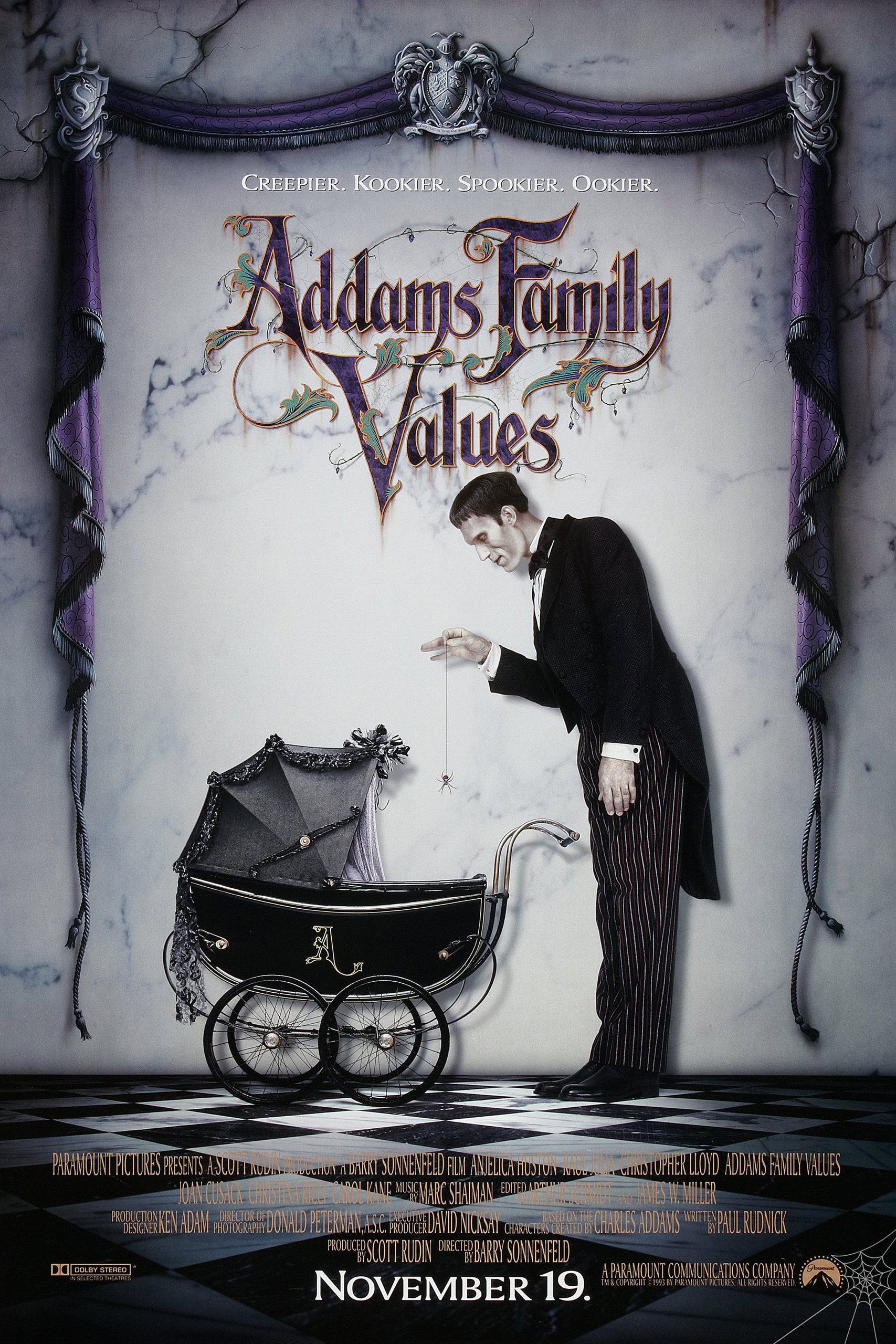
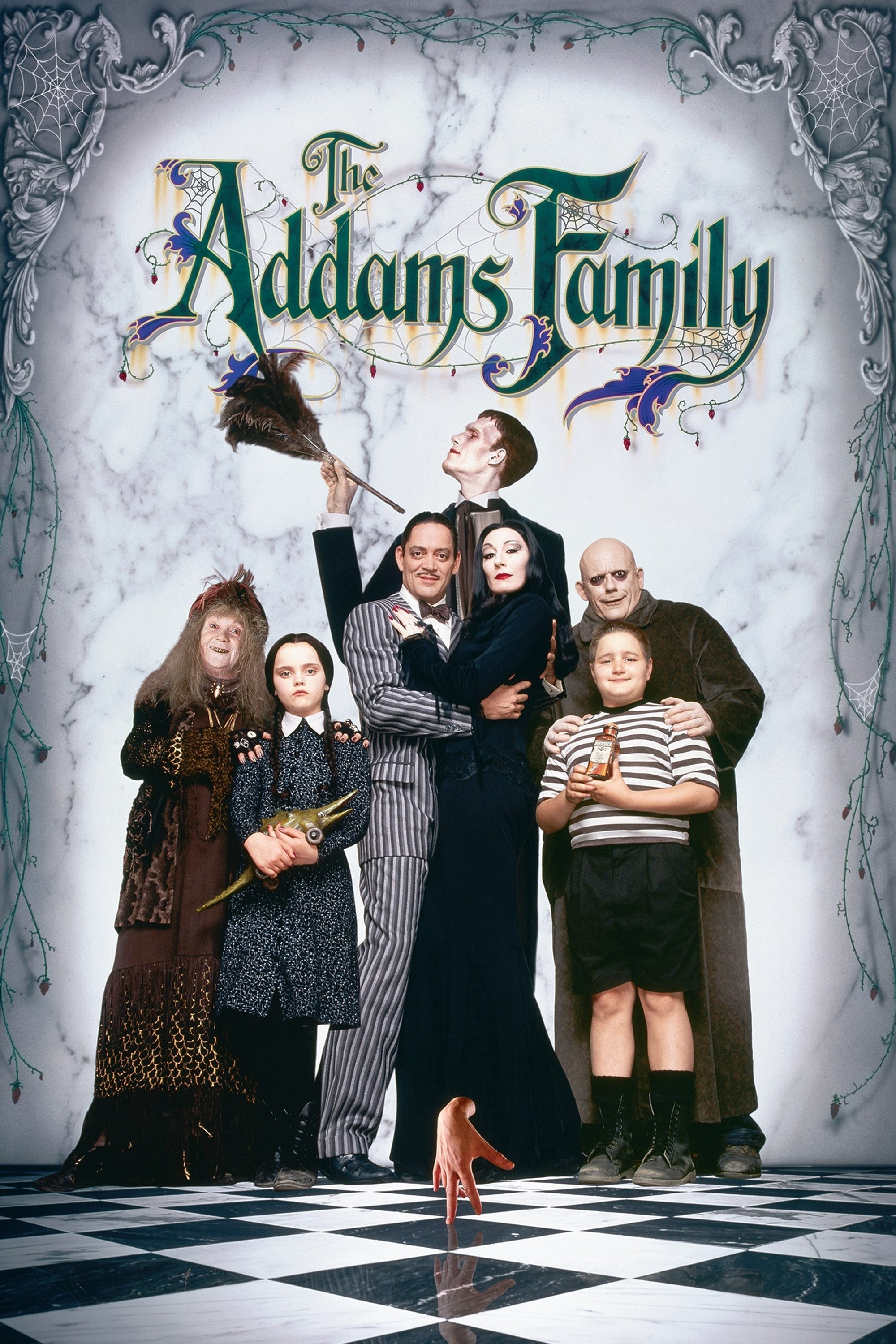
Barry Sonnenfeld’s first Addams Family, from 1991, was a string of sketches looking for a story. Addams Family Values has found one. Paul Rudnick’s script gives the family a new baby, Pubert, whom Wednesday and Pugsley try to kill, and a new nanny, Debbie Jellinsky, who wants Uncle Fester’s fortune and does not much mind what happens to Fester. The children are packed off to summer camp to get them out of her way. It is 94 minutes long, funnier than the original, and about a third of it is as good as this sort of comedy gets. We recommend it, with the caveat that the two halves never quite join.
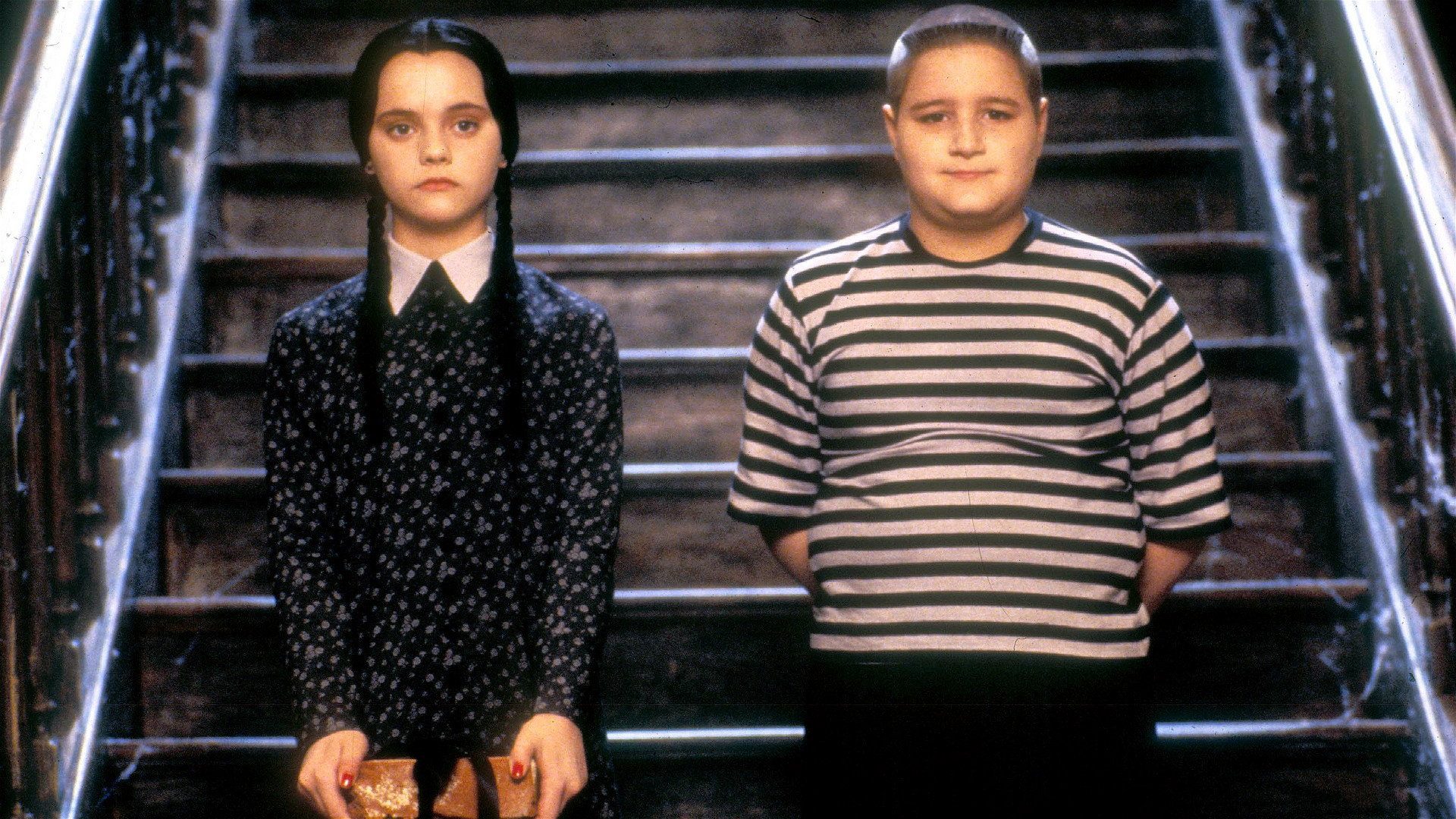
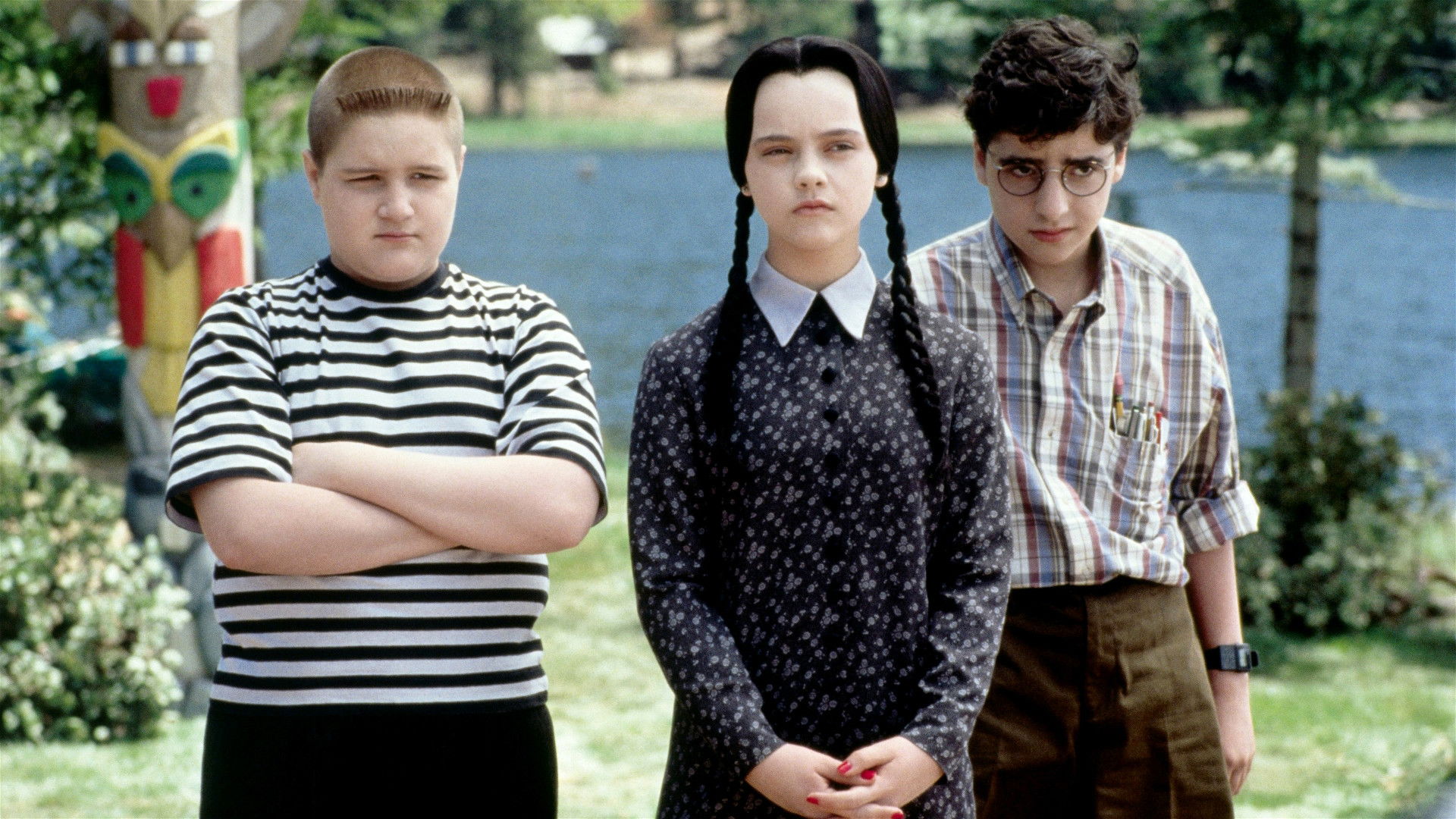
The camp is where the film lives. Camp Chippewa is run by Gary Granger and Becky Martin-Granger (Peter MacNicol and Christine Baranski), and Ken Adam builds it out of blond wood, bunting and a lake the colour of a swimming pool. Theoni V. Aldredge puts every camper in shorts and a polo shirt, so that Wednesday’s black dress reads as a hole in the picture. Christina Ricci does almost nothing with her face for an hour and gets the biggest laughs by doing it. David Krumholtz’s Joel Glicker, a boy with allergies and an interest in the macabre, is her first admirer, and their scenes are played dead straight.
The other half belongs to Joan Cusack. Debbie arrives in pastels with a smile that stops short of her eyes, and Cusack plays her as a woman who finds the Addamses a personal insult. Christopher Lloyd’s Fester, bald, grey and hopeful, falls for her at once. Gomez’s lesson in how to romance a lady, delivered to Fester with total seriousness, is the best scene the two men share. The trouble is that once Debbie has her hands on Fester, Rudnick has nowhere for her to go except to try the same thing again, louder, and Sonnenfeld’s habit of shoving the camera into faces starts to look like impatience.
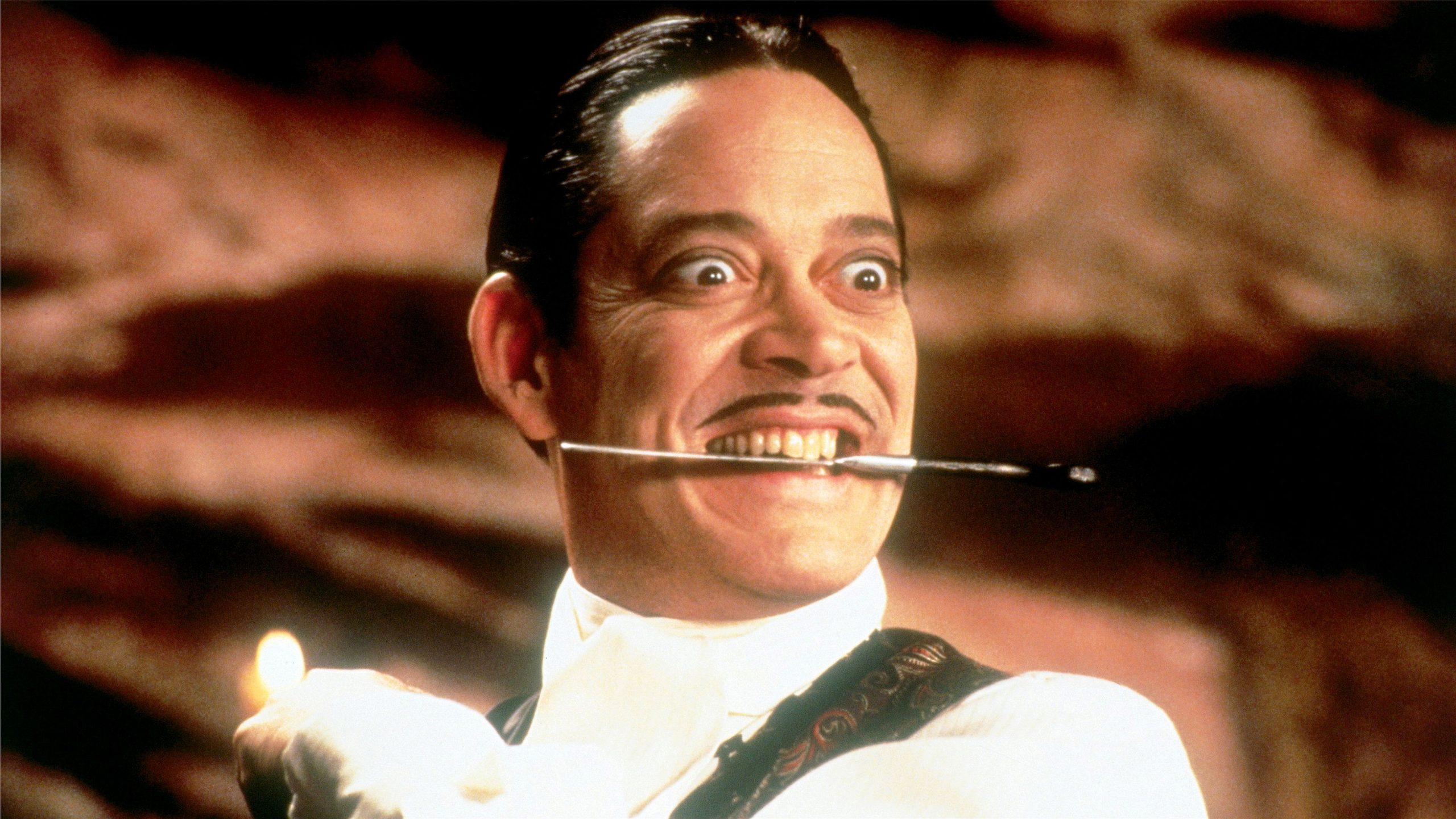
Anjelica Huston and Raúl Juliá remain the reason it has a heart. Gomez and Morticia are a married couple in a family comedy who still want to go to bed with each other, and the film treats their devotion as its one fixed point. Juliá plays every line as if it were the most wonderful news he has ever heard, and Huston drifts through the house as if it had been built around her. Their scenes with the baby are the weakest in the film: Pubert is a prop with a moustache, and the children’s attempts to dispatch him are mechanical.
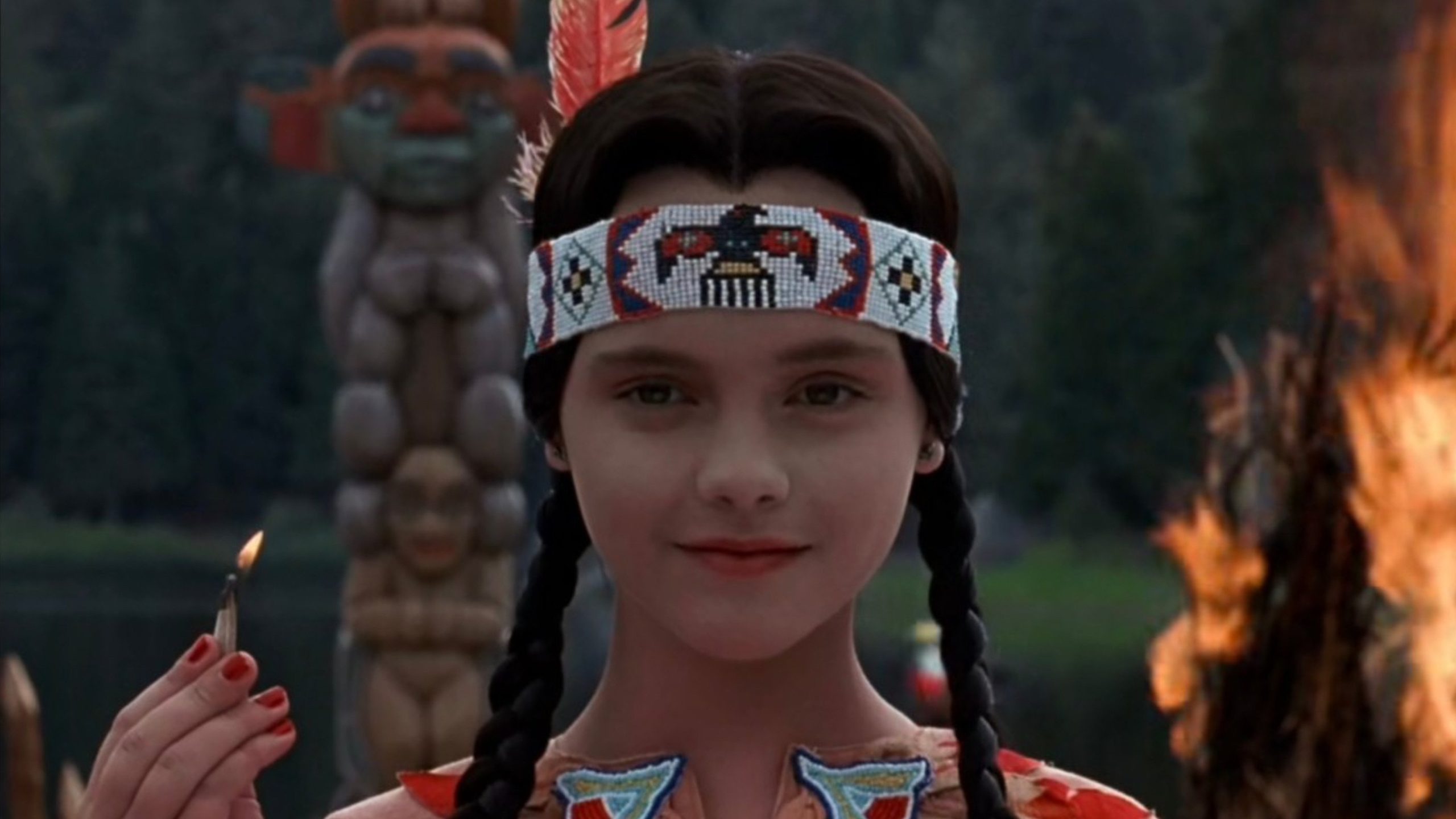
The film’s best stretch is the camp’s Thanksgiving play, a pageant in which Gary and Becky cast the pretty children as Pilgrims and everyone else as Indians. We will not say how it goes, but we laughed until it hurt, and then realised, midway through, that Rudnick had slipped a grievance about who gets to be in the picture into a PG comedy about a family that keeps a severed hand as a pet. Marc Shaiman holds the finger-snapping theme in reserve and spends most of his score on brass that sounds like a funeral band that has cheered up.
Arthur Schmidt and Jim Miller cut between the mansion and the camp briskly, and the film never drags. It does run out of plot. The last movement gathers everyone into one room, and the resolution owes more to luck than to anything anyone has decided. Carol Kane’s Granny and Carel Struycken’s Lurch are there for reaction shots and get a handful of lines. The sick jokes, though funnier than the first film’s, are mostly the same jokes.
This is the film where Sonnenfeld’s style found a subject: wide lenses, low angles, actors shot from below like statues, and a family who are supposed to loom. It likes its monsters, cannot stand the nice people, and never asks the children to learn a lesson.
Watch it with children old enough to enjoy a baby under a guillotine and not yet old enough to ask why. The adults will get the other jokes, and there are more of those than the certificate suggests.