Barry Sonnenfeld’s macabre family comedy is worth watching for Anjelica Huston, Raúl Juliá and Christina Ricci. The plotting is laboured and the mischief fairly safe, but the cast make the ghoulish jokes feel like ordinary family conversation.
Barry Sonnenfeld’s The Addams Family is a funny family comedy held back by a contrived plot. Its pleasure lies in watching the Addamses regard their own ghoulish habits as perfectly reasonable, without asking us to regard the family itself as a collection of fools. Sonnenfeld understands that the performers need to believe in these people. He is less successful at making the story worth following between the jokes.
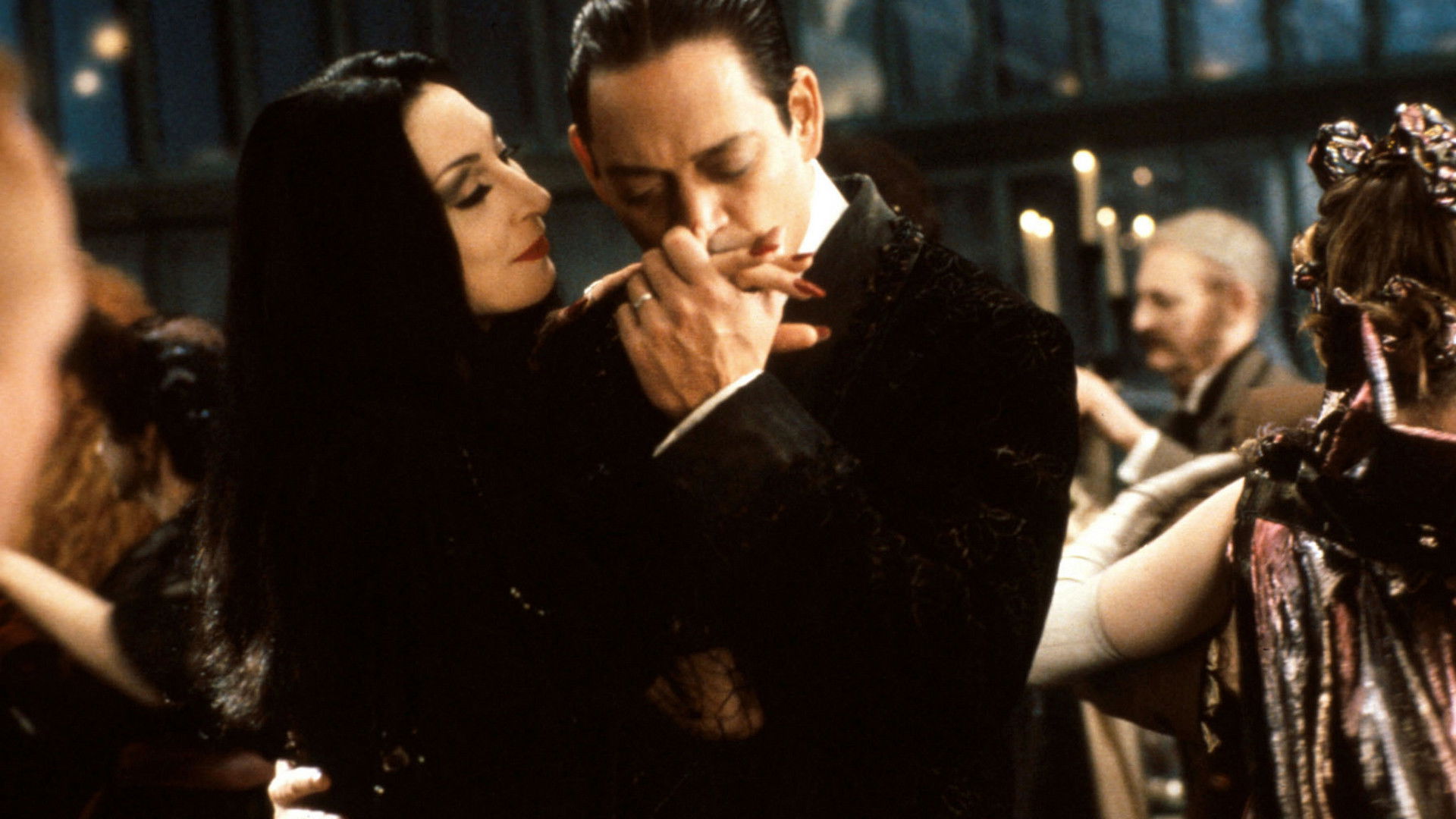
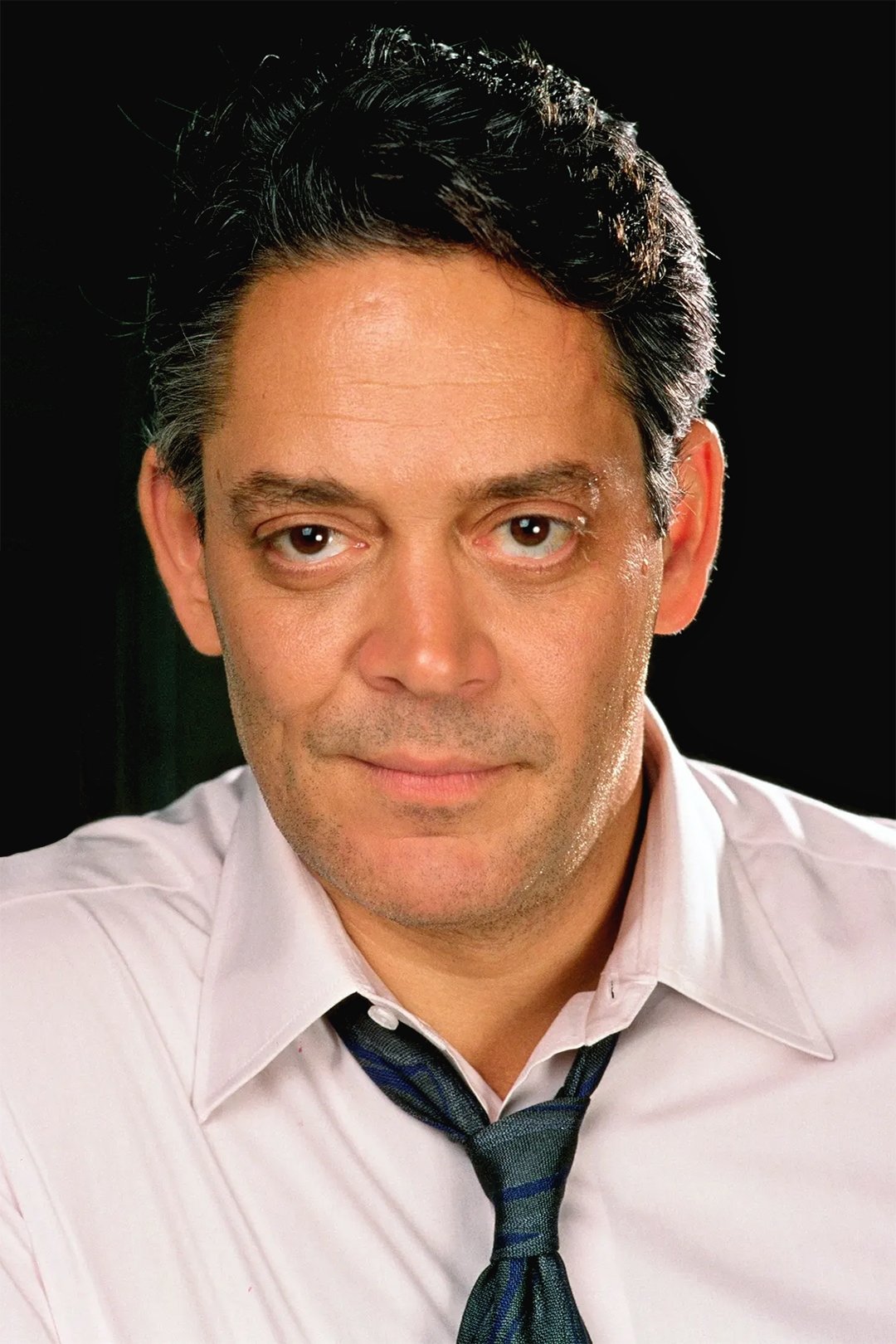
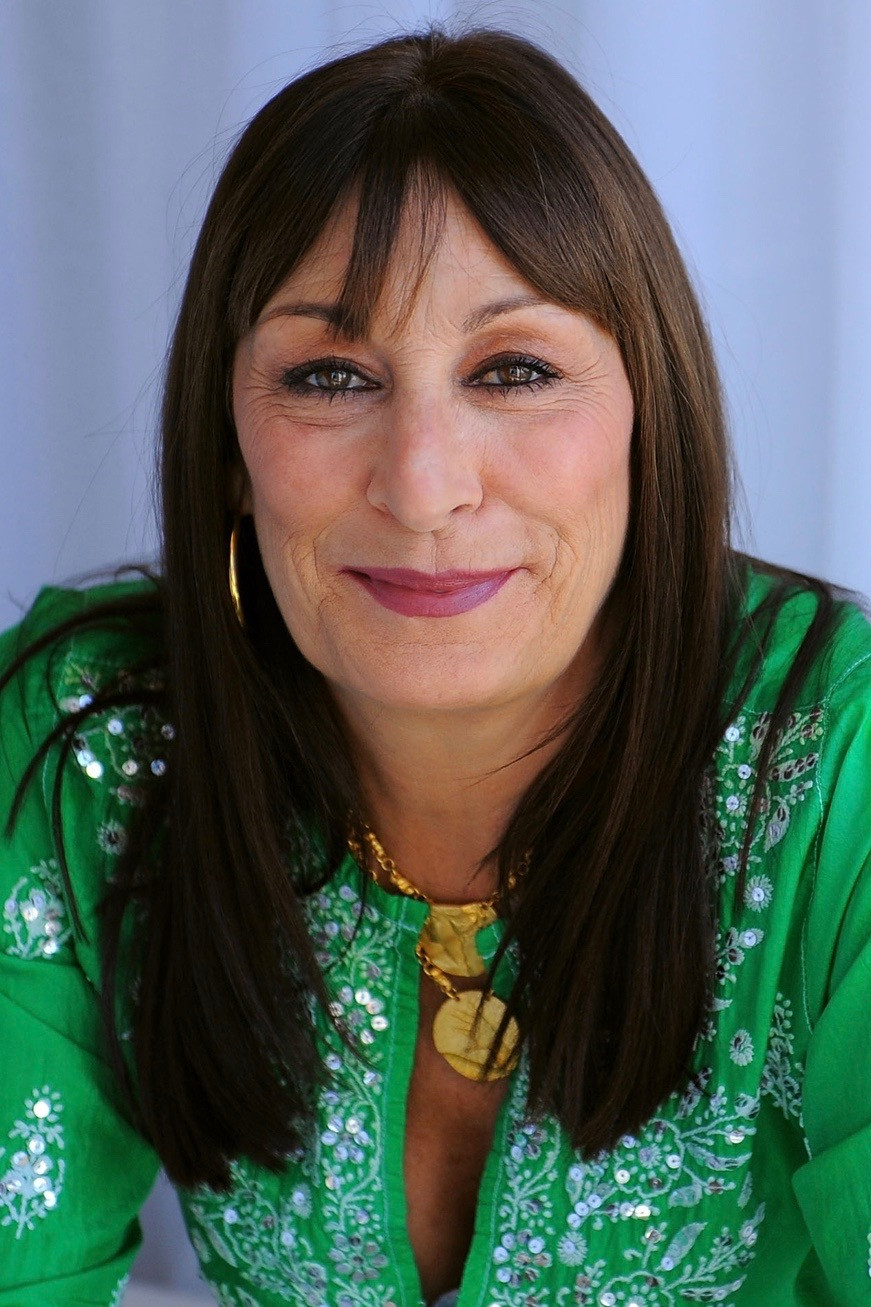
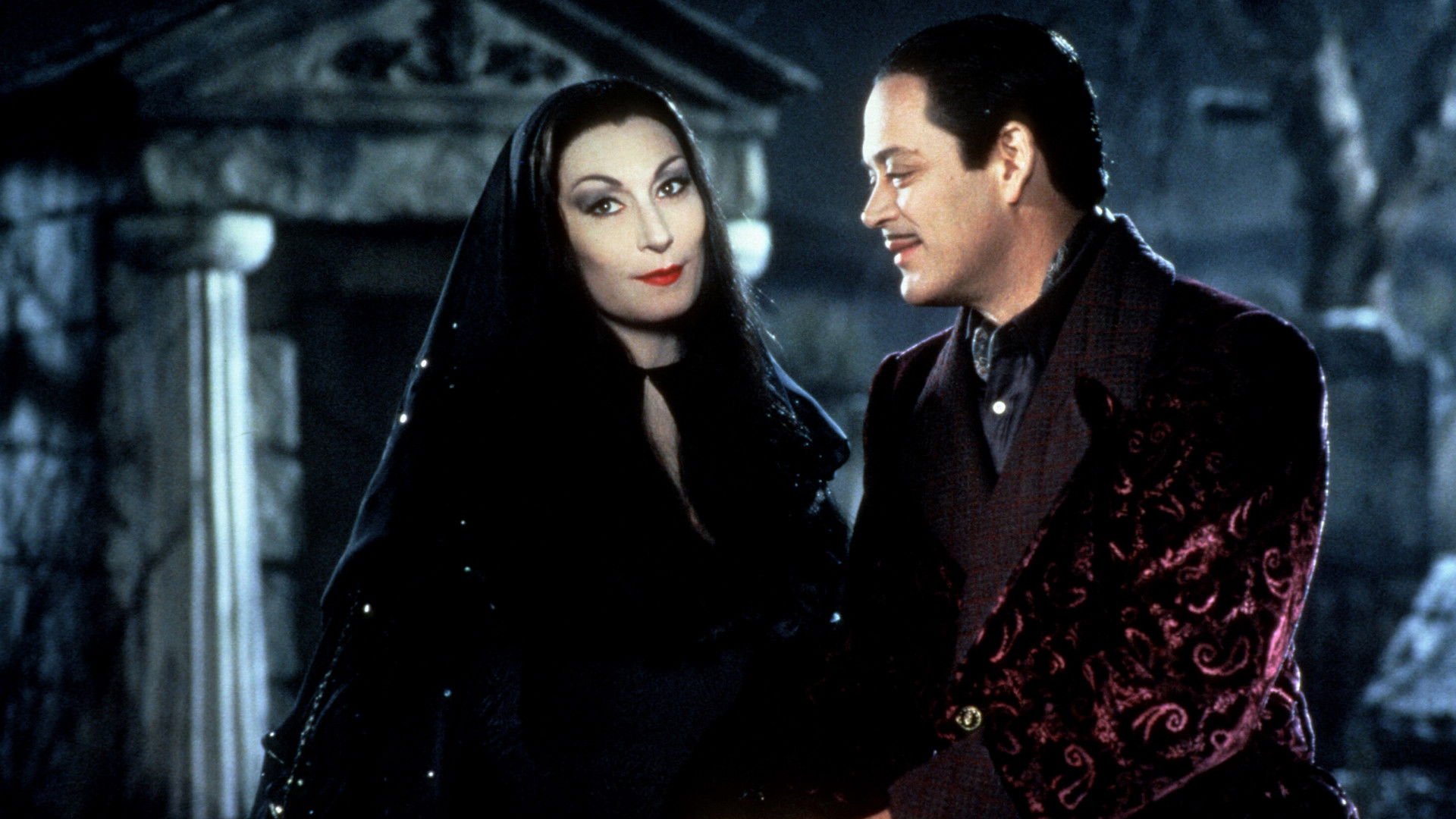
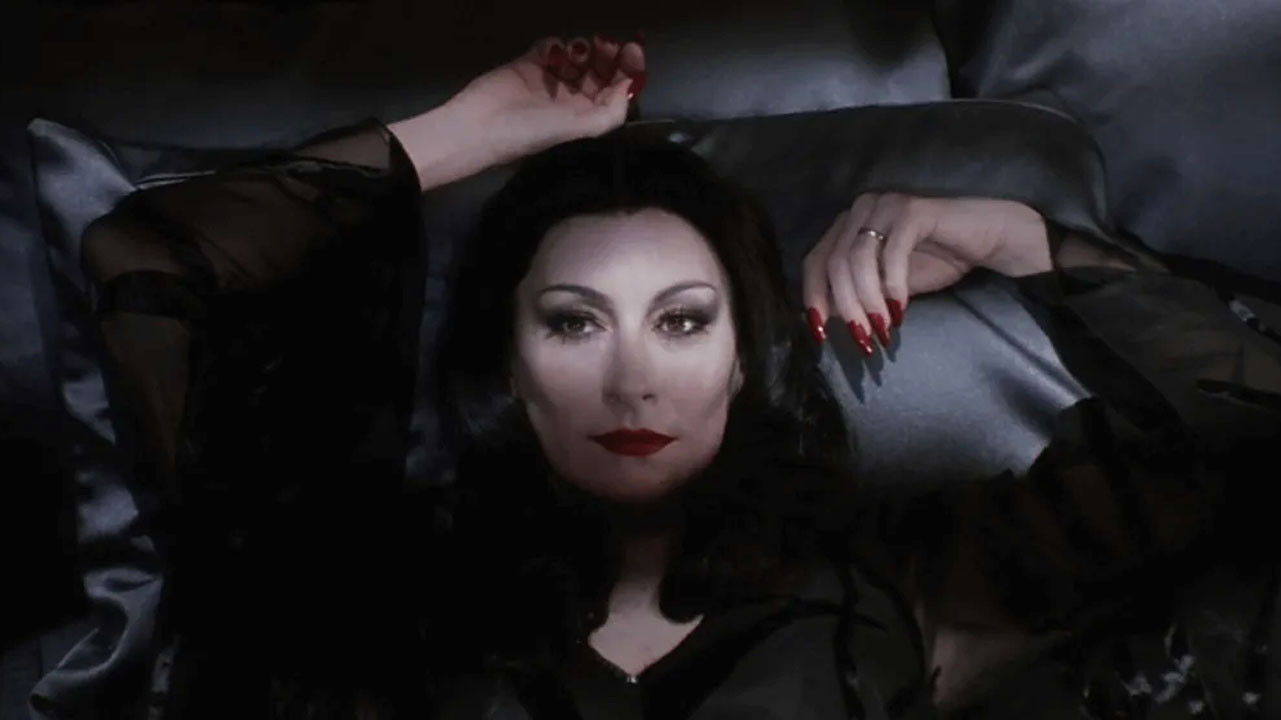
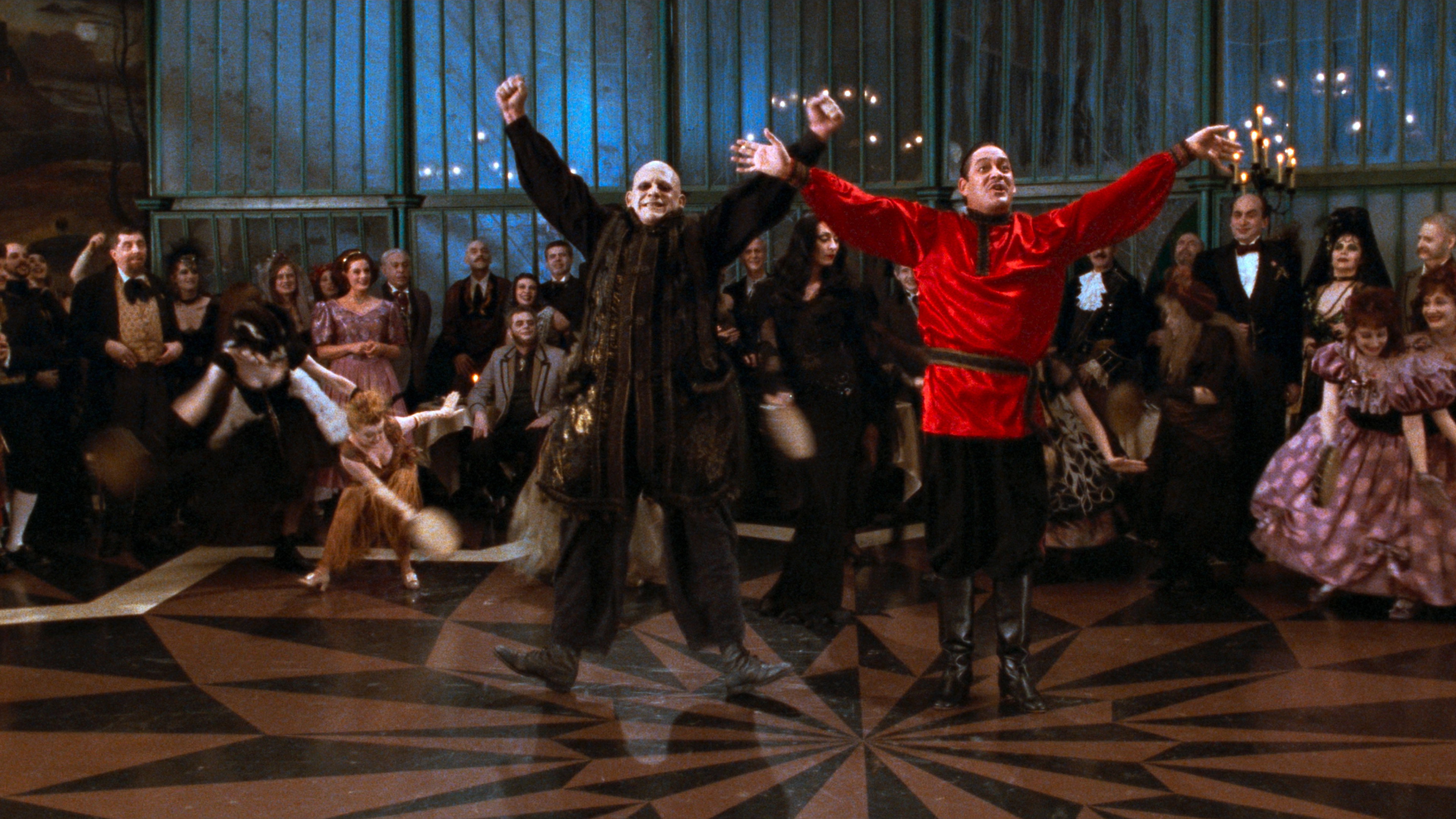
Raúl Juliá’s Gomez Addams supplies the exuberance, while Anjelica Huston’s Morticia gives the comedy its composure. Juliá plays the absurdity with such conviction that the performance never feels like an actor waiting for permission to laugh. Huston is economical: her restraint makes everyone else’s effort more apparent, sometimes to their disadvantage. Together they give the family enough affection to keep its peculiar behaviour interesting even when a joke fails.
Christina Ricci’s Wednesday is the sharpest reason to stay. We laughed at the flat certainty with which she delivers the ghoulish lines; she sounds as though the adults are being slow about something obvious. There is no pleading for approval, and Sonnenfeld is sensible enough not to require it. Christopher Lloyd’s Uncle Fester belongs to a broader style of performance, but Lloyd makes that breadth fit the company without overwhelming it.
Richard Macdonald’s production design makes the spooky manor a source of jokes in its own right. The house seems comfortable for its inhabitants, which is where much of the humour lies: they belong here, however peculiar we find it. Owen Roizman’s cinematography joins in the playfulness, with camera tricks that make the setting more than a backdrop. The visual activity is enjoyable, although at times it competes with performers who can hold our attention without assistance.
Dede Allen and Jim Miller’s editing gives the comic exchanges room to work. A gag can be given a satisfying finish without the next scene feeling necessary, and that is a recurring problem here. Marc Shaiman’s music helps sustain the high spirits, although its encouragement can feel surplus to requirements when the actors are doing so much. At 100 minutes, the film is hardly an endurance test, but it does allow time to notice how little forward movement all this activity produces.
The weakness sits largely with Larry Wilson and Caroline Thompson’s screenplay, whose contrivances ask for patience the jokes have not always earned. There is also less danger in its black humour than the ghoulish subject matter might suggest. As a family comedy, it is quite conventional about affection and belonging, and anyone expecting an assault on respectable domestic life will have to look elsewhere. Some of the jokes could stand to be nastier.
The cast make this an agreeable prospect for anyone who likes their family humour macabre. We would have welcomed a tighter story and fewer reminders of how peculiar everybody is. Still, Huston’s control and Ricci’s refusal to soften a line keep paying off. Choose it for the cast, and forgive the stretches when they have to attend to the plot.