Tim Burton’s ghost comedy is funny and worth forgiving when the story wanders. Michael Keaton supplies the bad behaviour; a fondness for the put-upon dead keeps the film warmer than its grotesque effects suggest.
Beetlejuice is a funny, good-natured ghost comedy with an unruly streak, and we recommend it despite its loose plotting. Tim Burton takes the ghosts’ side, making their difficulties the ordinary business around which everything strange happens. The dead have problems, need assistance and can be persuaded to seek it from someone unsuitable. That gives the film a comic situation we can grasp before the effects get busy. Burton allows us to care about the ghosts even while enjoying their discomfort.
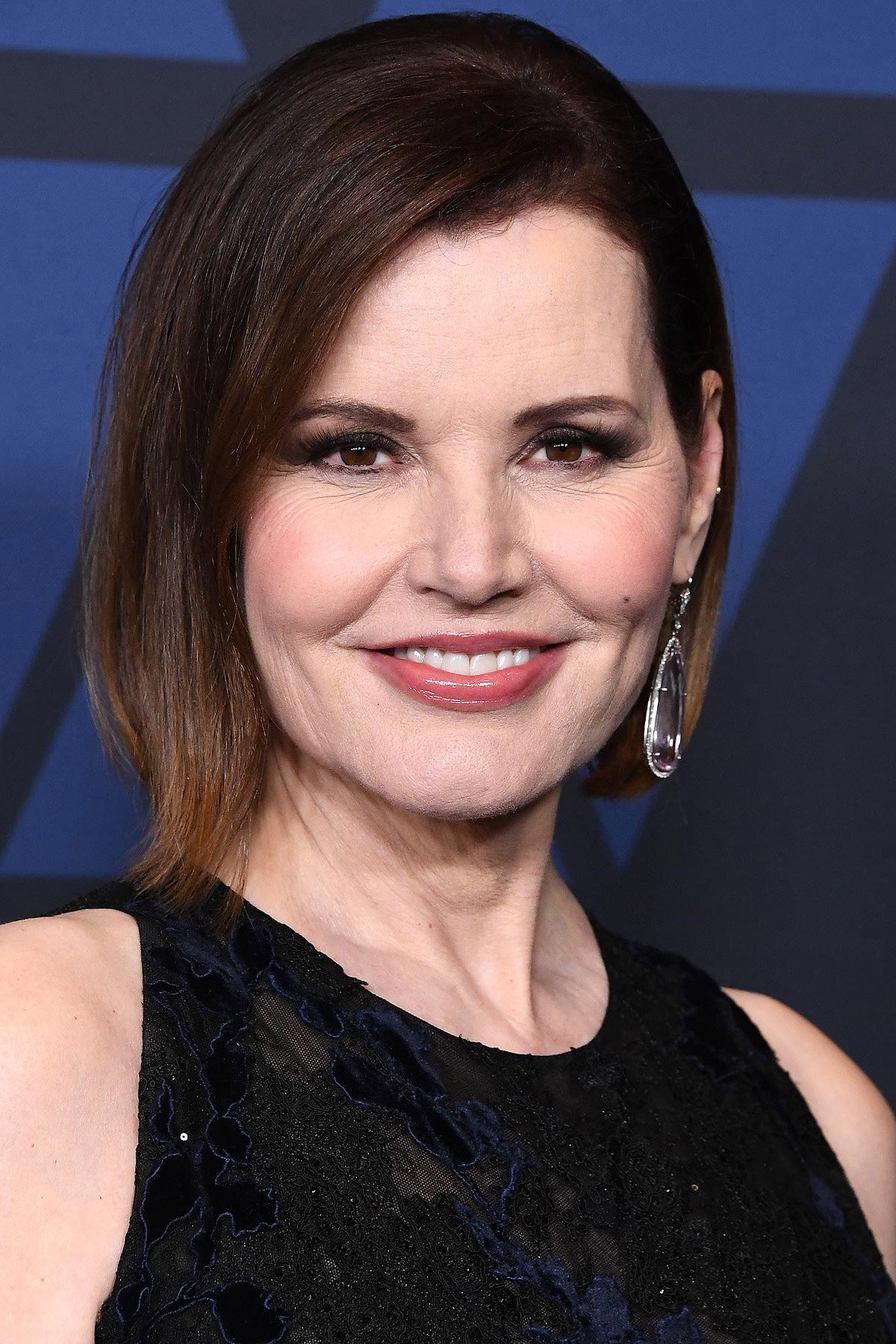
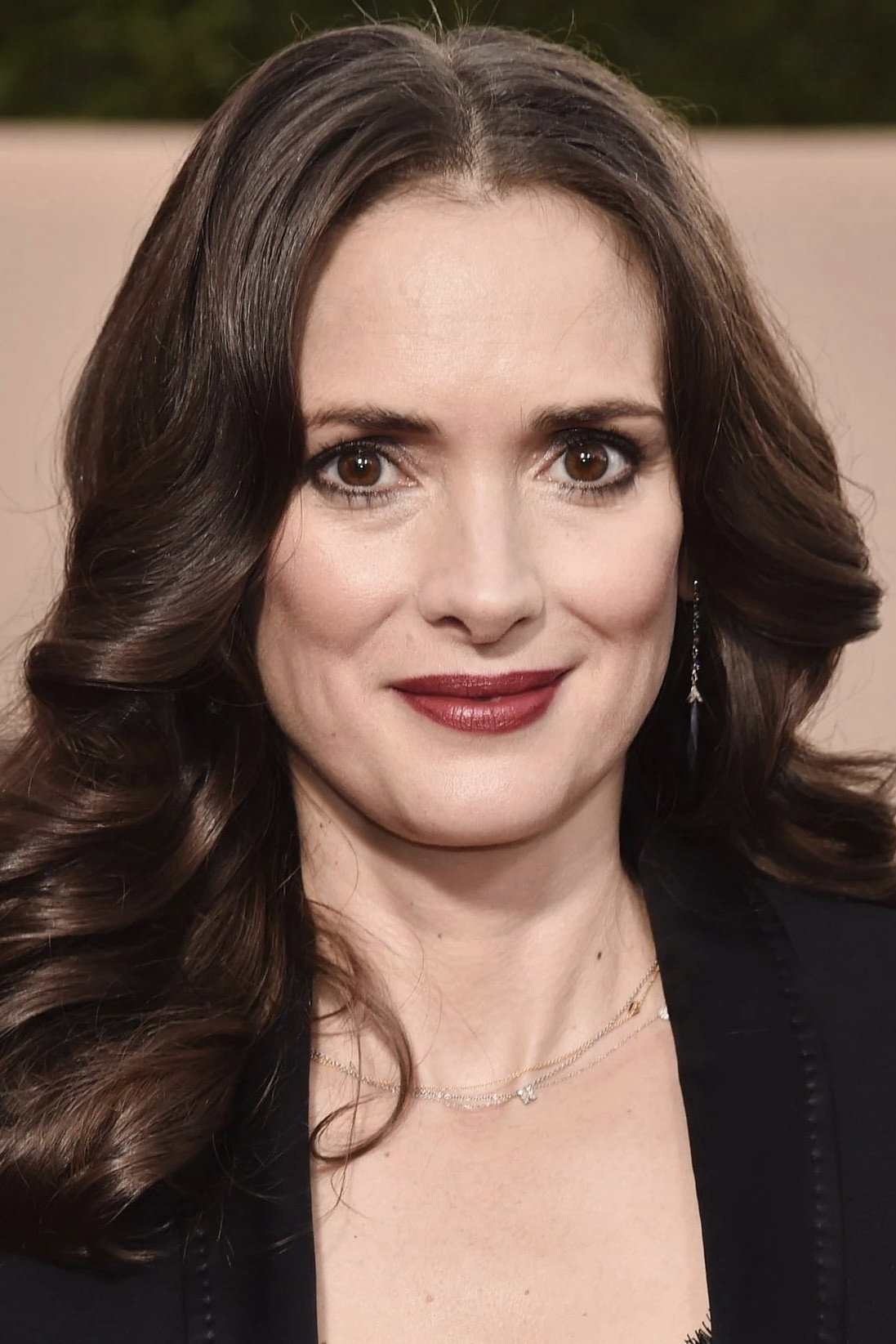
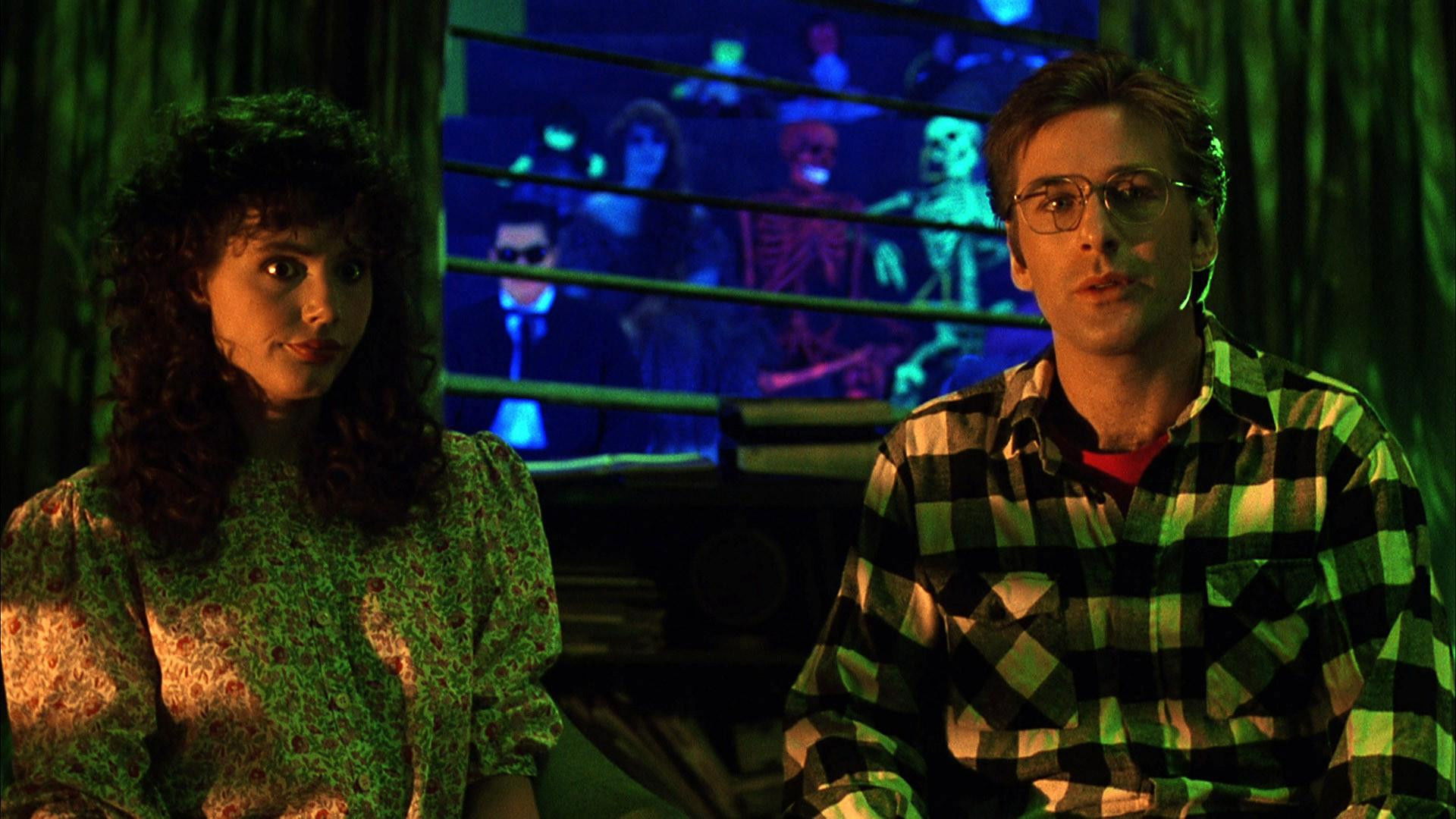
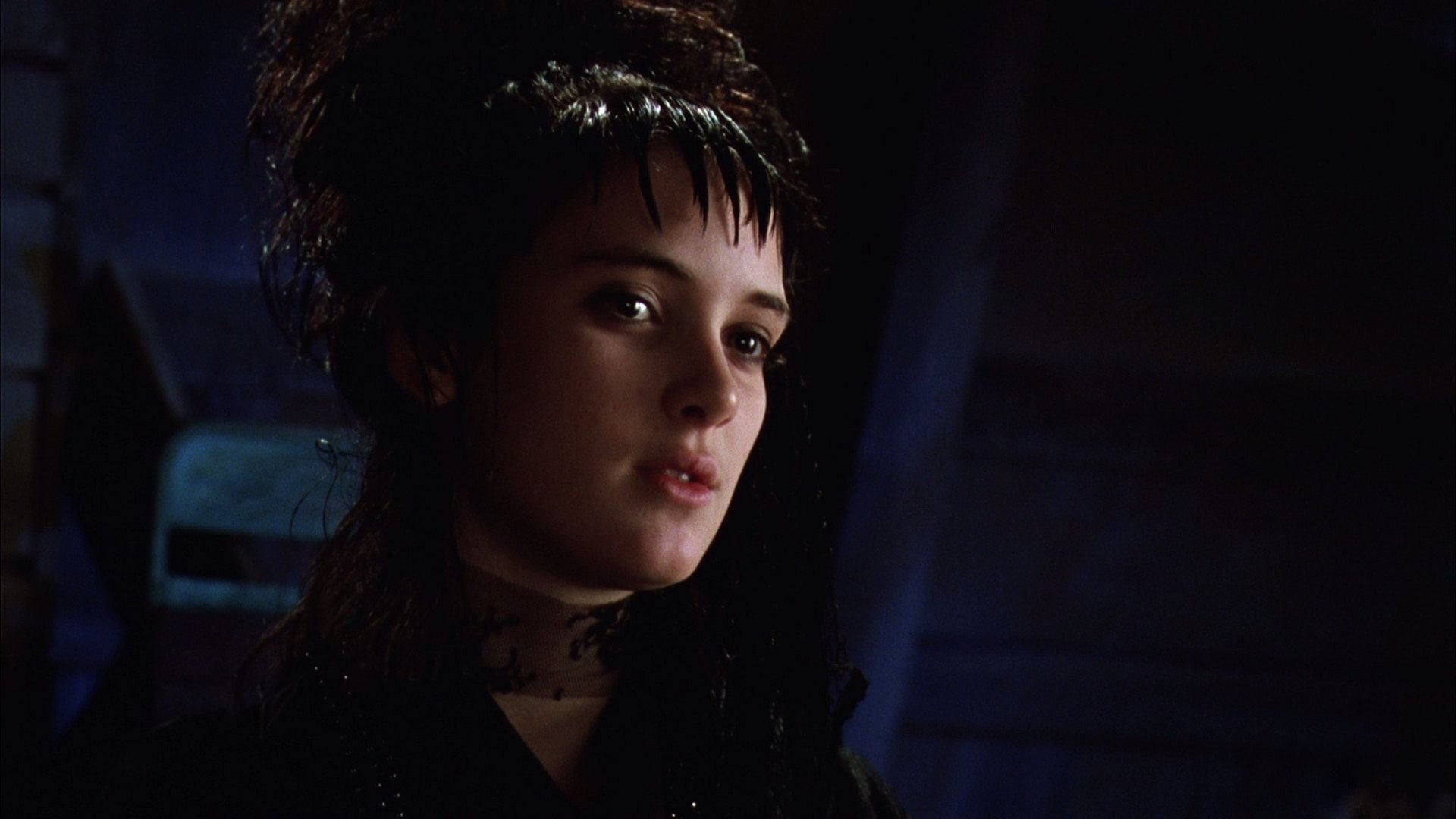
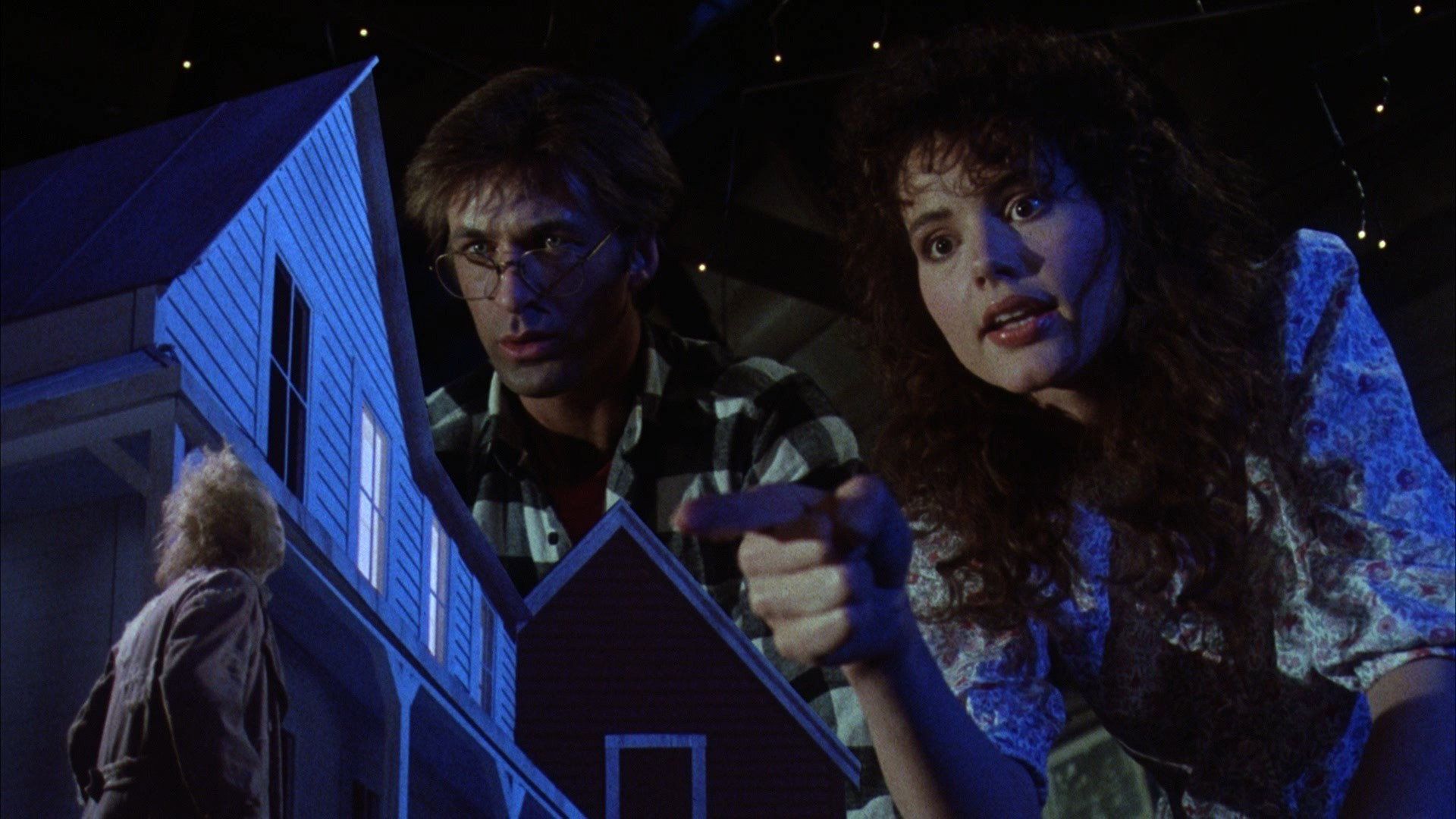
Alec Baldwin’s Adam and Geena Davis’s Barbara give that idea a useful human scale. Their performances encourage us to regard being dead as a practical predicament, which is a considerable service in a film this excitable. Winona Ryder’s Lydia supplies a quieter presence without draining the comedy of its oddness. We care enough about these people to want the supernatural interference to amount to something. That is an advantage the screenplay occasionally takes for granted.
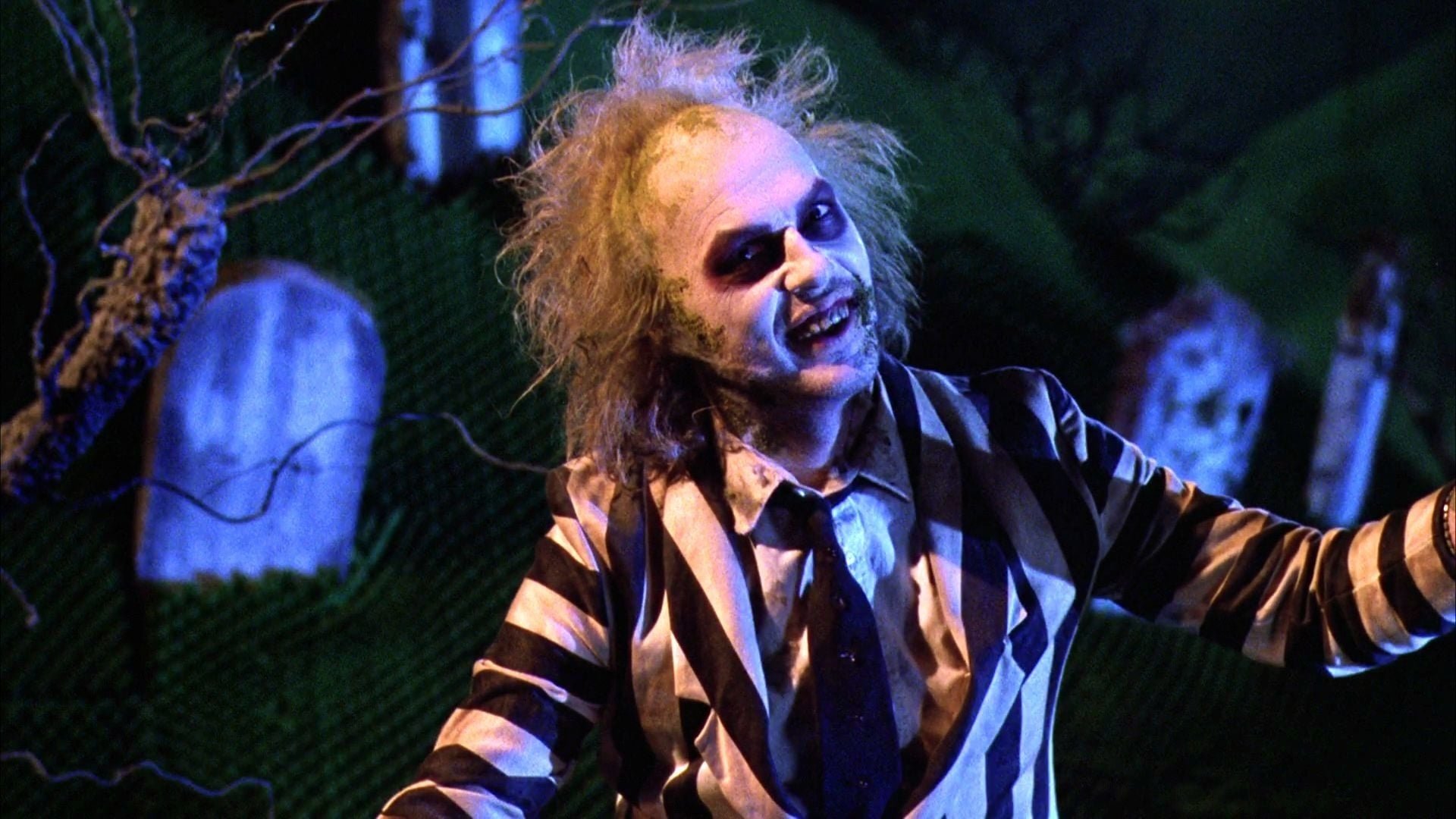
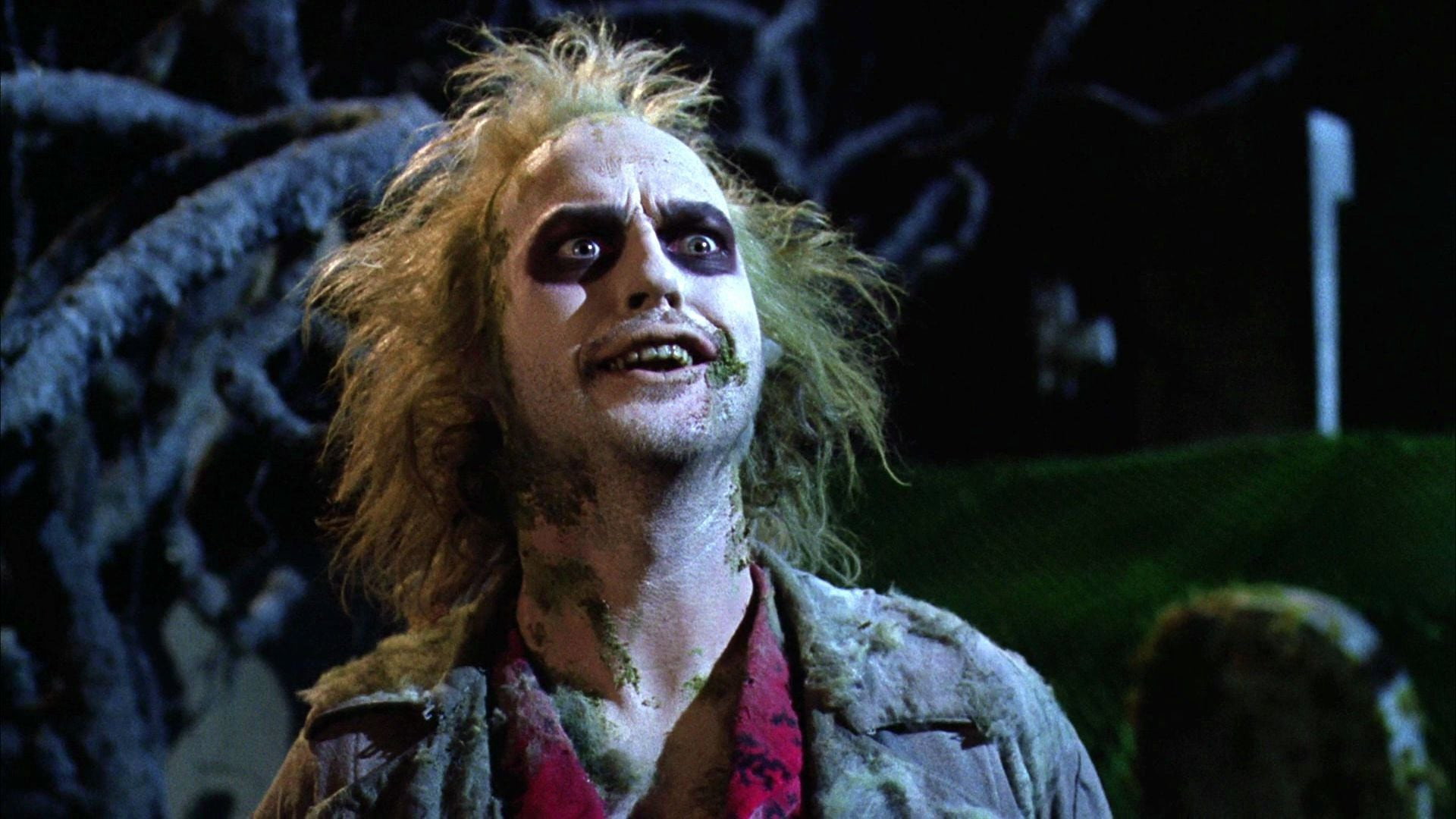
Michael Keaton’s Betelgeuse is the chief pleasure and the least reassuring person to consult. He plays the bio-exorcist with such pushy confidence that the offer of assistance already sounds like trouble. We laughed at the sheer nerve of his salesmanship. The aggressive delivery makes asking him for help seem like an error before anything needs to go wrong. Burton allows the performance to be unpleasant without insisting that we find the character endearing.
Bo Welch’s production design makes the afterlife recognisable enough for its everyday frustrations to register. The grotesque additions seem like further inconveniences for people who already have plenty to manage. Thomas E. Ackerman’s cinematography favours colour and visible oddity over the concealment a more frightening film might need. We can enjoy looking at the effects rather than wait for them to jump out. The openly artificial appearance suits a comedy whose dead characters still have ordinary business to attend to.
Danny Elfman’s music encourages the film’s unruliness, helping the grotesque comedy remain buoyant. It is a good match for Burton’s willingness to put sweetness beside something repellent and carry on without apology. Jane Kurson’s editing gives the individual comic eruptions their force, although the joins between them are less secure. A good sight gag can make the story’s unevenness easy to overlook for a moment. The next stretch does not always build on the pleasure of the last.
The weakness sits partly with Michael McDowell and Warren Skaaren’s screenplay. Once the basic situation is established, the business of ghosts and living people frustrating one another can feel repetitive. The afterlife is so much more amusing than the routine manoeuvring that returning to the latter costs the film some energy. Too often, another visual invention has to supply the interest that the action cannot quite sustain. At 92 minutes, it is short enough to recover before this becomes a serious burden.
Burton succeeds by allowing a ghost story to be funny without tidying away everything disagreeable about it. Against the haunted-house convention that the living deserve our concern, siding with the haunters provides a satisfying change. The warmth helps, but so does the willingness to let Keaton behave appallingly. Watch it for him, and be prepared to forgive the gaps between the jokes.