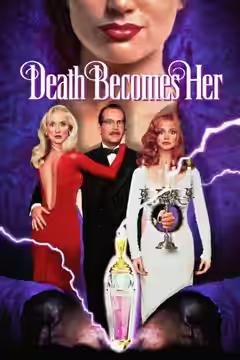
Robert Zemeckis’s black comedy is worth an evening for Meryl Streep, Goldie Hawn and an unexpectedly funny Bruce Willis. The effects occasionally overstay their welcome, but the spite keeps things lively.
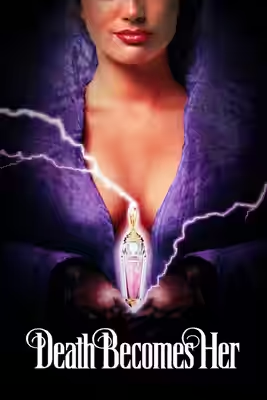
The promise in Death Becomes Her is eternal youth, which sounds more attractive before we consider the company. Robert Zemeckis makes a good, malicious fantasy comedy about the wish to keep looking desirable, and gives his cast ample room to be ridiculous. The consensus is cooler than we are, with complaints that the effects overwhelm the jokes. We agree that the machinery sometimes gets in the way, but the actors make the cruelty funny enough to justify the evening.
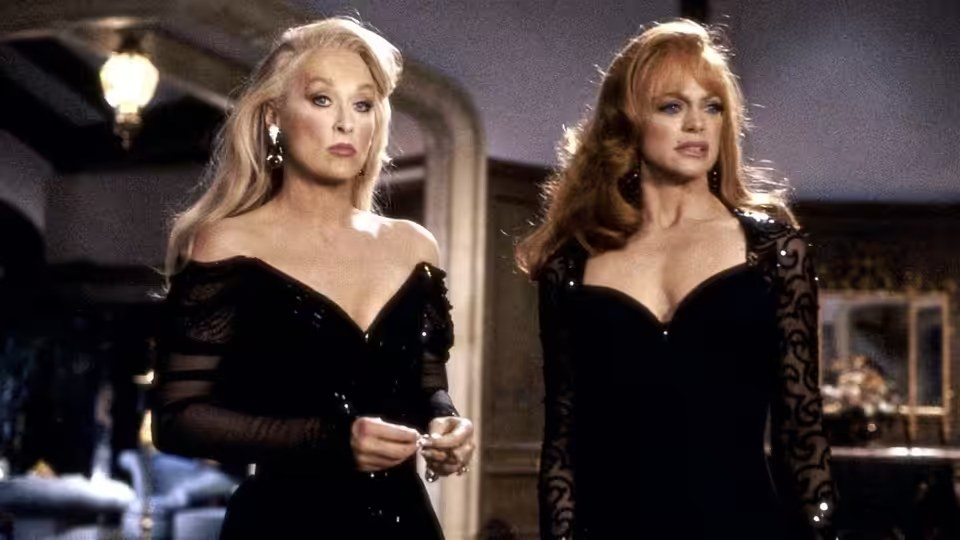
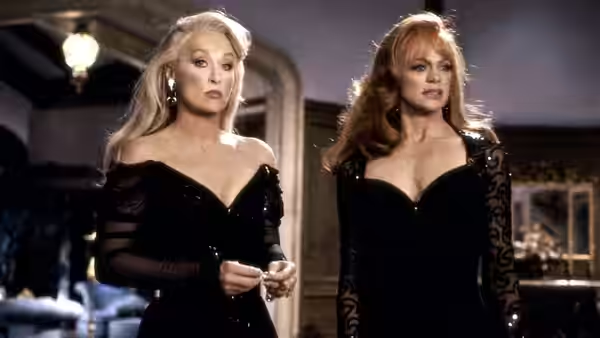
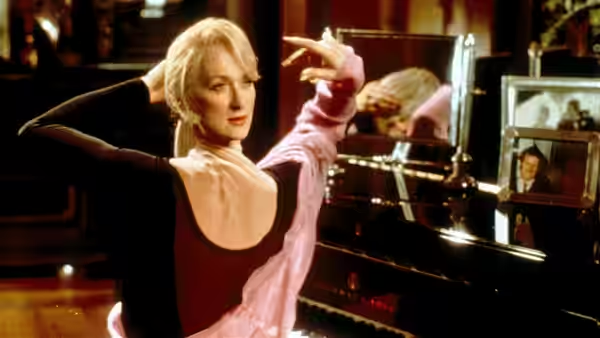
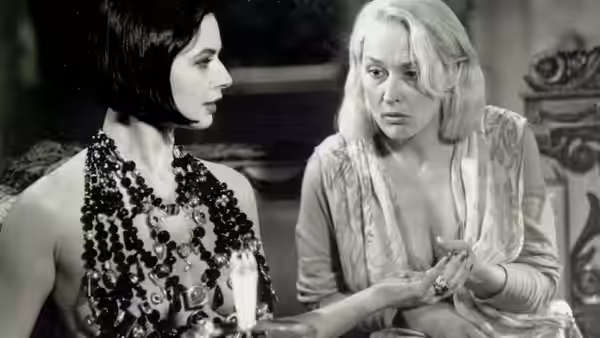
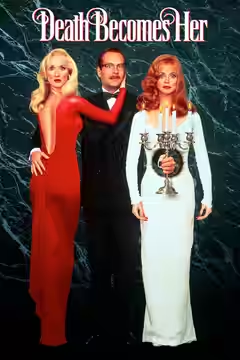
Meryl Streep and Goldie Hawn make that cruelty funny by giving it such undivided attention. Neither performance asks us to excuse the nastiness, and neither actor seems worried about looking foolish. We laughed at the relish with which they deliver their insults: the offence matters desperately to the speaker, however absurd it sounds to everybody else. That seriousness keeps the broad acting from becoming a competition to pull the biggest face, though both are willing to enter when required.
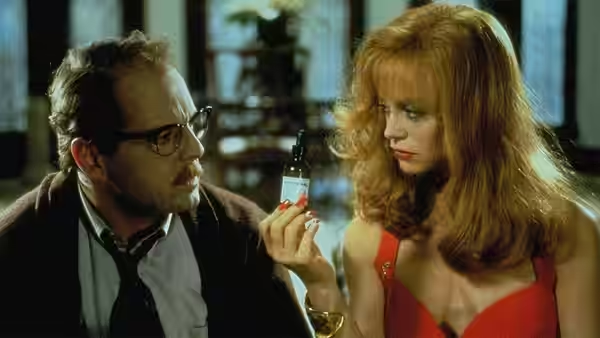
Bruce Willis, as Dr. Ernest Menville, is a welcome comic surprise. His performance gives the aggression around him something to work against, and he understands the value of letting another actor command our attention. A less assured performance could easily disappear beside these two, but he makes the contrast useful without competing for every laugh. The casting works because the three do not all attack a joke in the same way, leaving some welcome variation in the comedy.
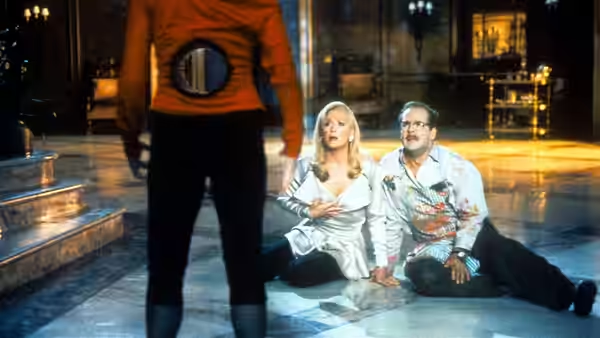
Dean Cundey’s cinematography gives the grotesquerie a clean, polished presentation that helps the visual jokes register. Rick Carter’s production design contributes to that polish, which suits a satire so concerned with appearances. We need to understand the attraction of looking immaculate before the film can make such a nuisance of it. The finish can also become oppressive: when the jokes pause, there is little warmth in the images to make the wait more comfortable.
Arthur Schmidt’s editing works best when it allows the actors’ comic emphasis to determine the pace. The effects are ingenious, but displaying them sometimes makes the comedy wait too long, and admiration is not a reliable substitute for a laugh. Alan Silvestri’s score supplies a pleasingly creepy accompaniment, encouraging us to enjoy the fantasy’s nastier possibilities. Its willingness to treat the foolishness as sinister helps the film maintain its balance between disgust and amusement.
The screenplay by Martin Donovan and David Koepp gives the cast plenty of sharp dialogue, then occasionally seems satisfied to let another elaborate effect take over. Vanity is a rich subject, but the writing does not always find a fresh joke about it. The celebrity satire is broad, and its limitations become noticeable whenever the performances have less to work with. Those passages are frustrating because the better exchanges demonstrate how little equipment these actors need to be entertaining.
As a horror comedy, the film is entitled to be unpleasant, and we would not improve it by asking everyone to become nicer. Across 104 minutes, the pleasure is substantial even when the writing repeats itself. We would choose it for the performances and accept the occasional wait between good jokes. A reasonable tolerance for gruesome effects will make the evening considerably easier.