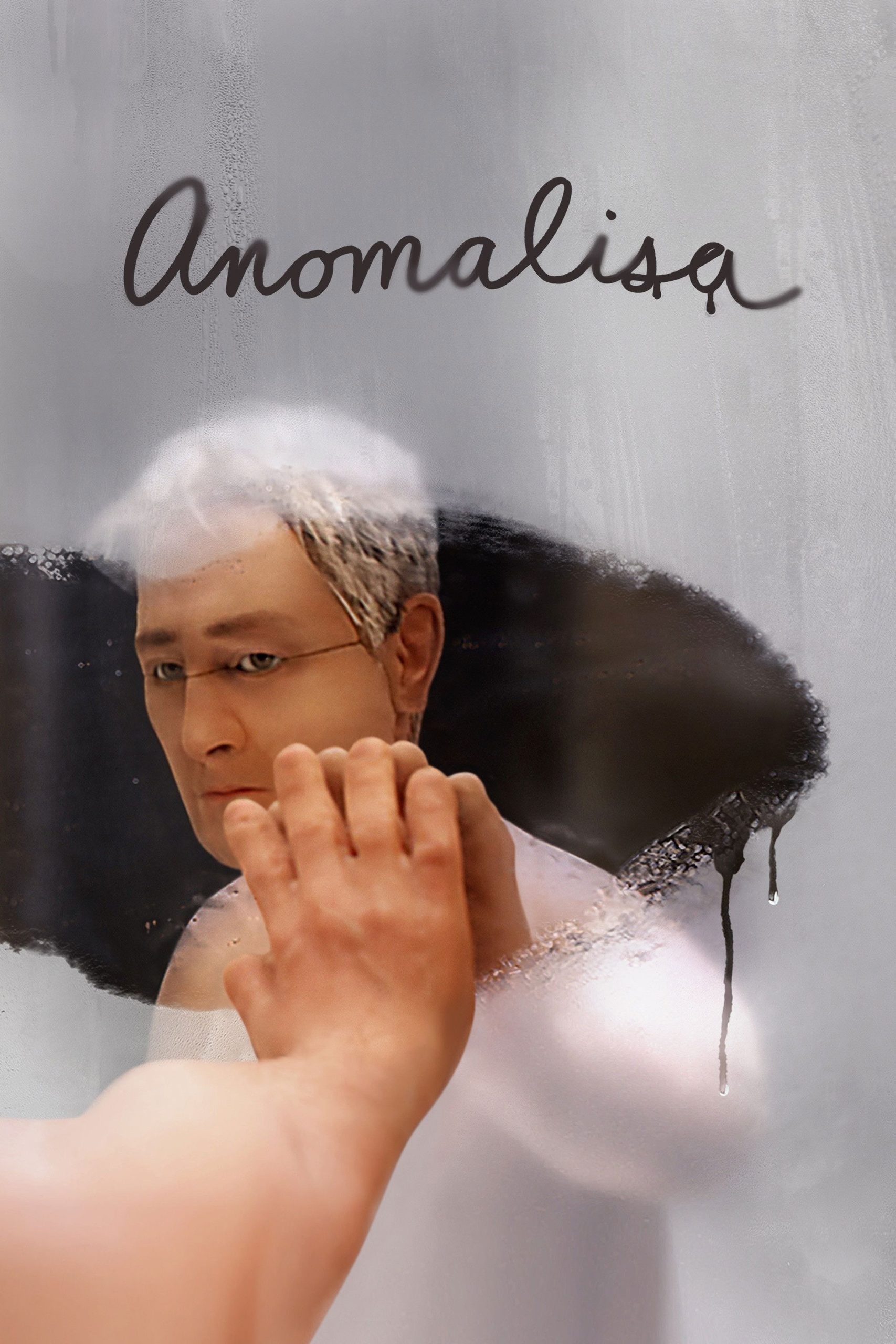
Most critics come away moved. The reviews agree that Charlie Kaufman and Duke Johnson’s stop-motion puppets, seams and facial lines left visible, do something live actors could not: they make a lonely man’s numb world look and sound exactly as he experiences it, with every stranger sharing one face and one voice. Praise clusters on the one night he spends with Lisa, and on the sex scene in particular, which several critics single out as tender, awkward and unexpectedly real. Lisa herself is widely described as the film’s one bright creation.
The reservations are fewer but sharp. A handful find the resolution predictable by Kaufman’s standards, or the opening stretch too literal about depression. Vulture admires the animation but tires of the protagonist’s undiluted self-pity. The New Yorker argues the film shares its hero’s obliviousness to everyone around him, and The New York Times finds its cast of whiners and depressives painful company. Those two sit a long way below an otherwise tightly bunched, warm consensus.
E
Empire
7 March 2016 · ★★★★★ · Ian Freer
100
The critic calls it a minor miracle of a movie and the most beautiful, haunting, empathetic, tender and funny film of the year so far. They single out the poignant consideration of human fragility and the heartfelt connection between the leads.
Read the full review →R
Radio Times
8 March 2016 · ★★★★★ · Leslie Felperin
100
Hails it as exquisitely sad, strange, and achingly humane, noting the innovative combination of themes in puppet form and the moving, funny elements like Lisa's song.
Read the full review →T
Time Out
8 September 2015 · ★★★★★ · Dave Calhoun
100
Calls it a downbeat masterpiece, lauding the stop-motion puppetry and its probing of happiness, love, and mental fragility in a simple yet majestic story.
Read the full review →G
The Guardian
10 March 2016 · Peter Bradshaw
95*
The critic calls it a strange miniature masterpiece and a hilariously funny yet horribly real animation about the unbearable loneliness of being and the prison of identity. He singles out the extraordinarily real sex scene and the way the puppet animation heightens the sense of fragile, uncanny human life.
Read the full review →F
Film Comment
28 September 2015 · Jonathan Romney
90*
The critic praises the stop-motion puppets for creating an uncanny effect that reveals humanity in artificial forms, making the film moving, funny and disturbing at once. The review highlights the existential themes of love, delusion and consumer culture through the story of a man encountering the one distinct voice in a monotonous world.
Read the full review →F
Financial Times
10 March 2016 · Nigel Andrews
90*
The critic describes the film as wonderful, haunting, indelible and incredible, an inspired miniature about madness, male menopause and the redemptive possibilities of love. He singles out the absurdly touching one-night romance and the tender, delicate puppet sex scene.
Read the full review →L
Los Angeles Times
29 December 2015 · Michael Phillips
90*
Sad, beautiful and the wittiest film of the year, it transforms a drab premise of middle-aged malaise into serious pleasure. It is a perfect little tale of love in bloom among the weeds of ordinary life.
Read the full review →A
The AV Club
30 December 2015 · A- · Mike D'Angelo
90
The critic notes that by Kaufman’s high standards the resolution is unusually predictable, but finds Anomalisa beautifully distinctive from moment to moment thanks to the puppets’ human and mechanical imperfections that make it poignantly or nightmarishly effective. They single out its exploration of the knowledge that we are all fundamentally alone.
Read the full review →H
The Hollywood Reporter
5 September 2015 · festival review · David Rooney
90*
The critic praises the beguiling poignancy and emotional nuance of this funny-sad, haunting meditation on depression, disguised as a melancholy love story. They single out the superb set-piece of the single-night romantic interlude enriched by detailed context and the emotional power that lingers long after the film ends.
Read the full review →T
Total Film
7 March 2016 · Jamie Graham
90*
The critic describes it as Kaufman's most human and recognisable work, showing what it is to be human with the best use of Cyndi Lauper’s ‘Girls Just Want To Have Fun’ in the movies. They highlight the precise observational details of human behaviour and the emotional response elicited by the central connection.
Read the full review →L
Little White Lies
10 March 2016 · 5/4/5 · Sophie Monks Kaufman
80
Praises the melancholic stop-motion treasure for its absolute commitment to depicting solipsistic suffering and the intricate, brilliant portrayal of a lonely man's fleeting connection.
Read the full review →S
Screen Daily
5 September 2015 · festival review
80*
Describes a wistful, resonant film and a bracing, wry, honest dose of cinematic melancholy, focusing on the hotel as an existential staging post and the realistic puppetry including sex scenes.
Read the full review →S
Sight and Sound
11 March 2016 · Graham Fuller
70*
The critic praises Kaufman's stop-motion film for its unique exploration of alienation and perception through puppets where most characters look and sound the same, highlighting the poignant relationship with Lisa and the film's metaphysical depth.
Read the full review →S
Slant Magazine
17 December 2015 · Chuck Bowen
70*
The critic finds the film initially reductive and literal-minded but praises the aural device of identical voices and visual stylization for simulating the numbness of depression, along with the unexpected tenderness of the central relationship and Lisa’s vividly specific portrayal. They single out the remarkably moving sex scene as the highpoint and the final cruel punchline underscoring that meet-cutes aren’t a cure.
Read the full review →V
Variety
5 September 2015 · festival review · Peter Debruge
70*
Kaufman teams with Duke Johnson to bring his stageplay to life in stop-motion, resulting in a cerebral yet satisfying self-analysis. It moves from a dark night of the soul into something warm, human and tender.
Read the full review →The critic calls it a perfect thing and the most vivid portrait of solipsism, praising the thrillingly expressive stop-motion animation and the sublime, alchemical sex scene as a feat of transcendence. They single out the complacent misery and self-centered tone that ultimately makes the film feel like undiluted Charlie Kaufman one wants to escape.
Read the full review →N
The New Yorker
29 December 2015 · Richard Brody
40*
The film shares the obliviousness of its acclaimed protagonist toward others in his life. It depicts a short affair between a business writer and a star-struck fan using realistic stop-motion puppets.
Read the full review →N
The New York Times
29 December 2015 · Manohla Dargis
30*
The sad and stingingly painful film features a throng of whiners and depressives alongside one bright soul. It is a recognizably Kaufmanesque creation exploring identity, loneliness, and love through stop-motion puppets.
Read the full review →N
NME
10 March 2016 · ★★★★★ · Olly Richards
100
The review calls it another classic from Charlie Kaufman, using stop-motion puppets to explore a man's boredom with identical faces and voices around him until he meets someone different. It singles out the funny yet touching sex scene and strong voice performances for making the artificial feel deeply human and emotional.
Read the full review →C
Collider
30 December 2015 · A · Matt Goldberg
95
The critic praises the film's thoughtful meditation on loneliness and longing for human connection through stop-motion animation and calls it as effective and compelling as any of Kaufman's movies. The review highlights the heartbreaking characters and fresh take on familiar themes.
Read the full review →P
Polygon
17 December 2015 · Allegra Frank
90*
The critic calls Anomalisa a devastating portrait of depression through puppets and one of the year's best films, praising its remarkably human story and the stop-motion animation's role in revealing the protagonist's isolated worldview. It highlights the film's triumph as an adult animated work with dramatic potential.
Read the full review →P
The Playlist
30 December 2015 · A- · The Playlist Staff
90
The review lauds the film's deft balance of spiritual crisis, despondency, awkwardness, and biting hilarity in its stop-motion tale of loneliness and the need for connection, calling it a near-perfect marriage of Kaufman's themes and Johnson's animation.
Read the full review →D
Deadline
22 December 2015 · Pete Hammond
80*
The critic finds the stop-motion film a unique and dreamlike exploration of mundanity and human connection that stays with the viewer. He singles out the raw stop-motion technique, with visible facial lines deliberately retained to match the film's spirit.
Read the full review →S
The Skinny
22 February 2016 · ★★★★ · Ben Nicholson
80
The critic describes the film as a tender, moving account of depression and the search for connection, with puppets that feel lifelike and convey isolation turning to joy. It notes the accessible yet profound take on Kaufman's usual existential style, enhanced by the stop-motion animation.
Read the full review →W
The Wrap
13 September 2015 · festival review
75*
The critic calls the stop-motion film a surprising and delightful meditation on human connection that does not disappoint. He singles out the inventive animated world where only the leads have distinct faces and voices amid the surrealism.
Read the full review →E
Eye for Film
23 September 2015 · festival review · Amber Wilkinson
70*
The critic highlights the triumph in smaller gestures and human moments, noting the warm, humanistic vibe and Lisa as a lovely creation, while acknowledging it doesn't reach the heights of Kaufman's prior work on loneliness.
Read the full review →H
HeyUGuys
10 September 2015 · festival review · Jo-Ann Titmarsh
70*
The critic praises the witty and tender stop-motion animation as an intimate exploration of existential crisis and human connection, highlighting the inventive puppetry and voice work that bring the fuzzy characters to life.
Read the full review →P
Paste
20 September 2015 · 9.5 · Tim Grierson
70*
The critic describes the film as piercingly poignant and perhaps Kaufman's most succinct expression of the malaise haunting his work, praising its honesty in depicting struggles with loneliness alongside humor and empathy. The stop-motion animation is noted for reflecting the director's aesthetic in a purer way.
Read the full review →Ordered by the weight we give each publication, then by score. Scores are normalised to 100; * means inferred from an unrated review. Summaries are ours, not quotations; follow the links for the reviews themselves. How we rate