Film review

Anomalisa

2015 · Directed by Duke Johnson, Charlie Kaufman · 1h 31m · MPA R

In a sentenceA lonely man in a beige hotel finds the one voice that isn’t Tom Noonan’s; it goes about as well as you’d expect

AnimationDramaRomanceComedy

Michael Stone (David Thewlis) flies to Cincinnati to address a conference and checks into a hotel. Everyone he meets, the taxi driver, the bellboy, the receptionist, his wife and son on the phone, has the same smooth face and the same mild voice (Tom Noonan). He rings Bella, a woman he left years ago, and asks her to the hotel bar. Then, through the wall, he hears a voice that is not like the others. It belongs to Lisa Hesselman (Jennifer Jason Leigh), a sales rep from out of town who has driven in with a friend to hear him speak, and he knocks on her door.

Plays from YouTube when you press play; nothing loads from them until then.

Fi1m review

Charlie Kaufman and Duke Johnson put a depressed man in a Cincinnati hotel, give everyone around him the same face, and make the saddest and most tender puppet film we know. Its one weakness: it likes his misery more than it should.

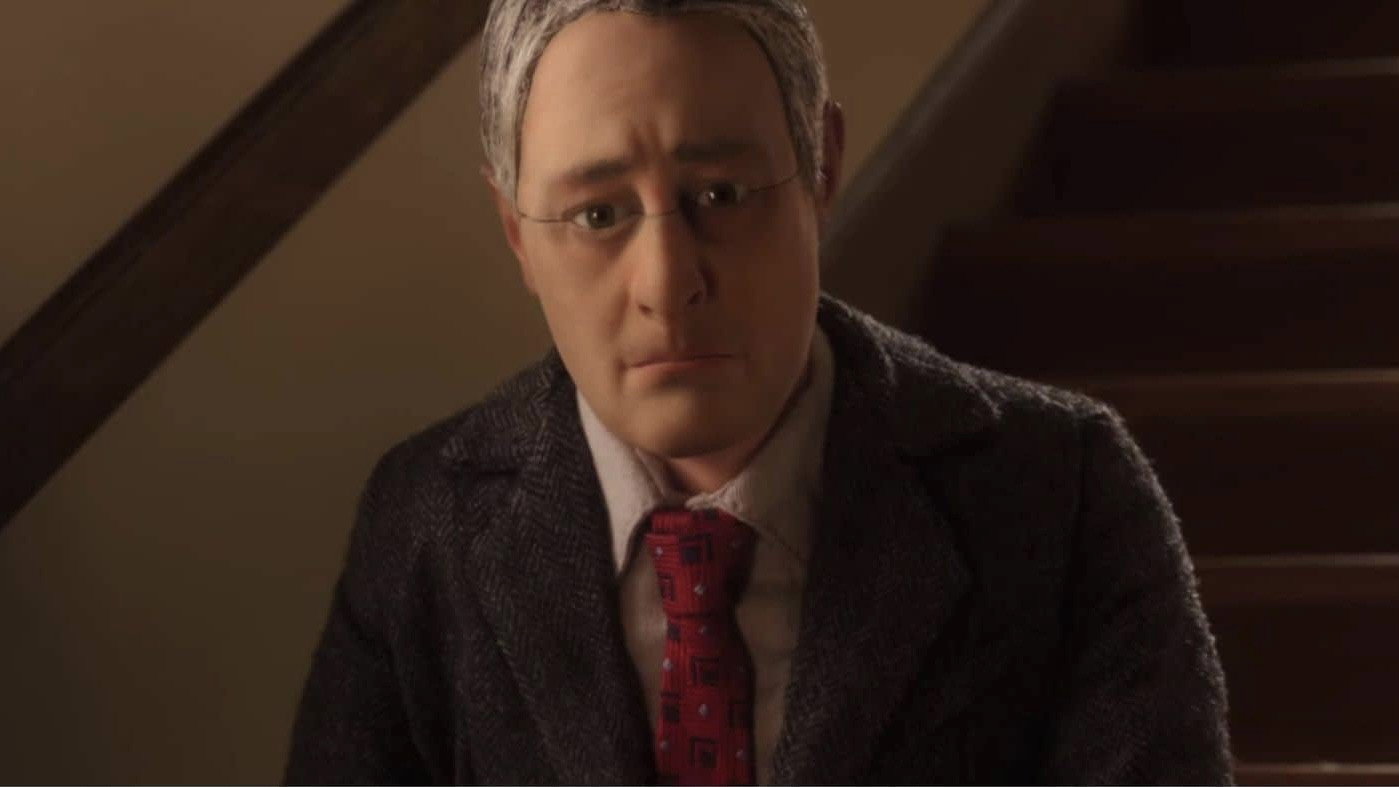
Michael Stone (David Thewlis) has written a book about customer service, and he is flying to Cincinnati to tell a hall of people who work in call centres how to be nicer on the phone. He is not nice himself. He is tired, snappish and adrift, and the film’s first idea, stated before he has left the aeroplane, is that everyone he meets has the same face and the same voice. The man in the next seat, the taxi driver, the desk clerk, his wife and son on the phone: all Tom Noonan, mild and patient and interchangeable. Charlie Kaufman wrote it and directs with Duke Johnson, in stop-motion, with puppets, and it is the clearest thing he has made since Being John Malkovich. We recommend it warmly, with one reservation about whose side it is on.

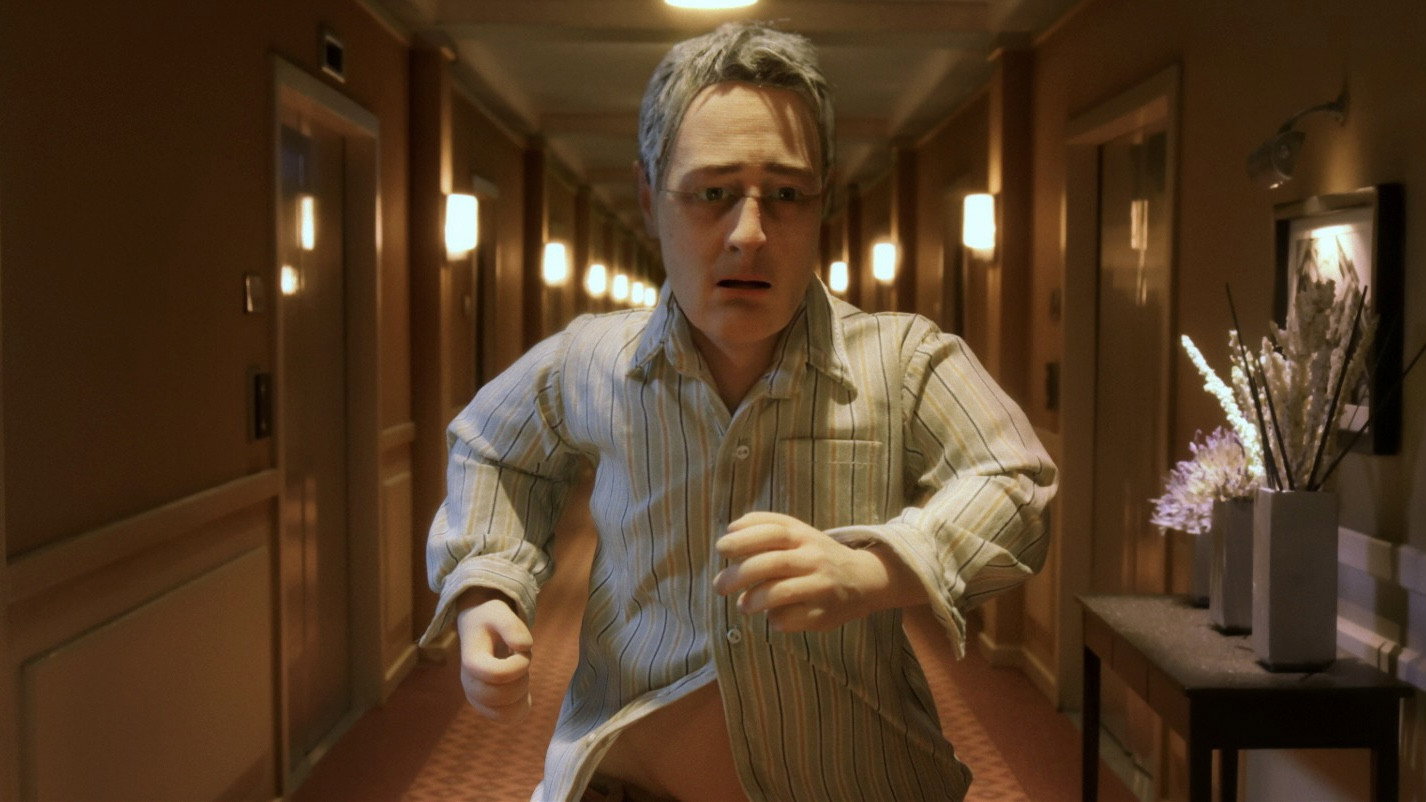
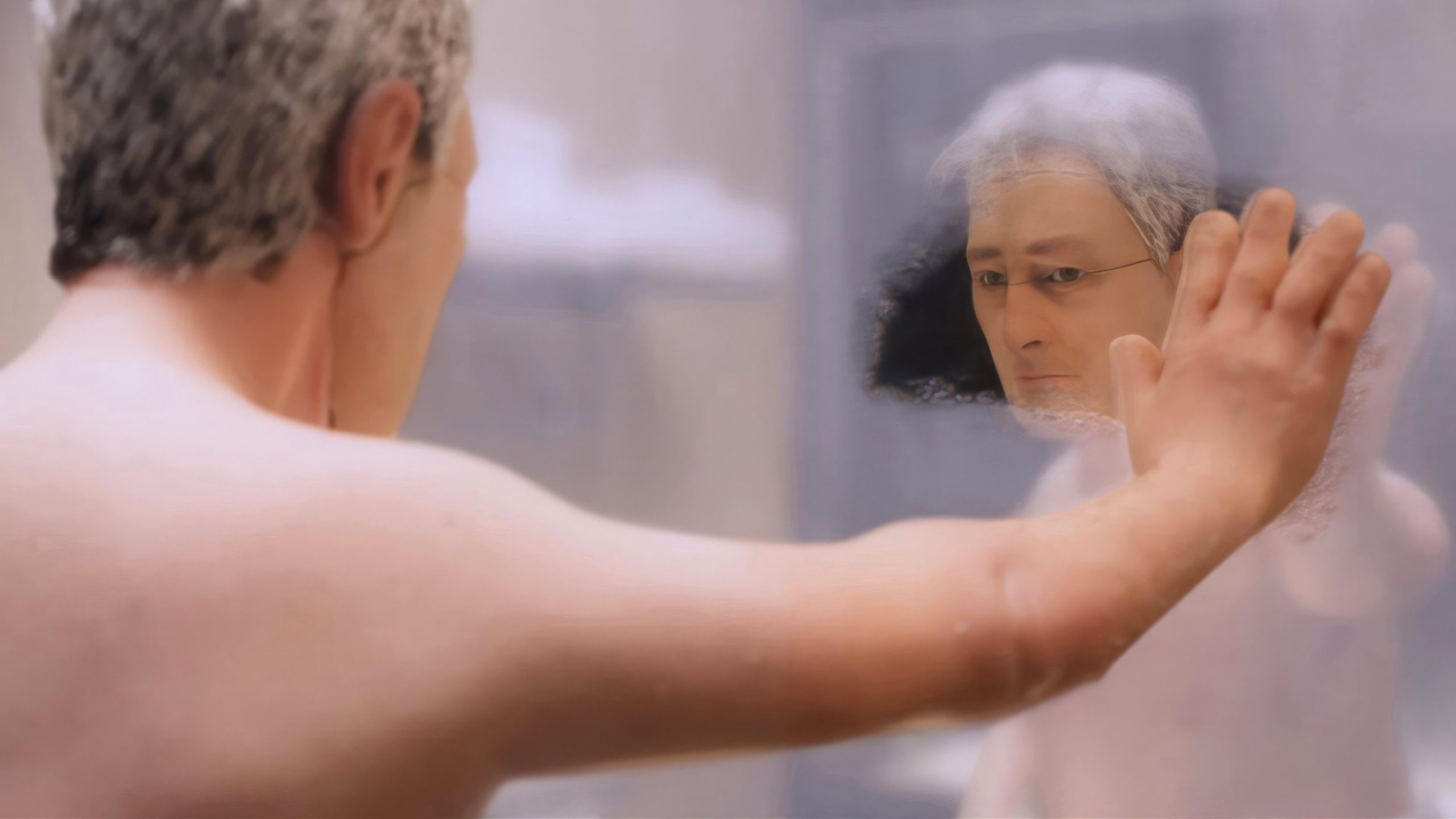
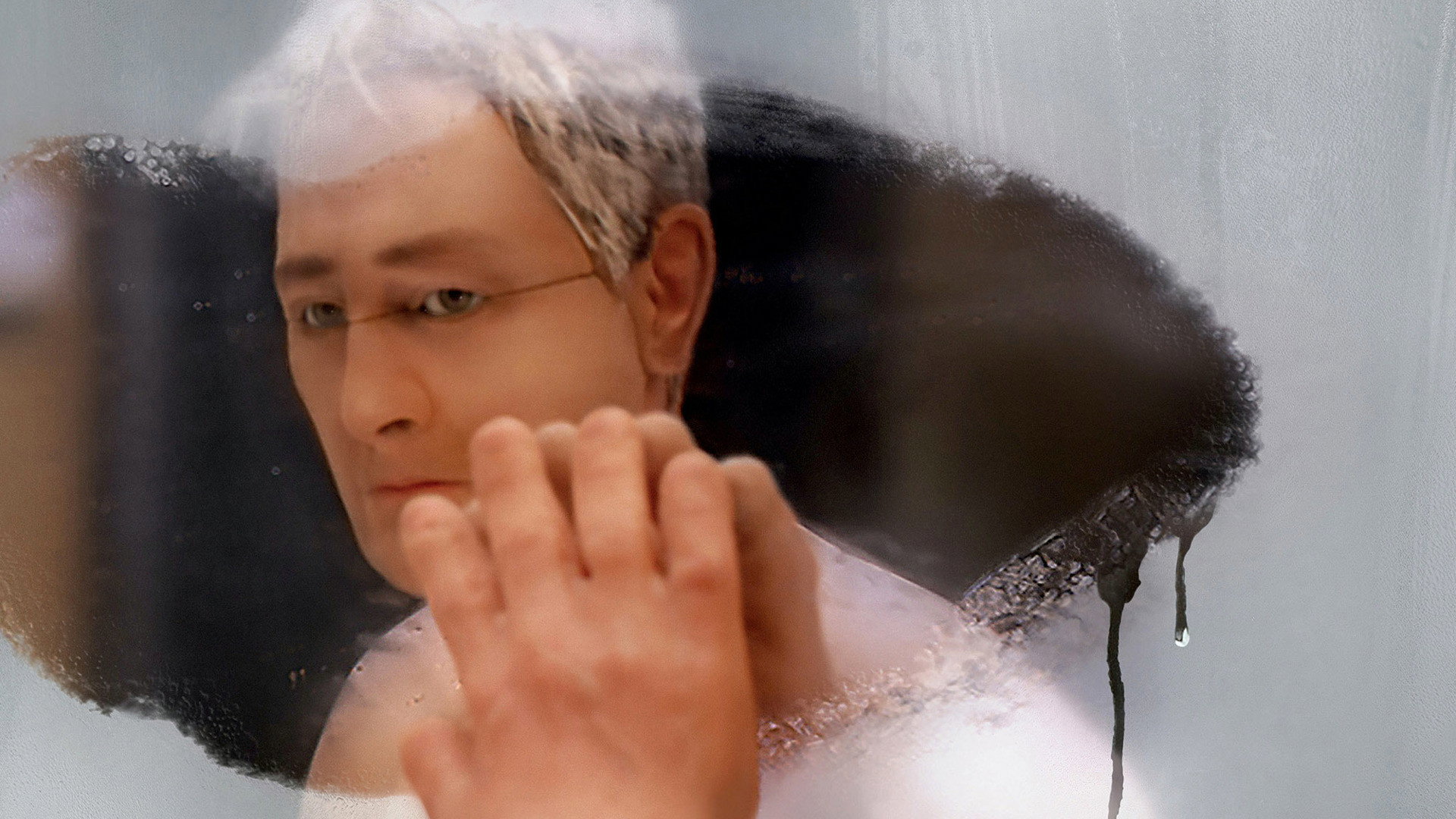
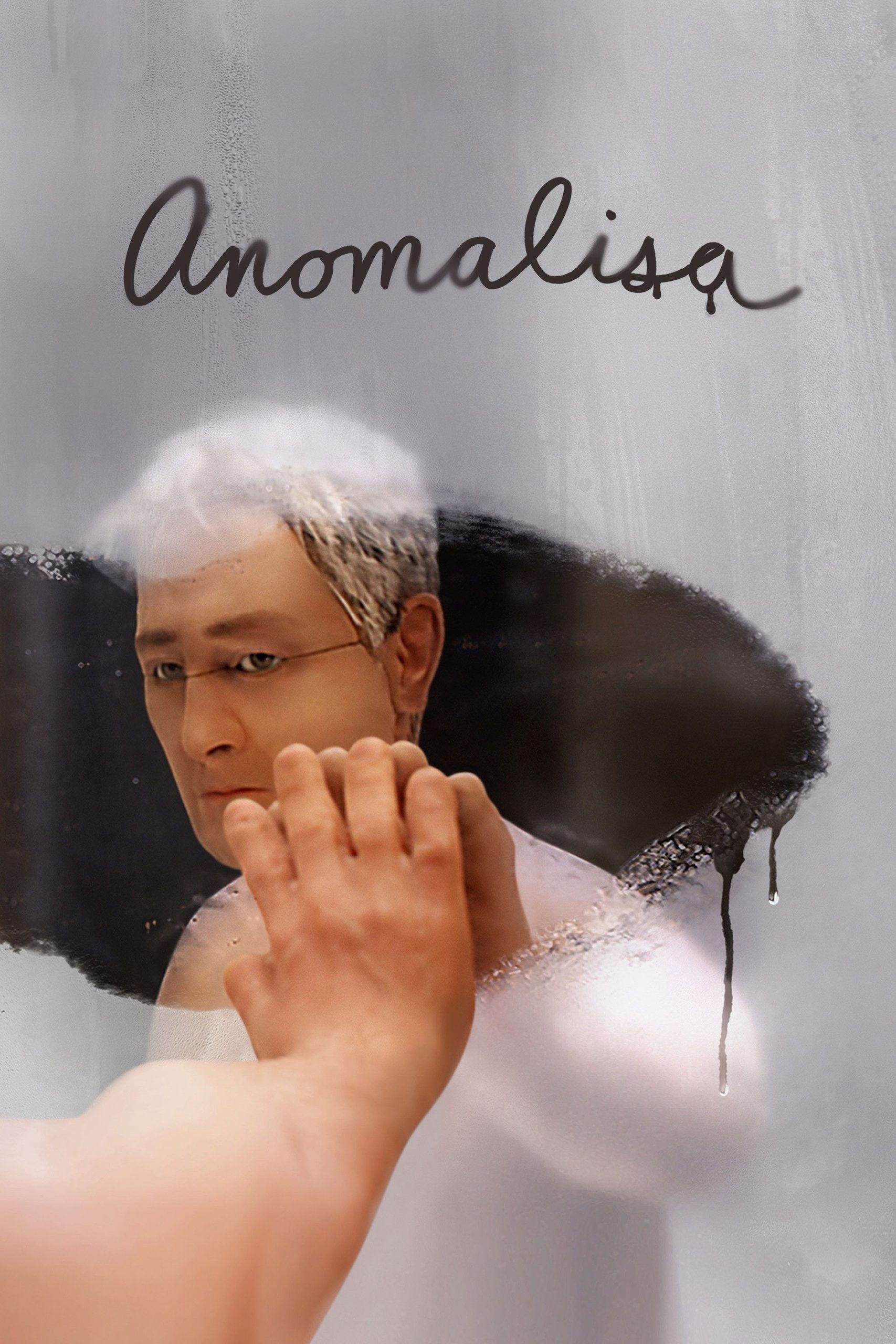
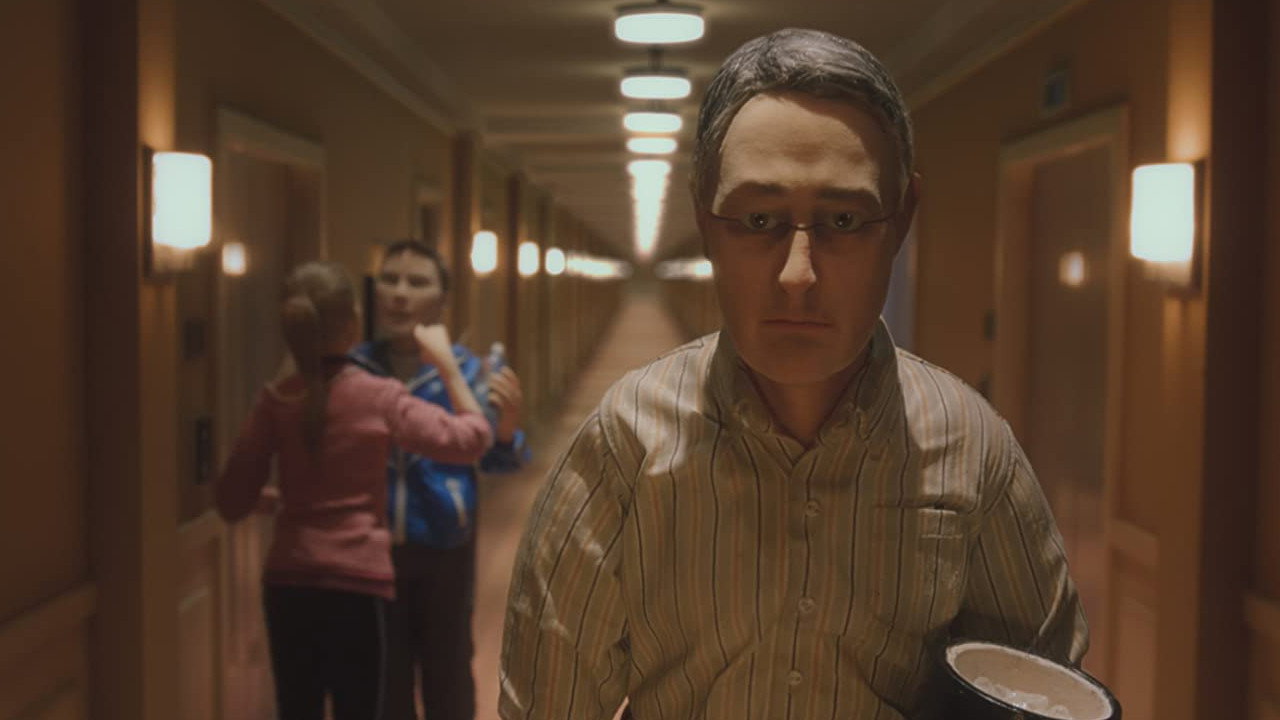
The puppets are the film. Kaufman and Johnson have left the seams in: a line runs across each brow and down the jaw where the plates of the face join, and nobody has painted it out. The effect is of people who might come apart. Joe Passarelli shoots the hotel with a shallow focus and the flat, warm light of a bedside lamp, so the beige room looks like a real room in a real airport hotel rather than a set. John Joyce and Huy Vu’s production design gets the details that matter: the key card that will not work, the ice bucket, the corridor with the same door repeated to the vanishing point. Susan Donym puts Michael in a grey suit.

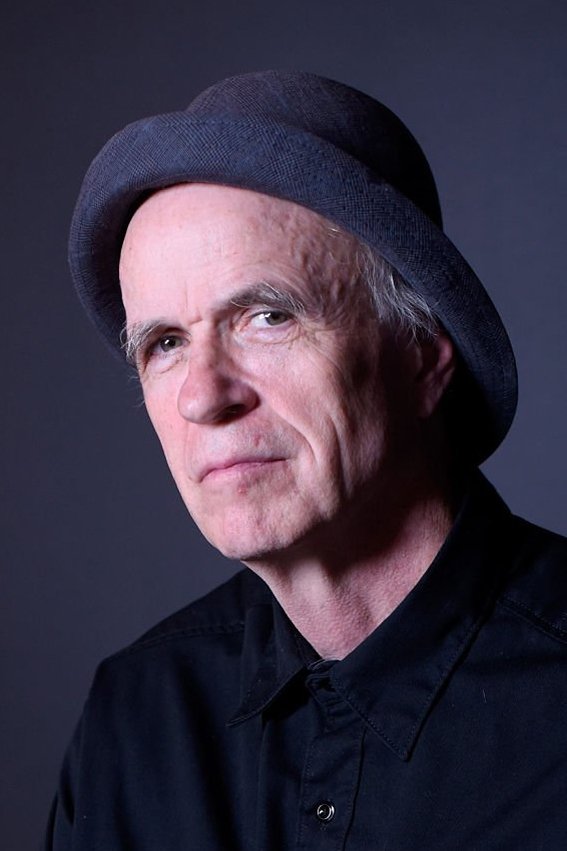
Thewlis gives Michael a voice worn down to a mutter, and the puppet’s small movements, a hand rubbing the back of a neck, a drink poured with too much care, do the rest. Noonan’s voice is the film’s joke, and it becomes frightening. He never raises it. The ex-girlfriend Michael rings and meets in the bar, the bellboy who will not stop talking, the desk clerk: all are pleasant, all are the same, and by the twentieth exchange we felt something close to panic on Michael’s behalf, and then something worse, because the film has already suggested the sameness is his doing. Kaufman plays the trick without a word of explanation.

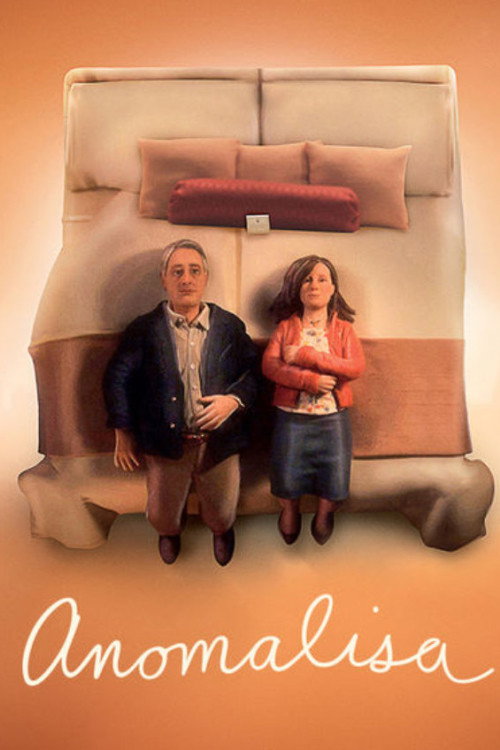
Then Lisa (Jennifer Jason Leigh) speaks through the wall. Leigh plays her as a woman who apologises before she has finished a sentence and assumes any man nearby would prefer her friend. She has driven in with a colleague to hear Michael talk, and she cannot believe he has knocked on her door. The scene in which she sings to him, in his room, unaccompanied, is the one most likely to disarm a sceptic. It disarmed us. Carter Burwell keeps his score to a few piano notes around it and lets Leigh’s thin, honest singing carry the weight.

What follows, in the same room, is a sex scene between two puppets. We braced for the laugh. It never comes. Kaufman and Johnson play it slowly, awkwardly, with the lights on, and Garret Elkins holds his shots long enough for the fumbling to turn into tenderness. It moved us more than most sex scenes between actors have, and we think we know why: the puppets cannot perform desire, so the animators have had to build it out of hesitation, and hesitation is what we recognise from our own lives.

Now the reservation. Michael is a self-pitying man who has hurt people and will hurt more, and the film knows it. But it also finds him the most interesting person in Cincinnati, and the second half, which takes a turn we will not describe, is more curious about his dread than about the woman he has spent the night with. Some critics read the last movement as a deliberate cruelty: a good night does not cure a bad man. We agree that is the point. We still think the film enjoys making it slightly more than it should, and that Lisa deserved a picture that stayed with her a minute longer.

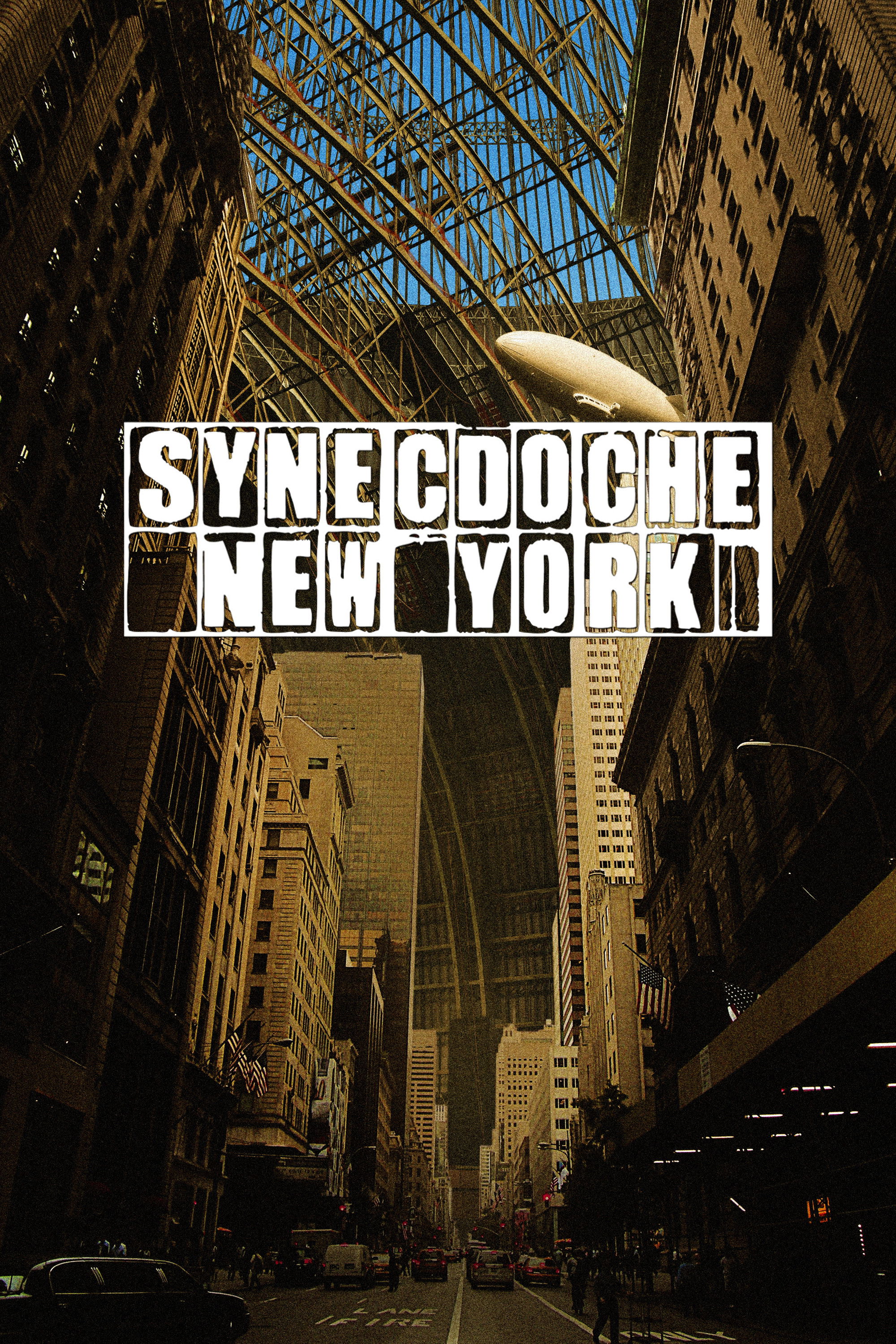
Against Kaufman’s own work it is the simplest: one man, one hotel, one night. Synecdoche, New York needed a whole collapsing city to say what this says with a seam in a puppet’s face. At 91 minutes it is the right length, and it carries its 15 certificate for good reason. Watch it alone, late, in a room with a minibar, and try not to check whether the receptionist sounds like the taxi driver.
Critical consensus AI synthesised

80
Positive
25
Mixed
1
Negative
2

Most critics come away moved. The reviews agree that Charlie Kaufman and Duke Johnson’s stop-motion puppets, seams and facial lines left visible, do something live actors could not: they make a lonely man’s numb world look and sound exactly as he experiences it, with every stranger sharing one face and one voice. Praise clusters on the one night he spends with Lisa, and on the sex scene in particular, which several critics single out as tender, awkward and unexpectedly real. Lisa herself is widely described as the film’s one bright creation.

The reservations are fewer but sharp. A handful find the resolution predictable by Kaufman’s standards, or the opening stretch too literal about depression. Vulture admires the animation but tires of the protagonist’s undiluted self-pity. The New Yorker argues the film shares its hero’s obliviousness to everyone around him, and The New York Times finds its cast of whiners and depressives painful company. Those two sit a long way below an otherwise tightly bunched, warm consensus.

Empire
7 March 2016 · ★★★★★ · Ian Freer
100

The critic calls it a minor miracle of a movie and the most beautiful, haunting, empathetic, tender and funny film of the year so far. They single out the poignant consideration of human fragility and the heartfelt connection between the leads.

Read the full review →
Radio Times
8 March 2016 · ★★★★★ · Leslie Felperin
100

Hails it as exquisitely sad, strange, and achingly humane, noting the innovative combination of themes in puppet form and the moving, funny elements like Lisa's song.

Read the full review →
Time Out
8 September 2015 · ★★★★★ · Dave Calhoun
100

Calls it a downbeat masterpiece, lauding the stop-motion puppetry and its probing of happiness, love, and mental fragility in a simple yet majestic story.

Read the full review →
The Guardian
10 March 2016 · Peter Bradshaw
95*

The critic calls it a strange miniature masterpiece and a hilariously funny yet horribly real animation about the unbearable loneliness of being and the prison of identity. He singles out the extraordinarily real sex scene and the way the puppet animation heightens the sense of fragile, uncanny human life.

Read the full review →
Film Comment
28 September 2015 · Jonathan Romney
90*

The critic praises the stop-motion puppets for creating an uncanny effect that reveals humanity in artificial forms, making the film moving, funny and disturbing at once. The review highlights the existential themes of love, delusion and consumer culture through the story of a man encountering the one distinct voice in a monotonous world.

Read the full review →
Financial Times
10 March 2016 · Nigel Andrews
90*

The critic describes the film as wonderful, haunting, indelible and incredible, an inspired miniature about madness, male menopause and the redemptive possibilities of love. He singles out the absurdly touching one-night romance and the tender, delicate puppet sex scene.

Read the full review →

Cast

Awards

Academy Awards, 2016

Nominated
Best Animated Feature

IFFR audience award, 2016

Nominated
IFFR audience award

Annie Award for Best Animated Feature, 2015

Nominated
Annie Award for Best Animated Feature

Critics' Choice Awards, 2015

Nominated
Best Animated Feature

Grand Jury Prize of the Venice Film Festival, 2015

Won
Grand Jury Prize of the Venice Film Festival

If you liked this, try…