Spike Jonze and Charlie Kaufman make the wish to be somebody else funny, cruel and surprisingly affecting. The explanations occasionally get in the way, but the performances keep this fantasy uncomfortably human.
Spike Jonze and writer Charlie Kaufman make Being John Malkovich a funny, disquieting film about wanting somebody else’s life. We recommend it, with a small reservation about its appetite for explaining an idea that works perfectly well before it is explained. The wish to escape yourself is familiar enough, and Kaufman notices the self-pity that often accompanies it. Much of the comedy comes from the way these people justify their desires, especially when somebody else might have grounds to object.
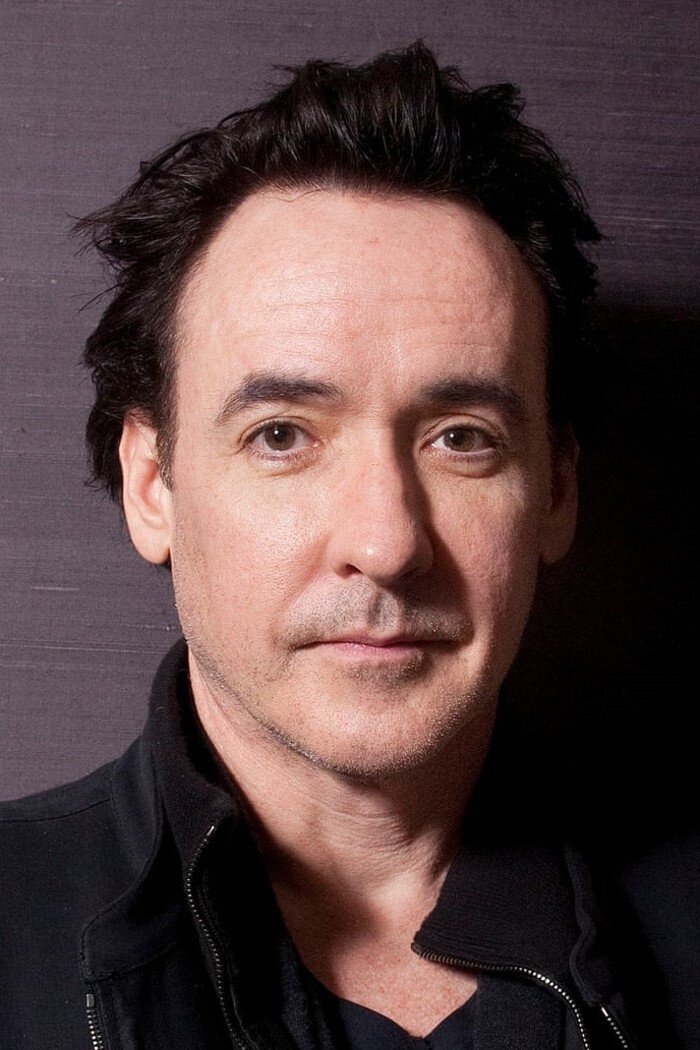
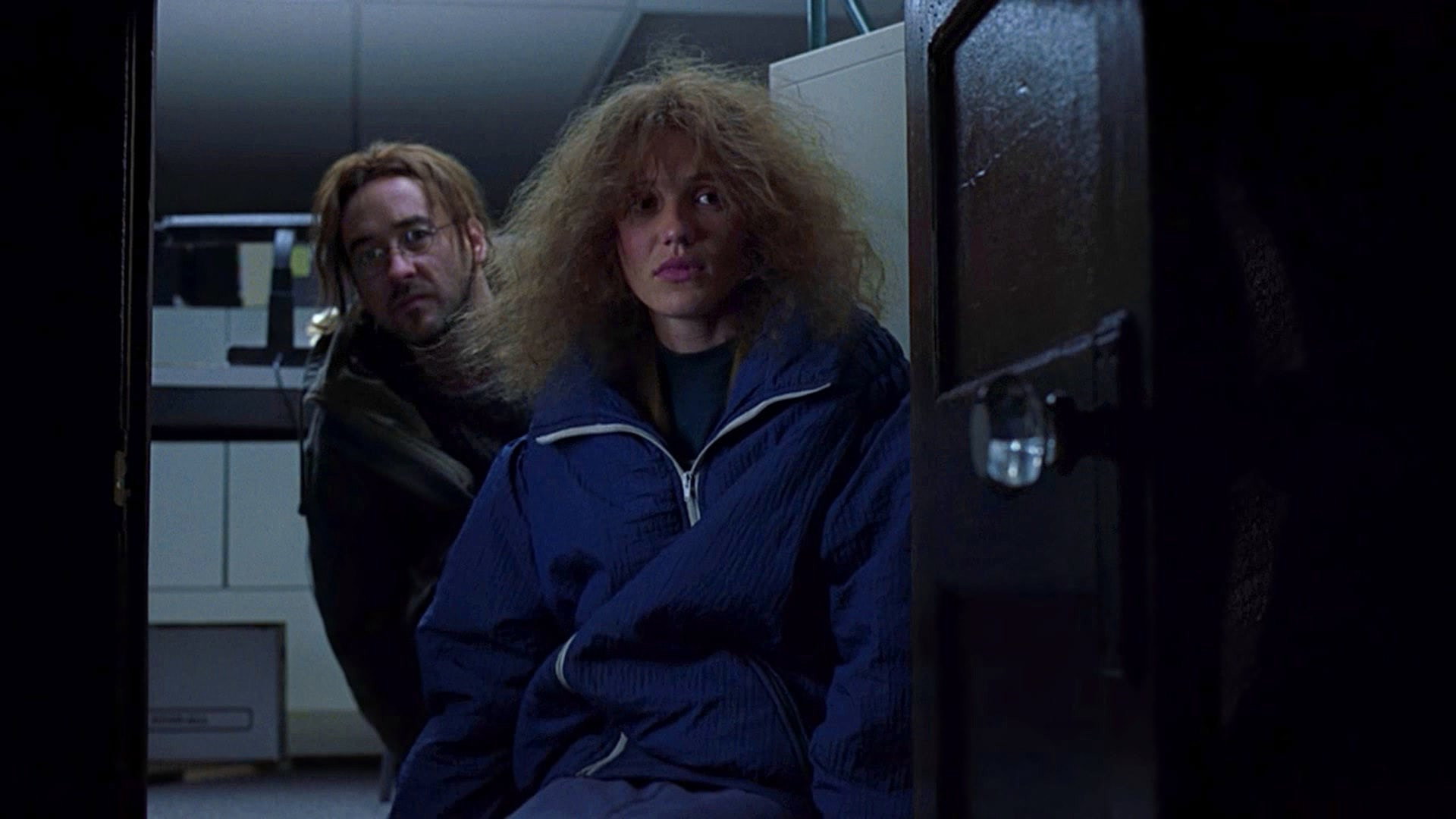
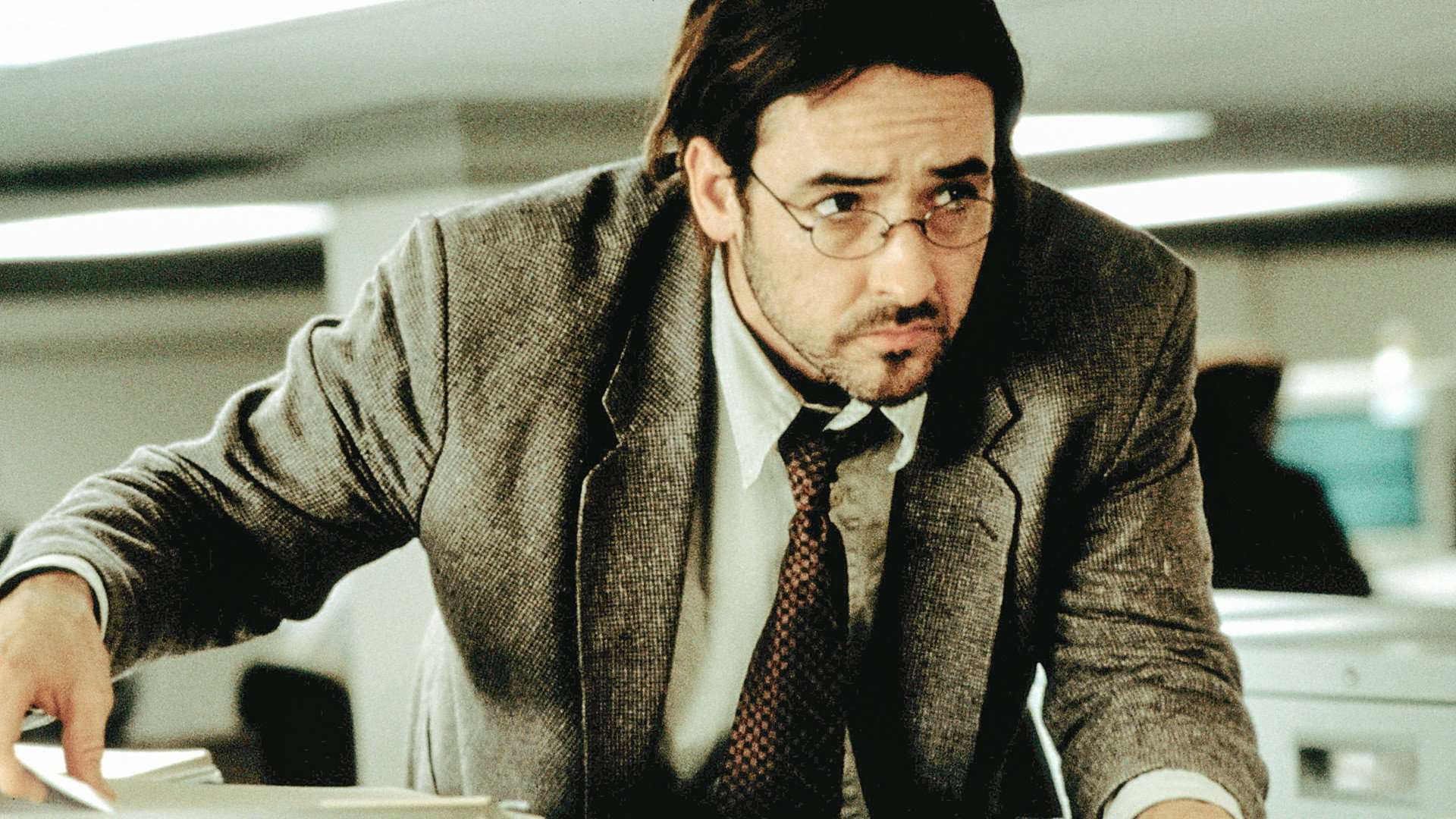
John Cusack’s Craig Schwartz is a useful test of how much sympathy we give someone simply for being unhappy. Cusack makes self-absorption difficult to overlook, and does not keep softening it with charm. Cameron Diaz’s Lotte Schwartz supplies more emotional openness, and her performance makes the longing to be different matter beyond the cleverness of the premise. Diaz gives the film someone whose confusion we can care about.
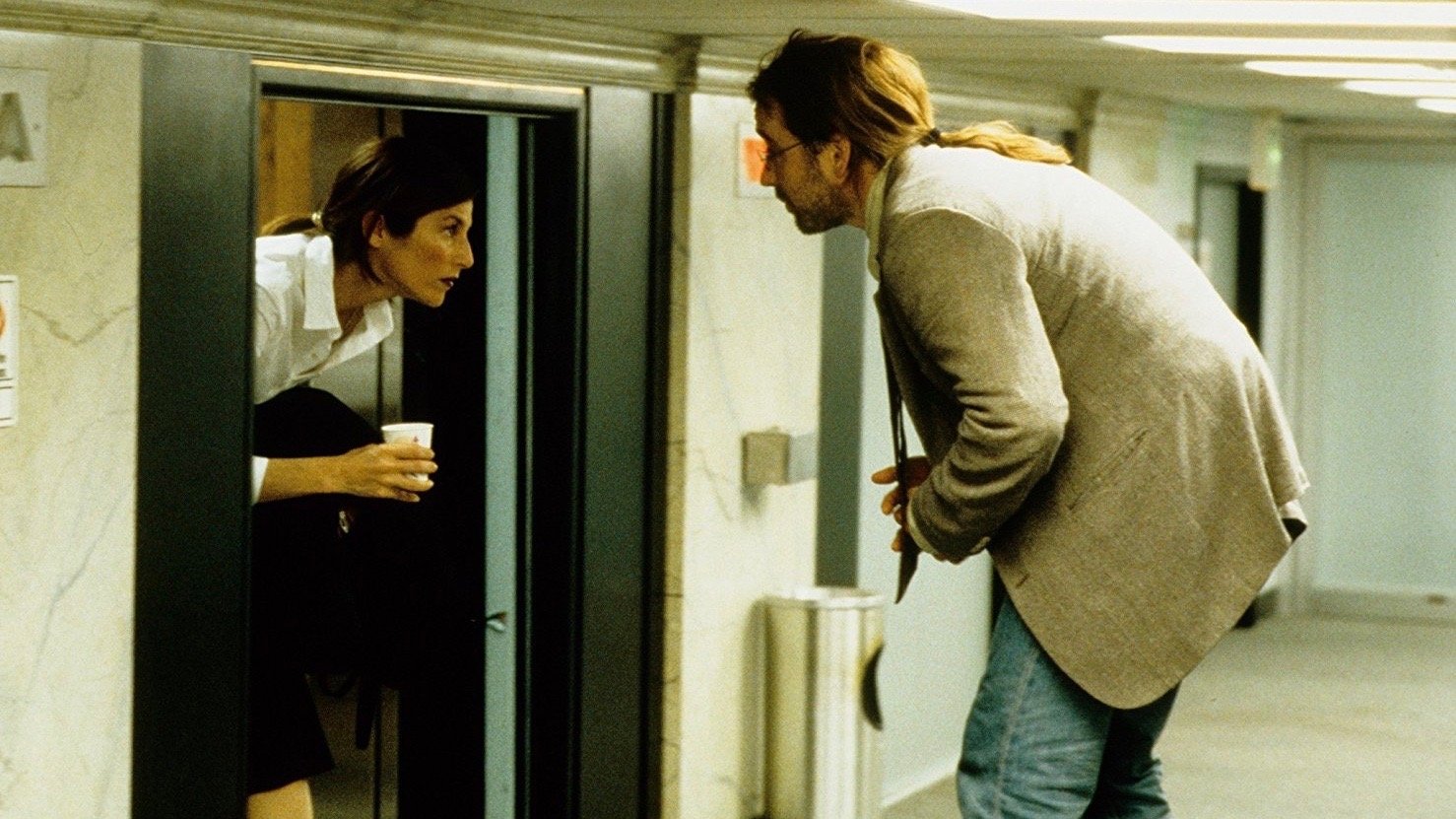
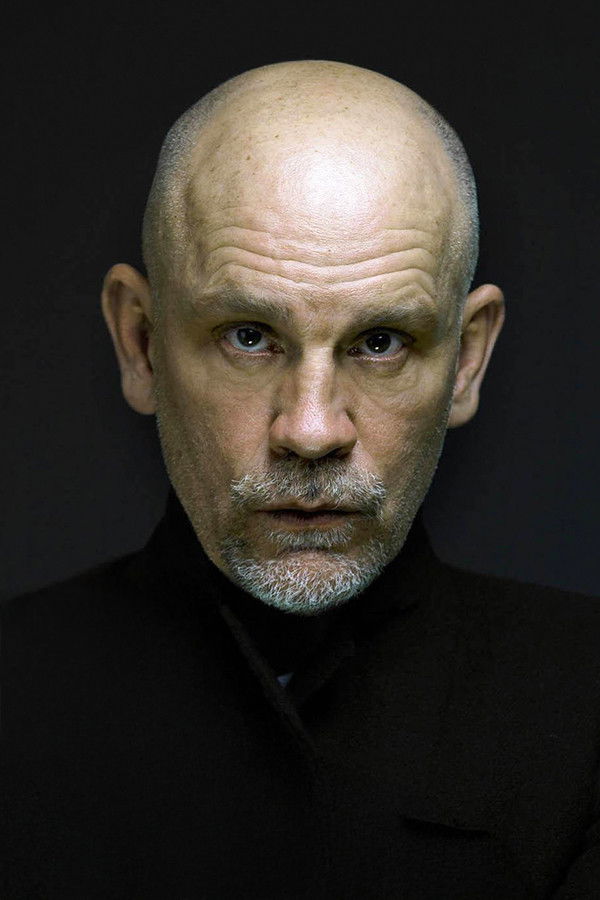
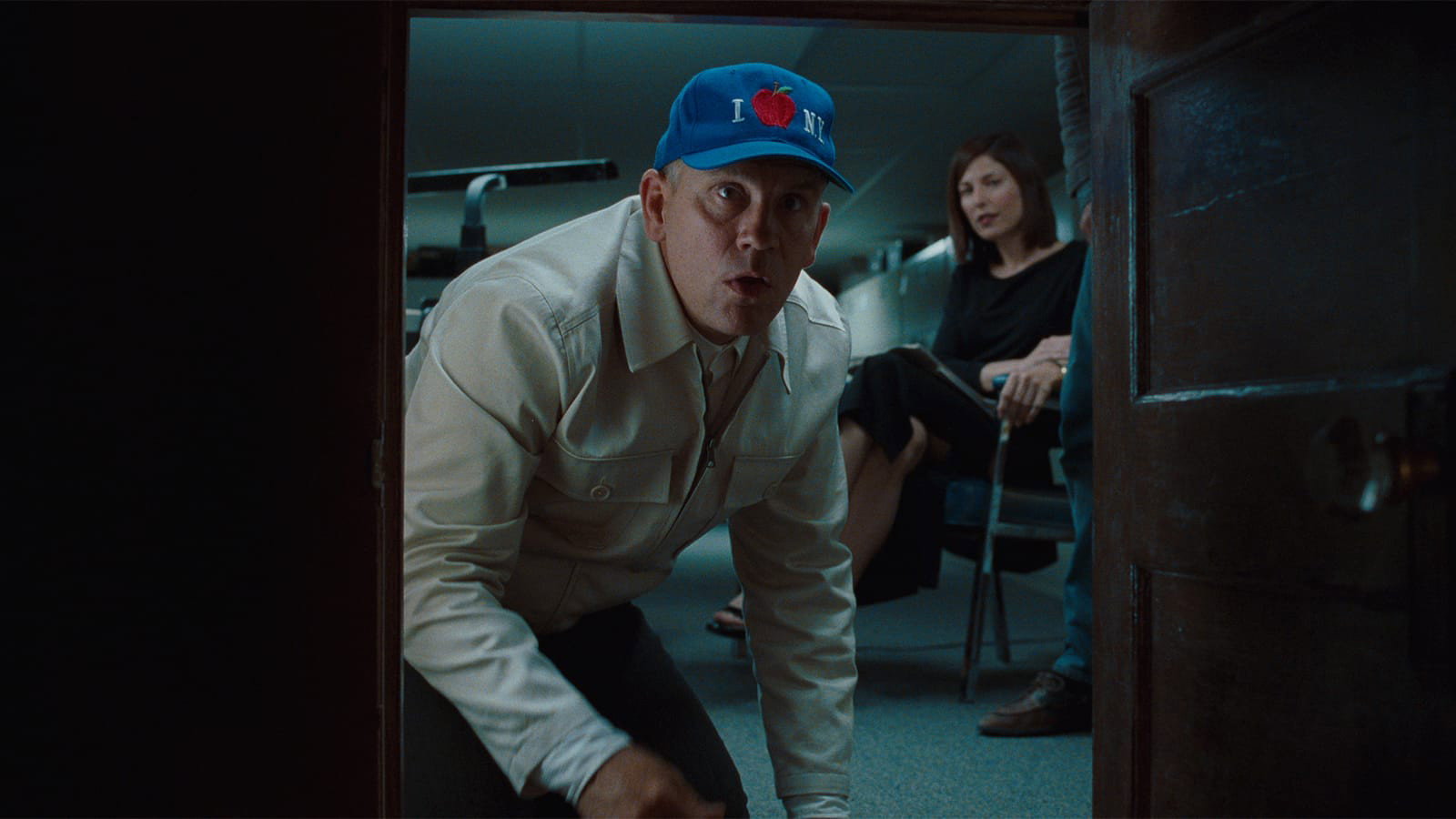
Catherine Keener’s Maxine Lund brings a sharper comic rhythm, with an impatience that makes the others’ uncertainty more exposed. But Malkovich is the essential piece of casting, playing a version of himself without treating the whole thing as an indulgent private joke. His composure gives the indignities weight: there is a person here who has reason to object. That makes the film funnier, because he does not keep stepping outside the performance to congratulate himself on his willingness to look foolish.
The puppetry moved us more than we expected. There is something sad in seeing a human movement reproduced so carefully while knowing that the figure cannot choose any of it. Jonze lets that unease sit beside the joke, and the connection between desire and control becomes uncomfortable without needing a speech to explain it. For a fantasy comedy, this pays unusual attention to the selfishness that can accompany attraction.
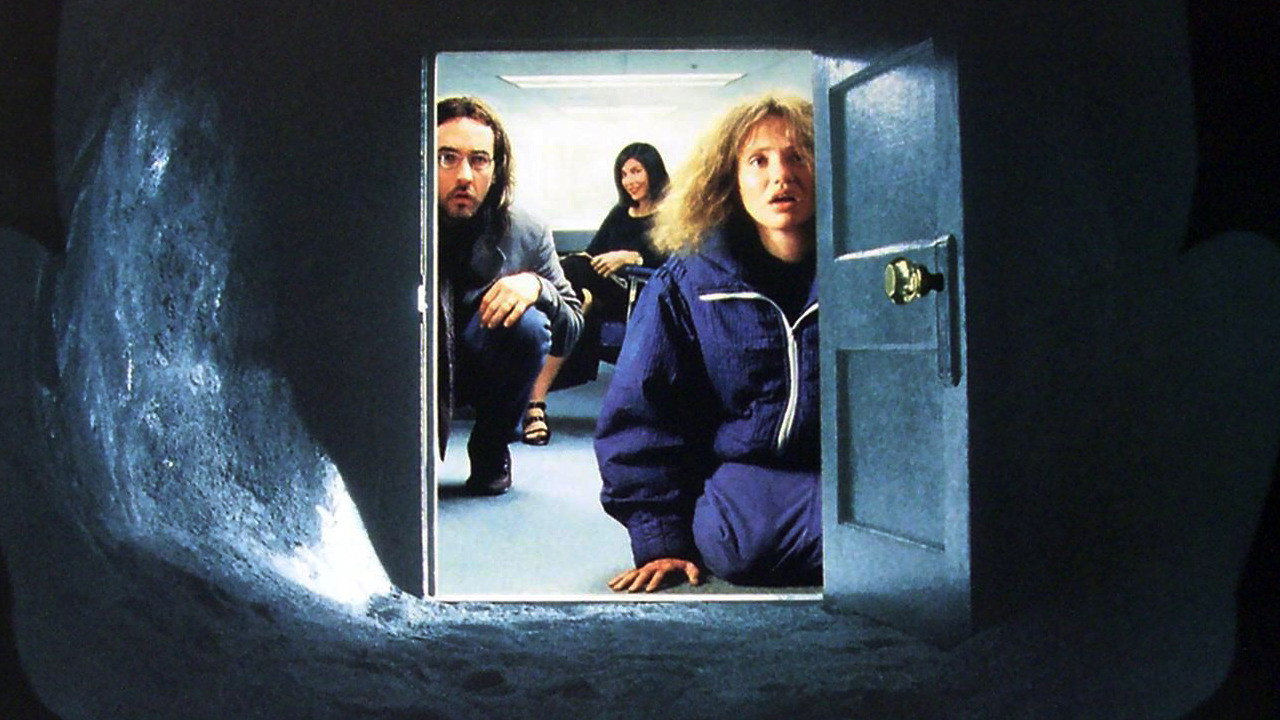
Lance Acord’s cinematography is sober enough to let the actors supply the strangeness; the camera does not need to compete with them. K.K. Barrett’s production design makes the surroundings feel inconvenient to occupy, a useful physical joke in a film about dissatisfaction with being yourself. Eric Zumbrunnen’s editing gives the actors’ discomfort time to register, rather than treating each joke as a reason to hurry to the next one. Carter Burwell’s score is valuable for taking the characters’ unhappiness seriously, and for not insisting that everything strange must also sound funny.
Kaufman’s weakness is a tendency to keep explaining once the premise has already earned our belief. A little more room for uncertainty would help; the extra clarification can make us conscious of the writing when we ought to be absorbed in the people. That is a limited complaint, though it matters in a film whose oddest ideas are so persuasively played. The cast can make an impossible situation feel ordinary, and occasionally the screenplay could trust them to do that unaided.
Surreal comedy can become tiring when every scene demands applause for being unusual. Jonze avoids most of that strain by letting embarrassment, resentment and attraction remain recognisable, however strange the circumstances become. At 113 minutes, there is enough time for those feelings to matter as much as the invention. Choose it for a comedy night, but perhaps not one intended to cheer everybody up.