Film review

Adaptation.

2002 · Directed by Spike Jonze · 1h 55m · MPA R

In a sentenceNicolas Cage is twice in this film and still cannot get out of his own way

ComedyCrimeDrama

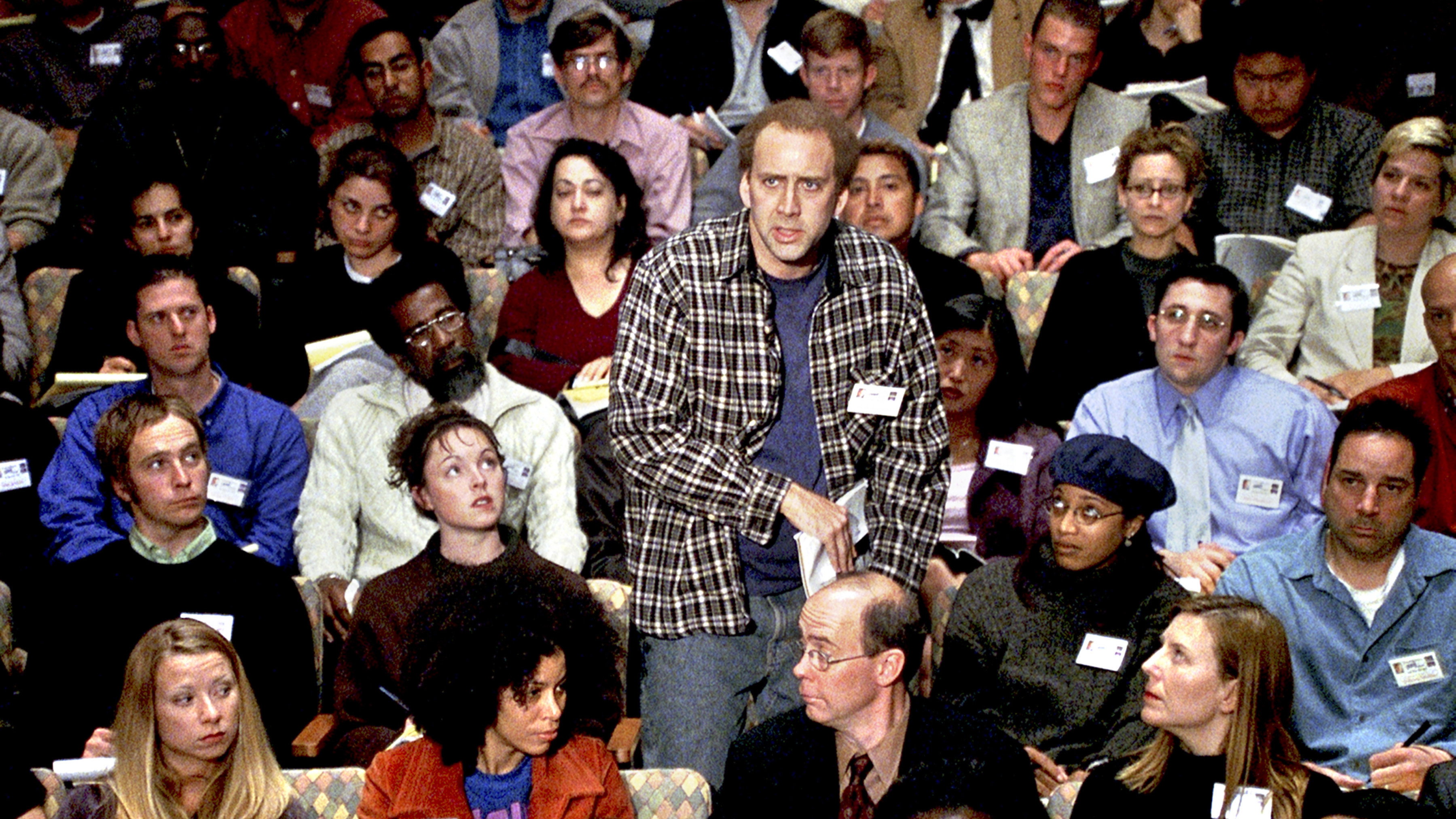
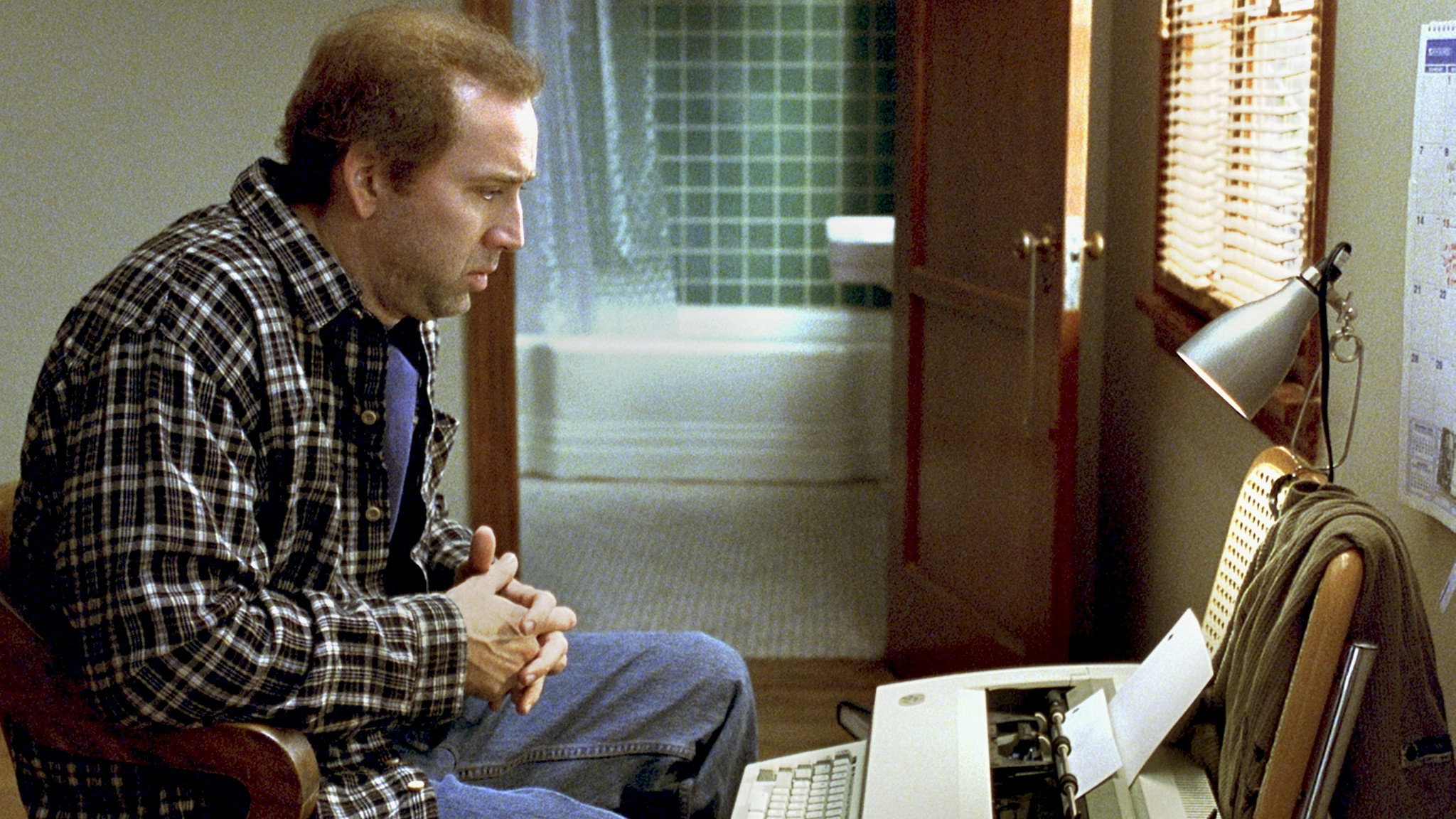
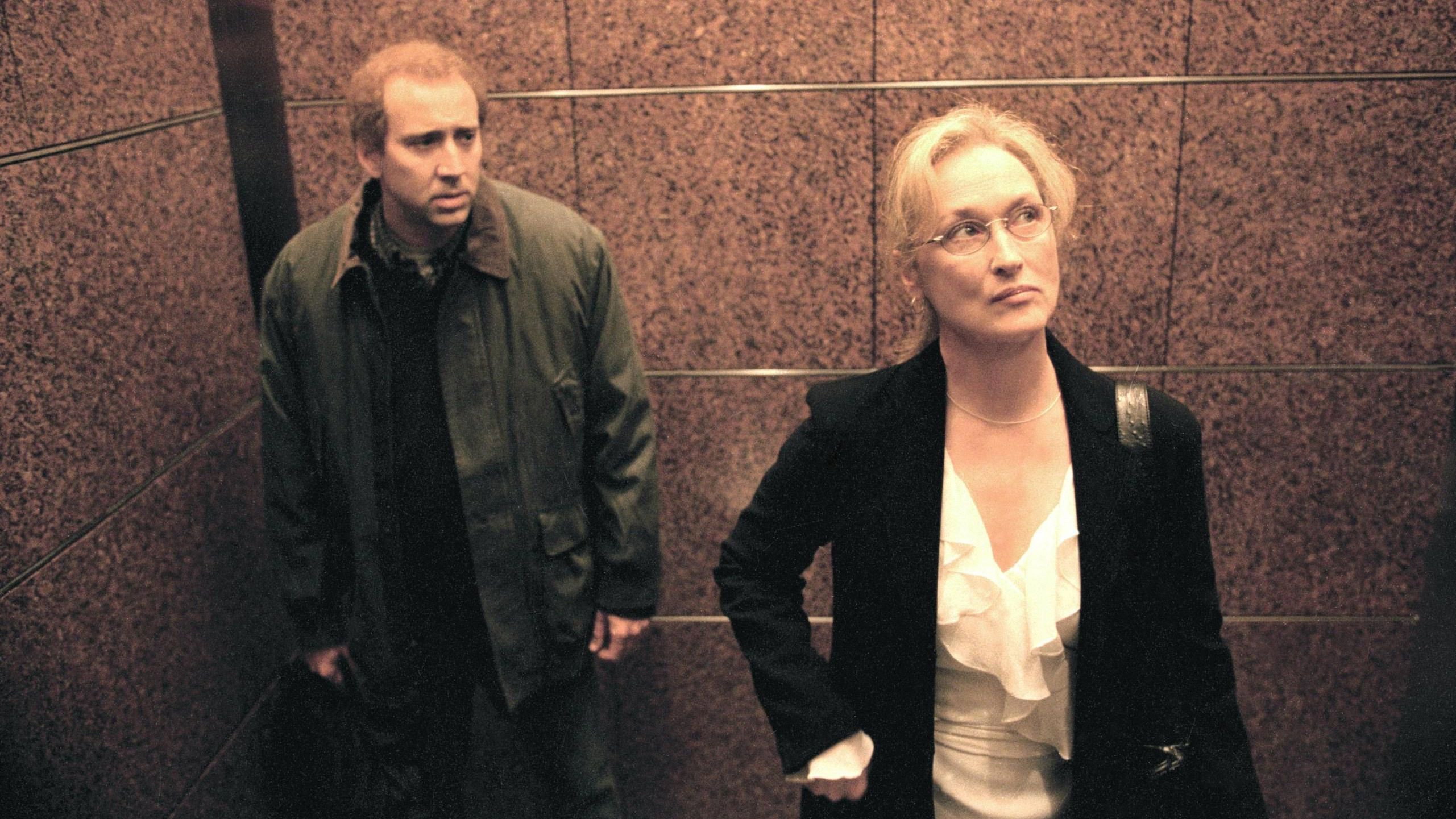
Screenwriter Charlie Kaufman (Nicolas Cage) is trying to turn Susan Orlean’s The Orchid Thief into a film. The work becomes tangled with his own doubts about writing, and with his relationship with his twin brother, Donald, also played by Cage. Meanwhile, Orlean (Meryl Streep) and John Laroche (Chris Cooper) feature in the story Charlie is struggling to adapt. As the writer wrestles with his material, the film follows the fascination with orchids behind Orlean’s book and the difficulty of putting that fascination on screen. Spike Jonze directs from Kaufman’s screenplay.

Plays from YouTube when you press play; nothing loads from them until then.

Fi1m review

Spike Jonze and Charlie Kaufman make a funny, unusually humane film about being too anxious to write. Nicolas Cage gives its cleverness someone to care about, though the final stretch pushes the joke too hard.

Adaptation. makes the prospect of watching a writer fail to write much more inviting than it sounds. Spike Jonze and screenwriter Charlie Kaufman have made a funny, sympathetic comedy about creative panic, with Nicolas Cage playing both Kaufman and his twin, Donald. It is worth seeing for Cage alone, though there is plenty of pleasure in following a story that keeps reconsidering how it should be told. Our reservation is the final stretch, where Kaufman’s determination to take the joke further begins to crowd out the people.

The task is to adapt Susan Orlean’s The Orchid Thief, and the difficulty of doing so becomes part of the story. That could be an irritating way of asking us to admire a writer for being stuck. Kaufman is shrewd enough to make his screen counterpart tiresome as well as sympathetic, and Jonze allows his embarrassment to remain funny. The complications stay readable because the central problem is so ordinary: Charlie cannot get on with the work.

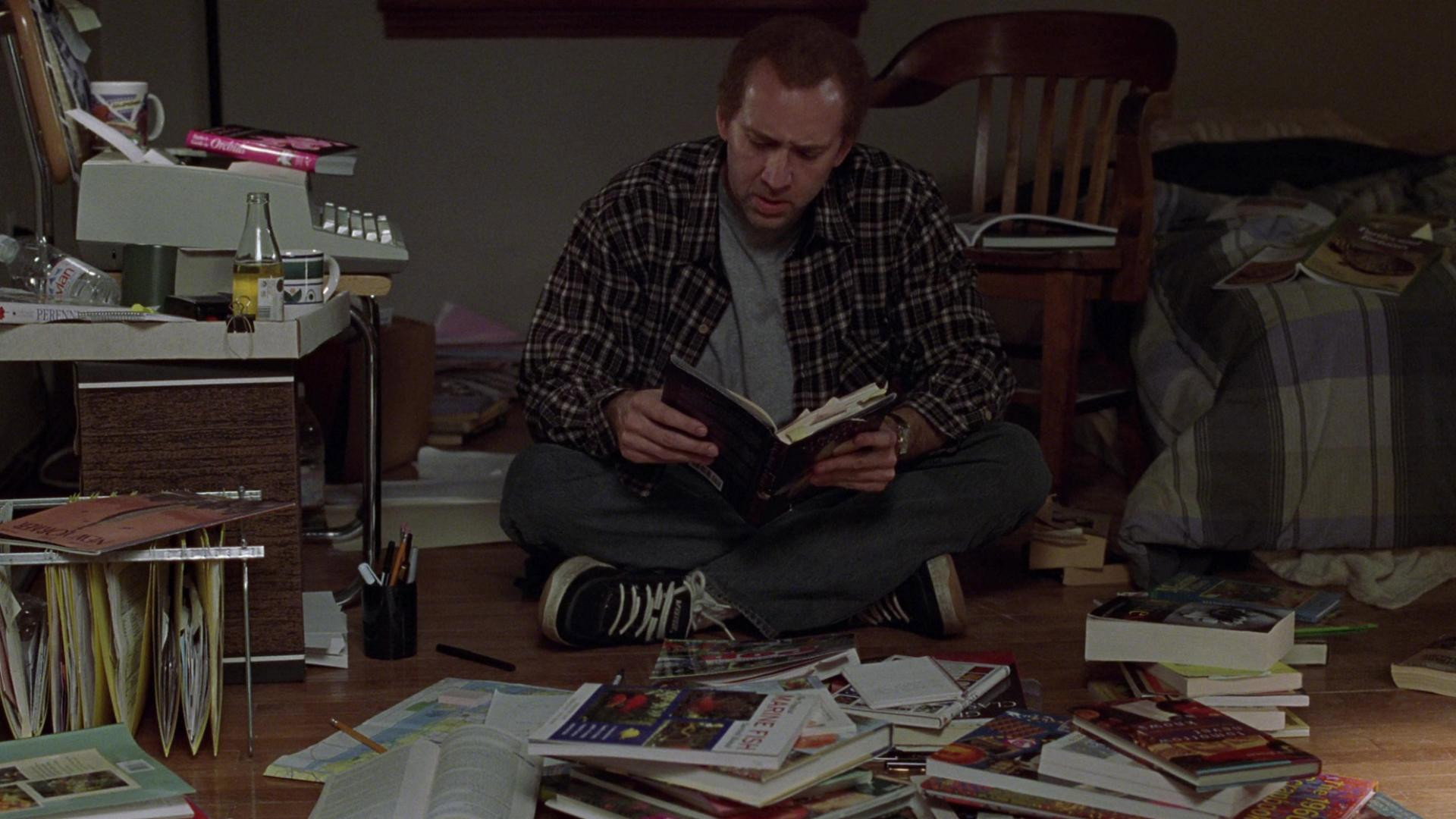
Cage makes the brothers distinct without making either seem like a demonstration of his range. As Charlie, he makes self-consciousness exhausting to watch in the right way: even thinking seems to require permission, and each doubt gives him another reason to hesitate. We laughed at Charlie’s discomfort, then felt an unwelcome flicker of recognition. Cage makes the effort of trying to appear at ease painfully clear. Donald lets him be funny without having to be miserable, and the affection between the brothers stops Charlie’s anxiety from becoming merely something to laugh at.

Lance Acord’s cinematography keeps Cage’s embarrassment legible without making every hesitation seem momentous. K.K. Barrett’s production design gives him surroundings that feel ordinary enough for the difficulty of writing to remain the main event. Eric Zumbrunnen’s editing makes the movement between Charlie and his material easy to follow, even when the storytelling grows complicated. Carter Burwell’s music allows us to feel sorry for Charlie without suggesting that being unable to write makes him a tragic figure.

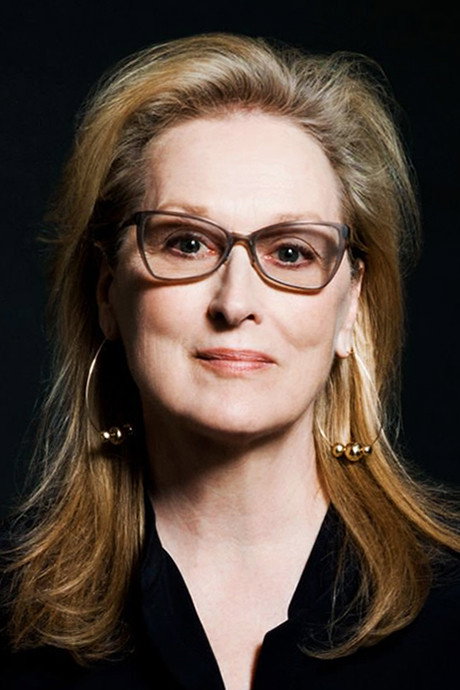
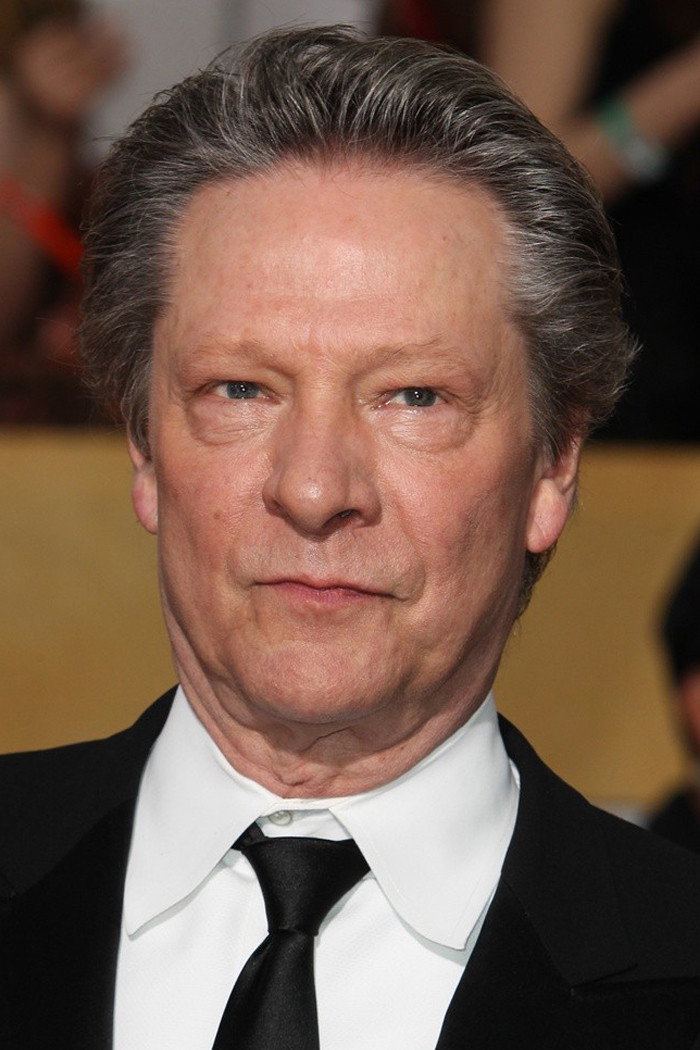
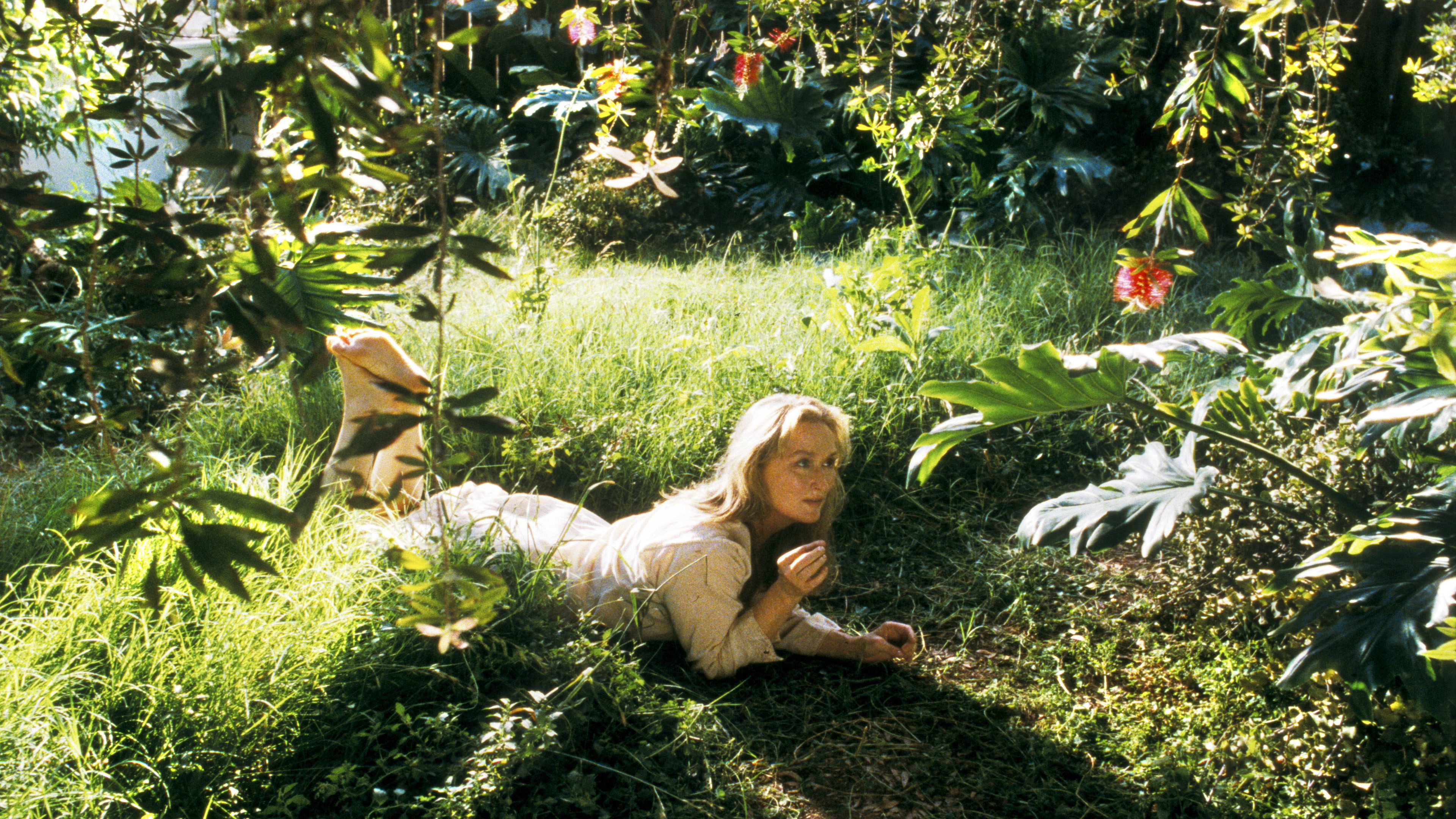
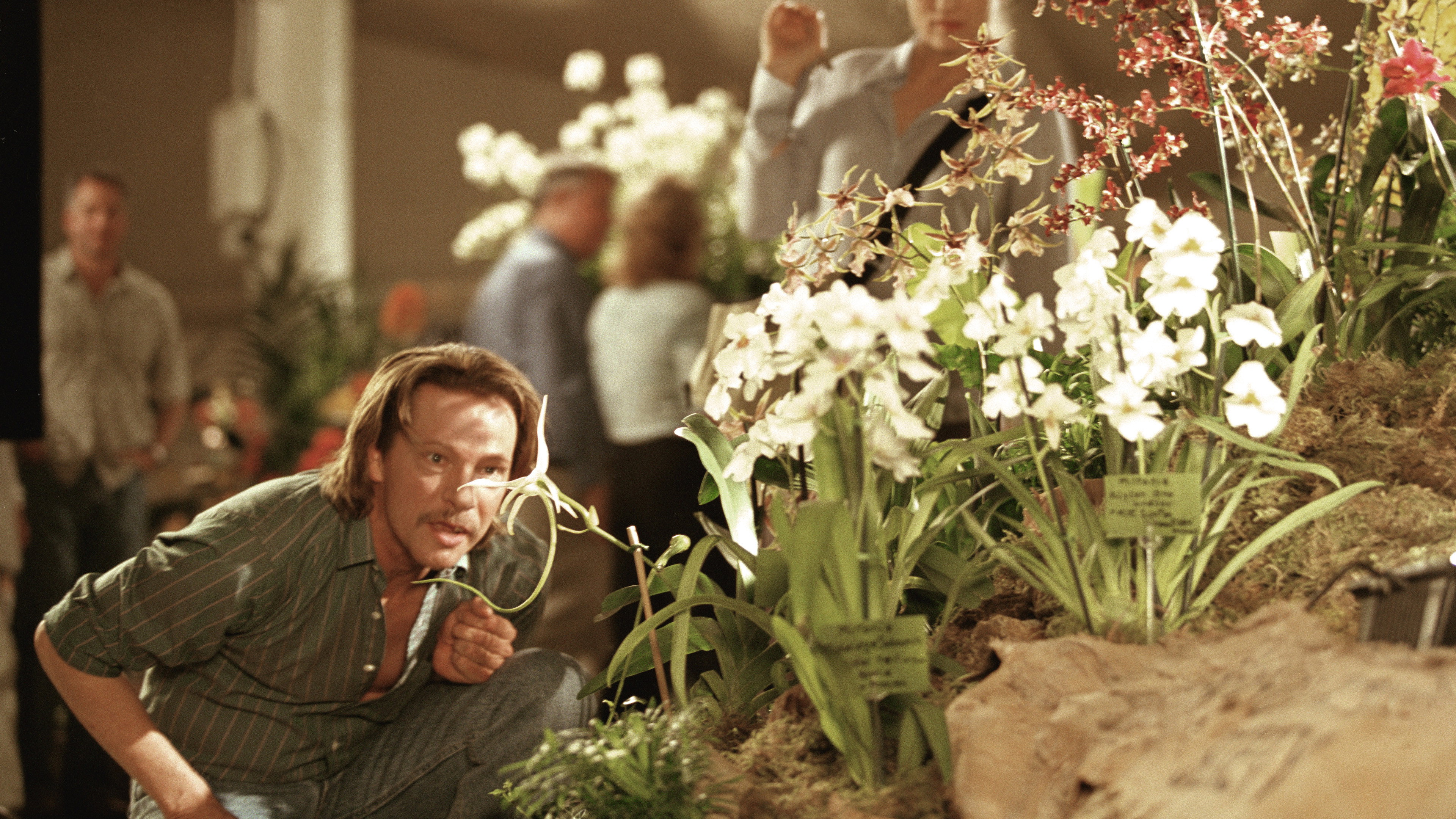
Meryl Streep and Chris Cooper supply a useful change of company as Orlean and John Laroche. Cooper makes obsession look pleasurable, which matters in a film whose central writer has turned thought into such hard labour. Streep gives Orlean a watchfulness that keeps her from serving simply as the person who wrote the book Charlie cannot adapt. Their passages are less involving than the brothers’, however. Jonze never quite makes the orchids as interesting as the man struggling to write about them.

The larger problem arrives when the film starts pressing its cleverness harder. Without describing the later developments, Kaufman and Jonze ask us to accept a shift that can feel like permission to be less careful about the characters. Knowing that the contrivances are deliberate does not make them any more satisfying. Zumbrunnen keeps events moving, yet some of the awkward, affectionate comedy gets hurried aside, and the film becomes less surprising as it grows more emphatic.

Even with that caveat, this is a more welcoming film than its premise suggests. Comedies about filmmaking can become private conversations between people who think their work is everyone’s chief concern. Cage gives this one the recognisable misery of wanting to do something well and being frightened to try. No interest in screenwriting is required. Watch it for the brothers, and allow the orchids to take care of themselves.
Critical consensus AI synthesised

74
Positive
6
Mixed
0
Negative
1

Most critics respond warmly to Adaptation., praising the way Jonze and Kaufman turn the difficulty of adapting The Orchid Thief into a funny, searching account of creative struggle. The praise centres on the writing’s shifts between fact and invention, Jonze’s handling of bizarre material, and the film’s interest in obsession and self-doubt. Performances also draw repeated approval, particularly Nicolas Cage’s dual role, which several reviews find both comic and essential to making the complicated storytelling work.

The final third is the main point of disagreement, with even favourable reviews finding that the film loses balance or fails to resolve its earlier ideas. The Evening Standard offers the sharpest rejection, arguing that clichés and melodrama undermine the invention; Slant Magazine, by contrast, finds the Hollywood ending earned. The spread is therefore wider than the broadly positive consensus suggests: critics largely admire the approach, but differ over where it leads.

Screen Daily
22 November 2002
90*

Jonze delivers a great film about filmmaking and the creative process that ranks with the classics; it is witty, bold, endlessly clever and ultimately profound as a moving meditation on the search for meaning and passion in life.

Read the full review →
IndieWire
3 December 2002
85*

The review celebrates Jonze and Kaufman's bold, meta approach to adapting The Orchid Thief as a story of creative struggle and obsession. It highlights the film's fearless embrace of complexity and self-reflexivity as its core strength.

Read the full review →
Total Film
28 February 2003
80*

A head-fuck comedy that is funny, profound and wild, with strong performances and a shrewd capture of the source material's essence. It loses some balance in the final third as symbolism takes over, but remains a dizzying, unique work close to genius.

Read the full review →
Empire
28 February 2003 · Caroline Westbrook
75*

The film is an audacious, original experience of inspired lunacy from the Jonze-Kaufman team that baffles and dazzles in equal measure. It excels in performances, especially Cage's dual role, but may prove too surreal for all tastes with a climax that baffles or patronises some viewers.

Read the full review →
Time Out
10 September 2012 · TCh
75*

The film is a discursive, unpredictable comedy that is astute about the diffidence afflicting the intellectual elite and the self-consuming nature of obsession. It is close to genius for two-thirds of its running time but lacks a third act.

Read the full review →
The New Yorker
2 December 2002 · David Denby
70*

The critic finds the film resourceful and light on its feet for most of its length, perceptive and funny with original whims, though it falls apart at the end. He singles out Spike Jonze's talent for the gently bizarre image and the filmmakers' rebellion against movie business conventions.

Read the full review →

Cast

Stills

Awards

Academy Awards, 2003

Nominated
Best Actor
Nominated
Best Supporting Actress
Nominated
Best Writing, Adapted Screenplay
Won
Best Supporting Actor

Berlin International Film Festival, 2003

Won
Silver Bear Grand Jury Prize

If you liked this, try…