The Coens make a sharp, disquieting comedy about a writer too busy championing ordinary people to hear them. John Turturro and John Goodman are superb, though the film sometimes seems too pleased with the cleverness of its own construction.
Joel and Ethan Coen’s Barton Fink finds something frightening in a writer’s inability to work. It is an excellent, uncomfortable comedy about the trouble caused by taking one’s own importance for granted, and we recommend it with a reservation about its fondness for elaborate contrivance. The performances keep Barton’s distress from becoming just another opportunity for a joke at his expense. For most of its 117 minutes, the Coens make his company worth the discomfort.
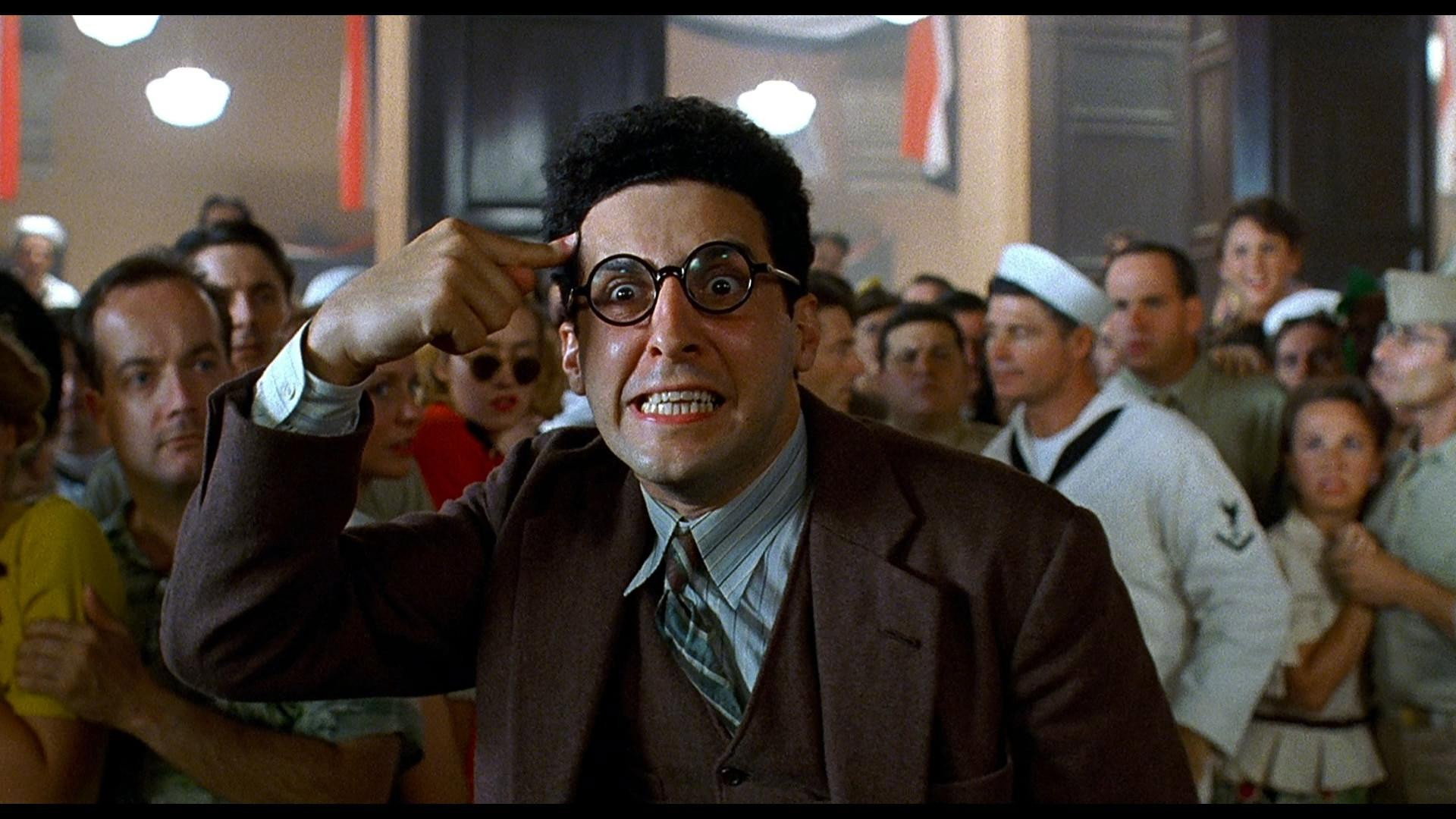
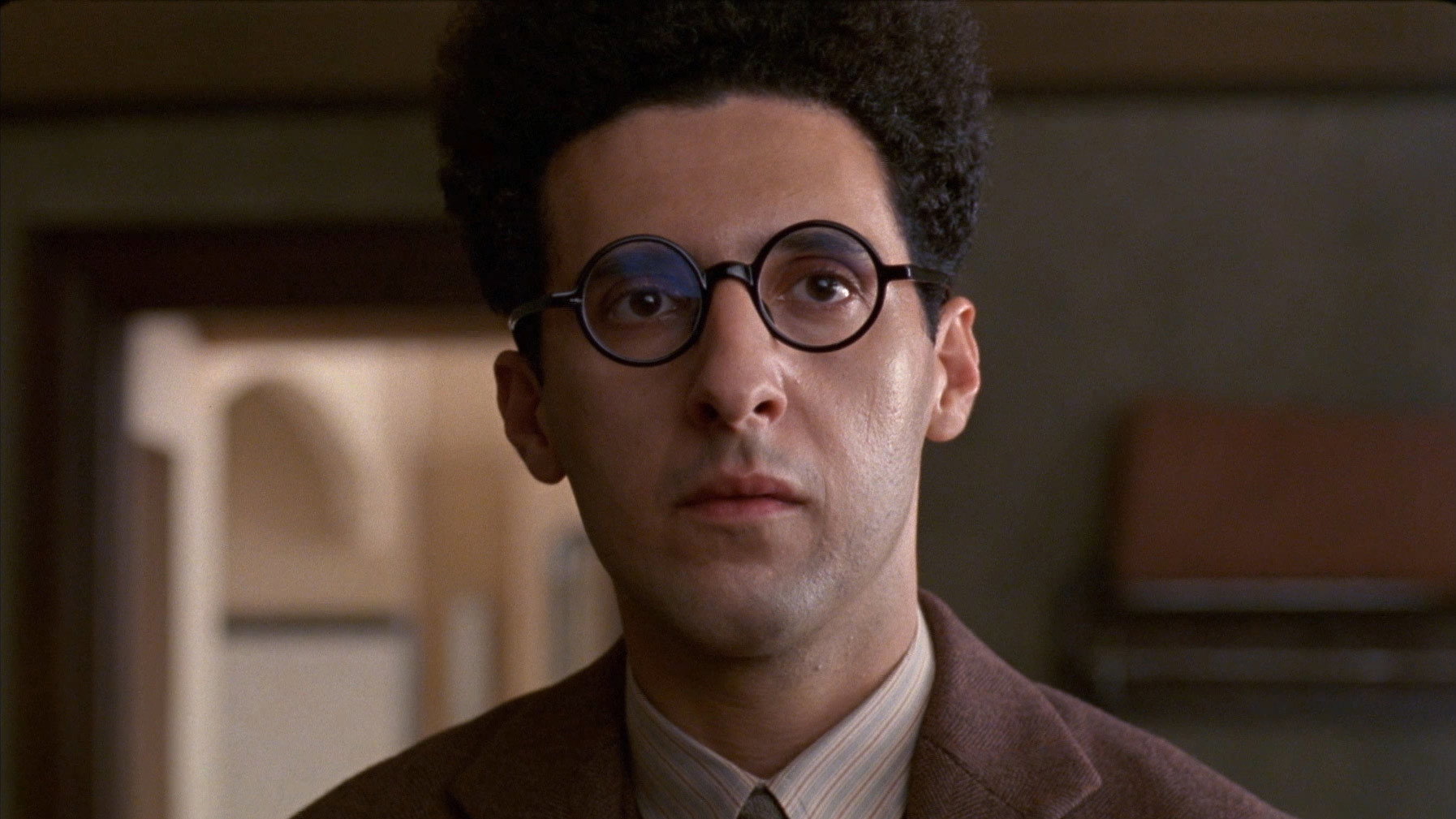
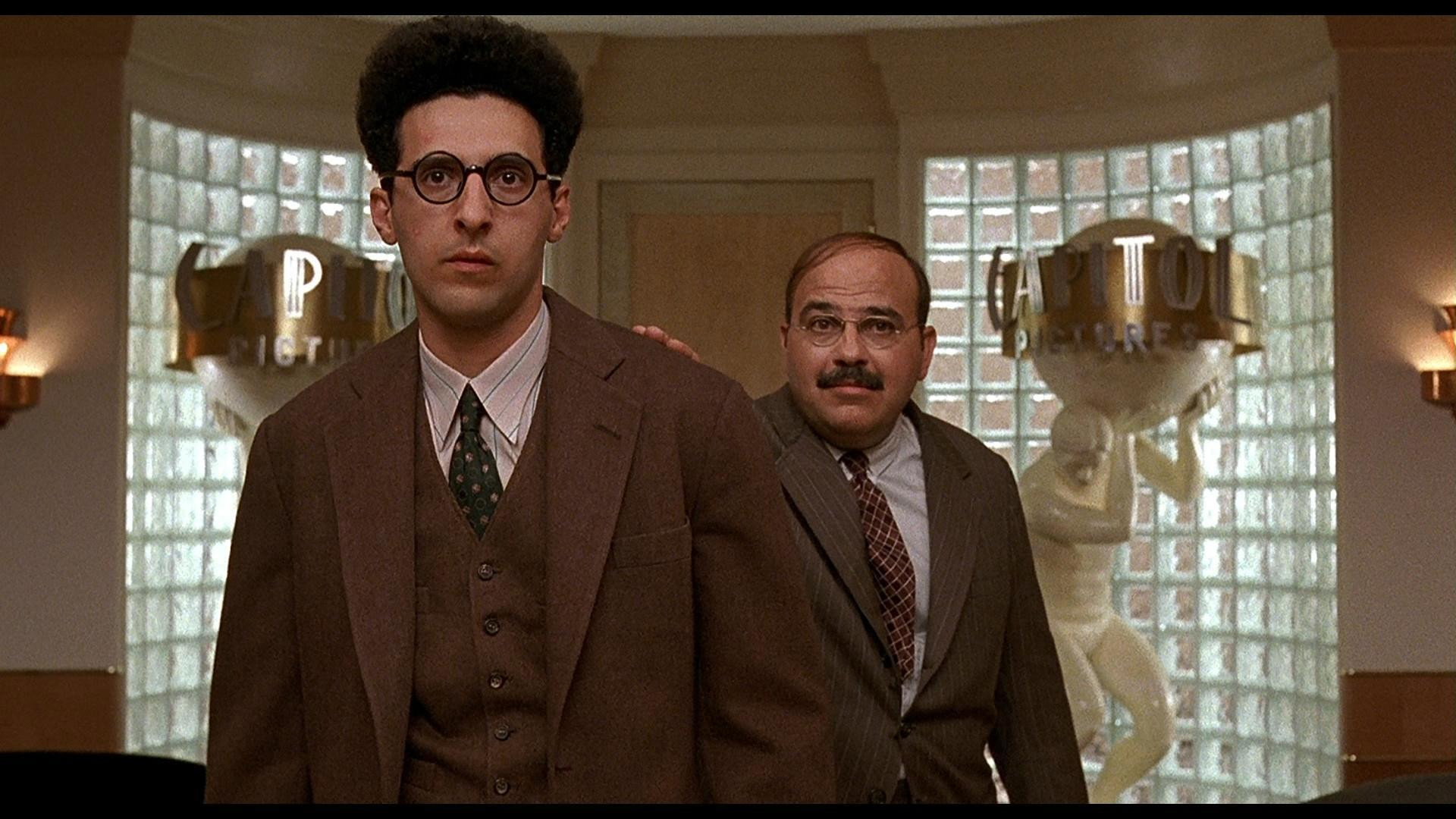
John Turturro plays Barton with an earnestness that makes the joke hurt. Here is a man who wants to speak for ordinary people and has considerable difficulty letting them speak for themselves, because his own thoughts keep taking precedence. We laughed, then felt embarrassed for him. The refusal to listen is so plainly at odds with his declared sympathies that Turturro need only keep taking Barton seriously; making him a buffoon would have made the film easier to dismiss.
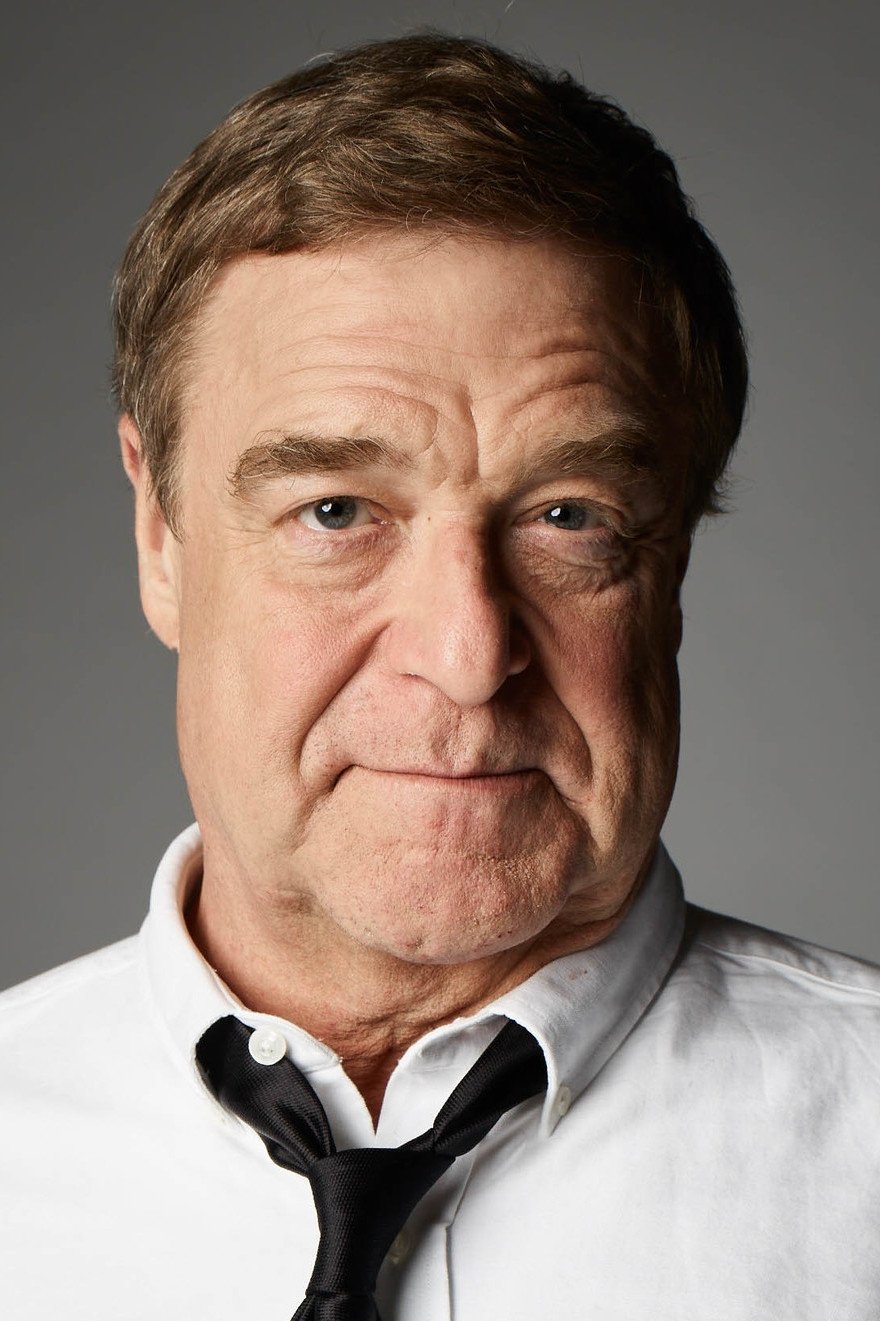
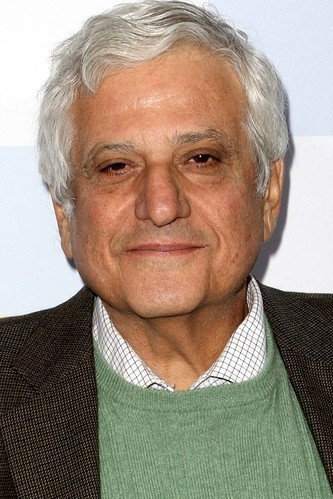
John Goodman, as Charlie Meadows, gives Turturro someone with enough presence to interrupt that self-absorption. Their performances work together because Goodman’s apparent ease makes Barton’s strained seriousness more visible. Michael Lerner’s Jack Lipnick supplies another kind of force, with a comic expansiveness that suits the film’s attack on Hollywood. Lerner gives the satire a welcome bluntness, and the Coens’ screenplay keeps Barton’s vanity sufficiently visible that we are never asked to accept him as an innocent.
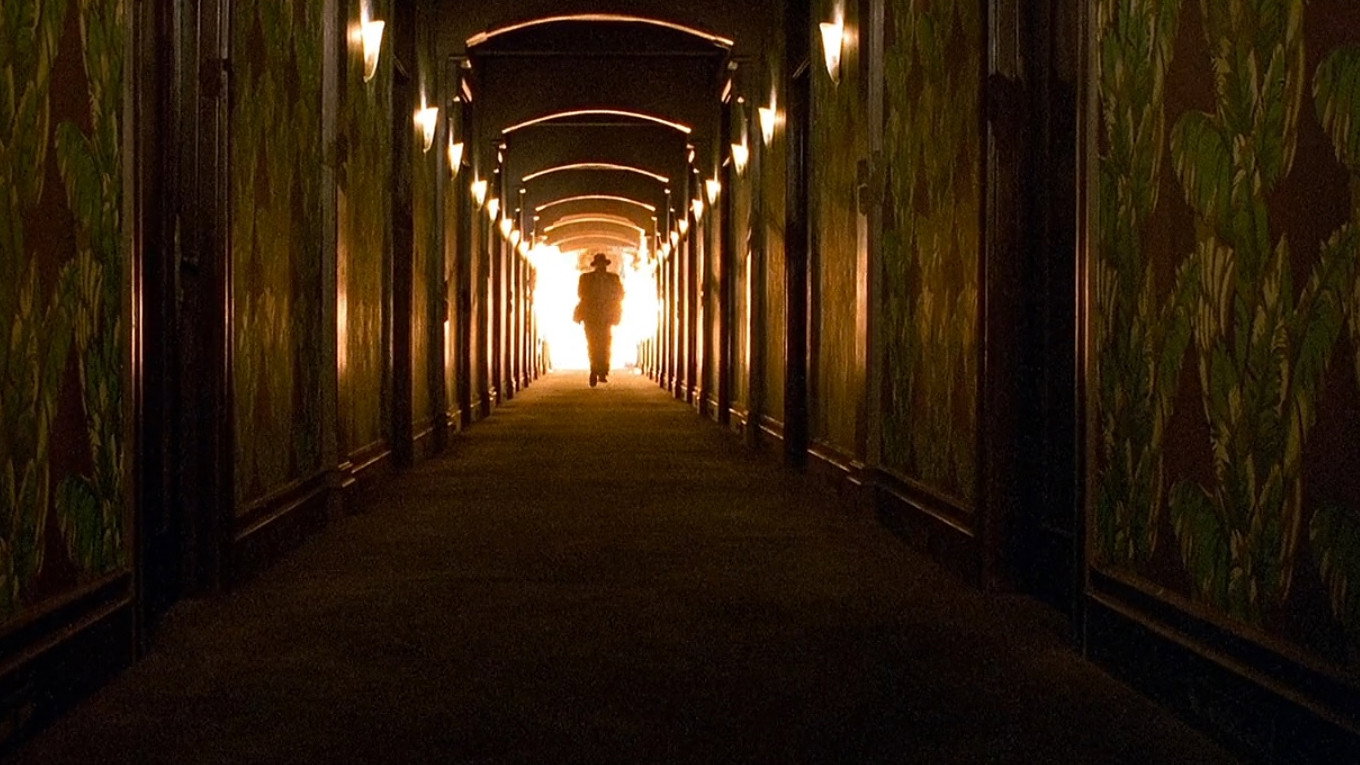
Roger Deakins’s cinematography makes Barton’s surroundings feel oppressive enough that his writing problem cannot remain an amusing professional inconvenience. Dennis Gassner’s production design rewards close attention, but its accumulated detail also makes the film feel increasingly enclosed. There is little sense of ease in these images. That discomfort is useful: it stops us watching Barton’s predicament from the safe distance at which a comedy about a vain writer might otherwise leave us.
The Coens also handle the editing, and their patience with Turturro’s straight-faced performance matters to the humour. They allow his seriousness to become awkward rather than treating every exchange as a race to the next joke. Carter Burwell’s score contributes to the unease without making Barton’s suffering seem grand enough to justify his self-regard. The shifts between comedy and psychological distress work because the film gives us time to become uncomfortable with someone we have just laughed at.
The reservation is how thoroughly everything seems managed. The point about Barton’s selective interest in other people is established so clearly that returning to it can feel unnecessary. This enclosed world occasionally seems to have been sealed against any behaviour that might surprise its makers, and the Hollywood satire is not always substantial enough to justify the fuss around it. The actors keep those stretches entertaining, even when the writing has little fresh to tell us.
A Hollywood satire could coast on the spectacle of vulgar people humiliating a sensitive artist. The Coens keep making us question the artist’s sensitivity instead, and Turturro allows us to recognise Barton’s failings without making his distress negligible. That is enough to sustain the film when its strangeness starts to feel overworked, with Goodman and Lerner providing further reasons to stay interested. Anyone looking for encouragement with an unfinished manuscript should probably choose something else.