Critics’ reviews

Bambi (1942)

15 reviews from 15 publications. Critics’ score 82: 14 positive, 1 mixed, 0 negative.

Back to our review of Bambi

82
Positive
14
Mixed
1
Negative
0

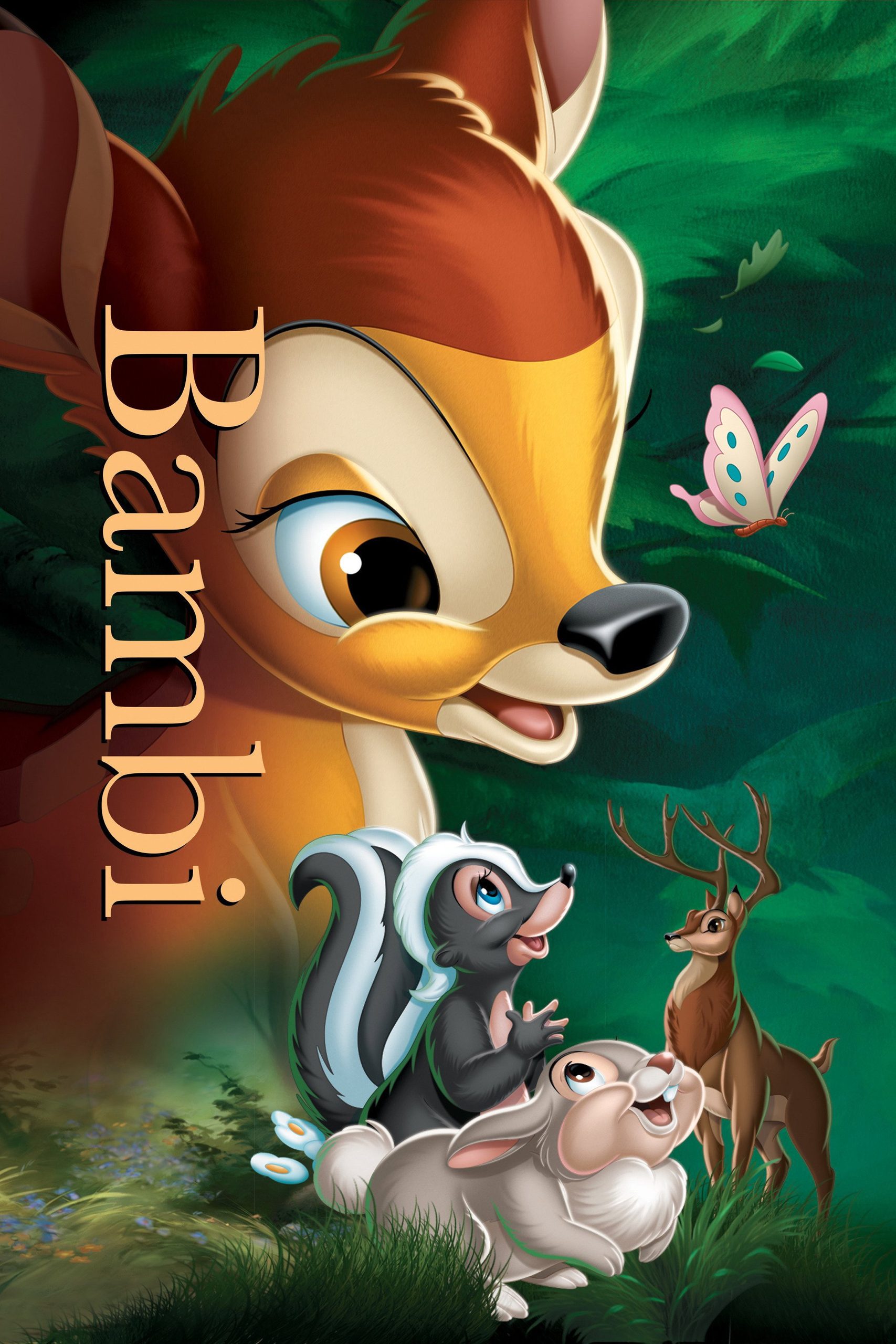
The reviews are almost uniformly warm, with fourteen of fifteen positive and none negative. The praise clusters on the animation: the watercolour and impressionistic backgrounds, the seasonal and storm sequences, and the way the film shifts from comedy to dread without losing its footing. Thumper is named again and again as the character who carries the lighter passages. Most critics also single out the death of Bambi’s mother, admiring its restraint and how much it does offscreen, and several read the film as a quiet study of nature’s cycles and innocence lost.

The spread is narrow, and the dissent is mostly old. The New Yorker, writing in 1942, finds the characterisation and comedy short of Disney’s earlier features and the animals too talkative. The New York Times, the same year, feels it drifts too far into realistic naturalism when it should be cartoon fantasy. Among later critics, only Slant Magazine finds the themes thin beside other Disney films of the period.

Radio Times
★★★★★ · Andrew Collins
100

Praises its classic status, ecological message, and balance of naturalism and cartoonery, noting the memorable mother’s death scene.

Read the full review →
The AV Club
20 April 2011 · A · Scott Tobias
95

The critic calls it a beautiful, timeless film about innocence lost and knowledge gained, highlighting its quiet, subtle illustration of life's cycles including death, with gorgeous watercolor backdrops and universal themes. He notes the shocking offscreen death of Bambi's mother but finds the overall tone reassuring and transcendent.

Read the full review →
Empire
1 January 2011 · Andrew Osmond
90*

The critic calls Bambi an ambitious natural-world opus that uses cute moments to ground stunning impressionistic backgrounds and expressionistic colour bursts, singling out the emotional power and restraint of the mother's death scene alongside the film's mastery of shifting tones.

Read the full review →
Los Angeles Times
15 July 1988 · Charles Solomon
90*

The 1942 film stands out for communicating through visual imagery rather than dialogue in a story of a young deer coming of age. It ranks as the most atmospheric Disney feature thanks to its impressionistic backgrounds and endearing characters like Thumper.

Read the full review →
Sight and Sound
90*

The critic finds the film enchanting and praises Disney's animation of the forest and animals, particularly Thumper, while noting some frightening scenes and the absence of humans as a strength.

Read the full review →
The Guardian
6 March 2011 · Philip French
90*

The critic identifies Bambi as the subtlest and most affecting of Walt Disney's early hand-drawn features from 1937-42. It is described as an enduring masterpiece that is witty and moving, capturing the fears and hopes of second world war audiences while celebrating the cycle of nature.

Read the full review →
Variety
90*

The story is full of tenderness with characters that tickle the heart; Thumper steals the picture. The interplay of color and movement shines especially in the seasonal sequences, reaching new heights in storm depictions.

Read the full review →
Slant Magazine
5 March 2011 · Glenn Heath Jr.
80*

The critic views the film as a timeless visual feast of innocence gained and lost, praising its majestic imagery and lyrical treatment of generational evolution and natural life cycles. He notes a thin thematic focus compared to other Disney classics but finds its restrained, poetic approach to life's rhythms admirable and relevant.

Read the full review →
The Independent
27 July 1993
70*

The writer reflects on watching the re-released film with family members across two viewings, praising its handling of themes including co-operation, love, loss and man as destroyer, as well as its disciplined treatment of the mother's death.

Read the full review →
The New York Times
14 August 1942 · Bosley Crowther
70*

The film captures much of the fantasy and visual beauty of the source story but disappoints by straying into overly realistic naturalism instead of pure cartoon fantasy. The critic singles out the startling beauty and inventive humor for praise while noting excessive charm and violence in the narrative.

Read the full review →
Time Out
13 March 2014 · AN
70*

The review highlights the splendid animation from Disney's rich period, blending impressionistic forest scenes with anthropomorphic animal characters reminiscent of Fantasia.

Read the full review →
The New Yorker
8 August 1942
50*

Walt Disney's adaptation has much of the appeal of his prior features but the characterizations and comedy fall slightly short, with too much conversation. The color and scenery are up to standard, and it is positioned more strictly as a children's picture.

Read the full review →
Collider
13 March 2011 · Andre Dellamorte
90*

The critic calls Bambi a timeless masterpiece whose universal appeal and empathetic portrayal of nature have allowed it to endure. The animation, particularly the watercolor backgrounds, is singled out as the finest achievement in cinema animation.

Read the full review →
Eye for Film
11 February 2005 · Max Blinkhorn
80*

The critic calls it a wonderful story that brings a tiny tear to the eye even of a cynic. They single out its staggering step forward in animation with no peer at the time, along with its defined cartoon cuteness and pathos.

Read the full review →
The Playlist
12 April 2016 · Oliver Lyttelton
75*

The piece positions Bambi as a quiet, beautiful, and pastoral coming-of-age story that is close to Disney as arthouse while still appealing to children. It singles out the kid-traumatizing death of Bambi’s mom as its biggest talking point but notes the film’s merits go far beyond that, with an experimentally episodic narrative and greater sense of humanity.

Read the full review →

Ordered by the weight we give each publication, then by score. Scores are normalised to 100; * means inferred from an unrated review. Summaries are ours, not quotations; follow the links for the reviews themselves. How we rate