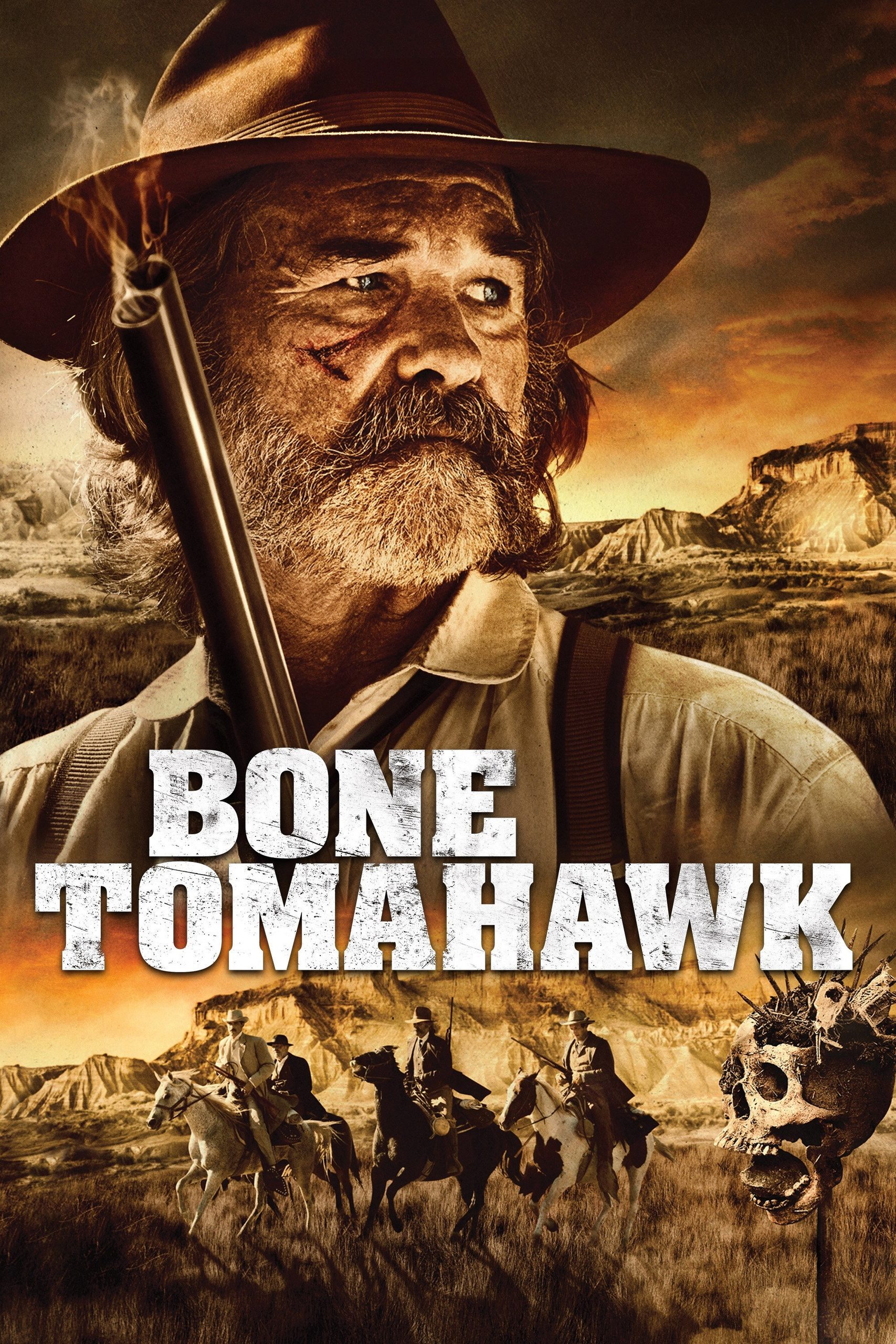
A patient, darkly funny western whose cast makes the horror count. The journey drags and its frontier politics are thin, but the company is worth keeping if graphic violence is not a barrier.
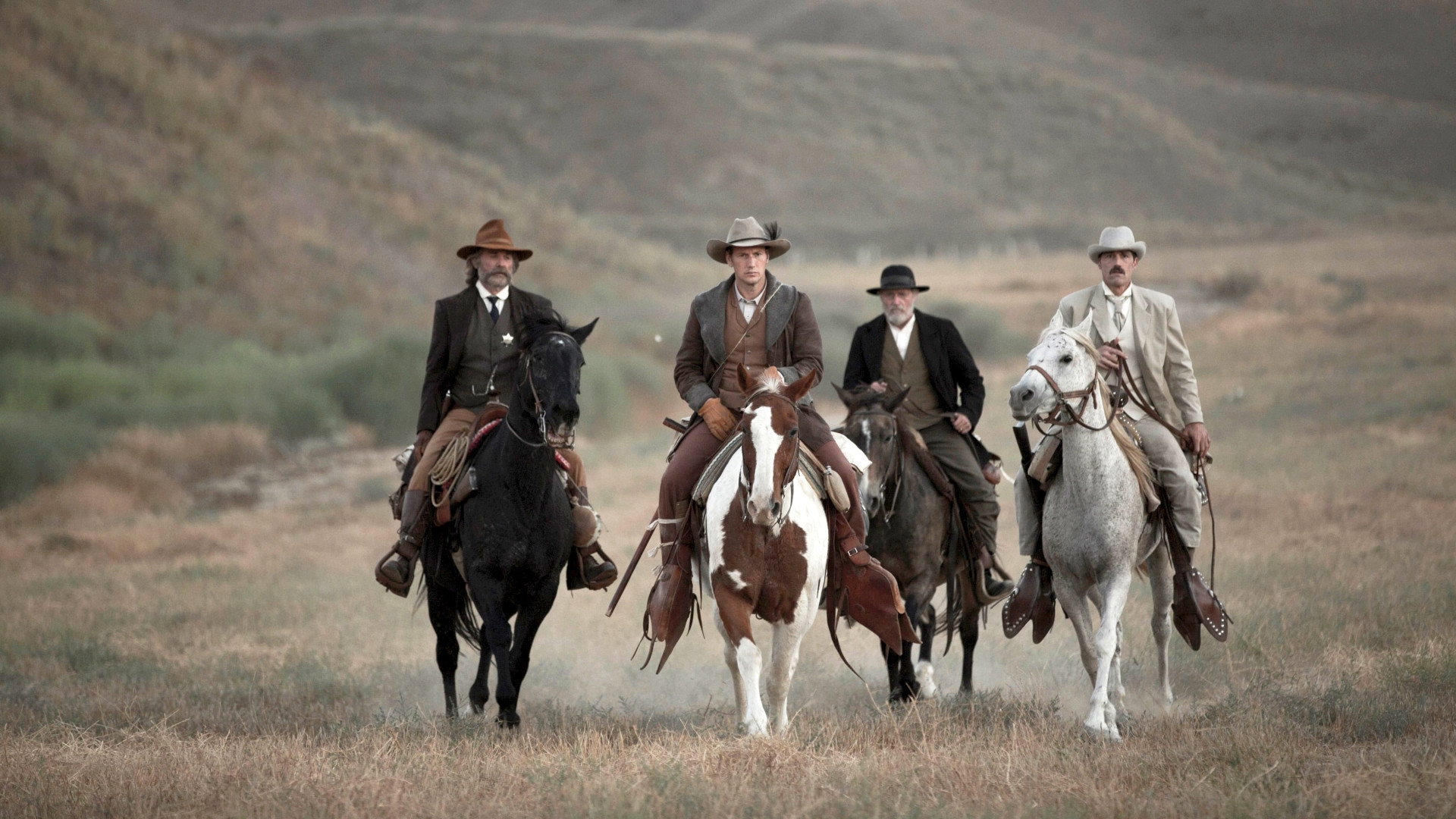
Bone Tomahawk is a good western with enough affection for its characters to make its horror hurt. Steven Craig Zahler takes his time over a rescue mission, allowing the men undertaking it to be amusing, awkward and recognisably different before asking us to fear for them. The combination works, and the patience usually pays off. At 133 minutes it also needs a firmer trim, though we would sooner lose a stretch of the journey than a conversation involving Richard Jenkins.
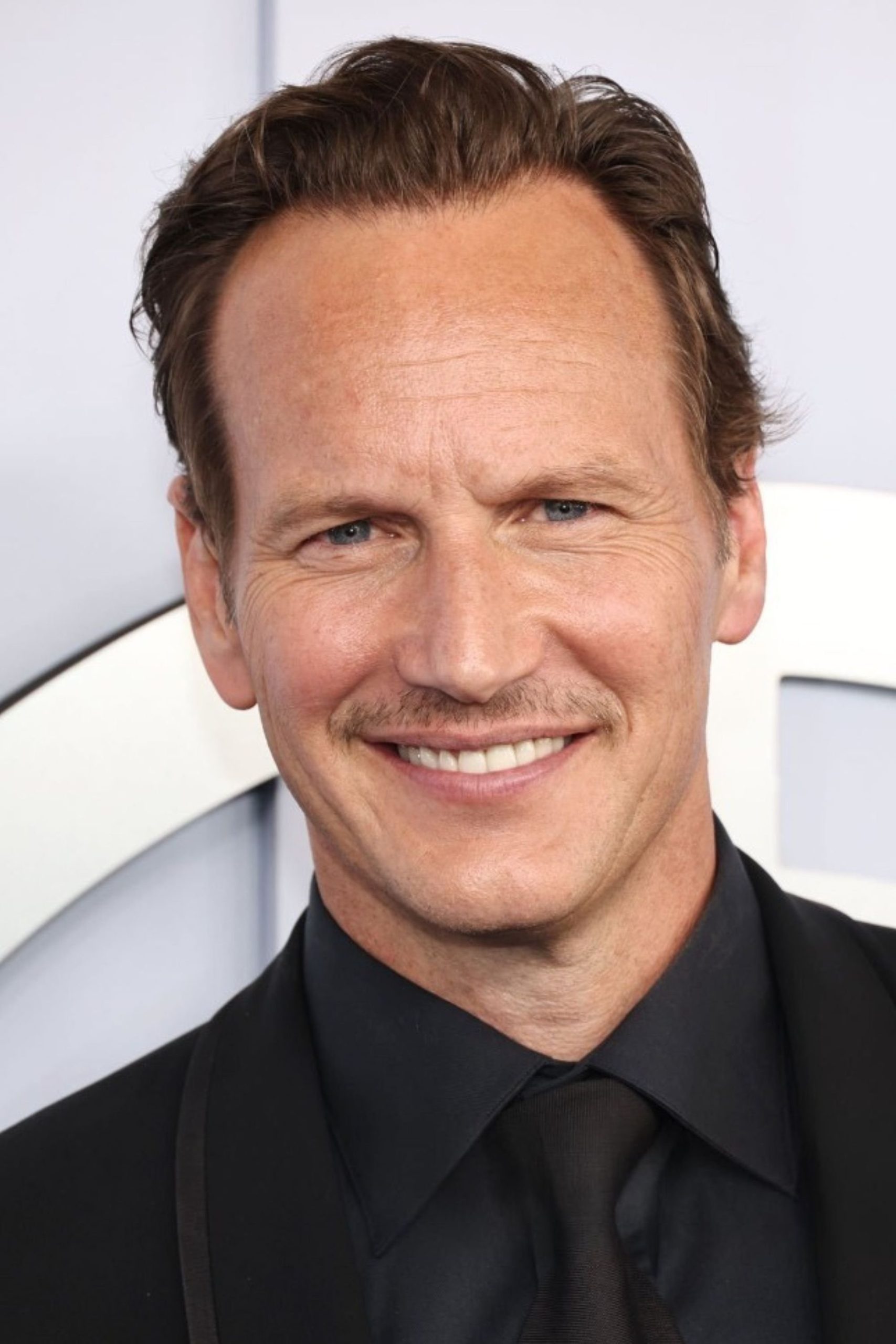
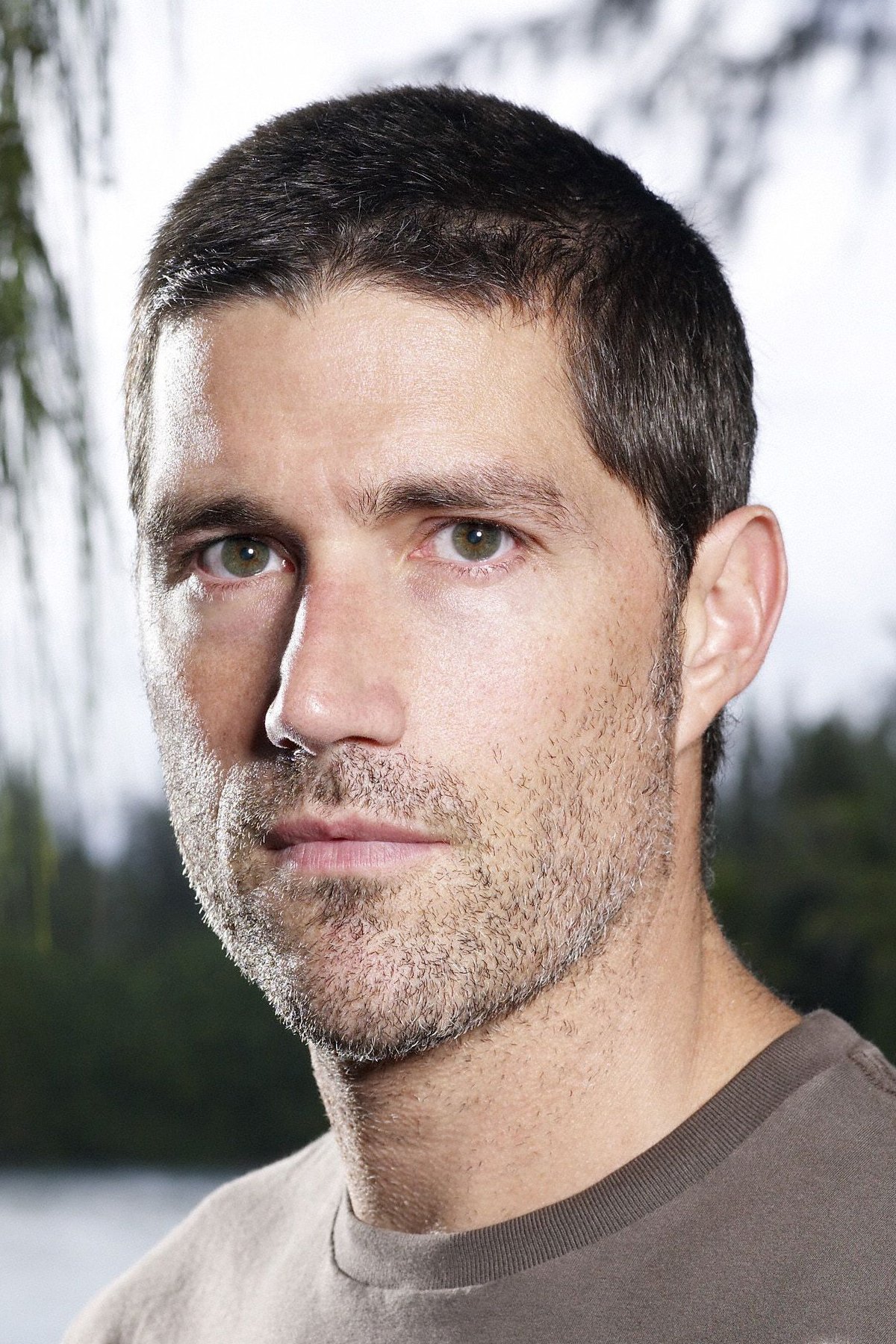
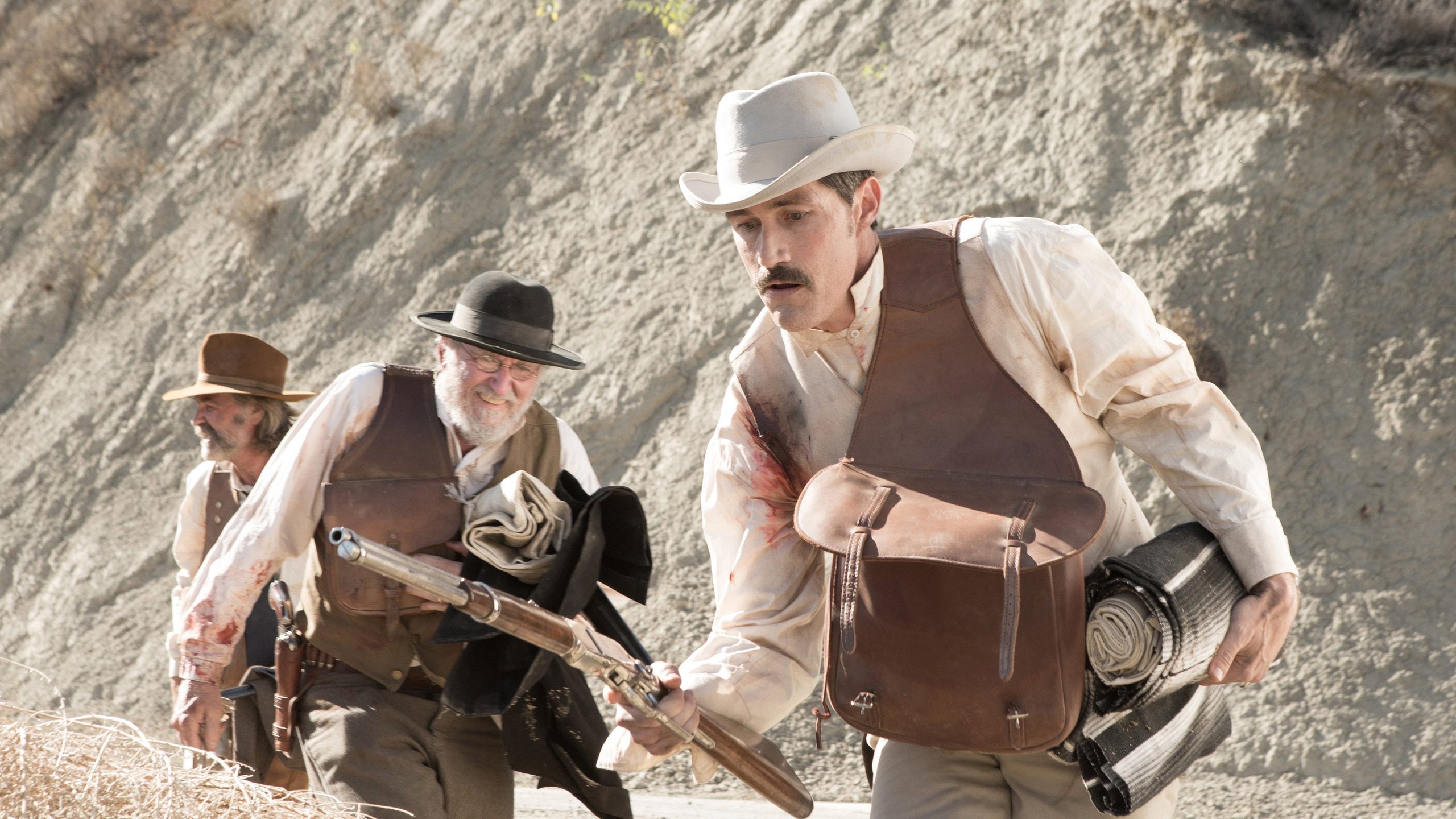
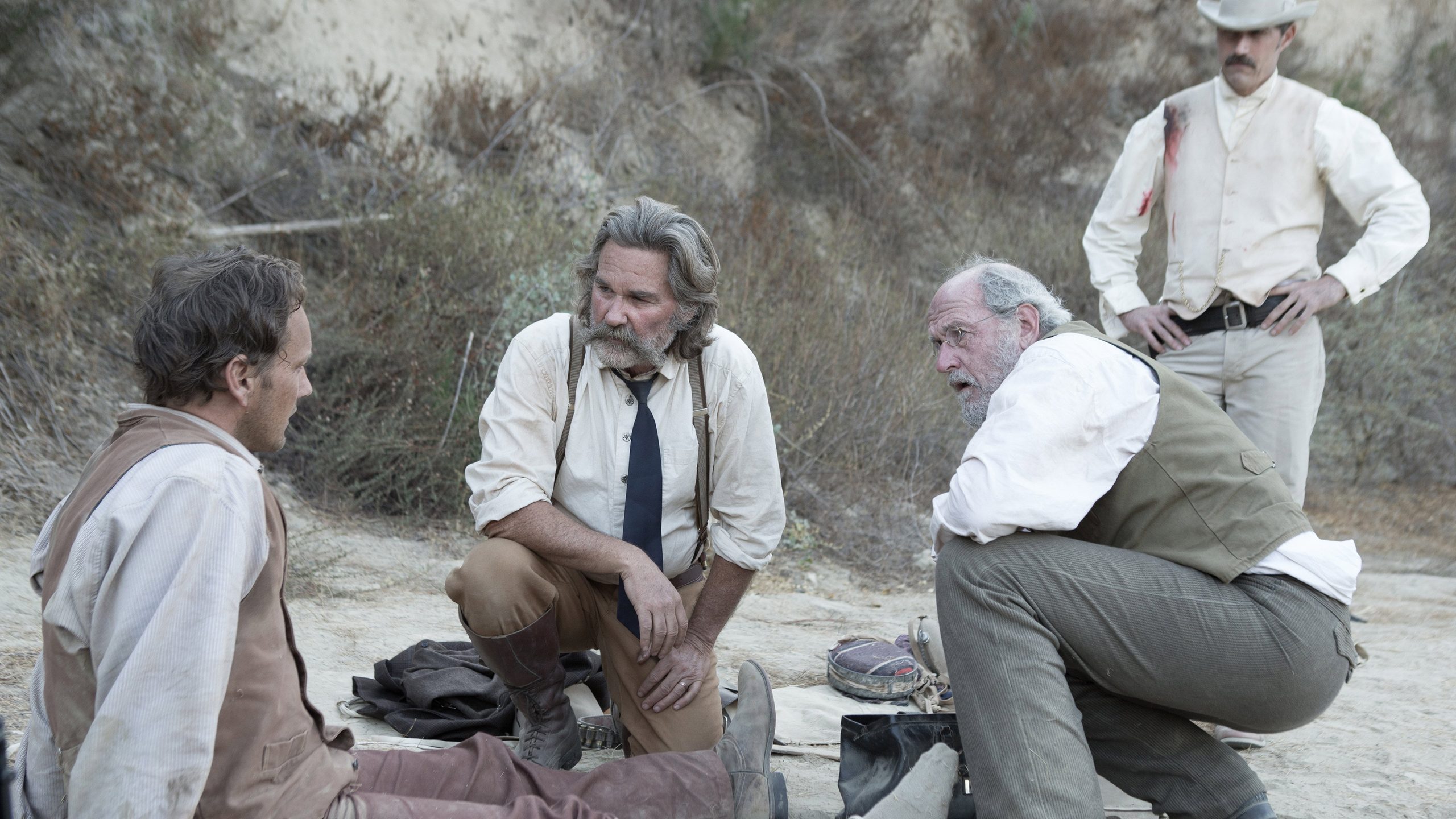
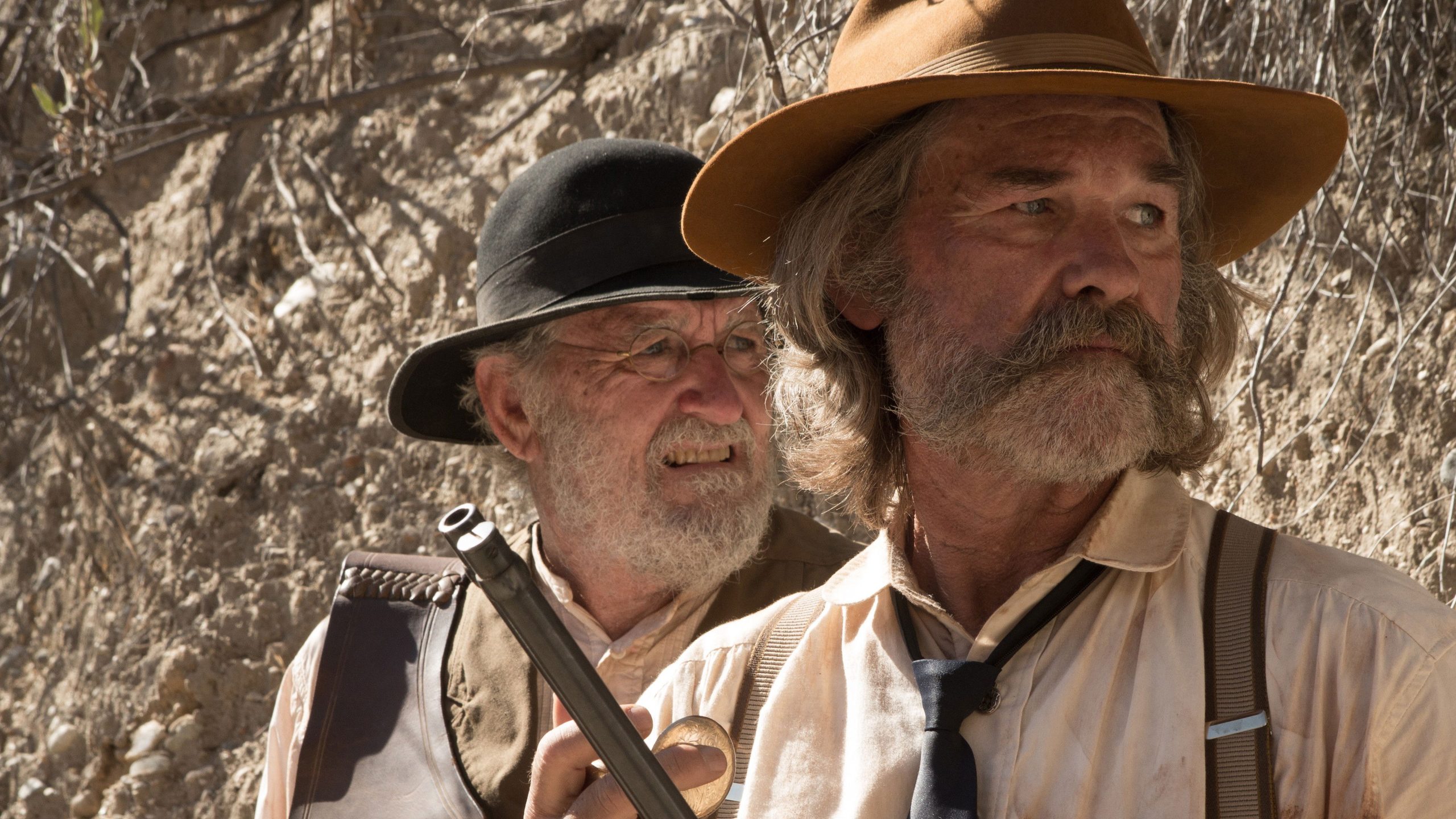
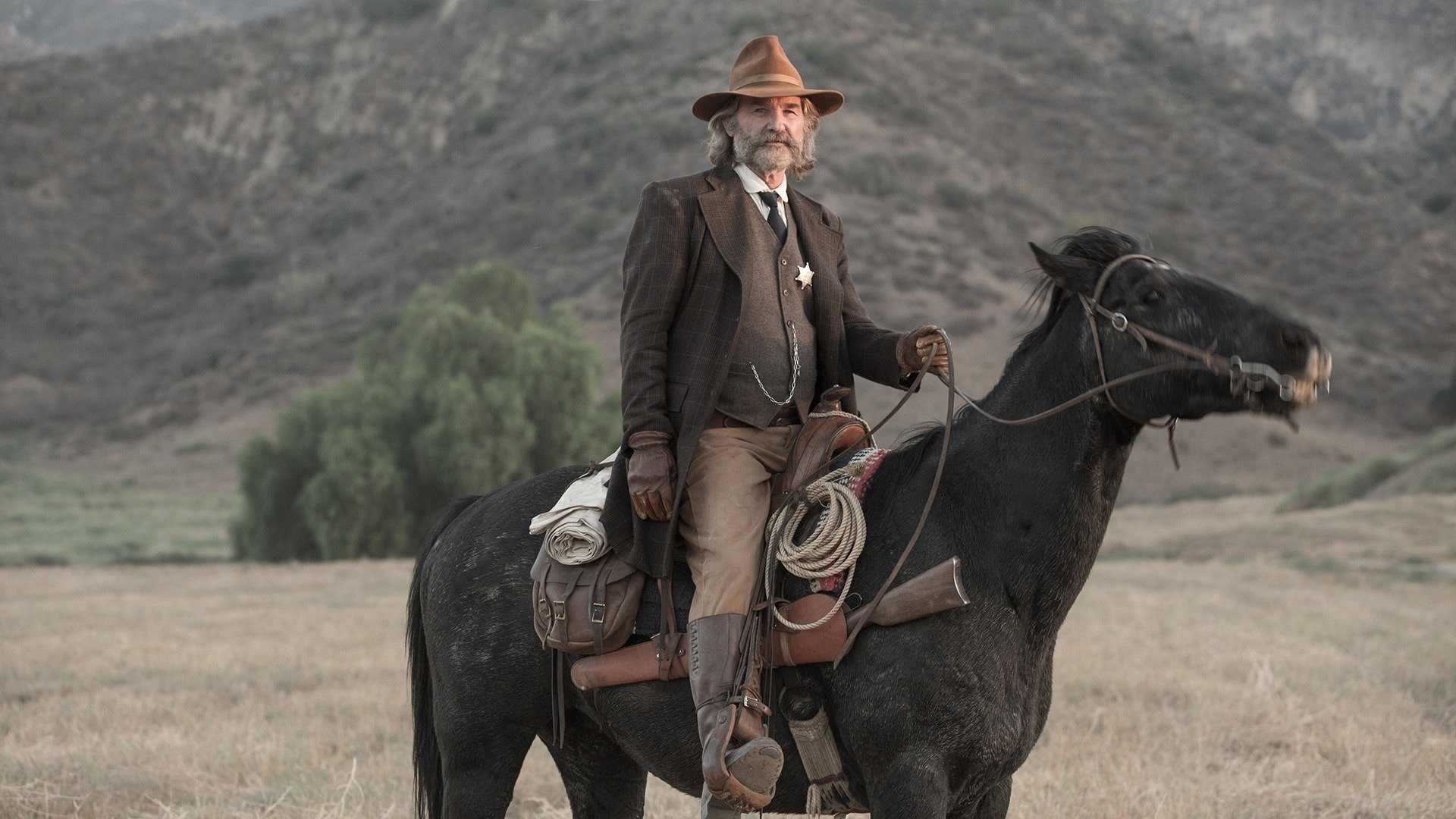
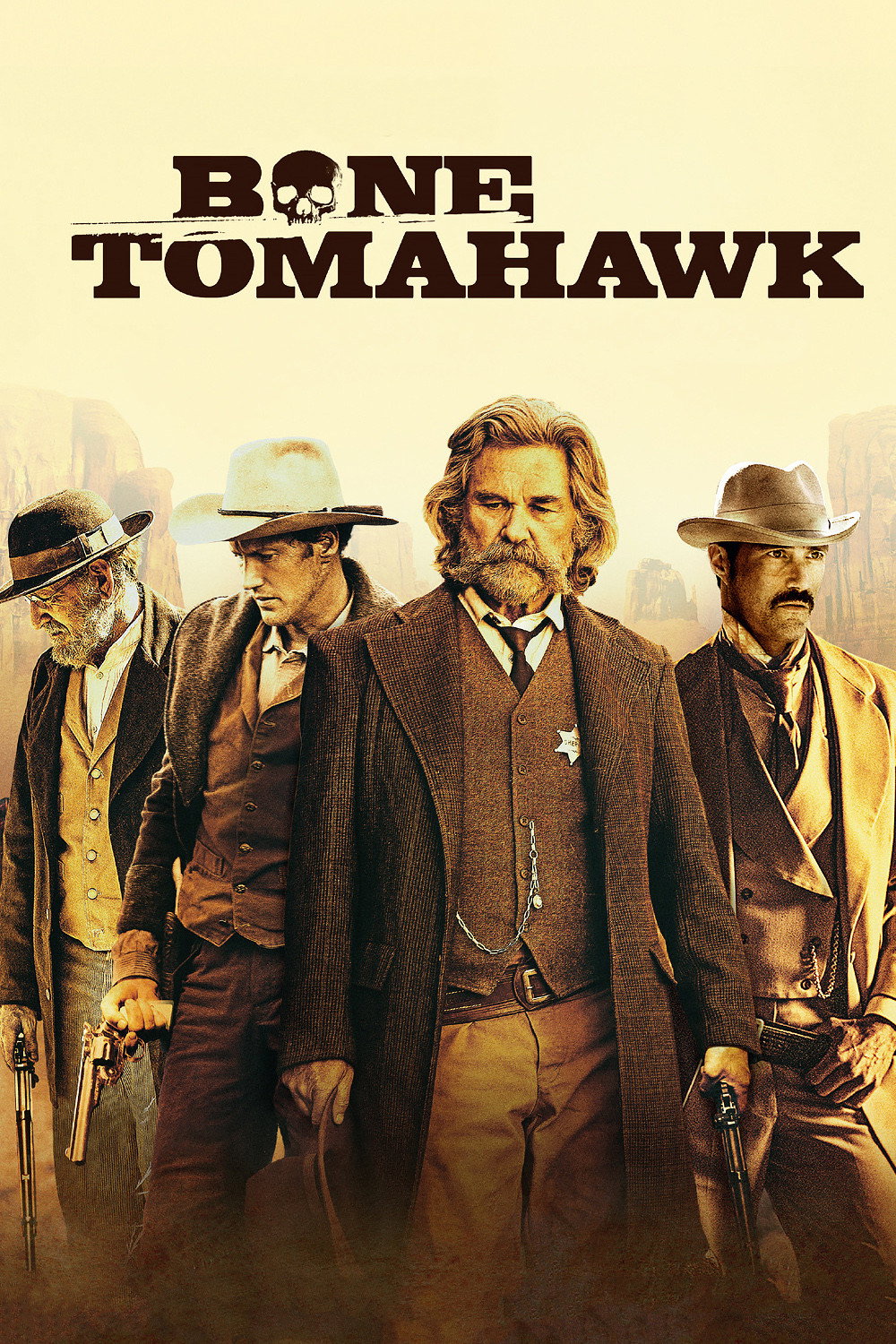
Kurt Russell gives Sheriff Franklin Hunt the authority this sort of expedition requires, without making him seem too grand to share it with the others. Patrick Wilson makes Arthur O’Dwyer’s determination feel costly, while Matthew Fox gives John Brooder a prickliness that stops the group becoming comfortably companionable. Richard Jenkins, as Chicory, supplies the most pleasure. We laughed at his contributions because he makes the wandering talk sound like something he needs to say, rather than a writer waiting to collect a laugh.
Steven Craig Zahler’s dialogue lets these men disagree without reducing every exchange to a contest for the sharpest line. Their talk has detours, and those detours help establish whose company we would welcome and whose we would endure. This matters in a rescue western: the travelling cannot simply be a delay before the shooting. The film understands the pleasure of listening to people who have spent enough time together to irritate one another, even when there is more pressing business.
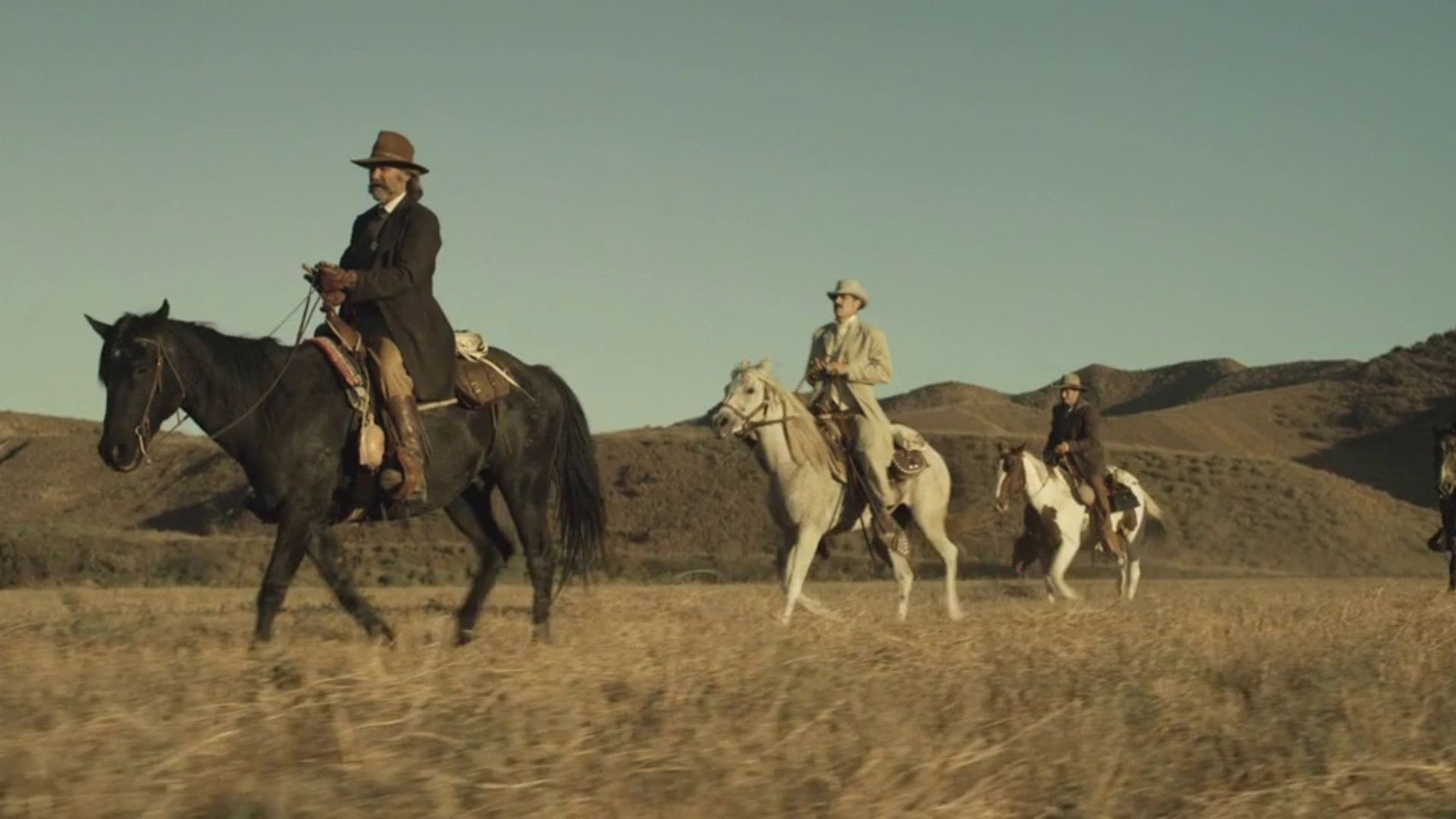
Benji Bakshi’s cinematography gives the actors room, with a relaxed camera that allows the conversation to hold our attention. The plainness can become flatness; there are stretches when we would welcome a more expressive image. Freddy Waff’s production design is similarly unobtrusive, keeping the frontier setting from becoming a display of attractive period objects. Both choices serve the performances, though the images do not always supply enough interest when the talk subsides.
Editors Fred Raskin and Greg D’Auria preserve the leisurely rhythm, and the pauses often give an ordinary remark time to become funny. They are less successful at making every stretch of the pursuit feel necessary. The journey begins to drag because the film has already established how these men get along and still grants their exchanges the same generous allowance. Jeff Herriott and Steven Craig Zahler’s restrained music helps: it leaves us space to attend to the voices instead of continually announcing that trouble is coming.
The horror is severe, and we will not describe what gives it that severity. What matters is that the film has first persuaded us to care about the people exposed to it; the brutality does not arrive among interchangeable victims. Its treatment of the cannibal antagonists is less satisfying, and the old western division between civilised rescuers and monstrous outsiders deserves more scrutiny than it gets. There is intelligence in the men’s conversations, but it does not settle the unease around that familiar arrangement.
Anyone after a brisk evening of frontier action should choose something else. This film expects us to enjoy a digression and tolerate a long wait, then accept a degree of violence that conversation cannot soften. For viewers who can do all three, we recommend it; anyone squeamish should take the 18 certificate seriously.