Critics’ reviews

Donnie Brasco (1997)

8 reviews from 8 publications. Critics’ score 73: 6 positive, 1 mixed, 1 negative.

Back to our review of Donnie Brasco

73
Positive
6
Mixed
1
Negative
1

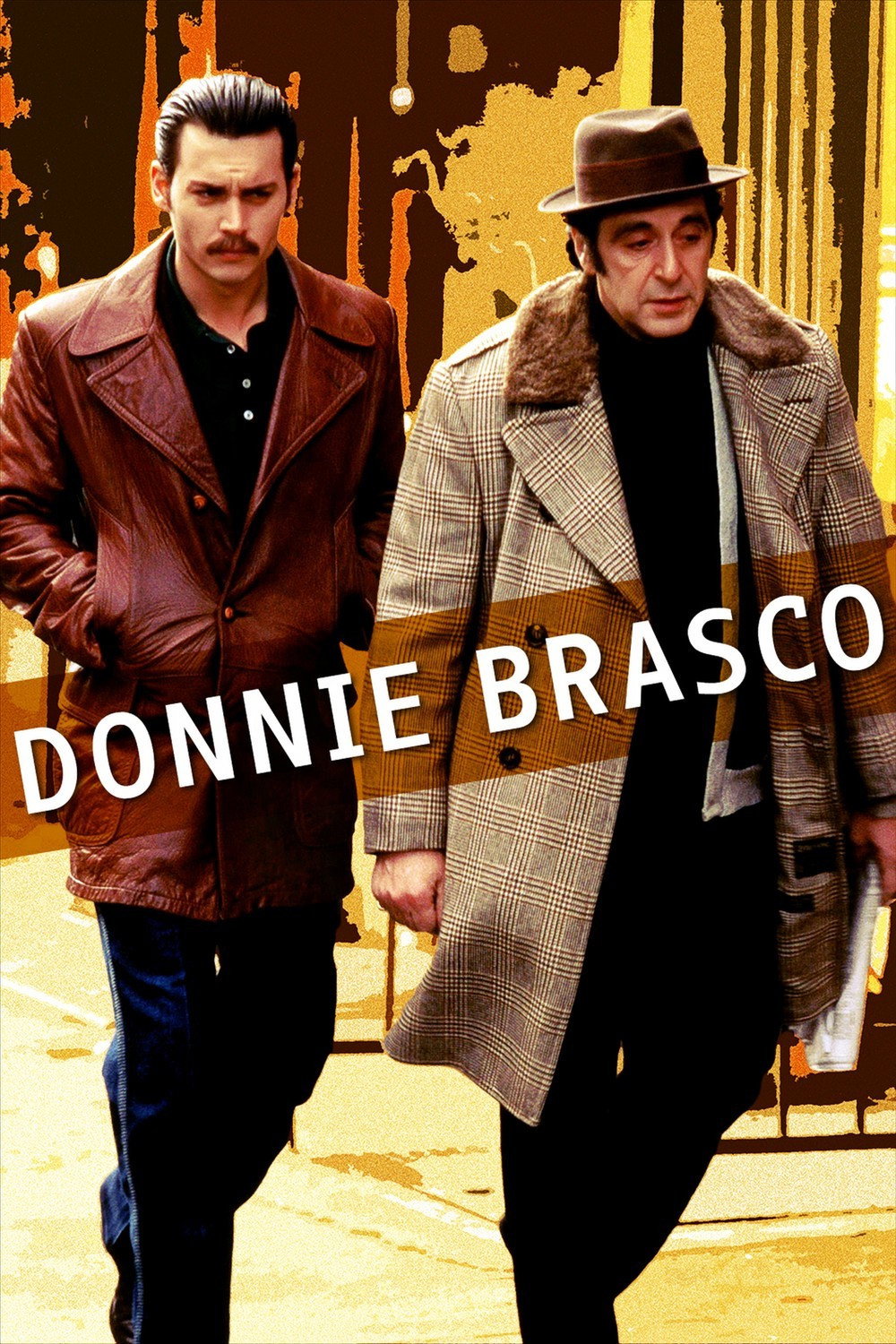
Most critics respond warmly to Donnie Brasco, with praise centred on the growing attachment between its undercover agent and ageing mobster. Pacino draws the most consistent admiration for making Lefty weary, vulnerable and hungry for connection; several reviews also value Depp’s quieter movement from professional deception towards friendship. The film’s measured attention to ordinary mob life, rather than glamour or action, gives the relationship weight, while the period setting earns praise.

The reservations concern suspense, psychological depth and the handling of Donnie’s divided loyalties. Even favourable reviews find some of these elements underdeveloped. The spread is fairly wide, though positive responses predominate: the Los Angeles Times finds the family scenes ineffective and Depp too opaque to sustain the emotional stakes. The New Yorker is more dismissive, faulting missed comic possibilities and abrupt graphic violence. Both dissenters nevertheless find much to admire in Pacino.

RogerEbert.com
27 February 1997 · ★★★½/4 · Roger Ebert
88

The film centers on the genuine emotional bond and mutual need that develops between undercover FBI agent Donnie and aging mobster Lefty, framed as a teacher-student friendship rather than violence or action. Ebert highlights the fine performances, especially Pacino’s poignant portrayal of a weary loyal soldier and Depp’s subtle shift from informant to friend.

Read the full review →
Empire
1 January 2000 · Kim Newman
80*

The critic finds the film a credible Mafia tale elevated by outstanding performances from Al Pacino and Johnny Depp, though directed more like a soap opera without much suspense. Pacino's work is singled out for praise.

Read the full review →
Radio Times
★★★★ · Adrian Turner
80

The 1970s-set crime drama is pitched midway between The Godfather and GoodFellas, developing nicely as Depp's character becomes fond of his mentor. The period setting is beautifully evoked.

Read the full review →
Time Out
25 February 2015 · TCh
80*

The film is a tense, sharp and compelling character study and a worthy addition to the mob-movie canon. It is low-key and measured compared to GoodFellas, with Pacino's Lefty dominating scenes through witty script and pathos.

Read the full review →
Variety
1 March 1997 · Todd McCarthy
80*

The review finds the film very involving and dramatic thanks to its loaded central premise and intimate focus on the human toll of undercover work and the growing bond between the leads. It praises Pacino’s fine, emotionally open performance as the key to the film’s success while noting psychological dimensions remain underrealized.

Read the full review →
Los Angeles Times
28 February 1997 · Kenneth Turan
50*

Turan calls the ambitious film second-hand and undercut by structural problems and casting, with family scenes failing and Depp’s opaque performance limiting emotional stakes. He praises Pacino’s modulated, affecting turn as the weary mob foot soldier hungry for connection.

Read the full review →
The New Yorker
10 March 1997 · Anthony Lane
40*

The review finds the film thin and halfhearted, faulting director Mike Newell for missing the script’s potential comedy in mobster talk and for shifting abruptly into graphic violence without emotional weight. It singles out Al Pacino’s expressive eyes and the Chekhovian closing scene for quiet perfection amid otherwise ordinary execution.

Read the full review →
Eye for Film
19 January 2001 · Symon Parsons
90*

The critic declares it the best film made about the Mafia, highlighting its realistic portrayal of mob life as ordinary struggles rather than romanticised glamour.

Read the full review →

Ordered by the weight we give each publication, then by score. Scores are normalised to 100; * means inferred from an unrated review. Summaries are ours, not quotations; follow the links for the reviews themselves. How we rate