Film review

Donnie Brasco

1997 · Directed by Mike Newell · 2h 07m · MPA R

In a sentenceAl Pacino finds someone willing to listen to him, which is unfortunate given the listener’s employer

CrimeDramaThriller

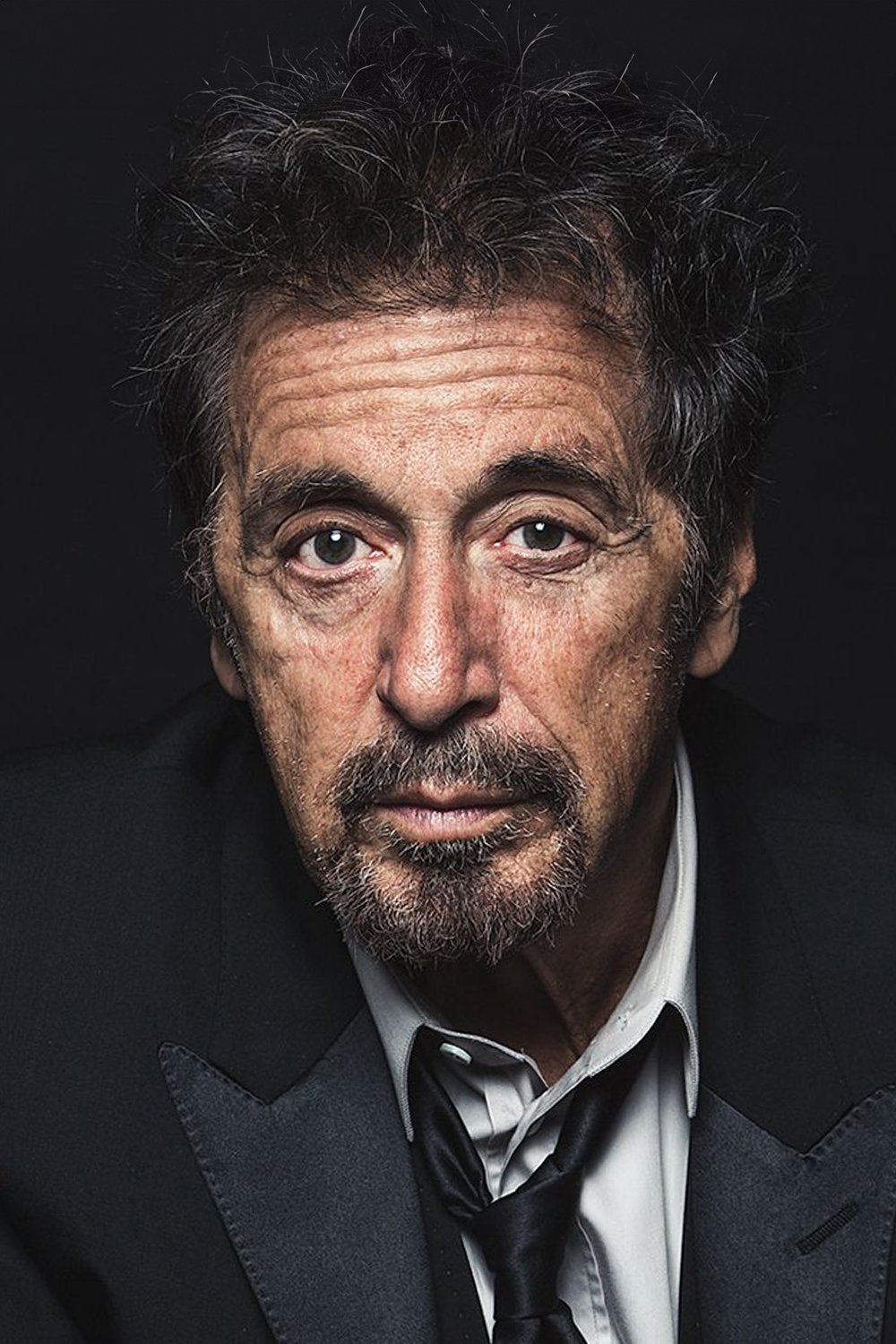
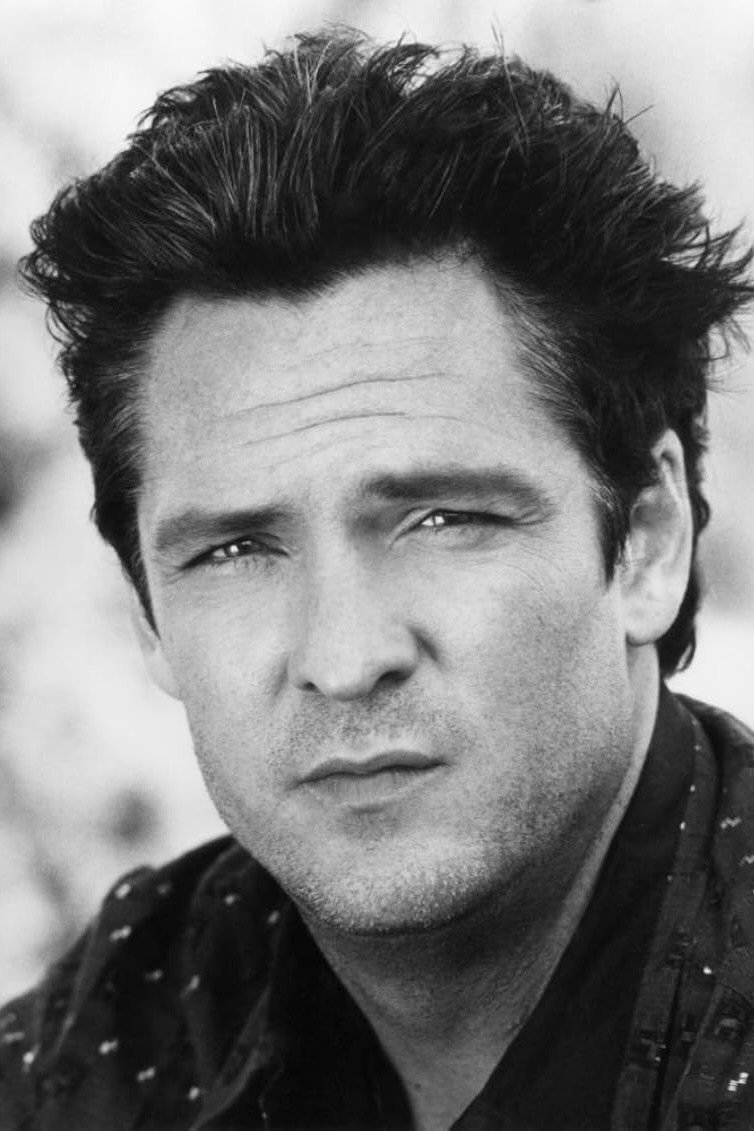
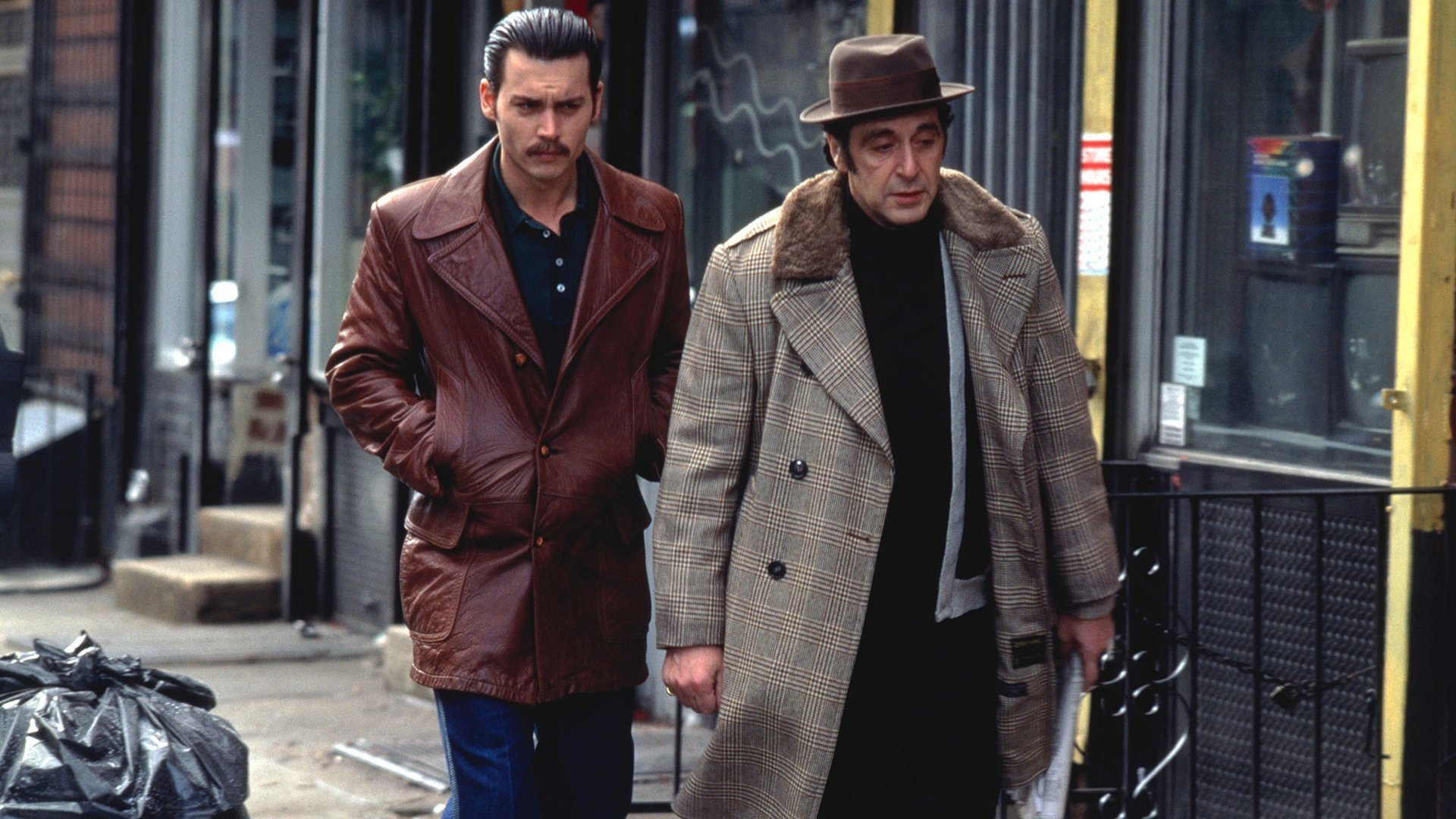
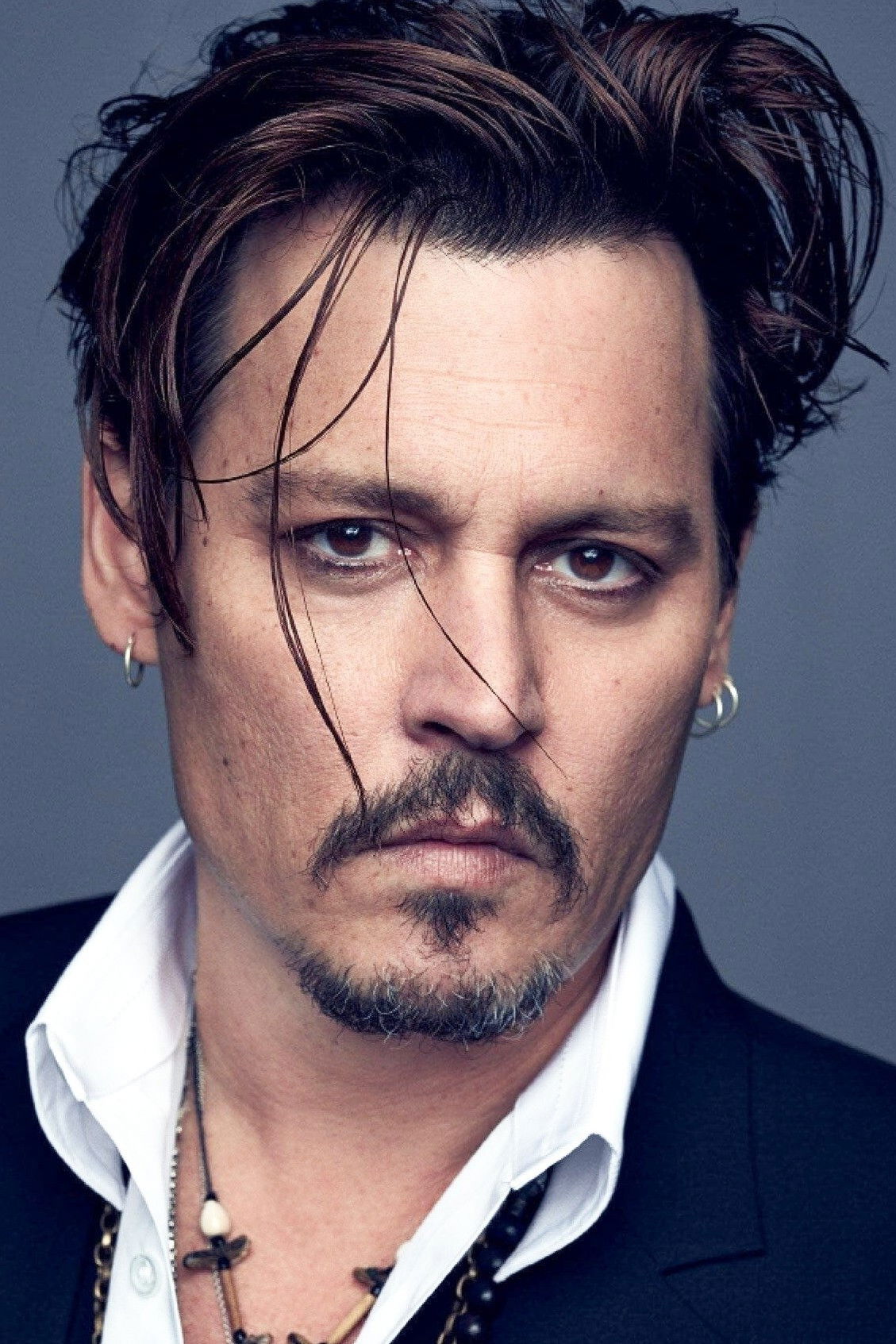
FBI agent Joe Pistone (Johnny Depp) goes undercover as Donnie Brasco to get close to the Mafia. His way in is Benjamin ‘Lefty’ Ruggiero (Al Pacino), an ageing mobster who takes the newcomer under his wing and teaches him how to fit in. As Lefty places his trust in Donnie, the agent has to sustain a friendship built on a false identity while keeping hold of his life outside the assignment. Mike Newell directs, with Michael Madsen as Sonny Black and Anne Heche as Maggie Pistone.

Fi1m review

Donnie Brasco is a quietly gripping crime drama whose strongest scenes belong to Al Pacino and Johnny Depp. The family story is thin, but their uneasy friendship makes the danger hurt.

Mike Newell’s Donnie Brasco earns its tension by making us care about an ageing gangster who has found someone to teach. It is a patient, affecting crime film, with one substantial weakness in its treatment of the agent’s home life. The undercover premise supplies the danger from the start: Joe Pistone, played by Johnny Depp, is working for the FBI under a name that Al Pacino’s Lefty Ruggiero accepts. Every sign that Lefty likes him makes the assignment more uncomfortable.

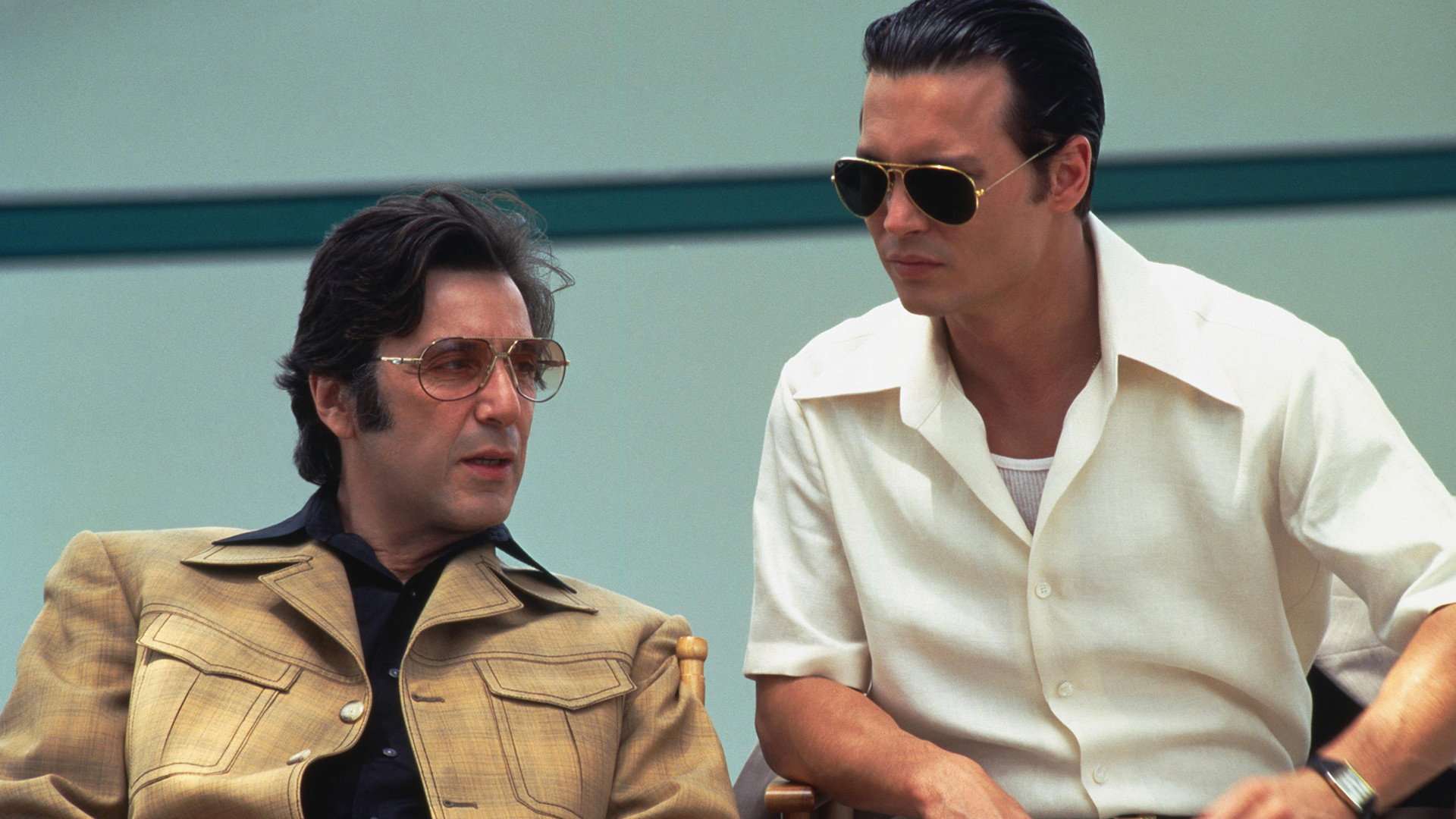
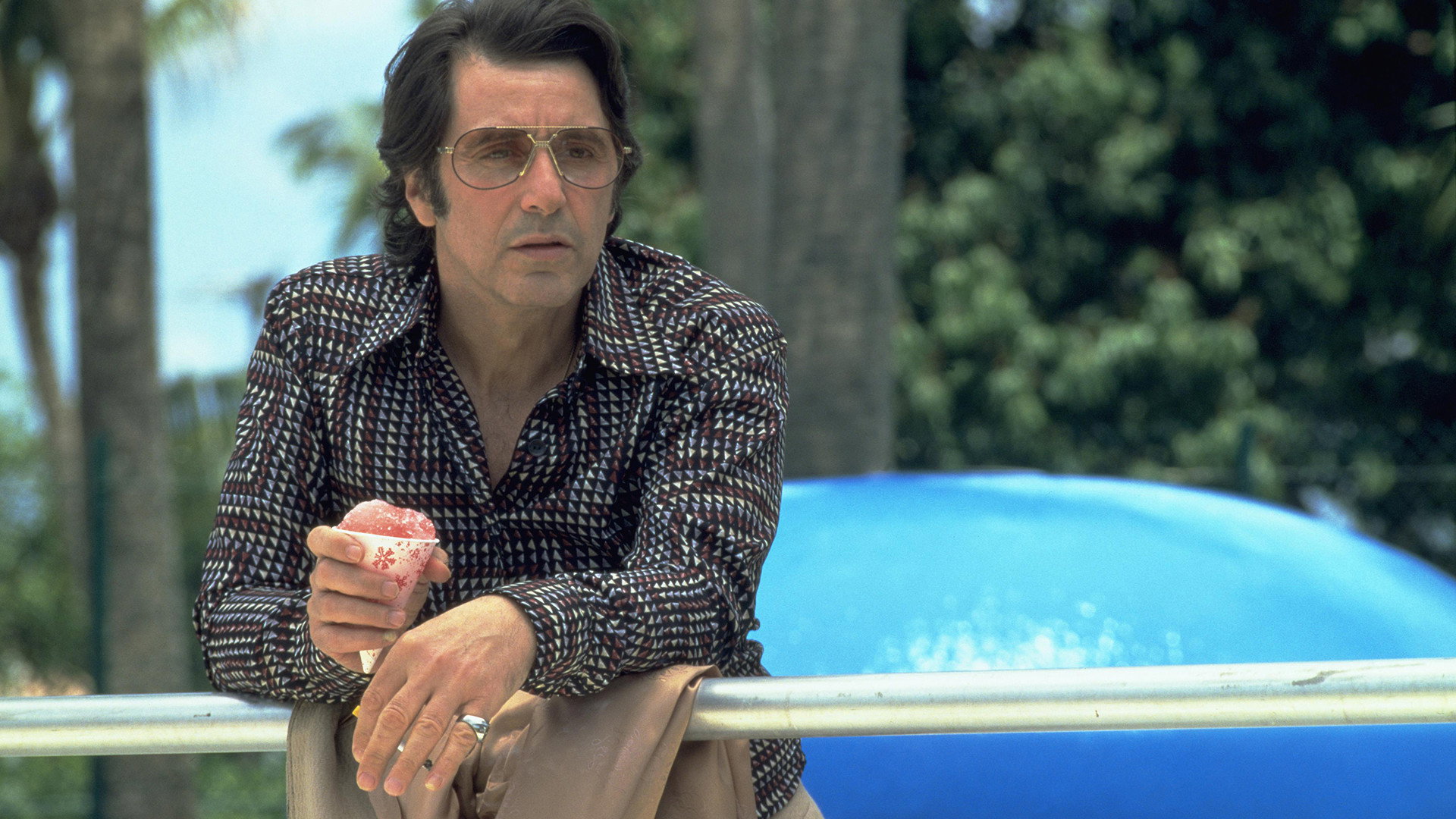
Paul Attanasio’s screenplay spends enough time on the business of fitting in to make the teacher-pupil relationship convincing. Lefty gets to be useful, to explain things and to have his experience taken seriously, and Pacino lets the pleasure of that show without making him cuddly. His weariness matters as much as his authority; this is a man whose loyalty has brought him little satisfaction. We were moved by his eagerness to keep Donnie close, because being listened to plainly means so much to him.

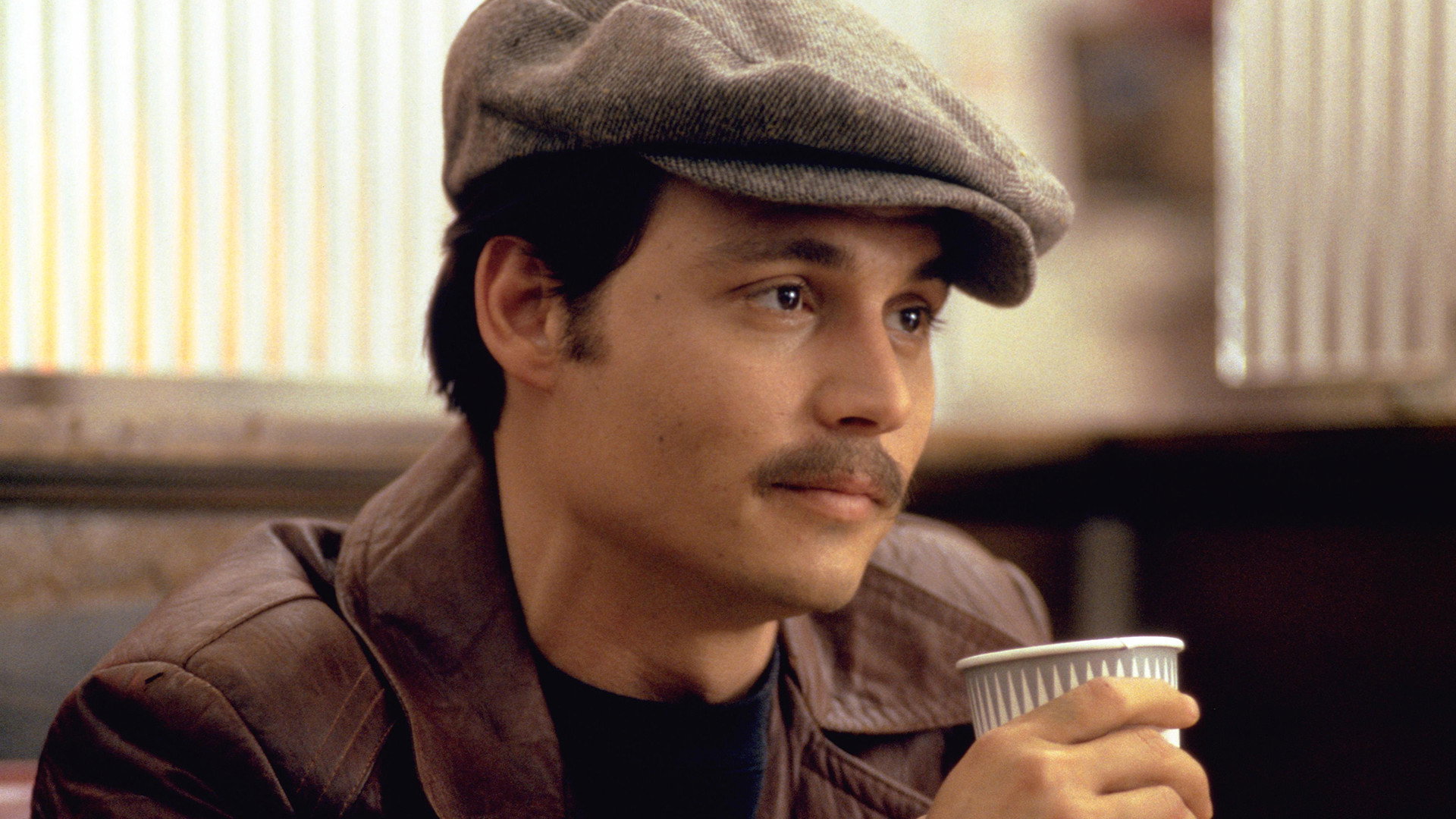
Depp gives Pacino the attention the relationship needs, keeping Donnie watchful even as that attention begins to feel affectionate. The reserve works here: an undercover agent cannot keep announcing what he feels, and we have to judge how much of the pupil’s respect belongs to the man doing the job. There are stretches when Depp keeps a little too much to himself. Yet the growing ease between the two actors is persuasive enough to make the friendship troubling without asking us to forget what Lefty does.

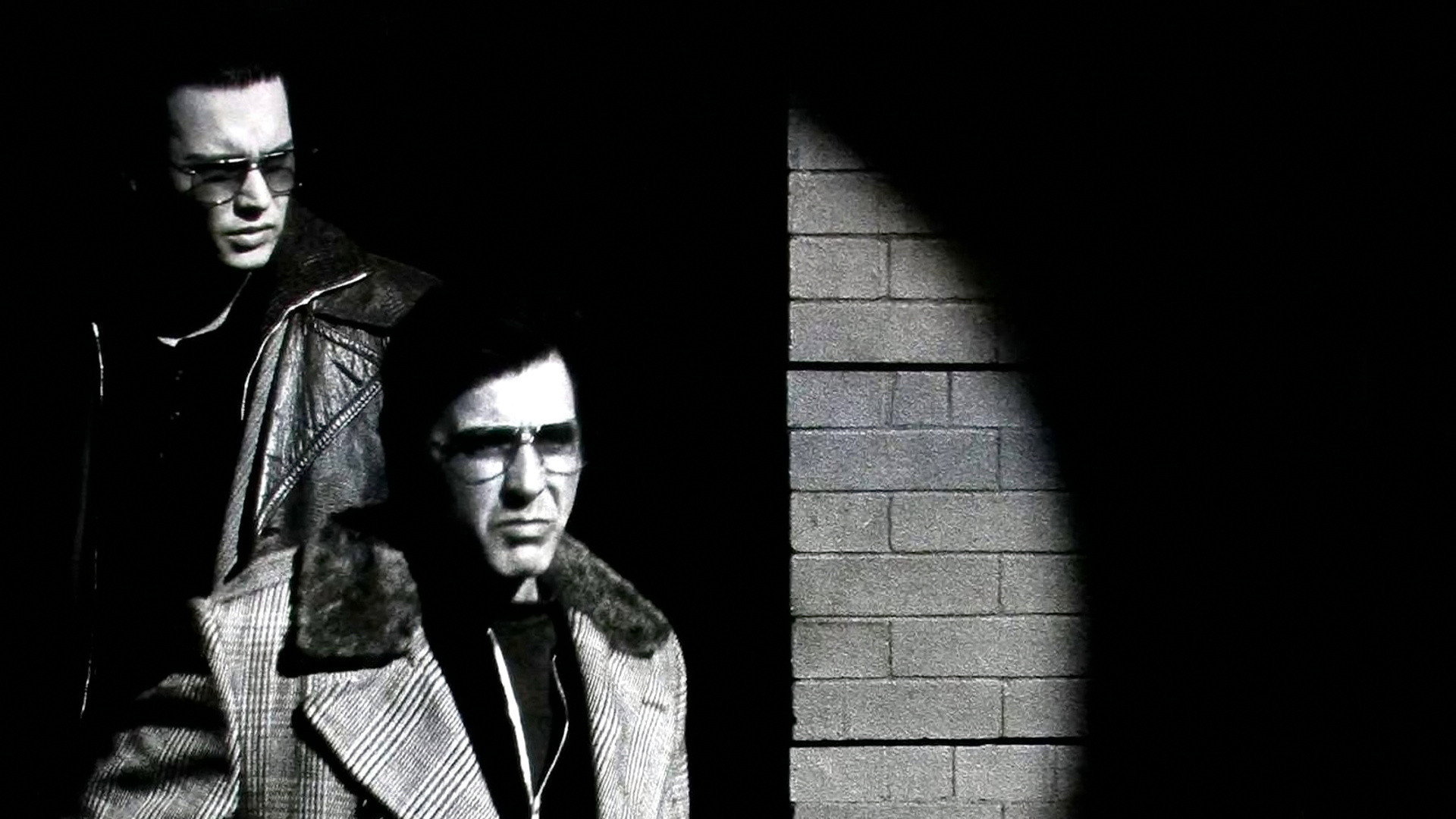
Peter Sova’s cinematography keeps the attention on the men, and Donald Graham Burt’s production design gives the 1970s setting the familiarity of places used every day. The lack of glamour is important: Lefty’s world has to look like somewhere a tired man might spend his working life. Sova gives Pacino’s face room to register small changes of feeling, which is more useful here than another demonstration of gangster grandeur. The period detail never becomes the main attraction.

Jon Gregory’s editing allows the friendship to develop at a pace that suits Lefty’s gradual investment in his pupil. The time spent together gives the threat of discovery weight, without constant reminders of what might happen if Donnie makes a mistake. Patrick Doyle’s score is most persuasive when it supports the sadness in that attachment, leaving the actors to supply the anxiety. Newell keeps the emphasis on the conversations, where the difference between what Donnie knows and what Lefty believes is already enough to hold us.

The weakness is the material given to Anne Heche as Maggie Pistone. The family scenes ought to make the life Joe is neglecting as compelling as the one he has entered, but Attanasio gives that side of the story less room to breathe. Heche provides a welcome resistance to the men’s preoccupations, yet the scenes keep returning to a domestic problem we have already understood. Gregory cannot quite make those returns feel like a developing story, and Newell gets less from them than from the criminal company.

Within the gangster genre, Donnie Brasco belongs among the films interested in the men who never get to give the orders. Lefty’s need for respect makes the familiar business of criminal loyalties worth examining again. At 127 minutes, the film gives that need time to become painfully clear. Watch Pacino when Depp is speaking; some of the hurt is there before anyone acknowledges it.
Critical consensus AI synthesised

73
Positive
6
Mixed
1
Negative
1

Most critics respond warmly to Donnie Brasco, with praise centred on the growing attachment between its undercover agent and ageing mobster. Pacino draws the most consistent admiration for making Lefty weary, vulnerable and hungry for connection; several reviews also value Depp’s quieter movement from professional deception towards friendship. The film’s measured attention to ordinary mob life, rather than glamour or action, gives the relationship weight, while the period setting earns praise.

The reservations concern suspense, psychological depth and the handling of Donnie’s divided loyalties. Even favourable reviews find some of these elements underdeveloped. The spread is fairly wide, though positive responses predominate: the Los Angeles Times finds the family scenes ineffective and Depp too opaque to sustain the emotional stakes. The New Yorker is more dismissive, faulting missed comic possibilities and abrupt graphic violence. Both dissenters nevertheless find much to admire in Pacino.

RogerEbert.com
27 February 1997 · ★★★½/4 · Roger Ebert
88

The film centers on the genuine emotional bond and mutual need that develops between undercover FBI agent Donnie and aging mobster Lefty, framed as a teacher-student friendship rather than violence or action. Ebert highlights the fine performances, especially Pacino’s poignant portrayal of a weary loyal soldier and Depp’s subtle shift from informant to friend.

Read the full review →
Empire
1 January 2000 · Kim Newman
80*

The critic finds the film a credible Mafia tale elevated by outstanding performances from Al Pacino and Johnny Depp, though directed more like a soap opera without much suspense. Pacino's work is singled out for praise.

Read the full review →
Radio Times
★★★★ · Adrian Turner
80

The 1970s-set crime drama is pitched midway between The Godfather and GoodFellas, developing nicely as Depp's character becomes fond of his mentor. The period setting is beautifully evoked.

Read the full review →
Time Out
25 February 2015 · TCh
80*

The film is a tense, sharp and compelling character study and a worthy addition to the mob-movie canon. It is low-key and measured compared to GoodFellas, with Pacino's Lefty dominating scenes through witty script and pathos.

Read the full review →
Variety
1 March 1997 · Todd McCarthy
80*

The review finds the film very involving and dramatic thanks to its loaded central premise and intimate focus on the human toll of undercover work and the growing bond between the leads. It praises Pacino’s fine, emotionally open performance as the key to the film’s success while noting psychological dimensions remain underrealized.

Read the full review →
Los Angeles Times
28 February 1997 · Kenneth Turan
50*

Turan calls the ambitious film second-hand and undercut by structural problems and casting, with family scenes failing and Depp’s opaque performance limiting emotional stakes. He praises Pacino’s modulated, affecting turn as the weary mob foot soldier hungry for connection.

Read the full review →

Cast

Stills

Awards

Academy Awards, 1998

Nominated
Best Writing, Adapted Screenplay

European Film Award for Best Non-European Film, 1997

Nominated
European Film Award for Best Non-European Film

If you liked this, try…

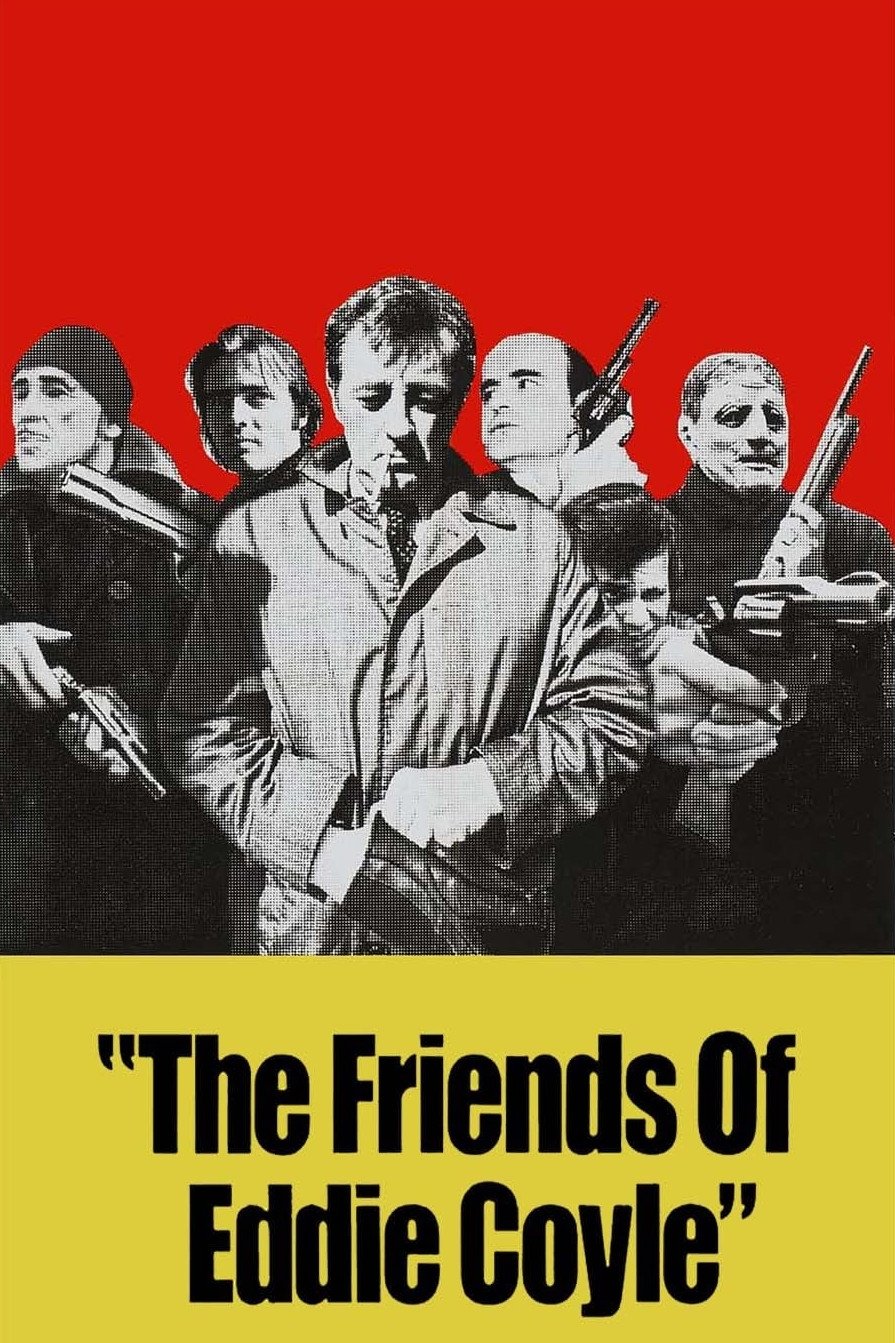
The Friends of Eddie Coyle poster

The Friends of Eddie Coyle

1973 · Another ageing criminal discovers how little loyalty his profession can afford.

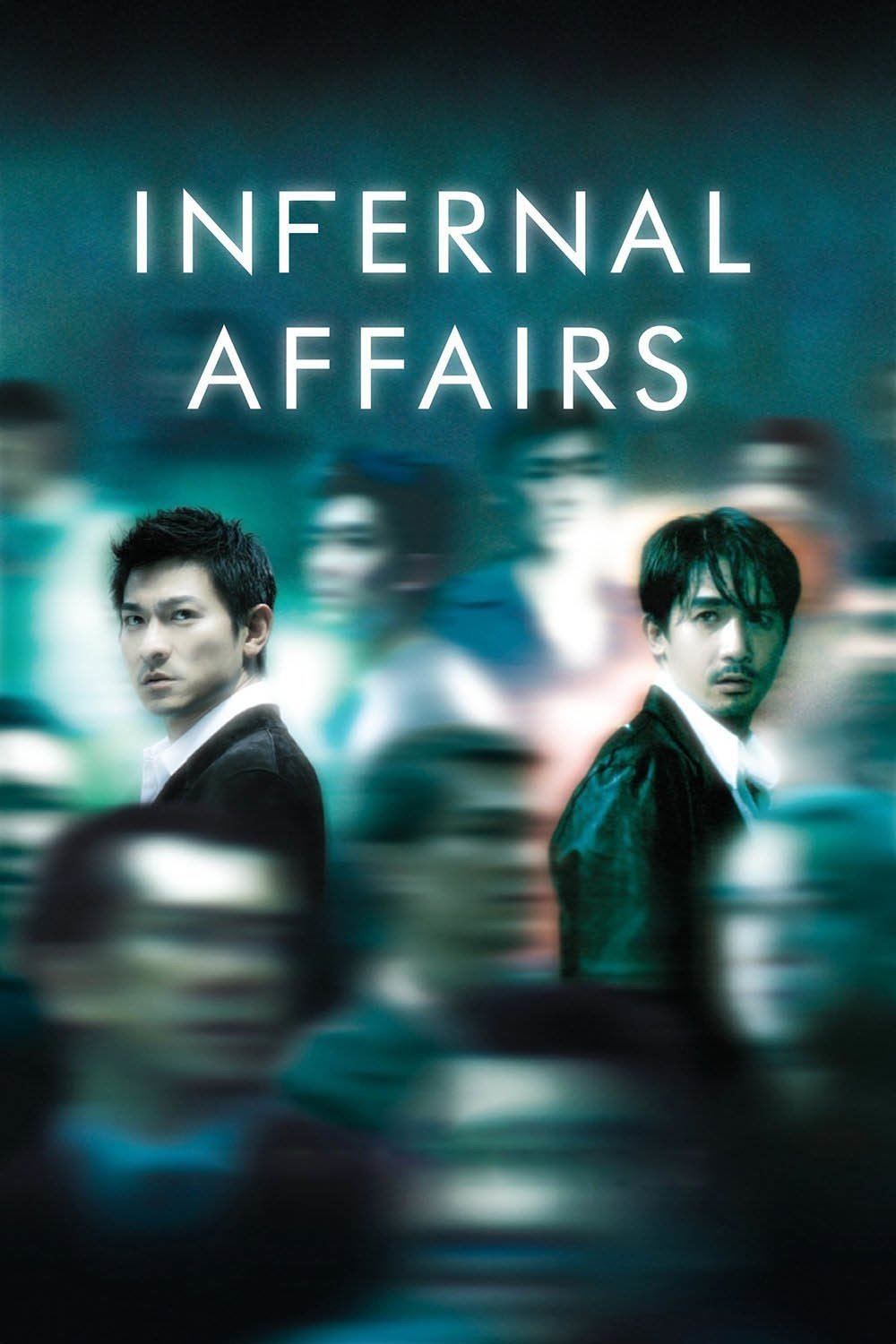
Infernal Affairs poster

Infernal Affairs

2002 · Undercover loyalties become harder to separate in a taut Hong Kong thriller.

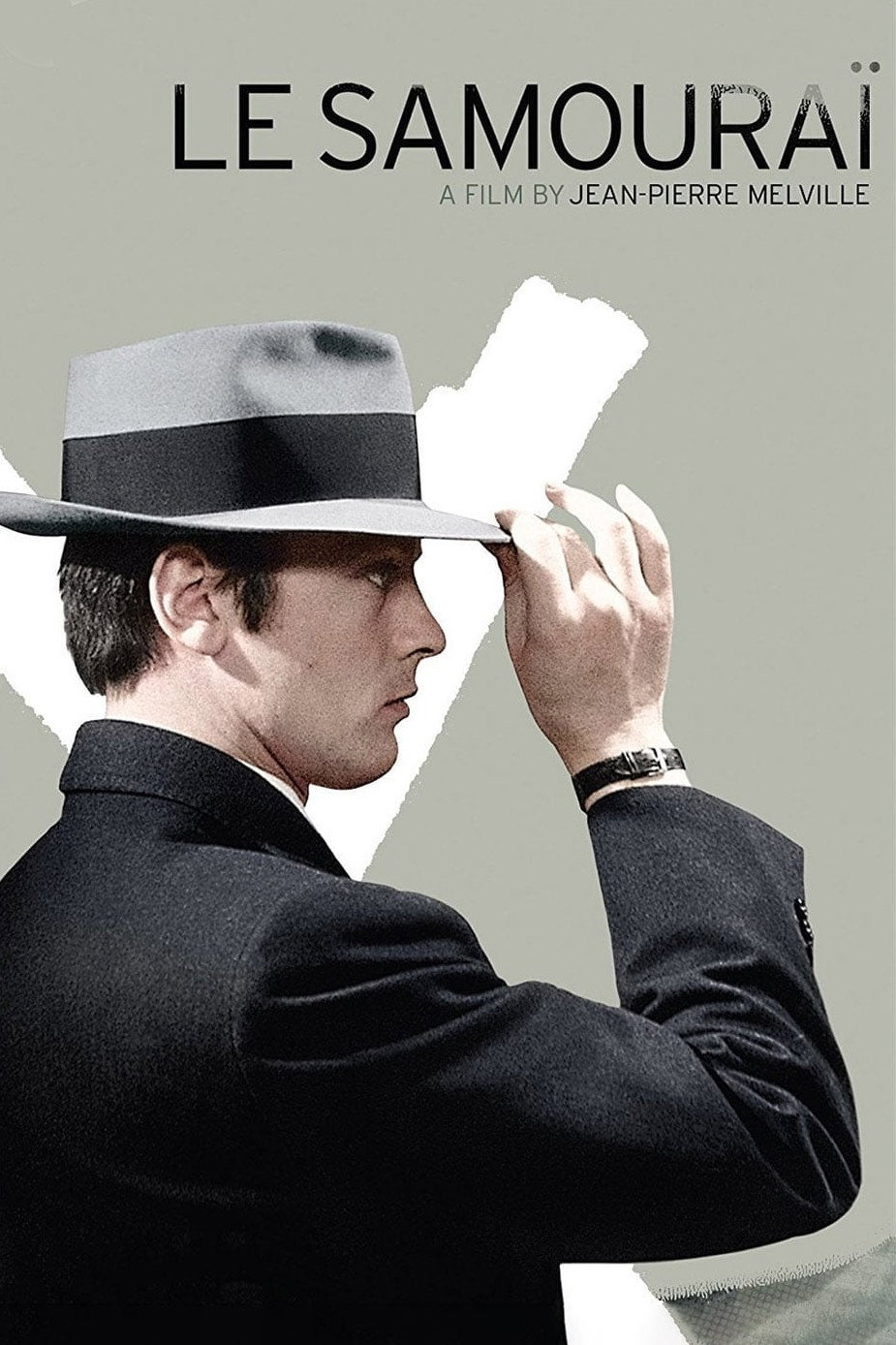
Le Samouraï poster

Le Samouraï

1967 · For another watchful performance that makes professional secrecy feel like permanent loneliness.

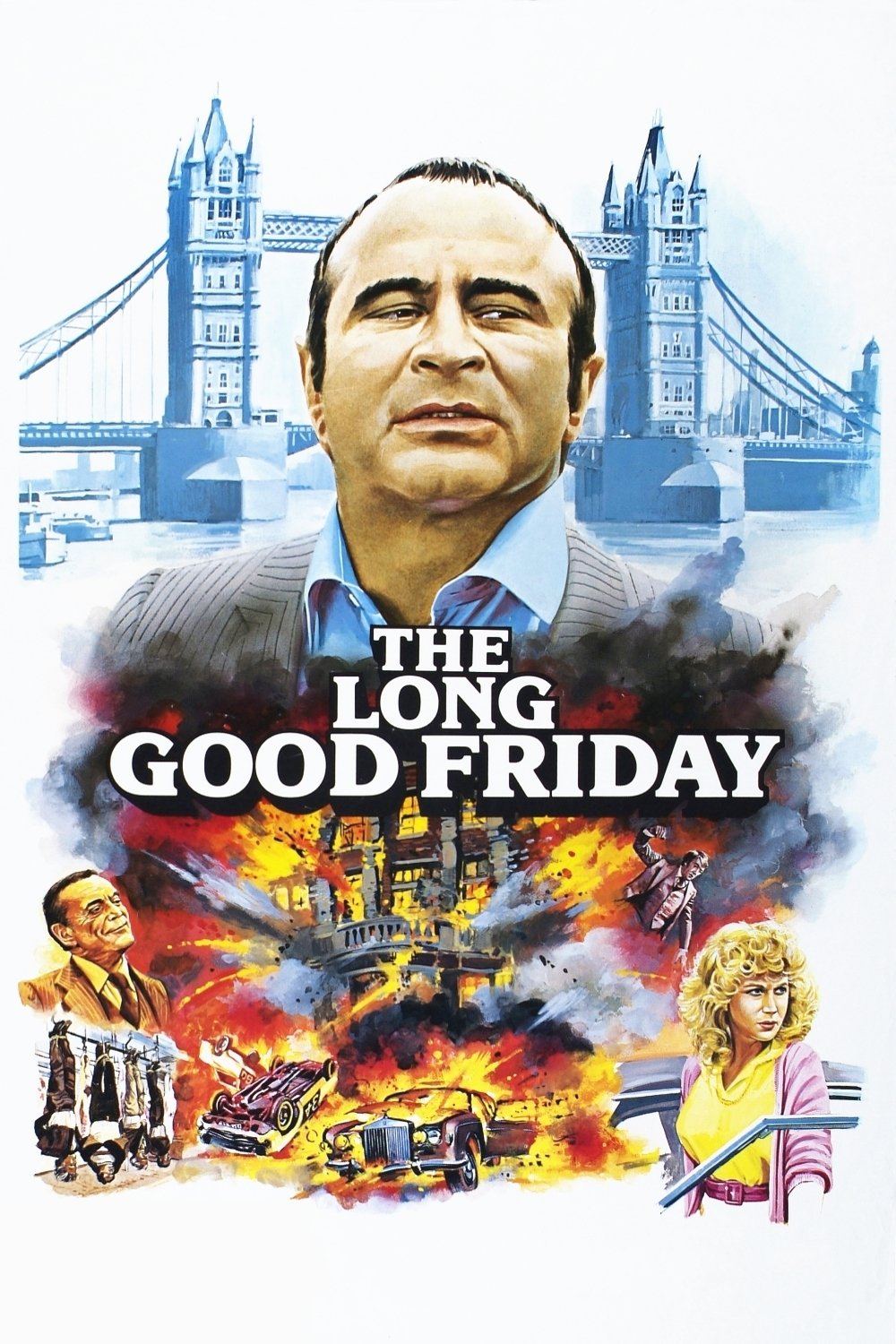
The Long Good Friday poster88

The Long Good Friday

1980 · Gangster authority looks increasingly fragile when business starts slipping out of control.

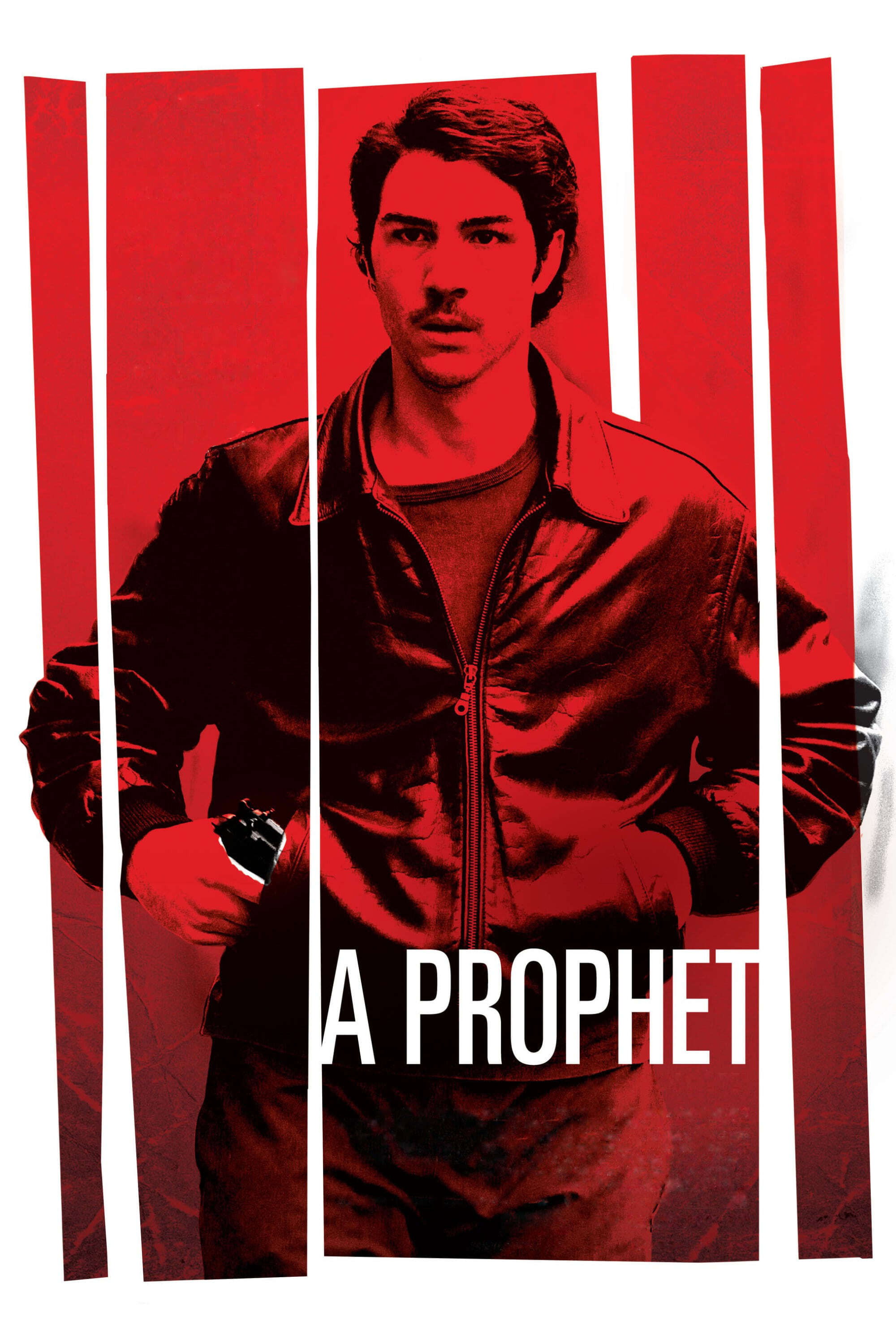
A Prophet poster

A Prophet

2009 · Prison becomes a criminal apprenticeship where every lesson carries an immediate cost.