Critics’ reviews

Far from Heaven (2002)

12 reviews from 12 publications. Critics’ score 81: 6 positive, 1 mixed, 0 negative.

Back to our review of Far from Heaven

81
Positive
6
Mixed
1
Negative
0

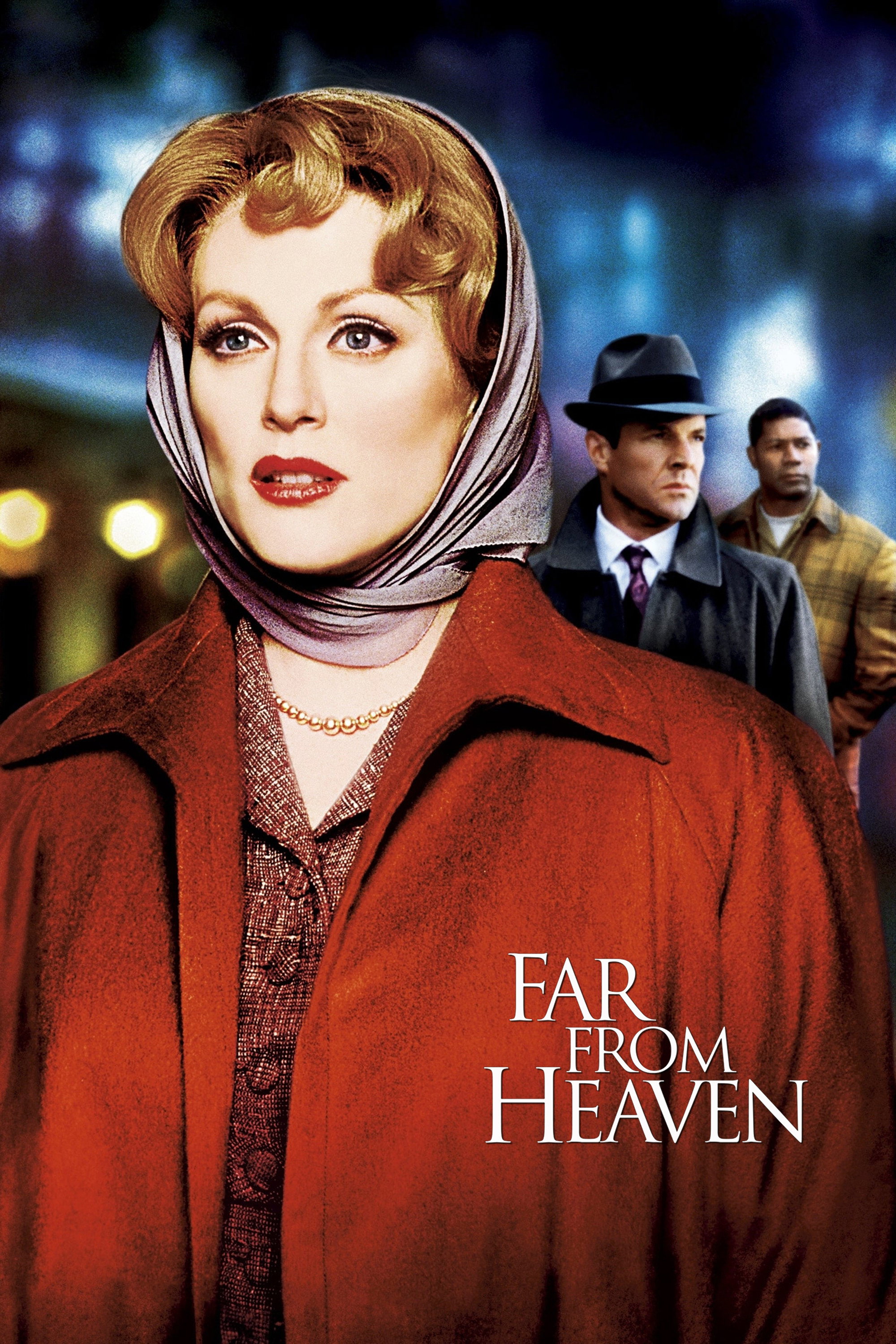
Most critics respond warmly to Todd Haynes’s return to 1950s melodrama, finding emotional force in his careful recreation of Douglas Sirk’s style. Praise centres on Julianne Moore’s portrayal of a woman whose needs remain concealed beneath social expectations, with strong support from the other performances. The colour, costumes, music and camerawork draw admiration for making repression and prejudice felt rather than merely illustrating the period. The prevailing view is that Haynes treats these characters seriously, without camp or condescension.

The disagreement concerns how much freedom the film finds within its borrowed style. Screen Daily offers the clearest reservation, arguing that the imitative homage limits its strength as a portrait of society, despite Moore’s performance and the polished finish. The New Yorker is broadly appreciative but finds the dual plot strands and occasional primness weakening the whole. Reservations remain limited beside the wider enthusiasm, though the praise is not uniform.

The Guardian
7 March 2003 · Peter Bradshaw
95*

The critic hails the film as a masterpiece and cinematic event, shifting from initial skepticism to passionate endorsement of its serious drama. He singles out the superb performances by Moore, Quaid and Haysbert, along with the emotional depth and love-letter to cinema that transcend pastiche.

Read the full review →
IndieWire
4 November 2002 · Indiewire
90*

The critic hails the film as a triumphant, audacious throwback to classic Hollywood melodrama. Haynes is praised for perfectly capturing the style and emotional depth of 1950s Sirkian cinema while updating its themes.

Read the full review →
Time Out
10 September 2012 · GA
90*

Haynes reworks Sirk's All That Heaven Allows to masterly effect in a deceptively tranquil 1950s setting, exploring taboos with humour and without condescension or camp. The extraordinary acting, along with the music, costumes and camera work, make the film quite brilliant.

Read the full review →
Sight and Sound
· Richard Falcon
80*

The critic praises Haynes' unique, unironic homage to Sirk's melodramas, noting its ravishing recreation of 1950s style and visuals that make it a compelling experience. Moore's performance as the trapped housewife is singled out as masterful in conveying concealed needs.

Read the full review →
The New Yorker
11 November 2002 · Anthony Lane
75*

Haynes delivers a high point in pastiche with precise period details and strong performances, especially Moore's nuanced portrayal, though the dual plot strands and occasional primness slightly undermine the whole.

Read the full review →
Screen Daily
4 September 2002 · festival review
60*

Haynes' painstaking recreation of Sirk's style shows prejudice remains rampant, but the film pales beside his earlier works as a portrait of society due to the limits of imitative homage. Julianne Moore is sublime, and the ravishing look and polished story will appeal to upscale audiences.

Read the full review →
Empire
· Angie Errigo

Haynes reinterprets 1950s Technicolor melodrama in the style of Douglas Sirk with remarkable confidence and subtlety, tackling homosexuality, interracial love and the oppression of women without any camp or irony. The result is a gorgeous, emotionally affecting film with magnificent performances, especially from Julianne Moore.

Read the full review →
Evening Standard
10 April 2012 · Alexander Walker

Todd Haynes reinterprets the core values of a Douglas Sirk melodrama by inserting forbidden topics of the era like homosexuality and interracial relations into a lush 1950s setting. The result is dazzling, moving and nostalgic, with Julianne Moore giving a graceful, revealing performance at its heart.

Read the full review →
Film Comment
1 September 2002 · Amy Taubin

Taubin presents Haynes’s film as a sincere, emotionally direct reworking of Sirk’s All That Heaven Allows that uses melodrama’s expressive tools to highlight shared human dilemmas and resistance to social constraints. She notes its combination of aestheticism and emotional sincerity as a deliberate contrast to contemporary cynicism.

Read the full review →
Los Angeles Times
8 November 2002 · Manohla Dargis

Haynes updates Sirkian melodrama with lush visuals and emotional depth to expose 1950s repression, delivering a generous, tear-inducing film anchored by Moore's extraordinary, heart-breaking performance.

Read the full review →
The New York Times
8 November 2002 · NYT Critic’s Pick · A. O. Scott

The film is an ardent tribute to 1950s Sirk melodramas, rediscovering aching humanity in the genre through its stylized visual and aural textures that comment on repressed desires and social pretense.

Read the full review →
Eye for Film
5 March 2003 · Angus Wolfe Murray
80*

The film exaggerates 1950s social conformity to examine prejudice around race and sexuality through a housewife's story. Moore's performance is heart-stoppingly wonderful and the use of color and seasons as metaphor is effective.

Read the full review →

Ordered by the weight we give each publication, then by score. Scores are normalised to 100; * means inferred from an unrated review. Summaries are ours, not quotations; follow the links for the reviews themselves. How we rate