Todd Haynes’s 1950s melodrama is richly made and unexpectedly painful, with Julianne Moore making politeness almost unbearable. Its parallel stories can feel too neatly arranged, but we recommend it warmly for the performances and the feeling behind them.
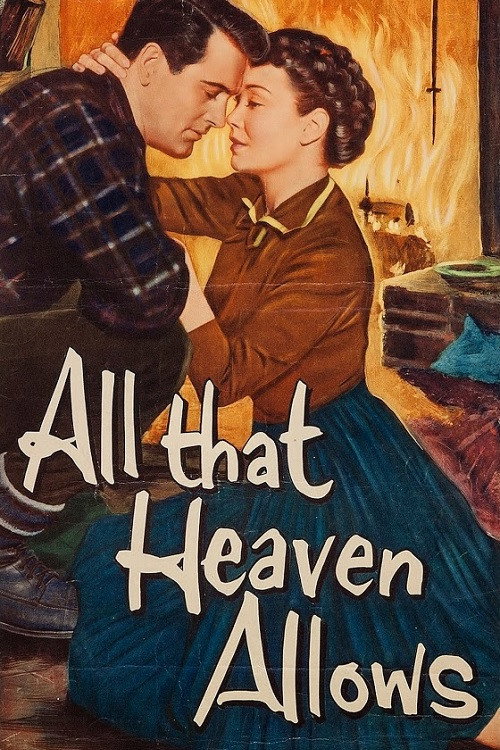
Todd Haynes’s Far from Heaven is a moving melodrama whose careful manners make its cruelty harder to bear. It returns to the 1950s world of Douglas Sirk’s All That Heaven Allows, bringing homosexuality and interracial love into a story of social conformity. Haynes treats the old-fashioned style seriously, without inviting us to congratulate ourselves on being less repressed. We recommend it warmly, with one reservation: the two stories sometimes fit together so neatly that we notice the writing.
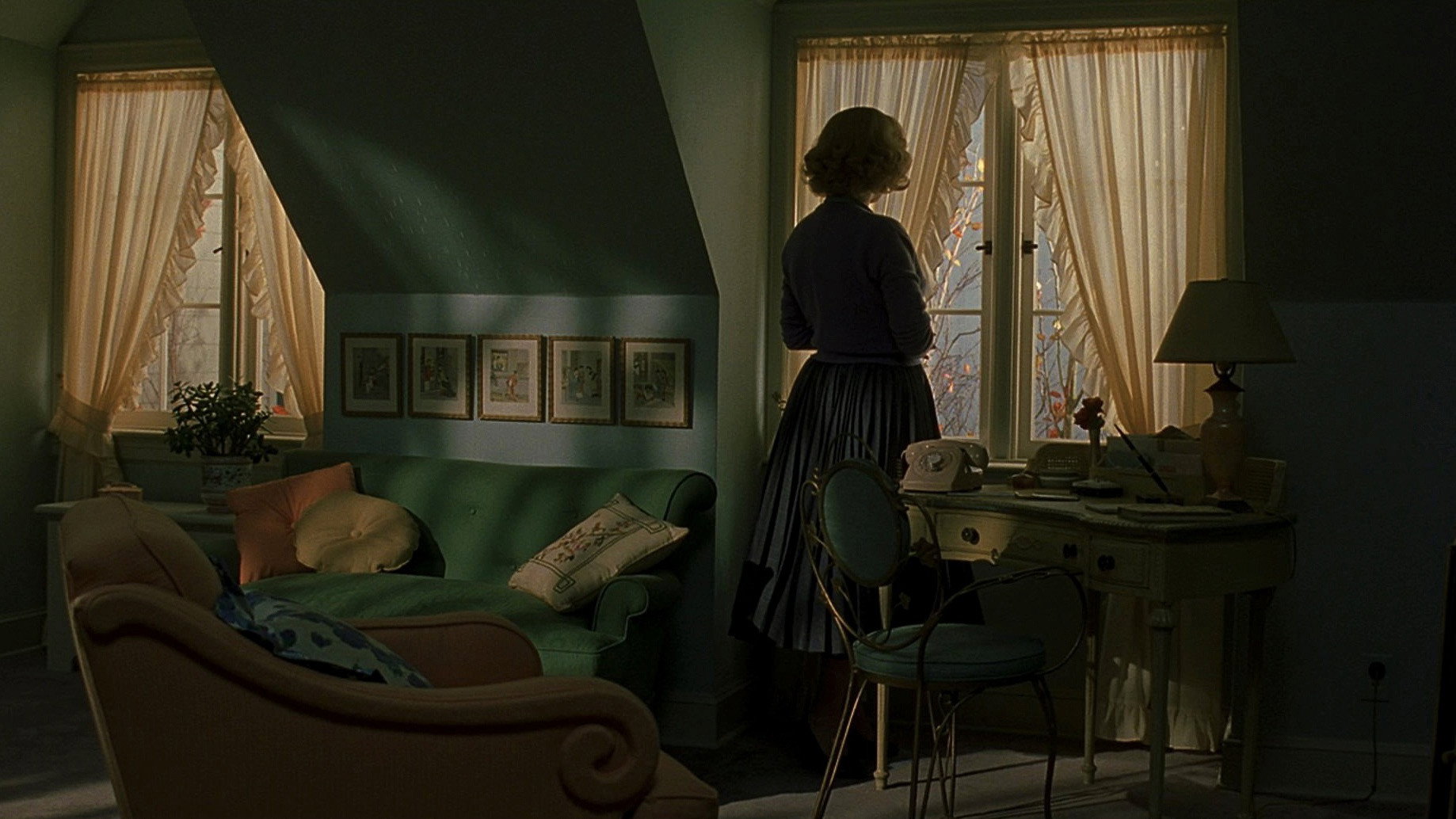
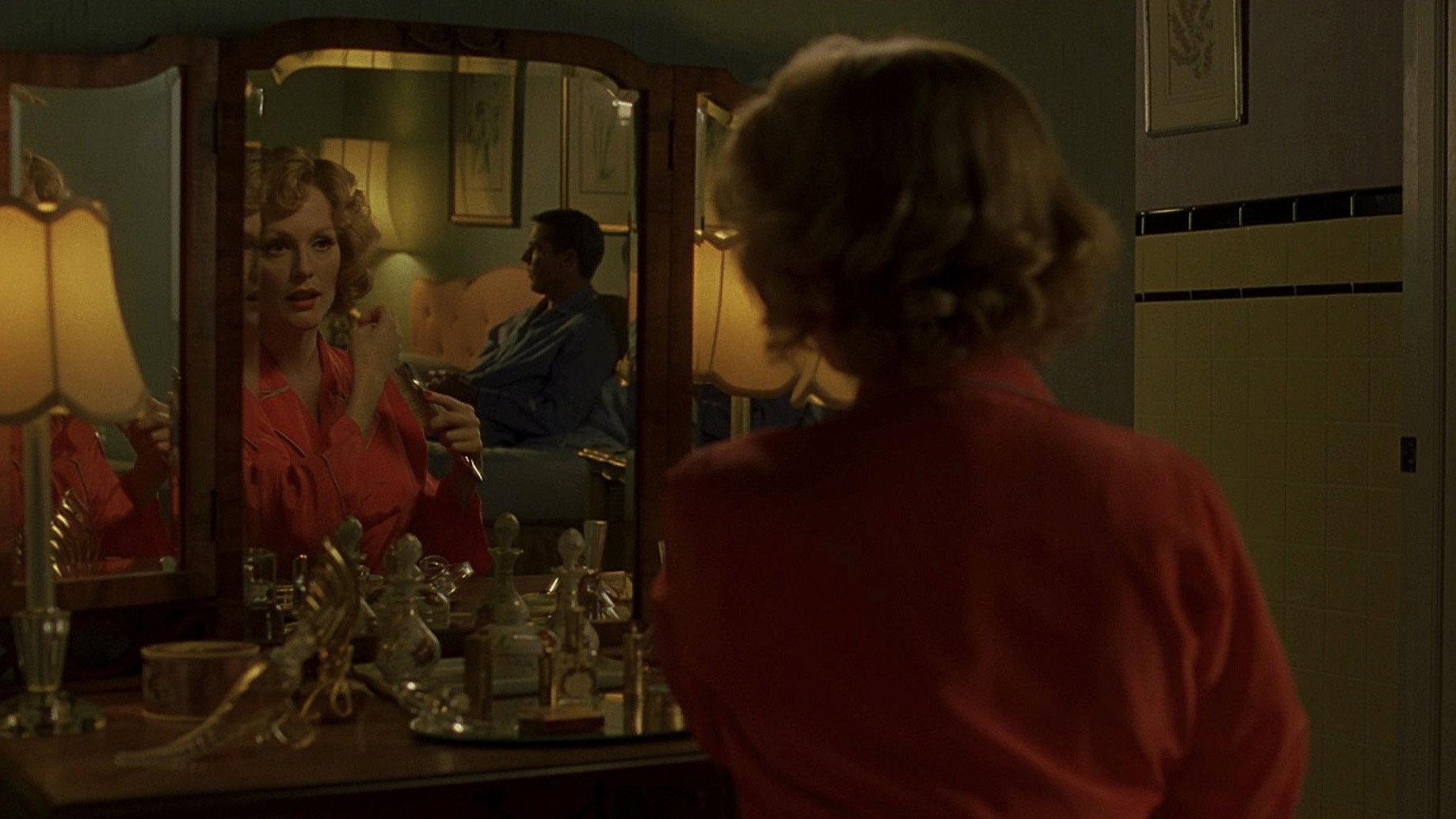
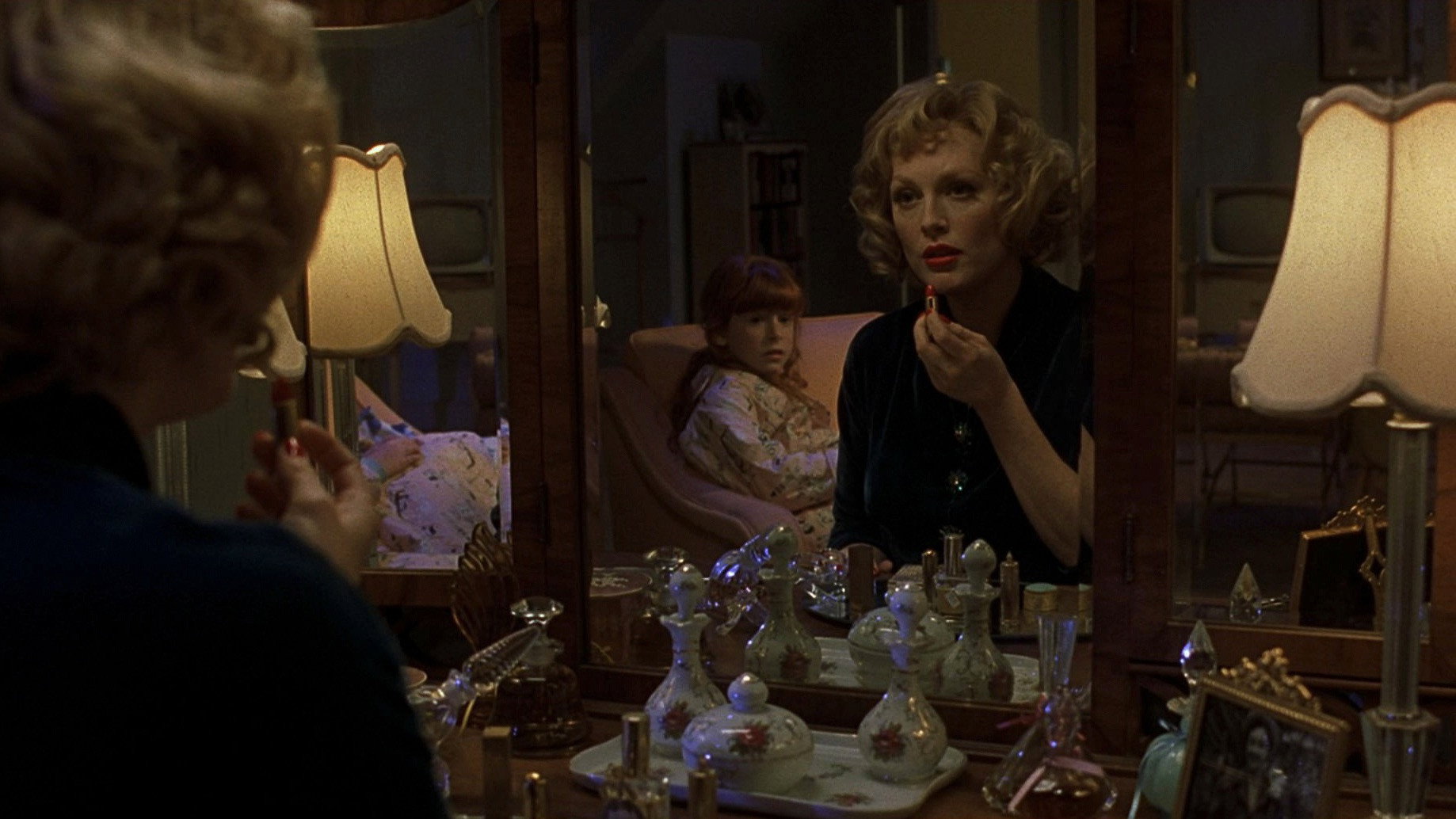
Julianne Moore plays Cathy Whitaker, a housewife accustomed to putting a civil face on needs that have nowhere acceptable to go. Moore makes that composure difficult to watch, because being agreeable takes so much effort. We were moved more than we expected by her attempts to remain gracious while her unhappiness shows through. She lets us see how urgently Cathy wants something to change without making her seem secretly free of the rules she lives by.
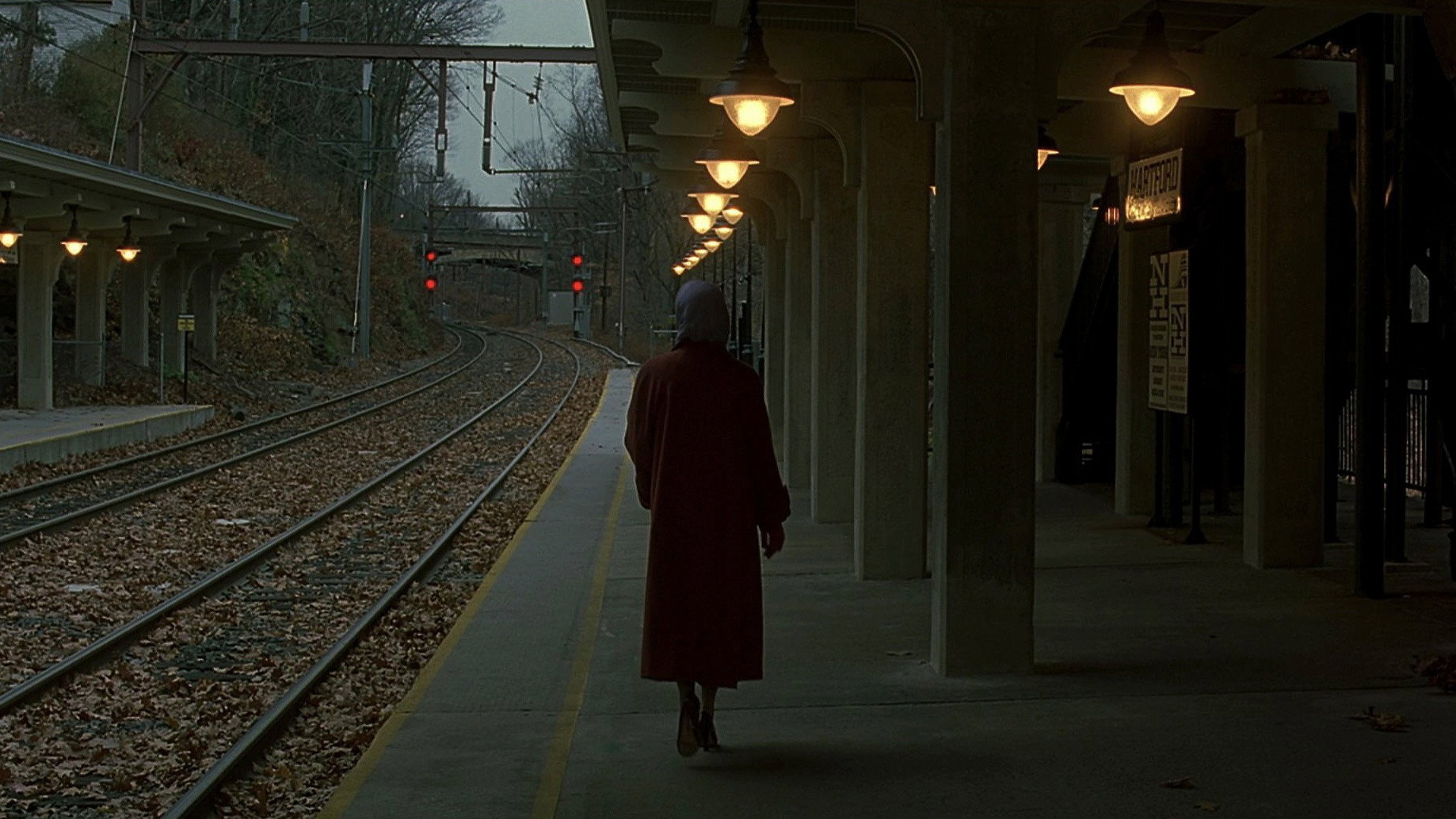
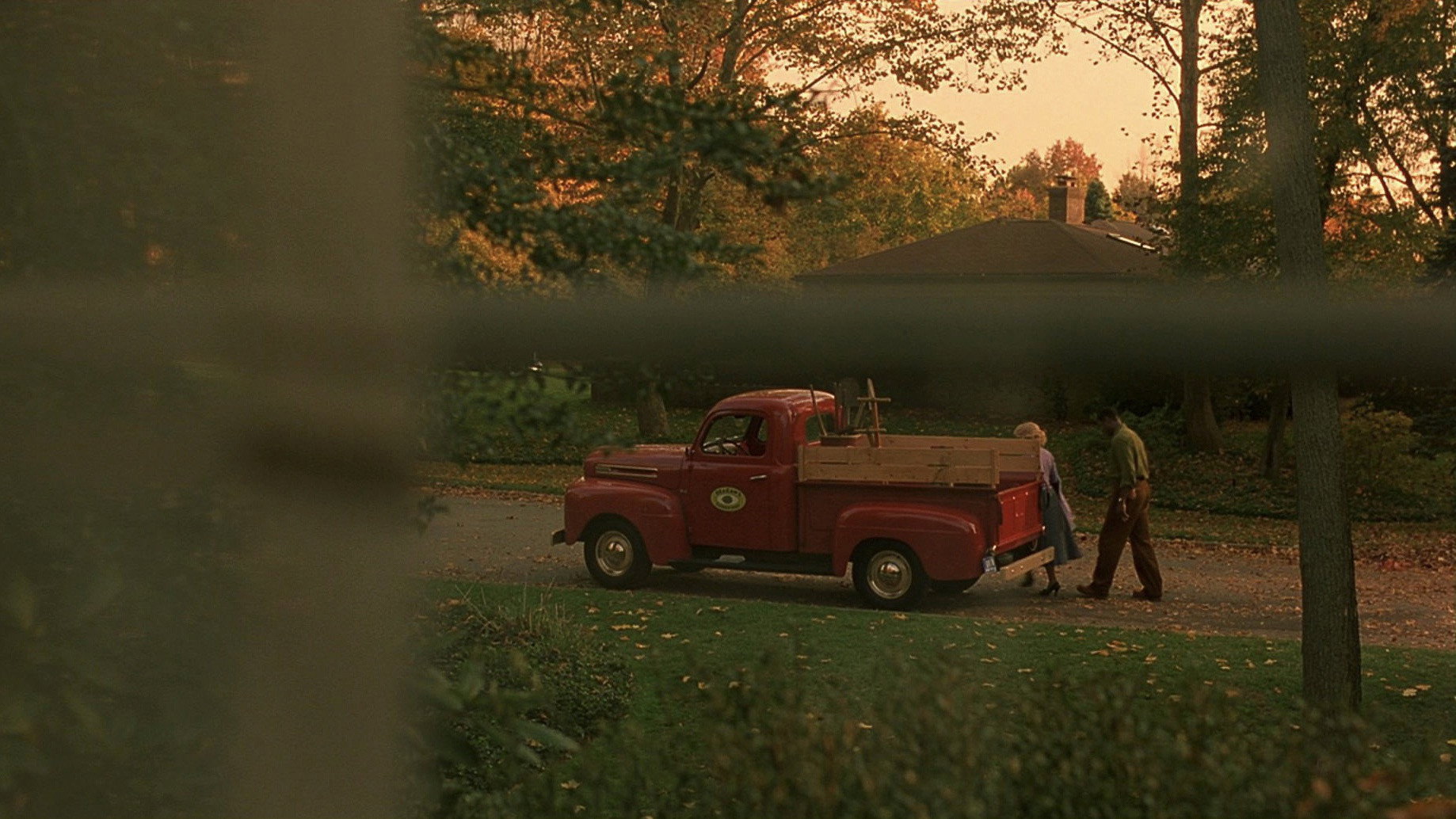
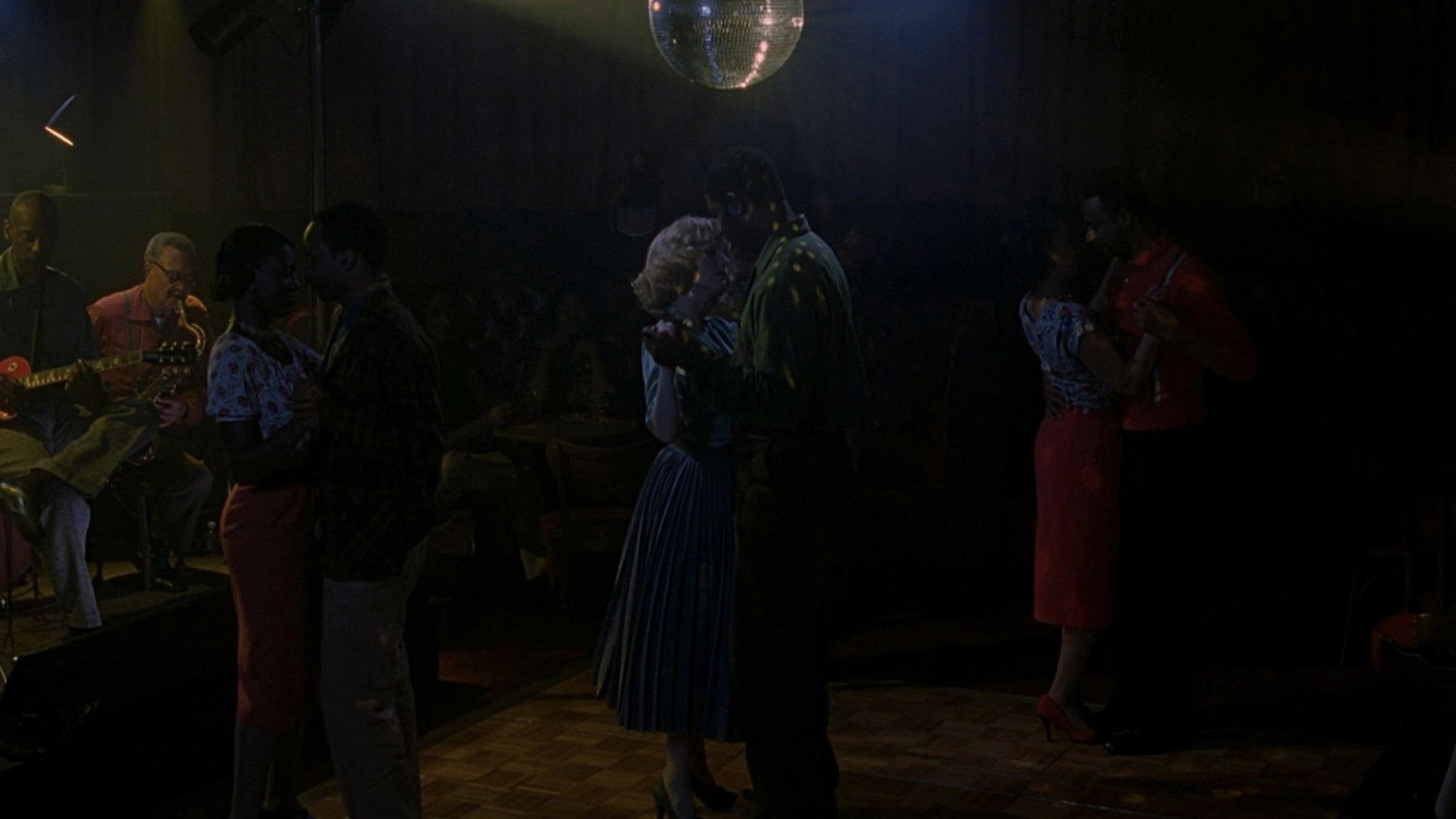
Edward Lachman’s cinematography gives the changing seasons an emphatic colour that could easily overwhelm the people. Moore’s restraint keeps our attention on Cathy, however elaborate the surroundings become. Mark Friedberg’s production design and Sandy Powell’s costumes make the period’s respectability look painstakingly maintained. The clothes and settings help explain why Cathy keeps trying to belong: this is an attractive way to live, provided her wants stay manageable. Haynes allows us to feel that attraction before asking what it costs her.
Dennis Quaid, as Frank Whitaker, makes repression feel like something difficult to live with every day. That matters when the writing could so easily turn a person into a social problem. Dennis Haysbert’s Raymond Deagan has a gentleness that allows us to believe in the possibility of happiness, however tightly the story limits it. Their performances keep the film from becoming simply a display of Moore’s suffering, and Haynes gives neither actor a reason to wink at the period.
Elmer Bernstein’s score is open about the sorrow that the characters struggle to acknowledge. Its directness suits a film in which so much unhappiness has to be concealed. James Lyons’s editing gives the performances room while keeping the two strands of the story clear. The pace feels deliberate without becoming sluggish, and 107 minutes is enough to let the distress build without making the experience punishing.
The trouble is how neatly those strands are arranged. Haynes’s screenplay sometimes seems too intent on making homosexuality and interracial love illustrate the same point about conformity, though the pressures involved are not interchangeable. We wanted a little more room for Frank and Raymond to be difficult in ways that did not serve the comparison. That faint primness is the film’s limitation, and it is most noticeable when the acting makes us wish the writing would loosen up.
The film belongs to a tradition in which sorrow need not be quiet to be taken seriously. Haynes expects us to accept the strong colour and the expressive music without keeping a superior distance from the people. There is no film-history homework required. Choose it when there is time to sit quietly afterwards.