Critics’ reviews

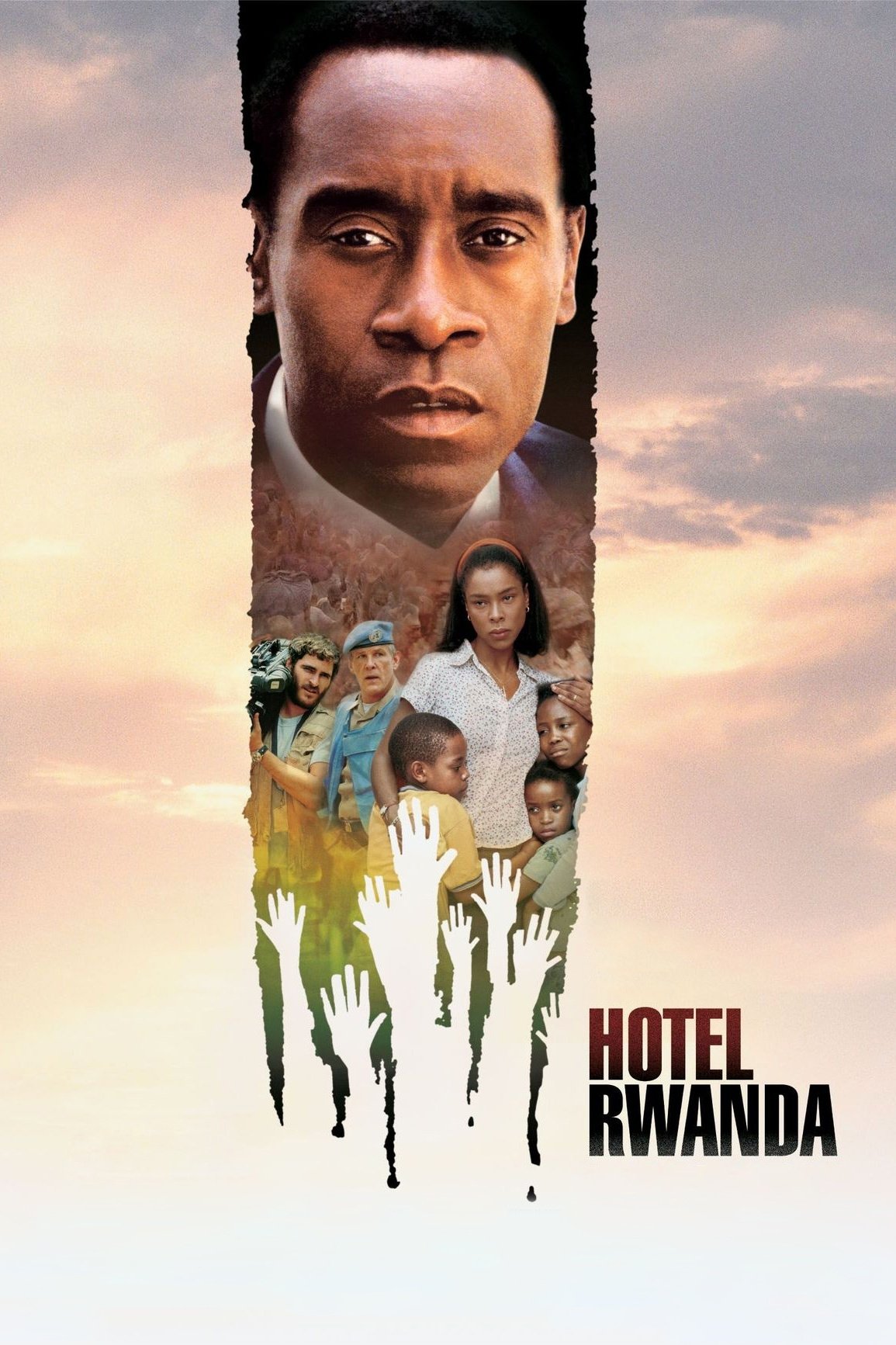
Hotel Rwanda (2004)

13 reviews from 13 publications. Critics’ score 73: 9 positive, 2 mixed, 1 negative.

Back to our review of Hotel Rwanda

73
Positive
9
Mixed
2
Negative
1

Most critics find Hotel Rwanda a gripping, emotionally forceful drama, with praise centred on Don Cheadle’s humane performance as hotel manager Paul Rusesabagina. The reviews repeatedly credit him with giving the story depth through quiet competence and personal relationships. For many, the focus on one man’s efforts to shelter refugees makes the genocide comprehensible without attempting to encompass it, while bringing international inaction sharply into view.

The disagreement concerns what that focus leaves out, and the spread of opinion is wide. Some critics value the straightforward storytelling and restraint; others find the plotting tidy, the characterisation conventional and the emotion too insistently managed. Variety credits Cheadle with adding dimension but finds the structure awkward and the staging flat. Slant Magazine offers the sharpest dissent, arguing that routine suspense and sentiment replace meaningful engagement with the historical and political context.

RogerEbert.com
21 December 2004 · ★★★★/4 · Roger Ebert
100

The film focuses on hotel manager Paul Rusesabagina saving 1,200 lives through quiet competence and situational ethics rather than depicting the full genocide. It succeeds as riveting drama thanks to strong performances by Don Cheadle and Nick Nolte showing how individuals respond heroically in impossible situations.

Read the full review →
Empire
· Dan Jolin
85*

The critic praises the film's intense depiction of the Rwandan genocide through the story of hotel manager Paul Rusesabagina saving over a thousand lives. They single out Don Cheadle's nuanced, humane central performance and the raw emotional impact that leaves viewers humbled and angry at Western inaction.

Read the full review →
Radio Times
★★★★ · Sloan Freer
80

Don Cheadle delivers the performance of his career in this gut-wrenching drama about a hotel manager saving over 1,200 lives during the Rwandan genocide. The film gives a human face to the horrors with realism and straightforward style, though occasional manipulation is noted.

Read the full review →
Screen Daily
20 September 2004 · festival review
80*

Terry George's gripping fact-based drama focuses on the human story of Paul Rusesabagina rather than politics, making it accessible and restrained while evoking The Killing Fields and Schindler's List. It maintains good pace, avoids cheap sentimentality, and highlights the historical tragedy and quiet bravery through solid performances.

Read the full review →
The New York Times
22 December 2004 · Stephen Holden
80*

The wrenching political thriller based on fact lends a human face to the 1994 Rwandan genocide and hammers emotional buttons while showing media-driven mass murder left unchecked. It concentrates on real-life hero Paul Rusesabagina and his efforts to shelter refugees in the hotel.

Read the full review →
Evening Standard
10 April 2012 · Derek Malcolm
75*

The critic calls the true story riveting and essential viewing for its reminder of international failure during the genocide. They highlight the sincere direction and strong performances by Don Cheadle and Sophie Okonedo while noting some stylistic roughness and an ill-suited role for Nick Nolte.

Read the full review →
Los Angeles Times
22 December 2004
70*

The brave film about horrific events moves viewers especially due to Don Cheadle's performance of a lifetime, while refusing to stint on showing the blood lust and atrocities. Focusing on a hero gives audiences an out by emphasizing the triumph of the human spirit over the terrible human cost.

Read the full review →
Time Out
10 September 2012 · NB
70*

The film tells the true story of Paul Rusesabagina sheltering refugees at his hotel during the Rwandan genocide, with Don Cheadle carrying the narrative as a convenient audience proxy whose conscience awakens. The critic notes a tension between the heroics and wider themes but finds tidiness in stock characterizations and plotting that detracts from the impact.

Read the full review →
The Guardian
25 February 2005 · Xan Brooks
60*

The film slams the West's inaction during the 1994 Rwandan genocide while saluting one man's efforts to save lives. It excels early on with a surreal, nightmarish tension but buckles later under the weight of its subject, resorting to chases and forcing the wife character into a damsel role.

Read the full review →
Slant Magazine
5 November 2004 · Ed Gonzalez
30*

The critic finds the film sincere but misguided, reducing the Rwandan genocide to a rote suspense thriller modeled on Schindler's List that fails to illuminate the historical and political context. It prioritizes generating cheap suspense and sentiment over substantive engagement with the events.

Read the full review →
Variety
15 September 2004 · festival review · Scott Foundas

The ineffectual film only partly rectifies the problem of the little-known Rwandan genocide by simplifying it to a story about the resilience of the human spirit. It is lent dimension by Don Cheadle’s exquisitely crafted lead performance but undermined by awkward structure and flat staging.

Read the full review →
Paste
31 January 2005 · J. Robert Parks
80*

The critic calls Hotel Rwanda a gripping film that bears witness to a historic tragedy and one man's bravery. They single out the focus on the hotel manager's personal relationships and efforts to save refugees as a way to draw viewers in emotionally.

Read the full review →
Eye for Film
25 February 2005 · Amber Wilkinson
65*

The critic finds it a solid film with compelling performances from Don Cheadle and Sophie Okonedo, praising the true story of everyday heroism and its importance in highlighting Western racism toward Africa. However, the direction is criticized for being too glossy and sanitized, avoiding the full grit of the violence and giving the film an over-romanticized edge.

Read the full review →

Ordered by the weight we give each publication, then by score. Scores are normalised to 100; * means inferred from an unrated review. Summaries are ours, not quotations; follow the links for the reviews themselves. How we rate