Film review

Hotel Rwanda

2004 · Directed by Terry George · 2h 02m · MPA PG-13

In a sentenceA hotel manager proves more useful than the international community

DramaHistoryWar

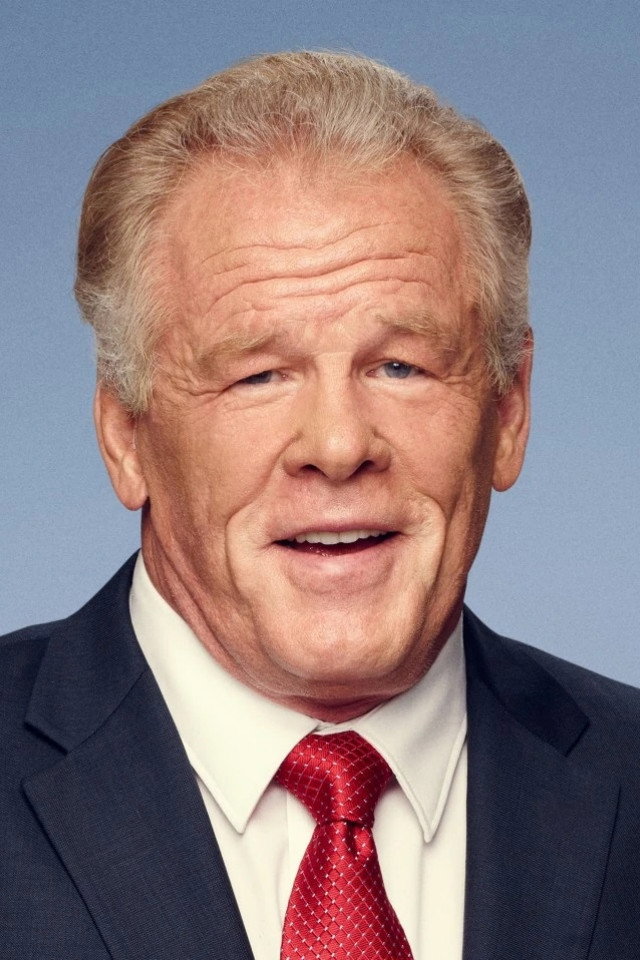
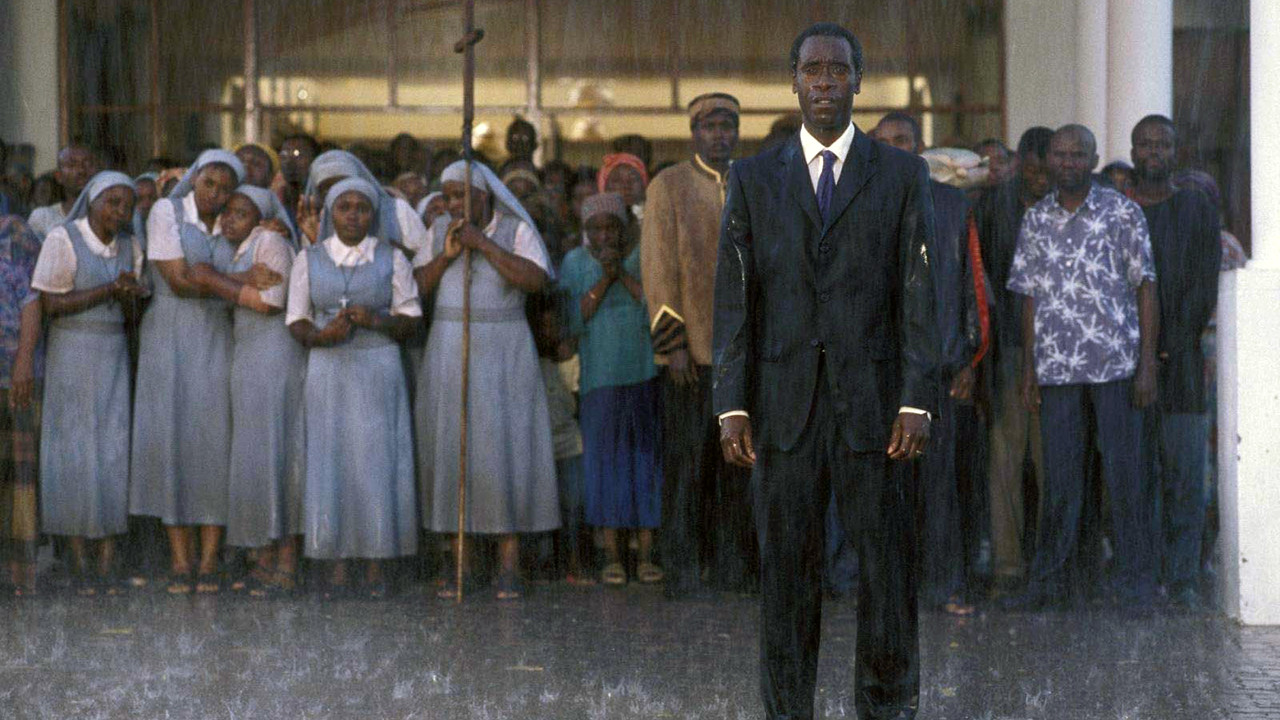
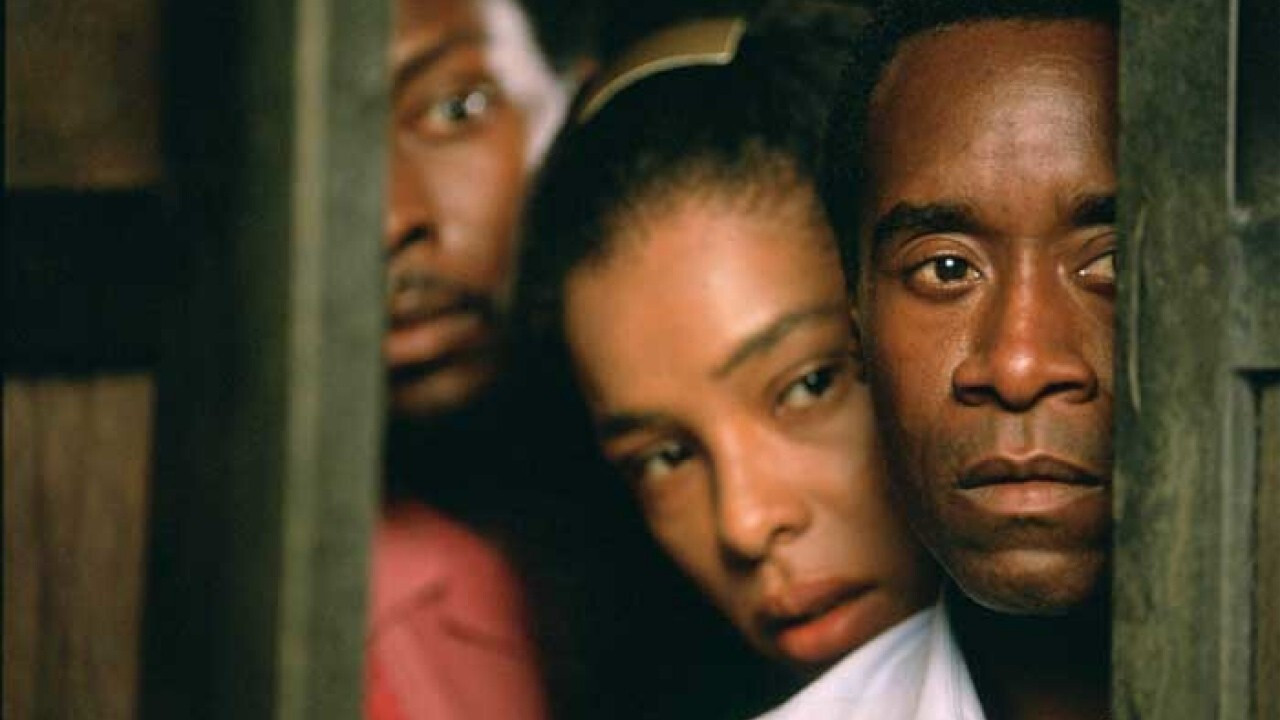
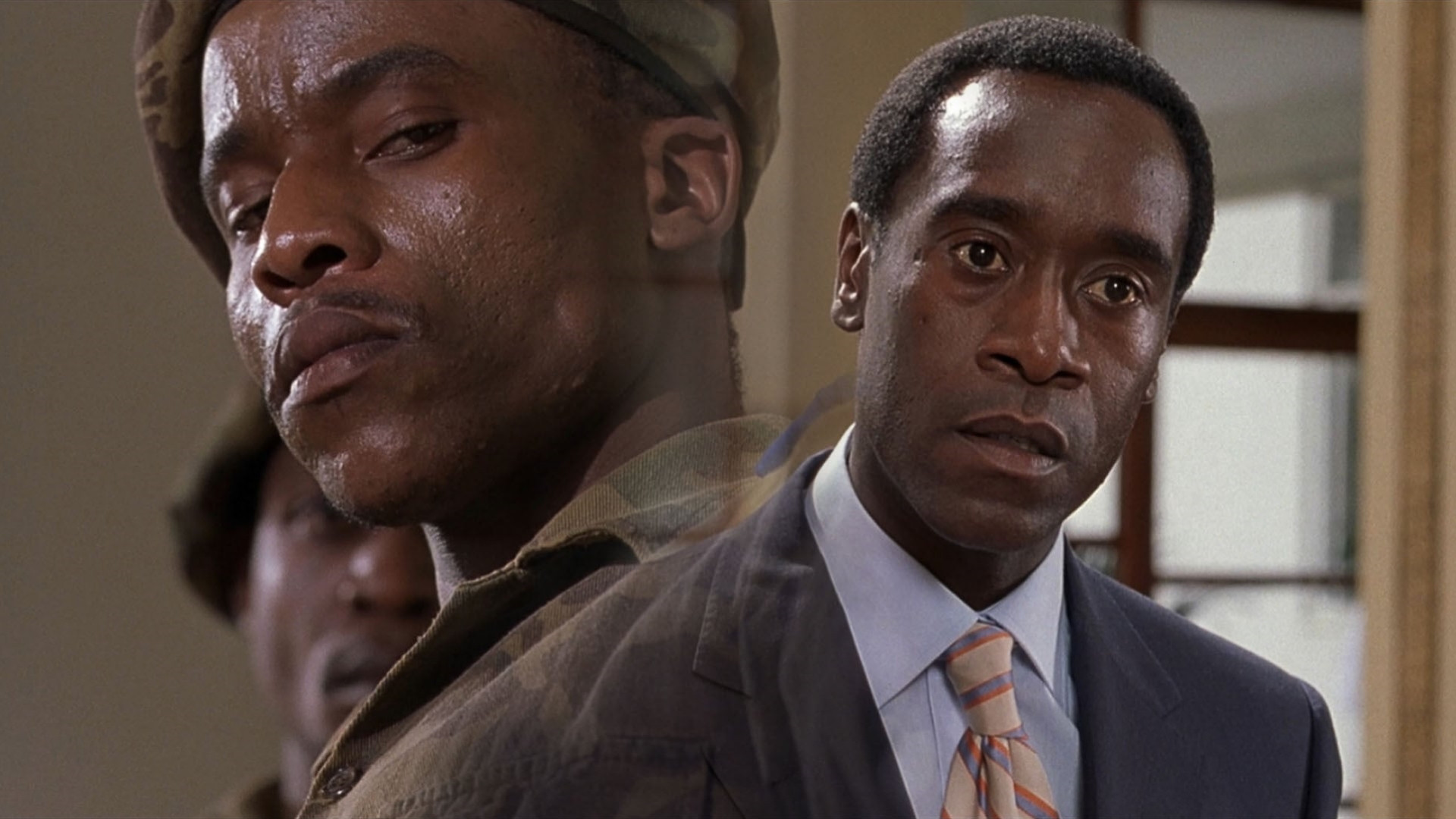
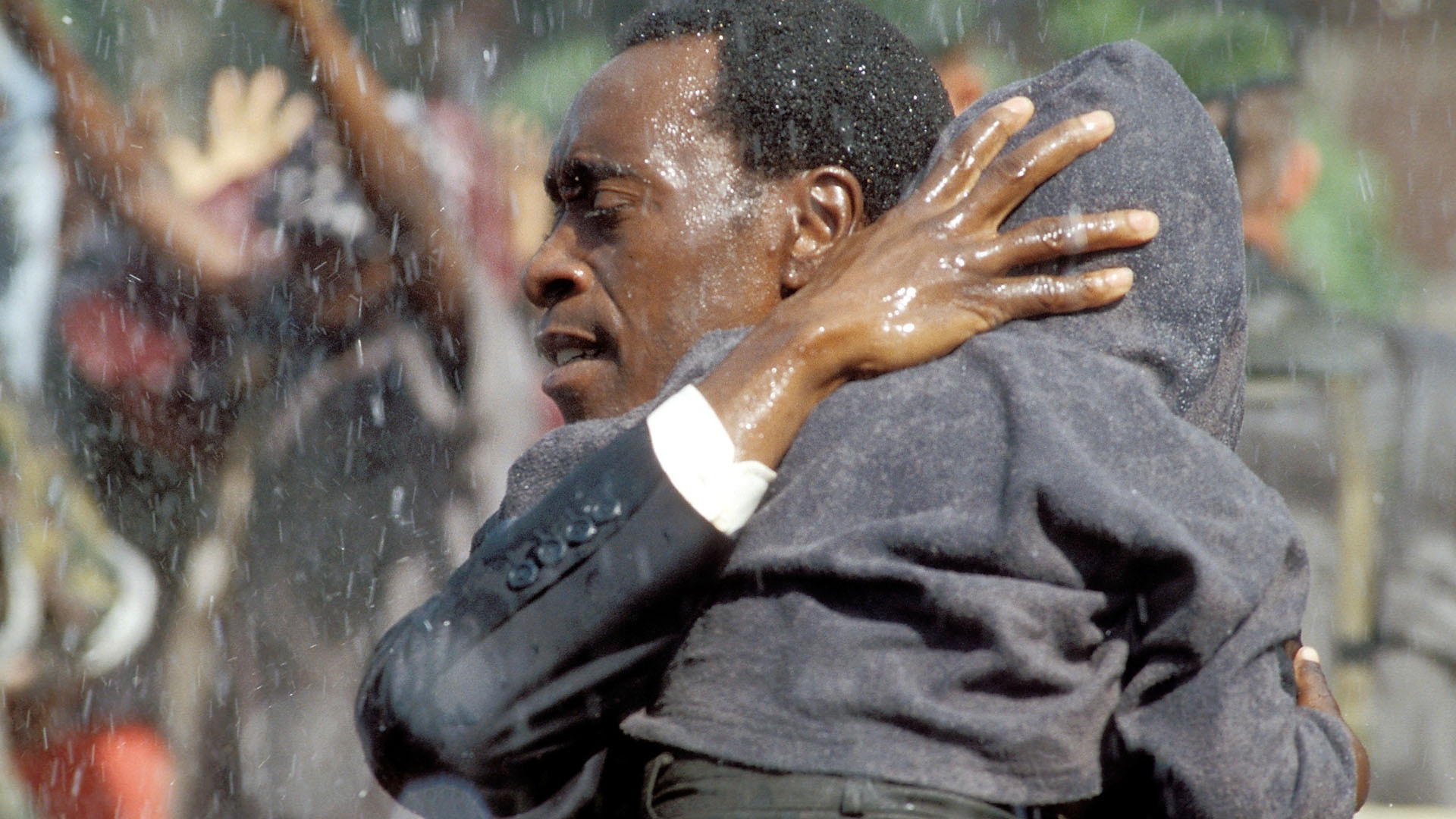
In 1994, hotel manager Paul Rusesabagina (Don Cheadle) faces the Rwandan genocide while trying to protect his wife, Tatiana (Sophie Okonedo), and shelter refugees at his hotel. His work places him between people seeking safety and those who can decide whether they receive it. Paul draws on his professional skills and personal relationships as mass violence continues and the international response fails those in danger. Terry George directs this fact-based drama, which follows the manager’s efforts rather than attempting to tell the whole history of the genocide. Nick Nolte plays Colonel Oliver.

Plays from YouTube when you press play; nothing loads from them until then.

Fi1m review

Don Cheadle’s restrained performance makes Hotel Rwanda a gripping account of practical courage. Terry George’s drama is worth seeing, though its familiar suspense and thin political explanation limit what it tells us about the genocide.

Terry George’s Hotel Rwanda is a gripping, imperfect drama, worth seeing for the care Don Cheadle brings to its central character. It approaches the Rwandan genocide through a hotel manager trying to keep people alive, rather than offering a comprehensive history. That is a reasonable choice, and often an effective one. Paul Rusesabagina has professional skills and personal connections, and the film makes those useful under appalling pressure. We believe in the work he is doing.

Cheadle understands how much this story depends on making Paul credible before making him admirable. His restraint lets us see practical judgement at work, with the effort to shelter refugees growing out of his experience of managing people. We were moved by the sight of a man using the skills of his working life to protect others. Cheadle makes the responsibility feel exhausting without asking us to applaud every decent decision, and the film is at its strongest when it stays close to him.

Sophie Okonedo gives Tatiana a seriousness that makes the marriage matter beyond its usefulness to the suspense. The writing does not always return the favour. Keir Pearson and George too often use her vulnerability to increase Paul’s difficulties, narrowing a performance that suggests a person with concerns of her own. Okonedo keeps her credible even when the script reduces her to someone whose danger gives her husband another problem to solve.

Robert Fraisse’s cinematography favours a clear, polished view of events, which serves the storytelling but sometimes softens its severity. The images can feel too comfortable to look at, given what they depict. Johnny Breedt and Tony Burrough’s production design helps establish the hotel as a workplace that Paul understands and can use to help others. That practical quality matters: the drama depends on our accepting that a manager’s knowledge of people and routines could become a means of protection.

Naomi Geraghty’s editing maintains urgency, although the increasing reliance on chases gives parts of the film the shape of a conventional suspense thriller. These passages hold the attention, but they also make the danger feel more familiar than it should. The music by Martin Russell, Rupert Gregson-Williams and Andrea Guerra can be too eager to insist on the sadness of what we are watching. Cheadle and Okonedo have already made that plain, and the extra encouragement feels unnecessary.

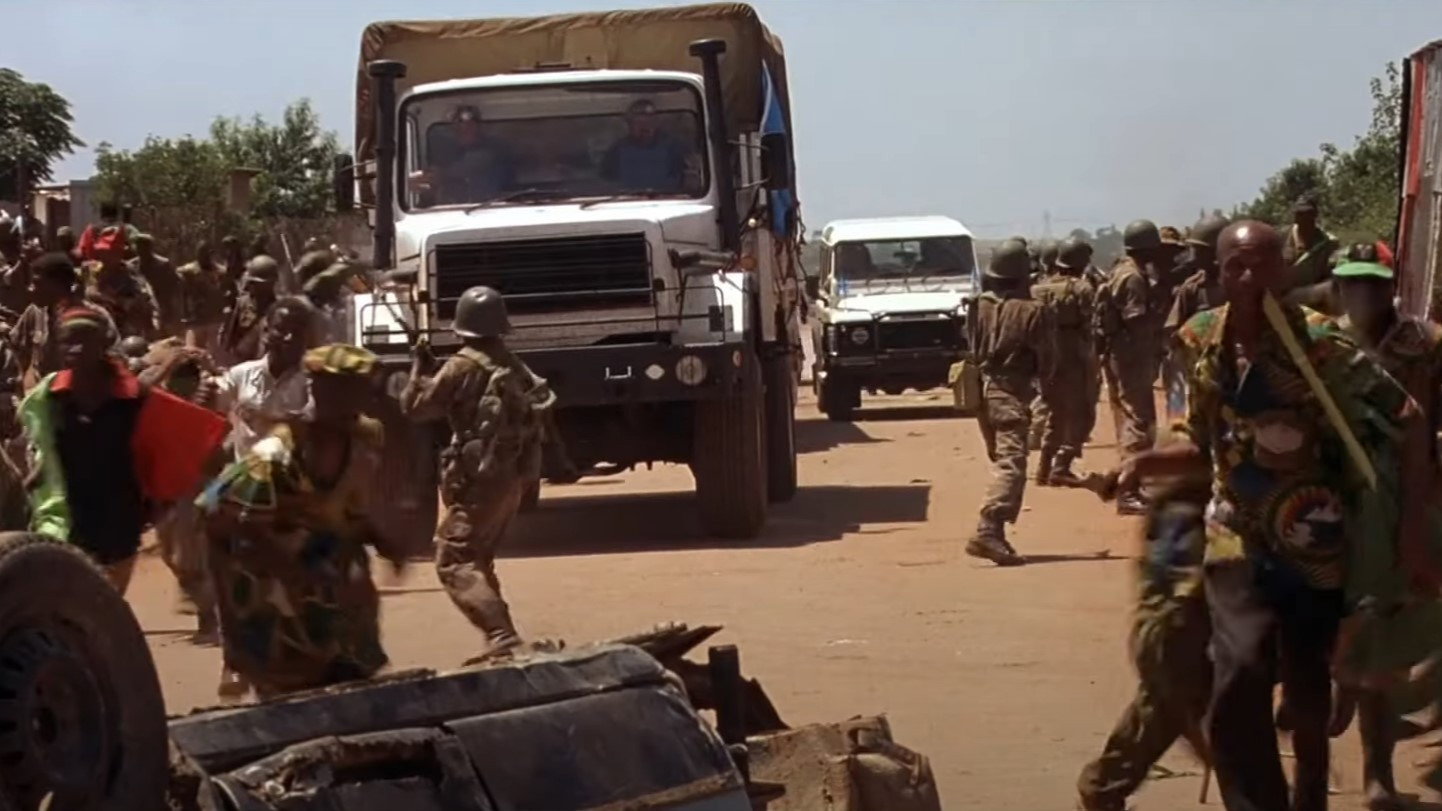
The larger weakness is in Pearson and George’s treatment of history. By concentrating so closely on one man’s efforts, they leave the political circumstances thinly explained and give the surrounding characters less room to become people. The film makes international inaction infuriating, but it is less effective at explaining the circumstances in which the killing takes place. Its accessibility is valuable, though viewers coming to the subject without prior knowledge will have substantial questions left unanswered.

A rescue drama needs to make us care about particular people without suggesting that their experience tells us everything we need to know. George does not fully solve that problem, and the film’s tidiness is a real limitation. His attention to Paul’s everyday abilities nevertheless gives Cheadle something substantial to play, and the performance sustains our interest through the more conventional passages. See it for Cheadle and Okonedo, but allow time afterwards to learn more about the history.
Critical consensus AI synthesised

73
Positive
9
Mixed
2
Negative
1

Most critics find Hotel Rwanda a gripping, emotionally forceful drama, with praise centred on Don Cheadle’s humane performance as hotel manager Paul Rusesabagina. The reviews repeatedly credit him with giving the story depth through quiet competence and personal relationships. For many, the focus on one man’s efforts to shelter refugees makes the genocide comprehensible without attempting to encompass it, while bringing international inaction sharply into view.

The disagreement concerns what that focus leaves out, and the spread of opinion is wide. Some critics value the straightforward storytelling and restraint; others find the plotting tidy, the characterisation conventional and the emotion too insistently managed. Variety credits Cheadle with adding dimension but finds the structure awkward and the staging flat. Slant Magazine offers the sharpest dissent, arguing that routine suspense and sentiment replace meaningful engagement with the historical and political context.

RogerEbert.com
21 December 2004 · ★★★★/4 · Roger Ebert
100

The film focuses on hotel manager Paul Rusesabagina saving 1,200 lives through quiet competence and situational ethics rather than depicting the full genocide. It succeeds as riveting drama thanks to strong performances by Don Cheadle and Nick Nolte showing how individuals respond heroically in impossible situations.

Read the full review →
Empire
· Dan Jolin
85*

The critic praises the film's intense depiction of the Rwandan genocide through the story of hotel manager Paul Rusesabagina saving over a thousand lives. They single out Don Cheadle's nuanced, humane central performance and the raw emotional impact that leaves viewers humbled and angry at Western inaction.

Read the full review →
Radio Times
★★★★ · Sloan Freer
80

Don Cheadle delivers the performance of his career in this gut-wrenching drama about a hotel manager saving over 1,200 lives during the Rwandan genocide. The film gives a human face to the horrors with realism and straightforward style, though occasional manipulation is noted.

Read the full review →
Screen Daily
20 September 2004 · festival review
80*

Terry George's gripping fact-based drama focuses on the human story of Paul Rusesabagina rather than politics, making it accessible and restrained while evoking The Killing Fields and Schindler's List. It maintains good pace, avoids cheap sentimentality, and highlights the historical tragedy and quiet bravery through solid performances.

Read the full review →
The New York Times
22 December 2004 · Stephen Holden
80*

The wrenching political thriller based on fact lends a human face to the 1994 Rwandan genocide and hammers emotional buttons while showing media-driven mass murder left unchecked. It concentrates on real-life hero Paul Rusesabagina and his efforts to shelter refugees in the hotel.

Read the full review →
Evening Standard
10 April 2012 · Derek Malcolm
75*

The critic calls the true story riveting and essential viewing for its reminder of international failure during the genocide. They highlight the sincere direction and strong performances by Don Cheadle and Sophie Okonedo while noting some stylistic roughness and an ill-suited role for Nick Nolte.

Read the full review →

Cast

Stills

Awards

Academy Awards, 2005

Nominated
Best Actor
Nominated
Best Supporting Actress
Nominated
Best Writing, Original Screenplay

European Film Award for Best Composer, 2005

Won
European Film Award for Best Composer

Producers Guild Stanley Kramer Award, 2005

Won
Producers Guild Stanley Kramer Award

If you liked this, try…

The Killing Fields poster

The Killing Fields

1984 · Another intimate account of mass violence, with friendship keeping the history personal.

Quo Vadis, Aida? poster

Quo Vadis, Aida?

2020 · For a sharper account of institutional failure and the desperate work of protection.

The Official Story poster

The Official Story

1985 · A domestic drama that refuses to keep political violence outside the family.

To Live poster

To Live

1994 · Family life under political upheaval, observed with patience and a harsher humour.

The Pianist poster87

The Pianist

2002 · Survival seen through practical necessities, with less reassurance about what suffering means.