Film review

The Pianist

2002 · Directed by Roman Polanski · 2h 30m · MPA R

In a sentenceSitting down at a piano should not feel like asking too much

DramaWar

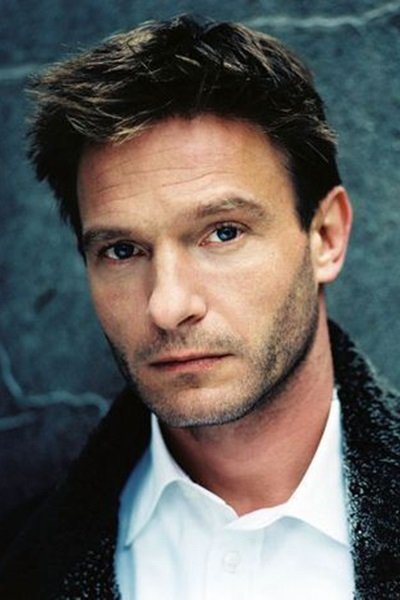
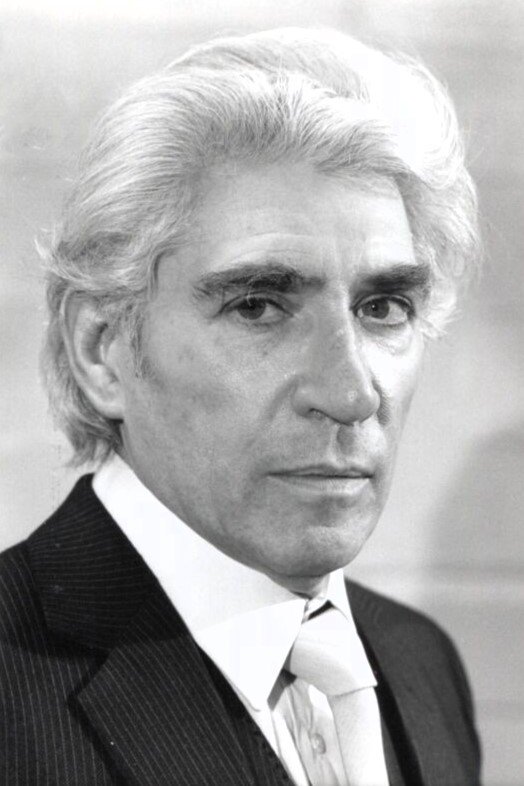
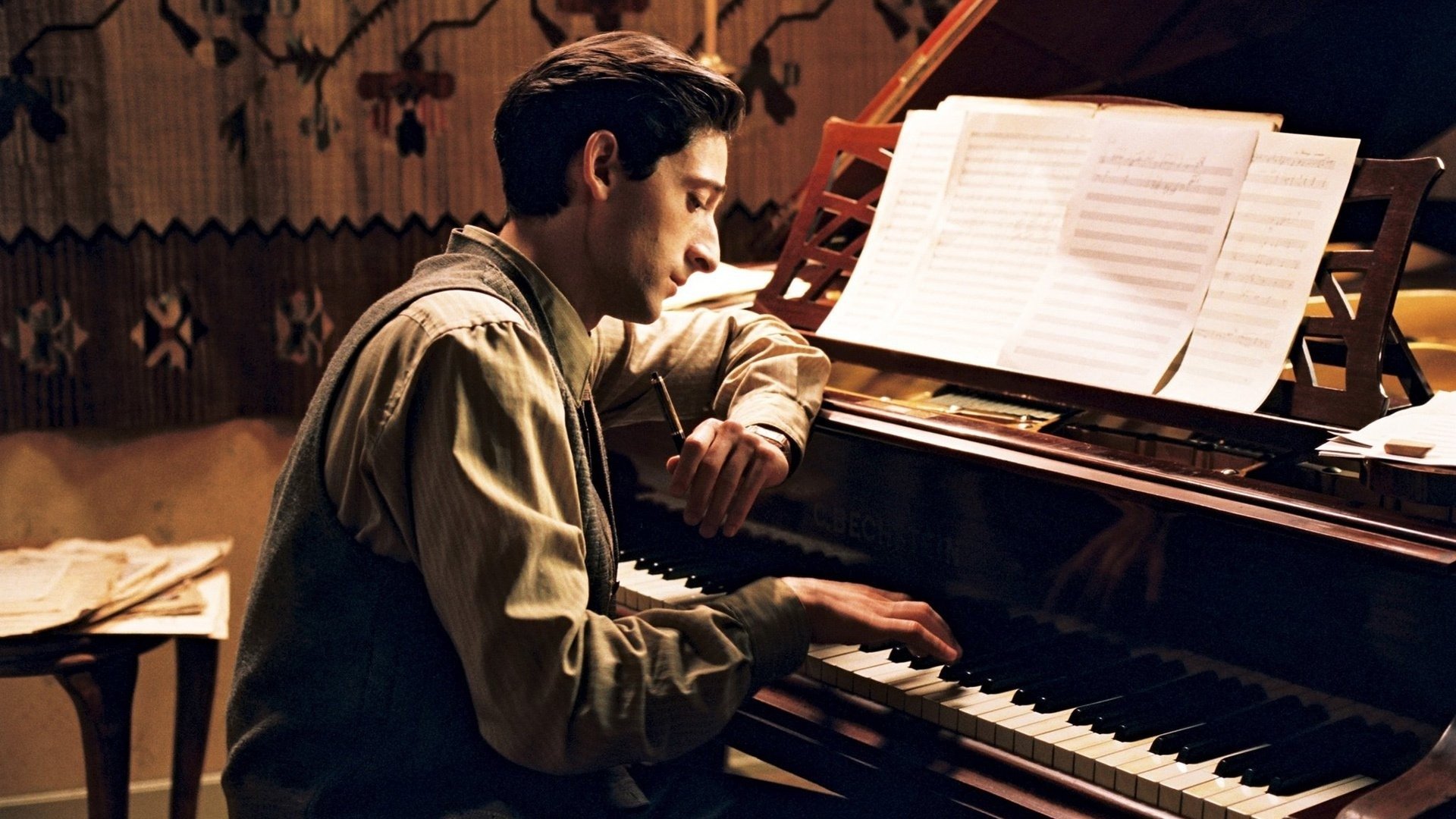
Władysław Szpilman (Adrien Brody) is a Jewish pianist in Warsaw as the city comes under Nazi occupation. He and his family face restrictions that steadily narrow their lives, while the creation of the ghetto changes where and how they can live. Frank Finlay and Maureen Lipman play his parents, with Ed Stoppard, Julia Rayner and Jessica Kate Meyer as Henryk, Regina and Halina Szpilman. The film follows Szpilman’s efforts to endure the occupation, as music and ordinary family life become increasingly difficult to sustain.

Plays from YouTube when you press play; nothing loads from them until then.

Fi1m review

Roman Polanski’s Holocaust drama is powerful and patient, with Adrien Brody making the effort of staying alive painfully visible. The early family dialogue is stiff, but the film’s restraint makes its violence harder to bear.

Roman Polanski’s The Pianist is a powerful, patient film about surviving Nazi occupation, with an opening stretch that is less assured than what follows. It asks us to stay close to Władysław Szpilman, a Jewish musician in Warsaw, without making his survival a reward for courage or talent. Luck matters, and the violence does not arrive according to any fair or comprehensible rule. At 150 minutes, it gives that uncertainty time to become oppressive, though some of the early dialogue could have been shorter.

Ronald Harwood’s screenplay is most awkward when it is arranging the family and explaining their circumstances. Frank Finlay and Maureen Lipman, as Szpilman’s parents, help give those early scenes a recognisable domestic scale, but the exchanges sometimes sound prepared for our benefit. There is affection here, and a useful sense of people trying to continue a conversation while everything around them changes. We wanted to know them better before the script asked them to explain so much. The film earns its seriousness more convincingly once there is less talk.

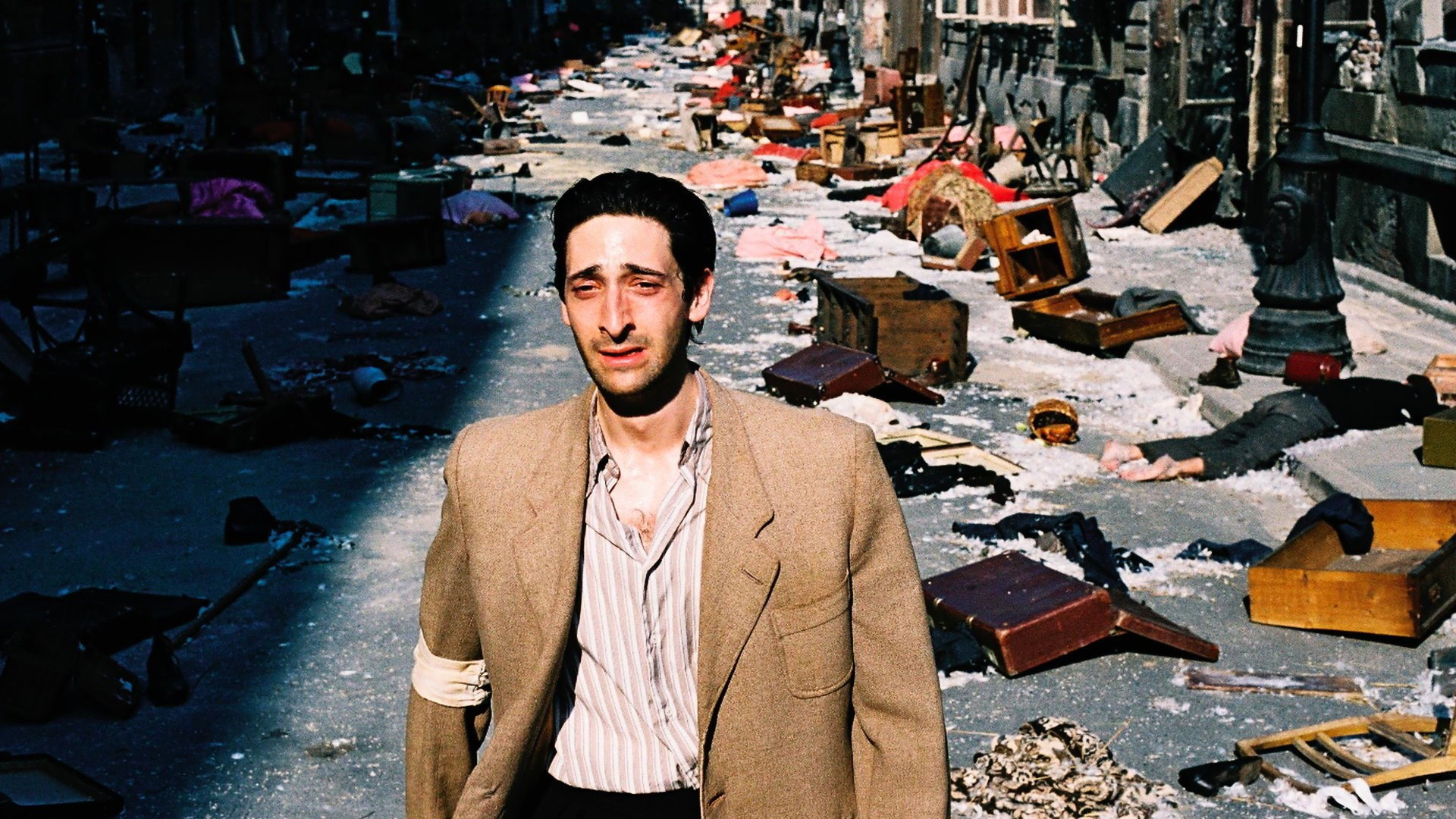
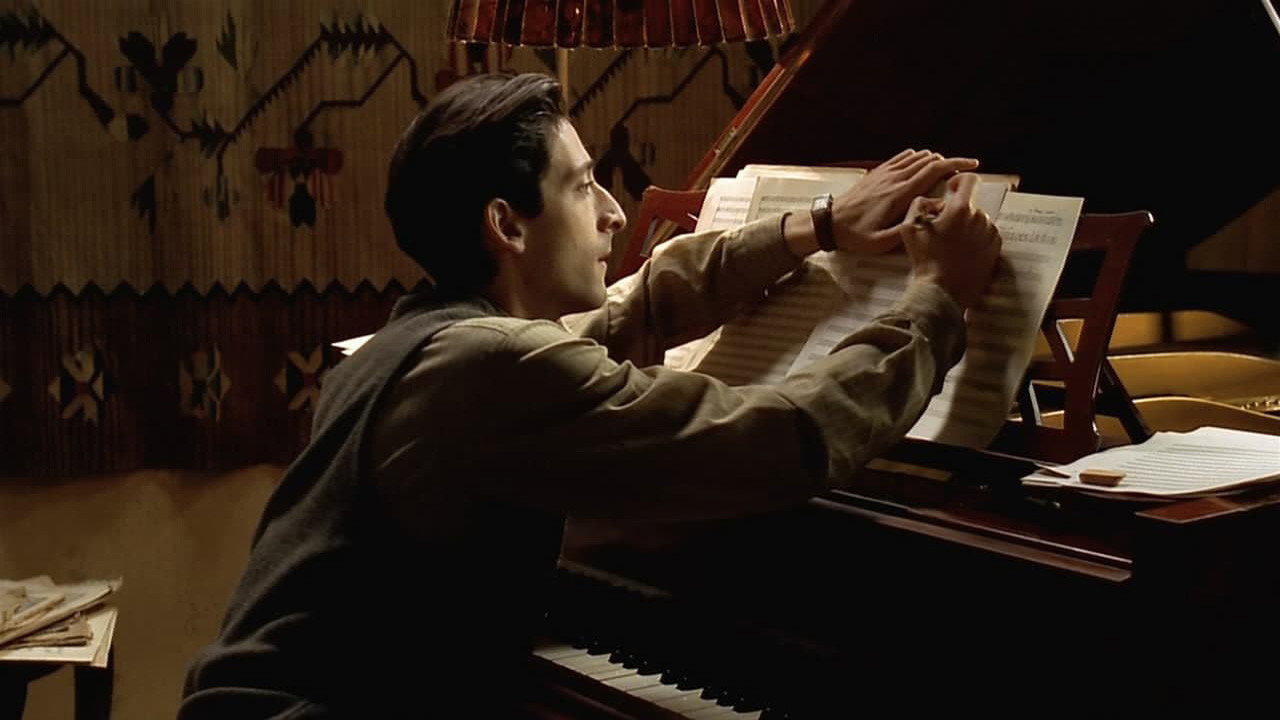
Adrien Brody gives Szpilman a reserve that can initially look like a shortage of character. He does not keep signalling what we should admire, and his physical performance gradually becomes more telling than anything he says. We were distressed by his increasing frailty: the effort of simply remaining alive becomes visible in his body. There is no need for a speech to tell us what has been taken from him. Brody makes endurance feel laborious, uncertain and exhausting.

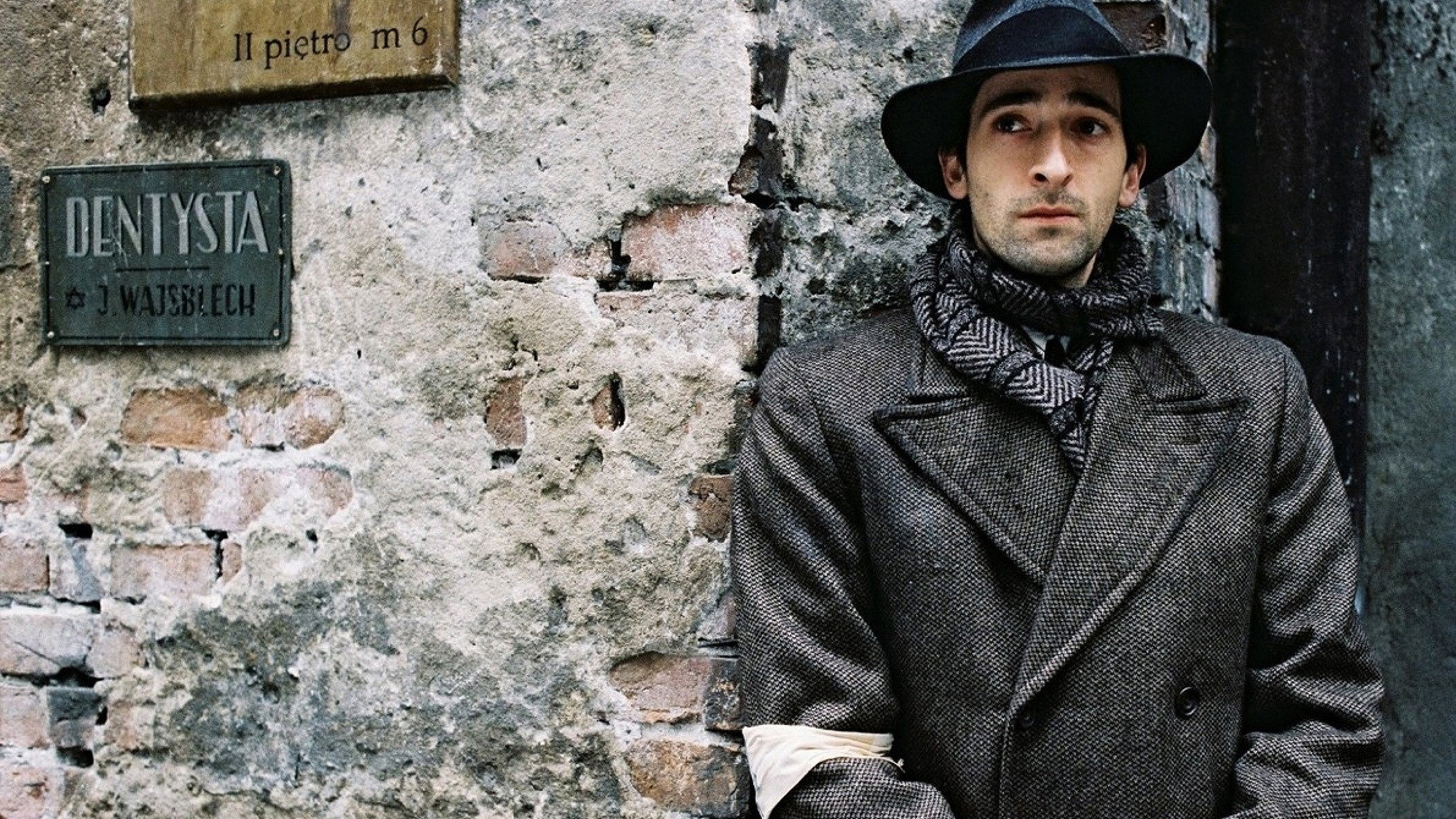
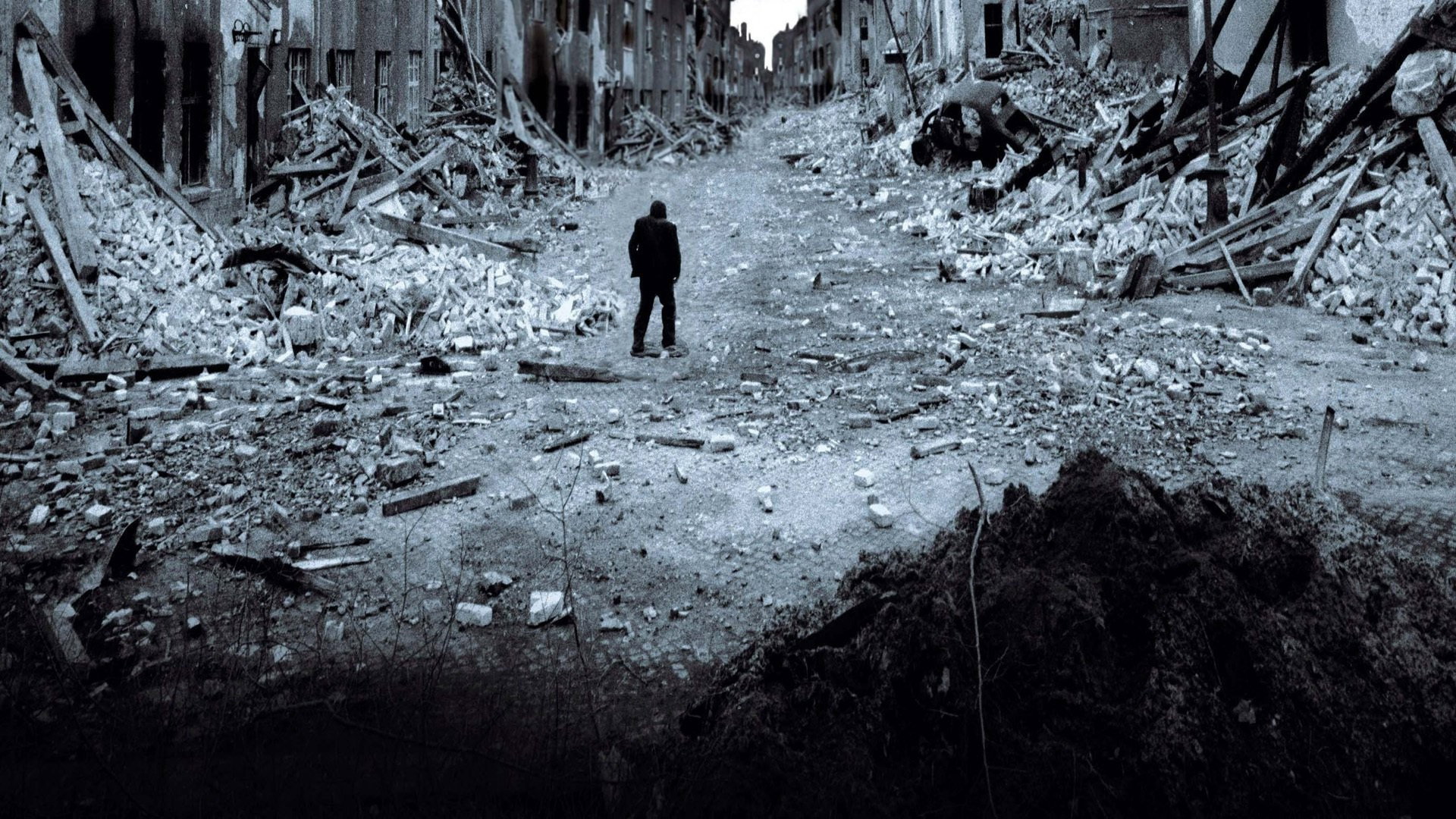
Paweł Edelman’s cinematography keeps enough distance for us to register the damage around Szpilman, rather than continually seeking refuge in his face. The Warsaw ghetto remains a place inhabited by other people, whose suffering cannot be contained within the principal character’s story. Allan Starski’s production design gives the city’s progressive destruction a disturbing physical weight; the surroundings demand attention without becoming an attraction in themselves. These are handsome images of terrible things, and Polanski is careful about the danger in that. The camera leaves us time to look beyond Brody.

Hervé de Luze’s editing helps the repeated horrors accumulate without turning each into a separate dramatic climax. That steady pace can be punishing, and there are passages in which the film risks becoming monotonous. Elsewhere, it makes the arbitrary violence harder to dismiss once a scene has finished. Wojciech Kilar’s score supplies an audible sadness that we find less necessary: Brody has already made the fear and loneliness plain. The music matters most through Szpilman himself, because it gives us something particular to understand about the life under threat.

A survival drama often promises the satisfaction of watching somebody master impossible circumstances. Polanski offers little of that reassurance, and the distance he maintains will frustrate anyone who needs ready access to a character’s thoughts. Brody gives us enough to follow through his physical effort and his reluctance to advertise his feelings. The film is demanding because so much depends on waiting, chance and the next arbitrary exercise of power. Choose it for an evening when there is time to sit quietly afterwards.
Critical consensus AI synthesised

75
Positive
8
Mixed
1
Negative
1

Most critics respond warmly to The Pianist, praising Polanski’s restraint and his refusal to sentimentalise Szpilman’s survival under Nazi occupation. The strongest notices find that the detached approach makes the violence more disturbing, while Adrien Brody’s understated performance keeps the suffering specific without turning survival into heroism. Praise also centres on the photography, production design and attention to historical detail, with several reviews finding grim humour and sustained tension within the disciplined style.

The disagreement is substantial rather than a matter of minor reservations: the same distance that many admire leaves others unmoved. Some otherwise favourable reviews find the opening conventional, with exposition and stiff dialogue delaying the more compelling focus on Szpilman. Variety respects the restrained acting and production values but finds little urgency or fresh dramatic insight. Empire is more firmly opposed, judging the film monotonous and short of tension despite Brody’s physical commitment and the authentic detail.

Los Angeles Times
27 December 2002 · Manohla Dargis
95*

The critic calls the film a monumental achievement that captures the surrealism and detachment of the Holocaust without sentimentality. She singles out Polanski's intellectual distance and Brody's restrained performance for allowing focus on the larger devastation.

Read the full review →
The New York Times
27 December 2002 · A. O. Scott
90*

The critic praises Polanski's objective and authoritative handling of Szpilman's survival story as one of the definitive films on Jewish life under the Nazis. He highlights the bleak humor and the lead performance by Adrien Brody as evoking Beckett-like existential figures.

Read the full review →
Radio Times
★★★★ · Sloan Freer
80

Polanski's poignant, authentic and objective Holocaust drama stands as a companion piece to Schindler's List, with its power lying in disciplined style and attention to detail that avoids simplistic clichés.

Read the full review →
The Guardian
24 January 2003 · Peter Bradshaw
80*

The critic views Polanski's Holocaust drama as a weighty and moving film and a genuine achievement. They praise the stunning cinematography, production design and the film's sustained seriousness despite some stately dialogue.

Read the full review →
The Independent
24 January 2003
80*

The critic highlights the film's power from the dreadful accumulation of authentic, random horrors drawn from Polanski's personal history and Szpilman's memoir, creating poignant images of survival through luck rather than heroism. It notes the lack of Spielberg-like organization or deep psychological inquiry but concludes it is something that won't be forgotten.

Read the full review →
Slant Magazine
15 November 2002 · Ed Gonzalez
75*

The first half feels conventional and burdened by exposition, a disappointment for Polanski fans. The second half achieves near-transcendence through distant, elegant photography of the Warsaw ghetto and a focus on isolation and music.

Read the full review →

Cast

Stills

Awards

Academy Awards, 2003

Nominated
Best Cinematography
Nominated
Best Costume Design
Nominated
Best Film Editing
Nominated
Best Picture
Won
Best Actor
Won
Best Director
Won
Best Writing, Adapted Screenplay

Cannes Film Festival, 2002

Won
Palme d'Or

European Film Award for Best Cinematographer, 2002

Won
European Film Award for Best Cinematographer

European Film Award for Best Director, 2002

Nominated
European Film Award for Best Director

European Film Award for Best Film, 2002

Nominated
European Film Award for Best Film

Jameson People's Choice Award for Best Actor, 2002

Nominated
Jameson People's Choice Award for Best Actor

If you liked this, try…

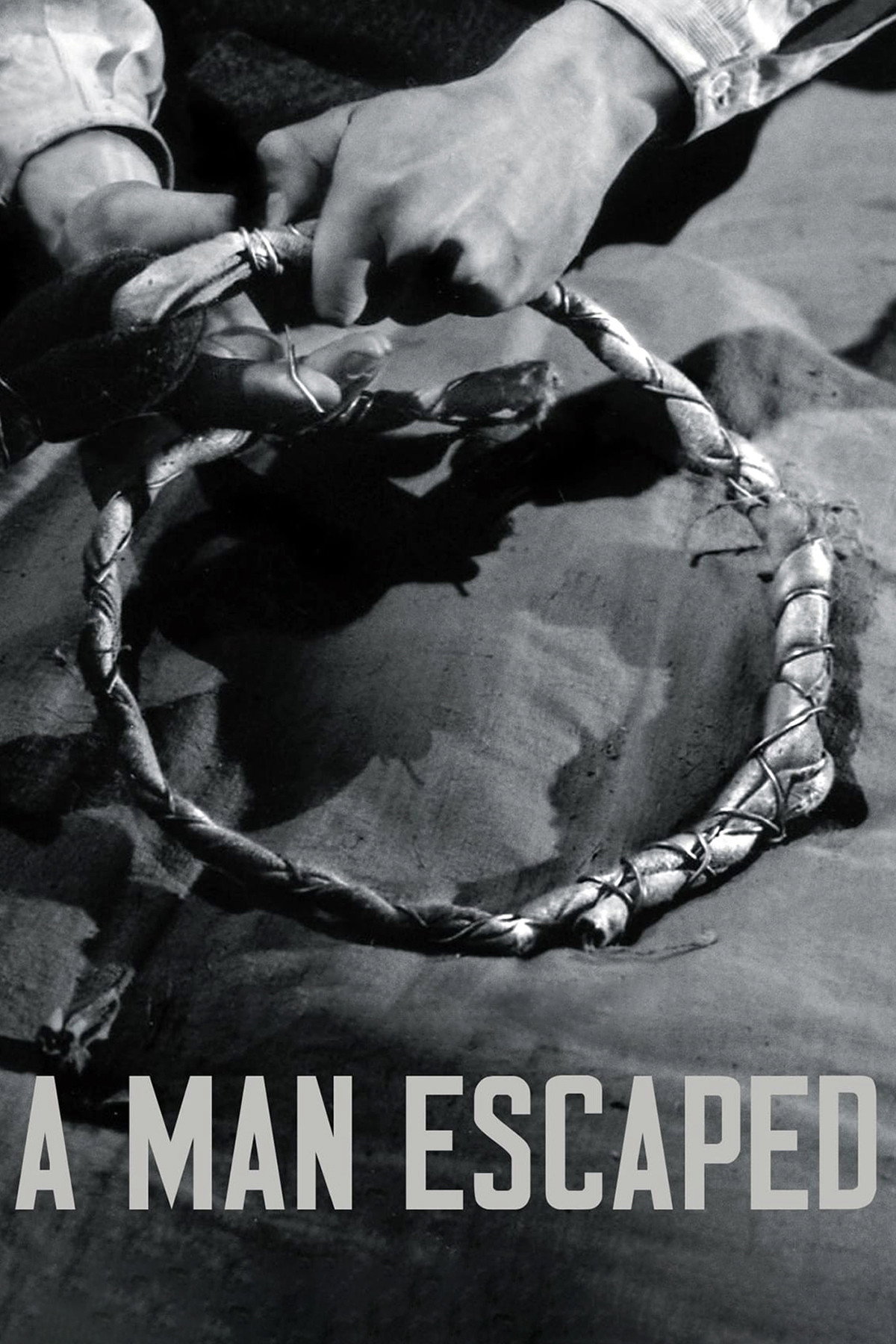
A Man Escaped poster

A Man Escaped

1956 · A prisoner’s daily preparations make suspense out of patience, small movements and silence.

The Shop on the High Street poster

The Shop on the High Street

1965 · An ordinary man’s evasions expose the creeping violence of persecution.

The Ascent poster

The Ascent

1977 · Wartime survival becomes a severe examination of fear, loyalty and conscience.

The Lives of Others poster84

The Lives of Others

2006 · Surveillance turns ordinary rooms into places of danger, with room for unexpected compassion.

In Darkness poster

In Darkness

2011 · A harsher, more crowded account of survival dependent on compromised strangers.