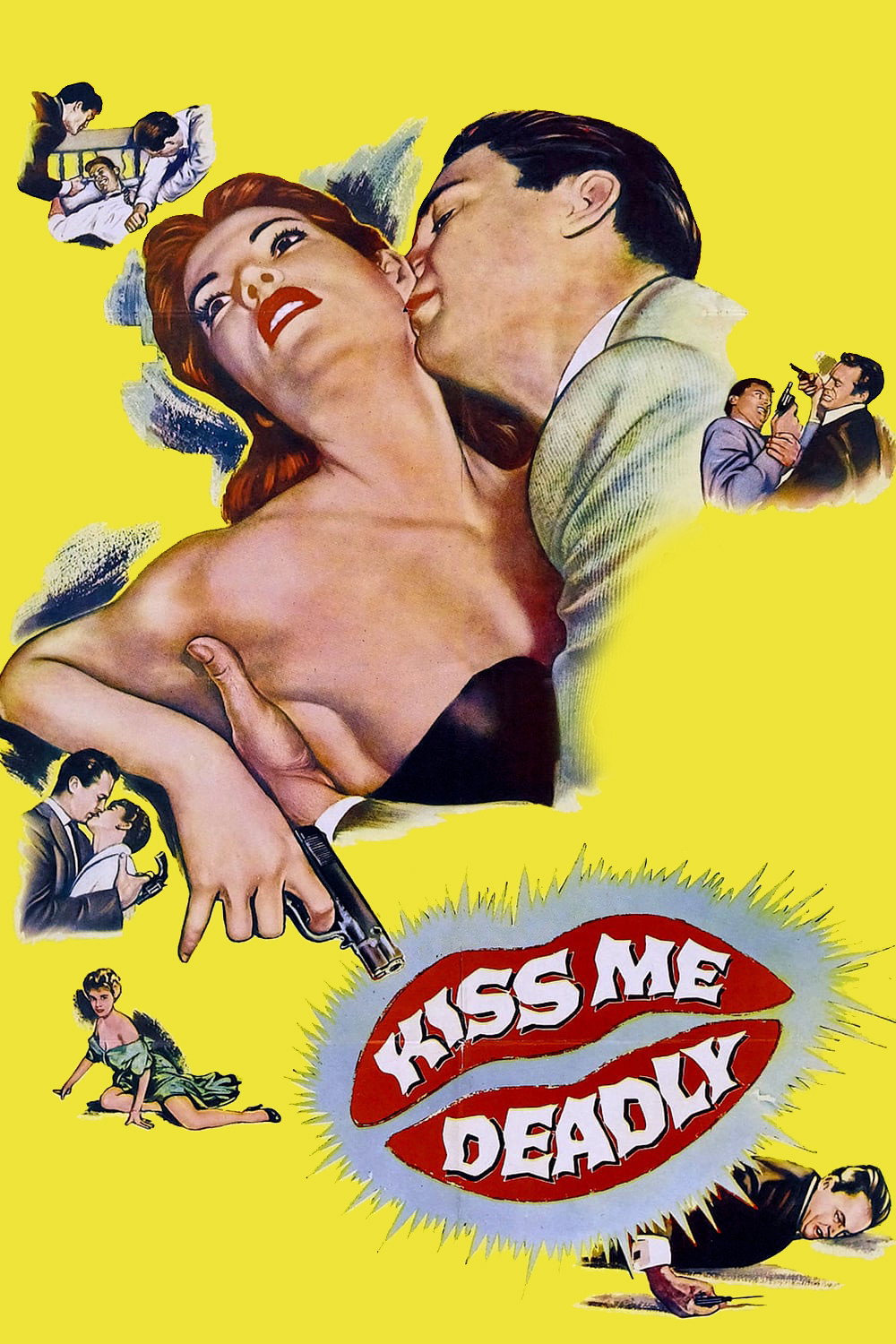
Critics’ reviews

Kiss Me Deadly (1955)

14 reviews from 14 publications. Critics’ score 84: 13 positive, 1 mixed, 0 negative.

Back to our review of Kiss Me Deadly

84
Positive
13
Mixed
1
Negative
0

Most critics regard Kiss Me Deadly as a forceful, influential noir, with praise clustering around its harsh photography, disorienting opening and atmosphere of Cold War dread. The reviews repeatedly single out the brutality of its characters and the depth of its moral darkness. Aldrich’s visual invention receives particular attention: stark shadows and striking compositions make the underworld feel threatening throughout. Performances and sharp dialogue also draw praise, though the film’s paranoid mood dominates the consensus.

Reservations are limited, but the enthusiasm is not uniform. Variety supplies the sole mixed assessment, finding excitement in the detective’s adventures while complaining that the plot lacks clarity and judging Ralph Meeker’s performance merely acceptable. Eye for Film is warmer about Meeker and the thrills, but questions how well the central plot device and ethnic stereotypes hold up. The spread runs from qualified approval to emphatic admiration, with no outright rejection.

The Times
2 August 2019 · ★★★★★ · Kevin Maher
100

The critic hails the film as the gripping, nightmare flipside of The Maltese Falcon, with one of cinema's greatest MacGuffins at its centre. The labyrinthine trail of pursuit through an underworld of violence and the cold, bleak material filmed in shadows are singled out.

Read the full review →
The AV Club
29 March 2002 · A · Keith Phipps
95

The critic calls it a top-notch, influential film noir whose reputation has only grown, praising its tougher-than-nails characters, stark photography, and harsh environment as making it more noir than most. It singles out the reissue's collector's edition extras for highlighting its classic status.

Read the full review →
Slant Magazine
17 October 2006 · Matt Zoller Seitz
90*

The critic views the film as the ultimate expression of nihilism in noir, far darker than typical cynicism, with its amoral protagonist and apocalyptic ending revealing a world without ethical structures. It singles out the disorienting opening sequence and the mysterious 'Great Whatsit' for their shocking, contemporary impact.

Read the full review →
The New Yorker
28 October 2022 · Richard Brody
90*

The critic calls the film flamboyant and hectic, blending sexual voracity, sadism, found poetry, sharp performances, and visual invention with nuclear catastrophe. It singles out the haunting musical quality of the actors' voices and Aldrich's images in a vision of ambient terror.

Read the full review →
Time Out
13 June 2006 · Jessica Winter
90*

The critic recommends the film as a key B-noir with major influence on the French New Wave and as a potent artifact of Cold War paranoia. It singles out the rich period detail and striking compositions for demanding a big-screen viewing.

Read the full review →
Little White Lies
9 May 2025 · Fred Barrett
85*

The critic celebrates the film's lasting influence on later filmmakers like Cronenberg and Lynch while highlighting its paranoid vision of post-atomic America. It singles out the intense opening sequence and the apocalyptic finale for their raw power and thematic weight.

Read the full review →
The New York Times
1 July 2011 · Dave Kehr
85*

The review praises the film's influential status among young French critics and its singular vision imposed on a popular genre. It singles out the Criterion restoration's visual quality and the restored ending for providing a semblance of reassurance amid the paranoia.

Read the full review →
RogerEbert.com
14 December 2012 · Jim Emerson
80*

The critic highlights the film's nihilistic view of the world, where morality is an illusion and the story culminates in apocalyptic imagery. It singles out the moral darkness and post-war disillusionment as central to its power.

Read the full review →
The Guardian
16 June 2006 · Alex Cox
70*

The critic describes the film as one of the darkest and least compromising noirs, an anti-nuclear parable disguised as a tough-guy detective story. The real, specific radioactive contents of the mysterious box are singled out as the element that gives the film its meaning and contemporary resonance.

Read the full review →
Variety
31 December 1954 · Variety Staff
60*

The review notes that the hardboiled elements from Spillane's novels are thoroughly worked over with an acceptable performance from Ralph Meeker as the surly detective. It singles out the exciting adventures but complains of little clarity in the plot.

Read the full review →
Den of Geek
17 May 2019 · Jim Knipfel
90*

The critic hails it as the greatest hardboiled apocalyptic sci-fi noir ever, praising its nihilistic vision, brutal tone, and apocalyptic climax that reflects the era's paranoia, in contrast to more stylized noirs.

Read the full review →
Paste
7 July 2011 · Paste Staff
85*

The critic describes the film's paranoid world and Cold War dread, praising how it distills nuclear fears into noir with intense stylization by Aldrich. They note it took the genre as far as it could without self-parody.

Read the full review →
The Skinny
15 July 2006 · Colin Chapman
80*

Praises it as the last great and darkest film noir, highlighting its contemporary relevance through Cold War nuclear themes and masterful cinematography that captures the underworld.

Read the full review →
Eye for Film
15 April 2006 · Jennie Kermode
75*

The critic calls it the best of the Mike Hammer adaptations and praises its classic noir elements, sharp dialogue, powerful thrills and scares, and strong performances, especially Ralph Meeker's. She notes that some aspects like the central plot point and ethnic stereotypes may not land as well with modern viewers.

Read the full review →

Ordered by the weight we give each publication, then by score. Scores are normalised to 100; * means inferred from an unrated review. Summaries are ours, not quotations; follow the links for the reviews themselves. How we rate