Robert Aldrich’s detective thriller is harsh, inventive and worth the discomfort. Ralph Meeker makes Mike Hammer an unnerving guide through its violent underworld, though the tangled plotting sometimes makes it harder to follow than it needs to be.
Robert Aldrich’s Kiss Me Deadly is a disturbing, forceful thriller, worth seeing even when its plot seems determined to discourage enquiry. It takes the hardboiled detective story seriously enough to question the appeal of a man who approaches other people with aggression. Mike Hammer, played by Ralph Meeker, gives us little reason to mistake his confidence for decency. Following him through a violent underworld is uncomfortable because we cannot settle into the usual pleasure of having a tough investigator on our side.
The performance keeps Hammer’s unpleasantness close to the surface, without the apologetic suggestion that someone nicer must be hiding underneath. We were repelled by his surliness, because aggression feels like his ordinary way of doing business. That makes him difficult company, but it also gives the mystery a source of unease that cannot be cleared up simply by identifying a criminal. The actors’ voices add their own menace, giving the spoken exchanges a peculiar musical insistence and making the dialogue worth listening to even when its information proves elusive.
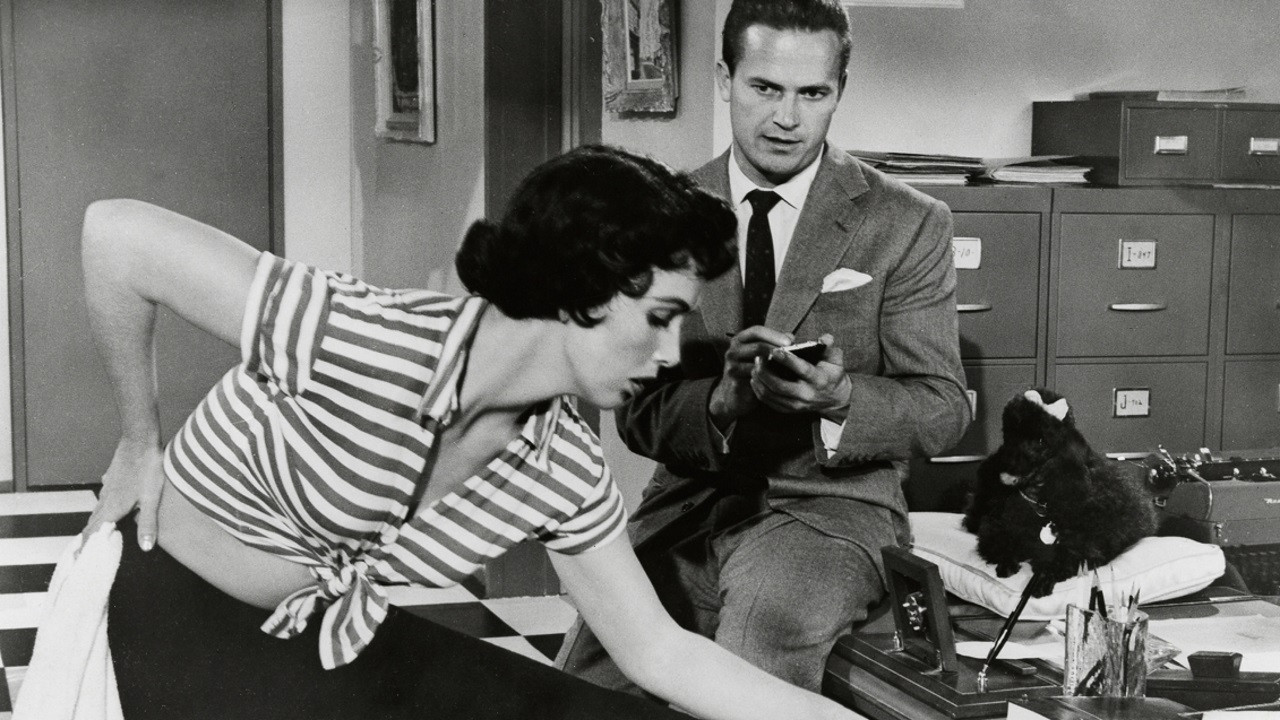
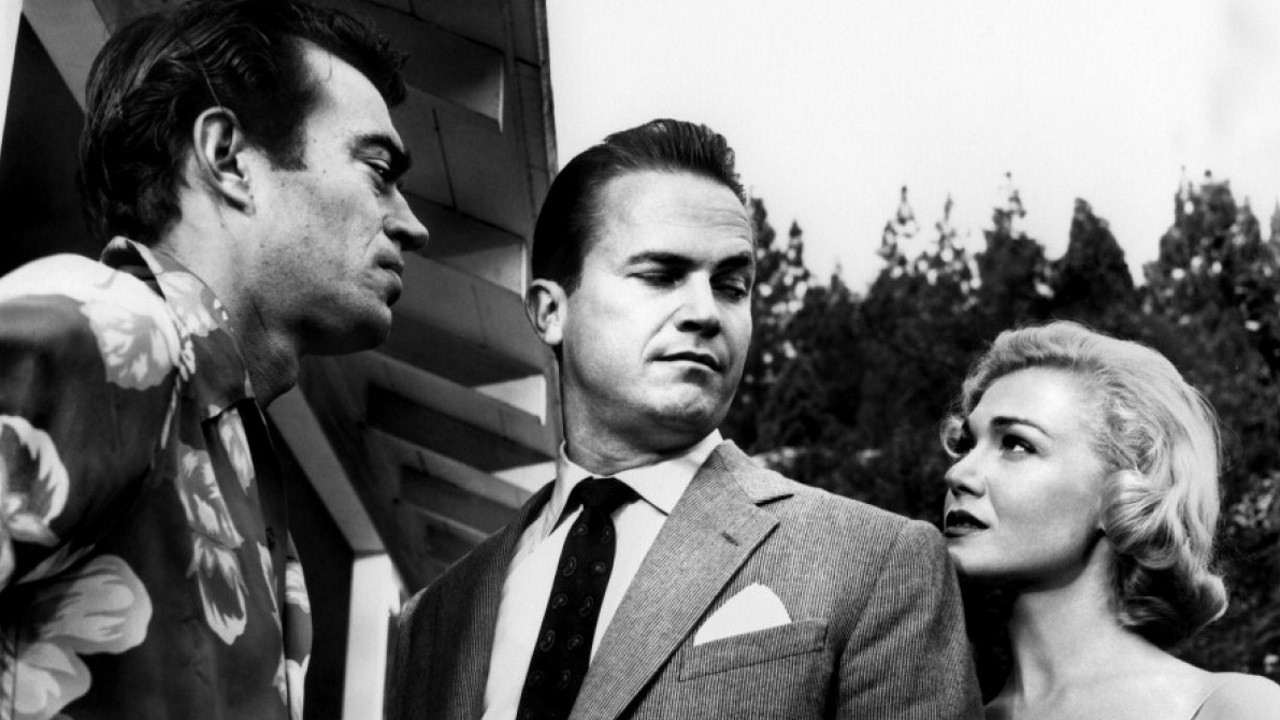
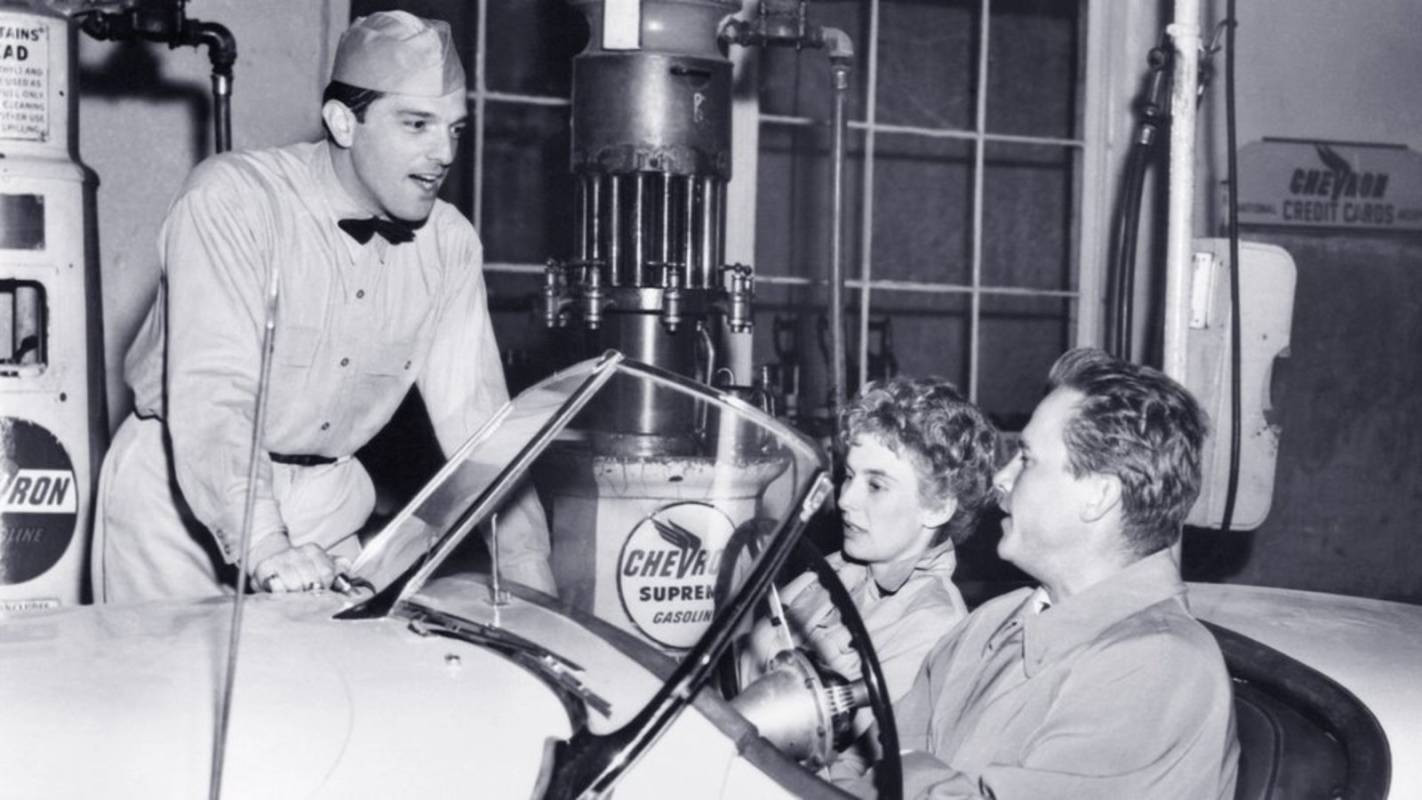
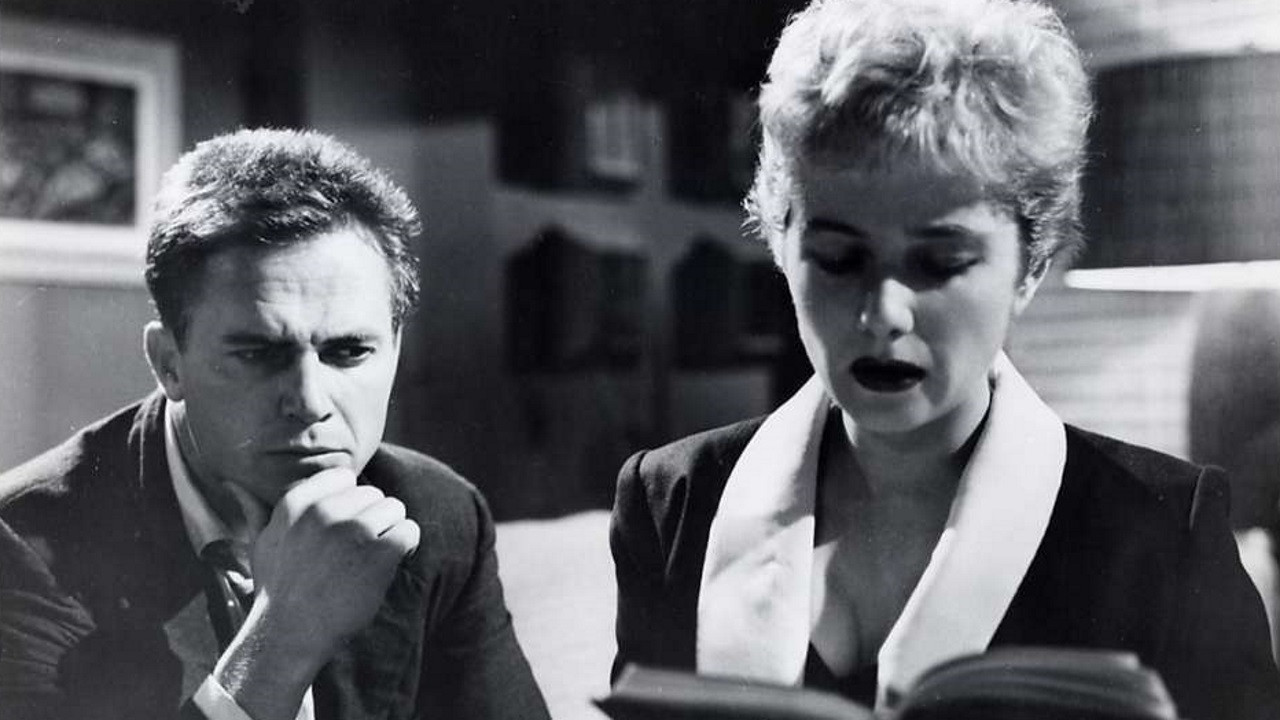
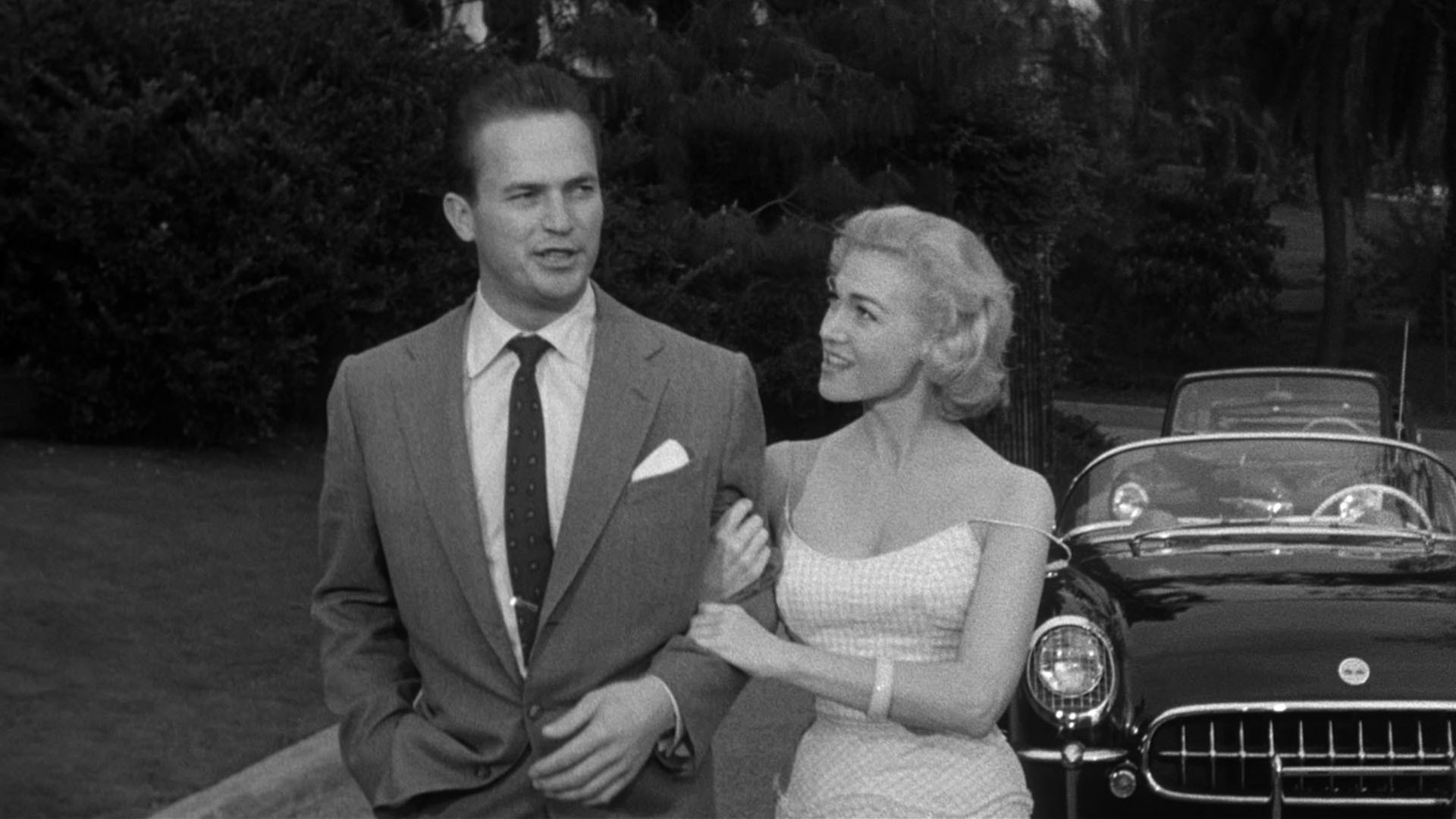
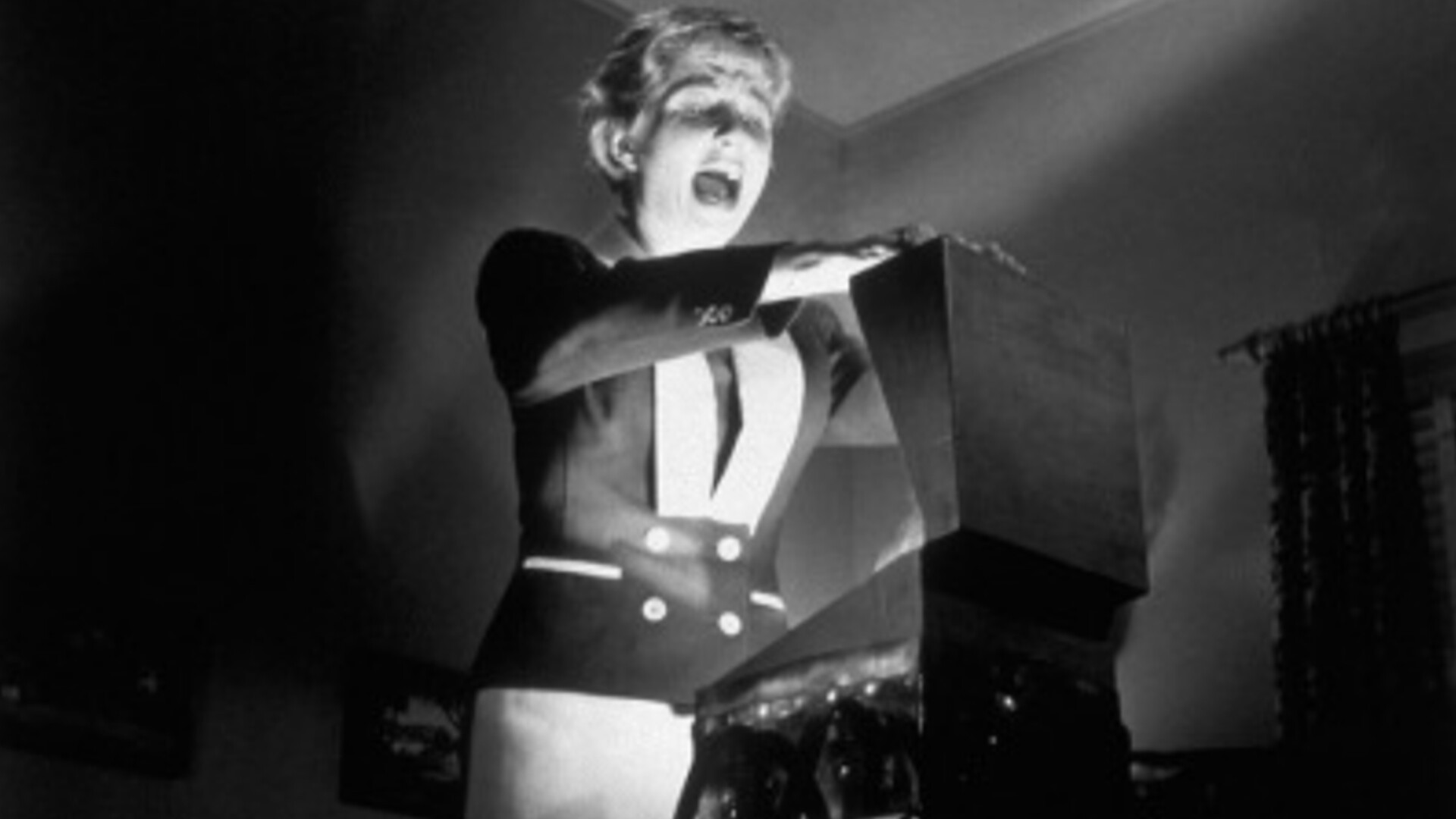
Ernest Laszlo’s photography is central to that effect: stark contrasts and insistent shadows make the underworld feel physically unwelcoming. The compositions have enough force to hold our attention even when the details of the investigation become difficult to retain. There is also enough period detail to give these hostile surroundings the substance of somewhere people actually live, rather than somewhere built solely for a detective to look troubled. The violence belongs in these images, which is part of what makes them unpleasant.
Michael Luciano’s editing helps make the opening disorienting, so that we begin without the comfortable sense that somebody has the situation under control. It is an effective way of unsettling our confidence before Hammer’s own certainty can become too persuasive. Frank De Vol’s music contributes to the unease, although the cast’s speaking voices are what stay with us more strongly. Listen to how much threat the dialogue carries before considering the information it delivers; the sound of people talking is part of the danger.
The screenplay, adapted from the novel by Mickey Spillane, provides the chief reservation: the investigation can be hard to follow without being especially rewarding to untangle. There are passages when keeping track of the pursuit feels like clerical work, and confusion does not become interesting simply because everyone involved is unpleasant. The sharp dialogue helps, but it cannot always clarify what matters or why. A cleaner account of the case would have cost the film none of its cruelty and would have made its grip steadier.
We do not ask noir detectives to be agreeable, but we usually want some reason to stay with them. Hammer tests that patience, and the film’s willingness to let him remain unpleasant is a large part of its strength. The performances and the images keep his world compelling when the investigation itself becomes a chore. See it with the lights down, and do not expect the detective to make the evening any easier.