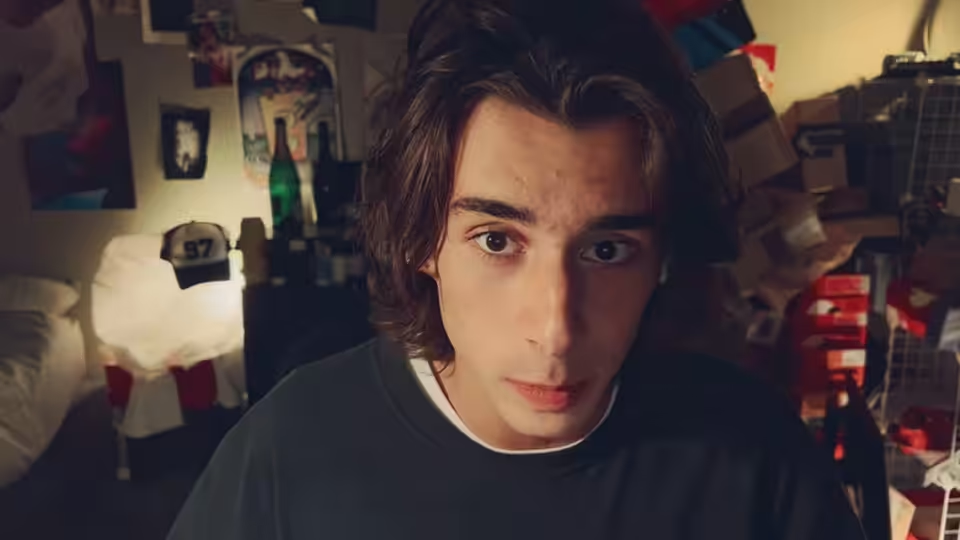
a young man with brown hair stares ahead in a cluttered bedroom with posters and boxes
Film review

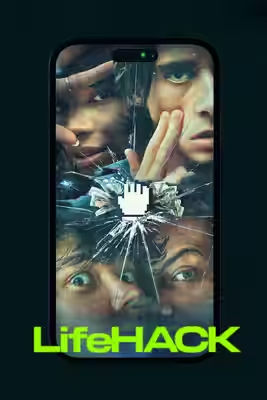
LifeHack

2026 · Directed by Ronan Corrigan · 1h 37m

In a sentenceFour kids rob the internet from their bedrooms, and after an hour we wanted to go outside

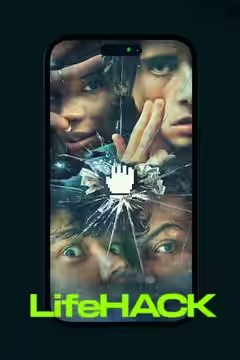
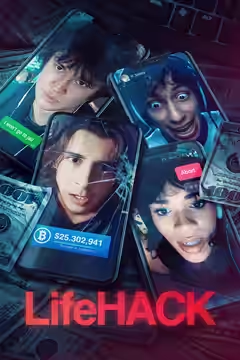
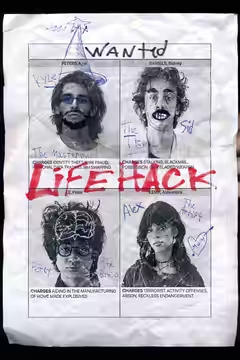
Kyle Peters (Georgie Farmer) is a teenager who lives on his laptop, and so does the film: every scene is a screen, a chat window, a video call or a browser tab. He and three friends, Alex (Yasmin Finney), Sid Daniels (Roman Hayeck-Green) and Petey Le (James Scholz), grew up watching people make fortunes online by breaking rules, and decide to try it themselves. The plan is a cryptocurrency heist, worked out in group chats and late-night calls, one password and one hesitant click at a time. Kyle’s mum and dad (Penelope Granycome, Matteo Arnaldi) hover at the edge of his webcam. The four are quick, funny and very sure of themselves, and something between Kyle and Alex is being typed and deleted.

Plays from YouTube when you press play; nothing loads from them until then.

Fi1m review

Ronan Corrigan’s first feature is a heist told entirely on screens, and for an hour it is quick, funny and cleverer than its gimmick. Then the windows pile up, the pace stops being a pleasure and we found ourselves watching a progress bar. Good, not more.

Ronan Corrigan’s first feature is a heist film in which nobody leaves their bedroom. Kyle Peters (Georgie Farmer) and three friends, Alex (Yasmin Finney), Sid Daniels (Roman Hayeck-Green) and Petey Le (James Scholz), set out to steal a great deal of cryptocurrency, and the whole thing plays out on their screens: chat windows, video calls, browser tabs, a cursor that hovers before it clicks. This is the screenlife format, which Timur Bekmambetov, one of the producers here, has been pushing since Unfriended and Searching. LifeHack is one of the better examples of it. It is also 97 minutes long and has about 70 minutes of ideas.

The good part is that the hacking looks like work. Corrigan and his co-writer Hope Elliott Kemp treat a break-in as a series of small, dull, dangerous steps, and they get real tension out of a password field and a message that has been read but not answered. The chat windows are full of the jokes these four would actually send each other, and the film knows the difference between a meme that is funny and a meme that is only recognisable. We laughed a good deal in the first half hour, and once at something we felt we probably should not have.

The cast are the reason it holds. Farmer plays Kyle as the one who talks fastest and is least sure, and he is good at letting panic show on a face that is trying to look bored. Finney gives Alex a stillness the format rarely allows; she is often the only face on the screen doing nothing, and that is where the eye goes. The thing between them, conducted almost entirely in typing and deleting, is the film’s best-judged strand, and it is a relief every time it returns. Hayeck-Green and Scholz have less to do and make it count. Charlie Creed-Miles and Jessica Reynolds, as Don and Lindsey Heard, are the adults from outside the bedroom, and we will leave their part in it to the film.

In a screenlife film the edit is the film, and four editors are credited: Sasha Kletsov, Anthony Le, Anton Kudrov and Corrigan himself. For an hour their work is very fine. They know which window to enlarge and when, and they know how long to let a message sit unread before someone types. Ciaron Craig’s job is to make webcams and phone cameras look like webcams and phone cameras, and he does it, which is harder than it sounds. Angela Mulhern’s production design lives inside the desktops, in wallpapers and cluttered downloads folders, and it tells you who these people are faster than dialogue could. The score, by two blinks, i love you, is bright and restless and behaves like another open tab.

Then the trouble starts, and it is physical before it is anything else. Somewhere past the hour we noticed our eyes hurt. The windows had multiplied, the notifications were arriving on top of each other, the pace had not let up since the opening, and the film had begun to mistake more for faster. We were still following the plot. We had stopped enjoying following it, and the plot becomes a set of switchbacks that the screens are now too busy to sell. There is also a version of this film that has something to say about children who have never had an hour offline, and this one glances at it and moves on.

Heist films live on the moment the plan meets the world. Here the world is another screen, so the stakes never quite stop feeling like a game with a high score, and the tagline, “They’re coming for your coin”, tells you the register the film is happiest in. As a debut it is confident and it is disciplined for longer than most. The reviews so far have been kinder than we are, and most of the kindness comes from people who like the format more than we do, which is fair.

Watch it on a laptop, in one sitting, with your phone in another room. It is the one thriller we can think of where the second screen is the film, and it deserves your whole attention for exactly as long as it can hold it.

Critical consensus AI synthesised

76
Positive
8
Mixed
0
Negative
0

Every one of the eight reviews is favourable, and the praise lands in the same place: this is a screenlife heist thriller that handles its format with more care than most. Critics single out the realistic hacking, the interface-driven plotting and a young cast whose chemistry comes through even though they are only ever seen in browser windows and phone screens. Several call it one of the better films the format has produced, and the fast pace is generally counted a virtue.

The reservations are about that same pace. The trade reviews from the festival premiere are the warmest, with Deadline calling it the best screenlife film yet; the later notices settle around a more temperate line, with The Hollywood Reporter reporting screen fatigue and The Guardian finding it turns mechanical once the early excitement fades. Slant adds that the film avoids the harder questions about digital dependency it raises. Nobody dislikes it; the disagreement is only over how much the gimmick costs.

Variety
14 March 2025 · festival review · Siddhant Adlakha
90*

The critic calls it a pulse-pounding screenlife heist that pushes the format with realistic hacking and visual detail, deeming it an absolute treat for fans despite some moral complexity in the characters' motives.

Read the full review →
IndieWire
8 March 2025 · B · Christian Zilko
77

The review finds it one of the more joyful screenlife attempts, delivering an authentic and energetic portrait of Gen Z teens thriving in their online world during a crypto heist. It embraces the format's dopamine rush without feeling overly gimmicky.

Read the full review →
RogerEbert.com
15 May 2026 · Clint Worthington
70*

The critic views it as one of the more tolerable recent screenlife thrillers, praising its inventive heist sequences and character chemistry shown through screens while noting the relentless pace and format limitations can overwhelm.

Read the full review →
Slant Magazine
13 May 2026 · Eli Friedberg
70*

The critic praises the film's tight plotting, interface-driven storytelling, and realistic take on cybercrime as a Gen Z heist thriller and nostalgic study of pre-2020s internet culture. It notes the film flinches from deeper implications of digital dependency and big tech.

Read the full review →
The Guardian
14 May 2026
70*

The critic describes it as an efficiently executed update of an old-school heist thriller in a digital, meme-filled format, praising the strong meme game and the tender romance subplot, but noting it becomes mechanical after initial excitement.

Read the full review →
The Hollywood Reporter
13 May 2026 · Frank Scheck
70*

The critic calls it a superior example of the screenlife format in heist mode, with a fast pace and engaging young cast that keeps viewers glued despite the gimmick. It ultimately causes screen fatigue and overstays its welcome.

Read the full review →

Straight answers AI written, from our review

Is LifeHack worth watching?
LifeHack is worth watching if you are curious about the screenlife format and can forgive a thriller that runs out of ideas before it runs out of minutes; we scored it 67. The first hour is quick, funny and well acted, especially by Georgie Farmer and Yasmin Finney, and then the windows pile up and the pace stops being a pleasure. Good, not more.
How long is LifeHack, and what is it rated?
LifeHack runs 1h 37m. It is a thriller and crime film.
Where can I watch LifeHack in Serbia?
LifeHack is not on any streaming or rental service in Serbia at the moment. It is available in 4 other countries; change your country at the top of the page to see where. Availability is checked daily.
How violent or frightening is LifeHack, and is it suitable for children?
LifeHack has no UK certificate yet and carries an R in the United States, which suggests strong language rather than anything graphic. The film is a cryptocurrency heist played out on screens, so the tension comes from password fields and unanswered messages, not from violence or scares. It is not for young children, but older teenagers who live on their laptops are its natural audience.

Cast

If you liked this, try…

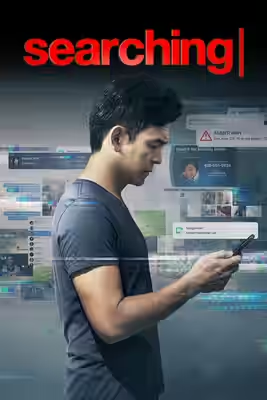
  1. Searching (2018) · not reviewed yetBekmambetov-produced screenlife done as a missing-person story, with a father who cannot stop clicking.

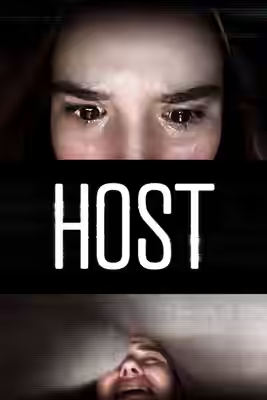
  2. Host (2020) · not reviewed yetA British séance over a video call, under an hour, and it knows when to stop.

  3. Sneakers (1992) · not reviewed yetThe friendliest hacker heist ever made, with a cast who enjoy each other’s company.

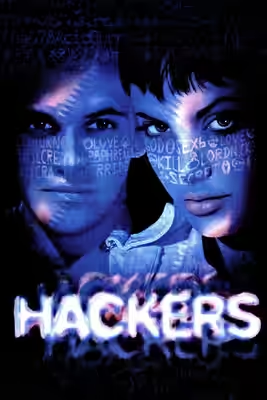
  4. Hackers (1995) · not reviewed yetTeenagers, keyboards and rollerblades; the nineties’ idea of the internet, worn proudly.

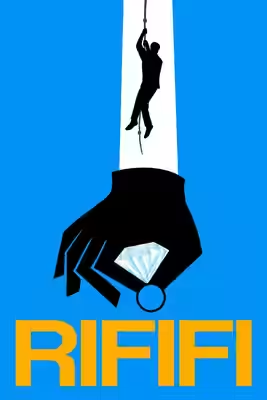
  5. Rififi (1955) · not reviewed yetThirty near-silent minutes of a break-in, which is what every heist film is chasing.

Free account

Know what to watch tonight

Two lists that know where things are streaming, collections you can share, your own score beside ours, and Discover that remembers what you have seen.

  • Want to see, sorted by what is streaming now
  • Seen, with your score out of ten
  • No adverts, ever