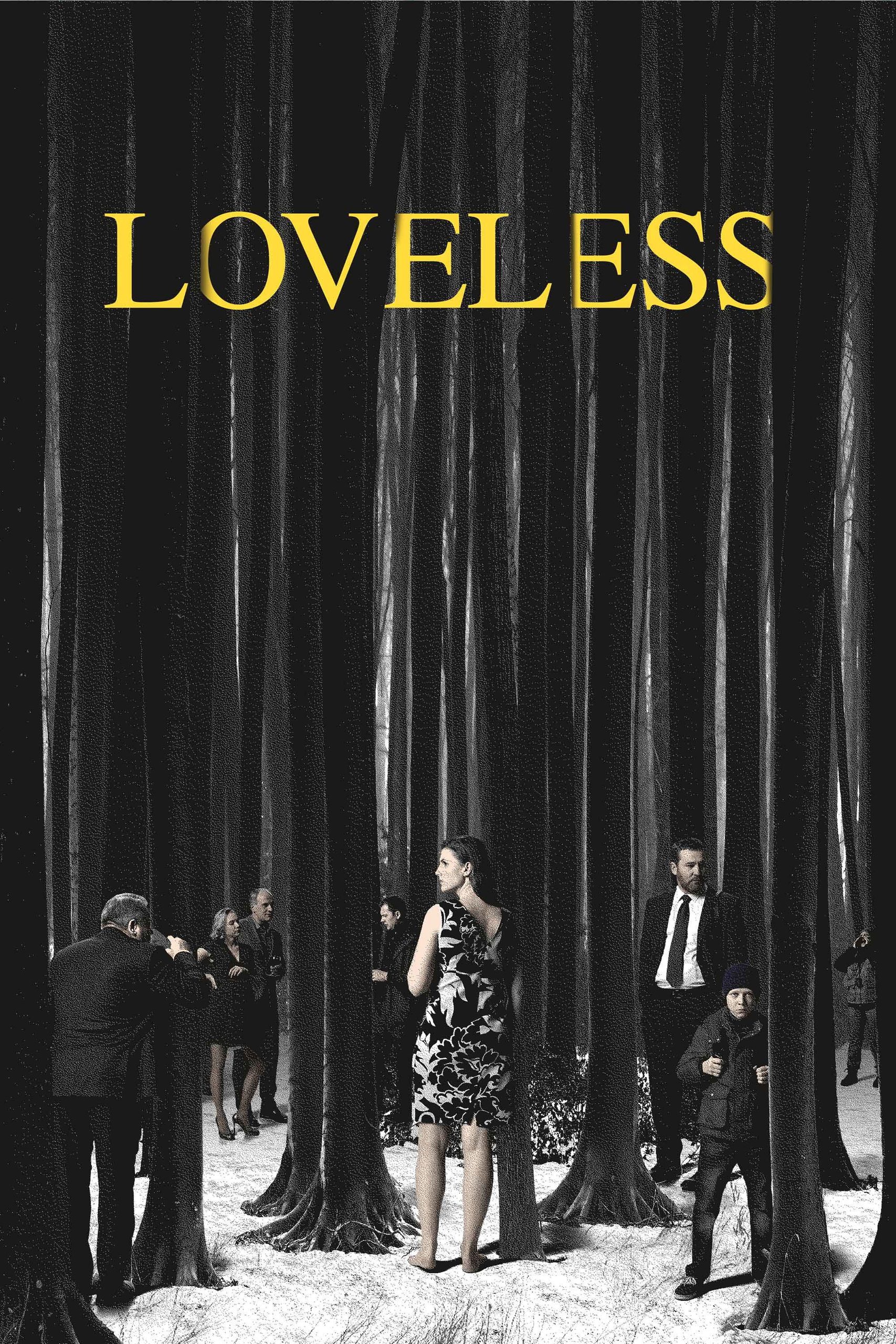
Most critics find Loveless compelling despite its punishing bleakness, praising Zvyagintsev’s account of a bitter separation and a missing child as a forceful examination of social indifference in Russia. Praise clusters around the precise compositions, wintry cinematography and tension of the volunteer search sequences, with several reviews finding welcome humanity in the searchers’ care. The performances also earn approval for making the parents’ hostility convincing, while the boy’s distress gives the wider political reading an immediate emotional cost.
Reservations centre on whether that wider reading is earned: some critics find the symbolism heavy-handed, the misery excessive and the characters insufficiently nuanced. There are pacing objections too, though other reviews praise the patient storytelling. The spread is wide but predominantly positive; Sight and Sound offers the clearest dissent, admiring the compositions and editing while finding the connection between family tragedy and national failings forced.
S
Slant Magazine
14 February 2018 · ★★★★ · Chuck Bowen
100
The review highlights the film's punishing bleakness and yearning for transcendence, praising its tonal sleight-of-hand, geometric imagery, and exploration of inherited lovelessness and familial destruction. It singles out the formalism and earnest sadness that distinguish it from similar European miserabilism.
Read the full review →T
The Telegraph
8 February 2018 · ★★★★★
100
This pristine and merciless film is a pitiless critique of Russia, beginning in the cold and dropping in temperature as the search for the missing boy widens to reveal societal divisions. It praises the mesmeric horror of the volunteer search party and the vast implications of the small story.
Read the full review →H
The Hollywood Reporter
17 May 2017 · festival review · Leslie Felperin
90*
The critic calls the film a devastating, finely layered drama that illustrates the pathologies of Russian society through an intimate family story. It praises Zvyagintsev's gift for microcosms and technical craft while noting its parable-like reach into disconnection, institutional failure, and generational pain.
Read the full review →G
The Guardian
11 February 2018 · Peter Bradshaw
85*
The film is a pitiless parable that dissects a hollow society through the story of a child's disappearance amid his parents' toxic separation. It singles out the haunting image of the unseen boy silently screaming in anguish for its visual power and emotional impact.
Read the full review →L
Little White Lies
7 February 2018 · 4/4/4 · Cian Traynor
80
The critic calls it a bleak but captivating vision of a society without empathy. He singles out the expert pacing, cinematography and performances that make the indictment of disconnection magnetic despite unlikeable characters.
Read the full review →N
The New Yorker
12 February 2018 · Anthony Lane
80*
The critic finds the film gripping despite its grimness, crediting Zvyagintsev's alive storytelling and indictment of spiritual rot in modern Russia, including both state repression and consumerist distractions. He notes the shift from domestic drama to a relentless procedural thriller centered on the missing child.
Read the full review →T
The Times
11 February 2018 · ★★★★ · Tom Shone
80
The film is a forbidding but commanding missing-child procedural that expands into a corrosive critique of Putin’s Russia as a beautiful monster of self-obsession. It singles out the pristine, dismaying cinematography and the ruined complex sequences for their prowling tension.
Read the full review →T
Time Out
17 May 2017 · ★★★★ · Dave Calhoun
80
The critic describes an unsettling and compelling drama about a missing child and disconnected lives. He praises the ghostly camerawork and obliquely political atmosphere that lingers despite occasional lags in the story.
Read the full review →E
Evening Standard
9 February 2018 · Charlotte O'Sullivan
75*
Zvyagintsev delivers a flinching study of modern Russia through a warring divorcing couple whose neglect of their son leads to an upsetting epiphany, deserving of awards for one powerful sequence. The analysis of child abuse is acute but the piling on of misery feels contrived and excessive at times.
Read the full review →F
Film Comment
1 January 2018 · Eric Hynes
70*
Zvyagintsev crafts a precise, intentional drama where the camera acts as an independent narrative force. The film excels in its visual and structural rigor depicting selfish parents whose ignored child vanishes.
Read the full review →F
Financial Times
7 February 2018 · 3 · Nigel Andrews
70*
Zvyagintsev tells it like it is in this blisteringly beautiful winter-framed story of parental hate driving a child to disappear. It singles out the heart-wrenching silent-sob glimpse of the boy and the caring volunteer crew as the only easy face to dwell on amid the numbing shell of remembered feeling.
Read the full review →L
Los Angeles Times
30 November 2017 · Justin Chang
70*
The critic calls the film a corrosive and hypnotic portrait of domestic collapse that expands into a snapshot of Russian social malaise, keeping the unsympathetic parents at a remove to invite contempt rather than sympathy. He praises the grave majesty of the cinematography and the haunting images of volunteers searching desolate landscapes.
Read the full review →R
RogerEbert.com
1 December 2017 · Godfrey Cheshire
70*
The critic praises Zvyagintsev's clinical portrayal of a bitterly divorcing couple whose mutual loathing extends to their neglected son, framing it as a broader indictment of contemporary Russian society and its spiritual emptiness. He highlights the director's skill in using everyday details and visual compositions to expose technological solipsism and moral detachment.
Read the full review →N
The New York Times
30 November 2017 · NYT Critic’s Pick · Jeannette Catsoulis
70*
The critic describes the film as a pitiless portrait of a toxic marriage that reveals a larger national decay in Russia, with the parents' cruelty toward their son standing in for societal moral detachment. She singles out the bleakly beautiful visuals and the director's angry, tough temperament for praise.
Read the full review →V
Variety
17 May 2017 · festival review · Owen Gleiberman
70*
The critic describes the stark missing-child drama as a compelling meditation on the corruption and crisis of empathy at the core of Russian society under Putin. He notes how the title refers not only to the parents' relationship but to the broader forces fraying love and human connection.
Read the full review →E
Empire
5 February 2018 · Andrew Lowry
65*
The film is superbly performed and photographed with a carefully considered critique of contemporary Russia, but it is obsessively bleak and hard to recommend. The central couple's bitter relationship is convincingly venomous, though the overall tone feels overly grim.
Read the full review →S
Screen Daily
18 May 2017 · festival review
60*
The critic sees a cruel, desolate image of Russia's new middle class ruled by selfishness and anxiety. He praises the splendid winter cinematography and strong performances but notes the film tends to overstay its welcome at over two hours.
Read the full review →S
Sight and Sound
8 February 2018 · Adam Nayman
40*
The critic finds the film forced in its heavy symbolic linkage of a family tragedy to broader Russian political failings. He praises the director's technical skill in widescreen compositions and editing but complains of pretentiousness and lack of nuance in characterisation.
Read the full review →C
Consequence
28 February 2018
90*
The critic calls it a masterpiece of brutal realism and observant drama, a haunting moral and political fable; singles out the director's patient gaze, long shots, and focus on family deterioration and apathy.
Read the full review →P
Paste
18 May 2017 · 9.0 · Tim Grierson
90*
The critic praises Zvyagintsev's slow-burn moral drama that widens into a blistering commentary on callous society; singles out the perfectly composed, icy images and tightly drawn characters.
Read the full review →P
The Playlist
17 May 2017 · festival review
90*
The critic describes the film as Zvyagintsev's most brilliant and pessimistic work, a feel-bad masterpiece of visceral intelligence and skillful filmmaking that serves as a horrified commentary on Russia through an imploding family.
Read the full review →W
The Wrap
15 February 2018 · Robert Abele
85*
Zvyagintsev’s elegantly bleak domestic drama examines the aftereffects of a bitter marriage and the disappearance of a young son, revealing Russia’s psychological fault lines through private miseries turned petty wars. The critic singles out the film’s psychological acuity, societal insight, and the persistent humanity shown in the collective search effort amid the bleak imagery.
Read the full review →N
NME
5 February 2018 · ★★★★ · Olly Richards
80
A cold, unhappy but riveting watch centered on selfish parents forced to confront their failings after their son disappears. The Russian setting underscores a clash of traditionalism and modern selfishness.
Read the full review →H
HeyUGuys
18 May 2017 · festival review · Jo-Ann Titmarsh
75*
The critic praises the film's use of silence, sound design, and visual juxtapositions as strengths in depicting a loveless marriage and society. They note the self-absorbed parents and broader social decay but criticize the heavy-handed political metaphors regarding Russia and Ukraine.
Read the full review →E
Eye for Film
8 February 2018 · ★★★½ · Amber Wilkinson
70
The critic highlights the strong camerawork and maintained mood in portraying fractured families and self-centered parents. They find the unremitting bleakness, heavy-handed metaphors, and gender imbalance make the film hard to fully recommend.
Read the full review →S
The Skinny
19 May 2017 · ★★★ · Joseph Walsh
60
Zvyagintsev delivers a stark, brutal film about a loveless home and a missing child amid toxic divorce. It is captured with expert cinematography and lingers as a savage portrait of indifference and suffering.
Read the full review →Ordered by the weight we give each publication, then by score. Scores are normalised to 100; * means inferred from an unrated review. Summaries are ours, not quotations; follow the links for the reviews themselves. How we rate