Film review

Loveless

2017 · Directed by Andrey Zvyagintsev · 2h 02m

In a sentenceThe strangers looking for this child are the first adults we would trust with him

Drama

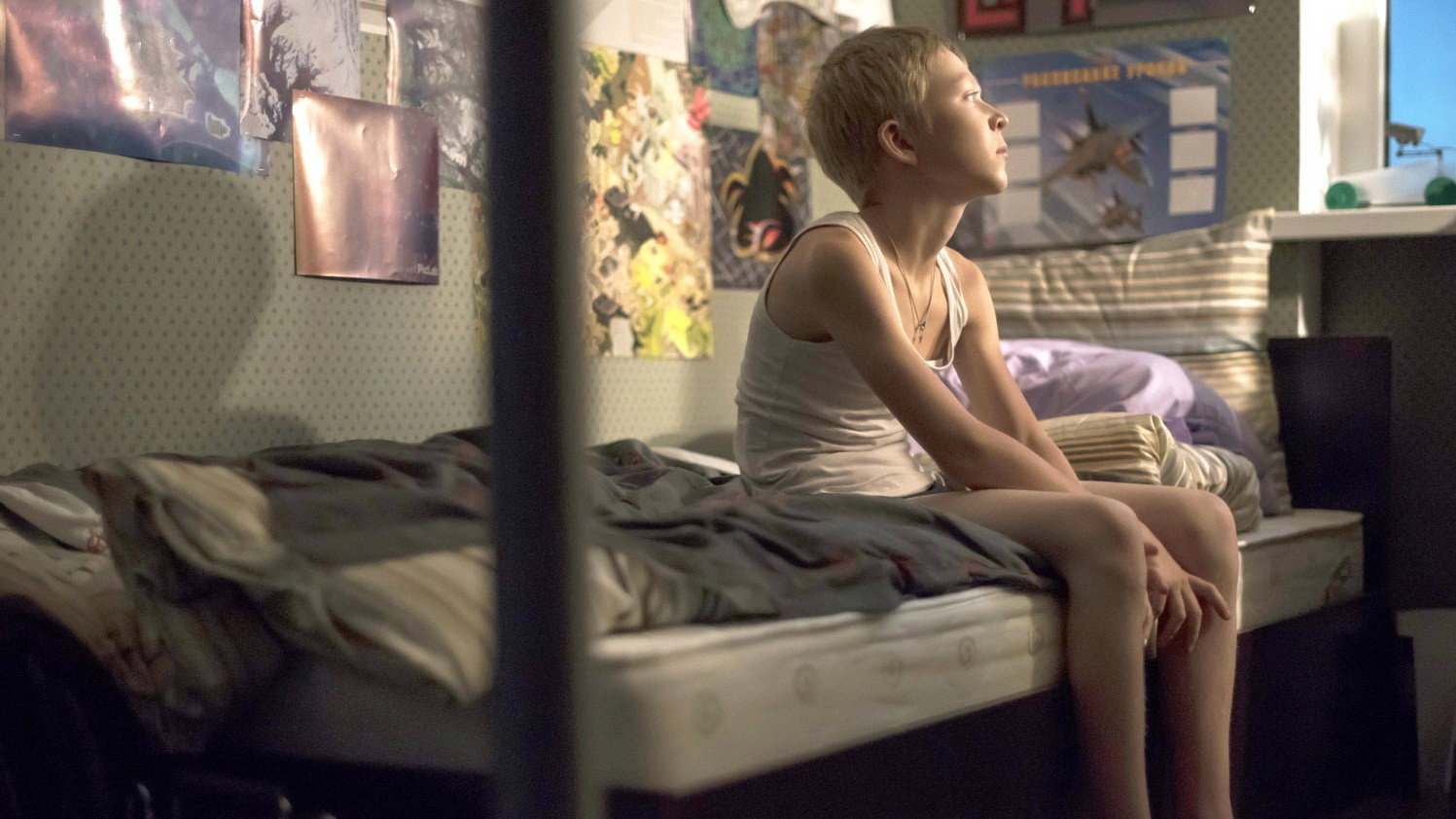
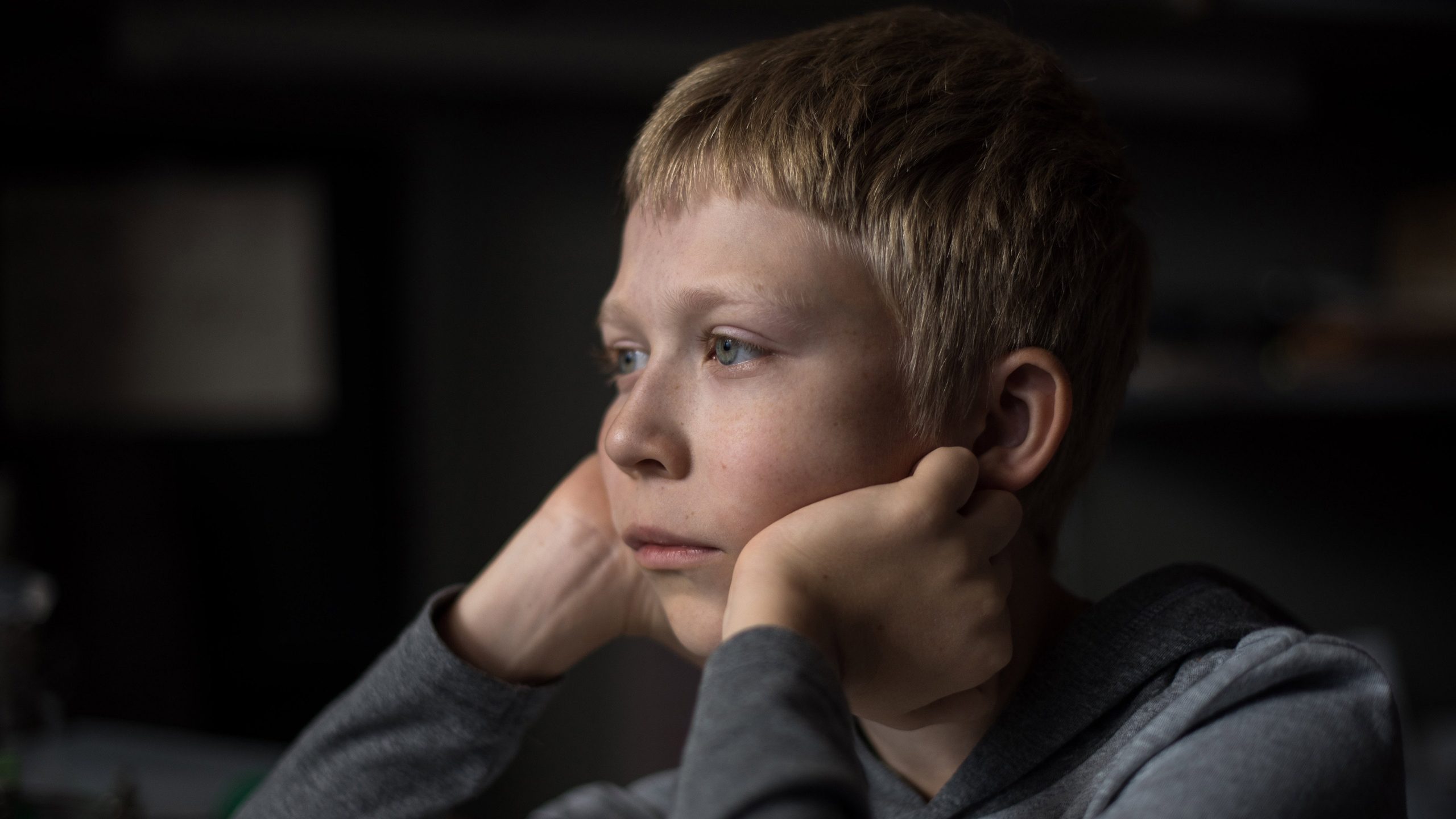
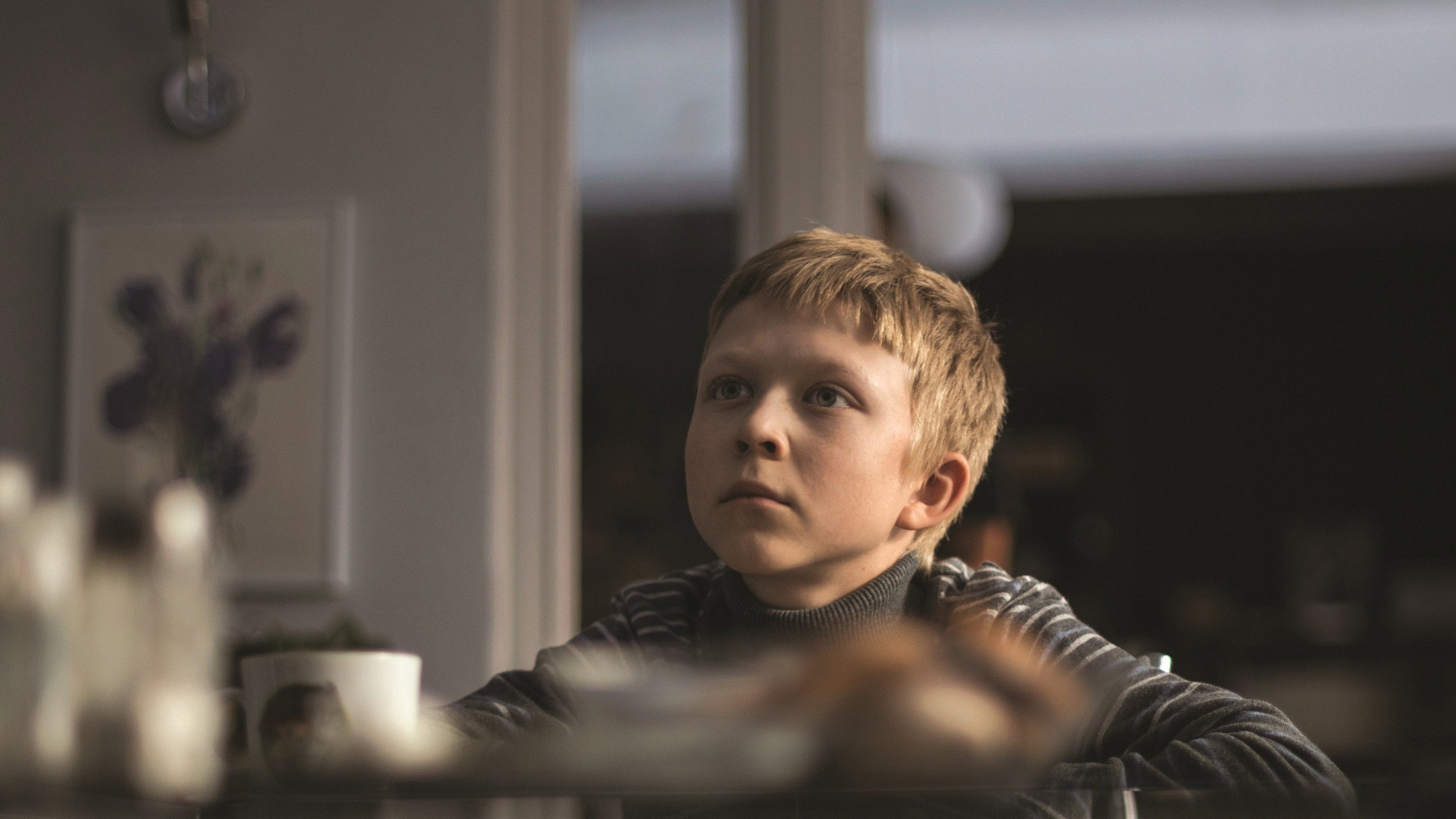
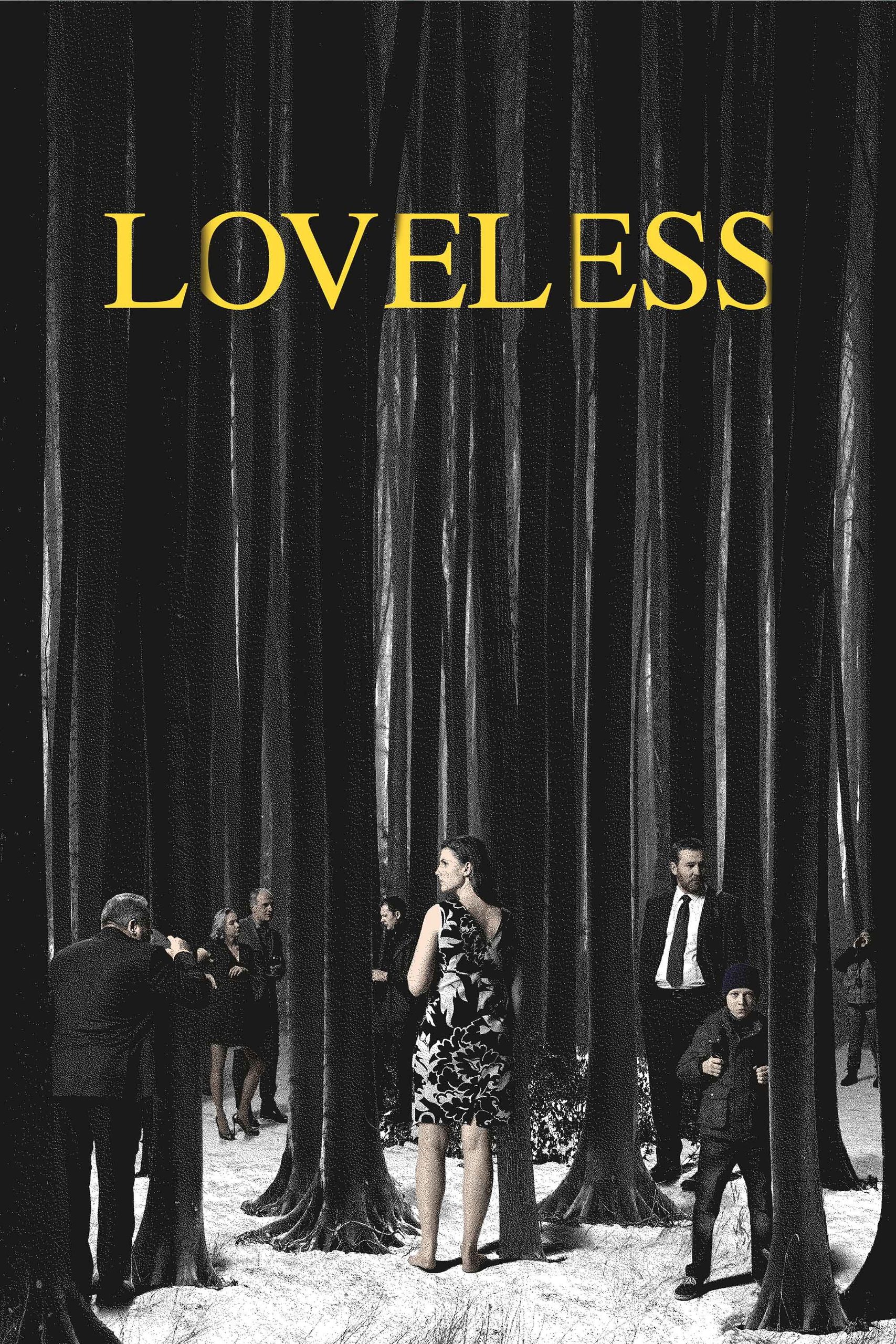
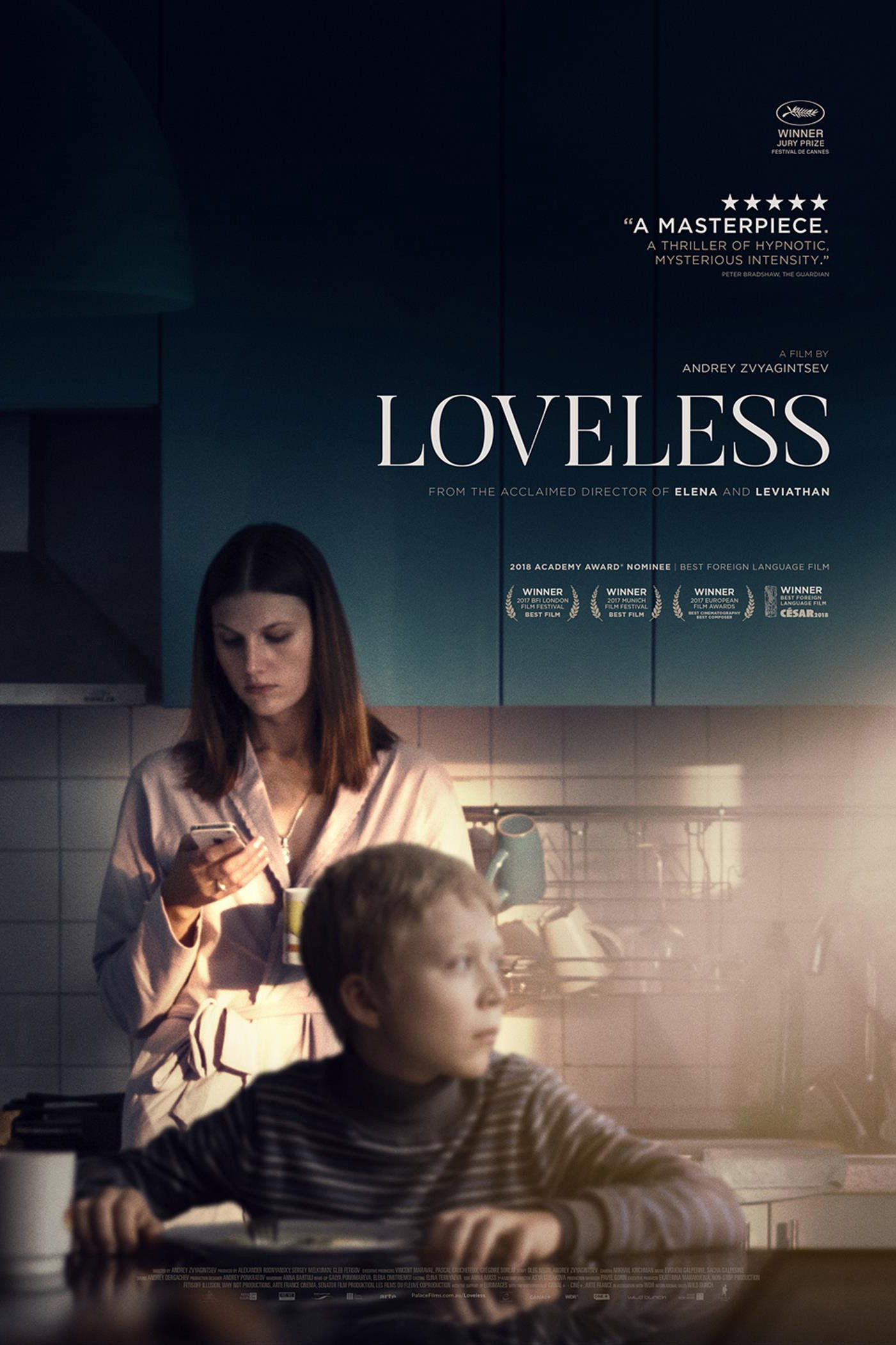
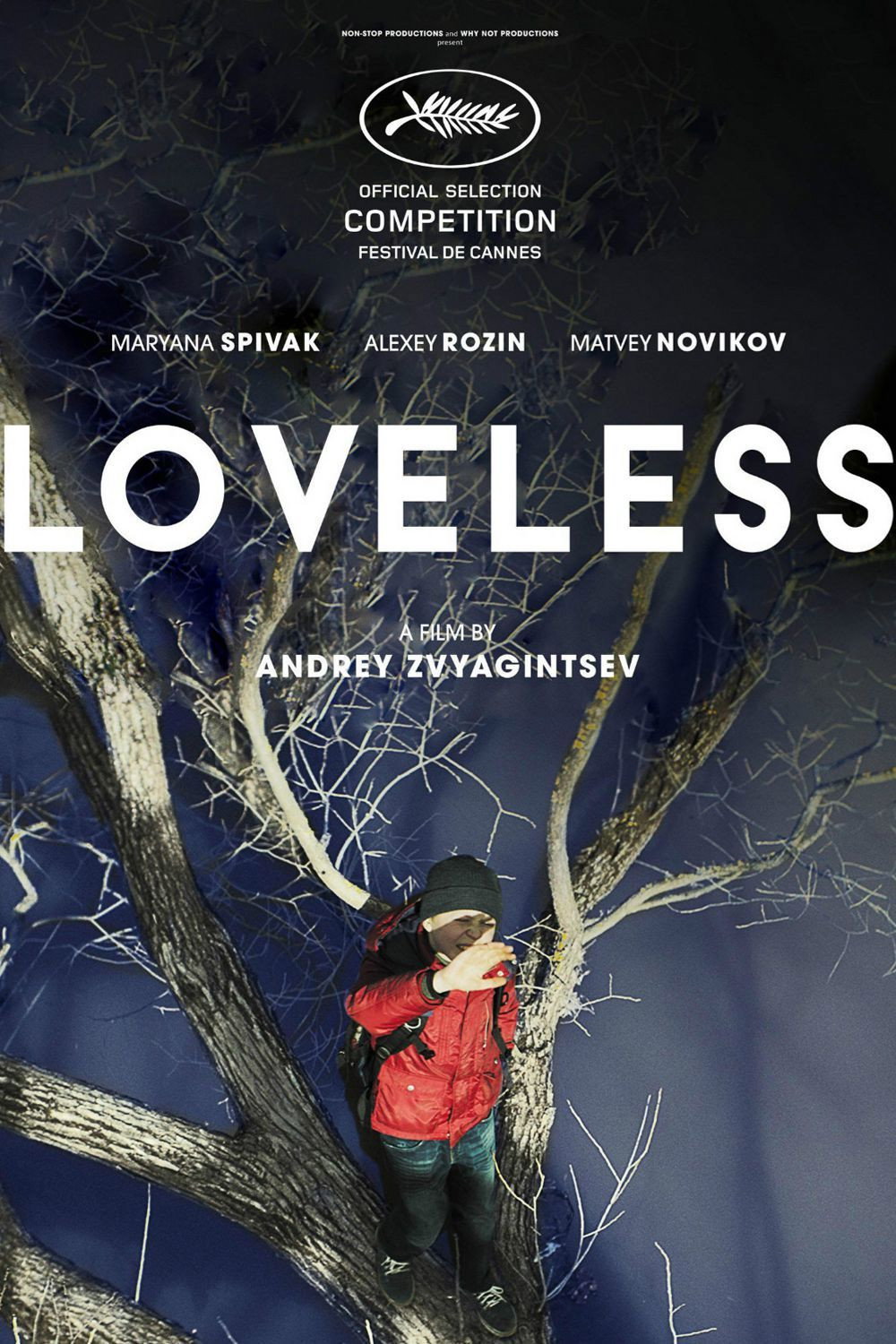
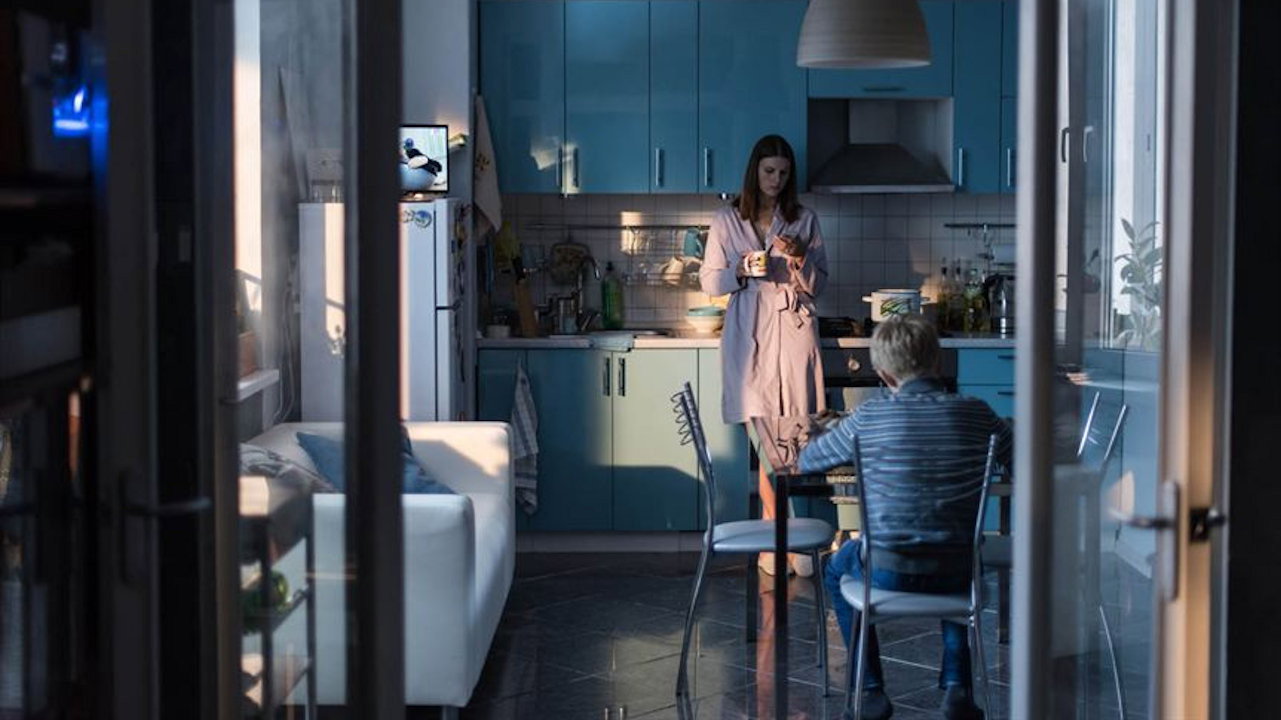
In contemporary Russia, Zhenya (Maryana Spivak) and Boris (Aleksey Rozin) are going through a bitter separation. Their quarrels and preoccupation with their own lives leave their son, Alyosha (Matvey Novikov), without the attention he needs. He cries silently, unseen by the adults who are supposed to care for him. When Alyosha disappears, the parents have to turn back towards the child they have neglected. They want to find him, but must deal with one another to do so. The search draws strangers into a family whose members have stopped looking after each other.

Plays from YouTube when you press play; nothing loads from them until then.

Fi1m review

Andrey Zvyagintsev’s missing-child drama is gripping and deeply upsetting, with performances that make parental neglect hard to watch. Its diagnosis of Russia can be heavy-handed; the family story is painful enough without it.

Loveless is a gripping, punishing drama about parents whose mutual hatred has left their son desperate for attention. Andrey Zvyagintsev begins with a marriage coming apart and follows the damage beyond the family, until a search for one missing boy becomes an accusation against contemporary Russia. We recommend it for the precision with which it shows neglect, despite some over-insistent attempts to make these parents speak for a country. The film is most convincing when it stays close to the child.

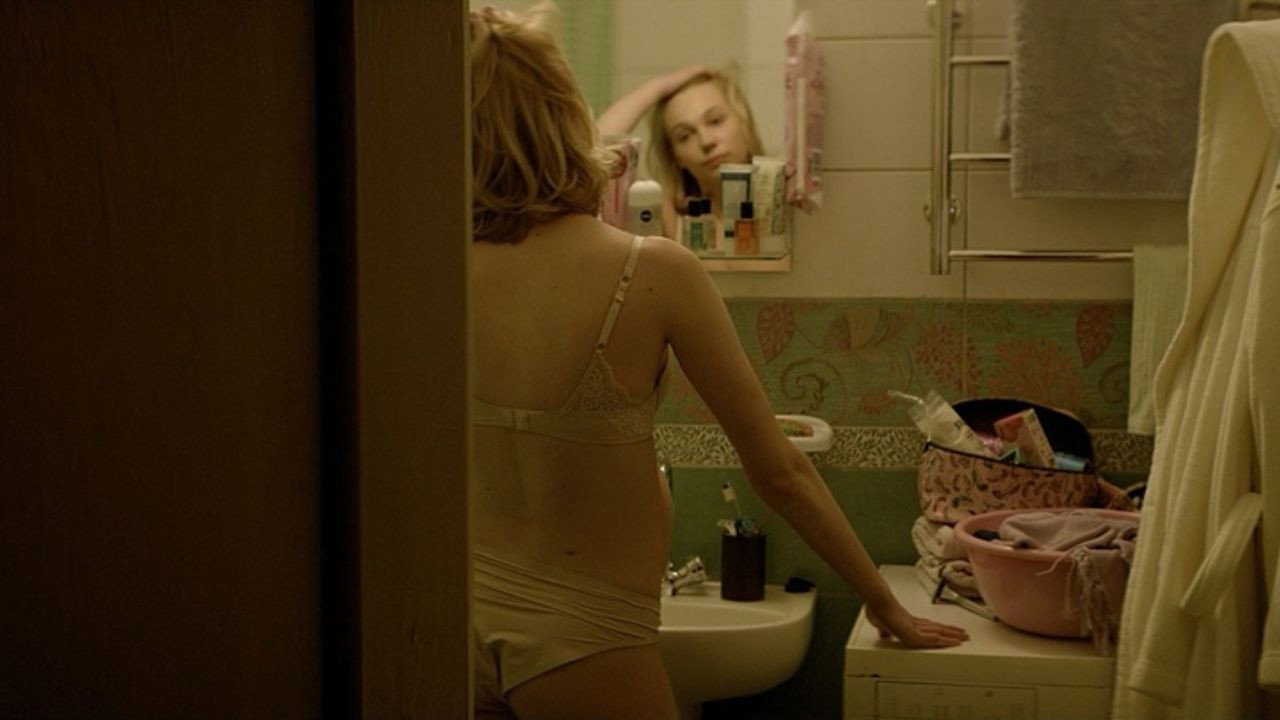
Maryana Spivak’s Zhenya and Aleksey Rozin’s Boris are convincing in the exhausting familiarity of their hostility. These are arguments in which neither expects to persuade the other, yet neither can stop. The screenplay by Andrey Zvyagintsev and Oleg Negin allows their loathing to spread from the marriage to the child, with no comforting suggestion that parenthood will make them behave better. That is hard to watch, though the near-total lack of tenderness also begins to narrow what either actor can show us.

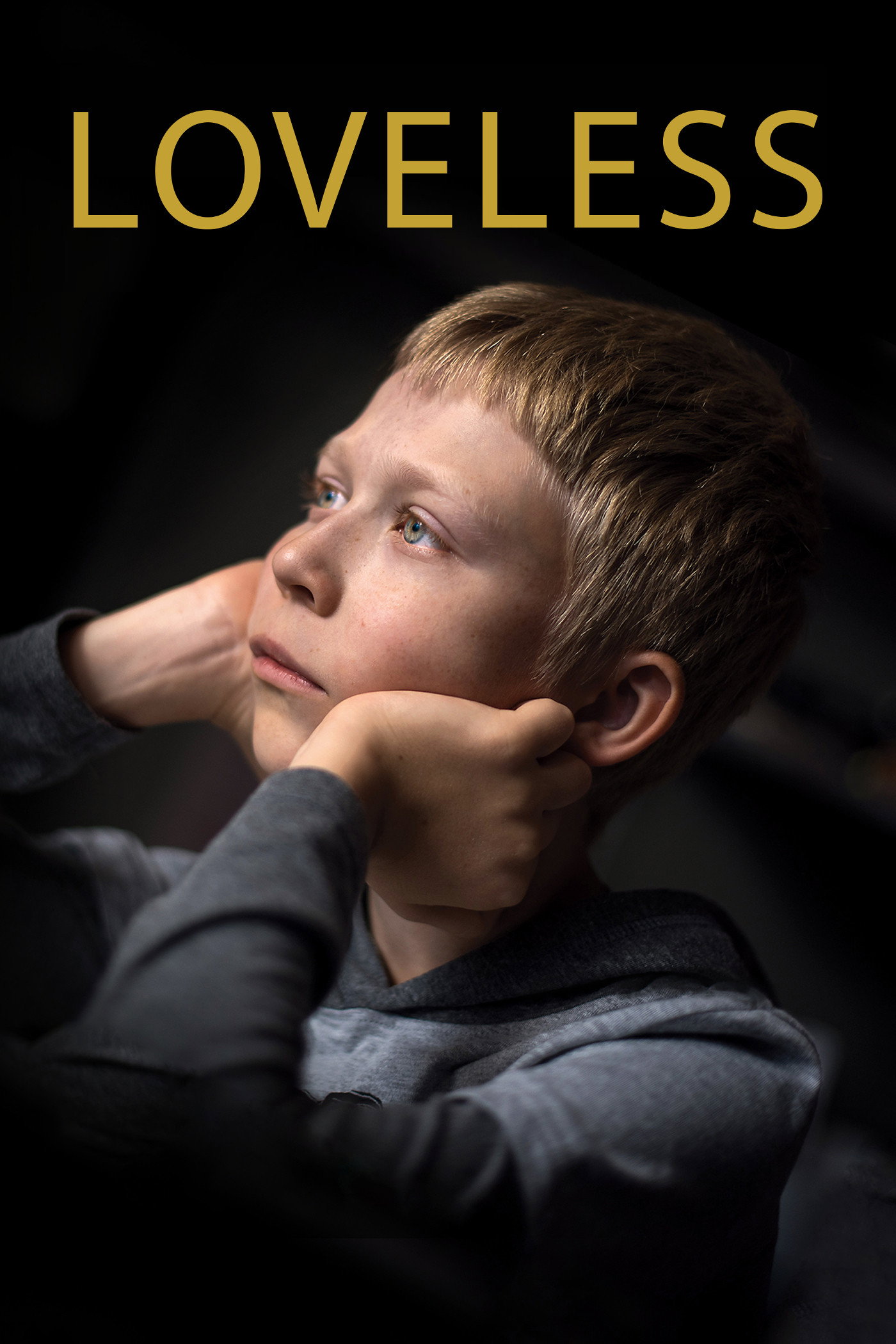
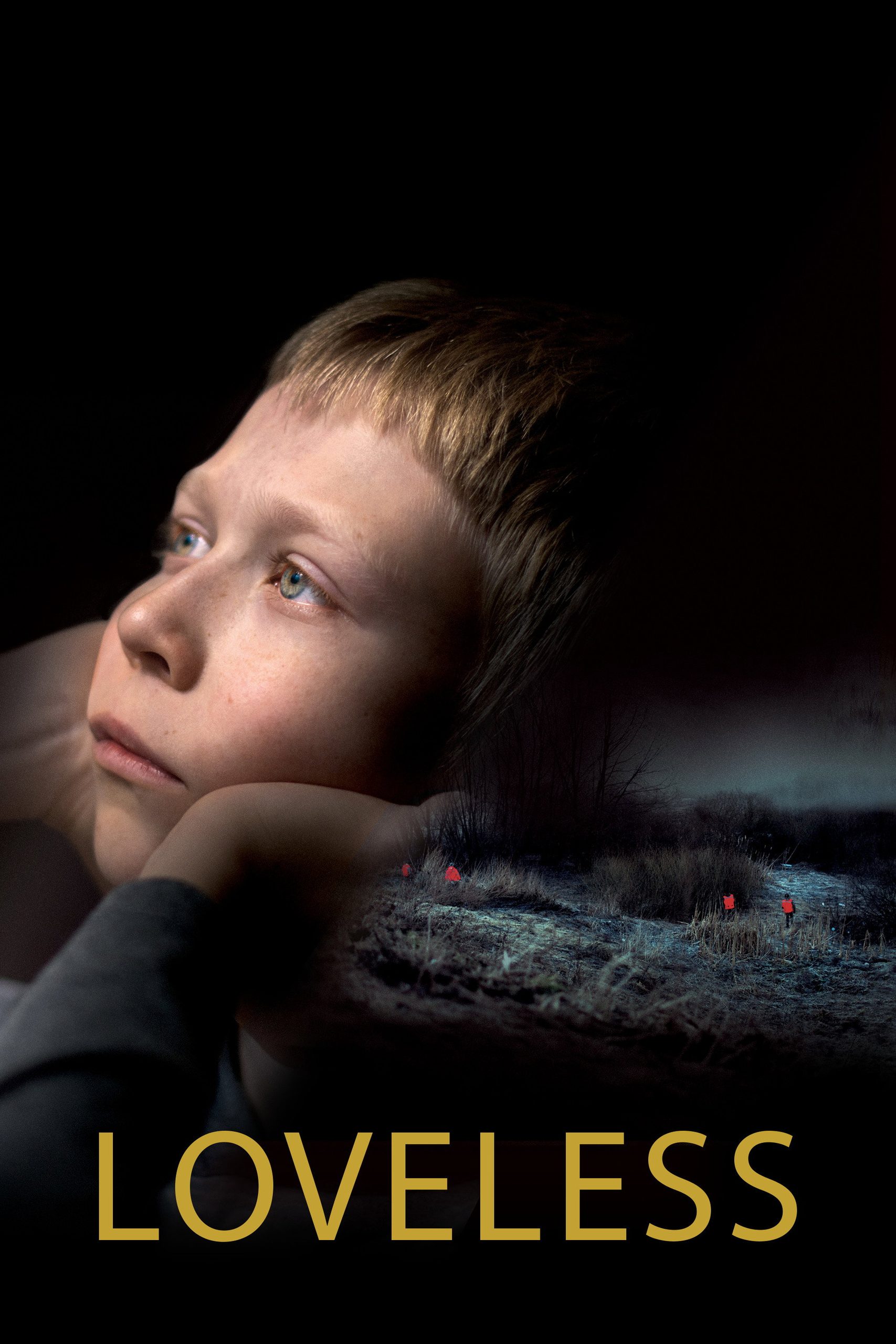
The glimpse of Alyosha silently crying is the scene that justifies the film’s severity. We were horrified. Matvey Novikov makes his distress so plain that the adults’ failure to notice him feels almost impossible to endure. It matters that the film lets us see what they do not: however far the story moves beyond the family, we keep thinking about this particular child and what he needs from his parents.

Mikhail Krichman’s cinematography sets the family within exact, chilly compositions, with room around people that seems to keep them apart. The winter landscapes have the same unwelcoming precision, and their beauty does nothing to make us want to linger there. Production designer Andrey Ponkratov gives the domestic scenes a similarly inhospitable feel, so being indoors offers little relief. That consistency makes the parents’ quarrels oppressive before either of them has finished speaking.

As the search widens, the film becomes a procedural, and its patience starts to work differently. Editor Anna Mass gives the effort to find Alyosha enough weight that other people’s attention begins to feel like a practical answer to his parents’ neglect. The volunteers are prepared to do something for a child who is not theirs, and the film’s view of them keeps its anger from becoming indiscriminate. We found their straightforward care deeply moving after so much domestic cruelty.

Evgueni Galperine and Sacha Galperine’s music adds to the pressure; we never feel invited to enjoy the search simply as a thriller. The greater problem is the insistence that this marriage should explain an entire country. Andrey Zvyagintsev and Oleg Negin have written the family with enough force that the broader political meaning can feel imposed upon it. Whenever the parents seem to be standing for Russia, their behaviour becomes too easy to categorise, and we lose some of the uncertainty that makes them frightening.

Missing-child dramas can turn suffering into a series of clues, with the search giving us something manageable to follow. Loveless makes that harder: our concern for Alyosha persists alongside our disgust with the adults, and neither feeling settles comfortably. At 122 minutes, it asks for sustained attention to people whose company we would ordinarily avoid. Choose it when there is time afterwards to sit quietly; anyone already raw about a child’s welfare should leave it for another evening.
Critical consensus AI synthesised

76
Positive
22
Mixed
3
Negative
1

Most critics find Loveless compelling despite its punishing bleakness, praising Zvyagintsev’s account of a bitter separation and a missing child as a forceful examination of social indifference in Russia. Praise clusters around the precise compositions, wintry cinematography and tension of the volunteer search sequences, with several reviews finding welcome humanity in the searchers’ care. The performances also earn approval for making the parents’ hostility convincing, while the boy’s distress gives the wider political reading an immediate emotional cost.

Reservations centre on whether that wider reading is earned: some critics find the symbolism heavy-handed, the misery excessive and the characters insufficiently nuanced. There are pacing objections too, though other reviews praise the patient storytelling. The spread is wide but predominantly positive; Sight and Sound offers the clearest dissent, admiring the compositions and editing while finding the connection between family tragedy and national failings forced.

Slant Magazine
14 February 2018 · ★★★★ · Chuck Bowen
100

The review highlights the film's punishing bleakness and yearning for transcendence, praising its tonal sleight-of-hand, geometric imagery, and exploration of inherited lovelessness and familial destruction. It singles out the formalism and earnest sadness that distinguish it from similar European miserabilism.

Read the full review →
The Telegraph
8 February 2018 · ★★★★★
100

This pristine and merciless film is a pitiless critique of Russia, beginning in the cold and dropping in temperature as the search for the missing boy widens to reveal societal divisions. It praises the mesmeric horror of the volunteer search party and the vast implications of the small story.

Read the full review →
The Hollywood Reporter
17 May 2017 · festival review · Leslie Felperin
90*

The critic calls the film a devastating, finely layered drama that illustrates the pathologies of Russian society through an intimate family story. It praises Zvyagintsev's gift for microcosms and technical craft while noting its parable-like reach into disconnection, institutional failure, and generational pain.

Read the full review →
The Guardian
11 February 2018 · Peter Bradshaw
85*

The film is a pitiless parable that dissects a hollow society through the story of a child's disappearance amid his parents' toxic separation. It singles out the haunting image of the unseen boy silently screaming in anguish for its visual power and emotional impact.

Read the full review →
Little White Lies
7 February 2018 · 4/4/4 · Cian Traynor
80

The critic calls it a bleak but captivating vision of a society without empathy. He singles out the expert pacing, cinematography and performances that make the indictment of disconnection magnetic despite unlikeable characters.

Read the full review →
The New Yorker
12 February 2018 · Anthony Lane
80*

The critic finds the film gripping despite its grimness, crediting Zvyagintsev's alive storytelling and indictment of spiritual rot in modern Russia, including both state repression and consumerist distractions. He notes the shift from domestic drama to a relentless procedural thriller centered on the missing child.

Read the full review →

Cast

Awards

Academy Awards, 2018

Nominated
Best International Feature Film

César Award for Best Foreign Film, 2018

Won
César Award for Best Foreign Film

International Submission to the Academy Awards, 2018

Nominated
International Submission to the Academy Awards

European Film Award for Best Cinematographer, 2017

Won
European Film Award for Best Cinematographer

European Film Award for Best Composer, 2017

Won
European Film Award for Best Composer

European Film Award for Best Director, 2017

Nominated
European Film Award for Best Director

European Film Award for Best Film, 2017

Nominated
European Film Award for Best Film

European Film Award for Best Screenwriter, 2017

Nominated
European Film Award for Best Screenwriter

European University Film Award, 2017

Nominated
European University Film Award

If you liked this, try…