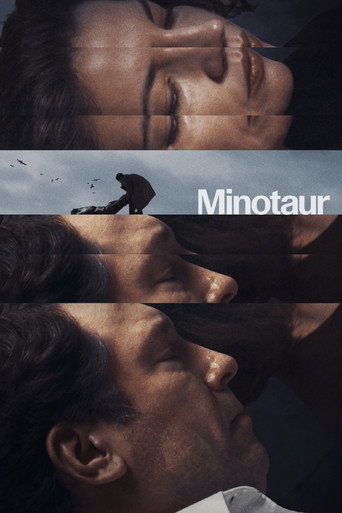
Andrey Zvyagintsev makes severe, carefully composed dramas about families under pressure. We recommend starting with Leviathan, where the people are unexpectedly funny and worth caring about, even when the religious symbolism grows too heavy.
Fi1m perspective
A landscape stays on screen long enough for us to notice how little of it the people occupy. Mikhail Krichman, Zvyagintsev’s regular cinematographer, is important to that effect: the long, static, wide shots give us time to register the surroundings as well as the faces. People can look stranded simply because there is so much space around them. We value that patience, though it puts pressure on what the actors are given to do within the frame.
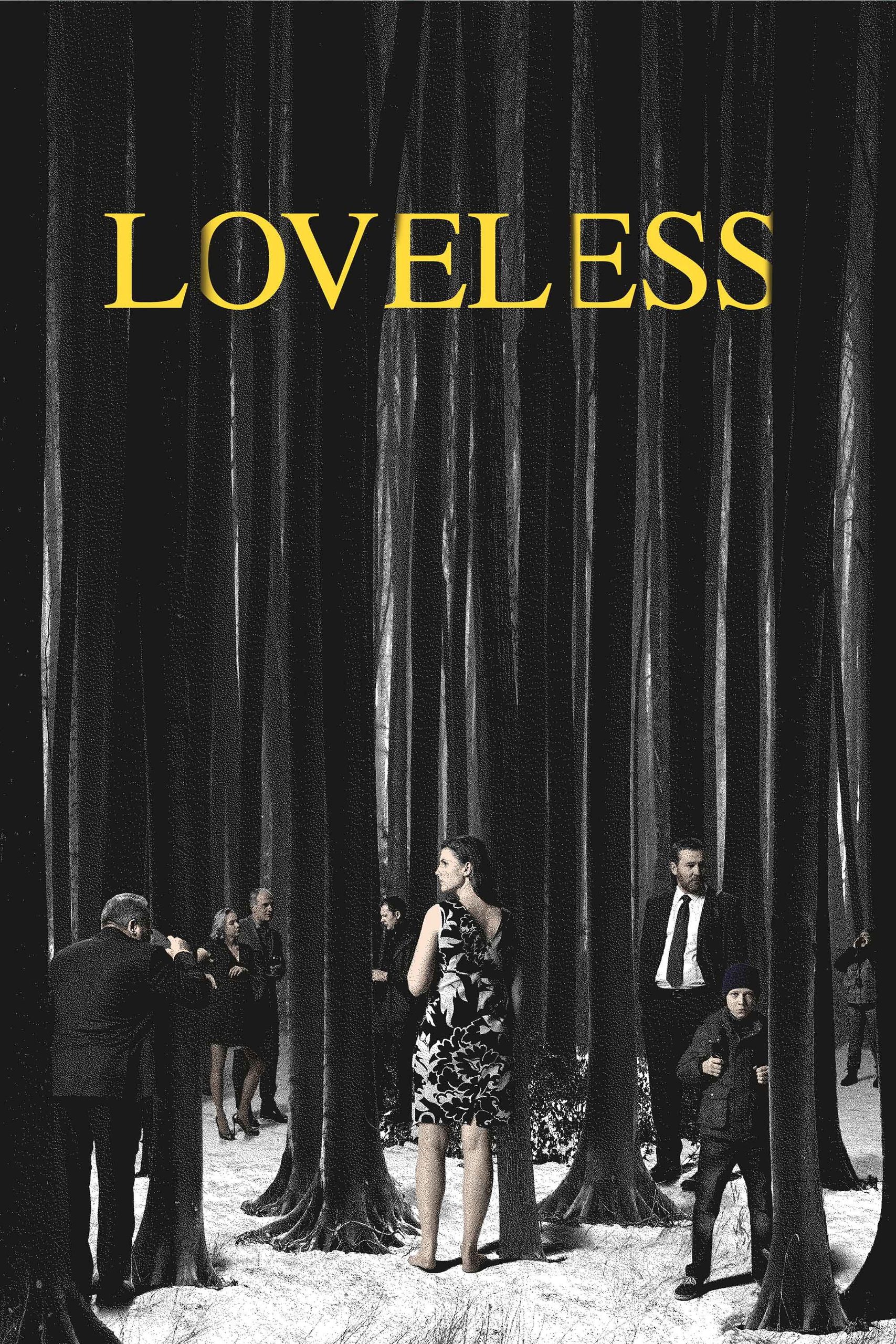
The early features, The Return (2003) and The Banishment (2007), belong to the more abstract stretch of his work. Elena (2011) makes the turn towards more concrete observation of class and family tensions in contemporary Russia. By Leviathan (2014), those concerns have become a working man’s struggle against corrupt local power, spreading into his family and the wider community. Loveless (2017) keeps the focus on family failure, with parental neglect at its centre. The useful way into this progression is through the households: notice what people do to one another before deciding what they are meant to represent.
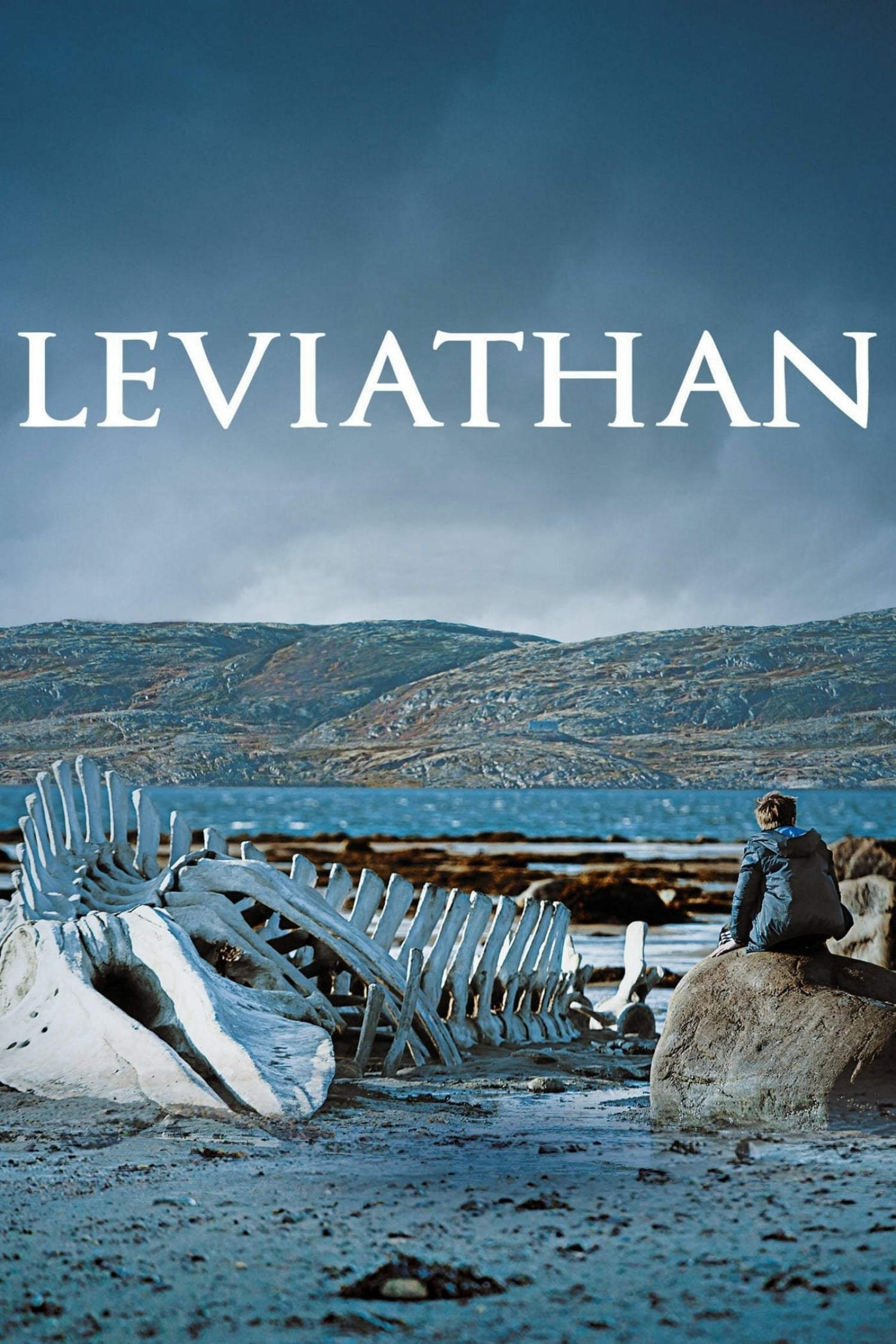
In Leviathan, Zvyagintsev and co-writer Oleg Negin let their characters be selfish and ridiculous before asking us to pity them. That matters in a story where officials have the power to do far more harm than the people confronting them. We laughed more than we expected at Leviathan, because Zvyagintsev gives these embattled people time to be awkward rather than asking for pity at every turn. We care more because we have been allowed to find them difficult company. The acting sustains that sympathy without making anyone more agreeable.
The reservation is the weight he places on religious symbolism in Leviathan. It grows heavy enough to distract from a struggle that the writing and performances have already made clear. The family’s weaknesses and the officials’ greater ones give us enough to think about without quite so much insistence. This is a flaw in a film we strongly recommend, rather than a reason to dismiss its severity. Choose it for an evening when difficult company is welcome, and do not mistake the laughter for reassurance.
Biography
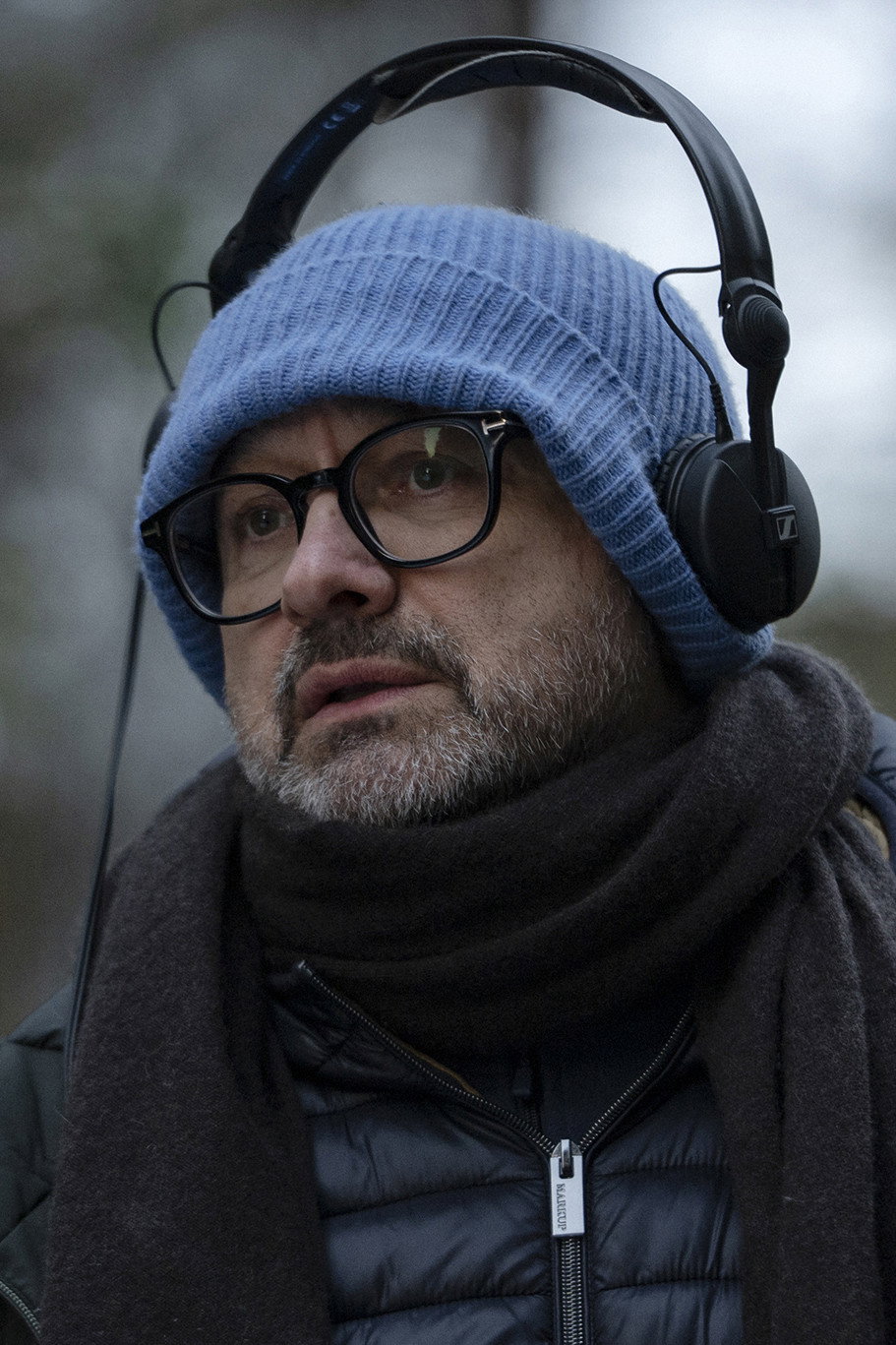
Andrey Zvyagintsev is a Russian film director and screenwriter. Born in Novosibirsk in 1964, he trained as an actor at the Novosibirsk Theatrical School and later at the Russian Institute of Theatre Arts in Moscow. He worked as an actor in theatre and film before directing television episodes and making his feature debut.
His first feature, The Return (2003), won the Golden Lion at the Venice Film Festival. Subsequent films include The Banishment (2007), Elena (2011), Leviathan (2014) and Loveless (2017). Leviathan, which he co-wrote, won the Best Screenplay award at Cannes, the Golden Globe for Best Foreign Language Film and an Academy Award nomination for Best International Feature Film.