Film review

Leviathan

2014 · Directed by Andrey Zvyagintsev · 2h 21m · MPA R

In a sentenceNobody needs this much vodka, but we can understand the reasoning

DramaCrime

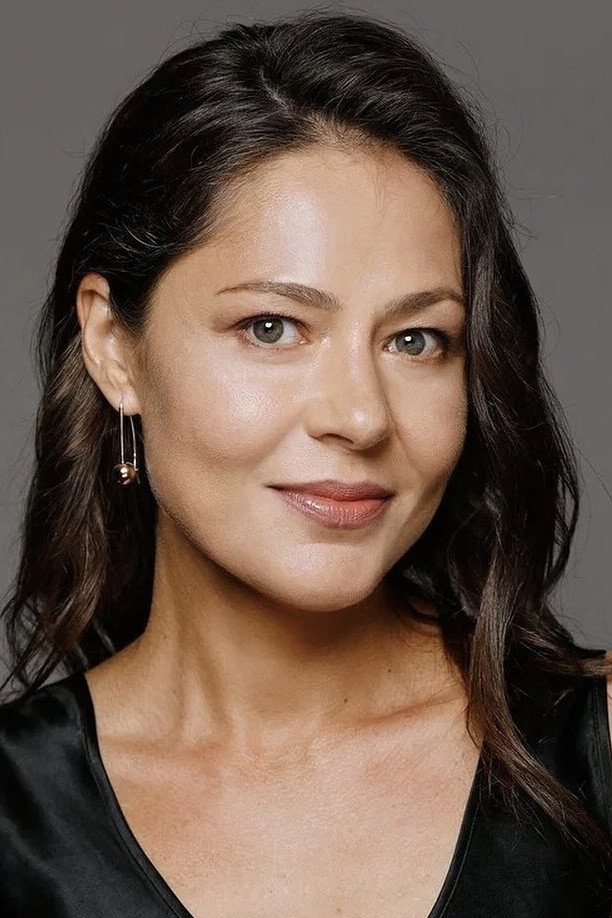
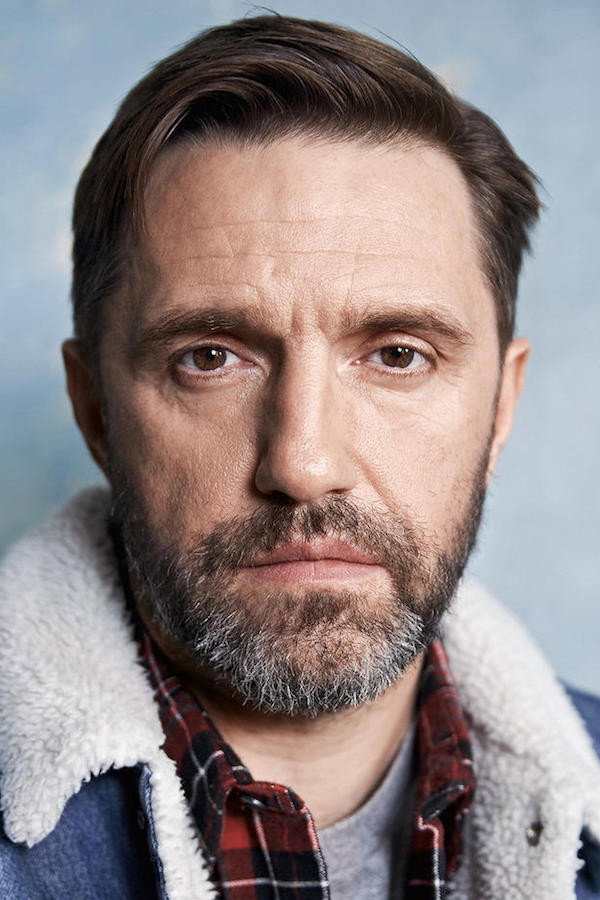
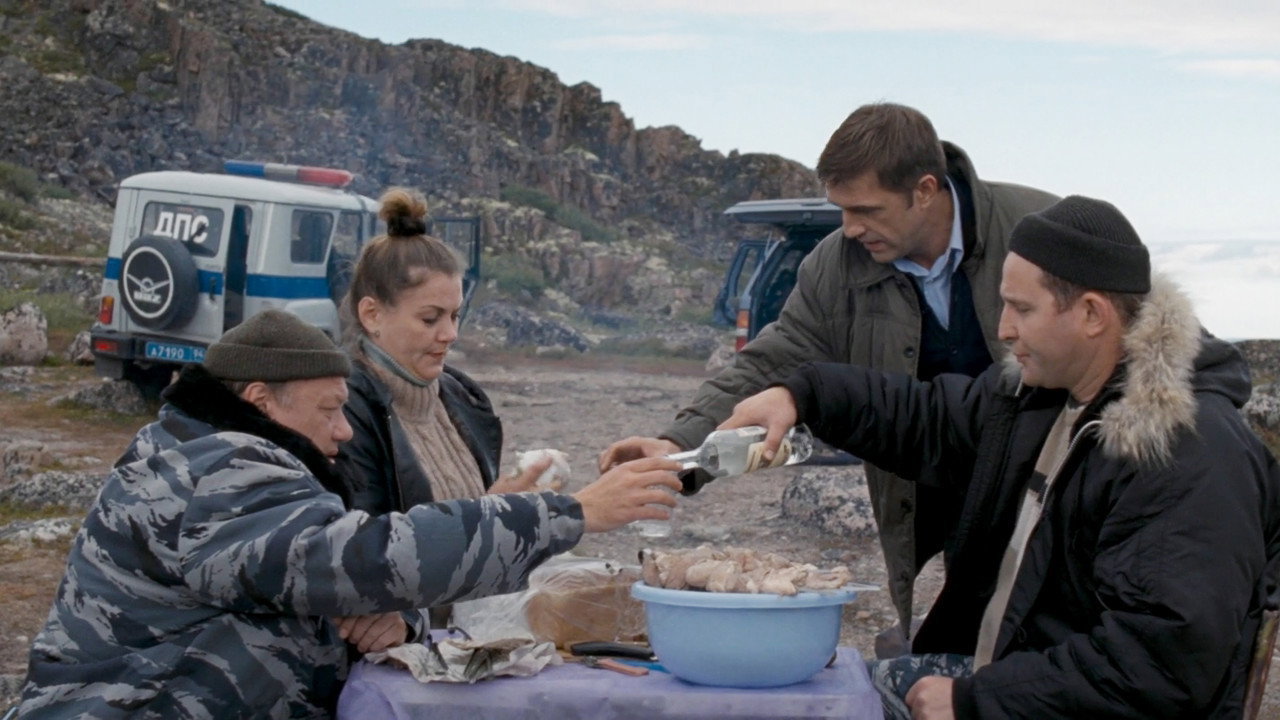
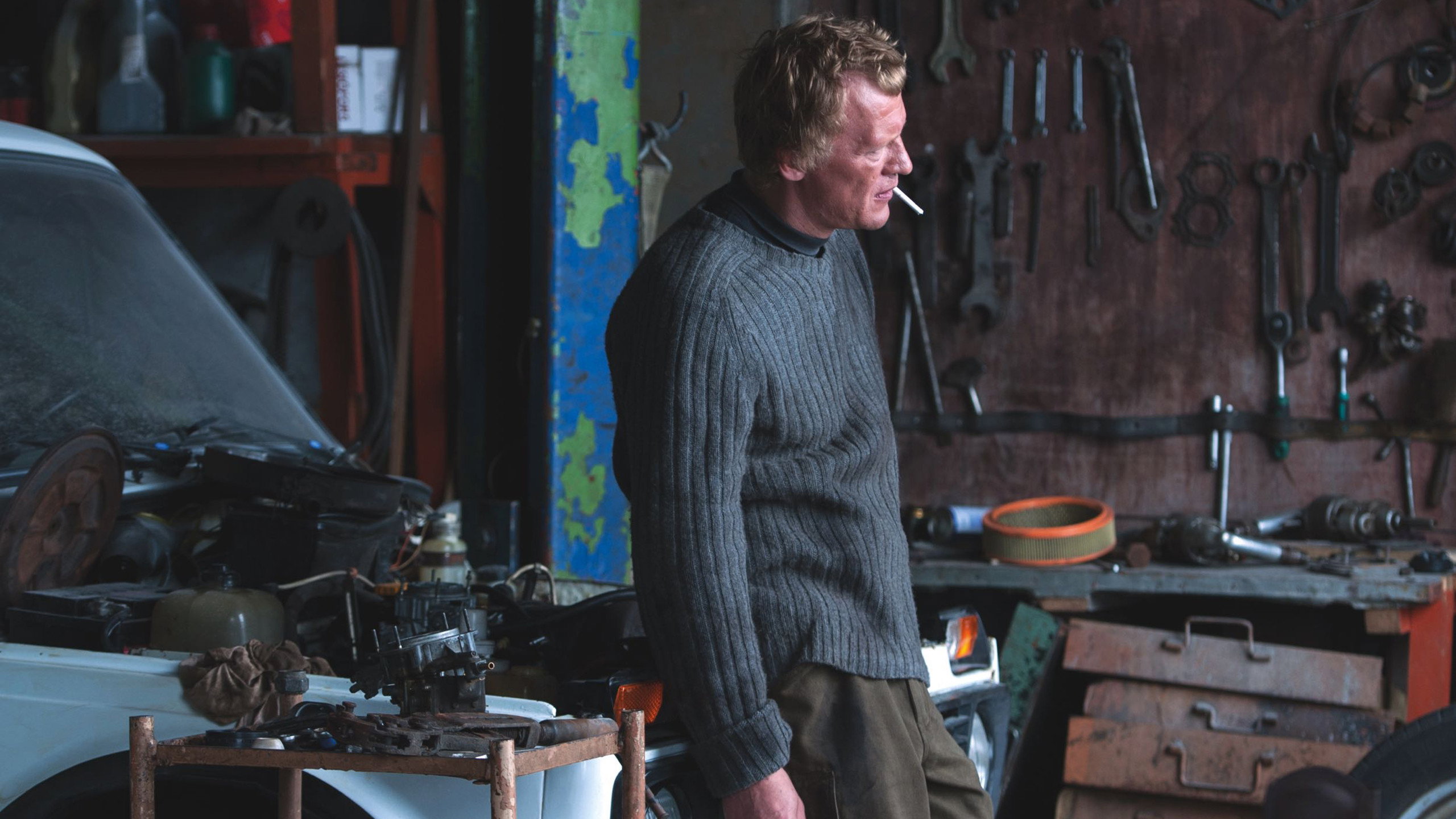
On the coast of contemporary northern Russia, working man Nikolay Sergeev (Aleksei Serebryakov) tries to resist corrupt local officials. His dispute with Vadim Shelevyat (Roman Madyanov) also involves Liliya Sergeeva (Elena Lyadova) and Dmitriy Seleznyov (Vladimir Vdovichenkov). Nikolay wants to be left in control of his life, but government, courts and Church dominate the community around him. Family tensions and heavy drinking complicate his resistance. The institutions that ought to protect an ordinary citizen offer little prospect of help when his opponents belong to the establishment.

Plays from YouTube when you press play; nothing loads from them until then.

Fi1m review

Andrey Zvyagintsev’s bitter drama about corruption in northern Russia is beautifully acted and unexpectedly funny. The religious symbolism grows heavy, but the people remain worth caring about, even when they are difficult company.

Andrey Zvyagintsev’s Leviathan is a fierce, unexpectedly funny drama about a working man taking on corrupt local power in northern Russia. We recommend it, with a warning that its religious symbolism eventually presses harder than it needs to. He and co-writer Oleg Negin make that struggle spread through family life and the wider community, where ordinary failings leave people exposed to officials with far greater ones. There is time for those people to be awkward, selfish and ridiculous before we are asked to pity them.

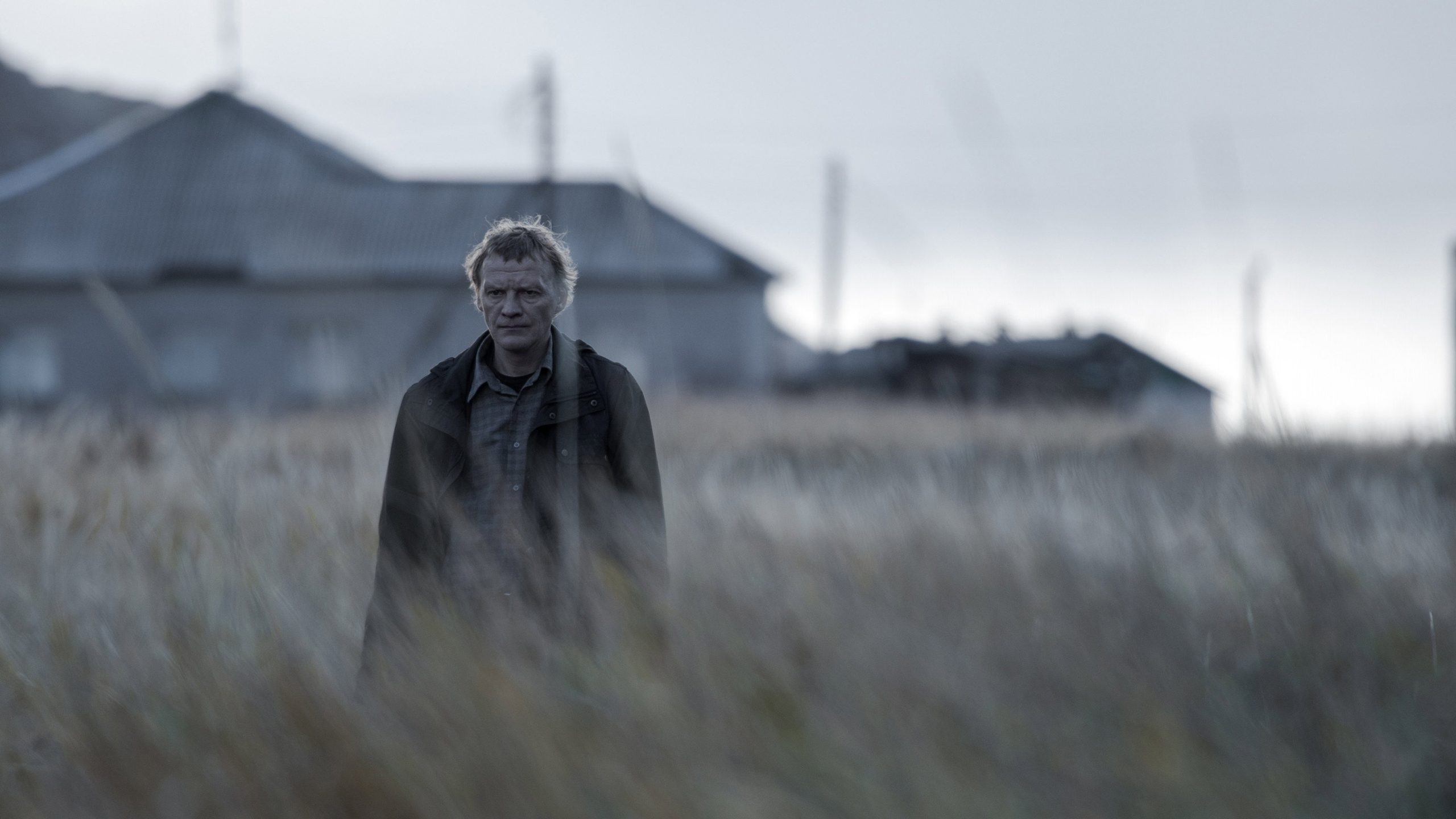
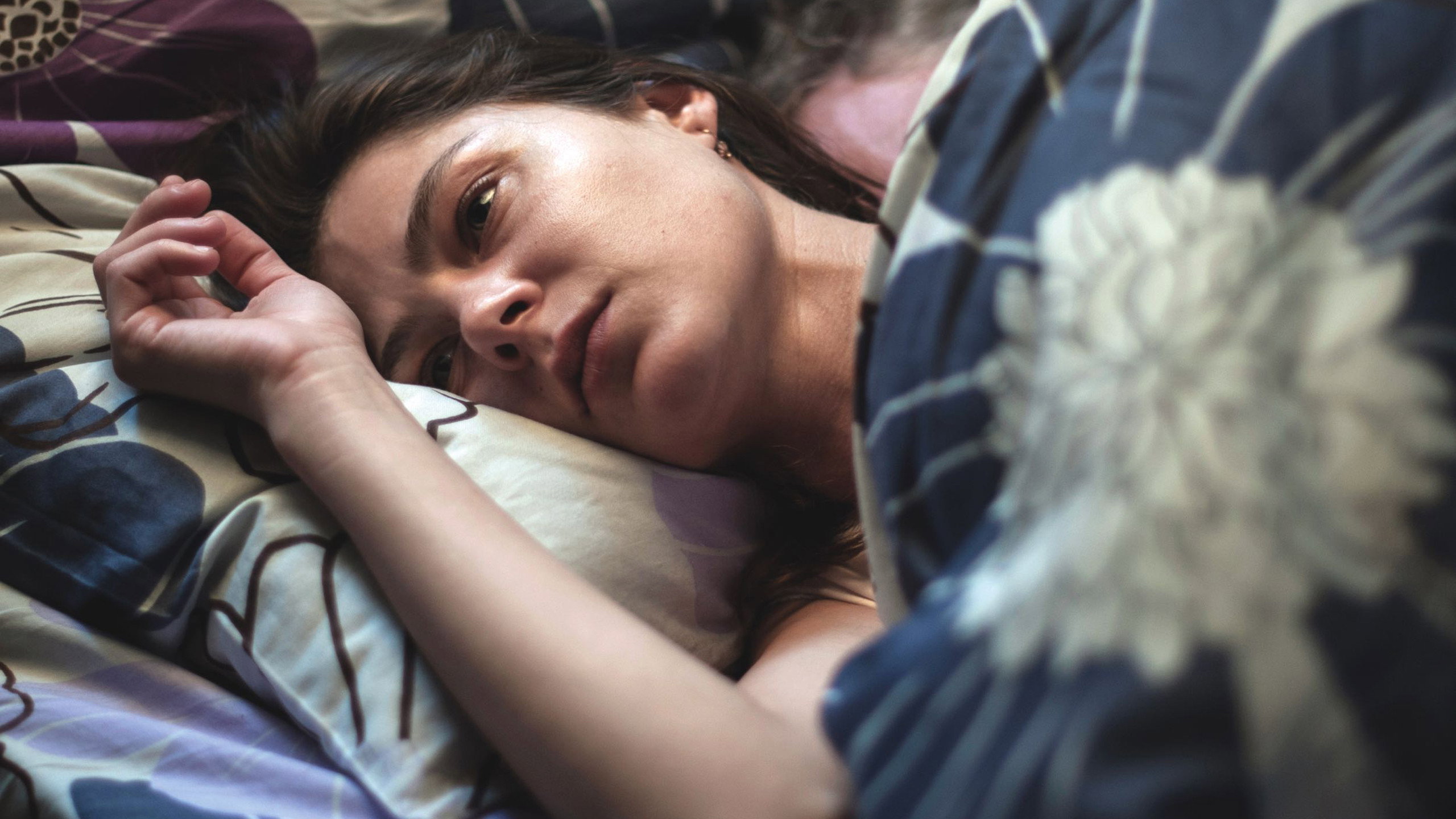
Aleksei Serebryakov gives Nikolay Sergeev an anger that can be tiring to sit with, which is part of the performance’s force. He is convincing as a man whose resistance does not necessarily make him good company, and the film gains from declining to tidy him into a model victim. Elena Lyadova’s Liliya Sergeeva helps keep the family scenes from becoming a lesson delivered on Nikolay’s behalf. Both performances make the domestic unhappiness matter independently of what it tells us about Russia.

Roman Madyanov, playing Vadim Shelevyat, understands how much comedy there can be in a bully who expects to be taken seriously. We laughed at his self-importance, then felt uneasy about having laughed. His blustering remains ridiculous even as we understand how much power he has over the people facing him. His performance supplies some welcome variation in a film that could otherwise become exhausting well before its 141 minutes are up.

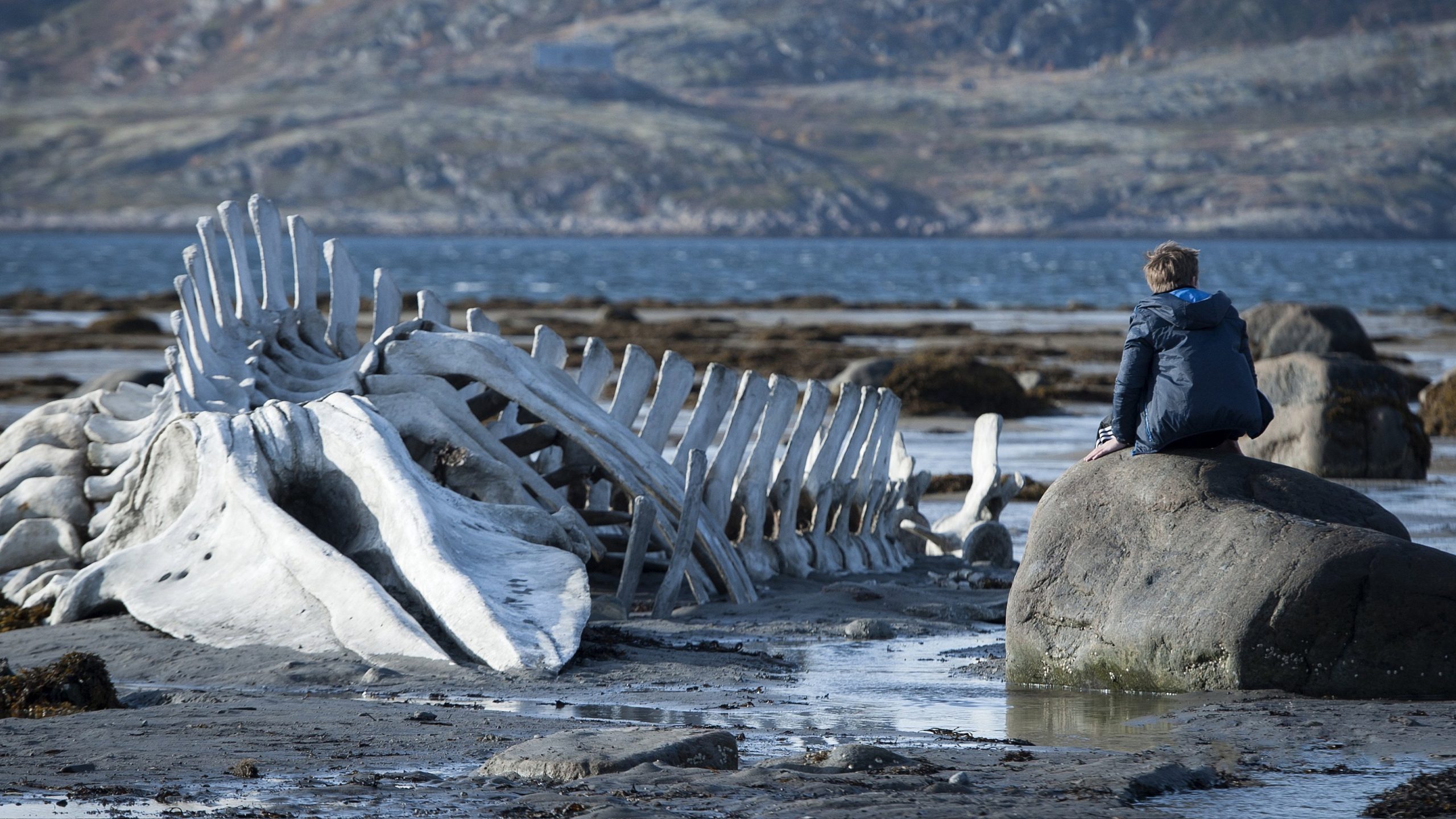
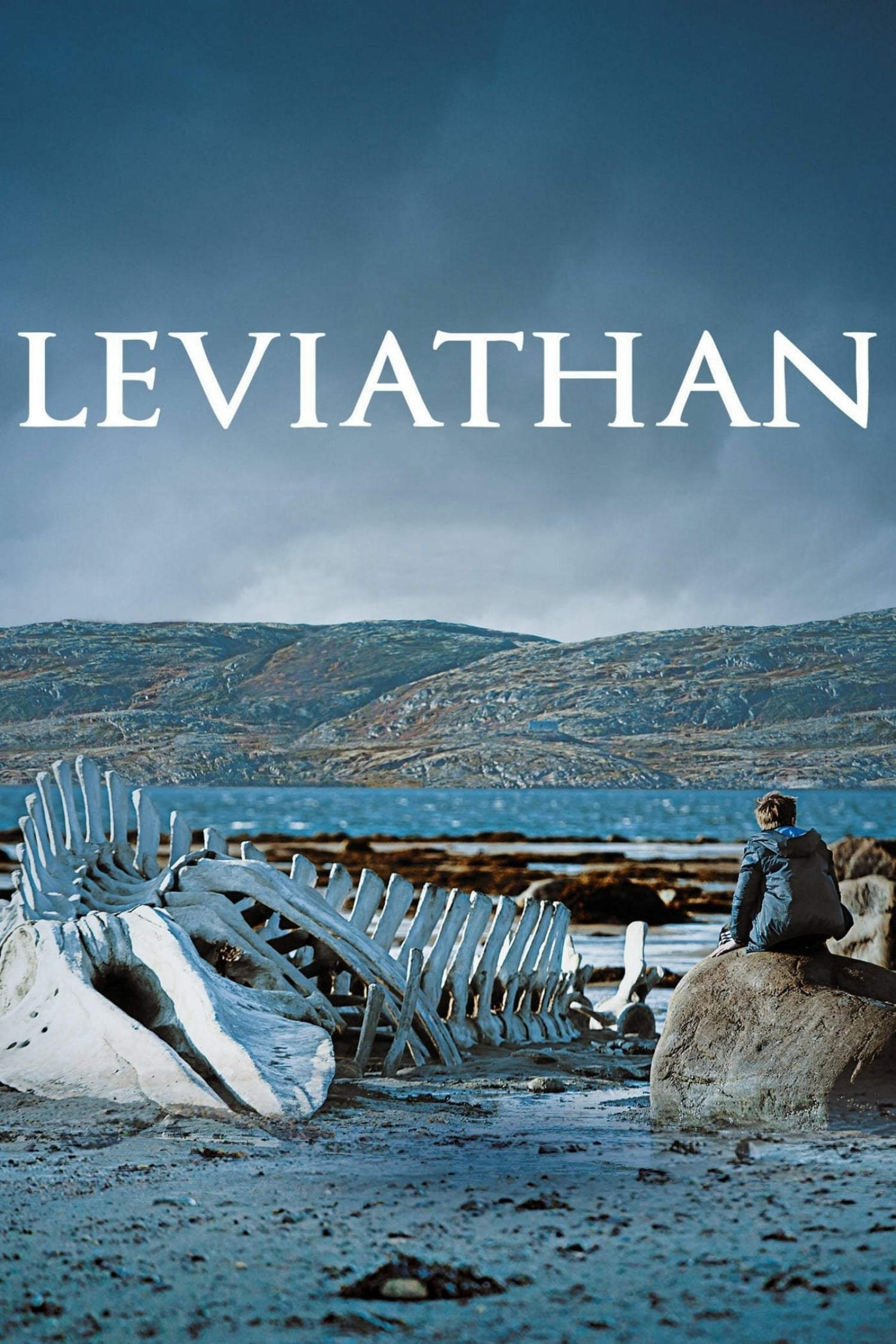
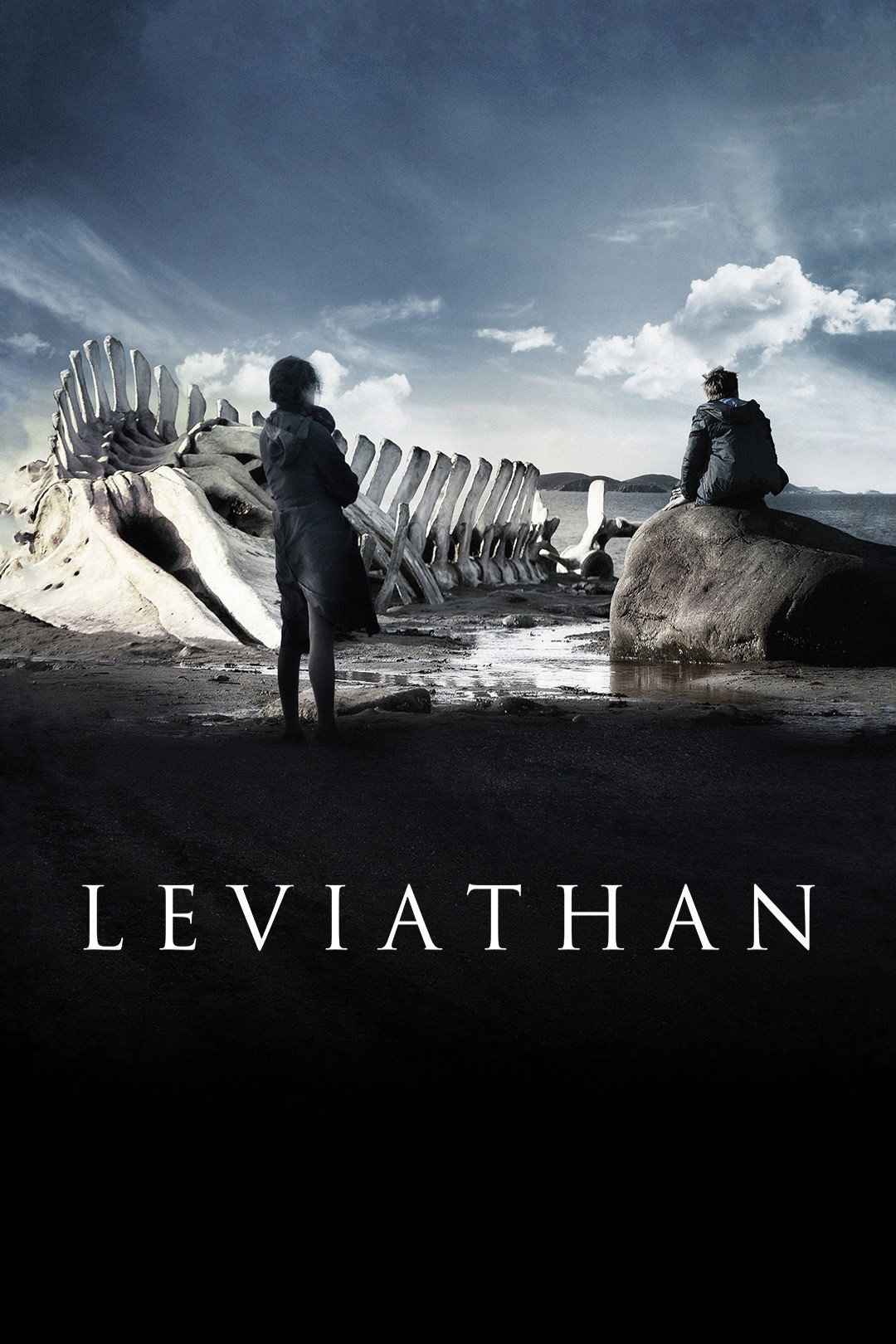
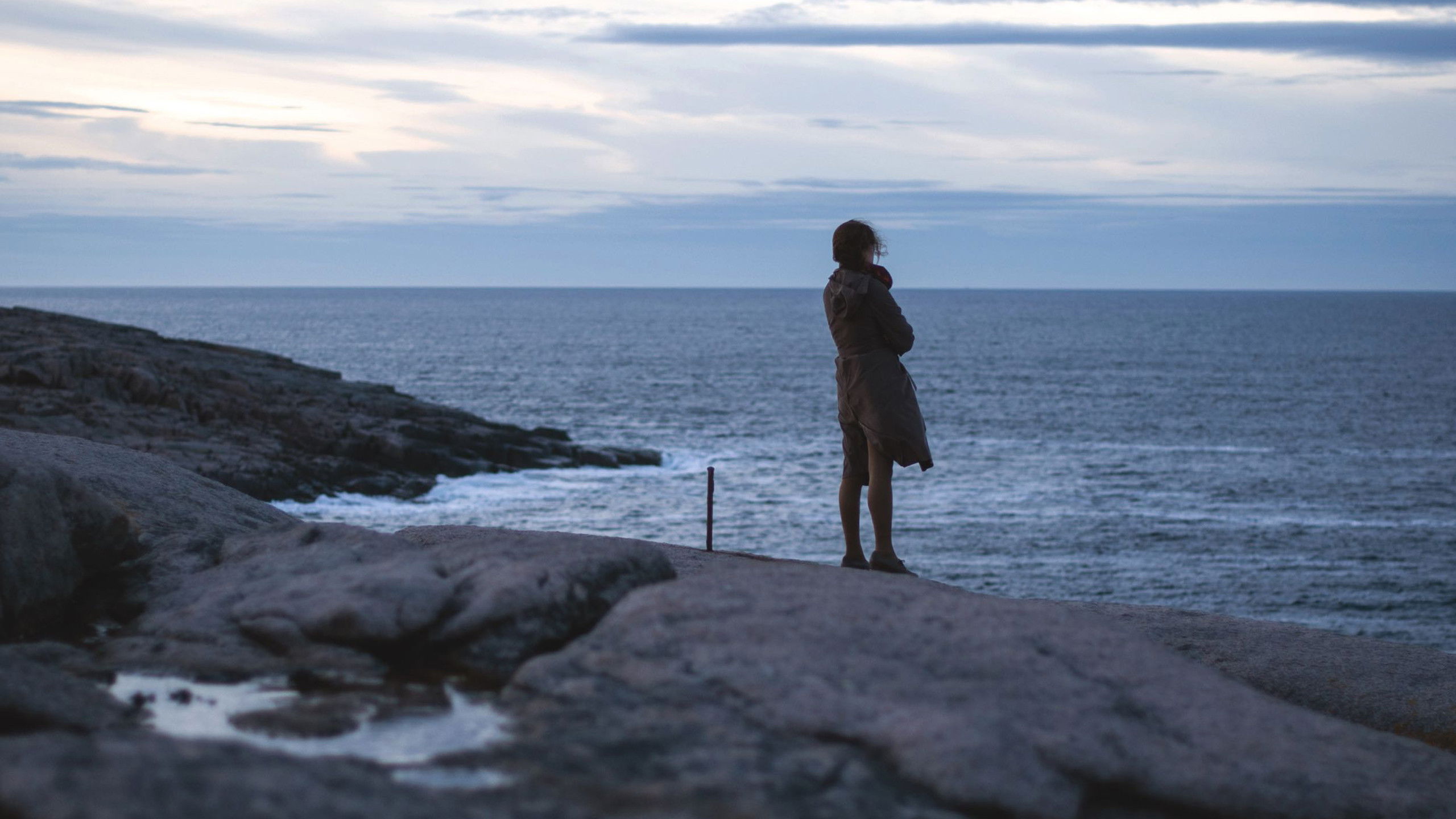
Mikhail Krichman photographs the desolate northern coast in wide compositions and gives us time to look. Those long views interrupt the close attention to human spite without making the situation feel any less oppressive. We can enjoy the landscape while remaining uncomfortable about the lives being lived there. Andrey Ponkratov’s production design makes the everyday settings feel inhabited, helping the actors keep this account of corruption recognisably ordinary.

Anna Mass’s editing leaves some narrative gaps and finds room for minor characters, trusting us to keep pace as the film moves beyond Nikolay. Those choices help the community feel larger than a collection of witnesses to one man’s trouble. The music, credited to Philip Glass and Andrey Dergachyov, gives the expansive images a solemn weight. It is effective, though we sometimes wanted less insistence on how gravely we should take what we were watching.

The difficulty comes when the religious comparisons demand more attention than the people. The echoes of the Book of Job are plain enough, and the second half gives them a prominence that makes an already remorseless story feel over-explained. Political dramas can flatten people into examples, and the director mostly avoids that through the unruly performances and sour comedy. Yet the Church, government and judiciary are set so firmly against the individual that the story can feel decided in advance.

Give it an evening when the interruptions can wait. Expect some laughter, too; approaching it as nothing but a solemn lecture would do the actors a disservice. We would avoid scheduling an appointment with local government for the following morning.
Critical consensus AI synthesised

83
Positive
20
Mixed
1
Negative
0

Most critics respond strongly to Leviathan’s bleak account of corruption and ordinary lives constrained by state and Church. Praise clusters around the landscape photography, which gives the local struggle a larger scale, and performances that keep the suffering credible rather than merely illustrative. The reviews also repeatedly find bitter comedy in the bureaucracy and abuse of power, making the film less uniformly sombre than its subject suggests.

The spread runs from emphatic praise to qualified approval, with only one mixed assessment and none negative. Reservations concern the film’s expansiveness, relentless misery and the weight of its religious themes. Time Out finds some targets obvious and the treatment self-important, while Vulture argues that the spiritual subtext overtakes the narrative in the second half. The Financial Times supplies the mixed assessment, describing an overpoweringly remorseless tale while still recognising the force of its political portrait and imagery.

Empire
30 October 2014 · Phil de Semlyen
90*

Zvyagintsev’s modern parable of a working man crushed by the Russian state is spellbinding. Long takes capture the solemn beauty of the landscape, while the protagonist’s slow crumpling at the hands of church, government and judiciary leaves a longer, angrier impression; frustrating, funny at points, heartbreaking and magnificently shot, it is one of the films of the year.

Read the full review →
Film Comment
31 December 2014 · Jonathan Romney
90*

The critic praises Zvyagintsev's intelligent, brilliantly acted film for plunging into the bleakness of contemporary Russia, depicting corruption and petty tyranny. The landscape photography is singled out for bringing a metaphysical dimension to the drama.

Read the full review →
Sight and Sound
7 November 2014 · Ryan Gilbey
90*

The critic praises the film's masterly power in depicting crushing local tyranny through a worm's-eye view of governmental corruption and calumny. They single out the forensic skill in unpicking intersecting layers of corruption along with the visual and aural expression of themes via dusky cinematography and Philip Glass's music.

Read the full review →
The Guardian
9 November 2014 · Peter Bradshaw
90*

The critic praises Zvyagintsev’s subversive portrait of power abuse and corruption in modern Russia as visceral and rebellious, transposing the story of Job to a contemporary setting with an eye for intimate family details intertwined with political themes. He highlights the bleakly comic elements and hopes for its Oscar success.

Read the full review →
Variety
23 May 2014 · festival review · Peter Debruge
90*

The critic hails the film as a stunning, surprisingly funny satire that questions whether modern Russia serves its citizens, praising its accessible naturalism and the way it tests the social contract through everyday characters. He singles out the darkly satirical streak and the director’s skill at covering dense narrative ground while leaving key moments open to interpretation.

Read the full review →
The New Yorker
29 December 2014 · Anthony Lane
85*

The critic portrays “Leviathan” as a tale of grandeur, limitless suffering, and wrath focused on ordinary citizens crushed by power, praising its spaciousness in following minor characters and its calm survey of a fallen world. He singles out the moral permafrost and the director’s poised compositions that keep the film from writhing out of control despite its venom.

Read the full review →

Cast

Awards

Academy Awards, 2015

Nominated
Best International Feature Film

European Film Award – People's Choice Award for Best European Film, 2015

Nominated
European Film Award – People's Choice Award for Best European Film

International Submission to the Academy Awards, 2015

Nominated
International Submission to the Academy Awards

Asia Pacific Screen Award for Best Feature Film, 2014

Won
Asia Pacific Screen Award for Best Feature Film

European Film Award for Best Actor, 2014

Nominated
European Film Award for Best Actor

European Film Award for Best Director, 2014

Nominated
European Film Award for Best Director

European Film Award for Best Film, 2014

Nominated
European Film Award for Best Film

European Film Award for Best Screenwriter, 2014

Nominated
European Film Award for Best Screenwriter

If you liked this, try…

A Separation poster93

A Separation

2011 · A family dispute grows into a legal struggle where nobody stays blameless.

Z poster

Z

1969 · Official intimidation meets stubborn investigation, with more momentum and scarcely less anger.

The Death of Mr. Lazarescu poster

The Death of Mr. Lazarescu

2005 · Institutional indifference becomes painfully personal, with dry humour and no easy reassurance.

The Trial poster

The Trial

1962 · Bureaucracy acquires nightmare proportions, though the officials remain depressingly familiar.

Bacurau poster

Bacurau

2019 · A threatened community fights back in a far less resigned political fable.