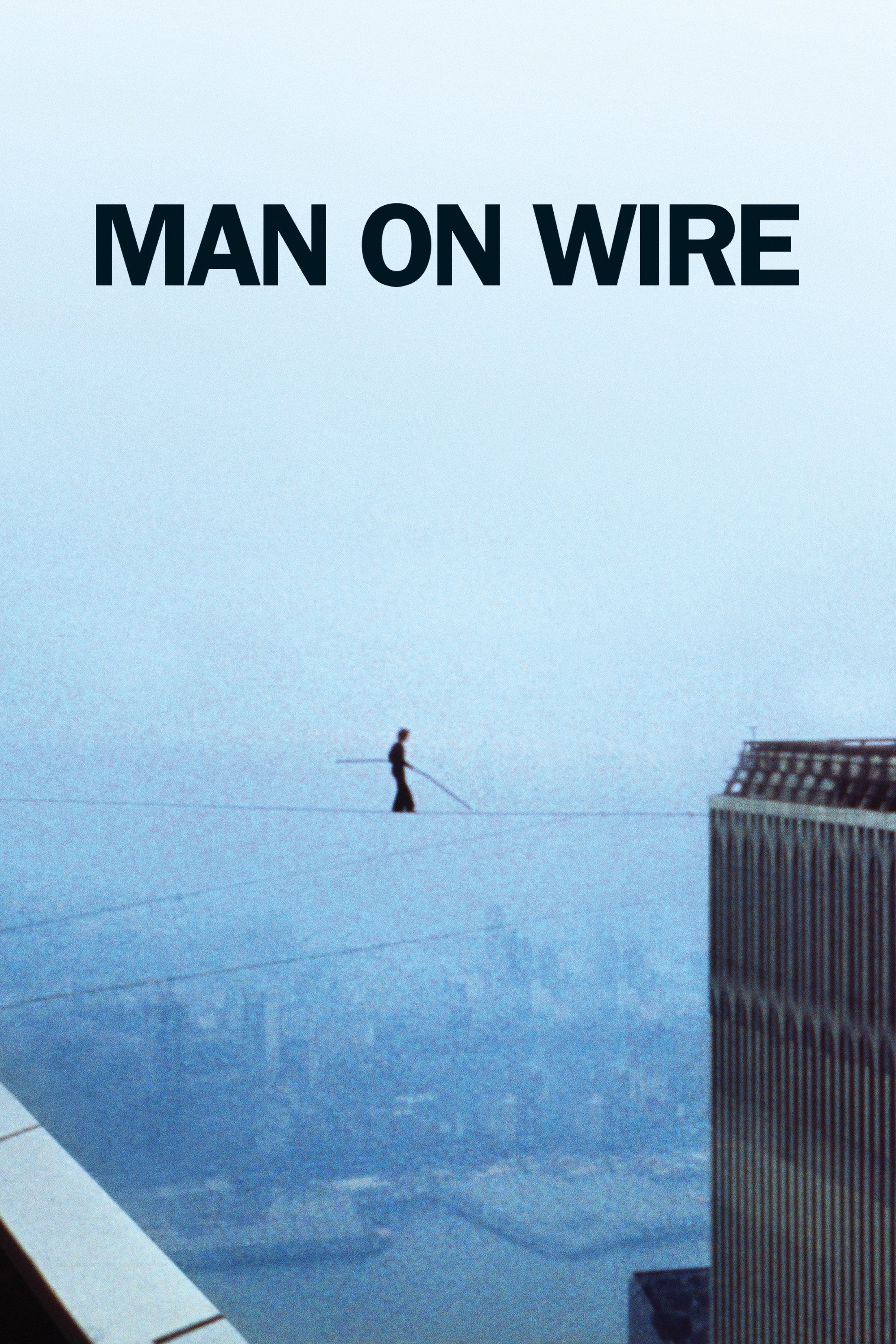
The reviews are uniformly positive about James Marsh’s documentary, with praise clustering around its heist-thriller structure and Philippe Petit’s charismatic storytelling. Critics repeatedly credit the combination of interviews, archive footage, photographs and reconstructions with making the preparations for his high-wire walk between the Twin Towers suspenseful. Most also find humour and emotional force in the helpers’ devotion, Petit’s self-belief and the sheer improbability of what they attempt.
The differences concern individual choices rather than the film’s success. Time Out finds some musical cues overly familiar, while Eye for Film considers Michael Nyman’s score fitting; The Skinny praises the extensive home footage but finds occasional dramatised scenes distracting. Little White Lies gives more attention to Petit’s egomania and the personal costs of his ambition. These are limited reservations within a strongly favourable consensus, with no substantial dissent over the documentary’s ability to grip and move.
L
Little White Lies
1 August 2008 · 4/5/4 · Matt Bochenski
100
Marsh turns Petit's story into a gripping heist-style caper that mixes reconstructions, interviews and archive material with infectious energy and charm. The film celebrates the transcendent power of the stunt while gently noting the egomania and personal costs behind the triumph.
Read the full review →R
RogerEbert.com
4 August 2008 · ★★★★/4 · Roger Ebert
100
The film engrosses through its account of Philippe Petit's daring tightrope walk between the World Trade Center towers. It highlights the planning, helpers, and sheer joy of the feat without referencing later events.
Read the full review →G
The Guardian
1 August 2008 · ★★★★★ · Peter Bradshaw
100
The critic praises Marsh's documentary for fully capturing Philippe Petit's audacious high-wire walk between the Twin Towers as a sublime, artistic act of homage. It highlights the film's elegant handling of the story through interviews, photos and reconstructions, celebrating Petit's childlike faith and self-belief.
Read the full review →L
Los Angeles Times
8 August 2008 · Robert Abele
90*
The exhilarating film treats the walk like a daring heist or police procedural. It deftly combines archival footage, re-creations, and interviews to reveal the passion and human drama behind the artistic crime of the century.
Read the full review →T
The Times
31 July 2008 · Kevin Maher
90*
The critic describes the documentary as superlative and exhilarating, with the drive of a Hollywood thriller that reaches transcendent heights. It praises the homage to human endeavour through Nyman's score and stills, noting the poignant weight from the towers' later fate.
Read the full review →T
Time Out
29 July 2008 · ★★★★ · Trevor Johnston
80
Marsh's captivating documentary chronicles the years of preparation and execution of Petit's illegal high-wire feat with suspenseful reconstructions and lively interviews. The storytelling creates genuine tension and wonder despite some overly familiar musical cues.
Read the full review →E
Empire
25 June 2008 · William Thomas
The documentary recounts Philippe Petit's illegal 1974 high-wire walk between the Twin Towers through interviews, archive footage and re-enactments of the planning. Marsh blends humour with emotion and anxiety, ultimately celebrating Petit's enthusiasm, courage and dedication to his art.
Read the full review →S
Sight and Sound
· Catherine Wheatley
Marsh crafts an enthralling documentary that interweaves archive footage, reconstructions and interviews to recount Philippe Petit's daring high-wire walk. The film builds suspense like a heist thriller while capturing the bittersweet personal aftermath for those involved.
Read the full review →S
Slant Magazine
13 June 2008 · Ed Gonzalez
The critic describes the film as an awesome documentary experience that chronicles Philippe Petit's daring feat with awe. It becomes a thrilling study in contrast by incorporating footage of the Twin Towers' builders, extolling both the wire walk and the achievements of those who defied death to create the stage.
Read the full review →H
The Hollywood Reporter
28 April 2008 · festival review · The Associated Press
The critic calls the film a highly entertaining and deeply moving documentary that adds positive memories of the World Trade Center towers. It presents the story in an uplifting, inspirational manner as an urban fairy tale, with colorful personalities and the feel of a caper thriller.
Read the full review →I
The Independent
2 August 2008
Marsh's documentary lets Petit tell his own story as a flamboyant raconteur, interweaving archive material with re-enactments styled like a 1970s heist film. It highlights the meticulous preparation, the team's devotion and the feat's resonance as a celebration of human limits and motivation.
Read the full review →N
The New York Times
25 July 2008 · Critic's Pick · A.O. Scott
Marsh's documentary is thorough, understated, and enthralling in recounting Petit's 1974 walk. It evokes amusement, amazement, and awe through intimate footage of the towers and the event.
Read the full review →E
Eye for Film
11 May 2008 · festival review · Tony Sullivan
80*
The critic highlights the film's classic thriller structure centered on Philippe Petit's obsession and planning. It singles out the engaging portrayal of the free-spirited wire-walker and the fitting Michael Nyman score.
Read the full review →P
Paste
8 August 2008 · Robert Davis
80*
The critic describes Philippe Petit's high-wire walk as an audacious feat and praises James Marsh's film for giving Petit a chance to tell his story with the suspense of a caper movie.
Read the full review →S
The Skinny
28 July 2008 · ★★★★ · Paul Greenwood
80
Marsh’s riveting documentary recounts the planning, execution and aftermath of Petit’s high-wire walk with flair and emotional resonance. It benefits enormously from extensive home-movie footage and Petit’s own charismatic energy, though the occasional dramatised scenes can pull the viewer out of the story.
Read the full review →Ordered by the weight we give each publication, then by score. Scores are normalised to 100; * means inferred from an unrated review. Summaries are ours, not quotations; follow the links for the reviews themselves. How we rate