Film review

Man on Wire

2008 · Directed by James Marsh · 1h 34m · MPA PG-13

In a sentenceSome friends help you move house; Philippe Petit’s help him put a wire between skyscrapers

Documentary

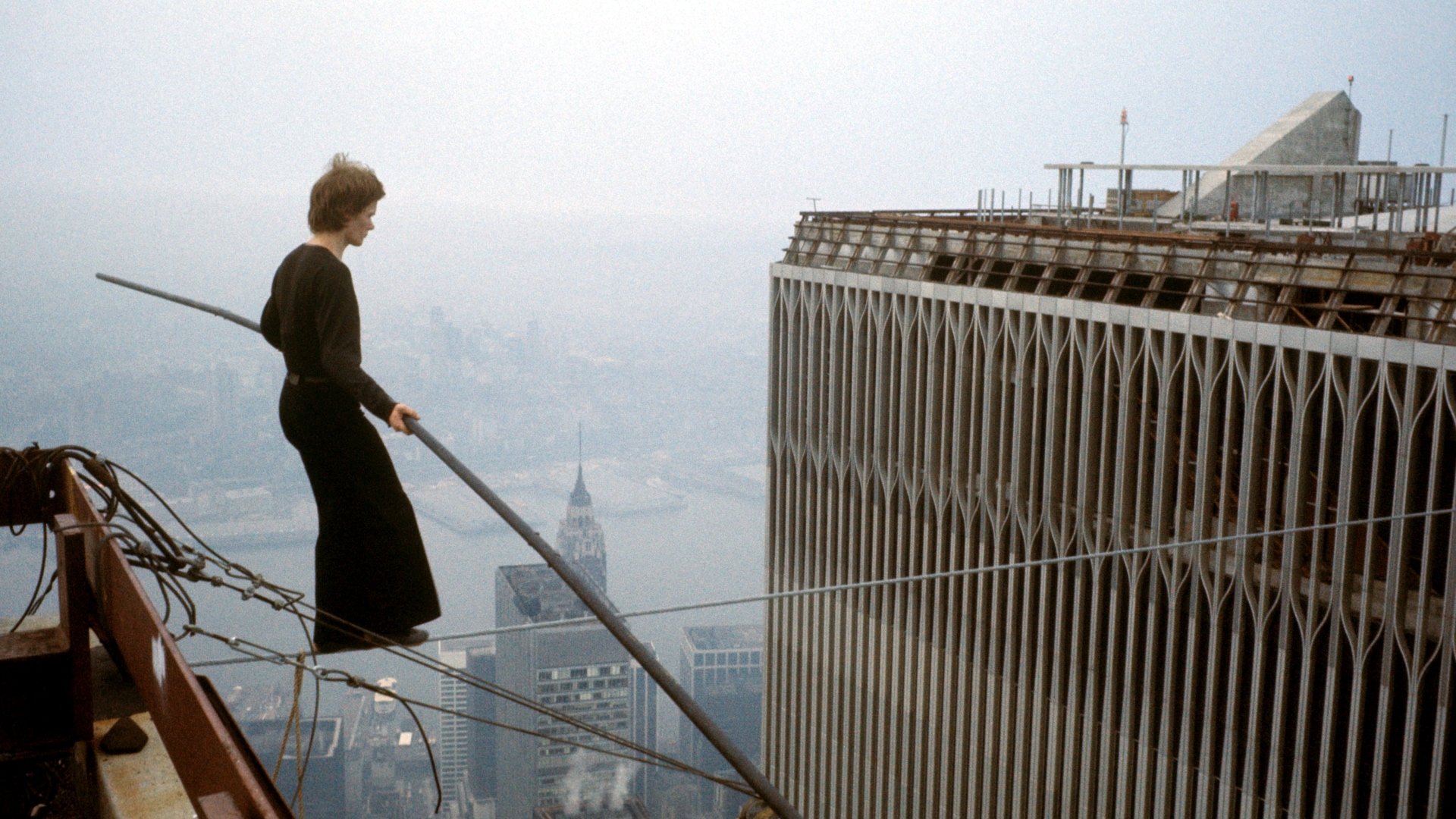
In 1974, Philippe Petit plans an illegal high-wire walk between the Twin Towers of the World Trade Centre. James Marsh’s documentary follows the preparations, the helpers and the practical problems involved in putting a wire between the buildings. Petit tells his own story, with contributions from Jean-Louis Blondeau, Jean François Heckel and Annie Allix. Interviews sit alongside archive footage, photographs and reconstructed scenes as the film traces the work behind the proposed crossing. The preparations take on the shape of a heist, with a performance rather than a robbery as the objective.

Plays from YouTube when you press play; nothing loads from them until then.

Fi1m review

James Marsh turns Philippe Petit’s high-wire scheme into a gripping documentary with the suspense of a good heist film. The reconstructions occasionally labour, but the meticulous preparations and persuasive storyteller make it easy to recommend.

Man on Wire makes the preparations for Philippe Petit’s illegal high-wire walk between the Twin Towers feel like a crime worth committing. James Marsh’s documentary is gripping, funny and unusually good at showing how one person’s enthusiasm becomes several people’s hard work. He approaches the 1974 undertaking as a heist, giving the planning room to be complicated and the helpers room to matter. We can understand the practical task without ever finding the wish to do it remotely sensible.

Petit is a considerable advantage for a director making a film out of recollections. His flamboyance makes the account entertaining, but it also lets us see how the helpers might have been persuaded to join him. Marsh gives him space to tell the story without treating his enthusiasm as a sufficient explanation for everything. There is egotism here, and a willingness to ask a great deal of other people. That makes the devotion of the team more interesting than simple admiration.

Editor Jinx Godfrey keeps the interviews, archive footage, photographs and reconstructions moving at the pace of a thriller. The cutting gives the planning enough time to make sense without letting the accounts become a series of lectures. We felt anxious watching the preparations, because all that meticulous work makes the possibility of a mistake easier to imagine. Marsh keeps returning to the practical business of arranging the walk.

Igor Martinović’s cinematography helps the reconstructed passages belong to a caper rather than a dry historical explanation. They give Marsh a way to dramatise the work described by his interviewees, and most of them earn their place. Occasionally, though, their staged quality draws attention away from the people remembering what happened. The archive material is more absorbing at those points. The film already has an engaging storyteller in Petit, and does not always need to illustrate him.

The music, credited to Michael Nyman and J. Ralph, gives the planning an excitement that suits the scale of Petit’s ambition. Some familiar cues push harder than the images need. With photographs, in particular, Nyman helps Marsh sustain attention without having to manufacture more action. We would occasionally prefer a little less prompting, but the music allows pleasure into a story that could easily be dominated by fear.

A documentary about a dangerous feat can spend so long insisting on its importance that there is no pleasure left in watching it. Marsh avoids that trap by taking the preparations seriously without making every participant sound solemn. The humour matters: it gives the helpers something to do beyond admiring Petit, and makes their company worth keeping. For all his delight in the scheme, Marsh also leaves space for the demands it places on other people.

At 94 minutes, it gives this elaborate scheme time to develop without requiring a long evening. There is no need to be interested in wire-walking beforehand. Petit’s account makes a case for spending an unreasonable amount of effort on something with no practical purpose. If heights make you uncomfortable, we would still recommend it, though perhaps not on the largest screen available.

Critical consensus AI synthesised

90
Positive
9
Mixed
0
Negative
0

The reviews are uniformly positive about James Marsh’s documentary, with praise clustering around its heist-thriller structure and Philippe Petit’s charismatic storytelling. Critics repeatedly credit the combination of interviews, archive footage, photographs and reconstructions with making the preparations for his high-wire walk between the Twin Towers suspenseful. Most also find humour and emotional force in the helpers’ devotion, Petit’s self-belief and the sheer improbability of what they attempt.

The differences concern individual choices rather than the film’s success. Time Out finds some musical cues overly familiar, while Eye for Film considers Michael Nyman’s score fitting; The Skinny praises the extensive home footage but finds occasional dramatised scenes distracting. Little White Lies gives more attention to Petit’s egomania and the personal costs of his ambition. These are limited reservations within a strongly favourable consensus, with no substantial dissent over the documentary’s ability to grip and move.

Little White Lies
1 August 2008 · 4/5/4 · Matt Bochenski
100

Marsh turns Petit's story into a gripping heist-style caper that mixes reconstructions, interviews and archive material with infectious energy and charm. The film celebrates the transcendent power of the stunt while gently noting the egomania and personal costs behind the triumph.

Read the full review →
RogerEbert.com
4 August 2008 · ★★★★/4 · Roger Ebert
100

The film engrosses through its account of Philippe Petit's daring tightrope walk between the World Trade Center towers. It highlights the planning, helpers, and sheer joy of the feat without referencing later events.

Read the full review →
The Guardian
1 August 2008 · ★★★★★ · Peter Bradshaw
100

The critic praises Marsh's documentary for fully capturing Philippe Petit's audacious high-wire walk between the Twin Towers as a sublime, artistic act of homage. It highlights the film's elegant handling of the story through interviews, photos and reconstructions, celebrating Petit's childlike faith and self-belief.

Read the full review →
Los Angeles Times
8 August 2008 · Robert Abele
90*

The exhilarating film treats the walk like a daring heist or police procedural. It deftly combines archival footage, re-creations, and interviews to reveal the passion and human drama behind the artistic crime of the century.

Read the full review →
The Times
31 July 2008 · Kevin Maher
90*

The critic describes the documentary as superlative and exhilarating, with the drive of a Hollywood thriller that reaches transcendent heights. It praises the homage to human endeavour through Nyman's score and stills, noting the poignant weight from the towers' later fate.

Read the full review →
Time Out
29 July 2008 · ★★★★ · Trevor Johnston
80

Marsh's captivating documentary chronicles the years of preparation and execution of Petit's illegal high-wire feat with suspenseful reconstructions and lively interviews. The storytelling creates genuine tension and wonder despite some overly familiar musical cues.

Read the full review →

Cast

Stills

Awards

Academy Awards, 2009

Won
Best Documentary Feature Film

European Film Award for Best Documentary, 2008

Nominated
European Film Award for Best Documentary

Sundance Film Festival World Cinema Grand Jury Prize: Documentary, 2008

Won
Sundance Film Festival World Cinema Grand Jury Prize: Documentary

Sundance World Cinema Audience Award: Documentary, 2008

Won
Sundance World Cinema Audience Award: Documentary

If you liked this, try…

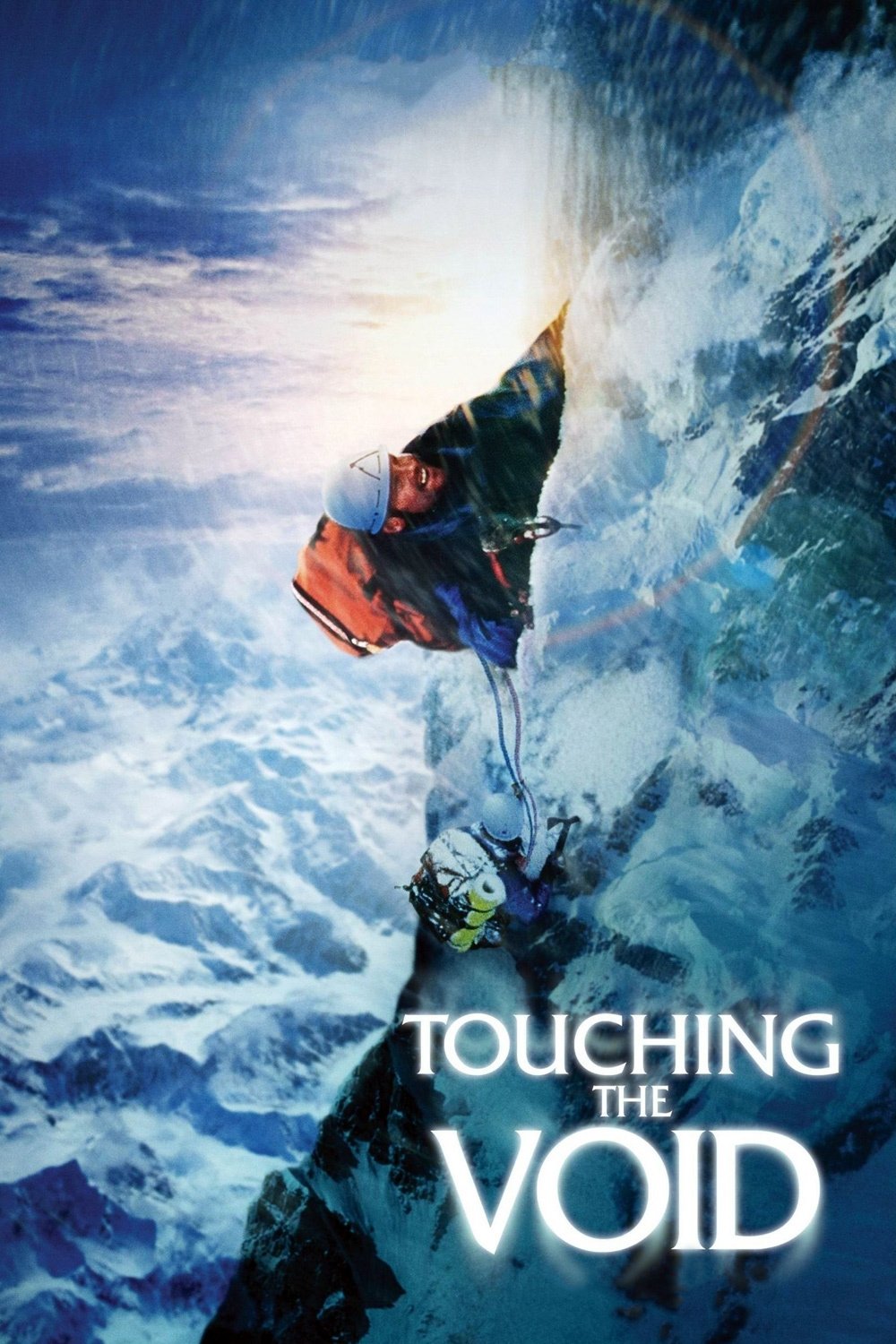
Touching the Void poster87

Touching the Void

2003 · For another documentary that makes remembered danger feel alarmingly close.

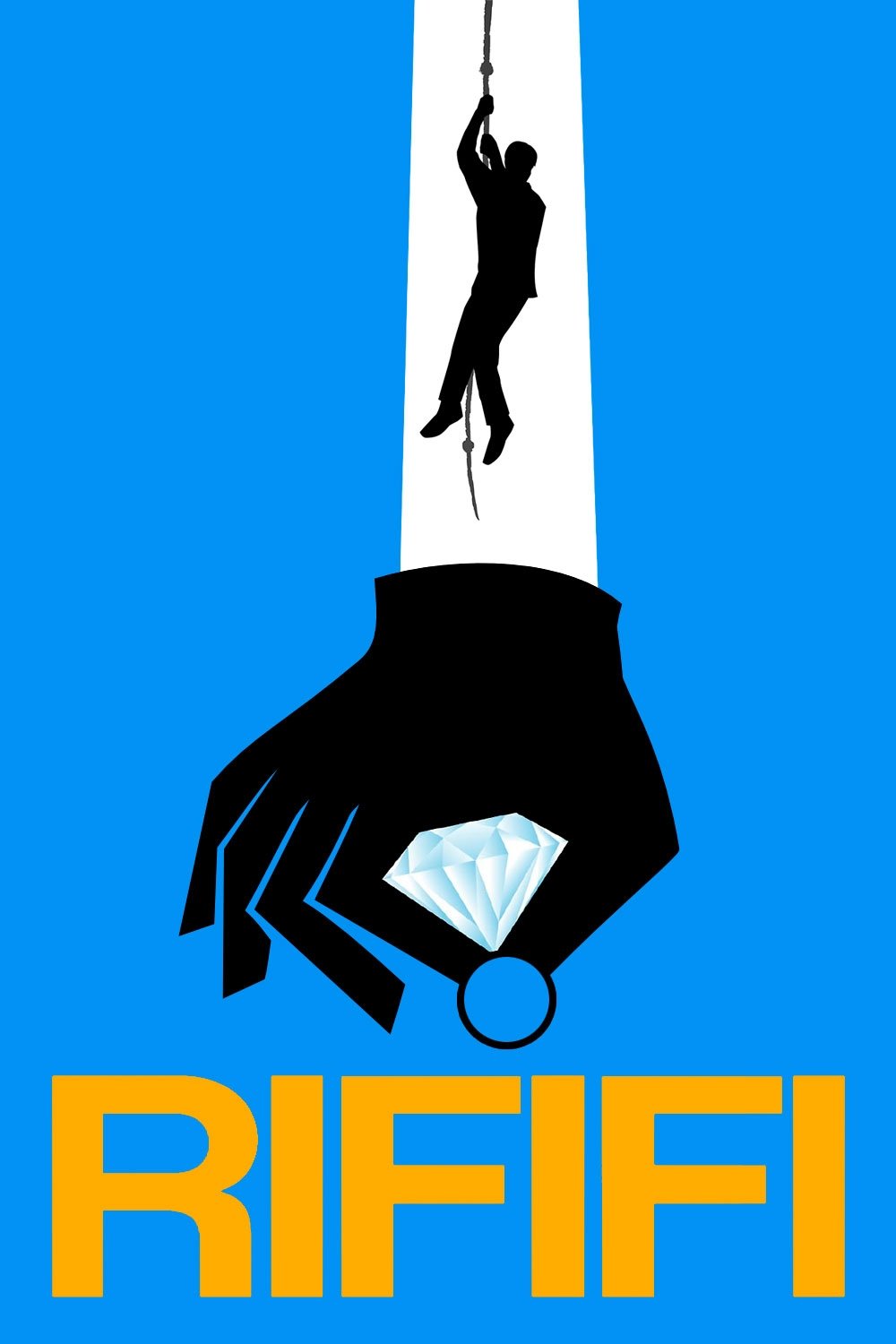
Rififi poster

Rififi

1955 · For patient criminal planning, with every practical detail adding to the tension.

The Great Ecstasy of Woodcarver Steiner poster

The Great Ecstasy of Woodcarver Steiner

1974 · Another absorbing encounter with someone whose relationship to heights defeats ordinary caution.

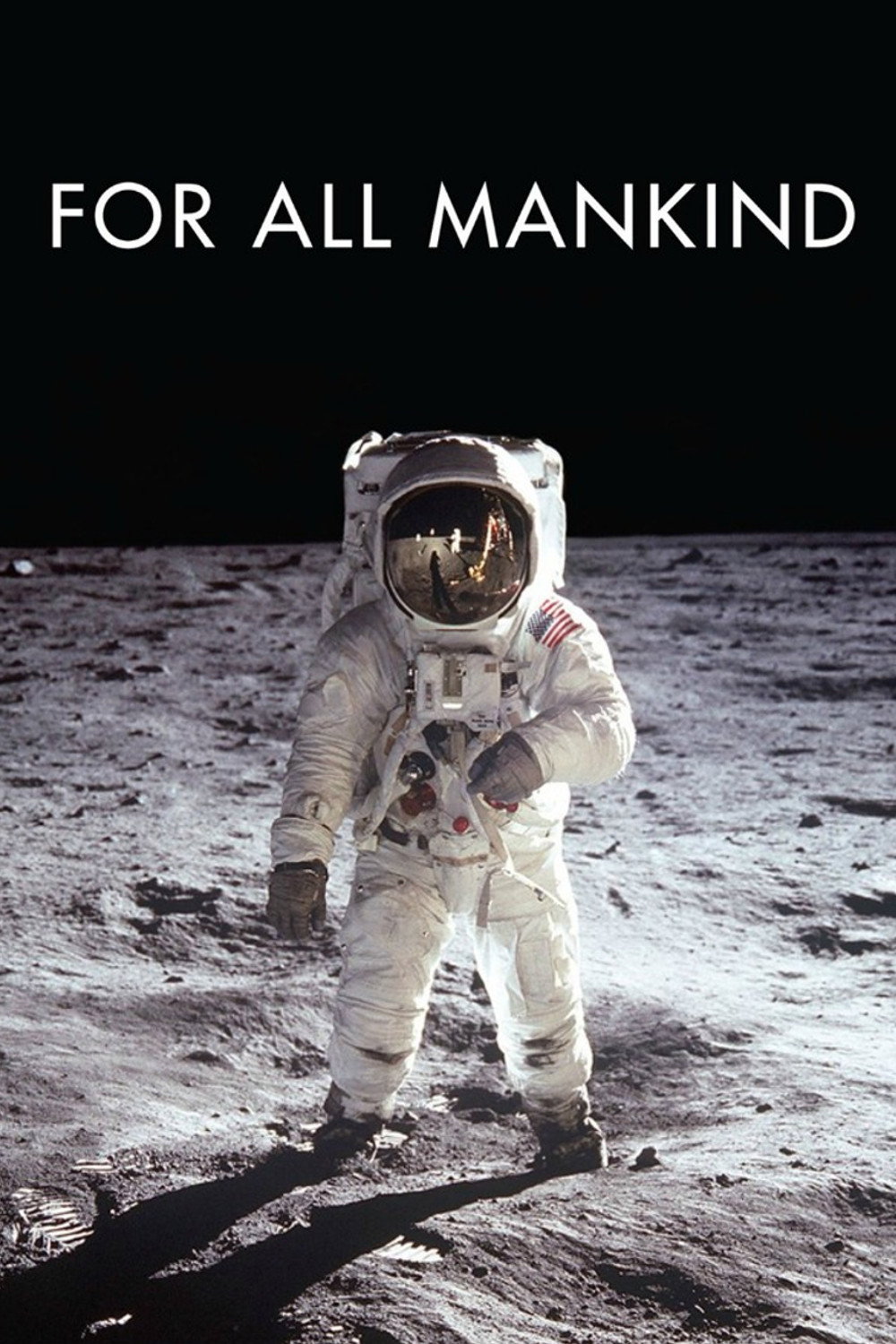
For All Mankind poster

For All Mankind

1989 · Archive footage makes an extraordinary undertaking feel both immense and intimately human.

The Red Turtle poster

The Red Turtle

2016 · For wordless physical storytelling that finds wonder without insisting on an explanation.