Film review

Touching the Void

2003 · Directed by Kevin Macdonald · 1h 46m · MPA R

In a sentenceWatching mountaineers explain themselves does nothing to make a mountain look like a sensible place to be

DocumentaryActionAdventureDrama

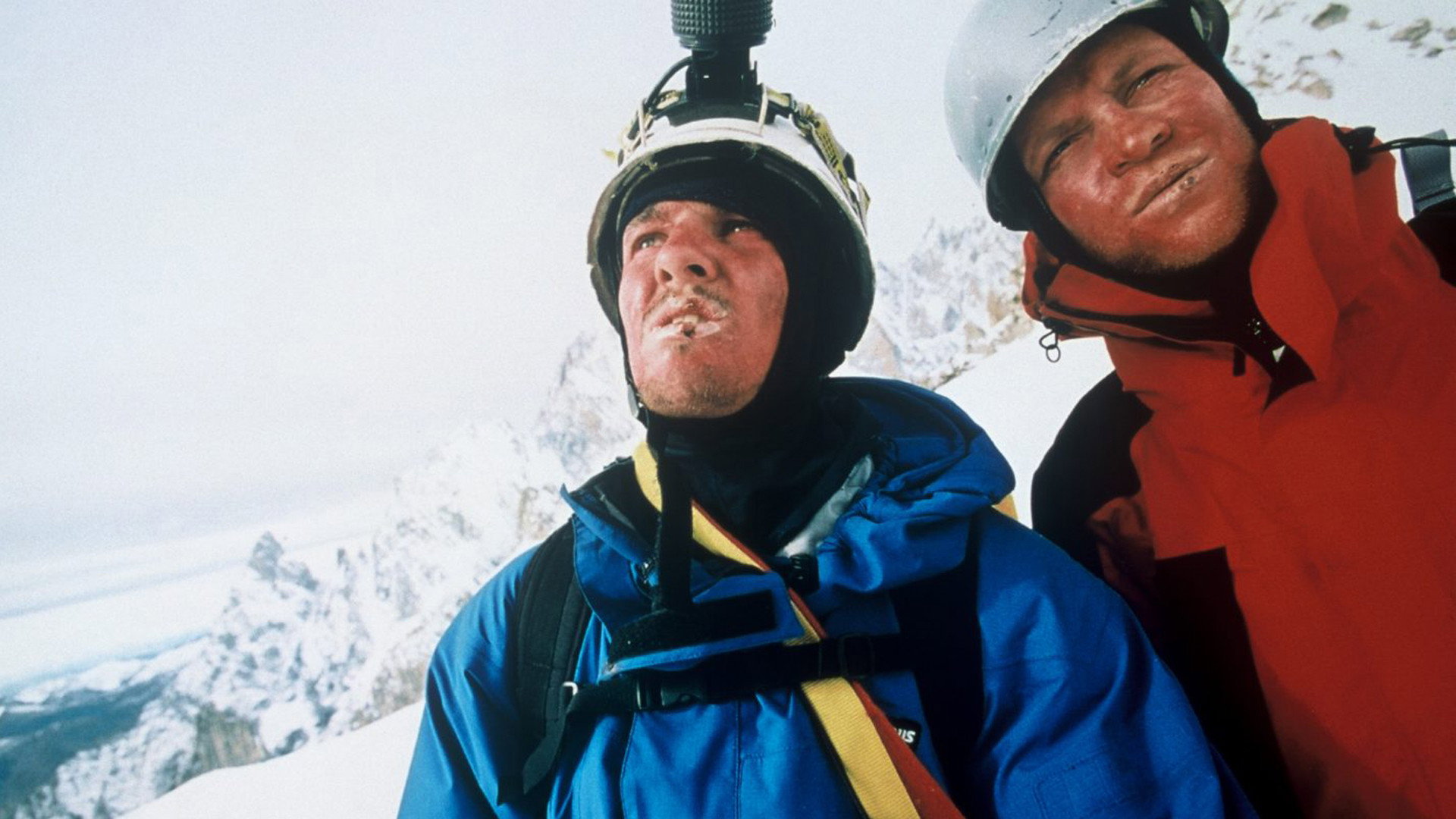
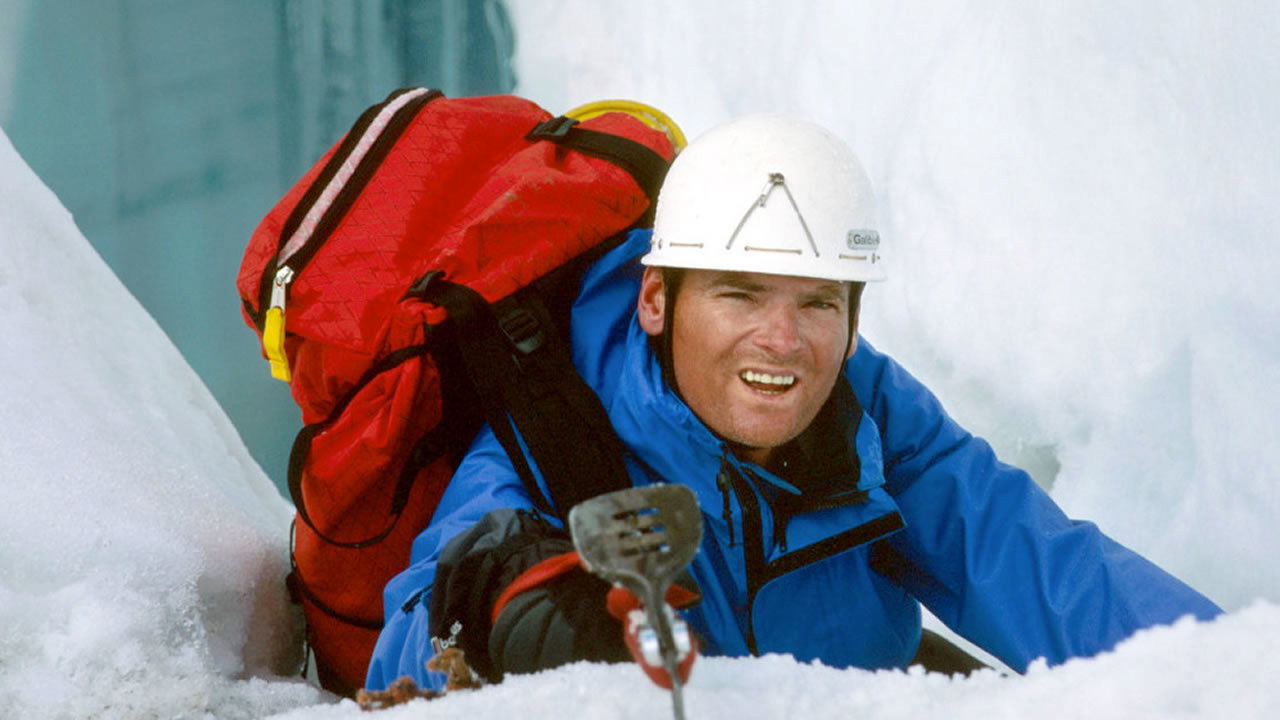
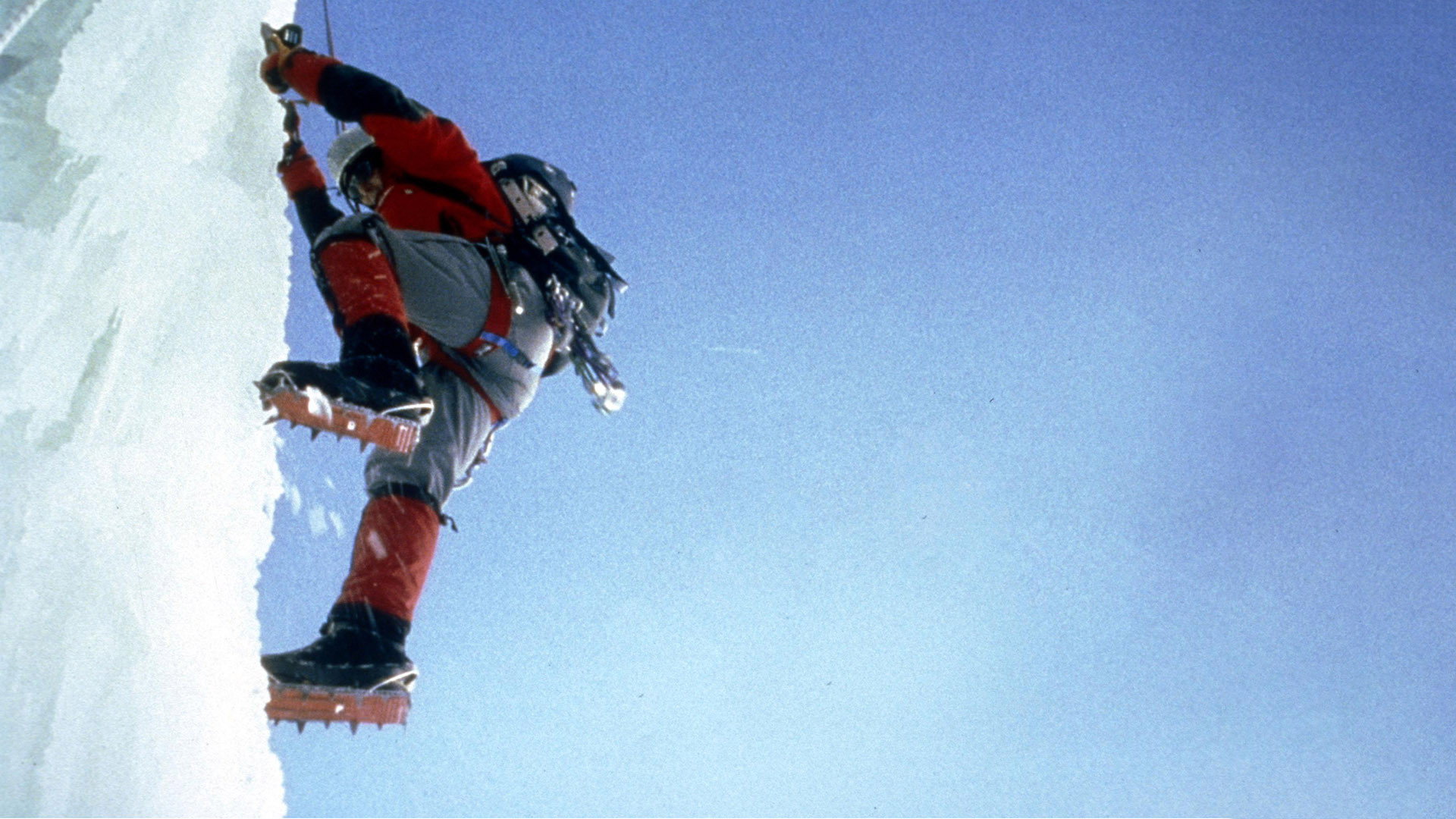
Joe Simpson and Simon Yates recount a mountaineering expedition that becomes a struggle to survive. Kevin Macdonald combines their accounts with dramatised climbing sequences, with Brendan Mackey playing Simpson and Nicholas Aaron playing Yates. Richard Hawking also appears as himself, while Ollie Ryall plays him in the reconstructions. The film follows the climbers into conditions that test their physical endurance and their ability to make decisions under pressure. Their spoken recollections accompany the enacted ordeal, as questions of responsibility and the limits of what one person can do for another become part of the climb.

Fi1m review

Kevin Macdonald makes an absorbing, often frightening film through the climbers’ accounts and convincing reconstructions. The opening takes its time, but the suspense survives the presence of the men telling the story.

Touching the Void is a gripping survival documentary, despite a hesitant start. Kevin Macdonald combines the climbers’ own accounts with dramatised reconstructions, asking us to imagine the physical experience while we listen to people who can describe it. That could be an awkward arrangement, especially in a story whose suspense might seem to depend on withholding what happens. It works because knowing that someone can tell a story is scant preparation for watching what they have to endure.

The interviews give the film its steadiness. Joe Simpson and Simon Yates have room to explain their decisions, and Macdonald does not hurry us towards a judgement on them. That matters when exhaustion can make a choice look quite different to the person facing it and to somebody sitting comfortably afterwards. We were frightened by the reconstructed climbing. The visible effort makes the danger difficult to dismiss, even with the men themselves there to recount it.

Brendan Mackey plays Simpson in the reconstructions, with Nicholas Aaron as Yates. Both make the exertion convincing, keeping our attention on the difficulty of the climb without inviting us to spend much time admiring the performances. Patrick Bill’s production design helps the staged material remain credible beside the testimony. These passages are persuasive enough that we stop checking them against the interviews, though the film never conceals that they are dramatised.

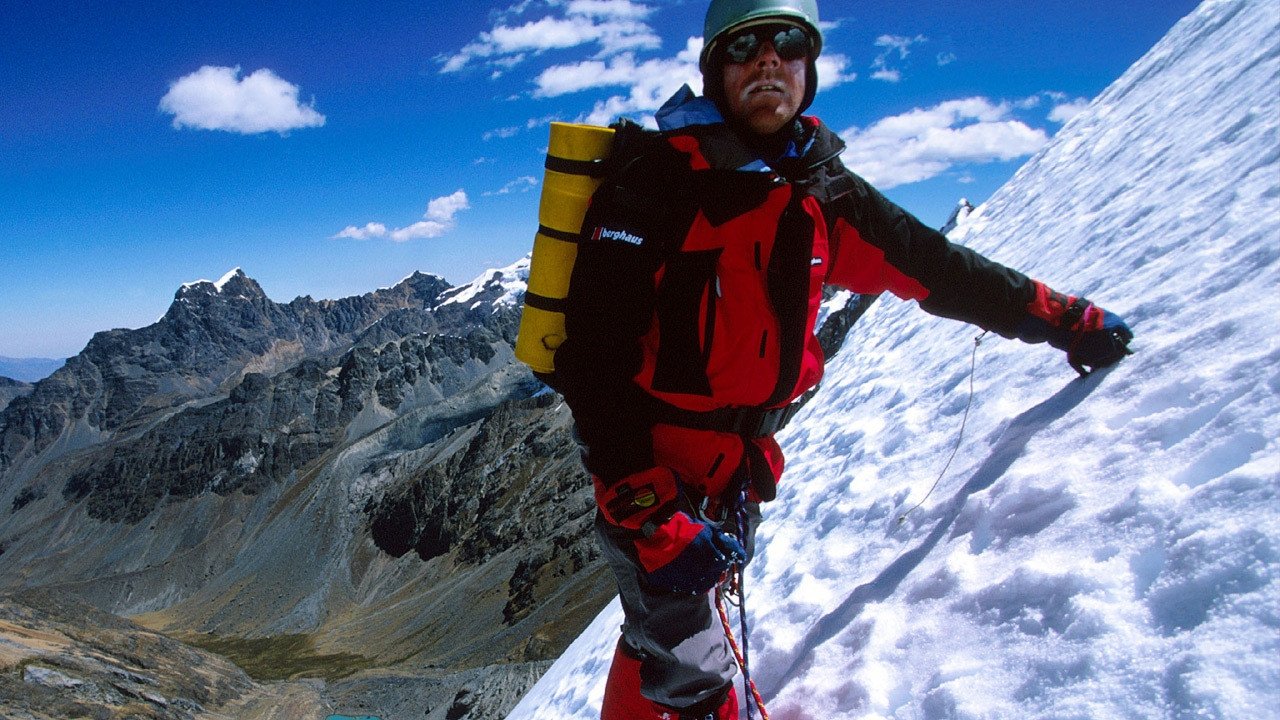
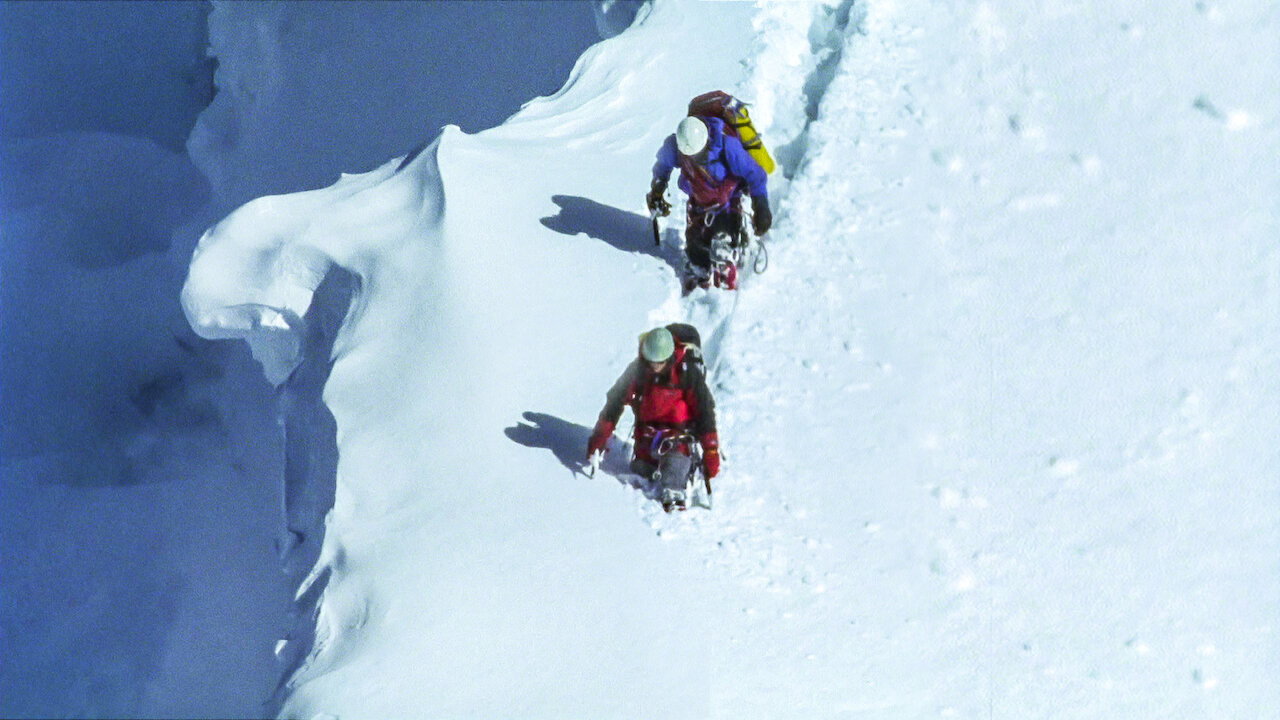
Mike Eley and Keith Partridge’s mountain photography gives the landscape enough space to be beautiful and alarming at once. Its scale makes the climbers’ vulnerability plain, while the climbing sequences remain readable as physical actions. We can follow the effort without knowing the sport. There is pleasure in looking at these images, but it never quite cancels the wish that everybody would find somewhere less exposed to stand.

Justine Wright’s editing makes the interviews and reconstructions feel like parts of the same account. Returning to a speaker could release the tension; here, the recollection keeps our attention on what the next stretch of climbing will demand. Alex Heffes’s music contributes effectively to that pressure, reinforcing the unease created by the images. Macdonald gives the cutting and score something substantial to work with by keeping our attention on the practical and psychological difficulty of enduring the mountain.

The slow opening is the drawback, and the early patience asked of us is not entirely repaid by what we learn about the people. Macdonald is so intent on the mountain experience that curiosity about lives beyond it receives little encouragement. That narrowness becomes less troublesome as the film gathers force, though it limits how well we know the men outside this ordeal. Anyone hoping for a broad portrait of mountaineering, or much examination of its appeal, should adjust their expectations.

The survival film can become tiresome when it starts offering instructions on how the rest of us should live. Macdonald largely avoids that temptation by staying close to the climbers’ experiences, allowing their endurance to be remarkable without requiring a lesson from it. Watch it if you can bear the physical distress; the slow start is worth forgiving.
Critical consensus AI synthesised

4 of 6
Positive
4
Mixed
0
Negative
0
The Guardian
14 December 2003 · Philip French
90*

The critic praises the film's understated approach to the mountaineering survival story, highlighting its physicality and beauty in depicting the climbers' ordeal. It singles out the combination of reconstruction and interviews for creating a visceral, existential experience.

Read the full review →
Sight and Sound
· Richard Falcon
85*

Macdonald's gripping documentary recreates the climbers' extraordinary survival tale with dramatic reconstructions and interviews, proving as powerful as his earlier work. The film excels through its focused, clutter-free style and authentic spectacle that captures the immediacy of the near-incredible story.

Read the full review →
Empire
· Ed Halliwell
80*

The docudrama blends survivor interviews with reconstructions to explore ethics, psychology and human endurance on the mountain. It builds from a slow start into a gripping account of physical and mental disintegration.

Read the full review →
Los Angeles Times
6 February 2004 · Kenneth Turan

The quasi-documentary succeeds in making the impossible seem real through a nervy hybrid approach using both actors and the real climbers. Director Kevin Macdonald's veteran documentary skills help recreate the legendary Andes climb in a way that feels authentic and compelling.

Read the full review →
Screen Daily
12 September 2003 · festival review

An extraordinary survival story becomes an exceptional documentary that is as dramatic as fiction but with greater emotional charge. Macdonald focuses tightly on the mountain events with authentic, nailbiting reconstructions filmed on location that convey vivid desperation and claustrophobia.

Read the full review →
Slant Magazine
8 January 2004 · Ed Gonzalez

Macdonald intercuts interviews with impressive simulations that preserve documentary illusion, and his location photography of the mountain is outstanding. The director seems uninterested in the public fallout of the events, focusing instead on existentialism.

Read the full review →

Cast

Stills

If you liked this, try…

The Wages of Fear poster

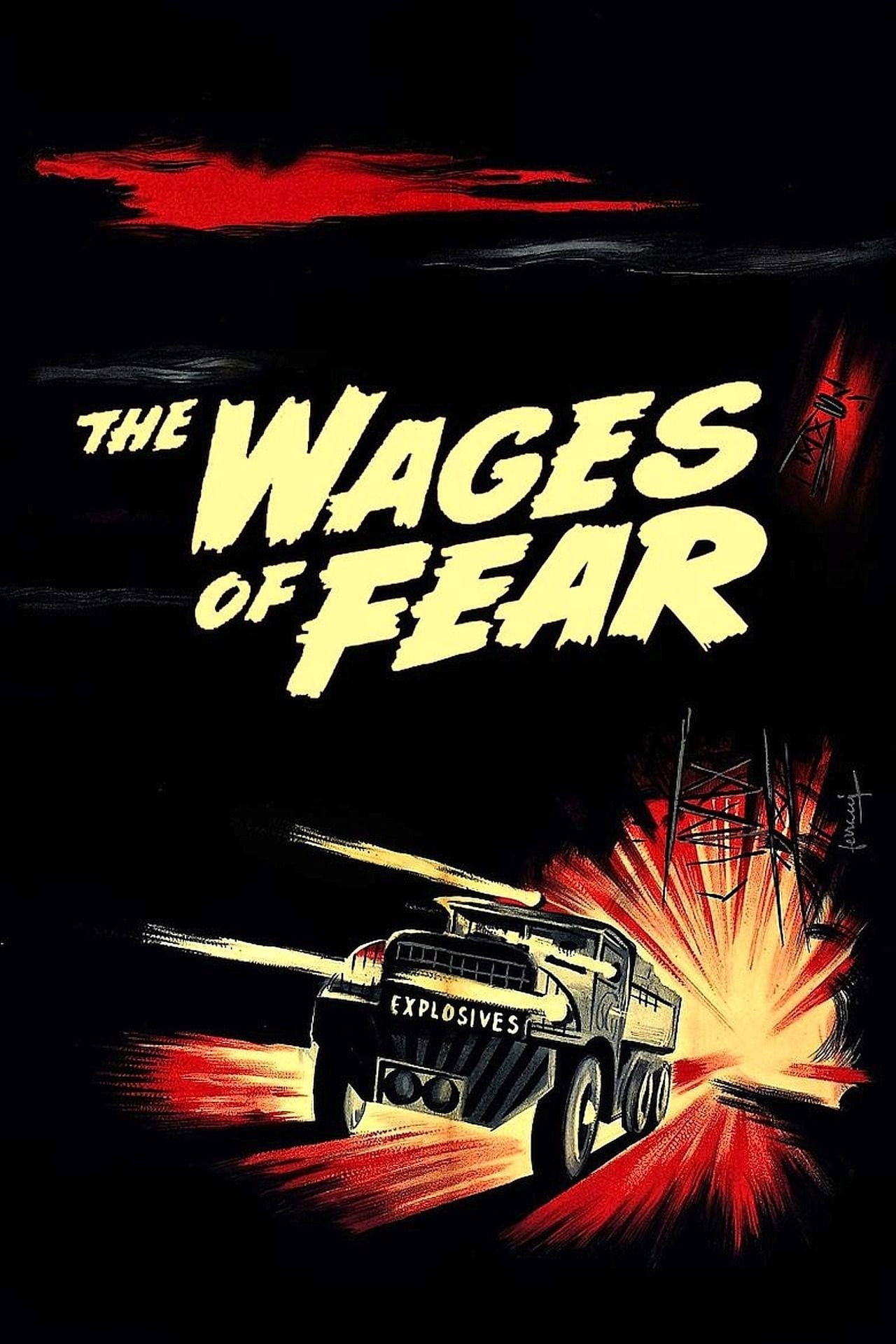
The Wages of Fear

1953 · A dangerous job becomes almost unbearable suspense through close attention to physical work.

The Ascent poster

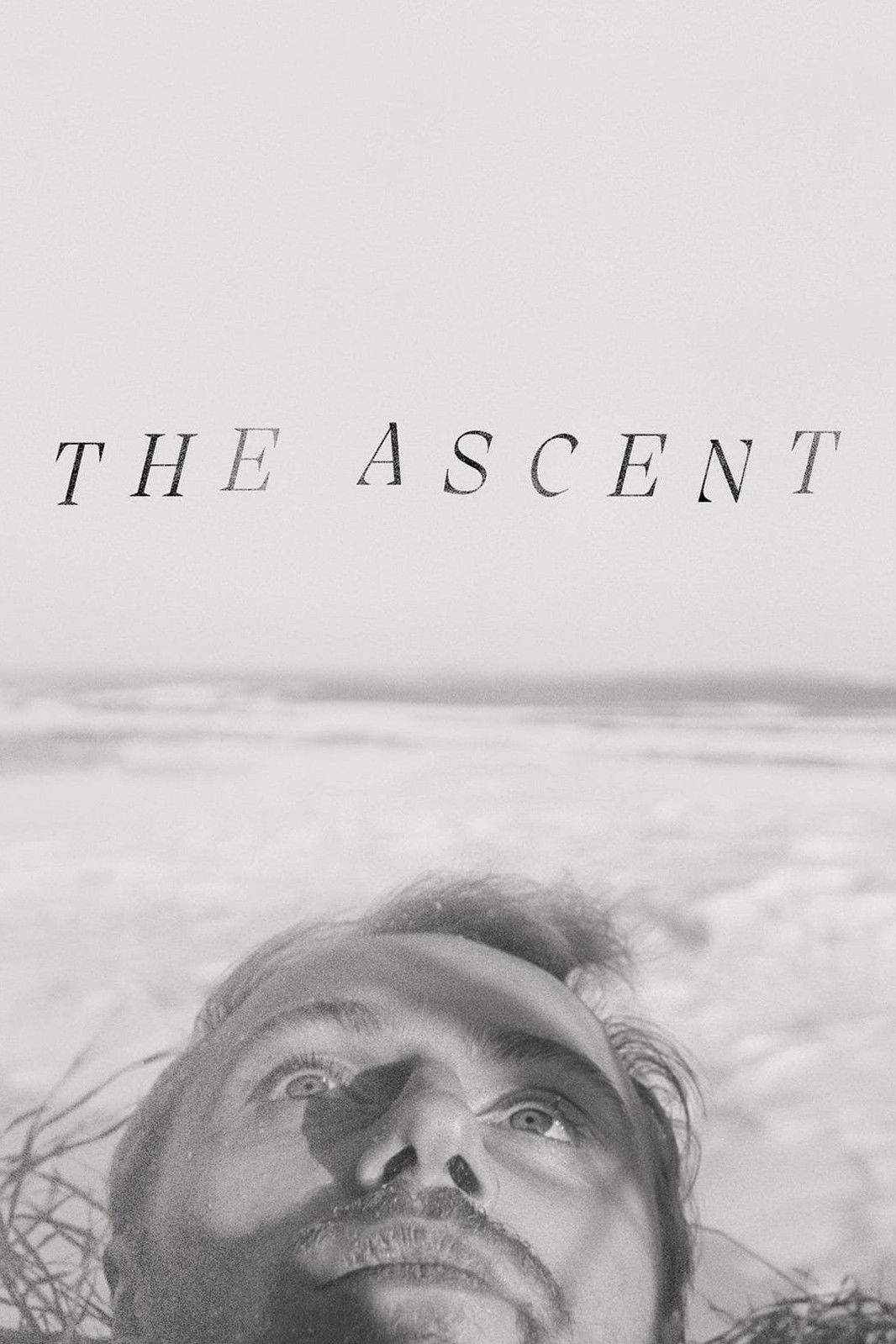
The Ascent

1977 · Snow, exhaustion and moral pressure, with little comfort offered to anyone watching.

127 Hours poster

127 Hours

2010 · Another survival ordeal made tense by concentrating on the body’s practical limits.

Free Solo poster

Free Solo

2018 · Climbing filmed with enough clarity to make every decision feel horribly consequential.

The Rescue poster

The Rescue

2021 · A rescue documentary that makes technical decisions both comprehensible and difficult to watch.