Chin and Vasarhelyi have filmed something that should not have been filmable, and the final stretch on the wall is as frightening as anything we have watched in years. The hour of preparation around it is honest but thinner than the film thinks.
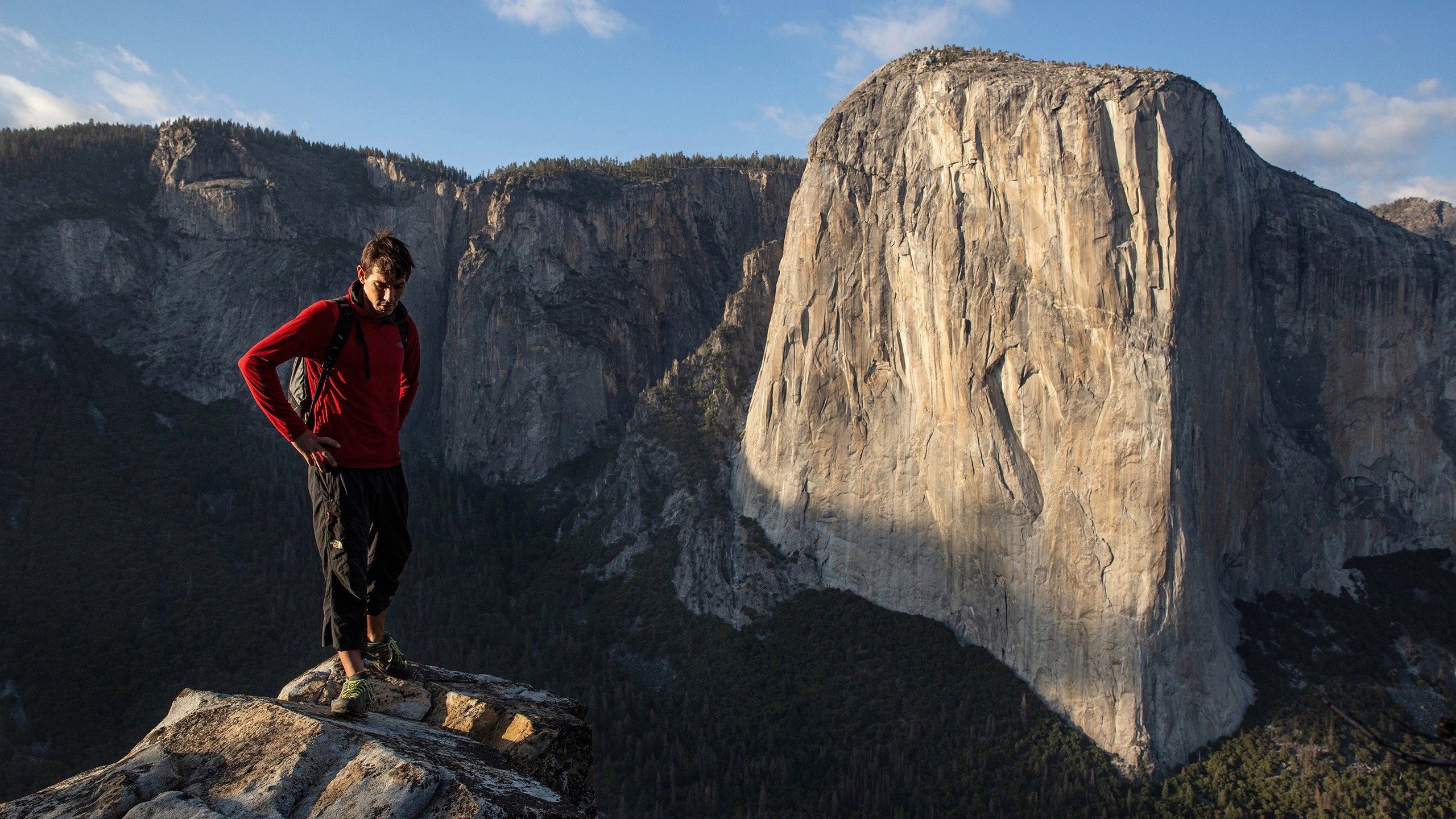
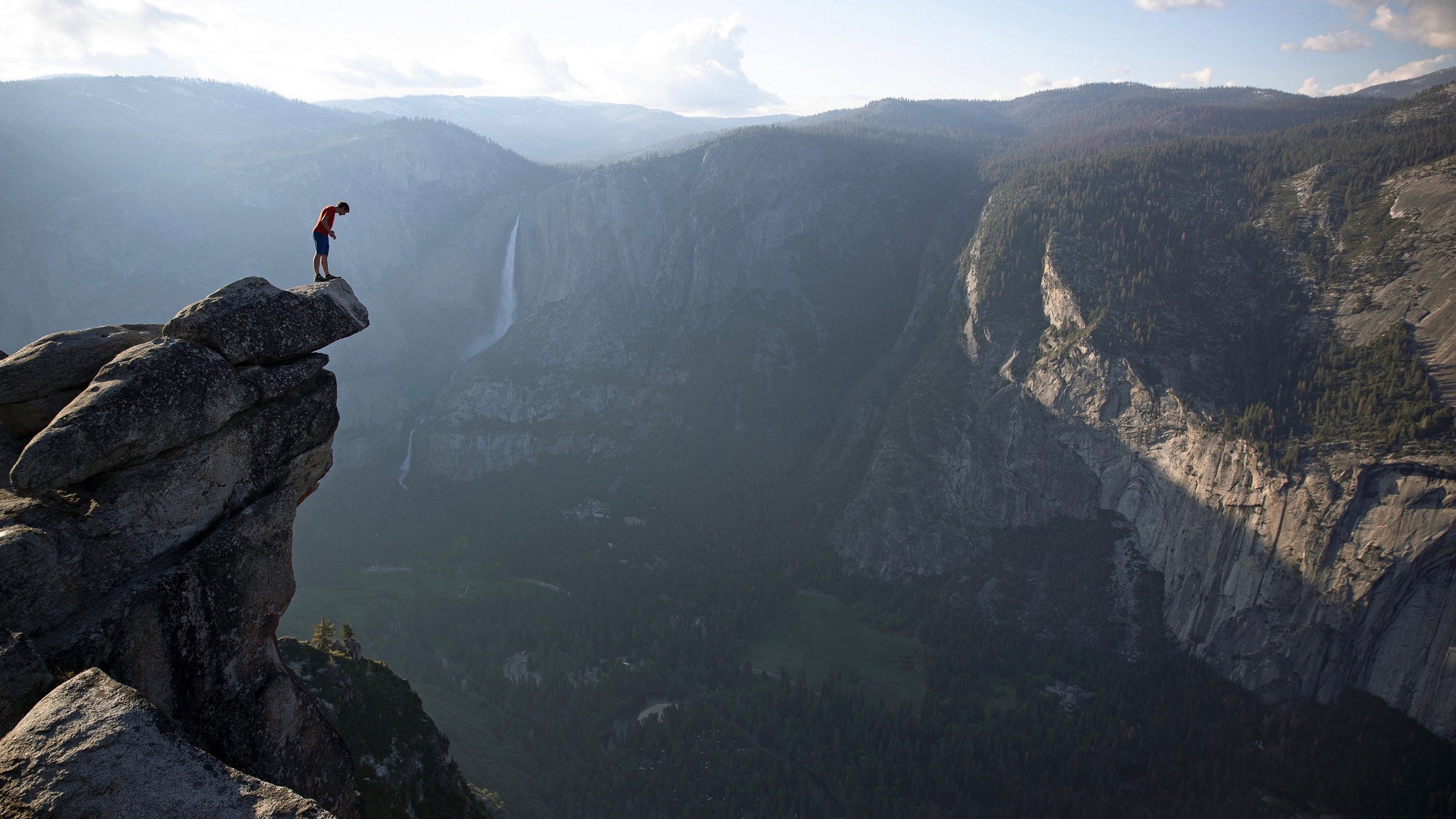
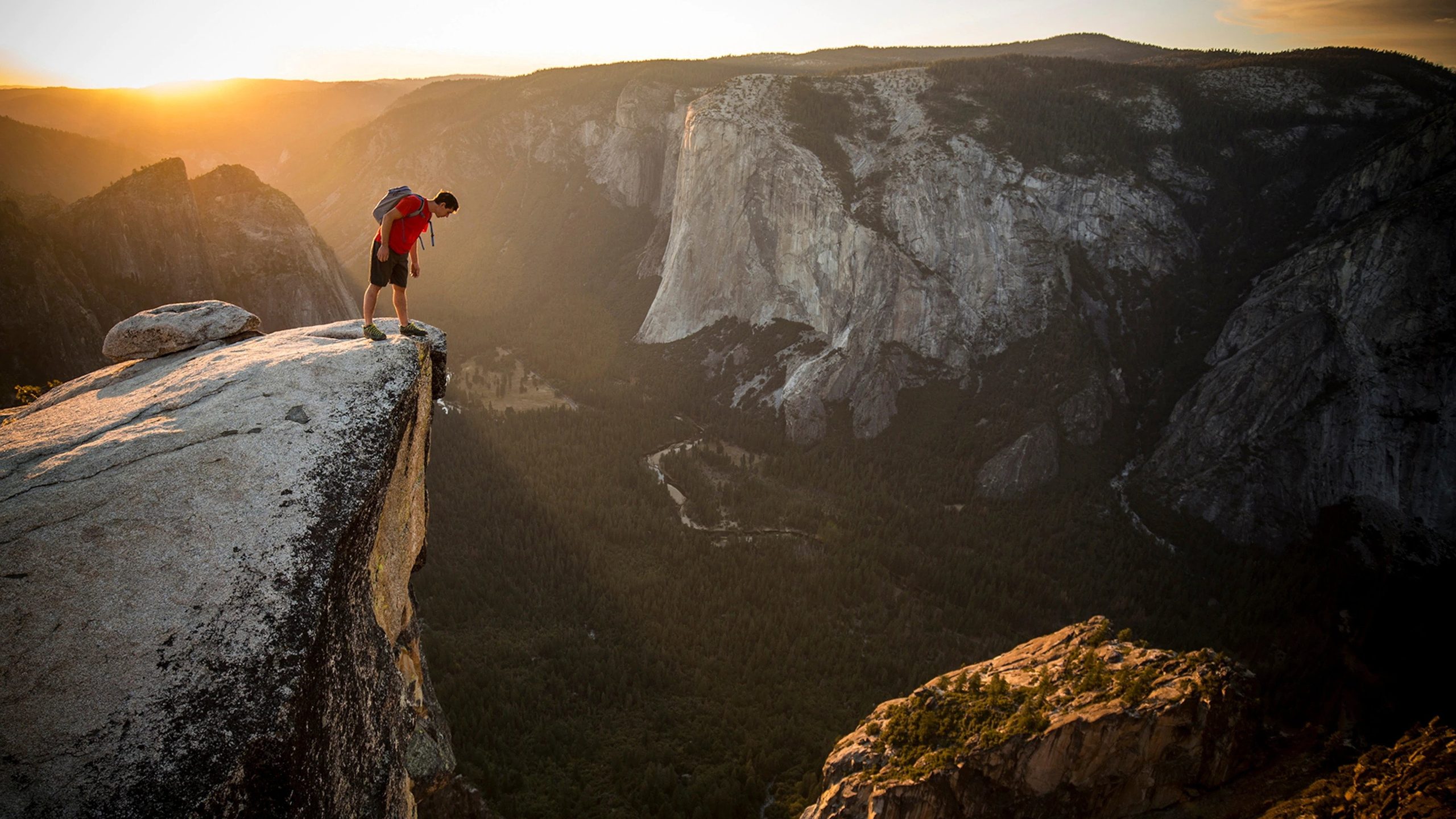
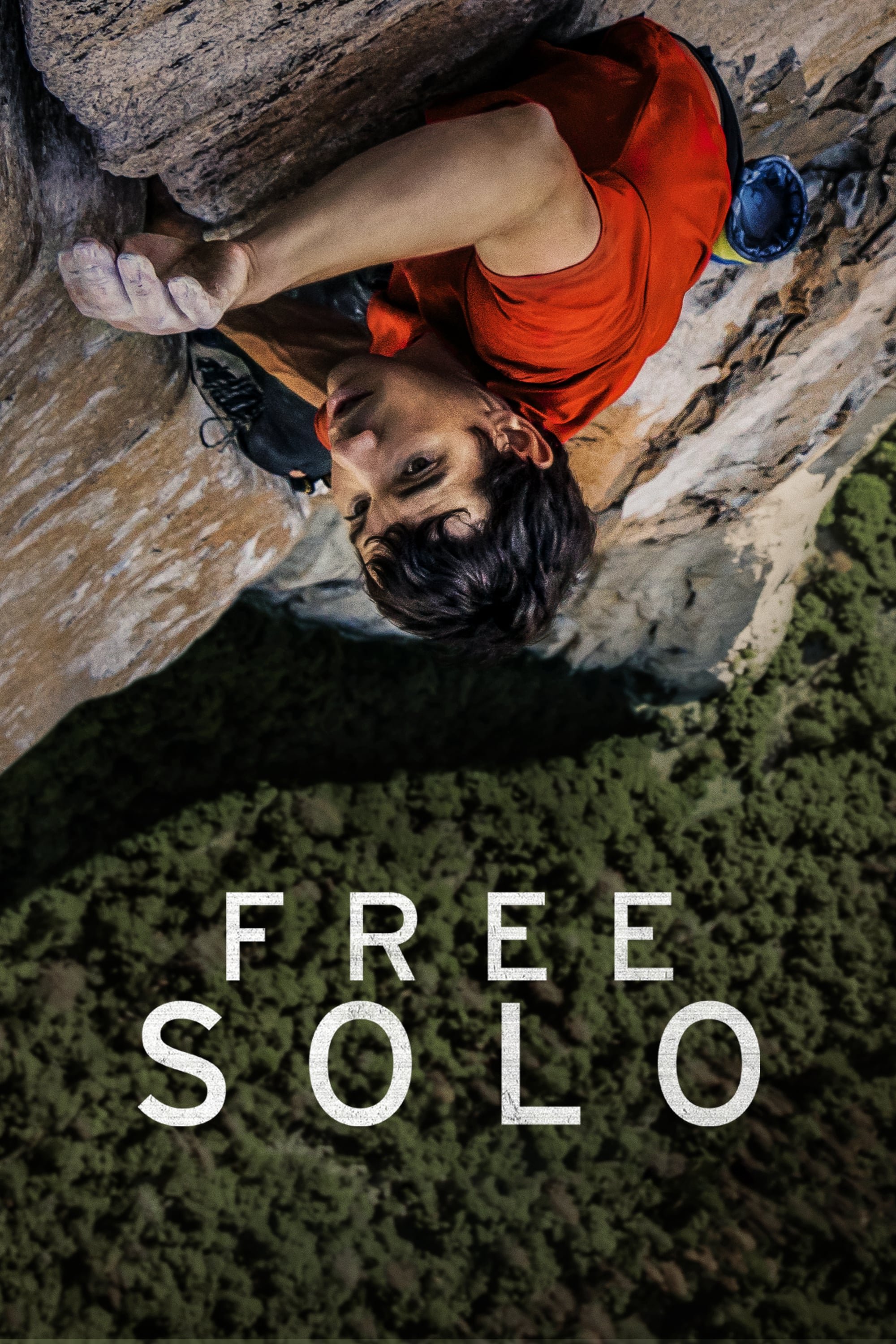
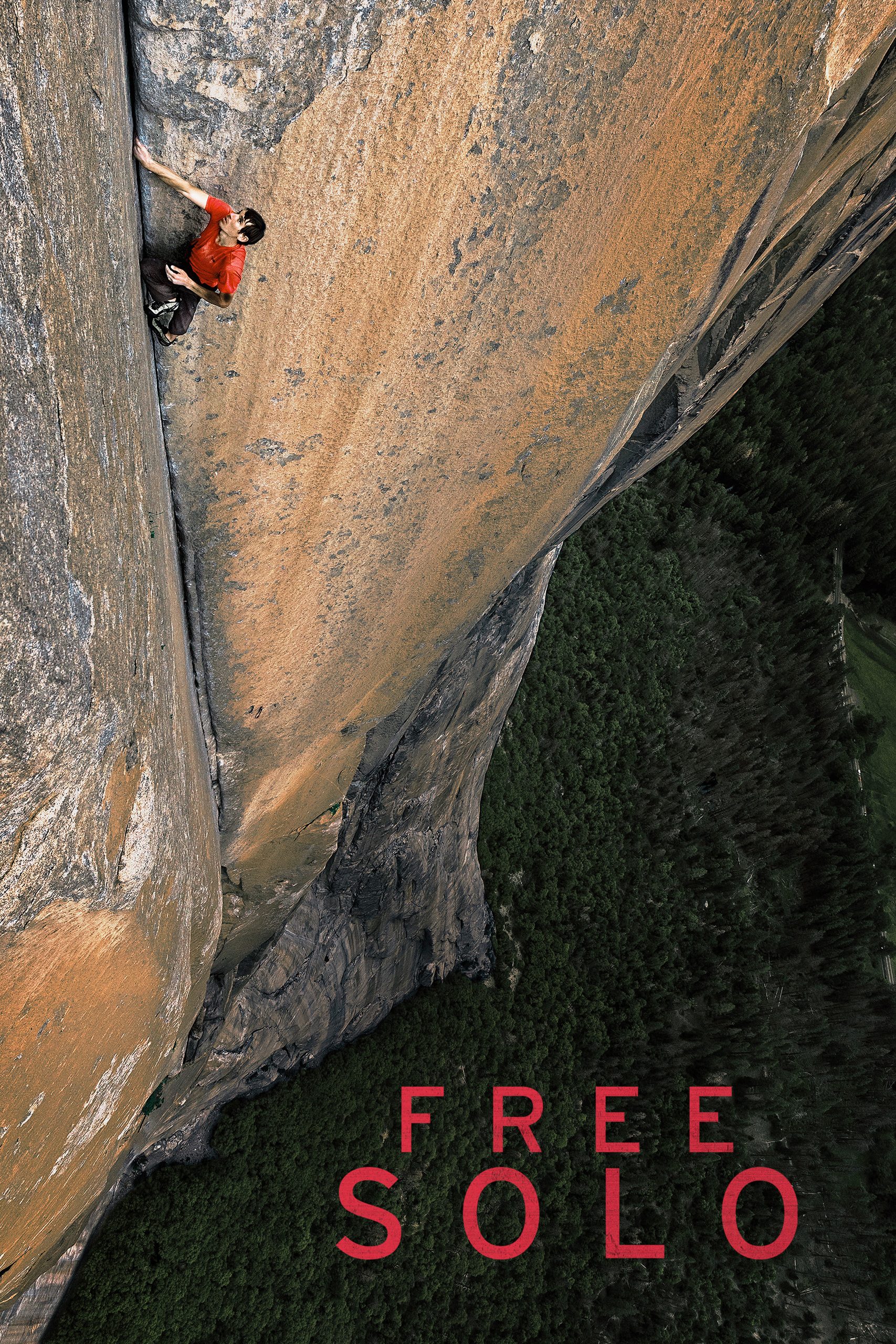
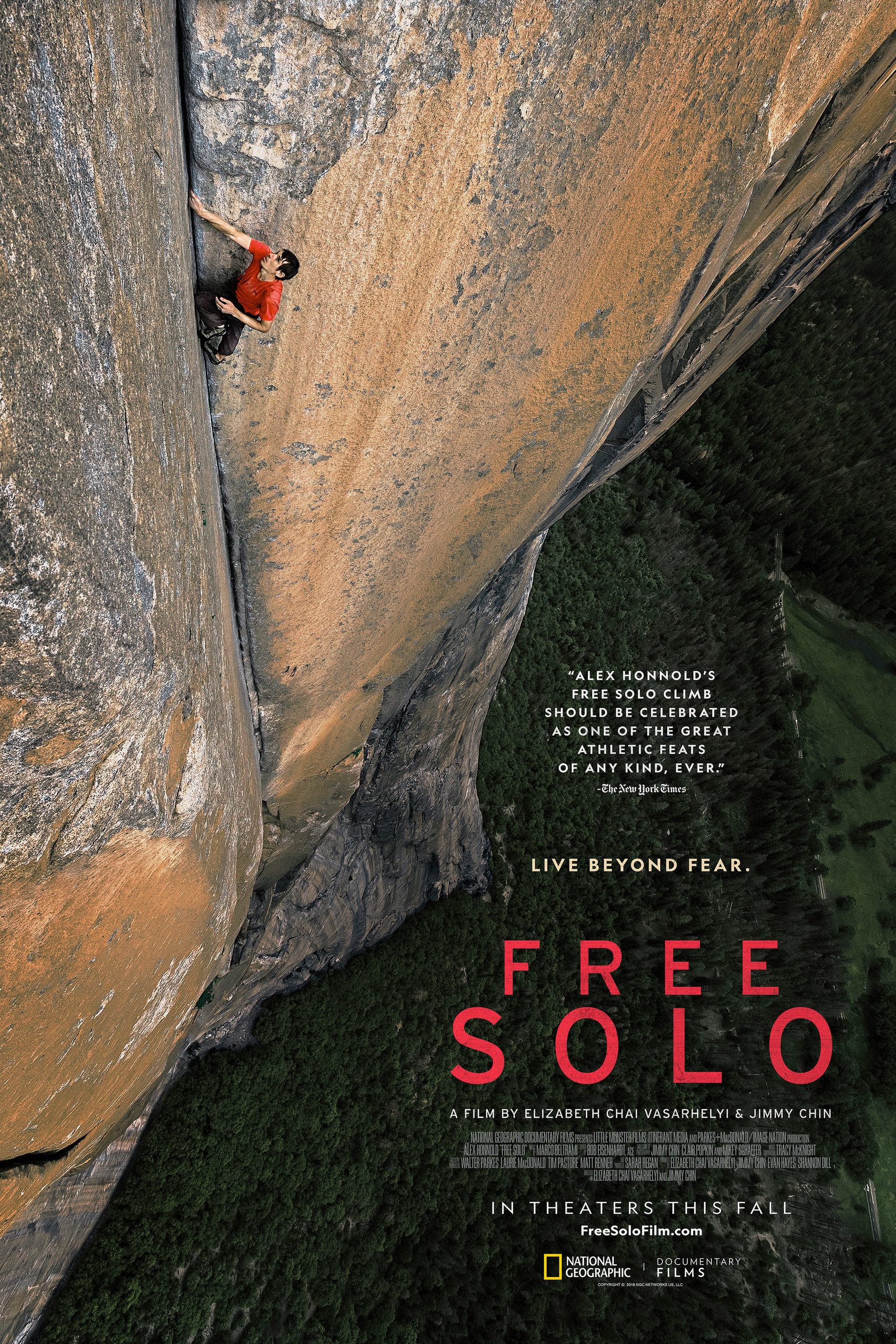
Alex Honnold wants to climb El Capitan, the 3,000-foot granite wall in Yosemite, without a rope. Nobody has done it. Jimmy Chin and Elizabeth Chai Vasarhelyi follow him through two years of preparation, and their film is two things at once: a record of the attempt, and a record of the crew arguing about whether recording it is decent. It is superb at the first. It is more interesting at the second than we expected. It is least sure of itself when it tries to explain the man.
Honnold is an odd subject and the film knows it. He lives in a van, eats supper straight from the pan, and talks about the possibility of his own death the way other people talk about a long drive. The directors put him in an MRI scanner and a scientist tells him that the part of his brain that registers fear barely responds. They interview his mother, Dierdre Wolownick, about his childhood. These scenes are honest and they are also thin; the film keeps asking why and settling for the first answer it is given, and Honnold is far more revealing when he is simply chalking his hands.
Sanni McCandless has the hardest part in it. She is Honnold’s girlfriend, she moves into the van, and the film treats her, more or less openly, as the variable in the equation. He is hurt twice during the preparation, both times on a rope, and the film lets the question of whether happiness makes a climber careless hang in the air over her. She is funnier and clearer-eyed than that framing allows, and there is a conversation in a car where she asks him a plain question about her place in his life and gets an answer we found hard to hear. We wanted more of her and less of the film’s theory about her.
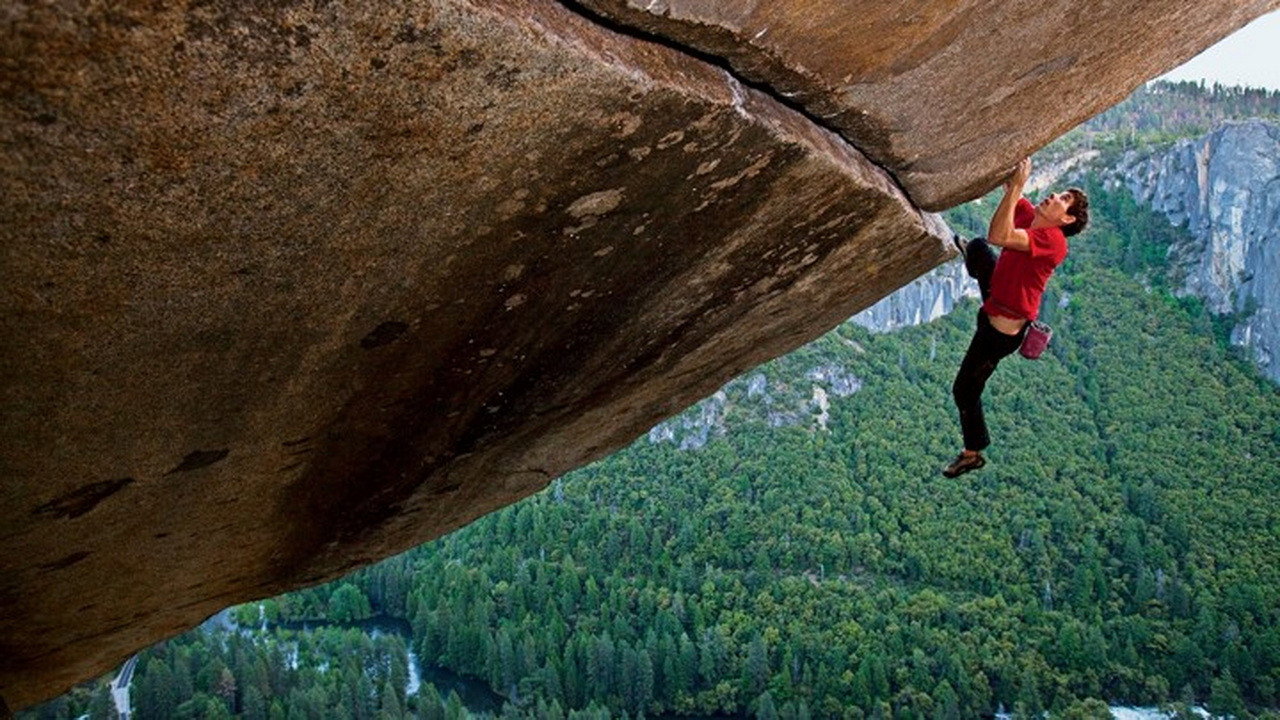
Tommy Caldwell, a climber of Honnold’s standing, is the film’s conscience. He rehearses the route with him on ropes, pitch by pitch, and he is the one person on screen who speaks about the odds as a colleague rather than a fan. The route has a section high on the wall called the Boulder Problem, a sequence of small holds that ends in a karate kick across a gap, and the film returns to it again and again until we could see it with our eyes closed. That repetition is Bob Eisenhardt’s best decision as editor. By the time Honnold reaches it without a rope, we know precisely what a wrong foot means.
Around them stand the crew: Chin, Mikey Schaefer, Cheyne Lempe and others, professional climbers with cameras, who are also his friends. The film shows them working out where to hang so that they cannot be seen, whether a lens at his shoulder changes his odds, and what they will do if he falls. Older climbers, Peter Croft and Mark Synnott, sit in the valley and worry aloud. Some critics have found this self-regarding. We found it the most truthful part of the film, because the crew’s problem is also the audience’s problem. We paid to watch this. We are on the rope too.
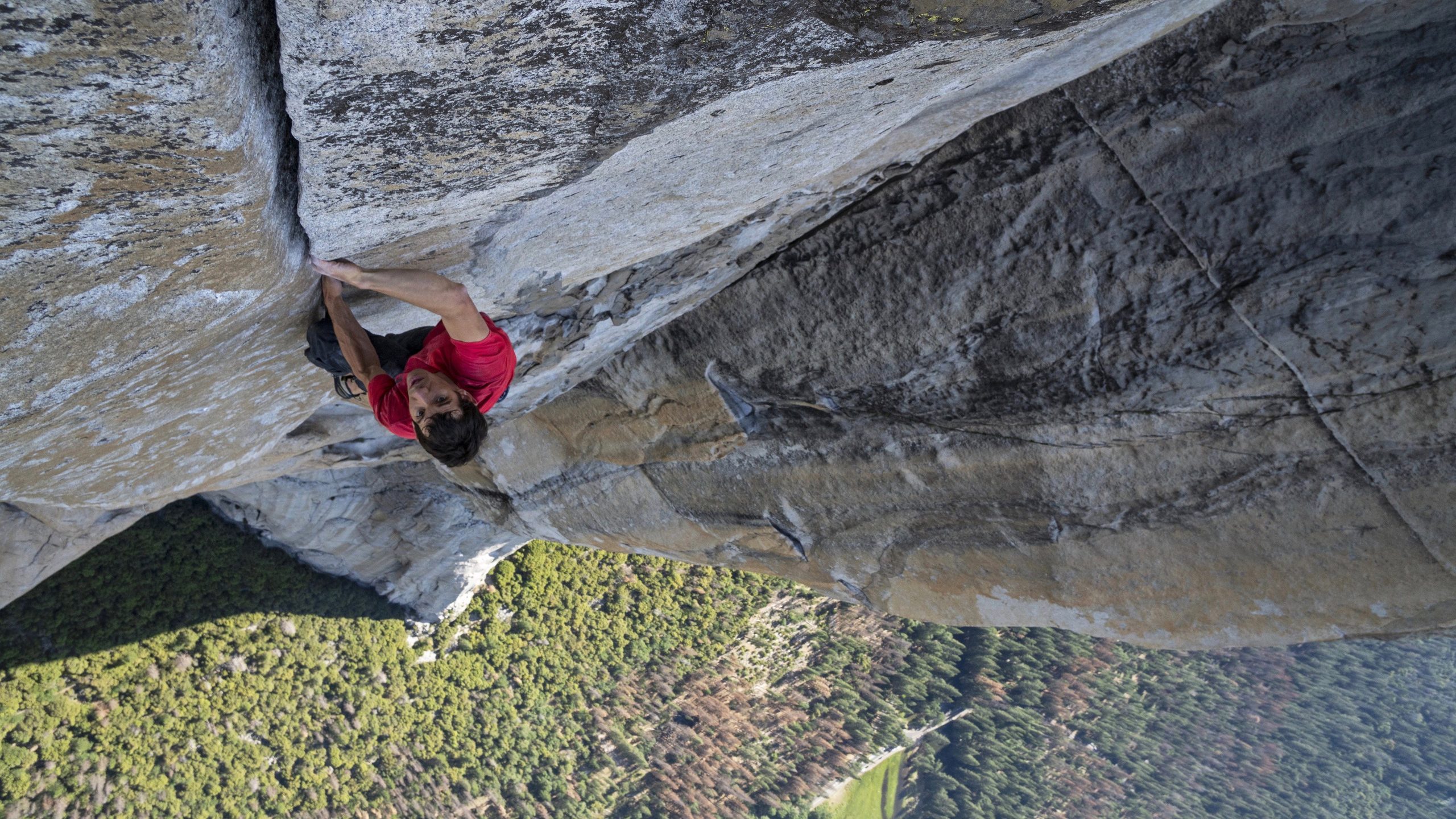
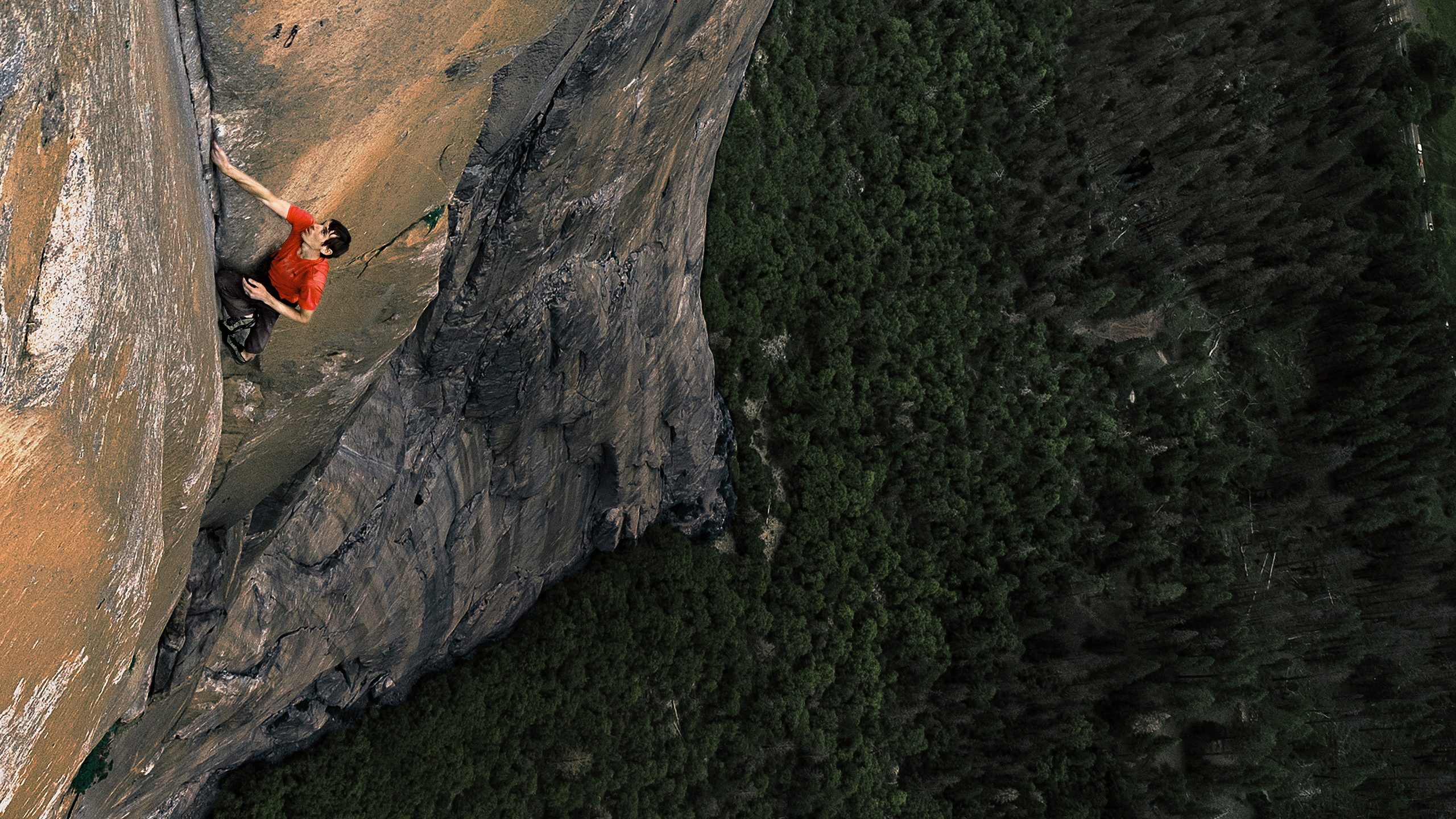
The climb itself takes the final twenty minutes, and it is as frightening as anything we have sat through. Schaefer, Clair Popkin and Chin shoot it from cameras rigged on the wall and from long lenses in the meadow below, so that Honnold is at one moment a pair of hands on a fingernail of rock and at the next a red dot on a grey wall the size of a city. Eisenhardt cuts between the wall and Schaefer at his monitor on the valley floor, who at one point turns away because he cannot watch. Neither could we, quite. We watched his feet, then his fingers, then the meadow, and at the Boulder Problem we realised we had stopped breathing. Marco Beltrami’s score presses where it does not need to; the pictures had already done the work.
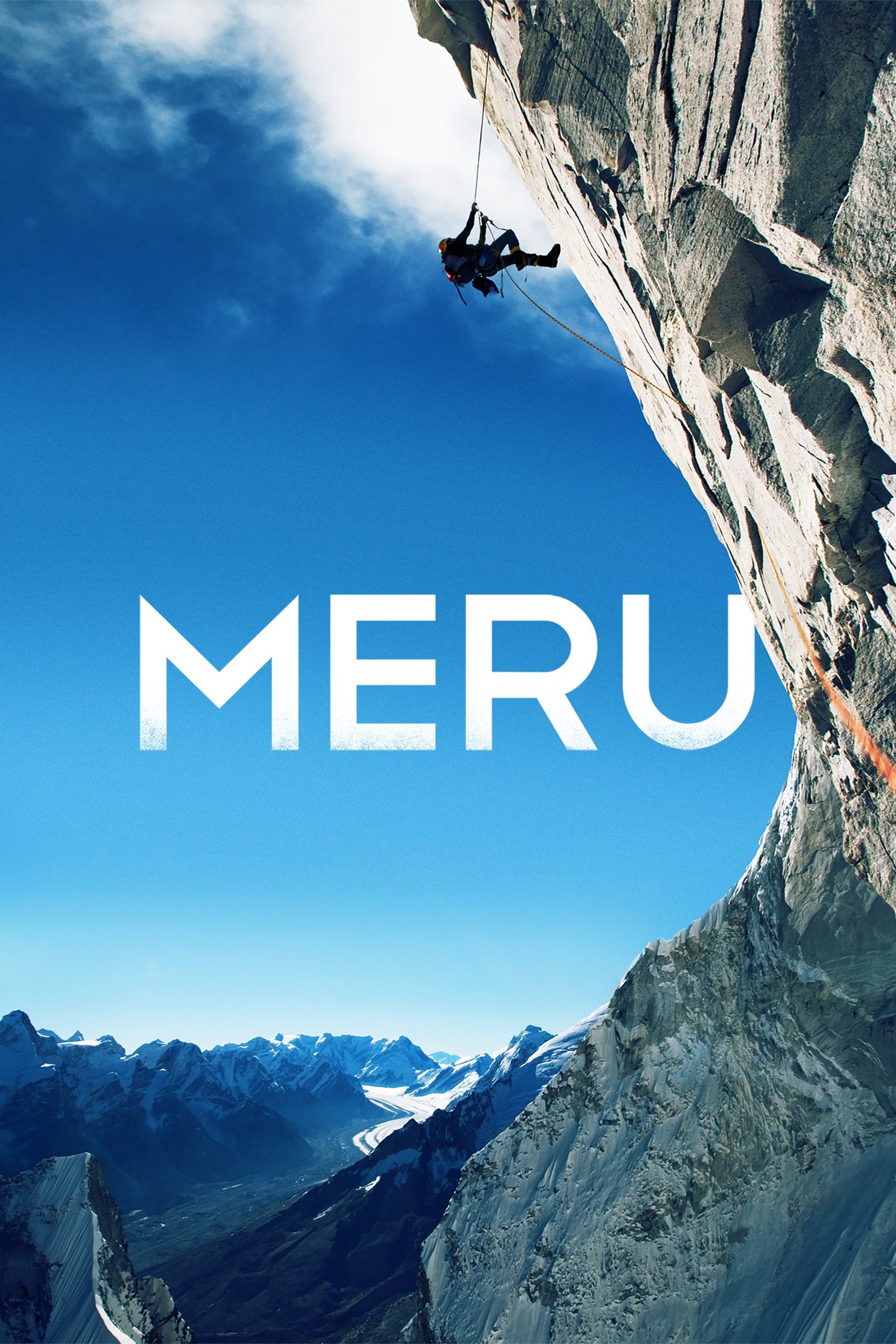
We will not say how the last minutes end. Many readers will already know, and the film has the good sense to make the knowing irrelevant. Chin and Vasarhelyi’s Meru (2015) was about three men and a mountain; this is a smaller and stranger film, about one man, a wall and the people who love him standing at the bottom looking up. See it on the largest screen you can, and not on a phone, where the wall shrinks to nothing and the point goes with it. Certificate 12A, 100 minutes, and about twenty of them you will want to spend behind your hands.