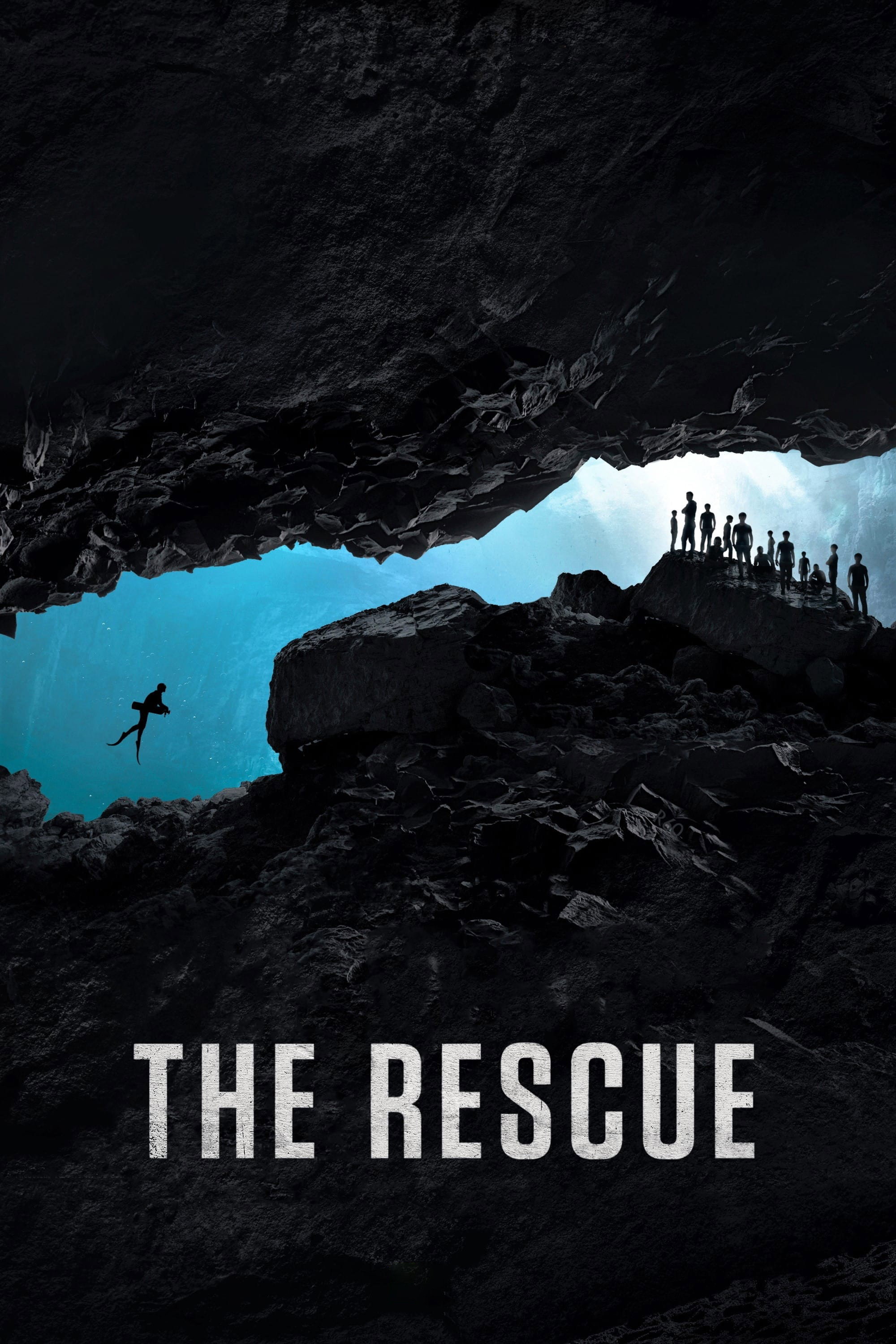
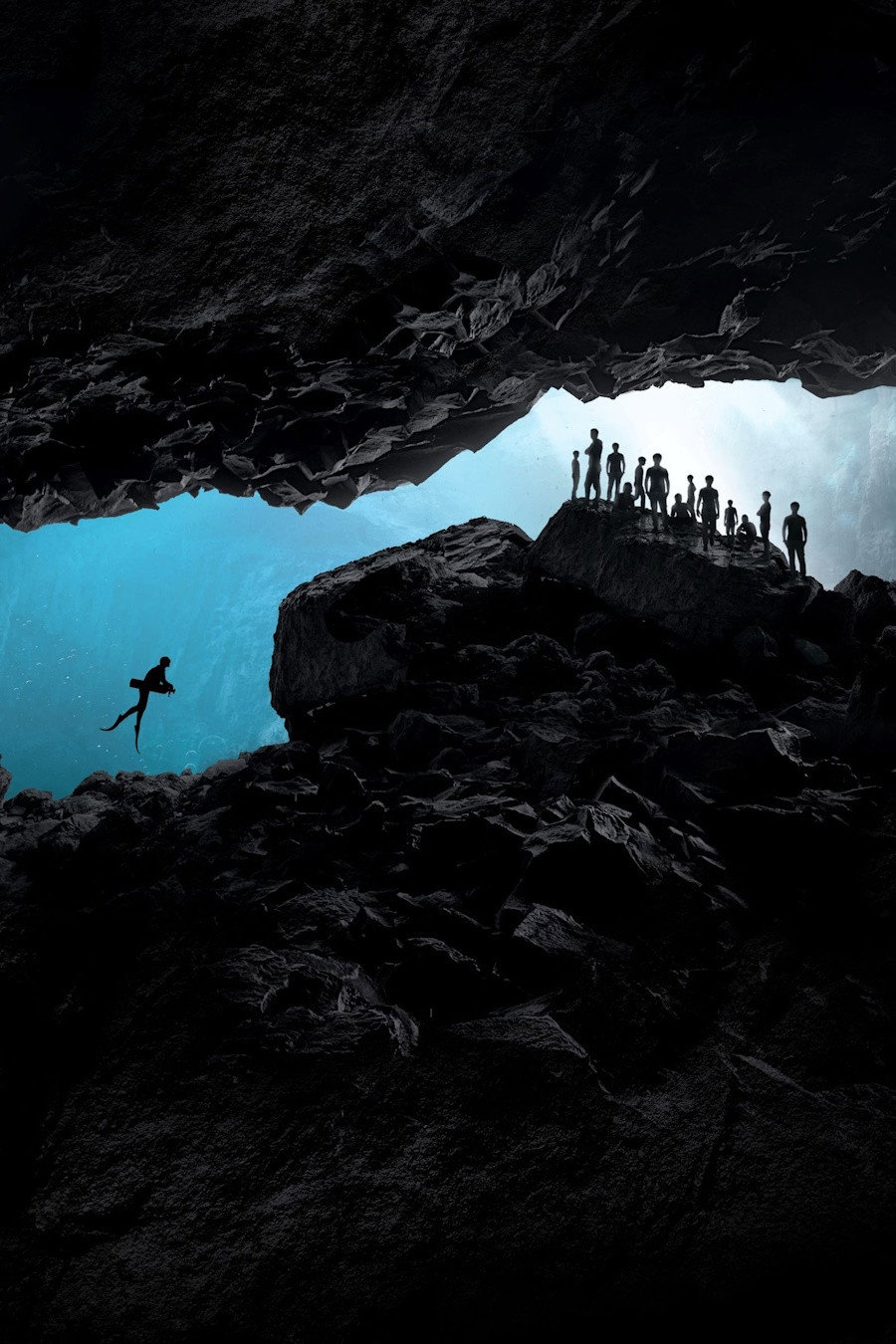
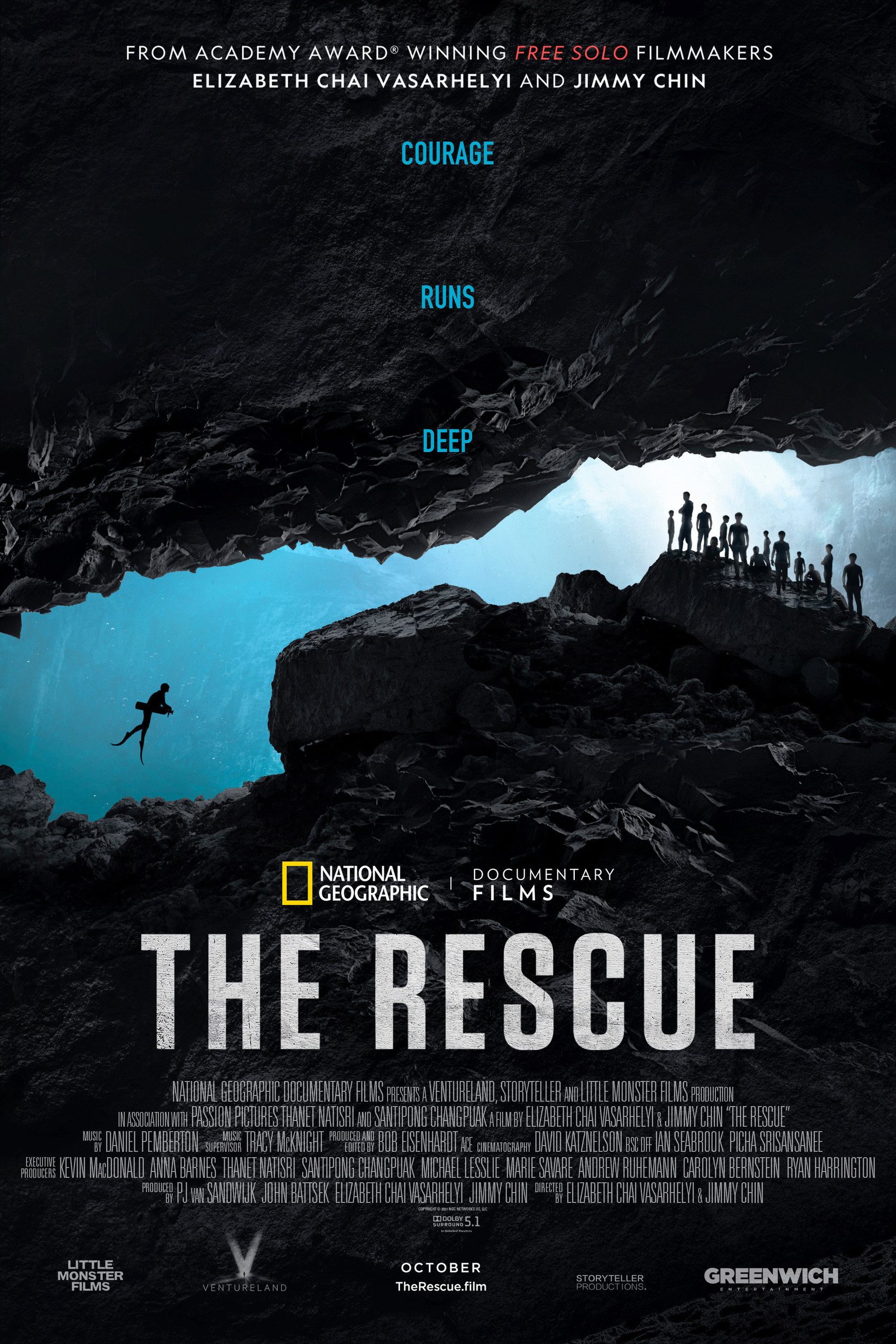
Chin and Vasarhelyi’s account of the Tham Luang rescue is as tense as anything they have made, and the British divers at its centre are odd, dry and admirable company. It sees too little of the boys and goes soft at the close.
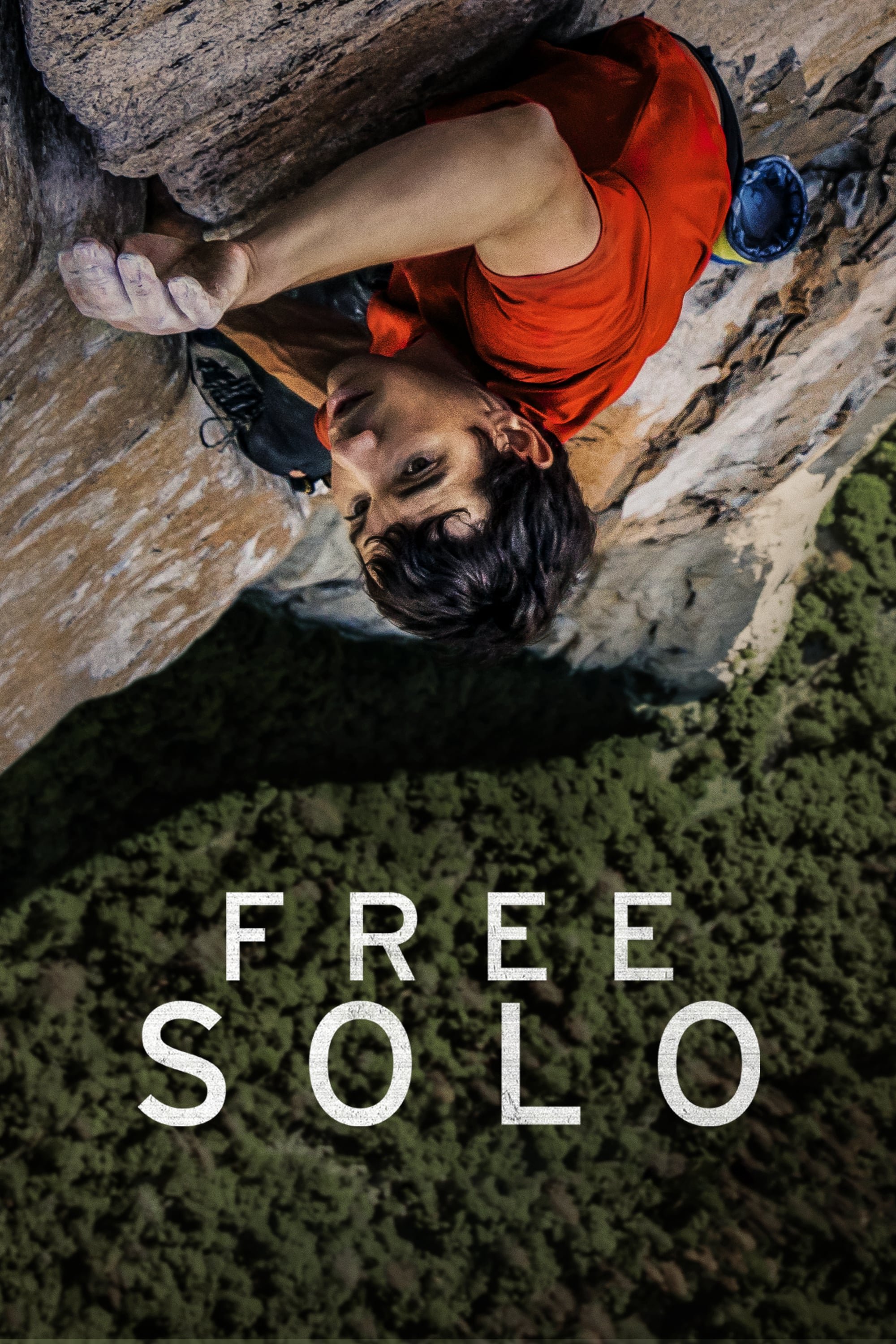
In June 2018 twelve boys and their football coach walk into the Tham Luang cave in northern Thailand, the monsoon arrives early and the water shuts the way out behind them. Everyone who watched the news that summer knows how it ended. Jimmy Chin and Elizabeth Chai Vasarhelyi, who made Free Solo (2018), know that we know, so The Rescue is about how it was done, told by the men who did it. It is a tense, clear, well-made procedural. It is good rather than great, and the reason is who was available to sit in front of the camera.
Those men are mostly the divers. Rick Stanton and John Volanthen, the two British cave divers flown in when the Thai Navy’s own men found the passages beyond them, are the film’s centre: a retired fireman and an IT consultant, middle-aged and unglamorous, who plainly prefer a flooded passage to a crowded room. Stanton describes appalling things in the tone of a man reporting the weather. Around them the film gathers Richard Harris, the Australian anaesthetist whose part in the operation we will leave the film to explain, Thanet Natisri, the engineer trying to pump water off the mountain before it reaches the cave, and Craig Challen, Jim Warny and Mikko Paasi from the wider team. Nobody here talks like a hero and the film does not make them.
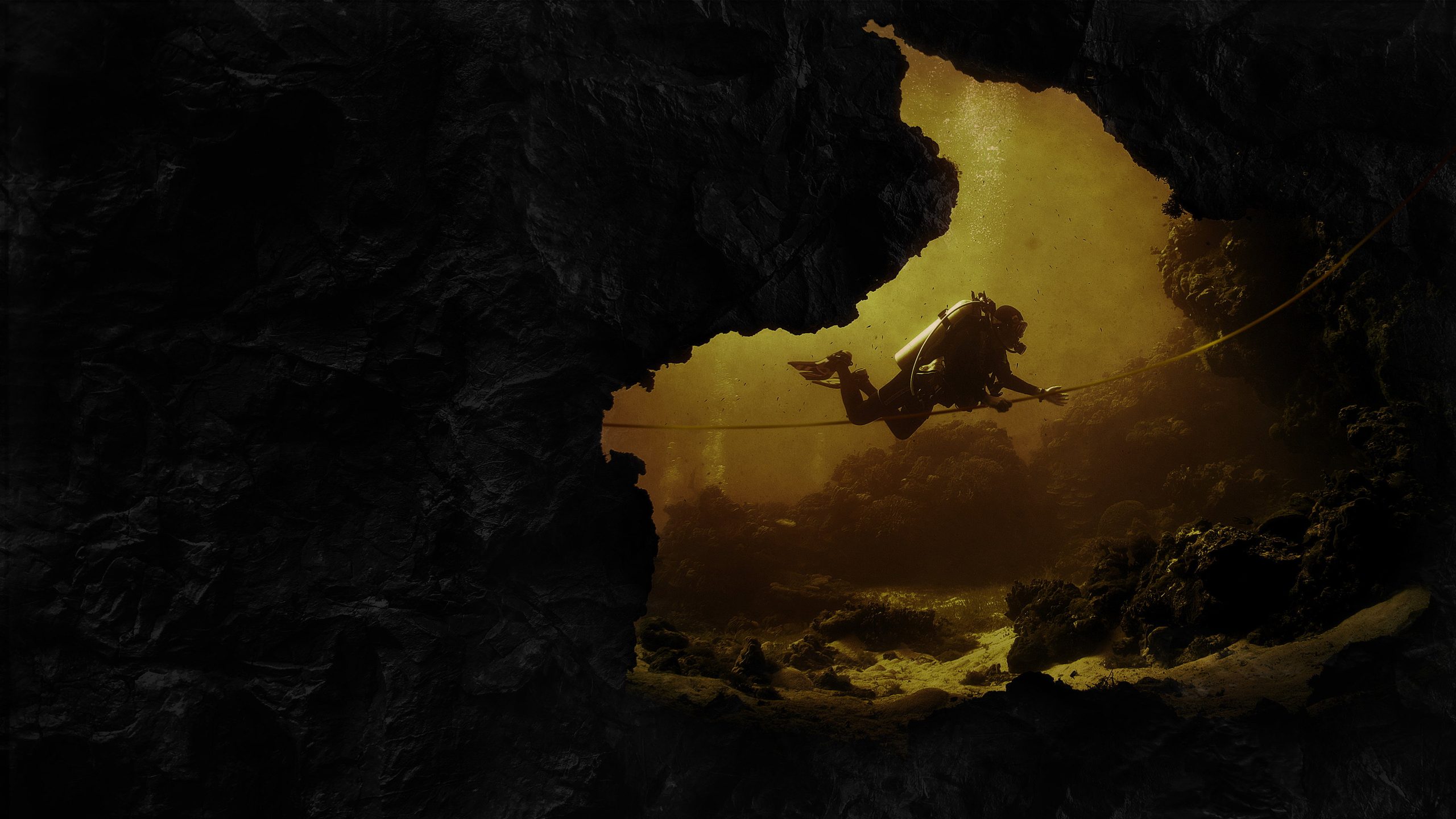
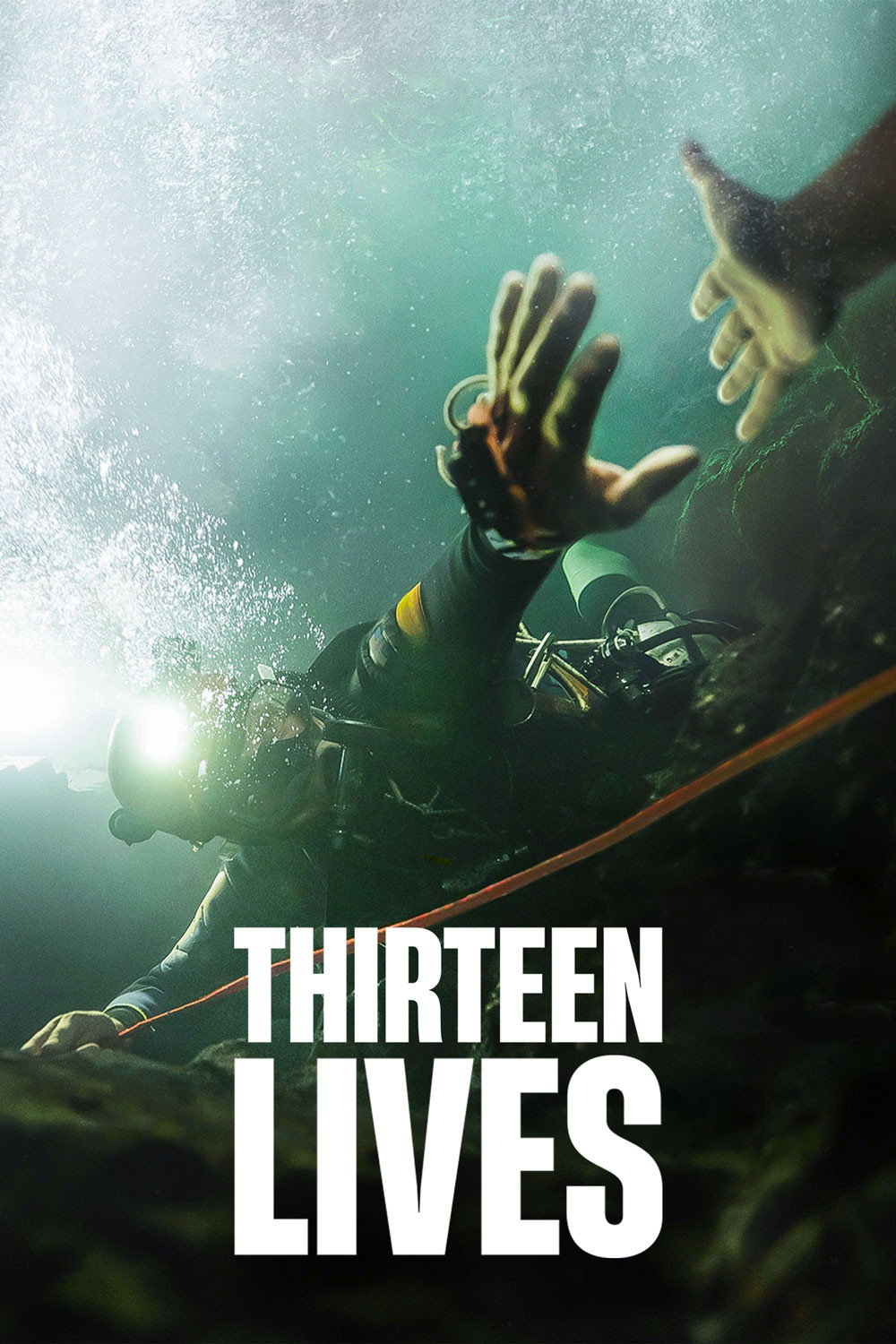
The dives are the reason to see it. Much of the underwater footage was recreated afterwards with the divers playing themselves, and the film does not always say which is which; we minded less than we expected, because the recreations are so bare. David Katznelson, Ian Seabrook and Picha Srisansanee share the cinematography credit, and what they give us is a torch beam in brown water, a guideline vanishing into silt, a helmet grinding along rock with an inch to spare. For long stretches there is nothing to see at all. We have sat through a great many screen catastrophes without much trouble, and we could not breathe watching Volanthen feel his way along a line in water the colour of tea. It was the flatness that did it: his own breathing, his hand, the line.
Bob Eisenhardt’s editing keeps the geography straight, which is harder than it sounds. He cuts between news footage, the Thai Navy’s own video from inside the cave, the interviews and the recreations, and returns again and again to a cross-section of the cave with the boys’ ledge marked on it, so that you always know how far they are from air. Wes Tooke is credited with a screenplay, an odd thing to see on a documentary, and it tells you how the film has been built: arrival, search, discovery, deadline, plan. Daniel Pemberton’s score earns its place in the dives and outstays it in the interviews, where the men would be more frightening plainly heard.
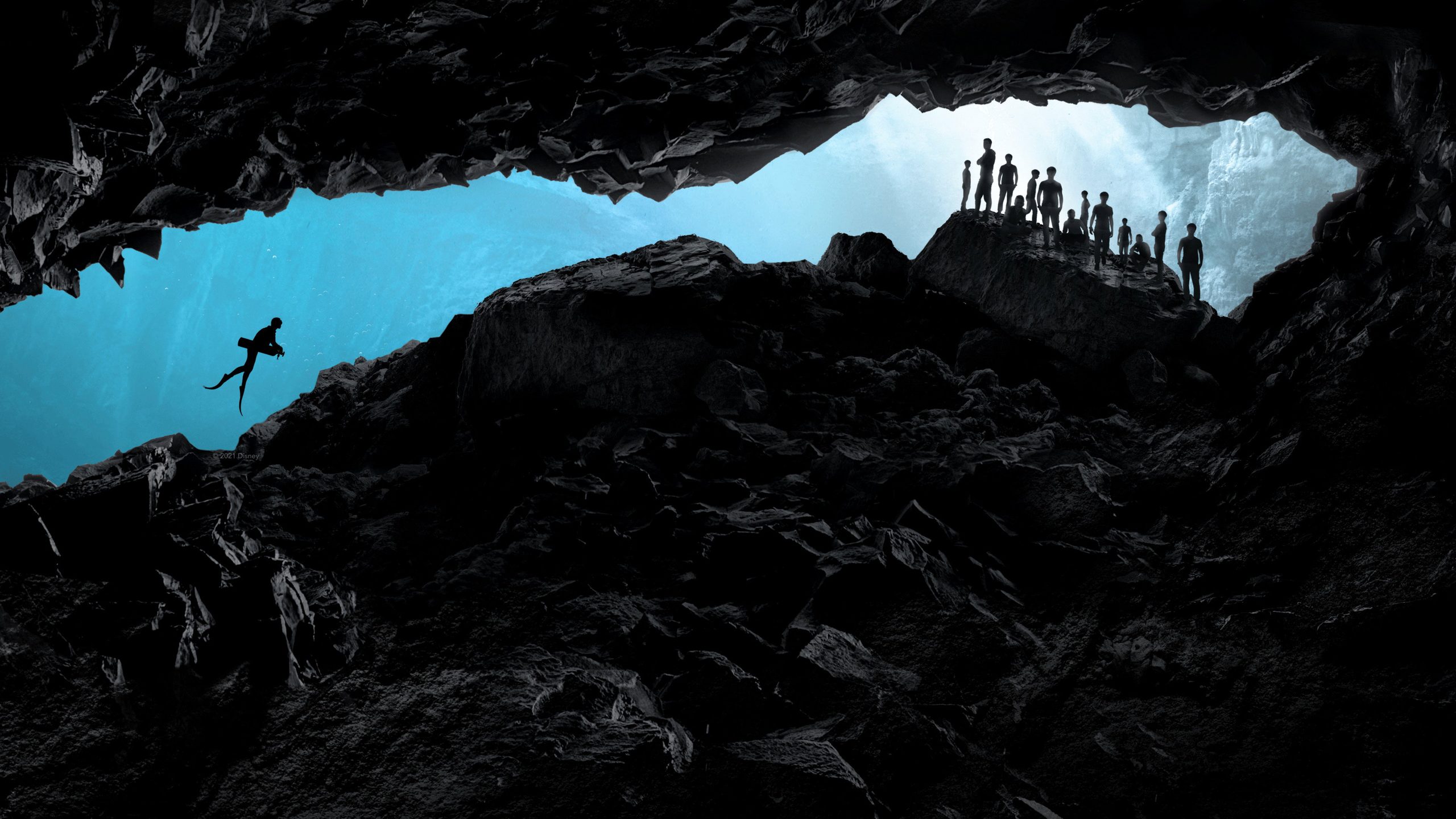
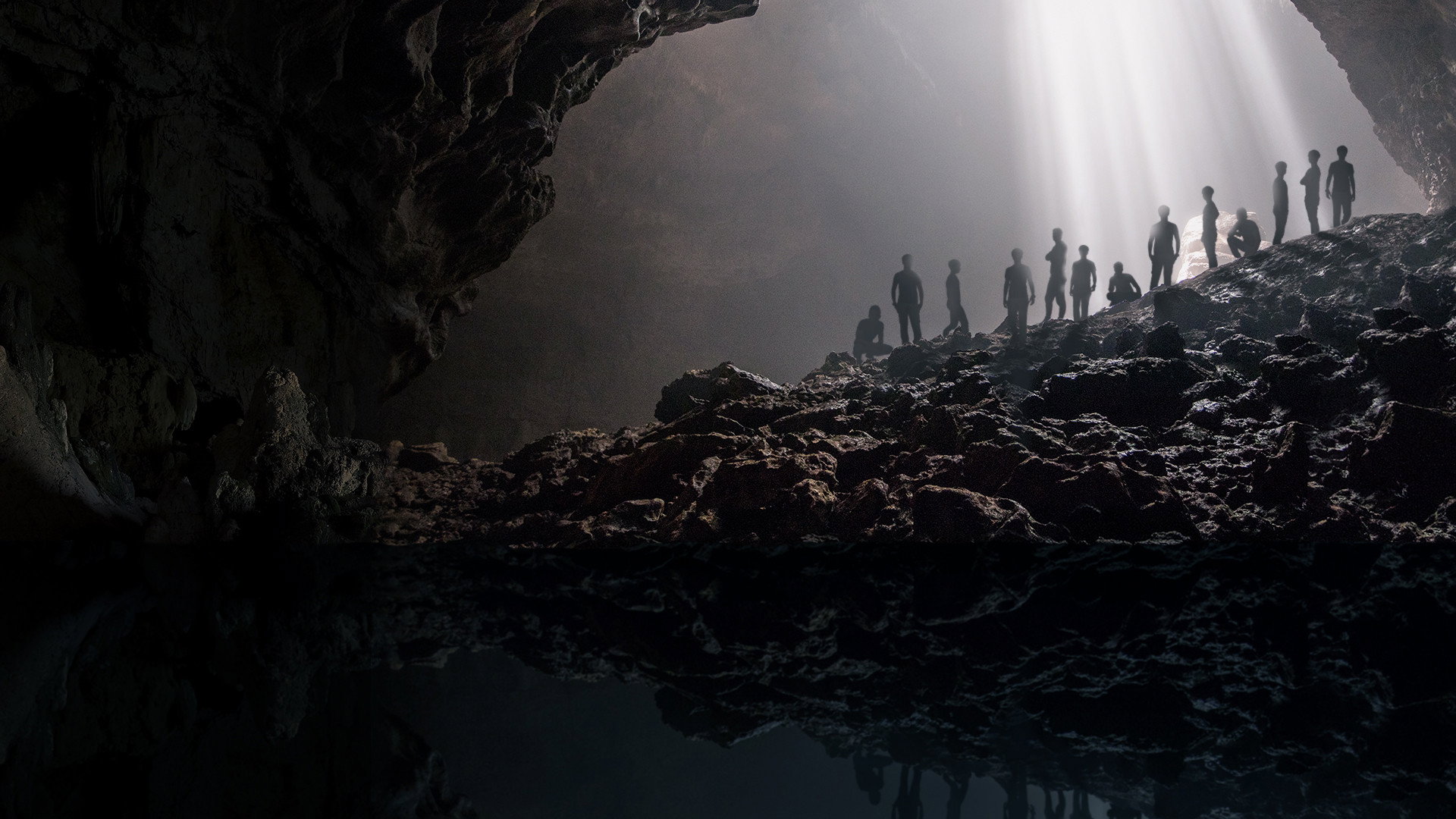
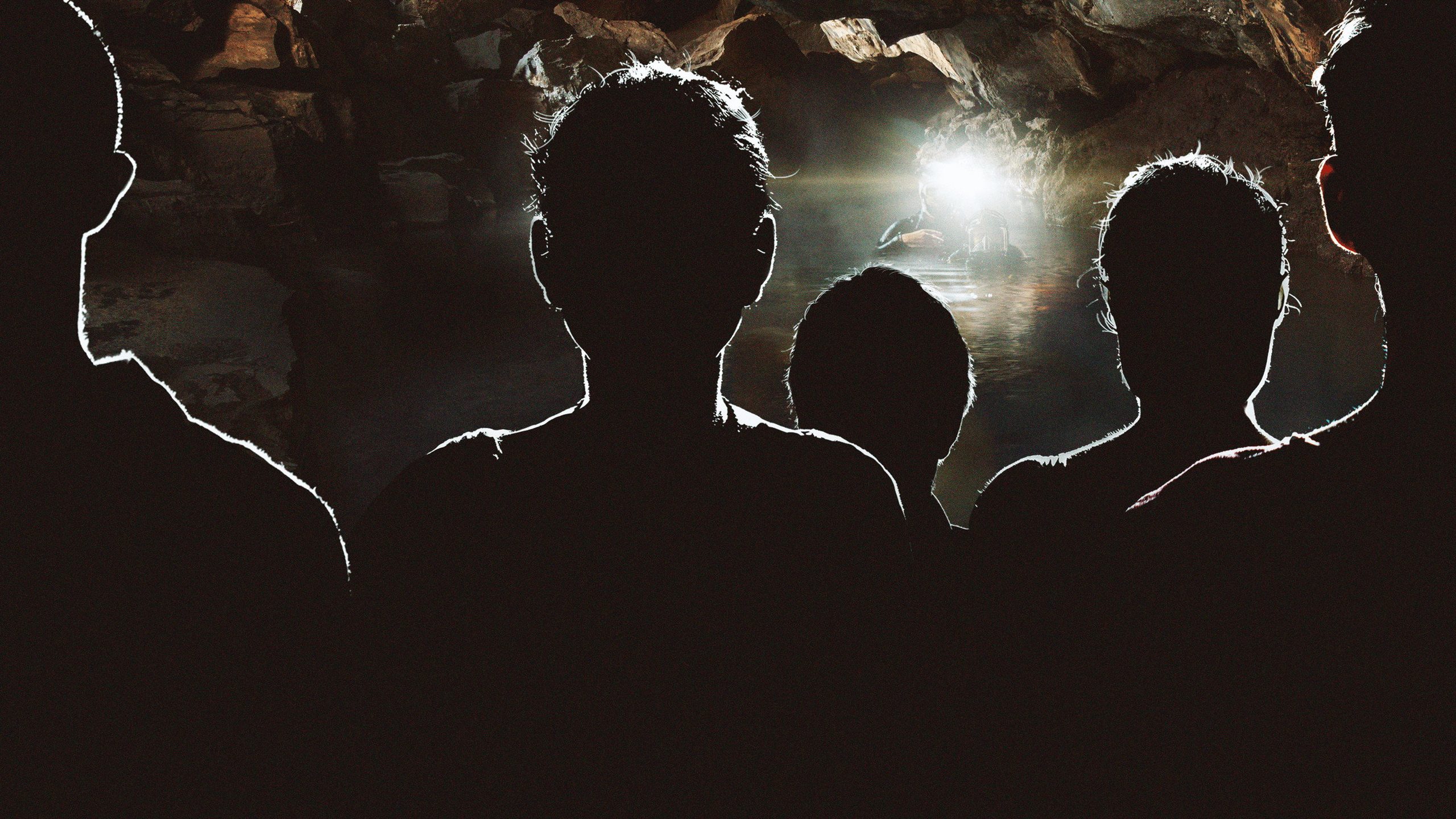
What it lacks is the boys. The twelve and their coach appear almost entirely in the Navy footage, thin figures on a ledge squinting at a torch, and hardly at all afterwards; their families are glimpsed at the cave mouth and not spoken to. The Thai divers, the governor running the operation and the thousands of volunteers on the mountain get a montage each. The film is honest that this is the rescuers’ story, and for the crucial stretch the rescuers were a handful of foreigners. Still, the people who were trapped end up the least present people in a film about their rescue. And late on, in a stretch we will not describe, the film goes soft and starts asking to be liked when it had already earned it.
Set against Free Solo, this is the less intimate film. There Chin and Vasarhelyi had one man and a year of his life; here the event was over before they arrived, and what they have is men remembering, in interviews that are handsome and a little formal. What carries over is their interest in people who stay calm where the rest of us would not. Stanton and Volanthen spent decades being thought slightly odd for a hobby that turned out to be the only thing that could bring thirteen people out of that cave, and the film lets them enjoy the irony without labouring it.
Watch it with someone who is sure they know the story; they will be quiet within twenty minutes. Certificate 12A and 107 minutes, most of them spent wanting the men on screen to hurry and knowing exactly why they will not.