Ron Howard makes the Apollo 13 mission gripping by taking its technical problems and the people solving them seriously. Tom Hanks leads an excellent ensemble, though manufactured friction and an insistent score occasionally push too hard.
Ron Howard’s Apollo 13 is a gripping rescue drama, with a few arguments we could have done without. It asks us to take an interest in people diagnosing trouble, sharing information and trying an idea because the alternatives are worse. That could describe a long afternoon at work. Howard makes it an absorbing way to spend 140 minutes, largely because he allows the technical work to matter as much as the personalities.
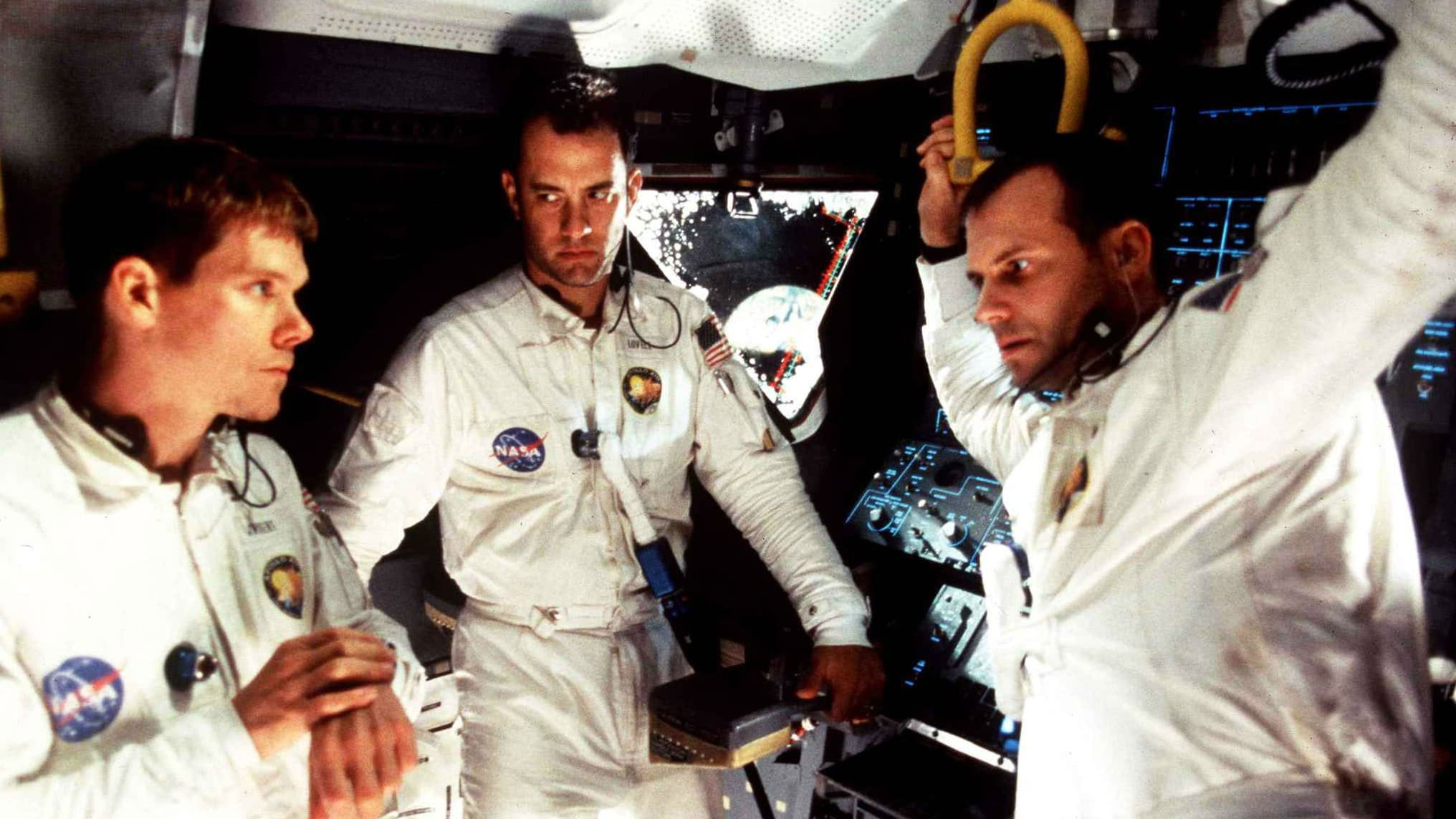
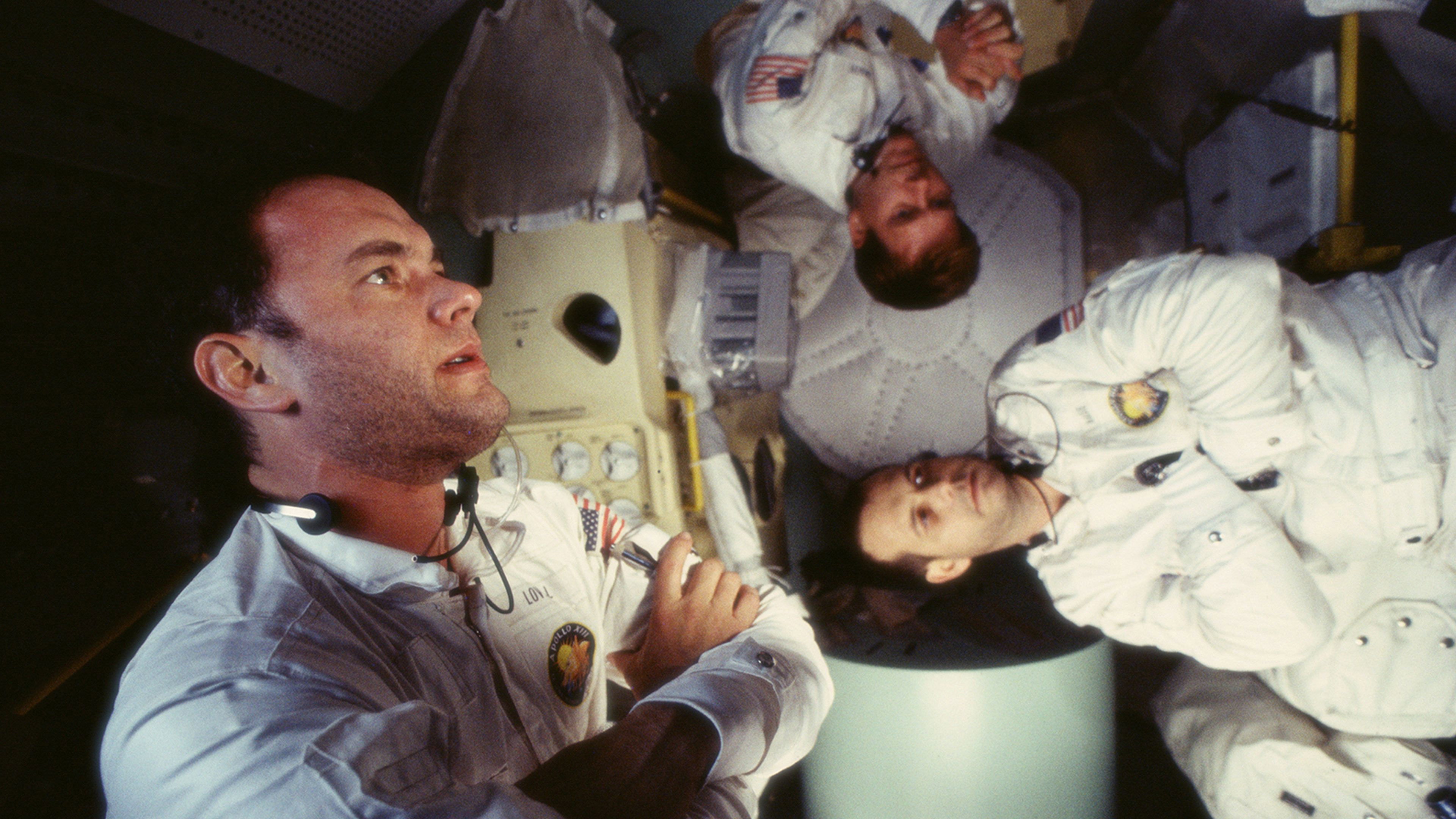
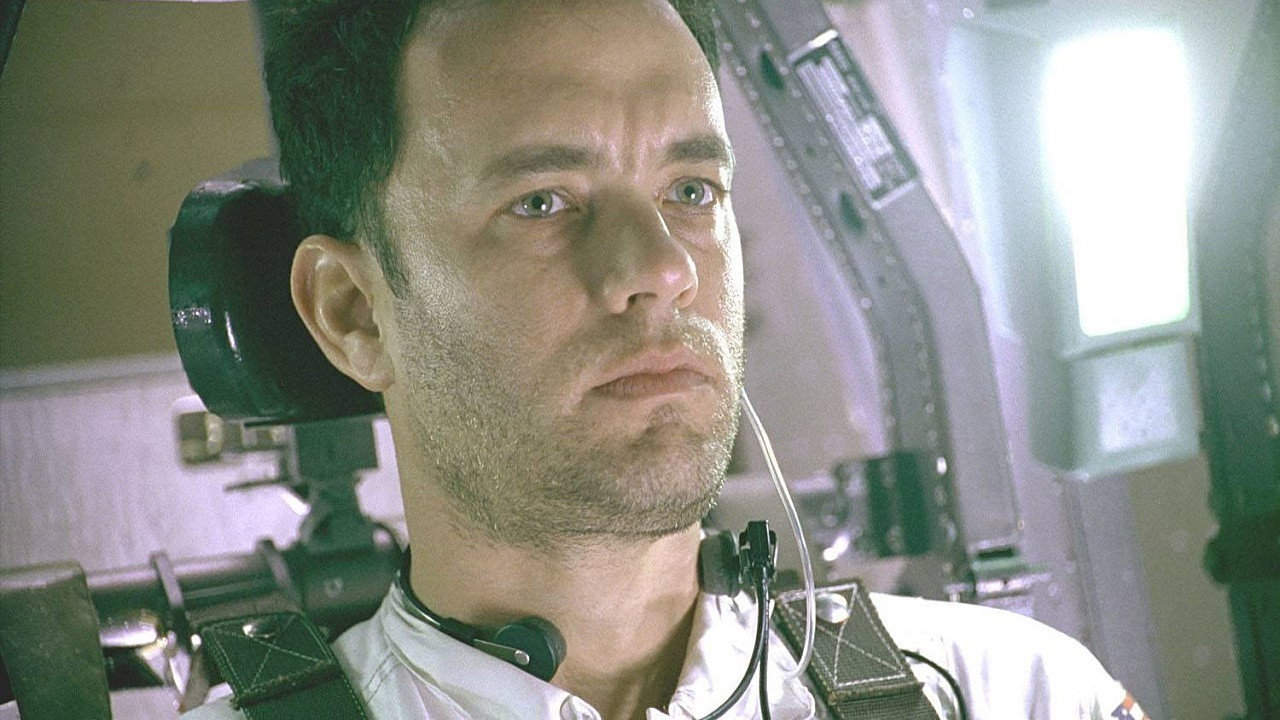
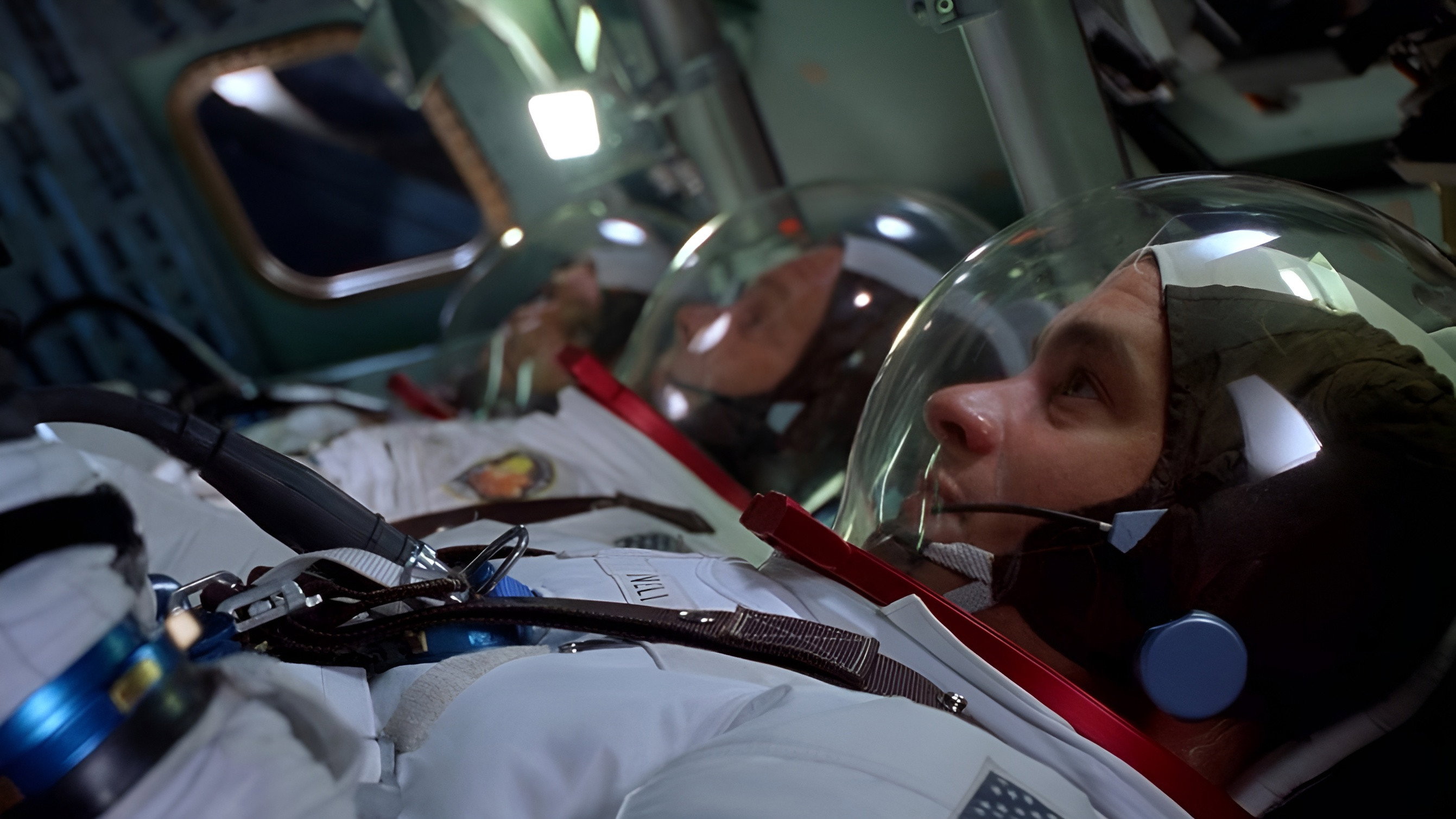
Tom Hanks gives Jim Lovell an ordinariness that helps enormously: we believe other people would listen to him without needing a speech about leadership. Bill Paxton’s Fred Haise and Kevin Bacon’s Jack Swigert make the crew feel like colleagues with distinct personalities. There is enough difference between them to keep the shared endeavour human. Hanks is especially good at keeping our attention without suggesting that Lovell deserves all of it, and Howard leaves space for the other performances.
Ed Harris, as Gene Kranz, gives the work on the ground a similar authority, making concentration something worth watching. The pleasure is in seeing responsibility spread across a group whose members have different jobs to do. William Broyles Jr. and Al Reinert’s screenplay gives practical questions enough weight that we want to understand the answers. Within the rescue genre, this willingness to spend time on explanations is particularly effective: we have some grasp of what the astronauts and their colleagues are up against.
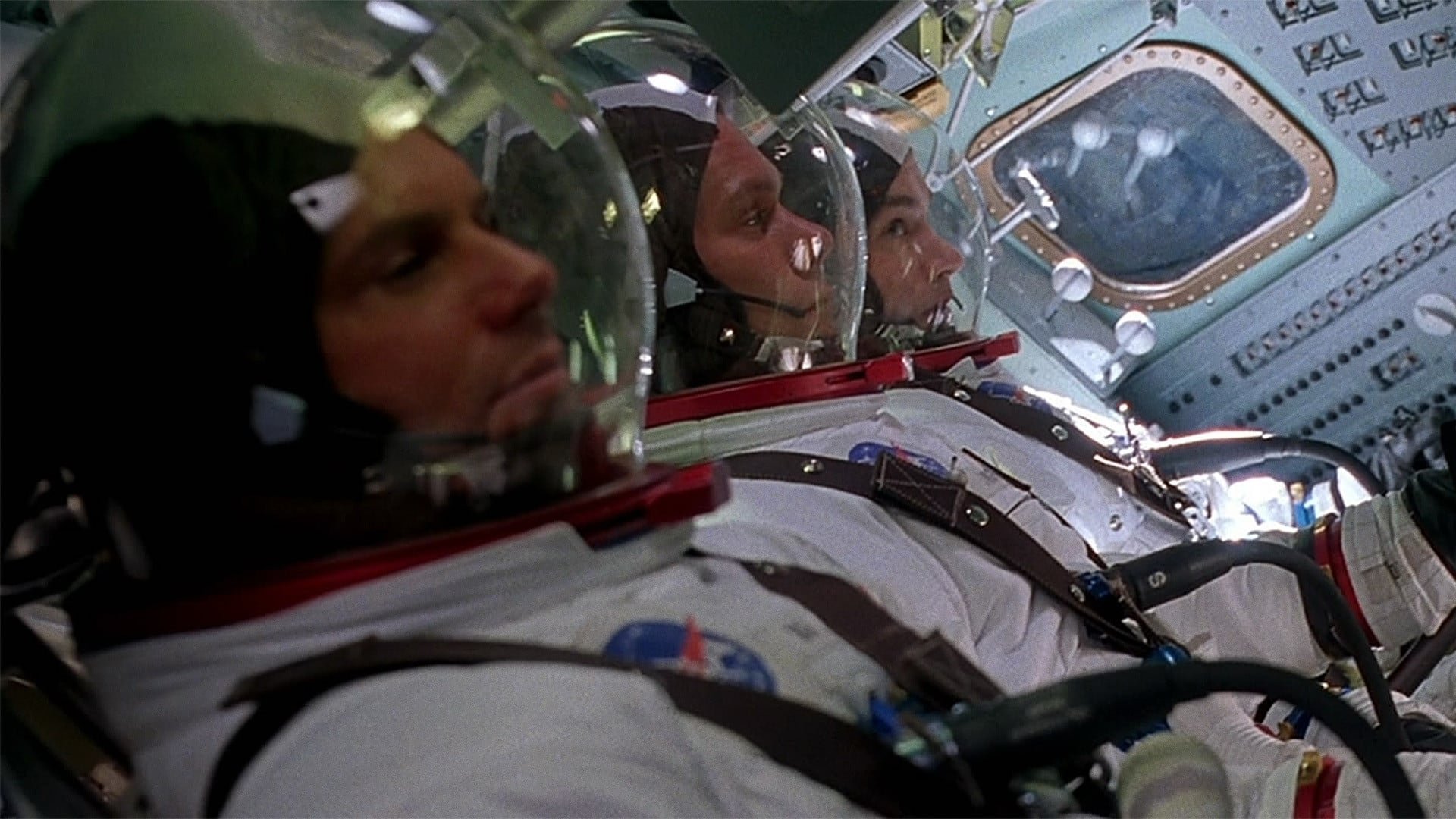
Dean Cundey’s cinematography is most persuasive at the launch, where the scale of the machinery makes human confidence look a little optimistic. We tensed up watching it; the force of the launch made the astronauts’ vulnerability suddenly plain. Michael Corenblith’s production design also earns attention for the equipment, which looks usable as well as convincing. The film gets us interested in what things do, so that the machinery holds our attention even when there is no spectacle to admire.
Editors Daniel P. Hanley and Mike Hill keep the crew and ground control part of the same developing problem. Their cutting makes the exchanges legible without draining the urgency out of them, a substantial achievement in a film where understanding a difficulty is part of the entertainment. We can follow the thinking and still worry about the people doing it. James Horner’s score is less restrained: its emotional encouragement sometimes feels unnecessary when the actors and the situation have already given us enough to respond to.
Howard is less sure when he uses disagreement as another source of danger. The crew conflicts and ground-control battles can feel introduced to reassure us that this is a proper drama, with raised tempers as well as technical difficulties. Those passages are less involving precisely because the practical stakes have already secured our attention. They also make the characters briefly seem less convincing as colleagues, and the ensemble has worked hard to establish that sense of people depending on each other.
Give it an uninterrupted evening; the explanations are part of the pleasure and deserve the attention. There is no need to arrive with an existing interest in space travel. Howard gives us enough reason to care about the people before asking us to follow the problems. We recommend it with some tolerance for the extra sentiment, and with no expectation of remaining relaxed.