Film review

The Right Stuff

1983 · Directed by Philip Kaufman · 3h 13m · MPA PG

In a sentenceGetting into space looks difficult enough without having to be a national hero in the afternoon

DramaHistory

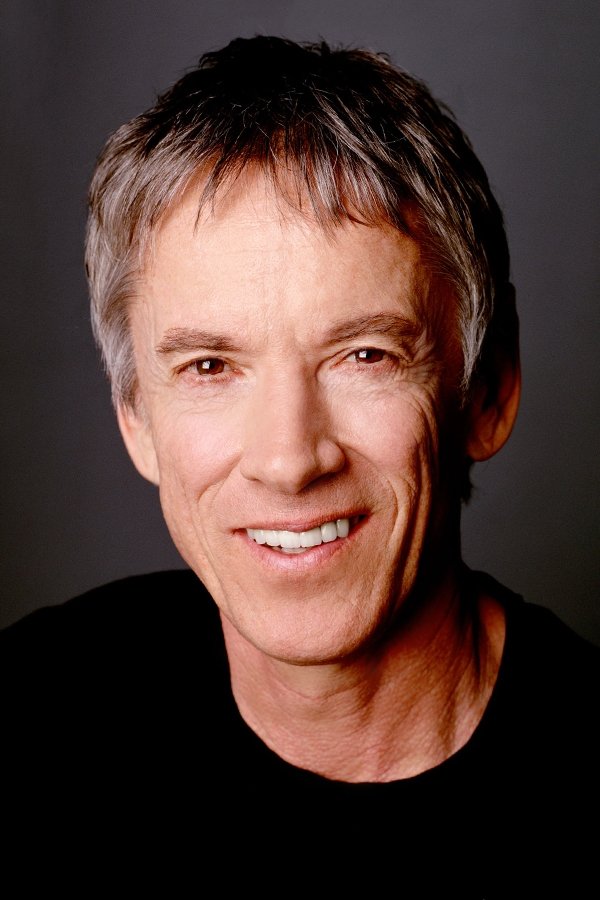
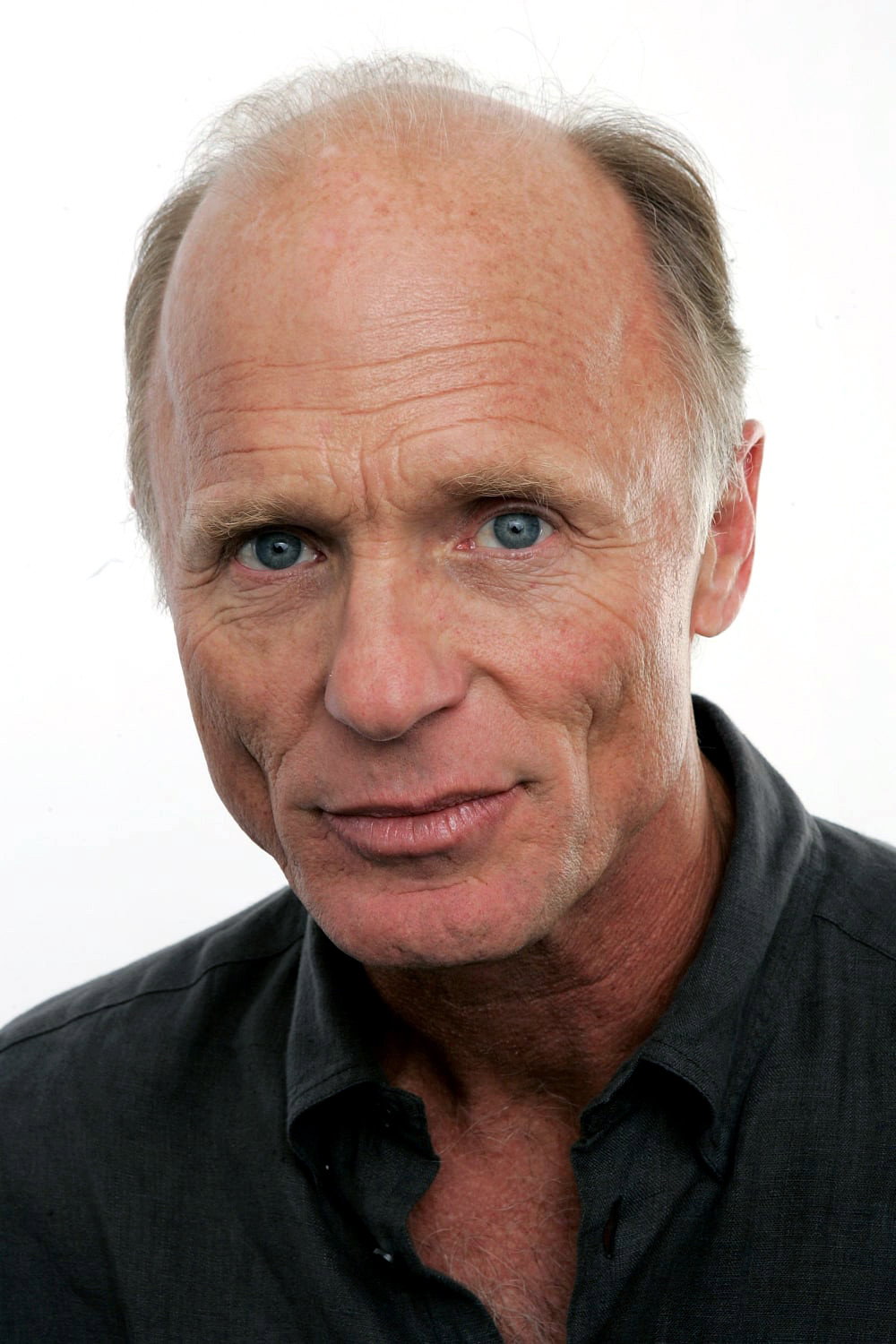
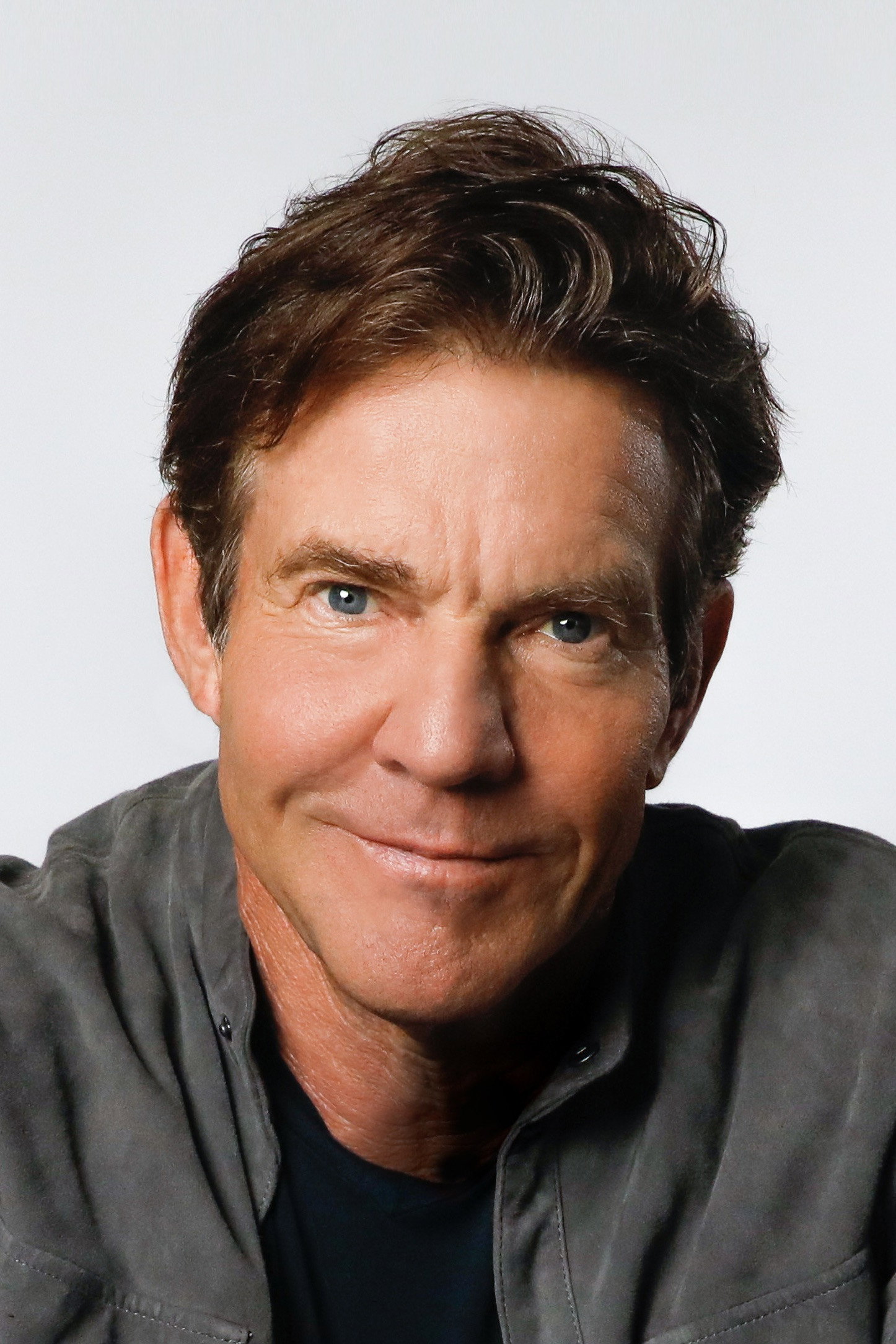
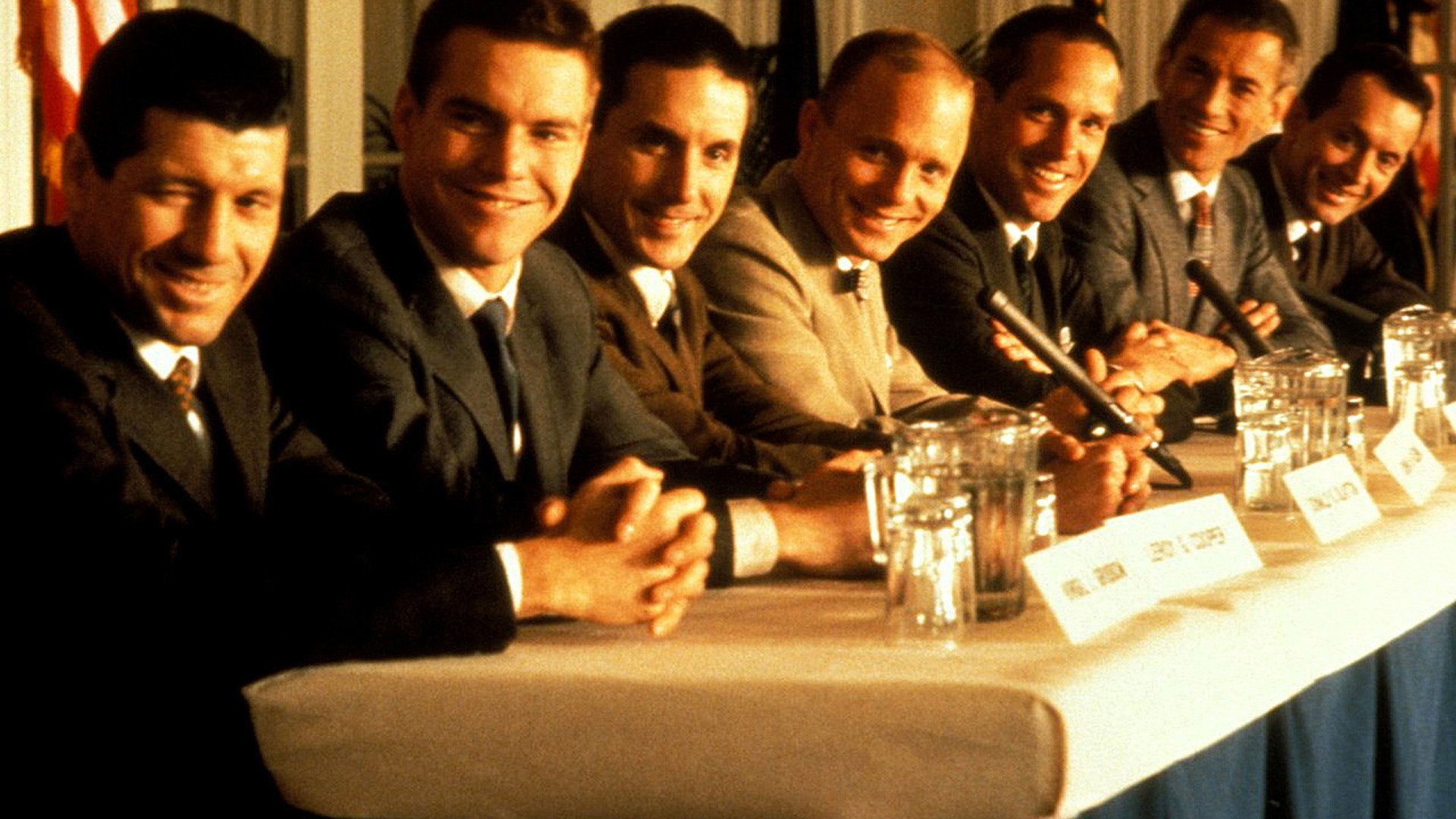
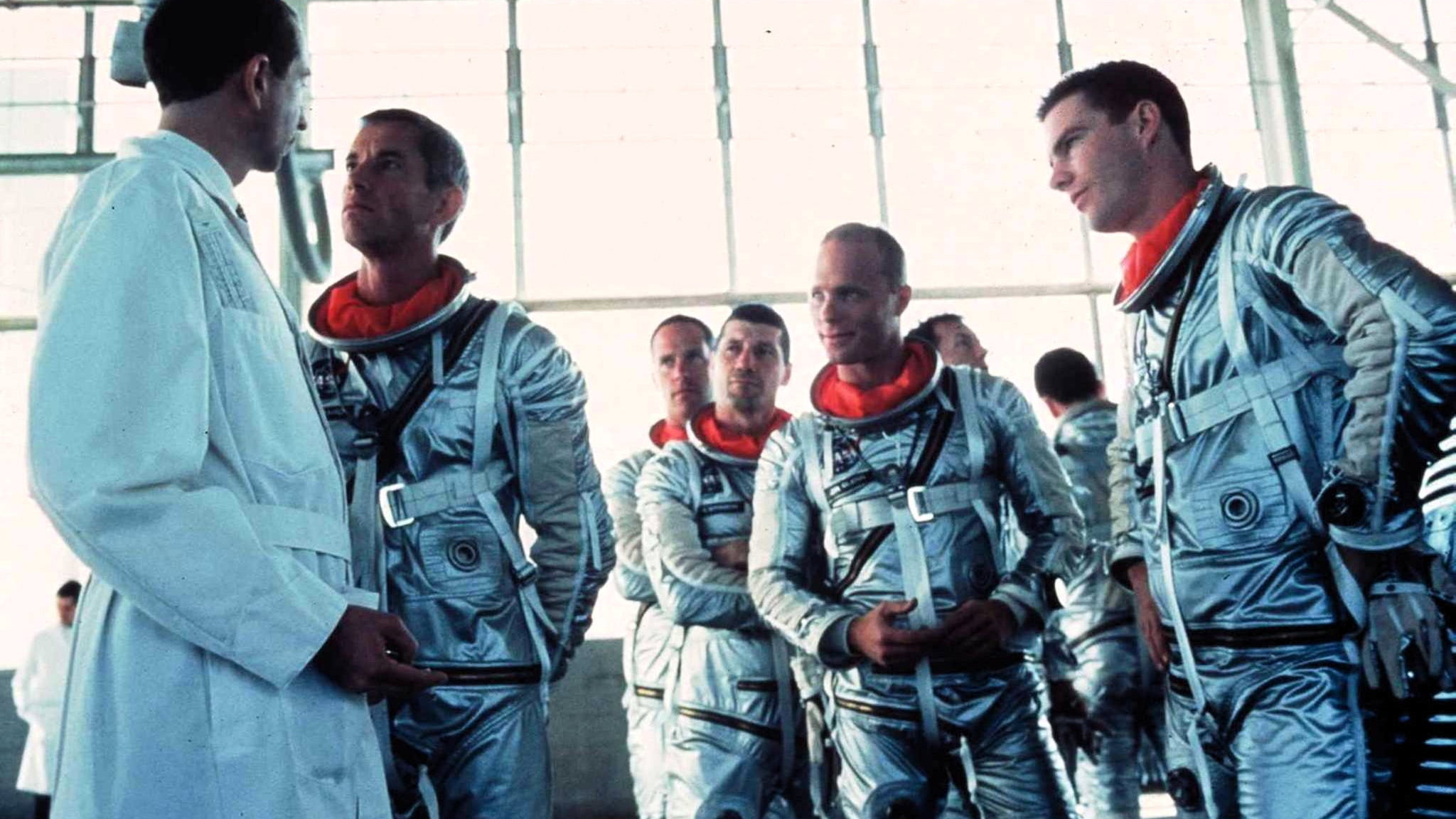
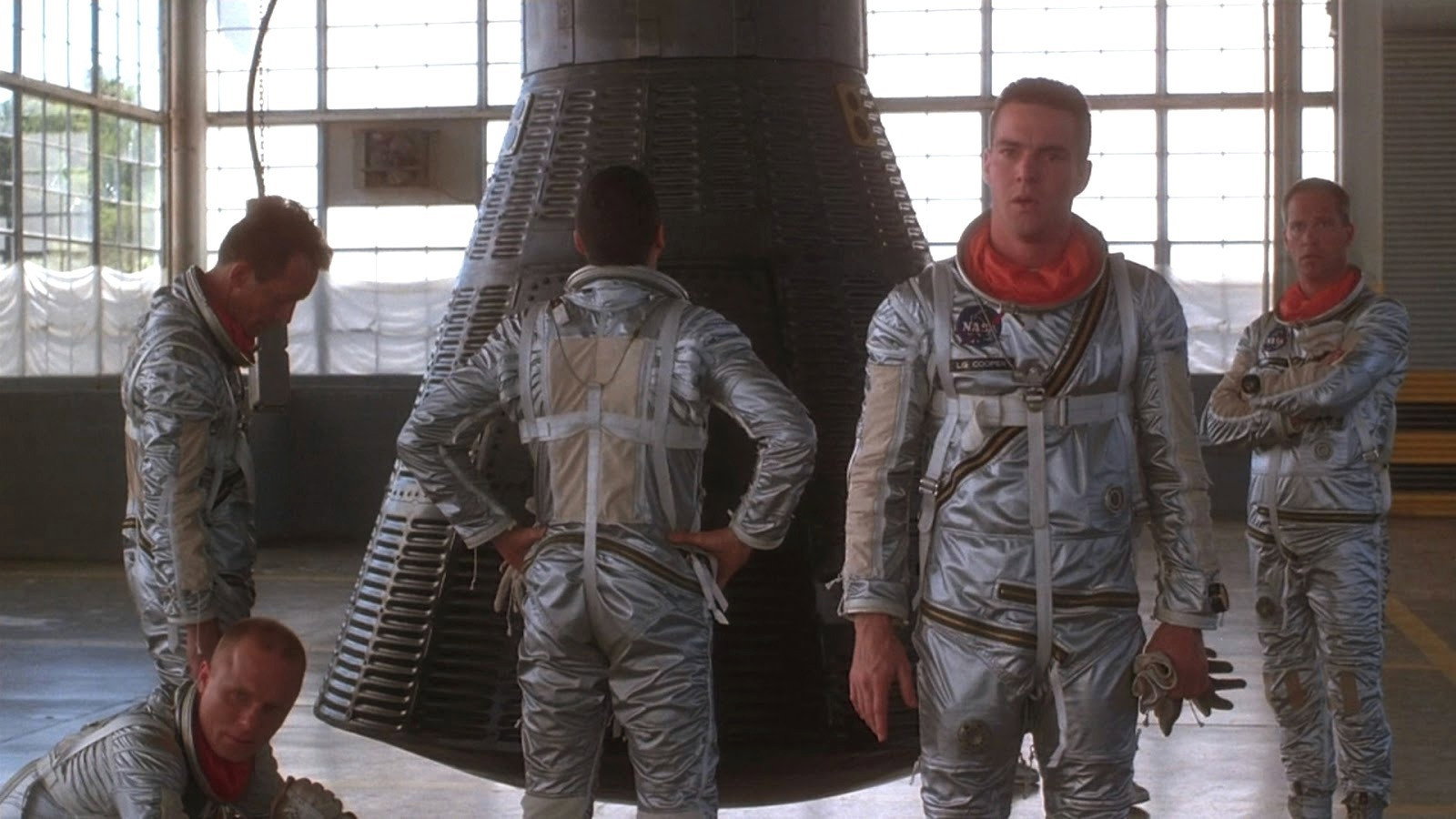
Chuck Yeager (Sam Shepard) works as a test pilot as the American space programme begins to turn pilots into public figures. Among the Mercury astronauts are Alan Shepard (Scott Glenn), John Glenn (Ed Harris) and Gordon Cooper (Dennis Quaid), men whose training and ambitions become part of a national spectacle. Philip Kaufman’s film follows the demands of flying, the rivalry between men pushing their limits and the attention that comes with being held up as a hero. Their families also face the risks and pressures of careers that leave little room for ordinary domestic life.

Plays from YouTube when you press play; nothing loads from them until then.

Fi1m review

Philip Kaufman’s account of test pilots and the Mercury astronauts is a stirring, funny film, even when its satire becomes heavy-handed. Sam Shepard’s Chuck Yeager deserves every minute the film gives him.

The Right Stuff takes an unusually generous view of people who want to do something dangerous well. Philip Kaufman’s film about test pilots and the Mercury astronauts has room for vanity, competition and the absurdity of public adoration, without making courage look foolish. We recommend it warmly, with a warning that the comedy sometimes becomes laboured. Its 193 minutes give the flying, the training and the strain on families time to matter, although Kaufman does not make every minute feel necessary.

Sam Shepard’s Chuck Yeager supplies much of the film’s authority. His restraint gives us room to appreciate the skill and self-possession without being told how impressive they are, and he makes a dangerous occupation seem like work someone intends to do properly. Ed Harris as John Glenn, Scott Glenn as Alan Shepard and Dennis Quaid as Gordon Cooper keep the astronaut ensemble from becoming a procession of solemn worthies. Still, Shepard is the actor we most want Kaufman to stay with.

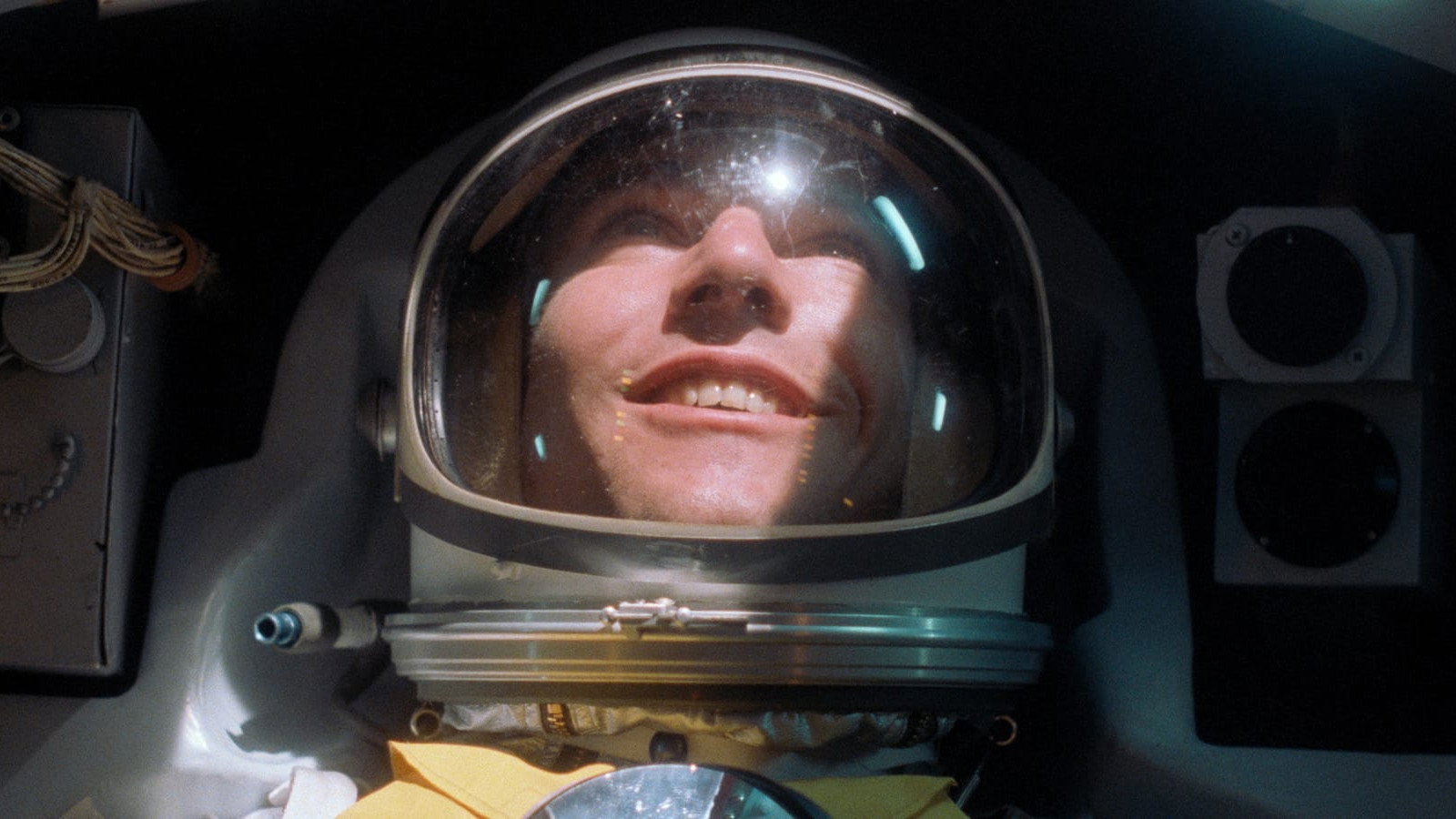
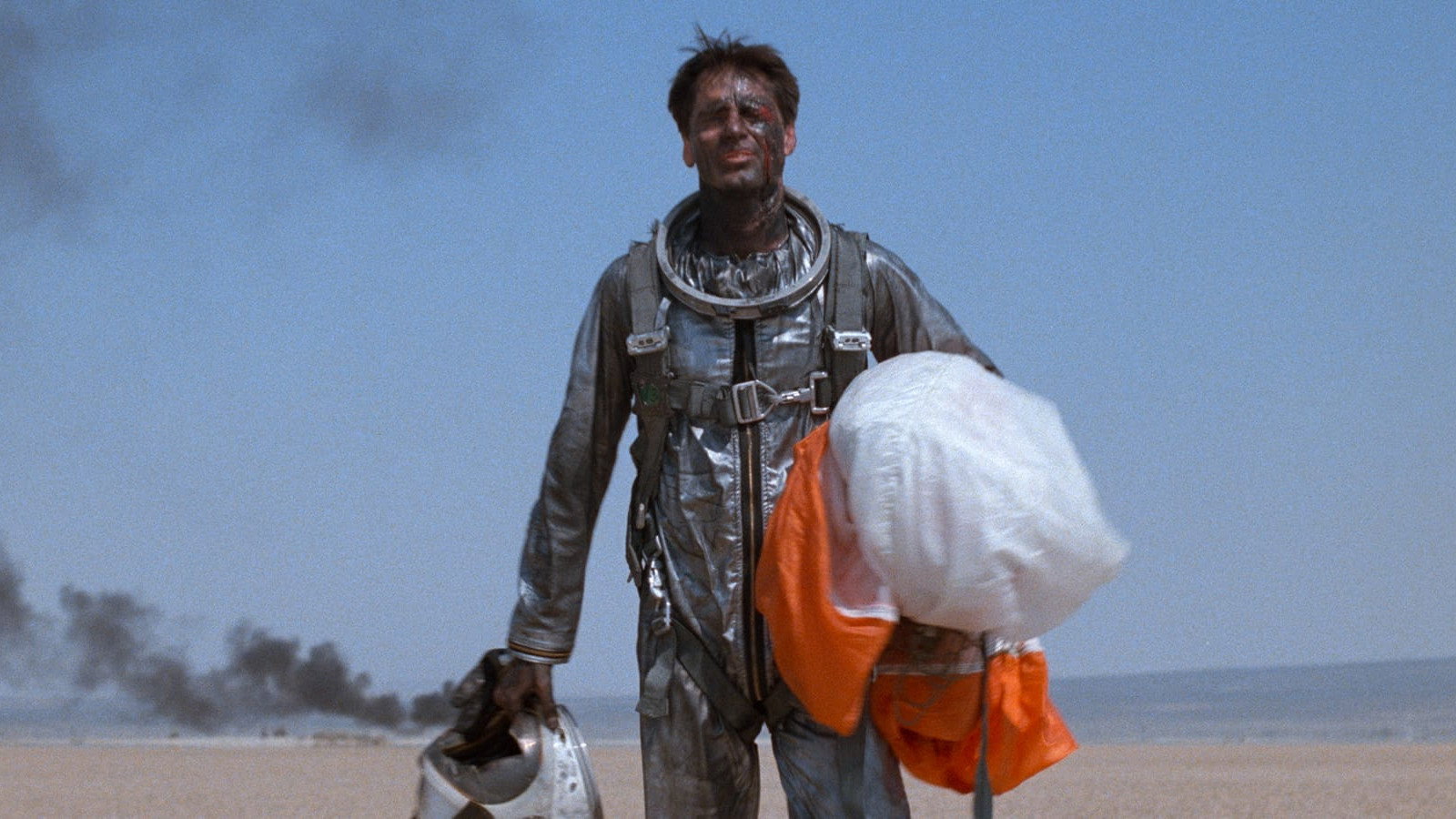
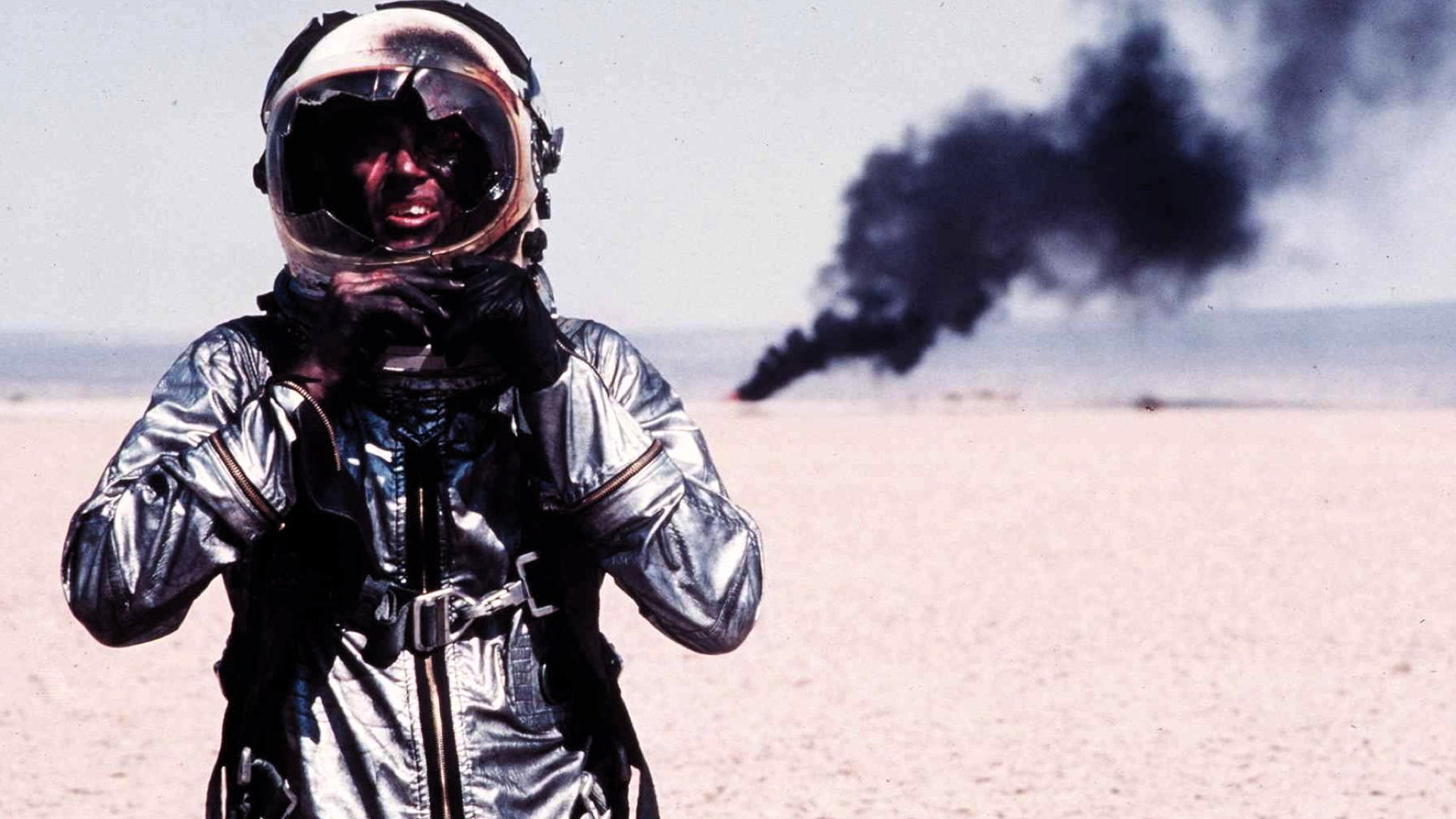
Caleb Deschanel’s cinematography gives the flying a clarity that lets us appreciate the pilots’ skill. We found ourselves tensing during the flights because the footage makes the danger so credible. Geoffrey Kirkland’s production design gives the hardware a solidity that supports that response; it feels like equipment for demanding work, not a display put there for our admiration. The scale is pleasurable, and Kaufman gives us time to enjoy the flying while keeping us interested in the pilots.

Five editors share the credit: Tom Rolf, Douglas Stewart, Stephen A. Rotter, Glenn Farr and Lisa Fruchtman. Their work keeps the switches between risk, family strain and publicity intelligible, a considerable service in a film with so many people to follow. Bill Conti’s music allows itself the enthusiasm that the men often hold back, and we are happy to be carried along by it. At times the score and the spectacle press the same point too firmly; the bravery is already apparent, and it needs less musical encouragement than it gets.

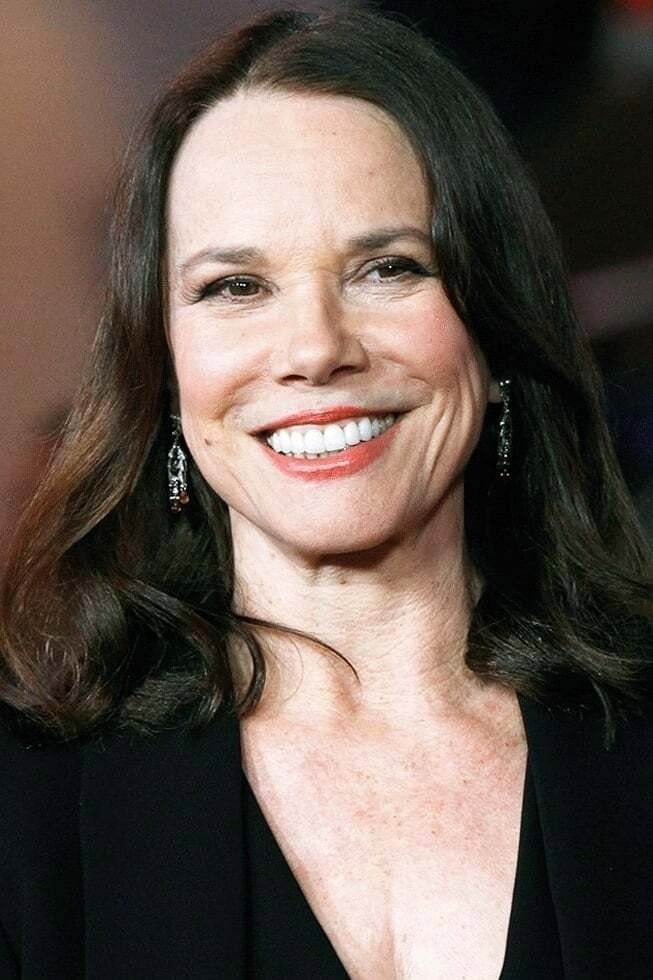
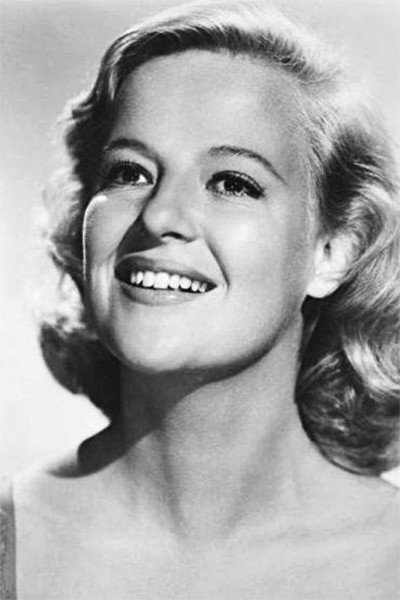
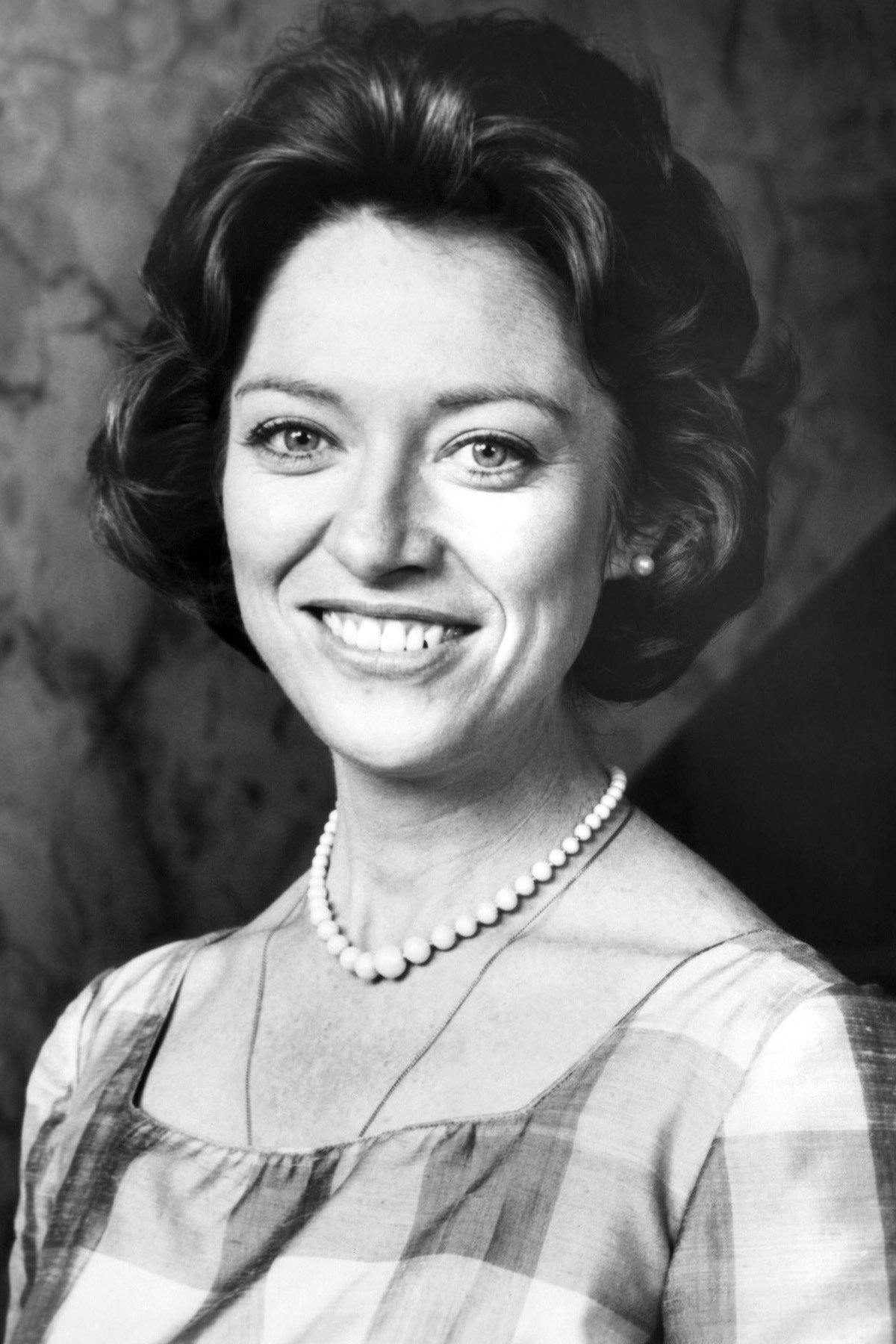
The family material gives Kaufman’s screenplay something more difficult to handle than professional rivalry. Barbara Hershey as Glennis Yeager, Veronica Cartwright as Betty Grissom and Pamela Reed as Trudy Cooper make the strain of living beside this work worth our attention. Their performances resist the comfortable assumption that loving a brave man makes the consequences easy to bear. Even so, the balance remains uneven: the film is more interested in the men doing the dangerous work than in the women who have to live with it.

Kaufman adapts Tom Wolfe with an appetite for the ridiculous, particularly the publicity surrounding the astronauts. The fuss occasionally goes on after we have understood the joke, and the quieter performances begin to seem more persuasive by comparison. As a film about pioneers, The Right Stuff draws on the Western’s respect for competence and its interest in men who say little about themselves. That helps explain why Yeager is such a strong presence, though the film’s affection for him also makes the noisier passages feel a little overdone.

Set aside the full evening for this one. An interest in aircraft is optional, though a tolerance for broad comedy will help. We would make the tea before pressing play.
Critical consensus AI synthesised

3 of 6
Positive
3
Mixed
0
Negative
0
RogerEbert.com
21 October 1983 · Roger Ebert
95*

Ebert calls the film one of the best recent American movies for its ambitious scope blending adventure, satire and social commentary, and for its strong performances that announce Kaufman's arrival as a major director.

Read the full review →
Los Angeles Times
21 October 1983 · Sheila Benson
85*

Benson praises the brash, beautiful and deeply American film for its high-spirited combination of New Journalism style with movie resources, highlighting Sam Shepard's charismatic Yeager and the seamless extraordinary flying footage.

Read the full review →
Time Out
10 September 2012 · CPea
80*

The film is a modern Western celebrating quiet virtue and heroism as test pilots and astronauts reach for the skies. Kaufman matches John Ford in his respectful poetic treatment of the subject while acknowledging the surrounding media circus.

Read the full review →
Empire
1 January 2000 · Rob Fraser

The film lacks a clear directorial voice but captures the moral ambiguity of the book, creating tension and making viewers root for multiple characters. It remains compelling thanks to its inherent drama, photography and score.

Read the full review →
Slant Magazine
8 July 2003 · Nick Schager

The critic calls Kaufman's epic stirring and dynamic, noting how it ties the astronauts' quests for glory and personal fulfillment to the thrill of pushing limits and the fear of being second best. Special admiration is reserved for Yeager as the true pioneer, with the film blending irony, humor, and poignancy in its portrayal of the space race.

Read the full review →
The AV Club
10 June 2003 · Scott Tobias

The review lauds Kaufman's adaptation for its subversive, ironic take on hero-making and the space program, preserving the irreverent tone of Wolfe's book while celebrating the astronauts' bravery and Yeager's quiet heroism. It highlights the film's blend of intimacy, grandeur, and revisionist history as one of the decade's richest achievements.

Read the full review →

Cast

Stills

Awards

Academy Awards, 1984

Nominated
Best Cinematography
Nominated
Best Picture
Nominated
Best Production Design
Nominated
Best Supporting Actor
Won
Best Film Editing
Won
Best Original Score
Won
Best Sound
Won
Best Sound Editing

If you liked this, try…

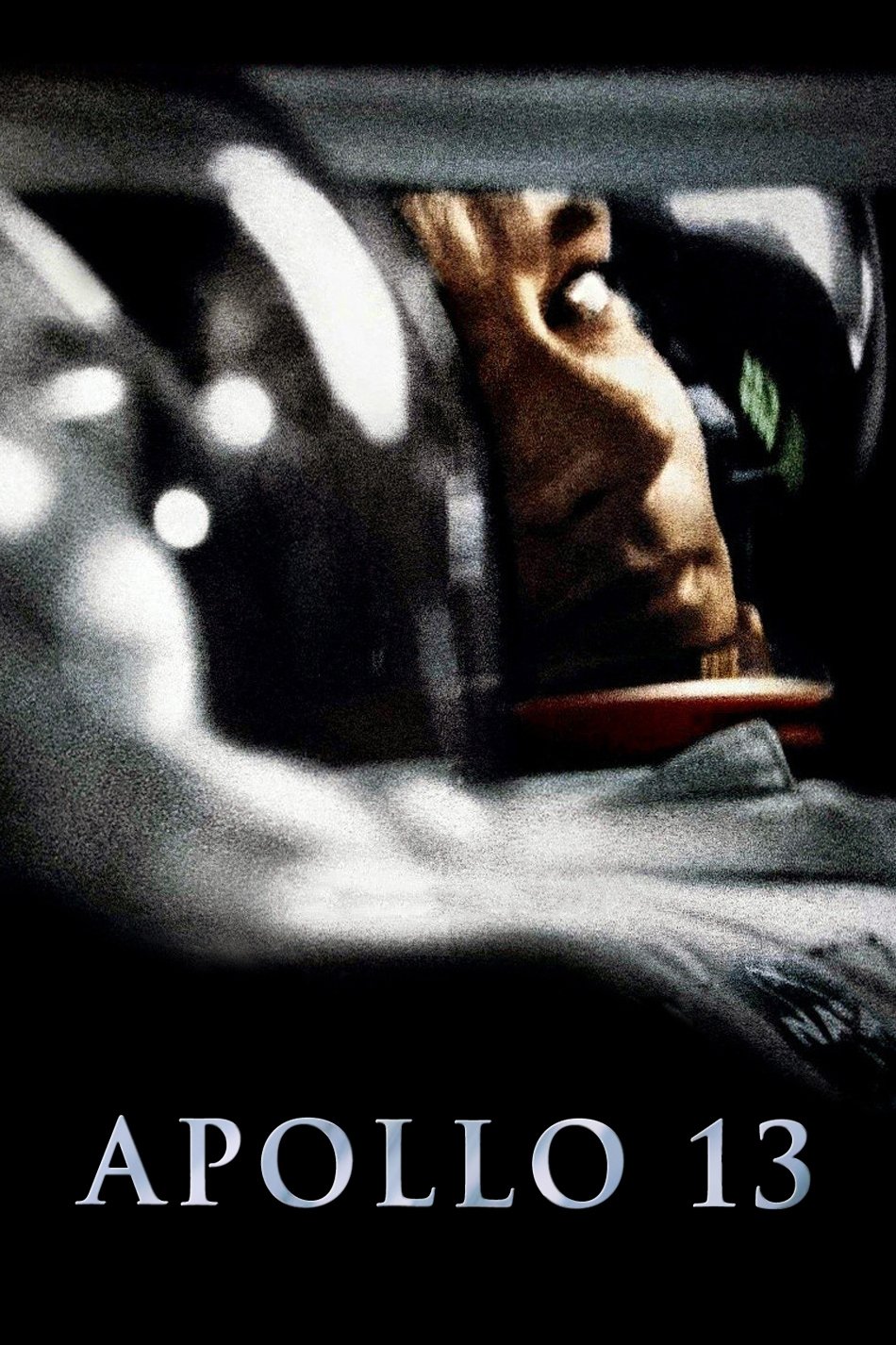
Apollo 13 poster84

Apollo 13

1995 · Another absorbing account of skilled people solving problems while everyone else watches.

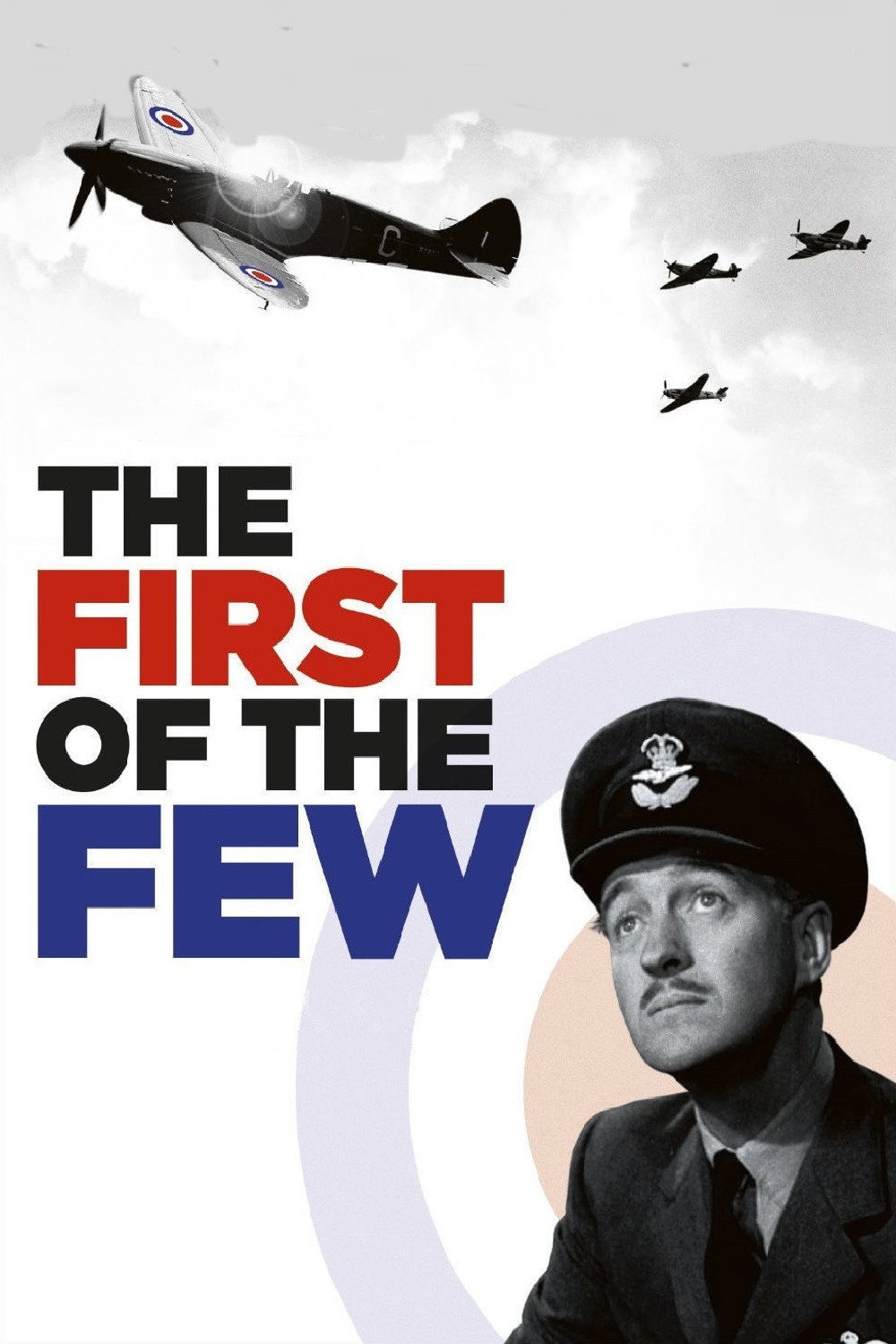
The First of the Few poster

The First of the Few

1942 · Aircraft design and stubborn conviction, with a quieter sense of national purpose.

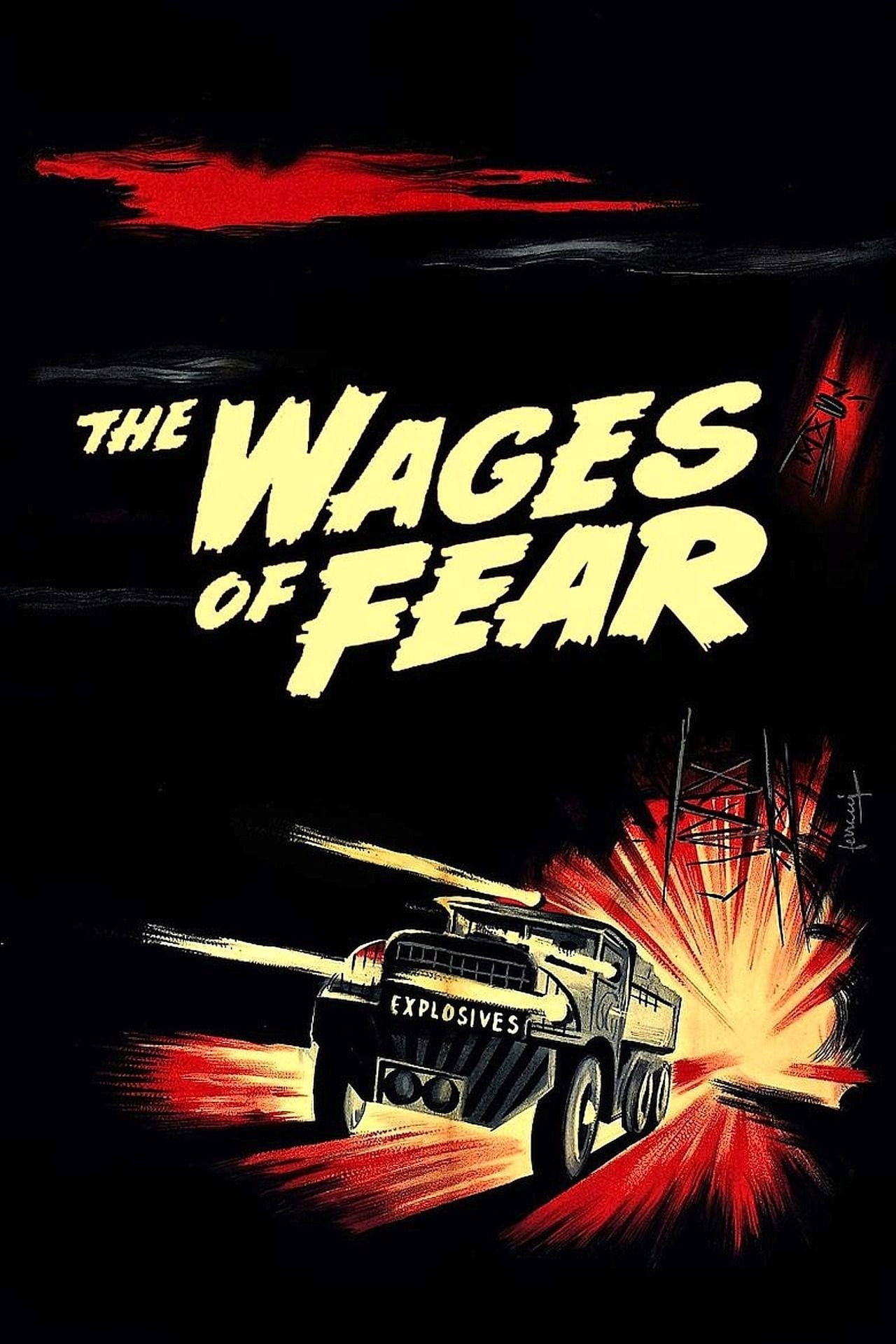
The Wages of Fear poster

The Wages of Fear

1953 · Dangerous work, male rivalry and machinery that refuses to forgive a mistake.

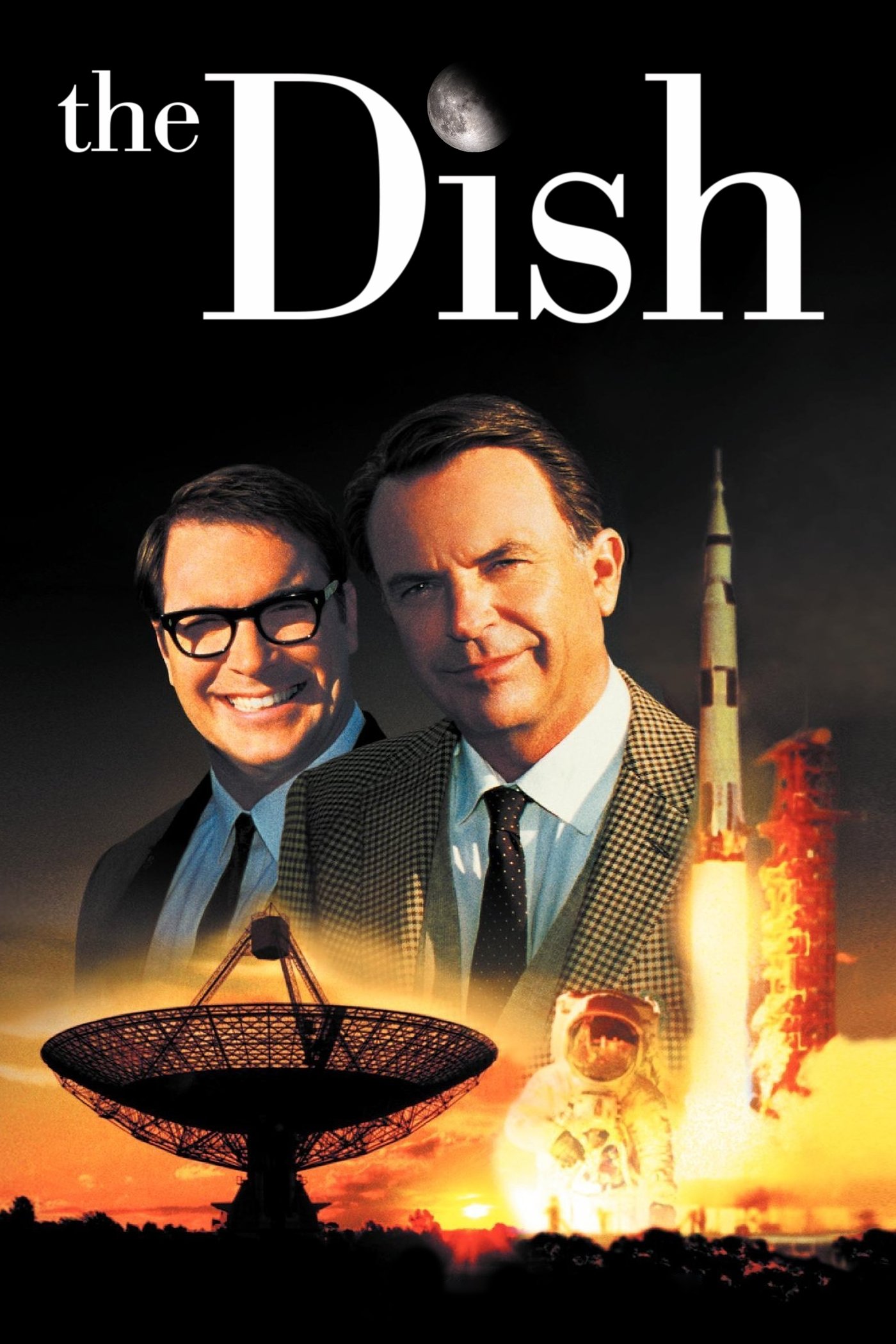
The Dish poster

The Dish

2000 · A gentler space programme comedy, attentive to the people outside the photographs.

Wings poster

Wings

1966 · A former pilot’s earthbound life gives the longing for flight a different weight.