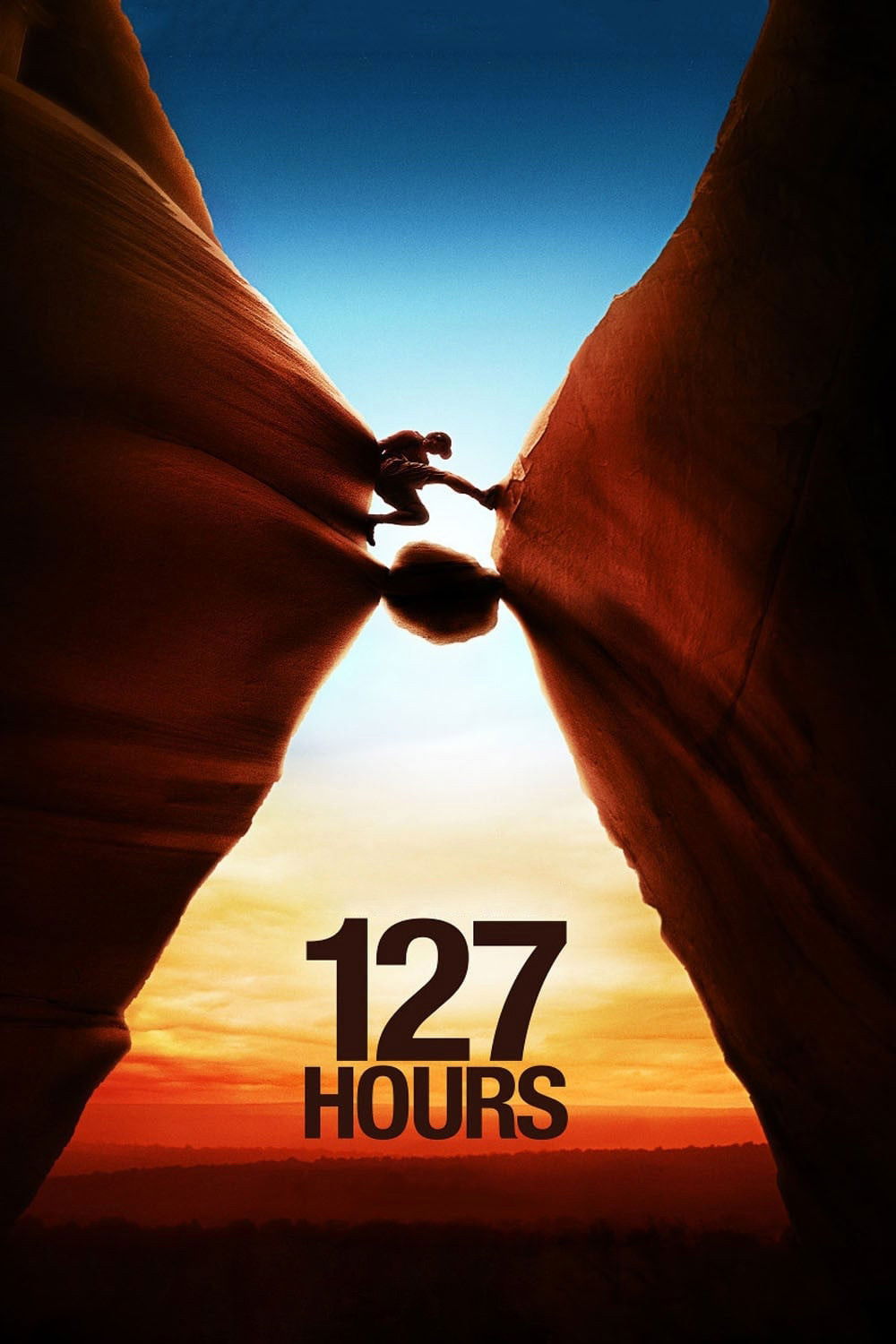
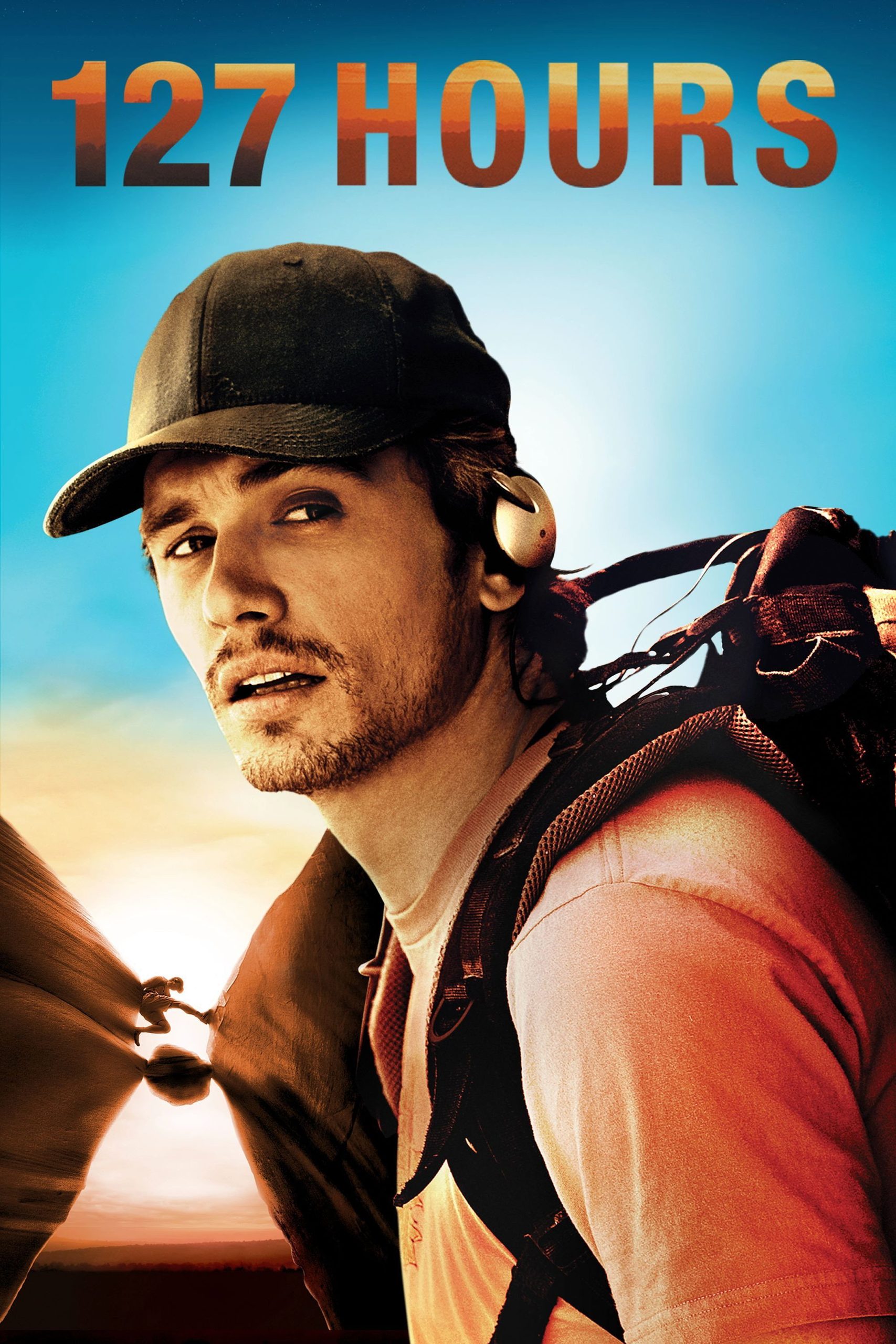
Danny Boyle makes a gripping survival drama from one man’s confinement, with James Franco supplying the humour and fear that keep it human. The restless technique sometimes crowds him, and the physical suffering demands a strong stomach.
Danny Boyle approaches 127 Hours as though enforced stillness were a direct challenge to his way of making films. He keeps the images moving while Aron Ralston cannot, and the result is a gripping survival drama with an occasional surplus of encouragement. James Franco gives the film enough human awkwardness to withstand most of the stylistic fuss. We recommend it, with a firm warning that the physical distress is difficult to sit through.
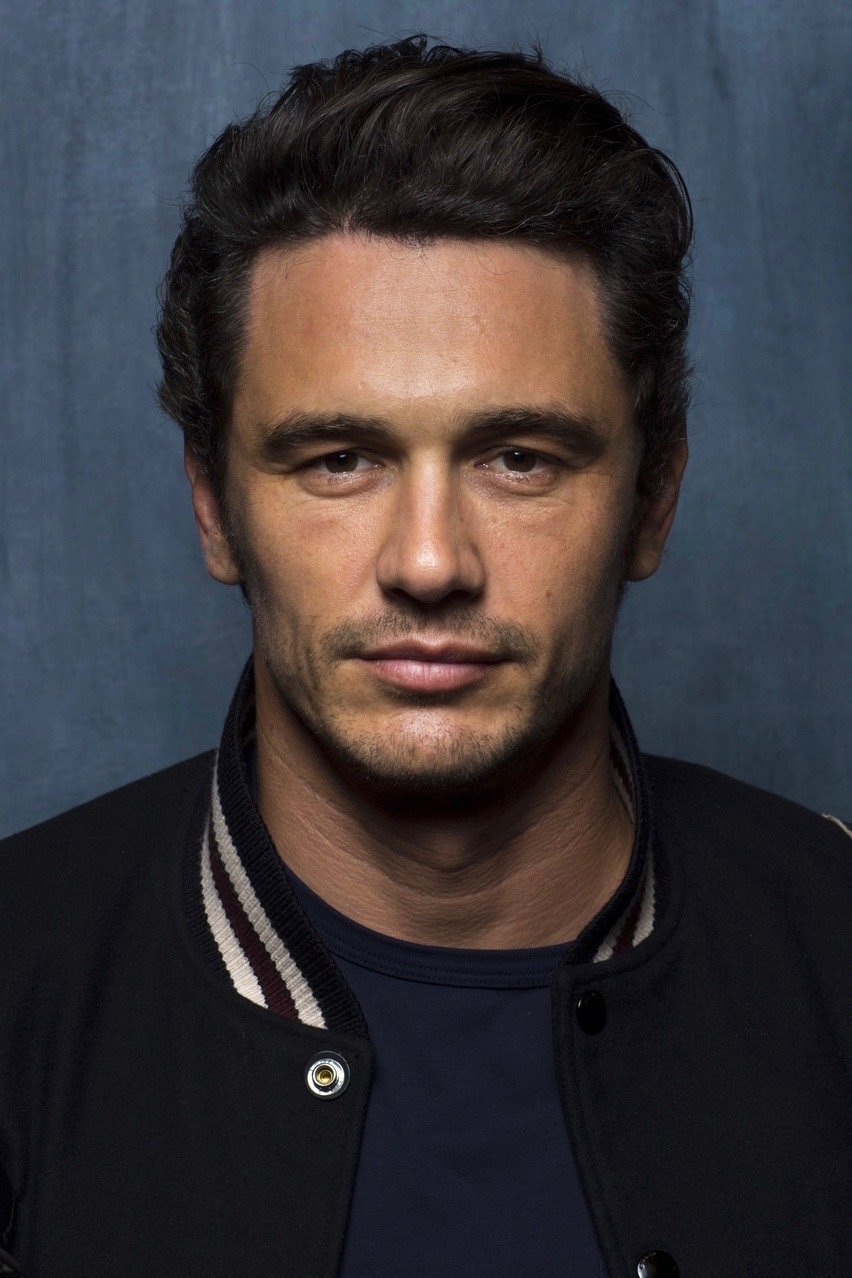
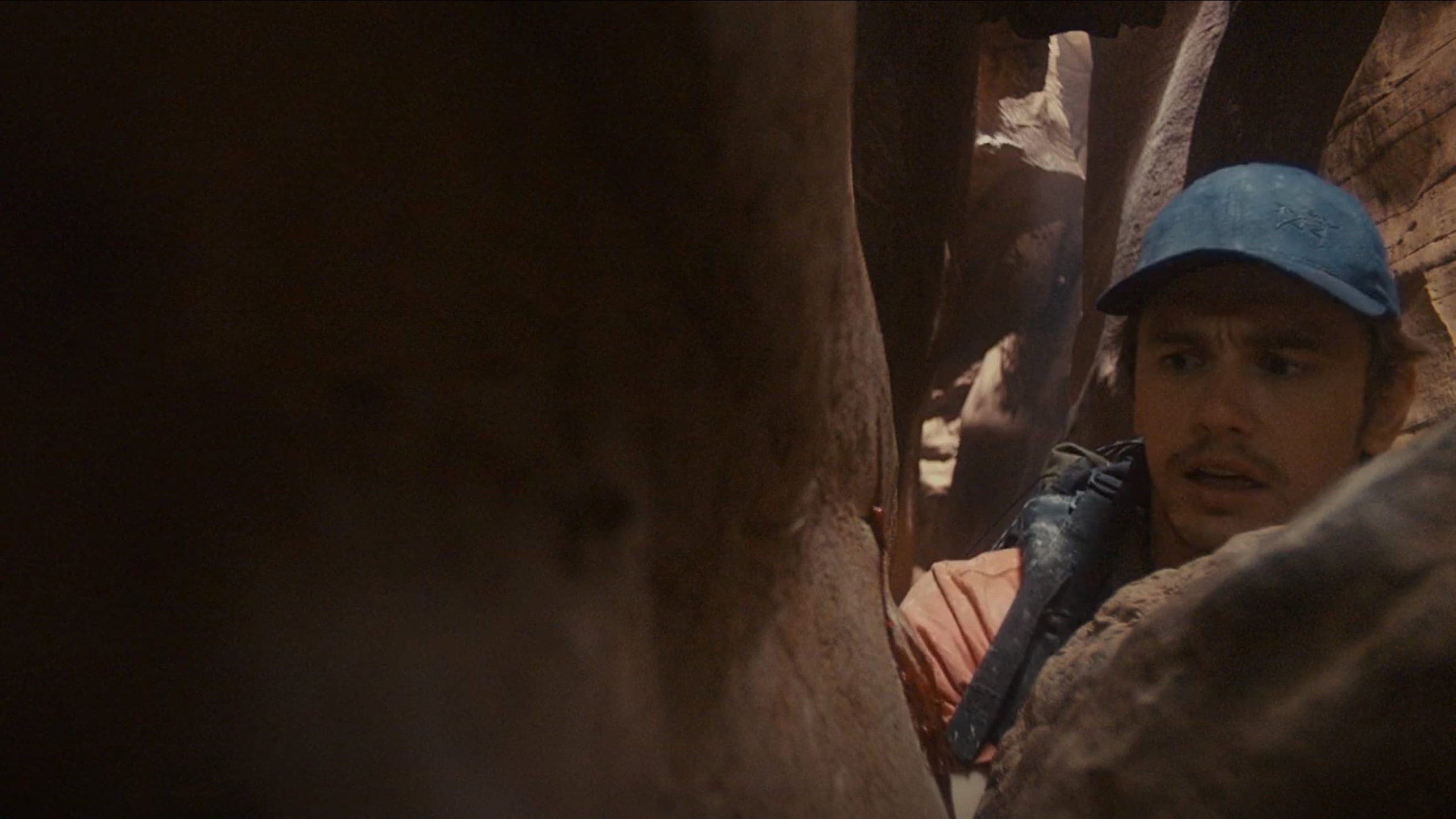
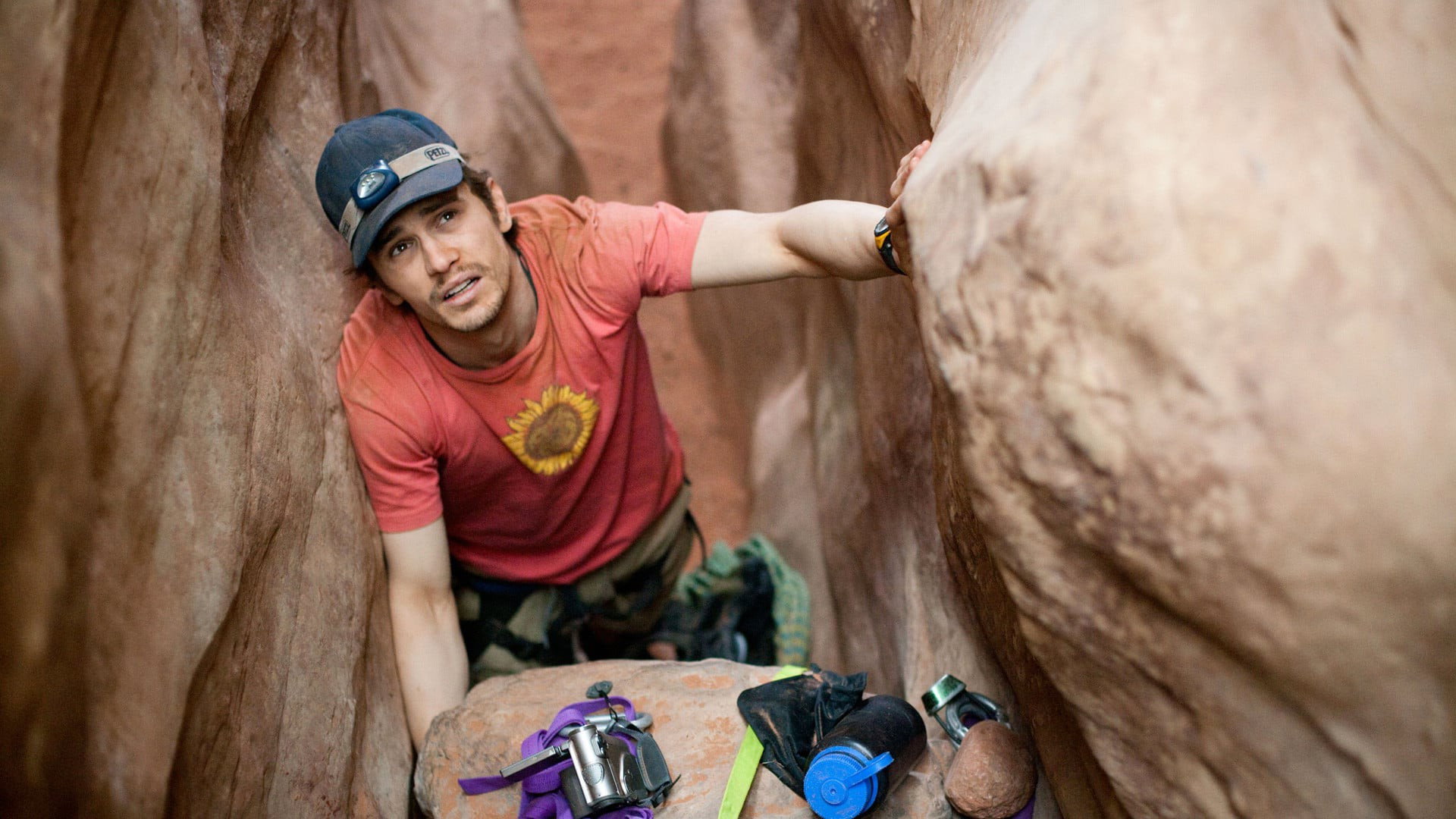
Franco makes Ralston’s self-belief useful and faintly ridiculous, which matters in a story so easily reduced to admirable endurance. His performance allows fear, ingenuity and embarrassment to occupy the same stretch without announcing a change of mood. We were more upset than we expected by his attempts to remain capable as panic presses in. The small touches of humour make it worse, because they preserve the recognisable person beneath the suffering.
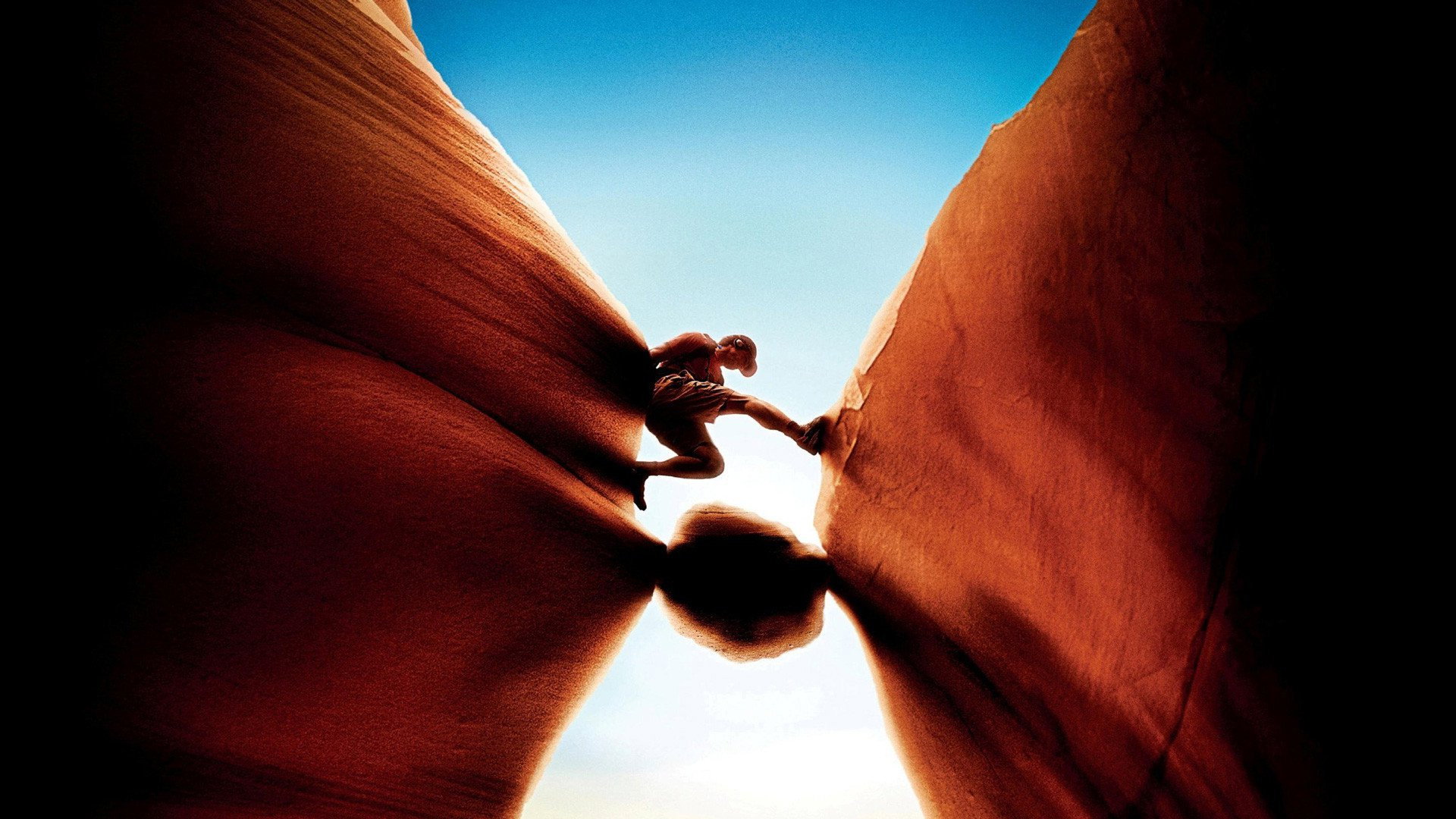
The cinematography by Enrique Chediak and Anthony Dod Mantle refuses to leave us looking at the canyon from a single, settled position. The changing viewpoints keep Ralston’s confinement absorbing: there is always something else to examine, even when there is nowhere to go. That restlessness is effective at conveying a mind searching for options. It can also be tiring, and there are moments when we would rather stay with Franco than be given another visual surprise.
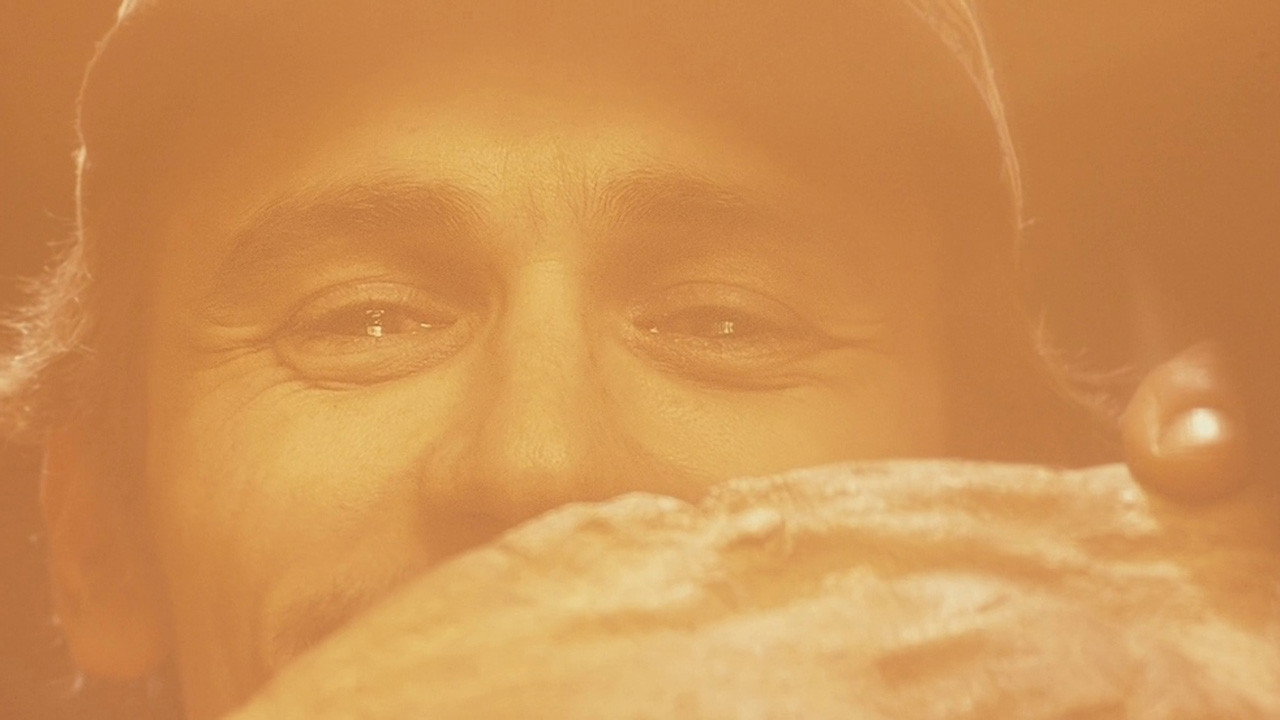
Editor Jon Harris gives the early movement a speed that makes the confinement register sharply. Flashbacks and hallucinations interrupt the immediate ordeal, giving Ralston’s thoughts room alongside the practical difficulties of survival. Yet the constant changes occasionally shorten an uncomfortable moment just when it is becoming interesting, as though Harris and Boyle were worried about leaving us there. The film runs for 94 minutes.
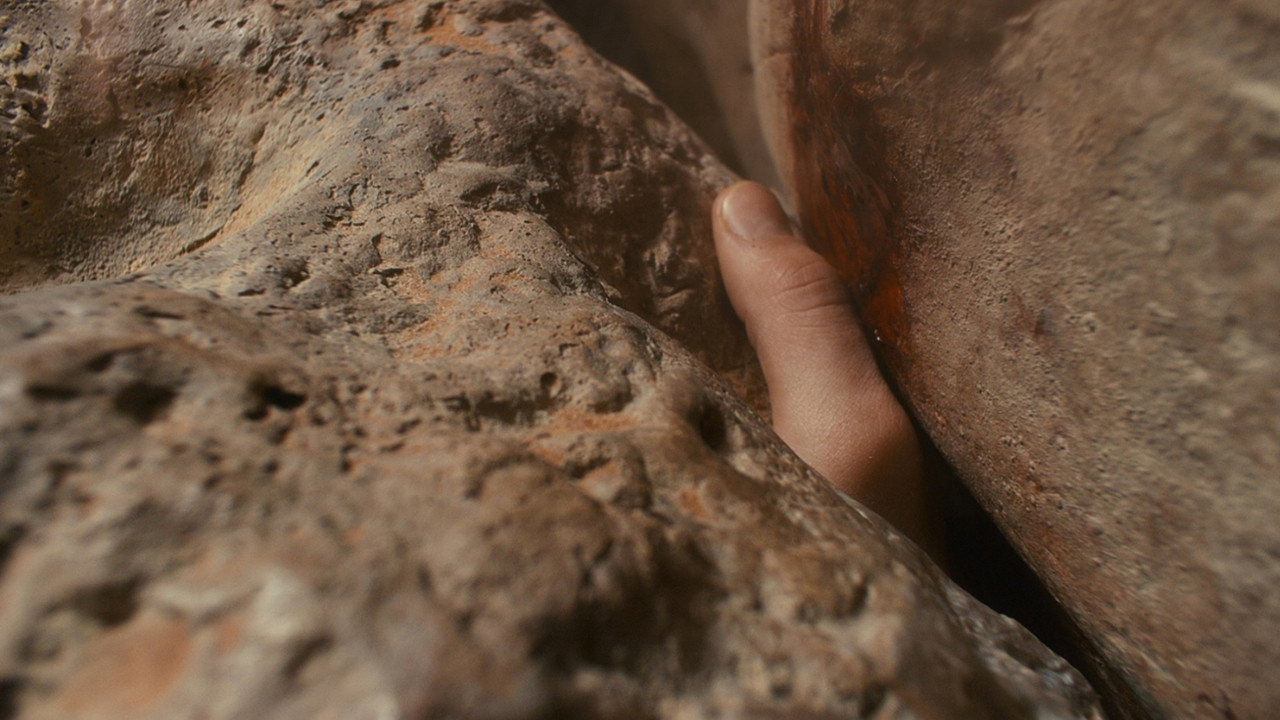
Suttirat Anne Larlarb’s production design provides a credible cramped environment without needing the camera to inventory every surface. We believe in the restriction, which is essential when so much of the filmmaking is trying to get beyond it. A.R. Rahman’s score helps sustain that forward drive and gives the emotional passages warmth. The music is less persuasive when it seems to promise reassurance on our behalf. Some of the suffering would be more affecting without quite so much help towards feeling hopeful.
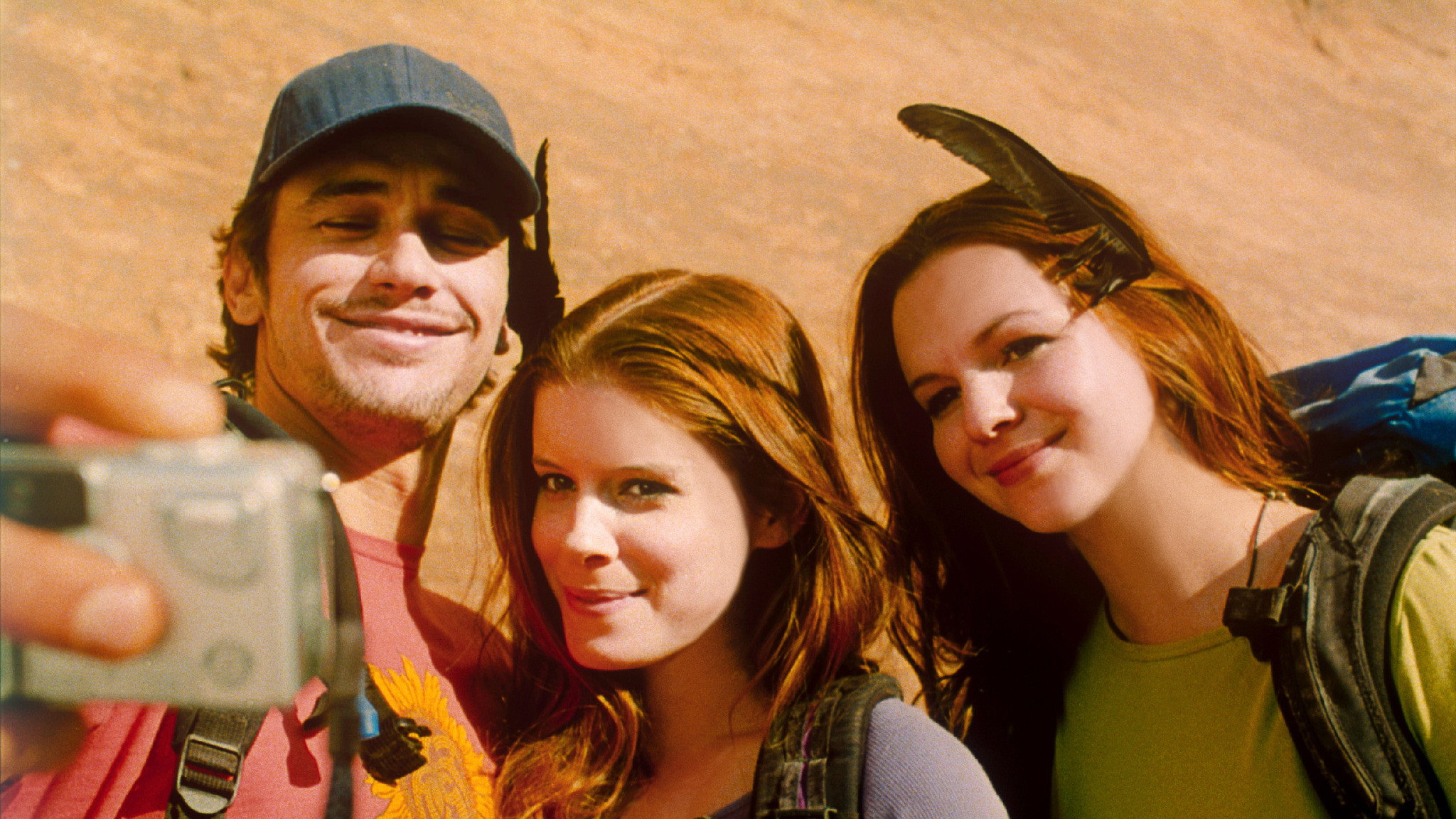
The screenplay by Simon Beaufoy and Danny Boyle is strongest when Ralston has something immediate to work out. The wider insistence on human connection is understandable, and Franco keeps it from feeling entirely prescribed. But the film presses that lesson harder than it needs to, treating an individual disaster as an occasion to explain how people ought to live. We can accept the sentiment while wishing the writing allowed the loneliness to remain awkward for longer.
As a survival thriller, this makes the process of working through a physical predicament absorbing. The weakness is Boyle’s reluctance to let that be enough, though his energy also keeps a largely solitary performance engaging without diminishing its difficulty. Those who dislike his busy style will have cause to object, but Franco gives us good reason to tolerate the interruptions. Watch it if physical ordeal is something you can bear; the force of the performance justifies the discomfort.