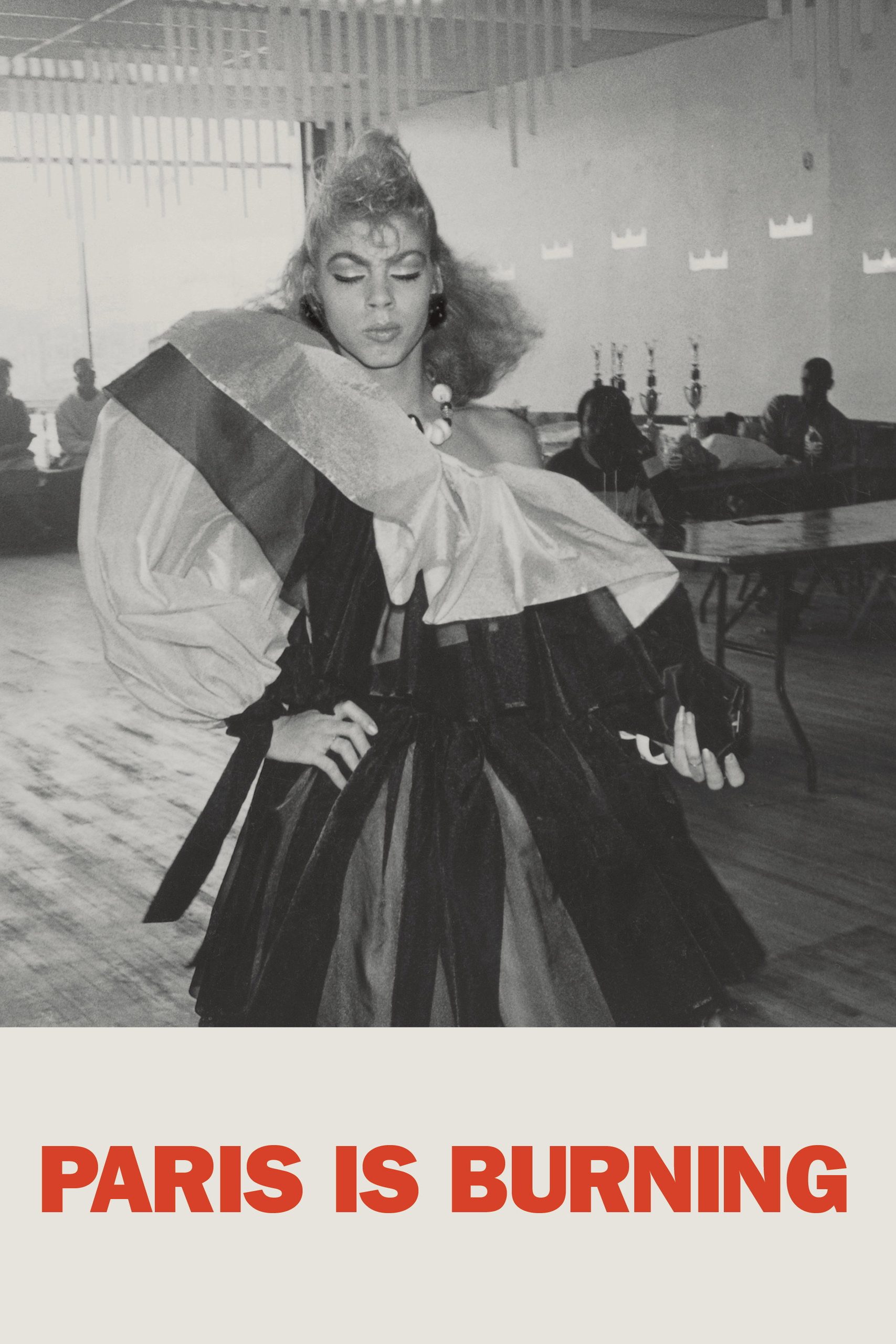
Most critics like this film a good deal, and the agreement has held from its release to the present. The praise gathers around Jennie Livingston’s camera, which most reviews describe as curious and non-judgmental, letting the Harlem ball scene speak in its own idioms without turning anyone into a case study. Nearly every review singles out the participants themselves: their wit, their competing ideas of realness, and the chosen families they build. Several call it funny and heartbreaking in the same breath.
The reservations are few and mild, and the spread is narrow. The Guardian is the coolest, finding the fashion dated and wishing for a re-edit with some account of what became of the participants. Paste reads it less as celebration than as a record of rejection and loss. Later reviews, at Eye for Film and Collider among them, raise the question of exploitation and the director’s outsider perspective, though both still recommend it.
L
Little White Lies
16 September 2020 · Rahul Patel
90*
The critic celebrates the film's enduring place in queer cinema through its honest exploration of race, poverty and sexuality in New York's ballroom scene. It highlights the participants' wisdom, spirit and the creation of chosen families as sources of inspiration and hope.
Read the full review →R
RogerEbert.com
9 August 1991 · Roger Ebert
85*
The documentary captures the voguing and ball culture of Harlem drag queens with intelligence and empathy, highlighting their creativity and the social commentary on status and outsider status.
Read the full review →S
Slant Magazine
10 September 2005 · Fernando F. Croce
85*
Livingston’s nonjudgmental camera accommodates contrasting views on 'realness' and performativity in the drag ball scene while depicting a familial world with its own rules, rituals, and idioms like voguing. The film structures contrasts between dreams and reality, ultimately offering a hopeful study of the search for personal wholeness despite a sad aftertaste from participants' deaths.
Read the full review →N
The New Yorker
18 March 1991 · Terrence Rafferty
85*
A beautiful piece of documentary filmmaking that is lively, intelligent and exploratory, examining the rituals of this urban subculture without reducing its subjects to sociological symbols.
Read the full review →E
Empire
3 January 2007 · Patrick Peters
80*
Jennie Livingston's study freezes a fascinating moment in the late-80s Harlem drag ball scene, offering more than camp by providing a sobering insight into the aspirations of an excluded sub-class and their replacement families. It is a revealing snapshot of counterculture with an intriguing political subtext.
Read the full review →L
Los Angeles Times
9 August 1991 · Kenneth Turan
80*
An absorbing and seductive documentary that demonstrates how the ball world holds up a mirror to straight society, underlining the poignancy of the participants' dreams and the limited role models available.
Read the full review →R
Radio Times
★★★★ · Alan Jones
80
The critic praises this brilliantly entertaining documentary as a rapturous mixture of high spirits, camp and pathos in its look at drag queens and transsexuals around the Harlem ball competitions. It describes an eye-opening, moving ode to desperate self-reinvention through an extended disco family.
Read the full review →A
The AV Club
21 September 2005 · Noel Murray
80*
The film preserves a remarkable, exotic little world of New York drag ball culture at the end of the 1980s, with lively performances that enhance its rewatchability and examine how a group of outcasts made a home through ingenuity and exaggerated self-regard. The DVD release serves as an elegy to the 'legends' lost to HIV or violence, with the commentary adding context on what happened to the participants since filming.
Read the full review →I
The Independent
7 January 2007
80*
The critic describes Paris Is Burning as a poignant documentary exploring the voguing balls in New York's black and Latino gay scene, noting how participants sought 'realness' and conventional middle-class lives through fancy dress. It is presented as fun yet heartbreaking.
Read the full review →N
The New York Times
13 March 1991 · Vincent Canby
80*
A very fine documentary that studies the lives of Harlem drag queens with the curiosity of a compassionate anthropologist, noting both the wit in their role-playing and the sadness in their aspirations.
Read the full review →E
Evening Standard
10 April 2012
70*
Jenny Livingstone's documentary observes and interviews New York drag queens competing in voguing balls, many from marginal lives involving prostitution and theft. The film is called sympathetic and clear-headed.
Read the full review →T
Time Out
2 January 2007 · Ben Walters
70*
The critic calls it a fascinating portrait of a complex, materially disadvantaged subculture structured around competitive aesthetic displays in the late-'80s New York black gay ball scene. It notes the aspirationalism and the way categories reflect a desire for mainstream acceptance.
Read the full review →G
The Guardian
5 January 2007
50*
The re-release of Jennie Livingston’s low-budget documentary about New York’s gay club scene and drag balls holds up moderately well, though fashion dates quickly and a re-edit with historical context on participants’ fates would have helped. The film offers an affectionate critique of celebrity culture through the drag queens’ aping of fashion shows and awards rituals while longing to join the elite.
Read the full review →/
/Film
27 June 2022 · Valerie Ettenhofer
90*
The piece celebrates the documentary as a vital, lively celebration of diverse queerness and ballroom culture, highlighting its honest portrayal of subjects' lives and its enduring resonance as a monument to queer resilience.
Read the full review →W
The Wrap
25 February 2020 · Alonso Duralde
85*
The critic highlights the documentary as a game-changer that has grown in influence over decades, widely referenced in later works like Pose and RuPaul’s Drag Race. It praises the film as a powerful, life-affirming portrait of Harlem’s drag-ball scene creating joy amid Reaganomics and the AIDS epidemic, noting the value of the Criterion Collection release with its extras.
Read the full review →C
Collider
19 January 2025 · Chris Sasaguay
80*
The critic presents the documentary as a dazzling, poignant, and influential landmark of queer cinema that celebrates Harlem ballroom culture while acknowledging its controversial legacy of exploitation and cultural appropriation. It singles out the stunning fashion runways, voguing battles, and the cast's resilience amid the AIDS crisis and inequality.
Read the full review →E
Eye for Film
2 May 2018 · festival review · Jennie Kermode
80*
The critic praises the film's capture of ball culture's flair and resistance but notes it is controversial due to the director's perspective, missing nuance, and potential exploitation, yet calls it essential viewing for its influence and insight into the movement.
Read the full review →P
Paste
7 November 2017 · Shannon M. Houston
60*
The critic reflects on the film's revelation of queer Black and Latino origins for much of contemporary culture and language, viewing it as a tragedy of rejection, loss, and ongoing oppression. It singles out the appropriation of terms like 'shade' and the broader failure to support the communities that birthed them.
Read the full review →Ordered by the weight we give each publication, then by score. Scores are normalised to 100; * means inferred from an unrated review. Summaries are ours, not quotations; follow the links for the reviews themselves. How we rate