Film review

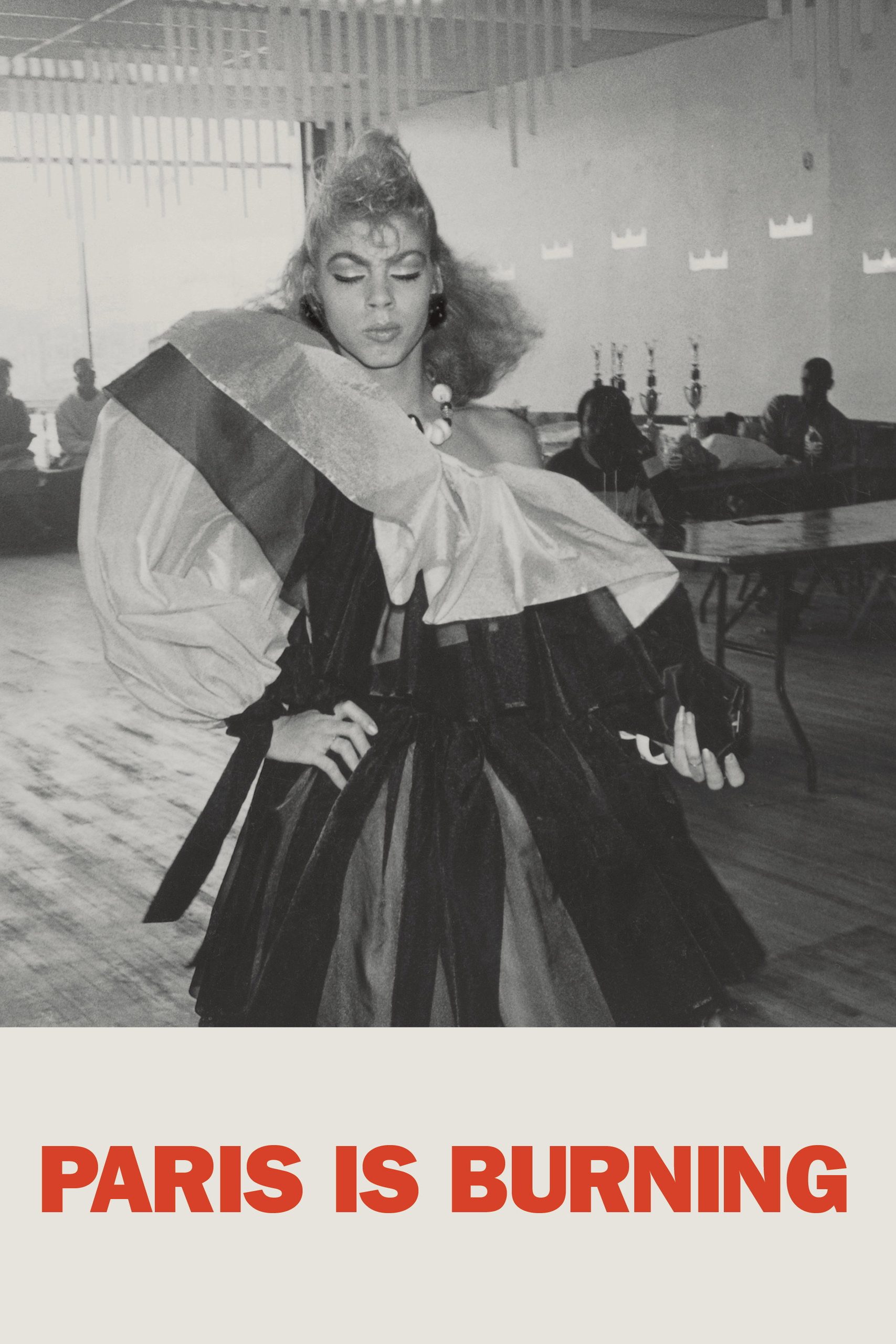
Paris Is Burning

1991 · Directed by Jennie Livingston · 1h 18m · MPA R

In a sentenceExecutive realness: a trophy for looking exactly like the man who would never hire you

DocumentaryHistory

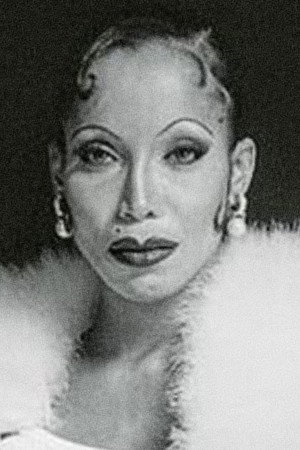
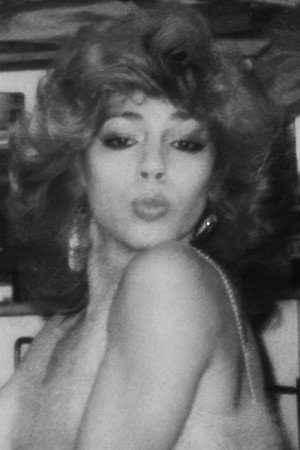
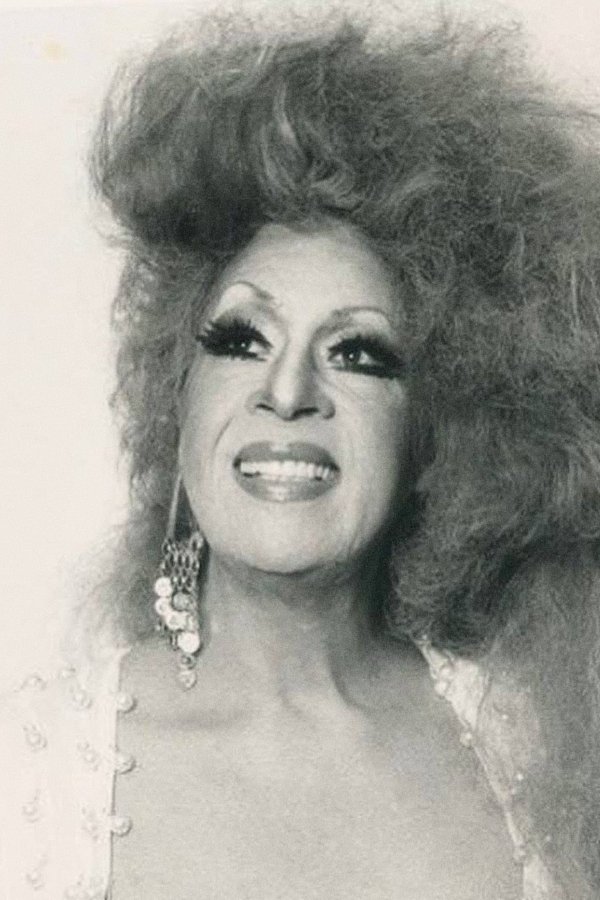
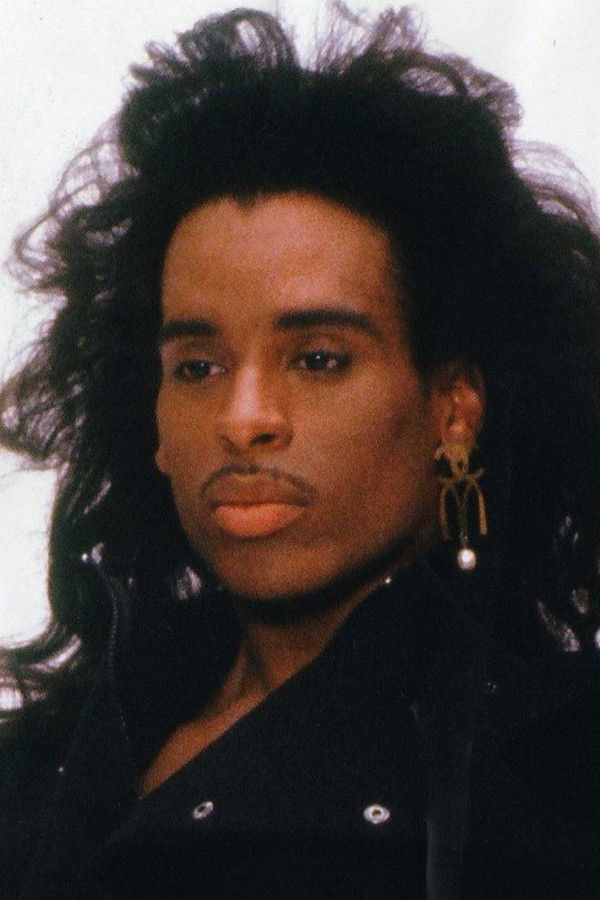
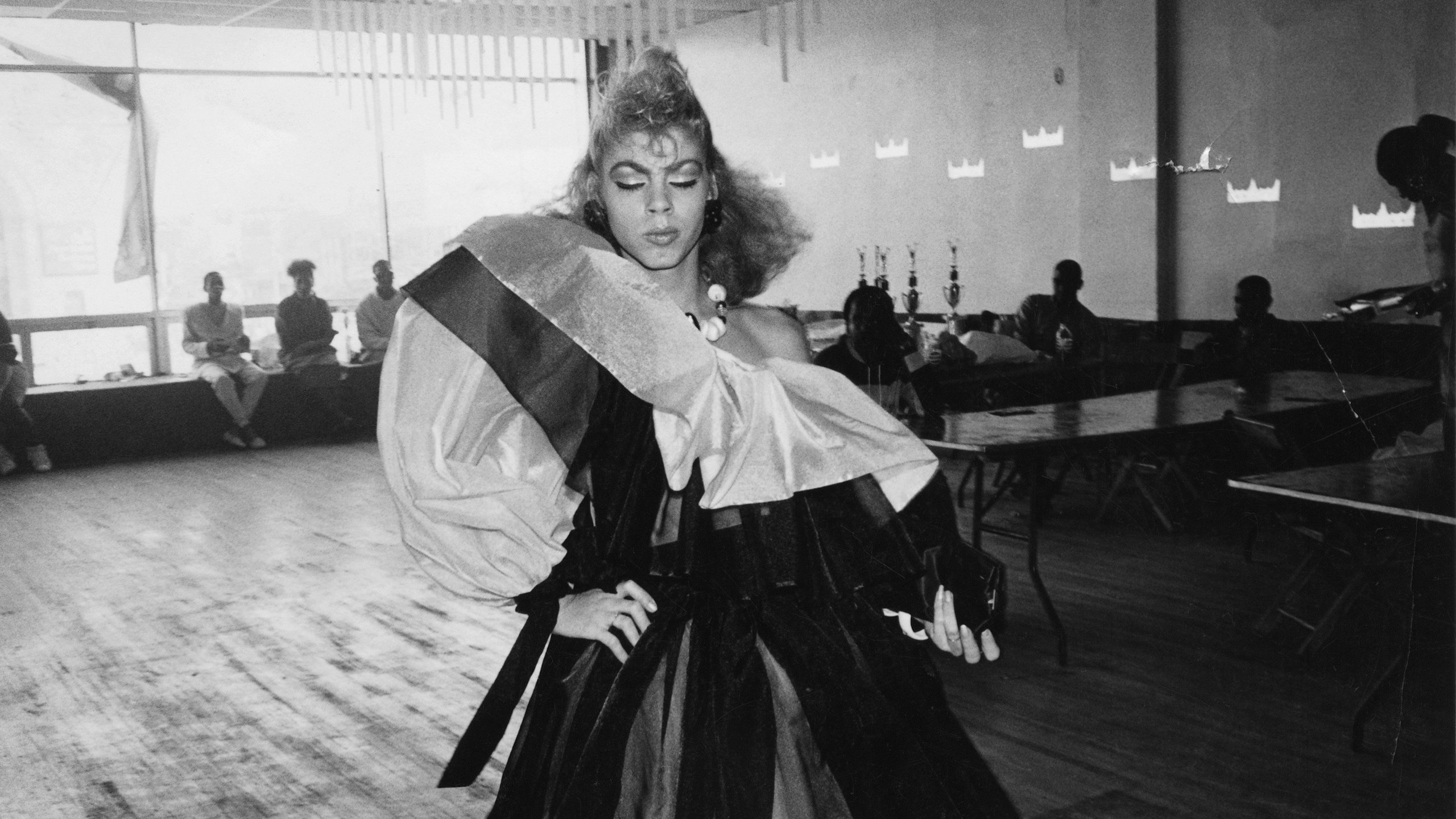
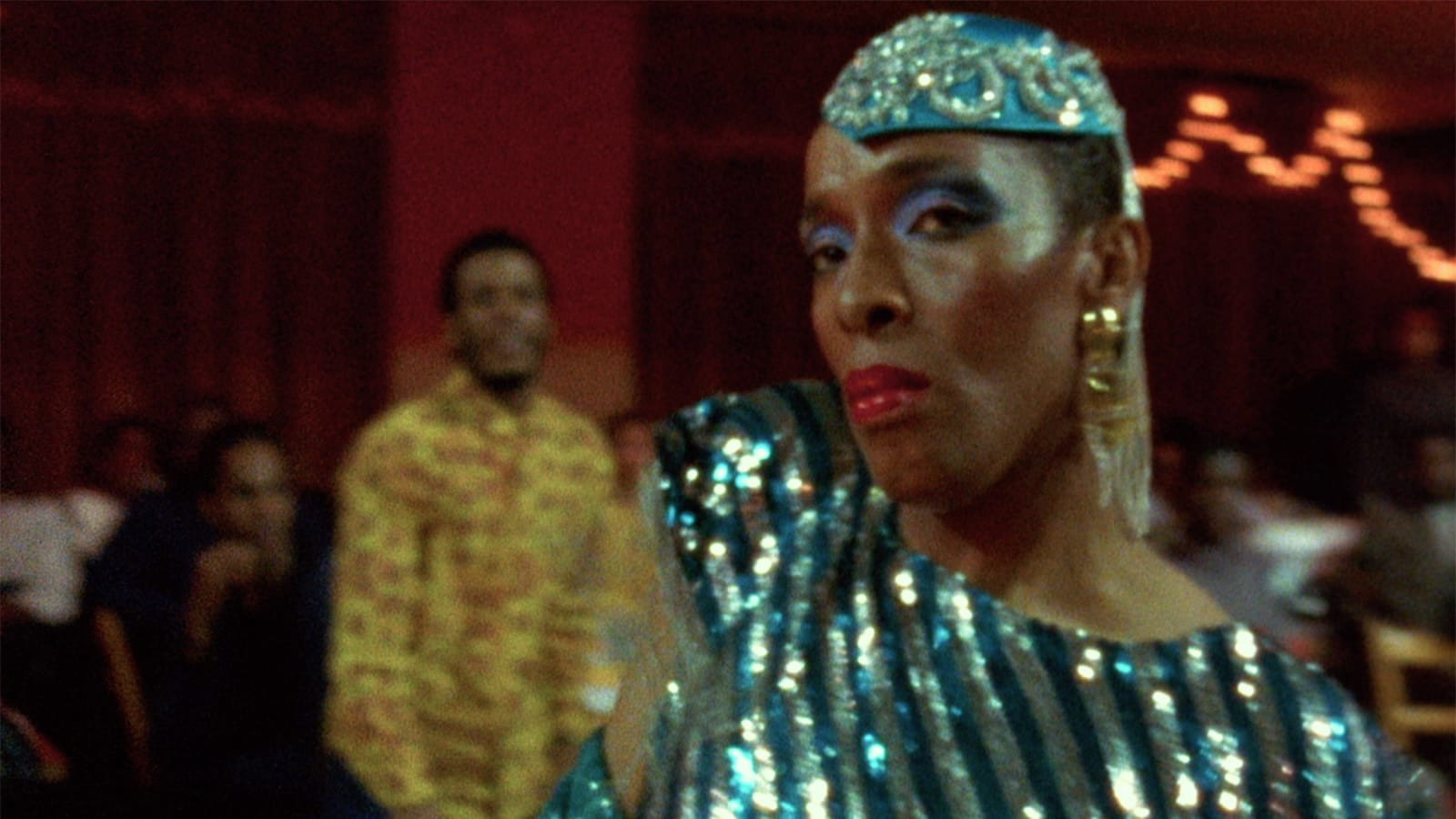
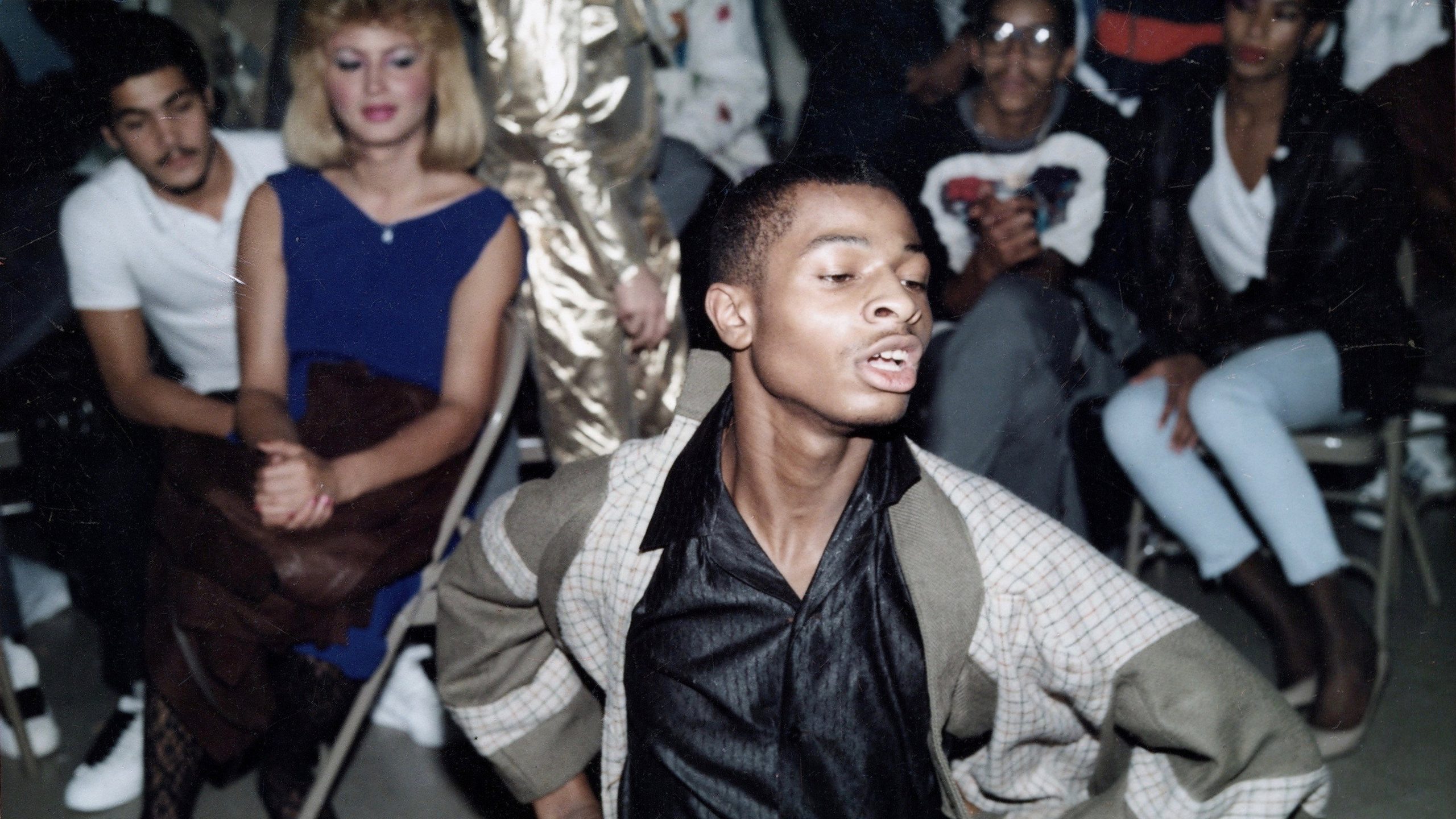
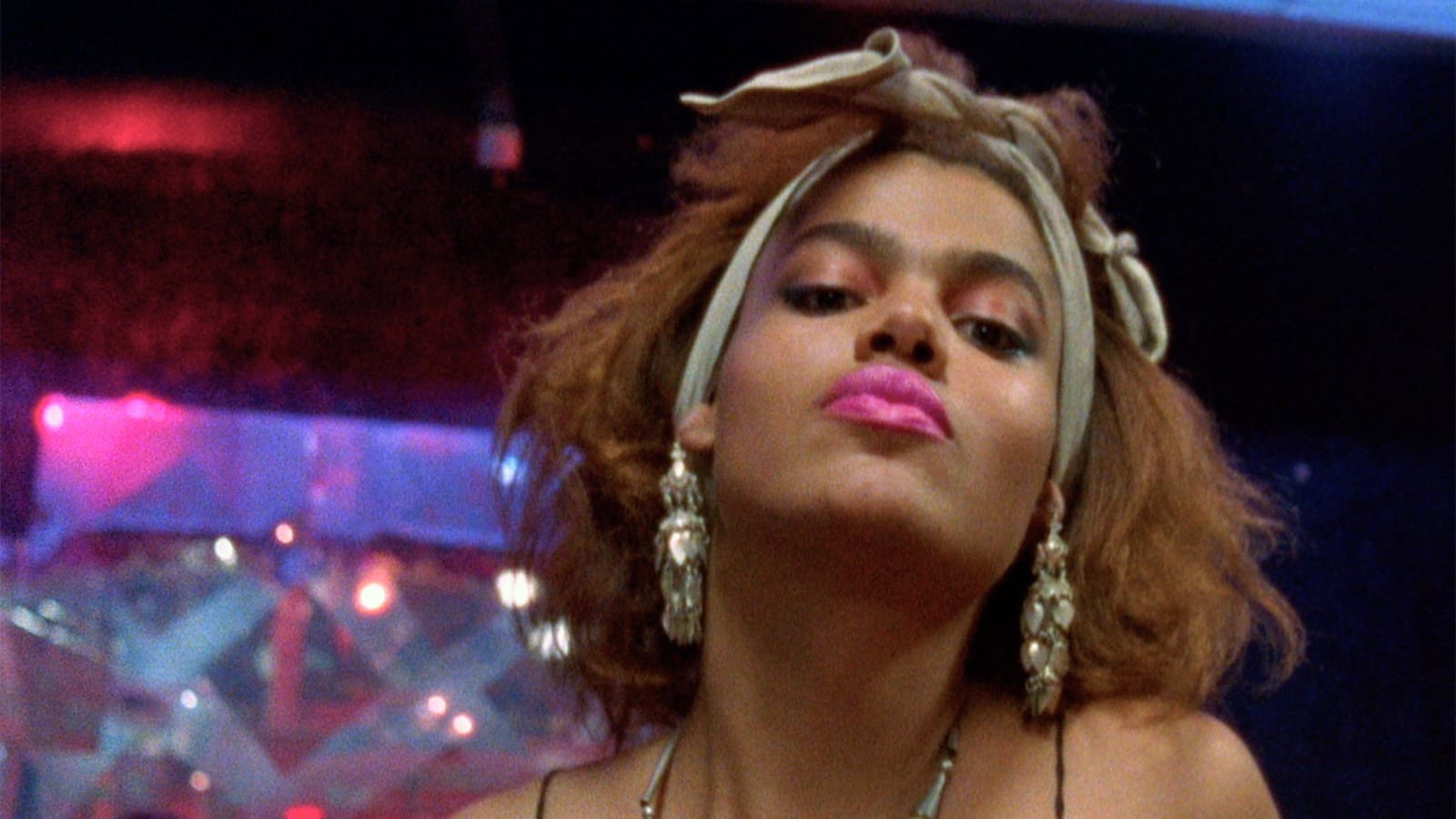
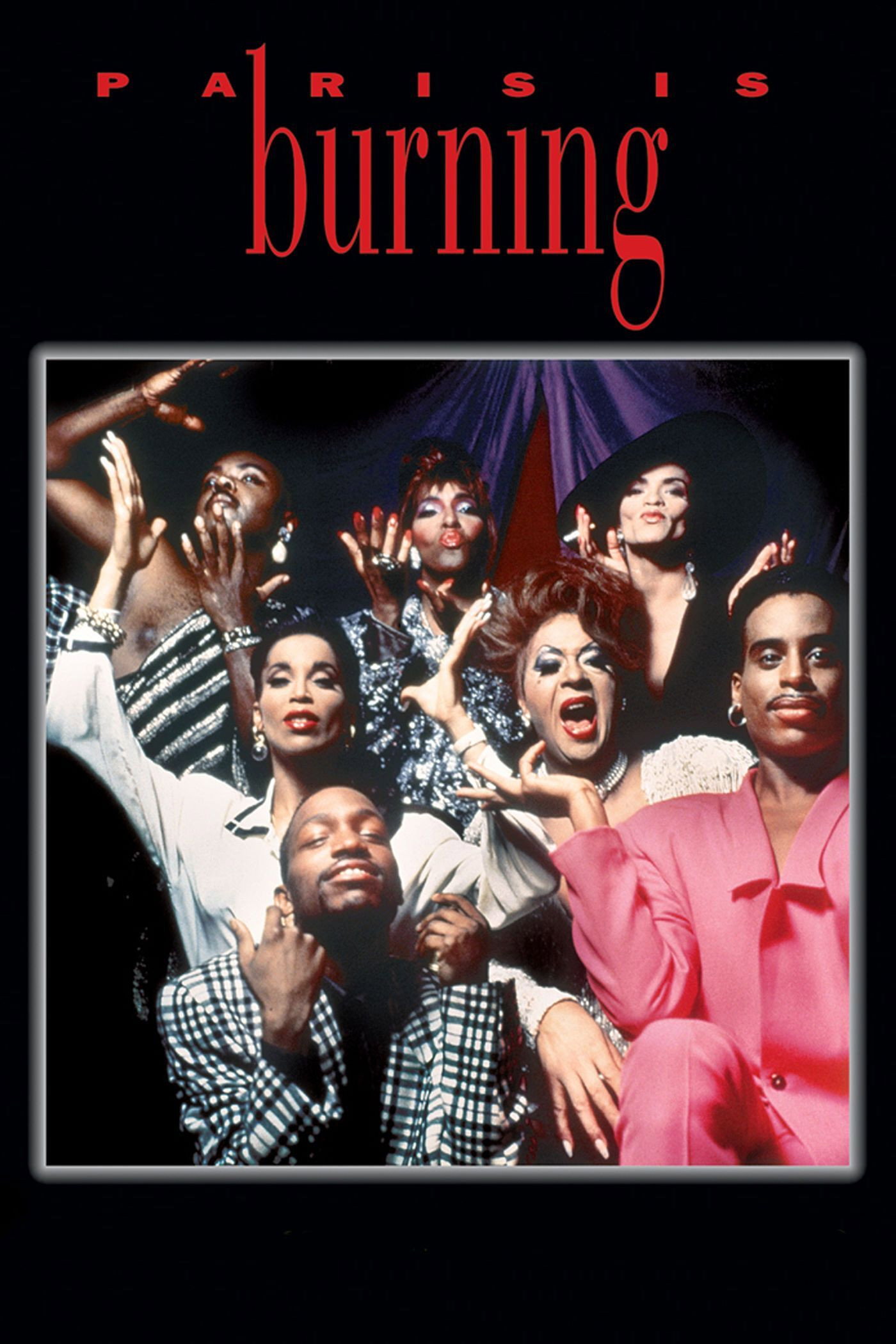
Harlem, late 1980s. In rented halls at night, the houses gather for the balls: competitions in which black and Latino gay men and trans women walk the floor in categories such as executive realness, schoolboy realness and town and country, judged on how completely they pass for the people they are dressed as. Pepper LaBeija, mother of the House of LaBeija, presides in gold. Dorian Corey, older than the rest, sews a gown at her mirror and explains the words: house, shade, reading. Willi Ninja teaches voguing as a craft. Venus Xtravaganza wants a husband and a house in the suburbs; Octavia St. Laurent wants to be a model. Junior LaBeija calls the categories from the microphone. Jennie Livingston asks questions from behind the camera and is never seen.

Plays from YouTube when you press play; nothing loads from them until then.

Fi1m review

Jennie Livingston’s record of the Harlem balls is 78 minutes long and says more about class, race and wanting than most films twice its length. It is funny, sharp and generous; its one real gap is that the maker keeps herself entirely out of the frame.

Paris Is Burning is 78 minutes of people saying what they want. Jennie Livingston takes a camera into the drag balls of Harlem in the late 1980s, where black and Latino gay men and trans women compete to look most like the people the world outside would rather they were not: executives, schoolboys, girls from the right side of town. The film is warm, quick and sure of what it is looking at, and it did not reach British cinemas until 5 January 2007, sixteen years after it was made. We would recommend it to almost anyone.

The shape of it is Jonathan Oppenheim’s. He cuts ball footage against interviews in kitchens and on beds, and between them he puts a single word in white on black (house, mother, shade, reading, voguing) and lets someone explain it. Dorian Corey, the oldest of them, does much of the explaining, sewing a gown at her mirror while she talks. Shade, she says, is when you do not need to tell someone they are ugly, because they already know. Every time the film returns to her it gets steadier. She is the best thing in it, and she is not in it nearly enough.

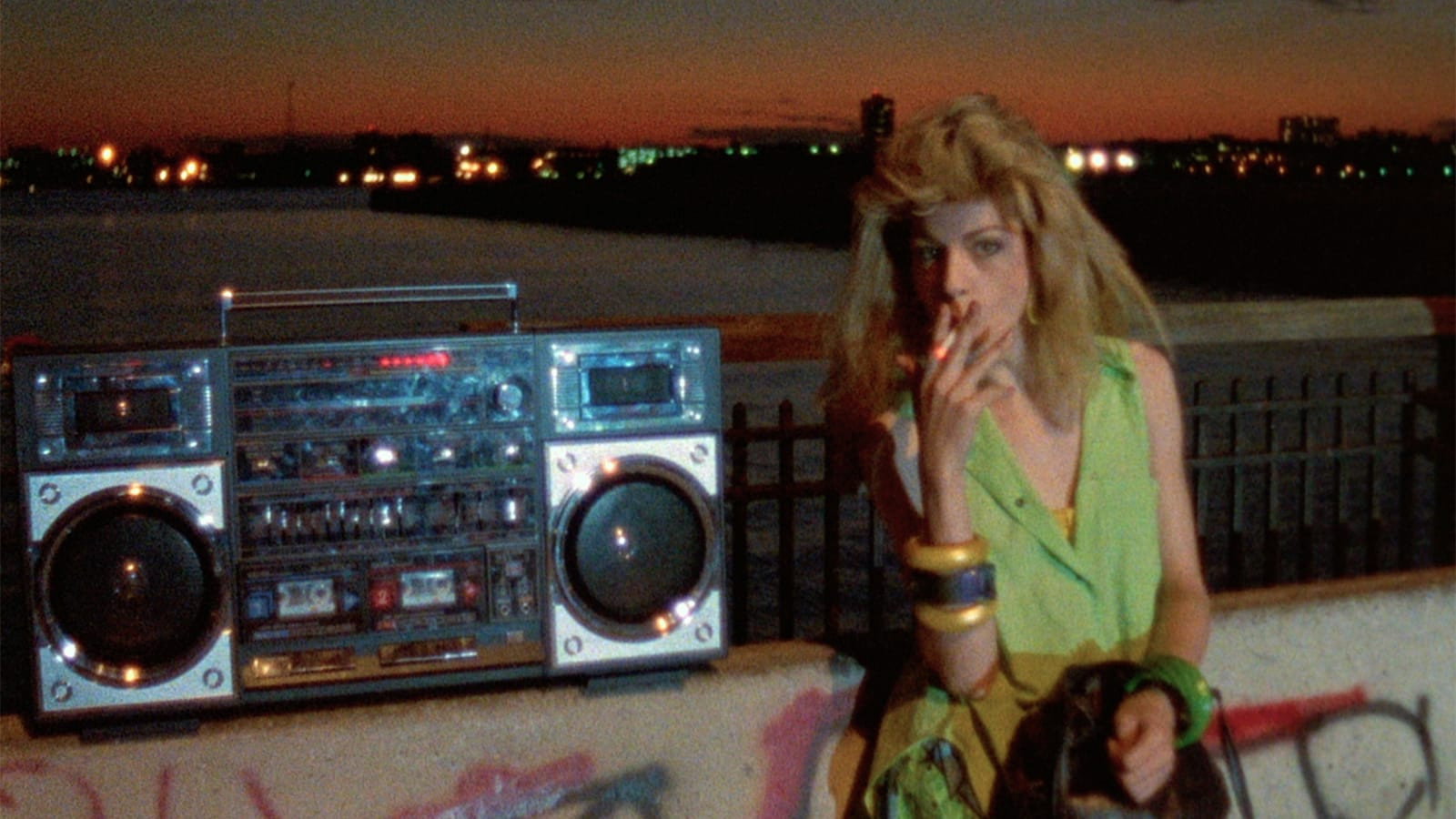
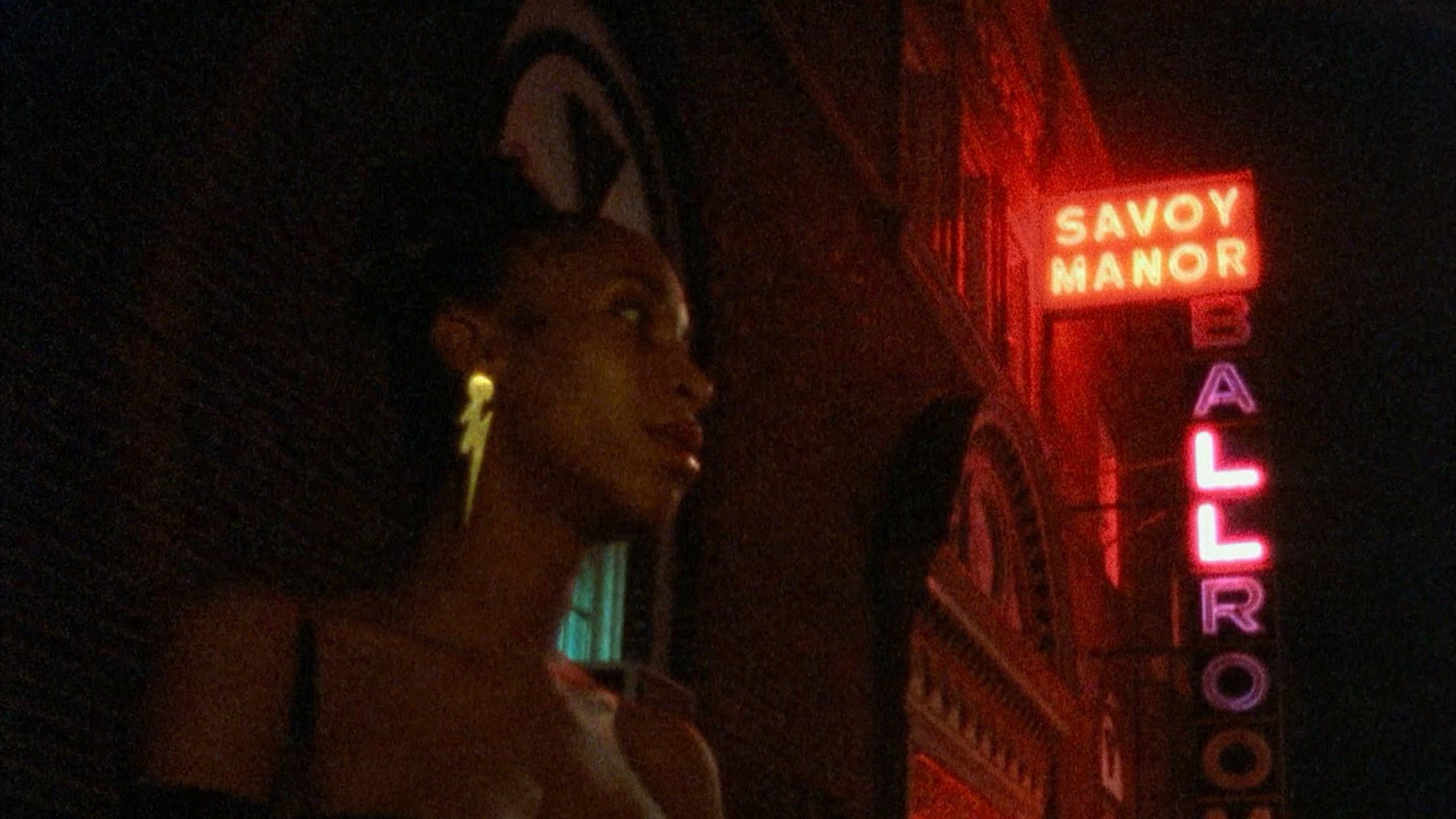
Paul Gibson shoots the halls handheld with whatever light there is, so the footage is grainy, the colours run hot and the edges of the frame fall into the dark. Outside, on the streets in daylight, the picture is flat and grey. Lynn Geller is credited with the music, and it is the music the halls played, loud and unbroken. It runs while Willi Ninja vogues down the floor, dropping from pose to pose like a fashion magazine flicked at speed. Ninja is the one performer who talks about the dance as a craft, wrist and angle and where the eye goes, and the film is right to give him the space.

The moment that got us is smaller than any ball. Venus Xtravaganza sits on a bed and says she would like a husband, a house in the suburbs and a washing machine; she would like, in her own words, to be a spoiled rich white girl. She says it without irony and Livingston adds none. We had come for the costumes and found ourselves watching someone ask, quite reasonably, for the most ordinary life in America, and knowing as she spoke how far away it was. It hurt more than we expected a film this lively to hurt. Octavia St. Laurent, who wants to be a model, does the same thing to us a few minutes later.

The houses are the other subject. Pepper LaBeija, mother of the House of LaBeija, holds court at the ball in gold and then, at home, talks like a headmistress about the boys who arrive with nothing and nowhere to sleep. A house is a family with a mother, a name and rivals, and the film is honest about what it costs to keep one dressed: several of the younger men say plainly that they steal, and nobody on screen pretends to be shocked. Junior LaBeija, calling the categories from the microphone, is the film’s chorus.

What the film does not do is look at itself. Livingston never appears and is heard only as an occasional question from behind the camera, and the questions sometimes steer. This is a film made by someone from outside about people who were not asked how they wished to be shown, and it does not say so. A minute in which the director said where she stood would have made it stronger. The world beyond the halls is sketched rather than drawn, too. The epidemic already in the city is mentioned and moved past, and the streets where the money came from are glimpsed.

Set against the talking-head documentaries of its time it is fast, funny and unsentimental, and it never puts an expert between us and the people it is about. Much of what it recorded has since been lifted wholesale: the words, the walk, the reading. Watch it with the sound up. It runs 78 minutes at certificate 15.
Critical consensus AI synthesised

78
Positive
16
Mixed
2
Negative
0

Most critics like this film a good deal, and the agreement has held from its release to the present. The praise gathers around Jennie Livingston’s camera, which most reviews describe as curious and non-judgmental, letting the Harlem ball scene speak in its own idioms without turning anyone into a case study. Nearly every review singles out the participants themselves: their wit, their competing ideas of realness, and the chosen families they build. Several call it funny and heartbreaking in the same breath.

The reservations are few and mild, and the spread is narrow. The Guardian is the coolest, finding the fashion dated and wishing for a re-edit with some account of what became of the participants. Paste reads it less as celebration than as a record of rejection and loss. Later reviews, at Eye for Film and Collider among them, raise the question of exploitation and the director’s outsider perspective, though both still recommend it.

Little White Lies
16 September 2020 · Rahul Patel
90*

The critic celebrates the film's enduring place in queer cinema through its honest exploration of race, poverty and sexuality in New York's ballroom scene. It highlights the participants' wisdom, spirit and the creation of chosen families as sources of inspiration and hope.

Read the full review →
RogerEbert.com
9 August 1991 · Roger Ebert
85*

The documentary captures the voguing and ball culture of Harlem drag queens with intelligence and empathy, highlighting their creativity and the social commentary on status and outsider status.

Read the full review →
Slant Magazine
10 September 2005 · Fernando F. Croce
85*

Livingston’s nonjudgmental camera accommodates contrasting views on 'realness' and performativity in the drag ball scene while depicting a familial world with its own rules, rituals, and idioms like voguing. The film structures contrasts between dreams and reality, ultimately offering a hopeful study of the search for personal wholeness despite a sad aftertaste from participants' deaths.

Read the full review →
The New Yorker
18 March 1991 · Terrence Rafferty
85*

A beautiful piece of documentary filmmaking that is lively, intelligent and exploratory, examining the rituals of this urban subculture without reducing its subjects to sociological symbols.

Read the full review →
Empire
3 January 2007 · Patrick Peters
80*

Jennie Livingston's study freezes a fascinating moment in the late-80s Harlem drag ball scene, offering more than camp by providing a sobering insight into the aspirations of an excluded sub-class and their replacement families. It is a revealing snapshot of counterculture with an intriguing political subtext.

Read the full review →
Los Angeles Times
9 August 1991 · Kenneth Turan
80*

An absorbing and seductive documentary that demonstrates how the ball world holds up a mirror to straight society, underlining the poignancy of the participants' dreams and the limited role models available.

Read the full review →

Cast

Awards

Sundance Film Festival Grand Jury Prize for Best Documentary, 1991

Won
Sundance Film Festival Grand Jury Prize for Best Documentary

If you liked this, try…

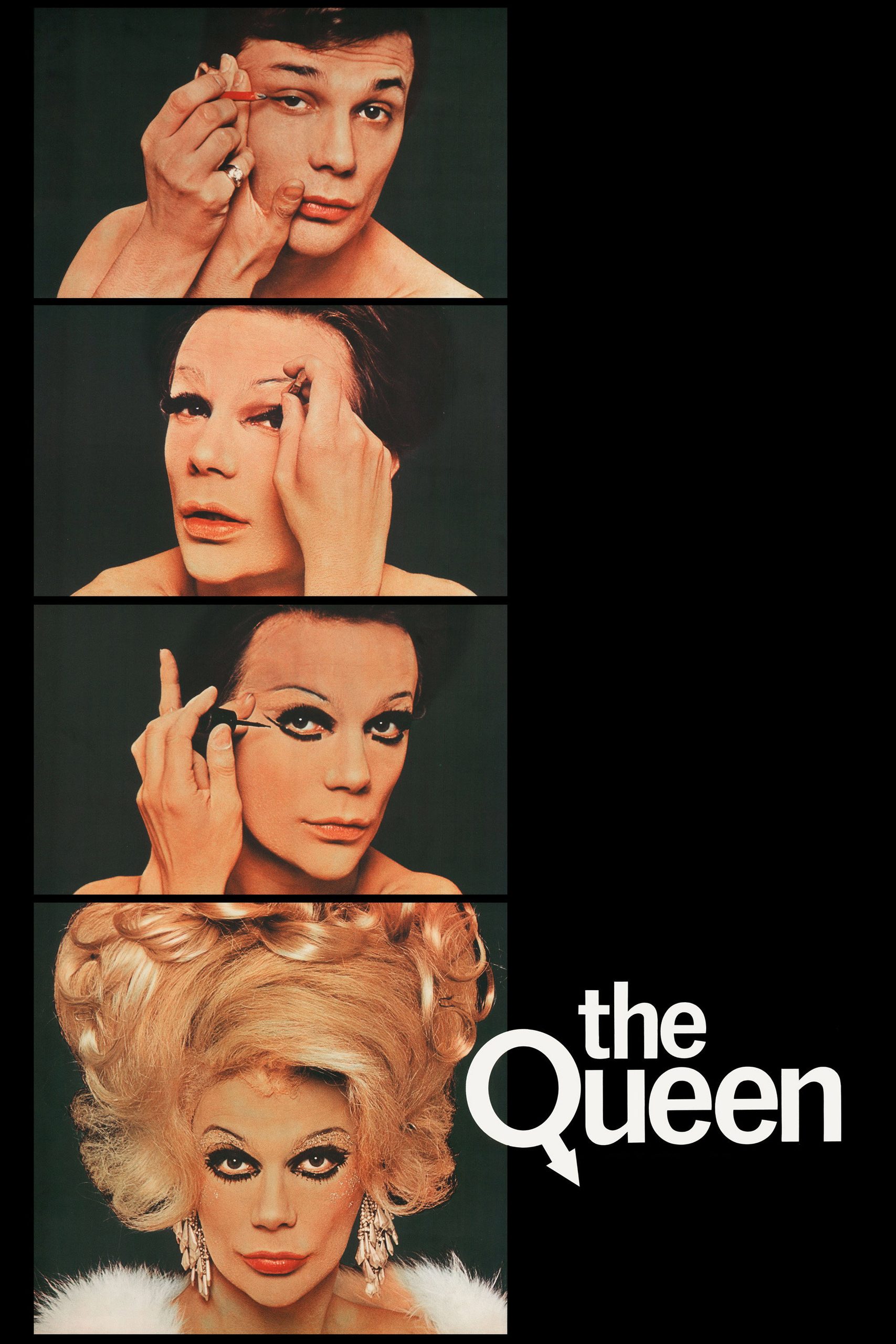
The Queen poster

The Queen

1968 · The drag pageant that came before, and the losers’ backstage argument is the best part

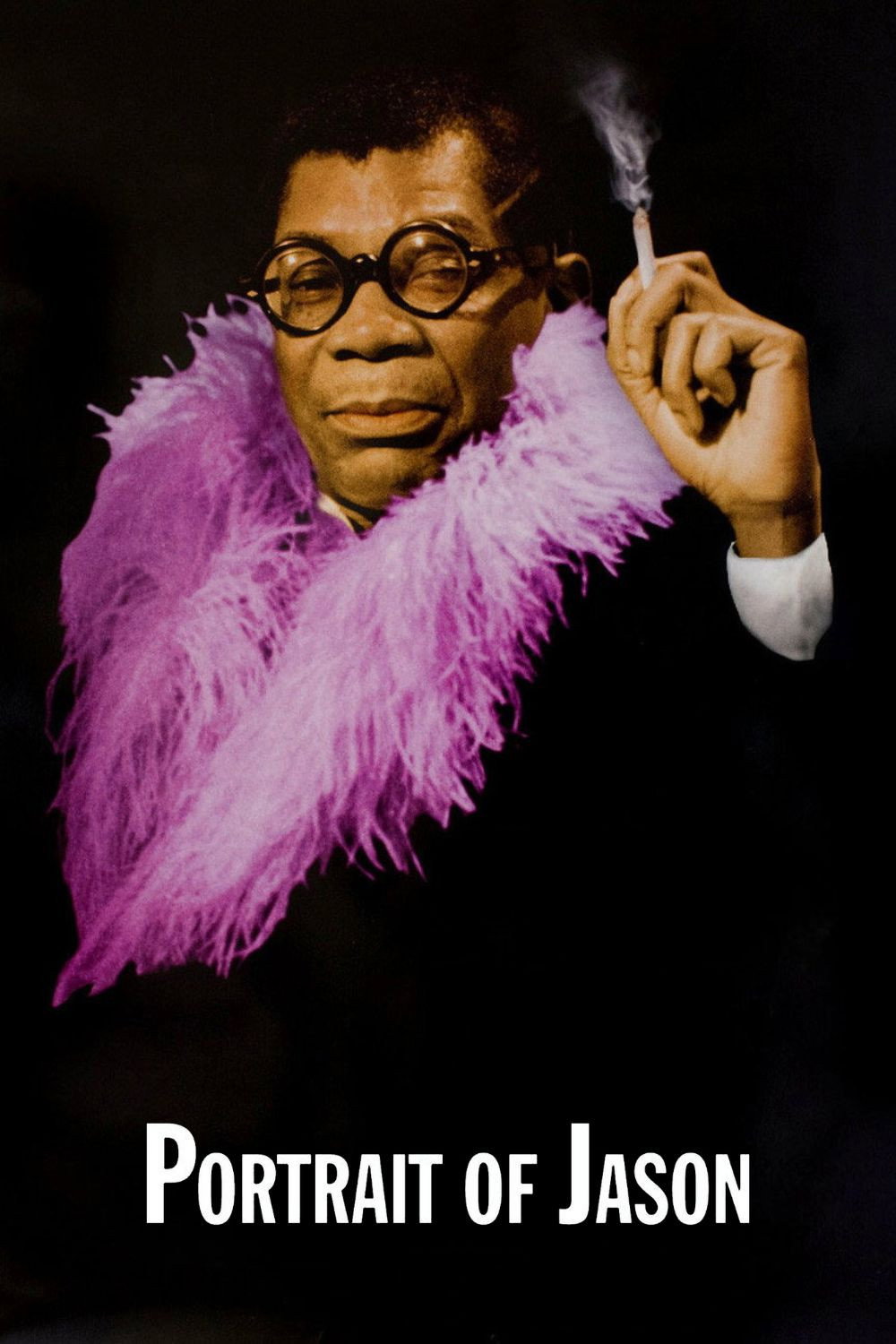
Portrait of Jason poster

Portrait of Jason

1967 · Shirley Clarke lets one man talk all night, and the talk slowly turns on him

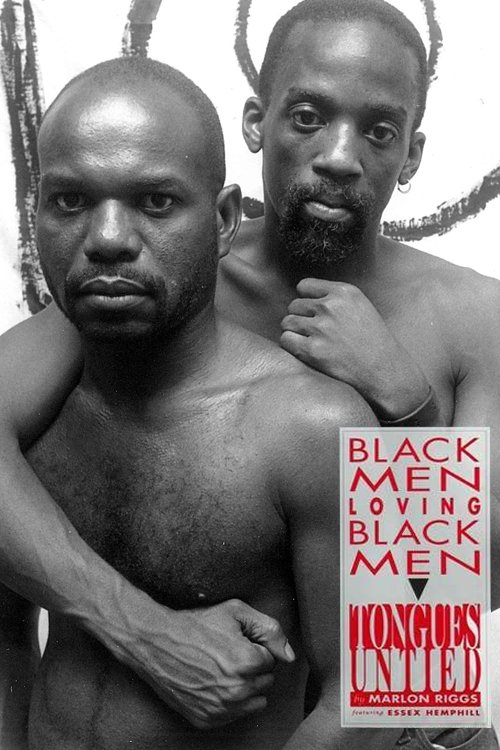
Tongues Untied poster

Tongues Untied

1989 · Marlon Riggs on black gay life in the same years, angrier and in the first person

Kiki poster

Kiki

2016 · The New York ballroom scene a generation on, with the kids now doing the talking

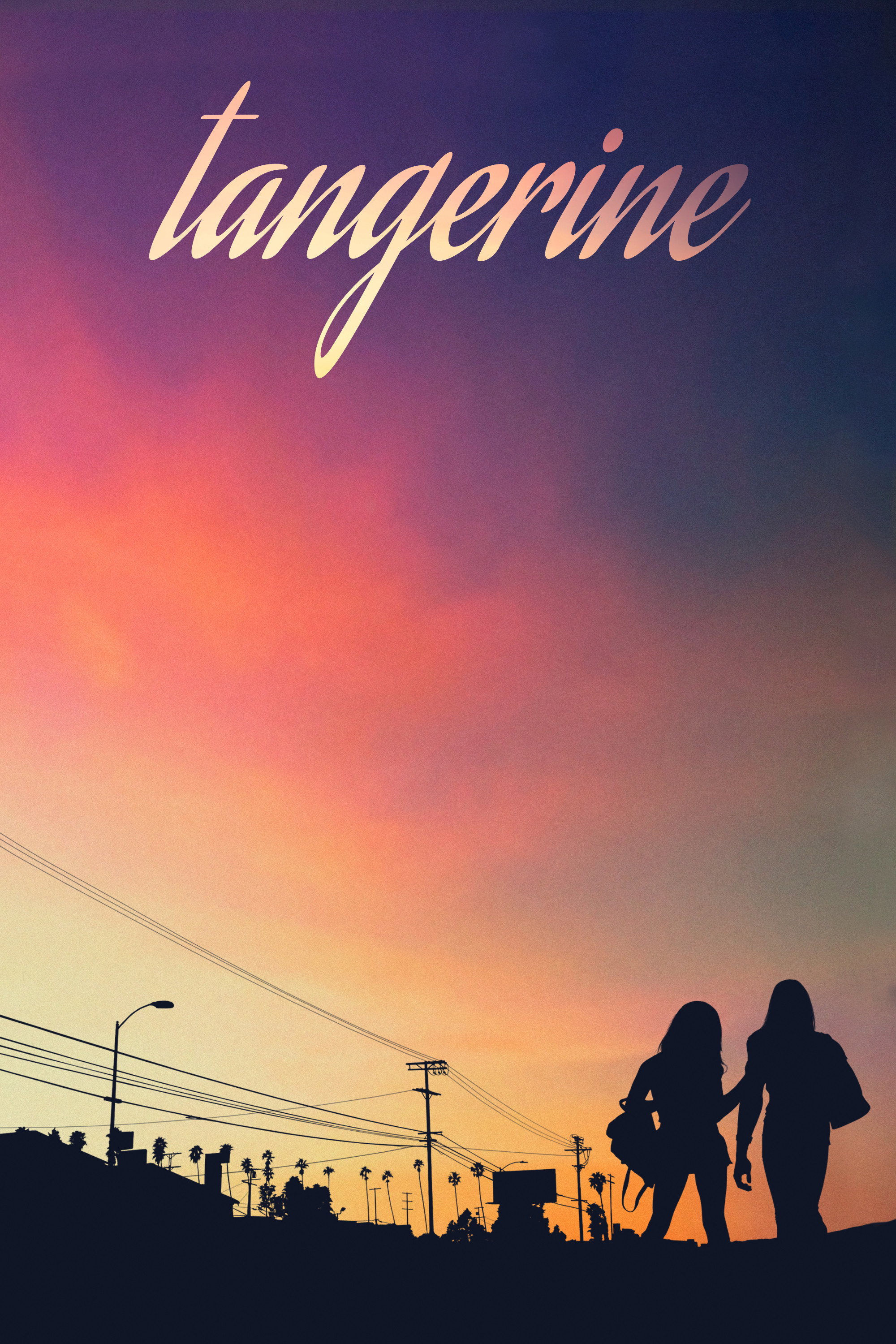
Tangerine poster

Tangerine

2015 · Sean Baker’s two trans women cross Los Angeles on Christmas Eve, shot on a phone