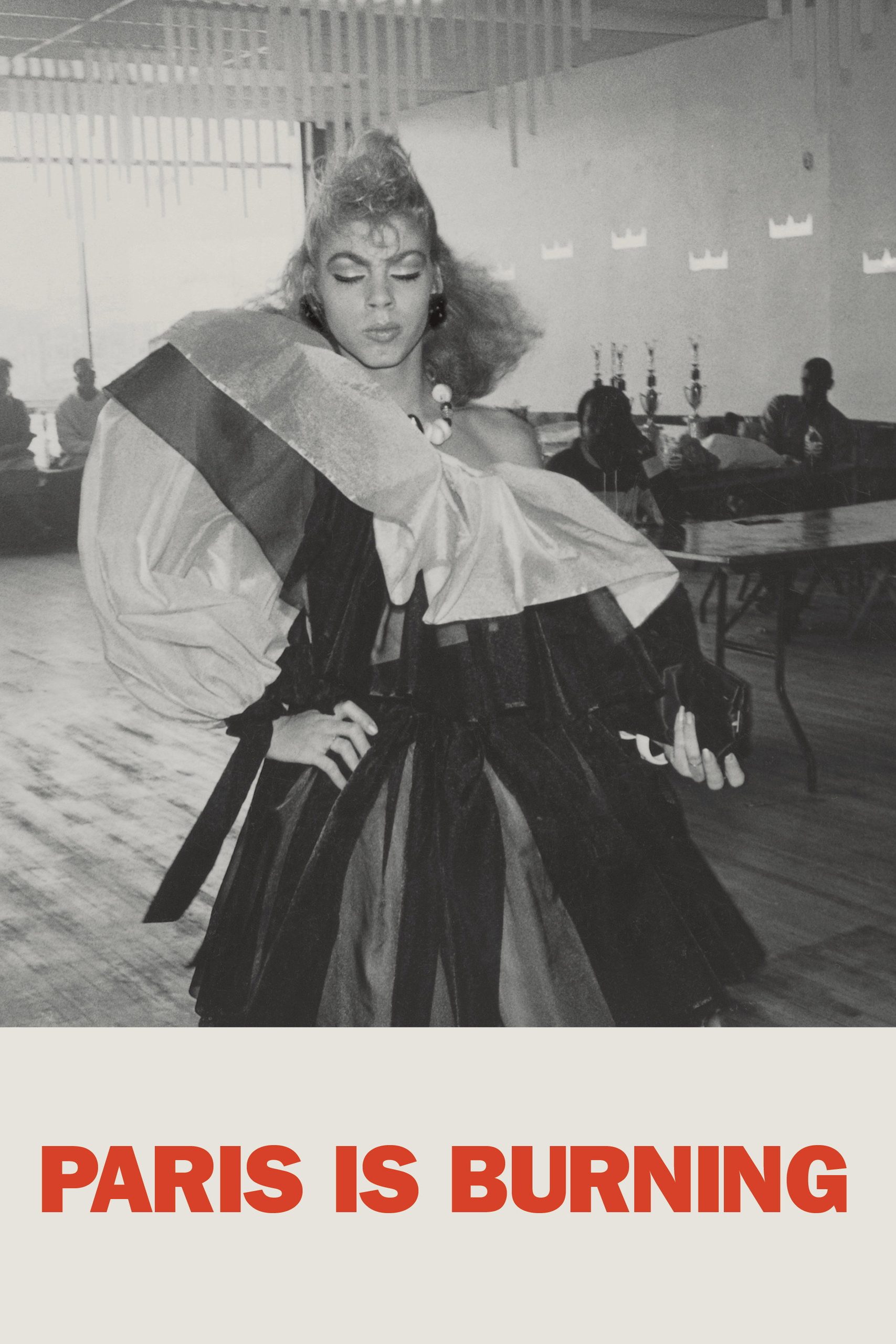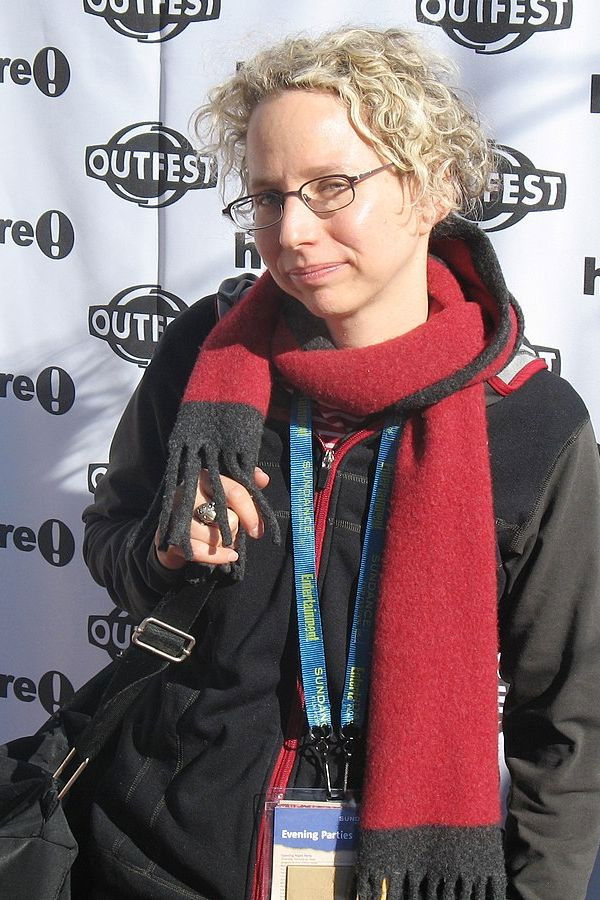
Jennie Livingston made one film that matters, Paris Is Burning, and made it by standing back and letting people say what they wanted. The listening is her gift. Her absence from the frame is the film's one real gap, and it has followed her since.
Fi1m perspective
A young woman sits on a bed and asks for a husband, a house and a washing machine. Nobody interrupts her. That is how Jennie Livingston works: the camera at a small distance, an occasional question from behind it, and then quiet while the person in front of it talks. In Paris Is Burning (1991) the people in the Harlem balls explain their world in their own words, and Livingston's contribution is to have asked and then kept still. It is harder than it looks, and most documentary makers cannot do it.
She came to the balls as a photographer, not long after moving to New York in 1985, and shot the film over roughly seven years. It did not reach British cinemas until 5 January 2007. What followed was small: the short Hotheads (1993), then Who's the Top? and Through the Ice (both 2005), and later a consulting producer credit on the series Pose, for which she directed one episode, "Blow". A first-person film, Earth Camp One, about family loss and identity, has been in the making for years. Hers is a career of one film, and she has never pretended otherwise.
That film holds up because of what it pays attention to. Paul Gibson's camera watches hands, walks and mouths, and Livingston cuts so that a word gets explained, then shown, then used. The subjects are not specimens; they are the sharpest critics of America in the picture, and the film knows it. The moment that undid us was Venus Xtravaganza on that bed, asking without irony for the most ordinary life in the country, because Livingston lets the sentence sit long enough for us to work out how far off it was. Octavia St. Laurent, who wants to be a model, does the same thing a few minutes later.
The complaint is that Livingston, white and Yale-educated, filmed black and Latino gay men and trans women and never told us where she stood. We think the complaint is fair and the film is still generous. It would have been stronger with one minute of the maker in it, saying what she was doing there and what she owed the people she was watching. She has said of them that she "stepped into a community where people were geniuses at becoming themselves." The film shows that. It does not show her stepping in.
Earth Camp One is described as first-person, which means the director who spent seven years behind the camera is finally going to stand in front of it. We are curious whether the woman who could not be talked into the frame in Harlem will manage it at home.
Biography
Jennie Livingston is an American film director. She was born on 24 February 1962 in Dallas, Texas, and grew up in Los Angeles. She graduated from Yale University in 1983, where she studied photography, drawing and painting with a minor in English literature, and later took a summer filmmaking class at New York University.
Livingston is best known for directing and producing the documentary Paris Is Burning (1990), which examines New York ball culture. The film won the Grand Jury Prize at the 1991 Sundance Film Festival. She has also directed short films including Hotheads (1993) and Who's the Top? (2005), and served as a consulting producer on the television series Pose (2018). She lives in Brooklyn, New York.