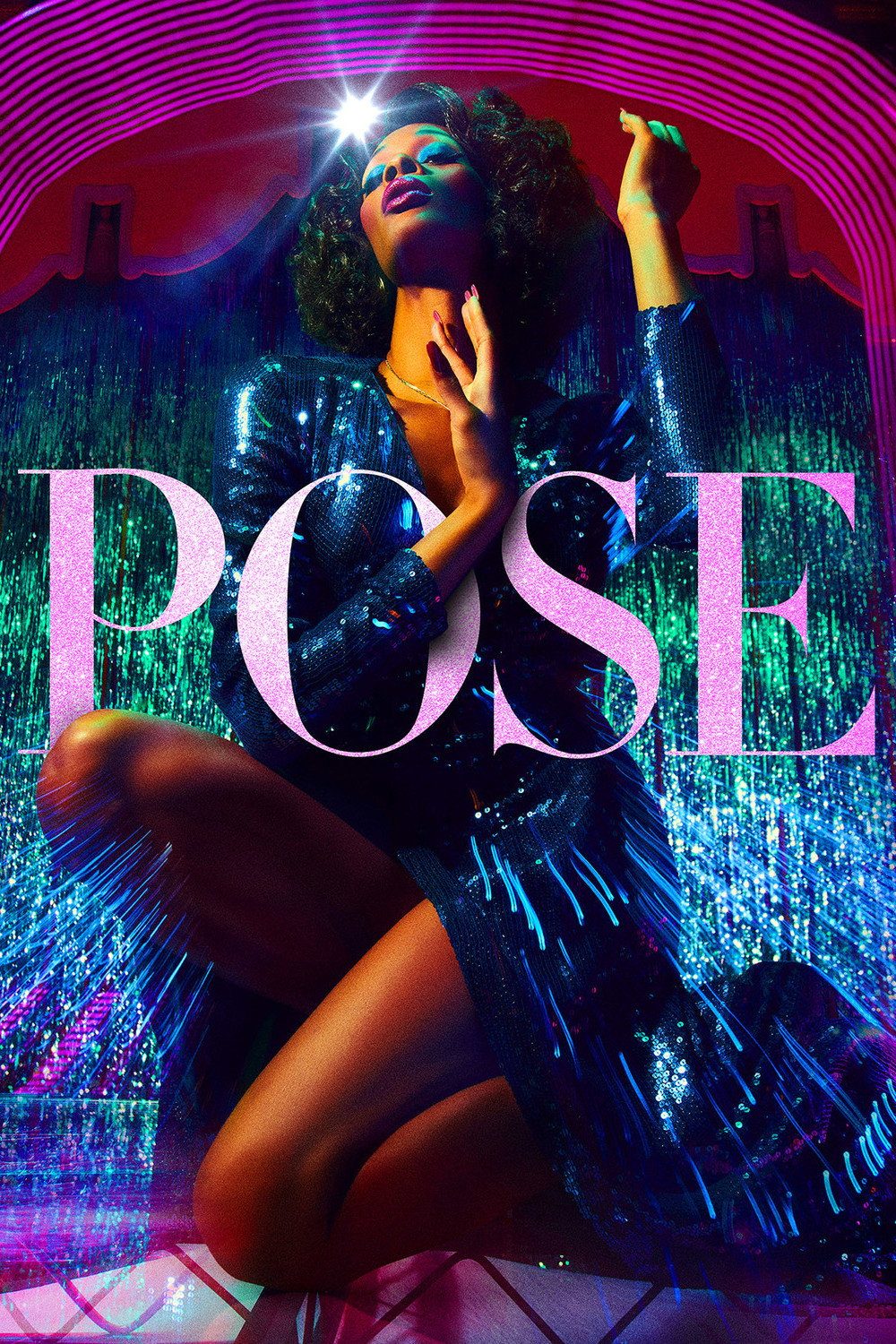
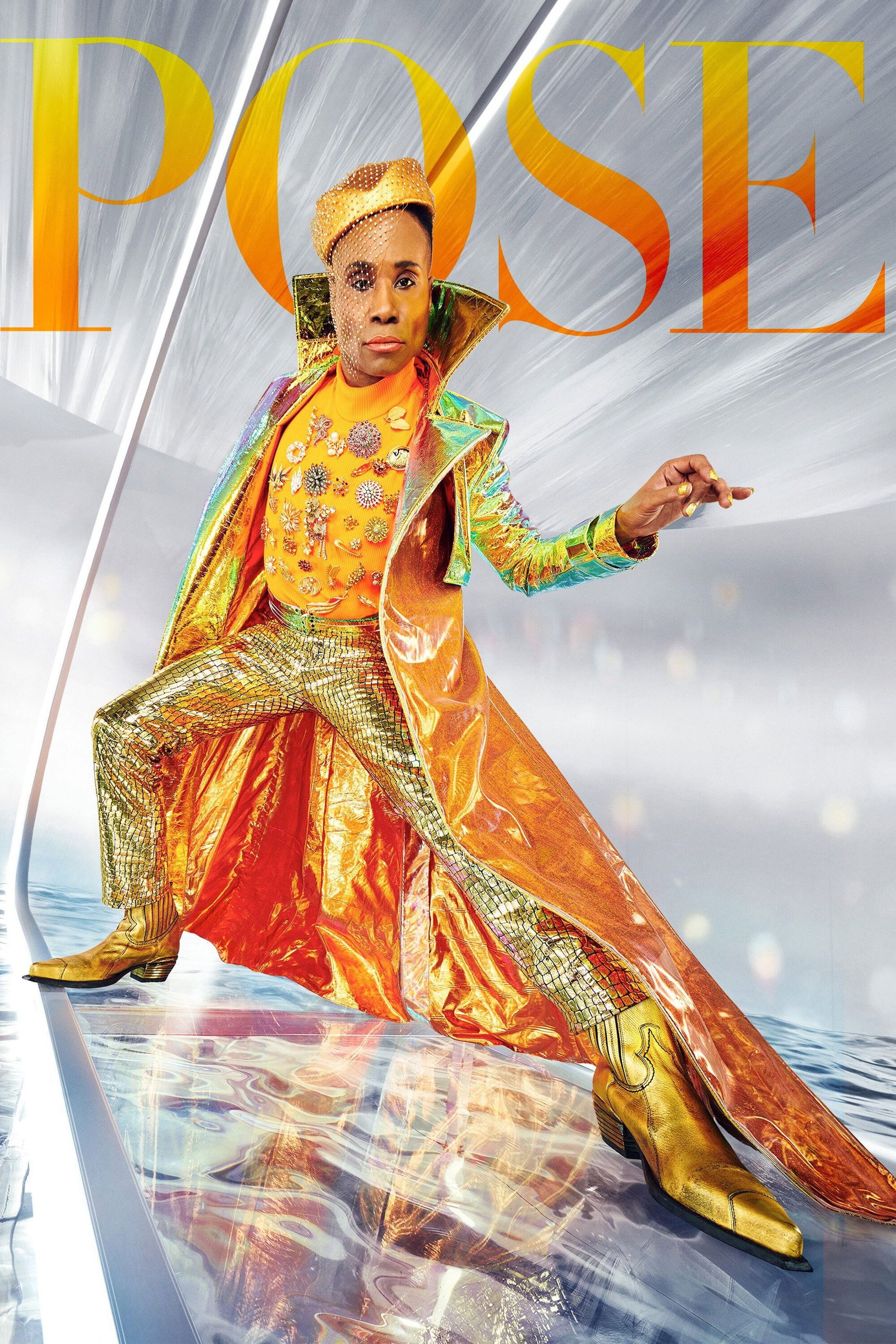
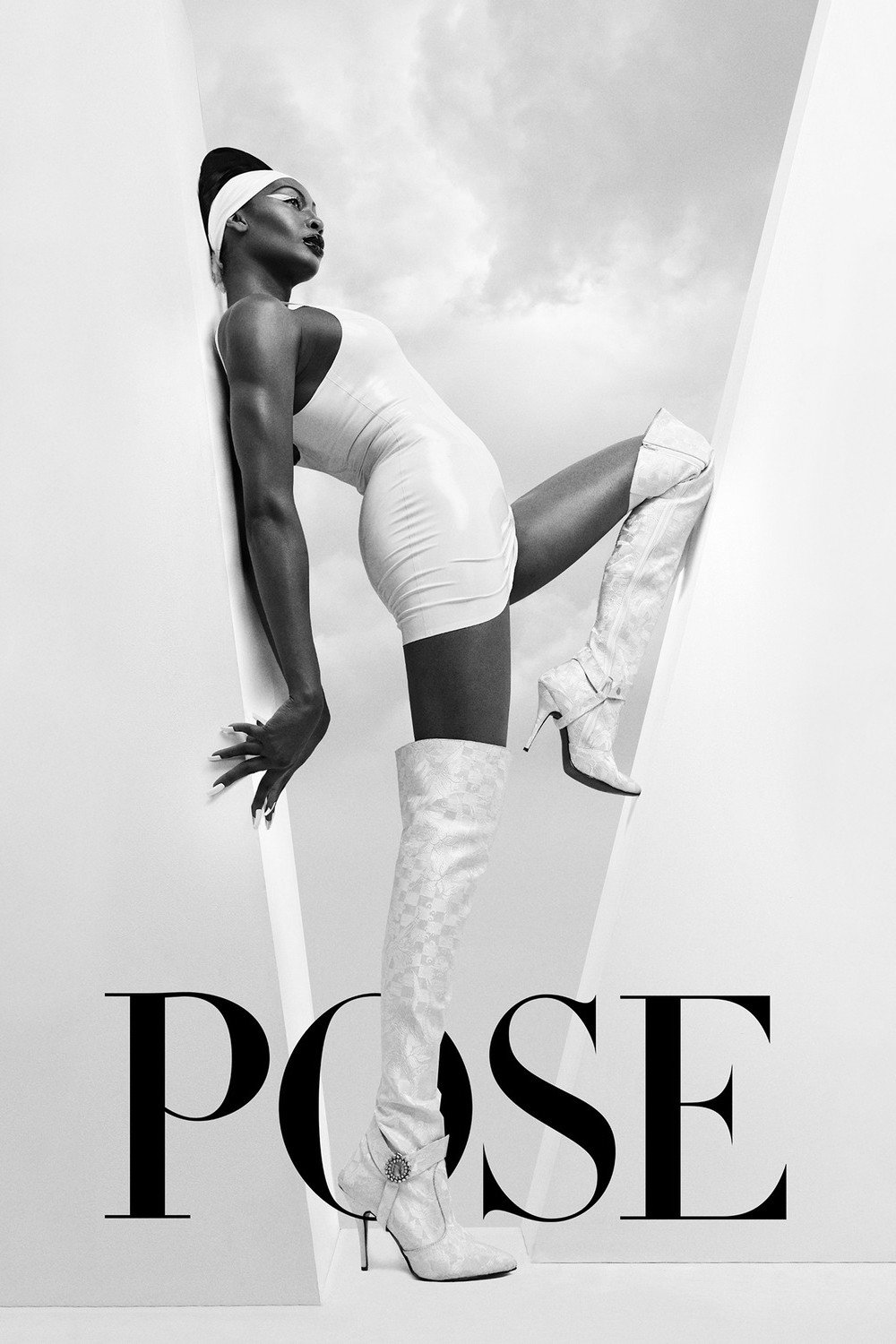
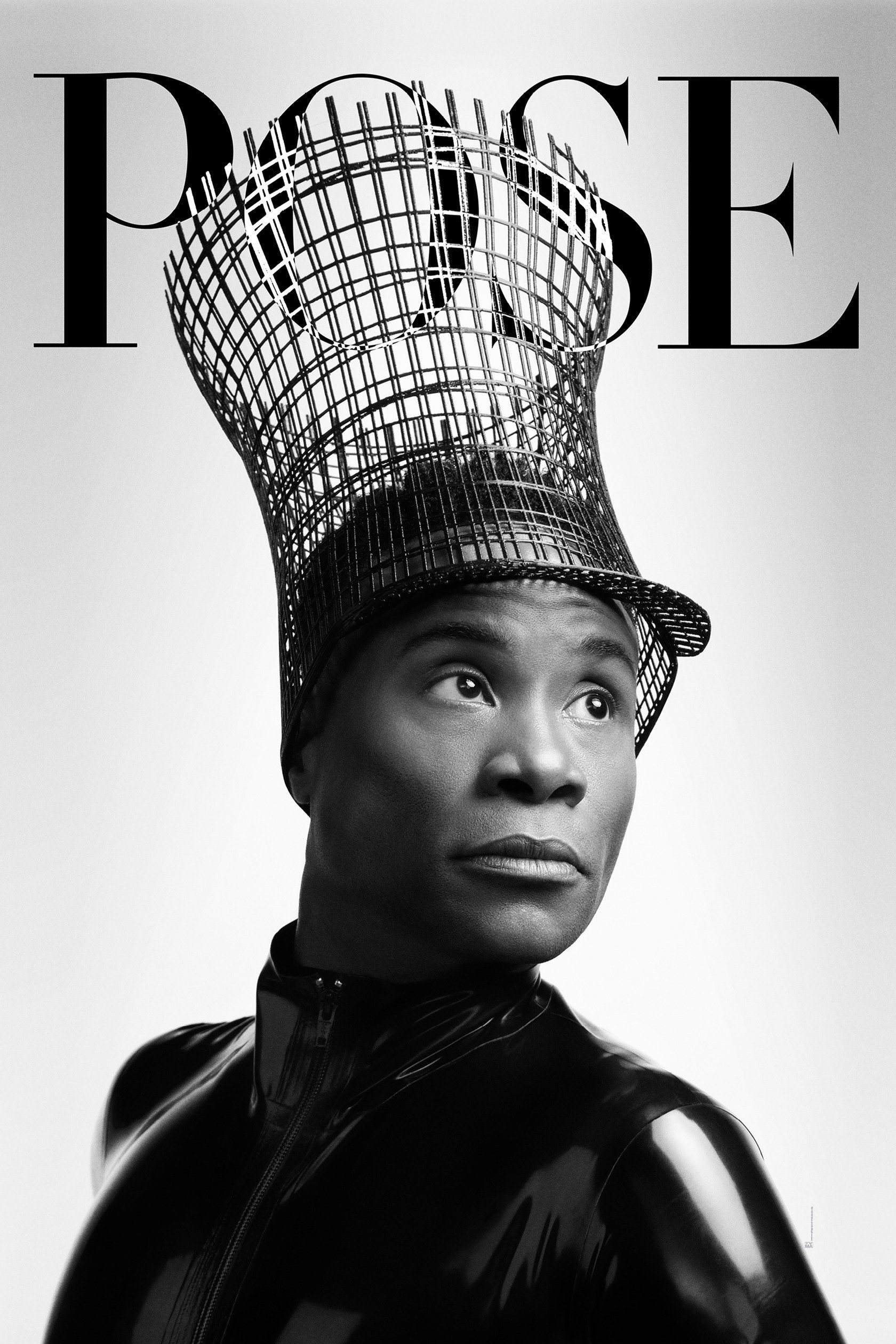
Steven Canals, Brad Falchuk and Ryan Murphy’s drama about the 1980s New York ballroom scene is warm, generous and superbly dressed, with Billy Porter and Dominique Jackson leading an ensemble that earns its tears. The white men are dull and the speeches run long.
New York, in the 1980s. Blanca (Michaela Jaé Rodriguez) has been putting off a decision, and in the first episode she makes it: she leaves the House of Abundance, ruled by Elektra (Dominique Jackson), and starts a house of her own. Steven Canals, Brad Falchuk and Ryan Murphy have built three seasons and 26 episodes around that decision, and most of it is good, generous television. We recommend it, with two caveats. The white men are dull, and the show cannot pass a doctor’s office without stopping to make a speech.
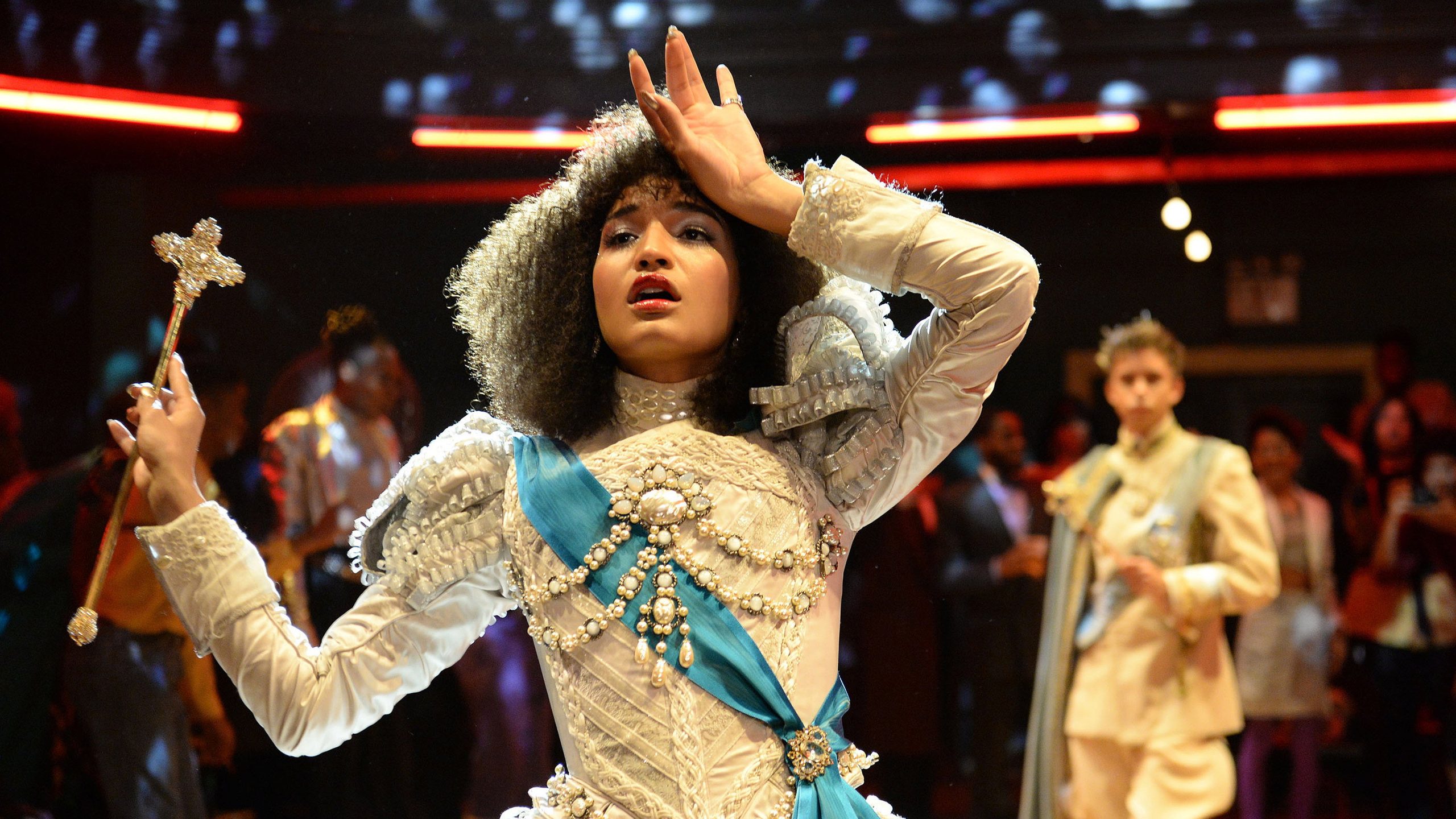
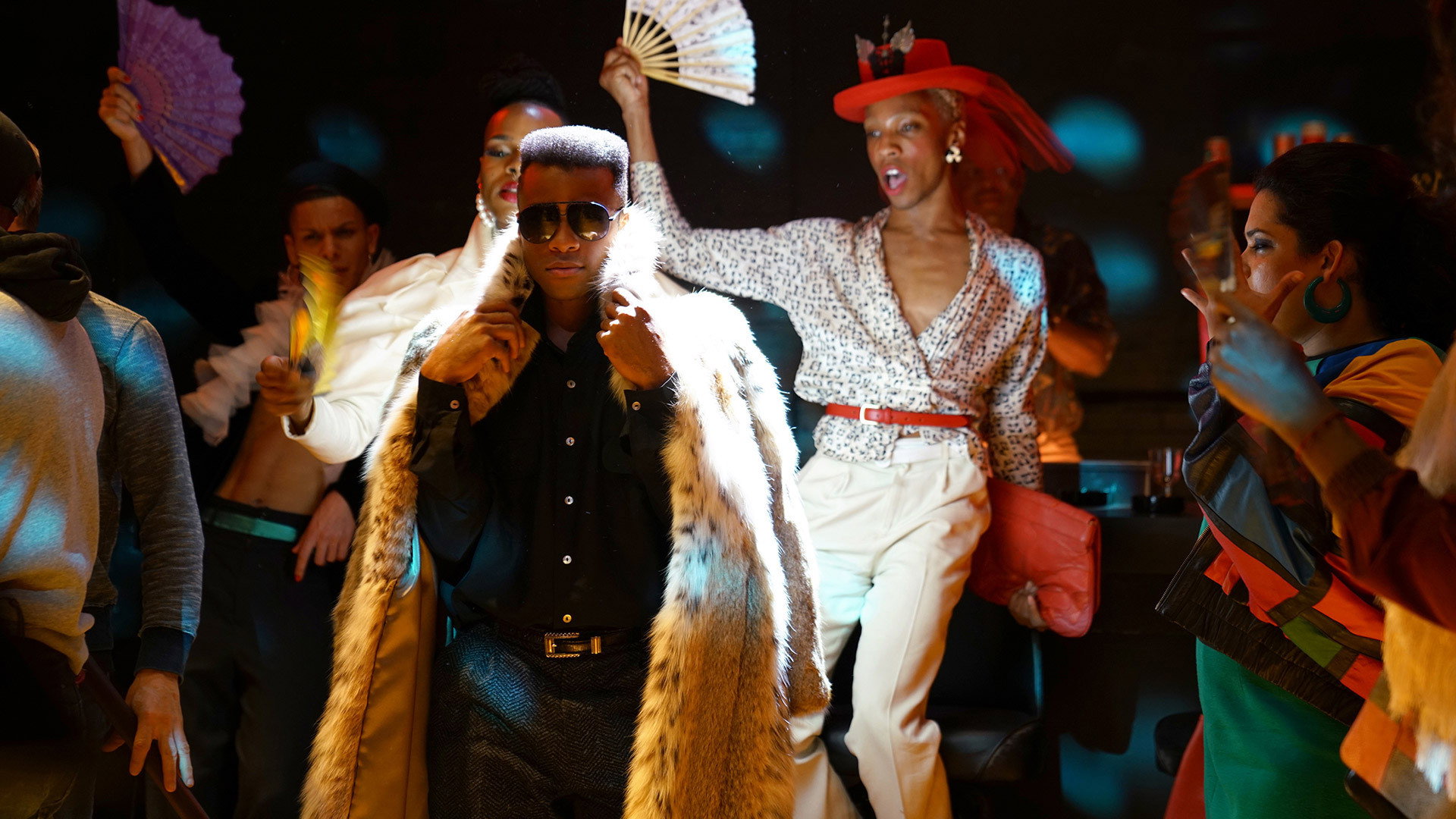
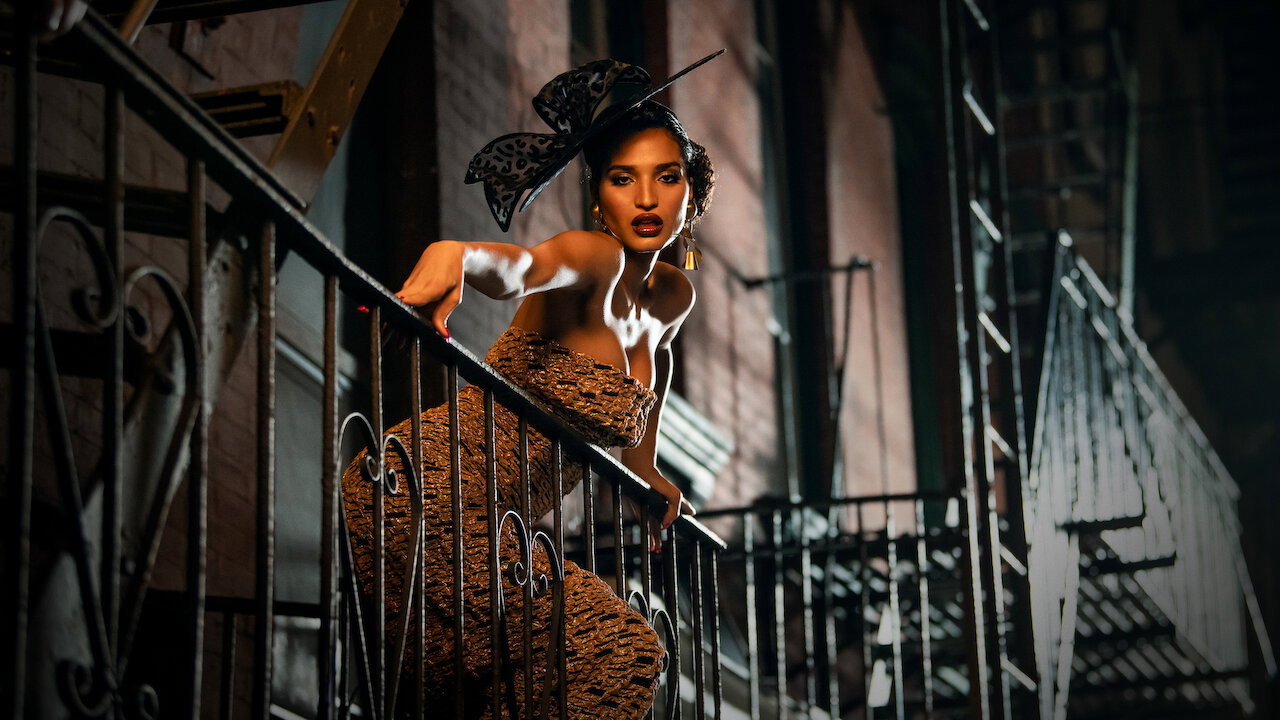
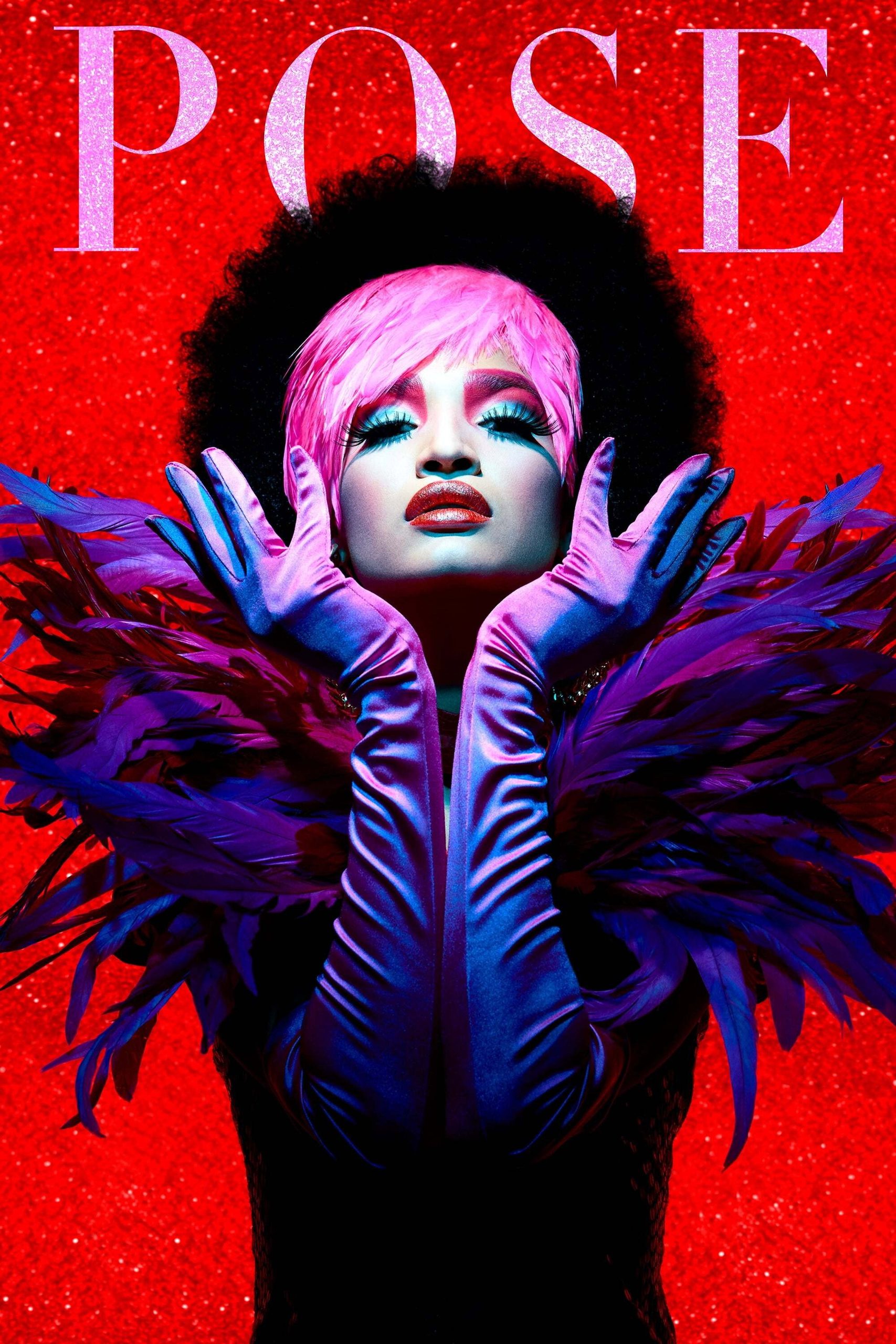
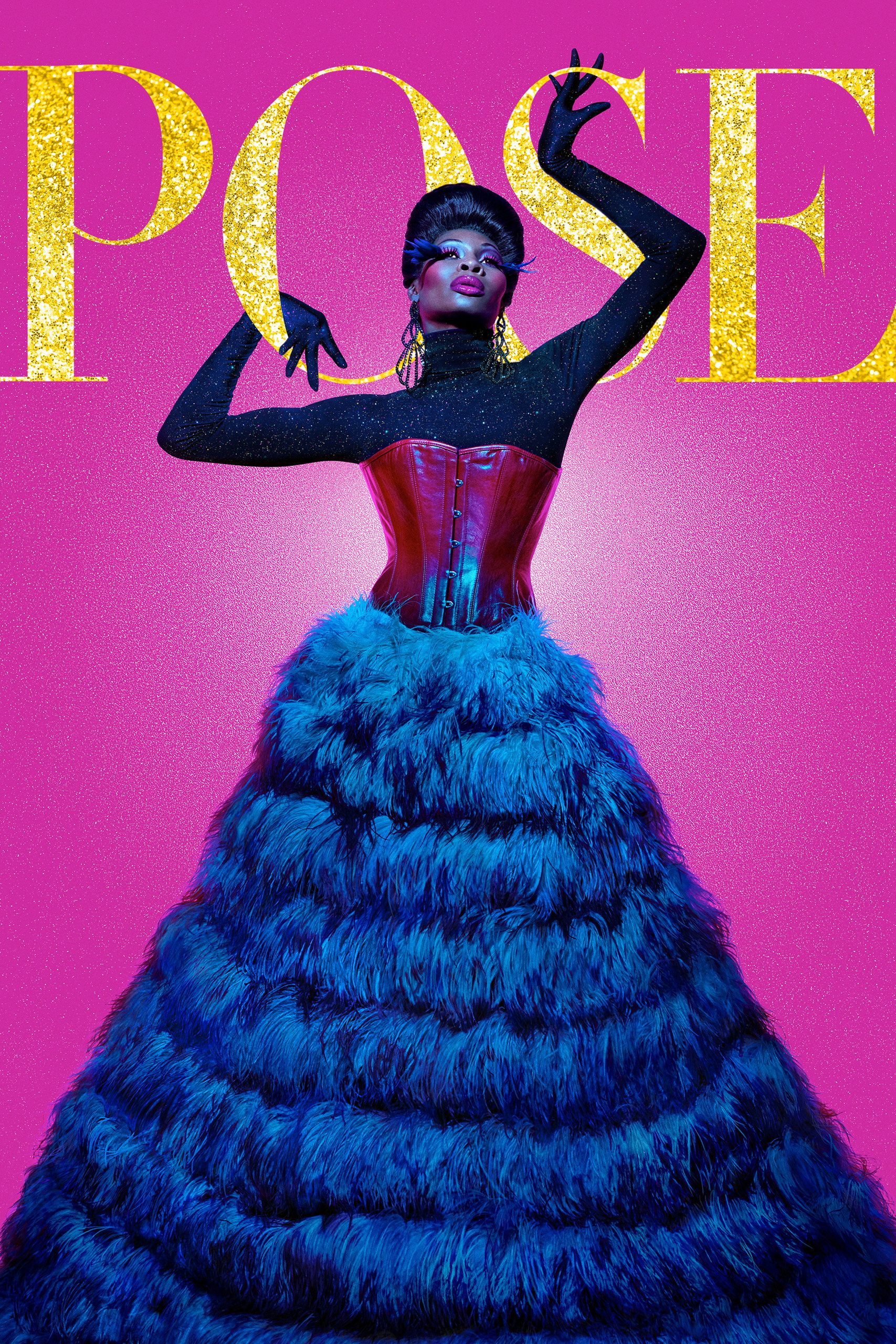
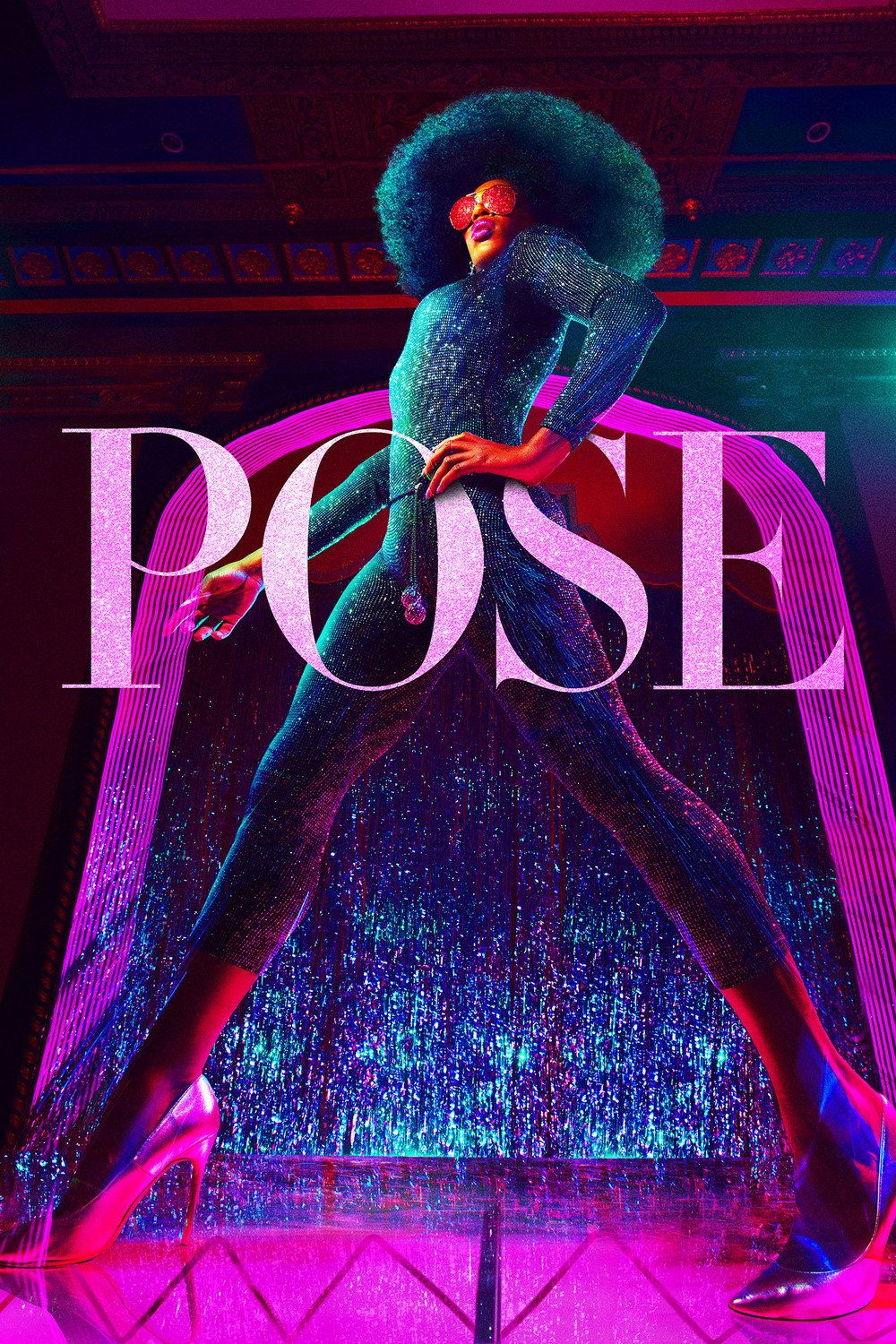
The balls are the reason to watch, and the programme knows it. Pray Tell (Billy Porter) stands at the microphone in a hall Judy Becker has dressed in red velvet and gold paint, calling categories while the houses walk for trophies, and Lou Eyrich’s costumes do most of the storytelling: Elektra’s children arrive in furs and headdresses that have plainly been stolen, Blanca’s in whatever could be run up in a week. Nelson Cragg shoots these rooms in warm colour with the camera moving, and shoots the clinics, the piers and the one-bedroom flat Blanca fills with strays in flatter, greyer light.
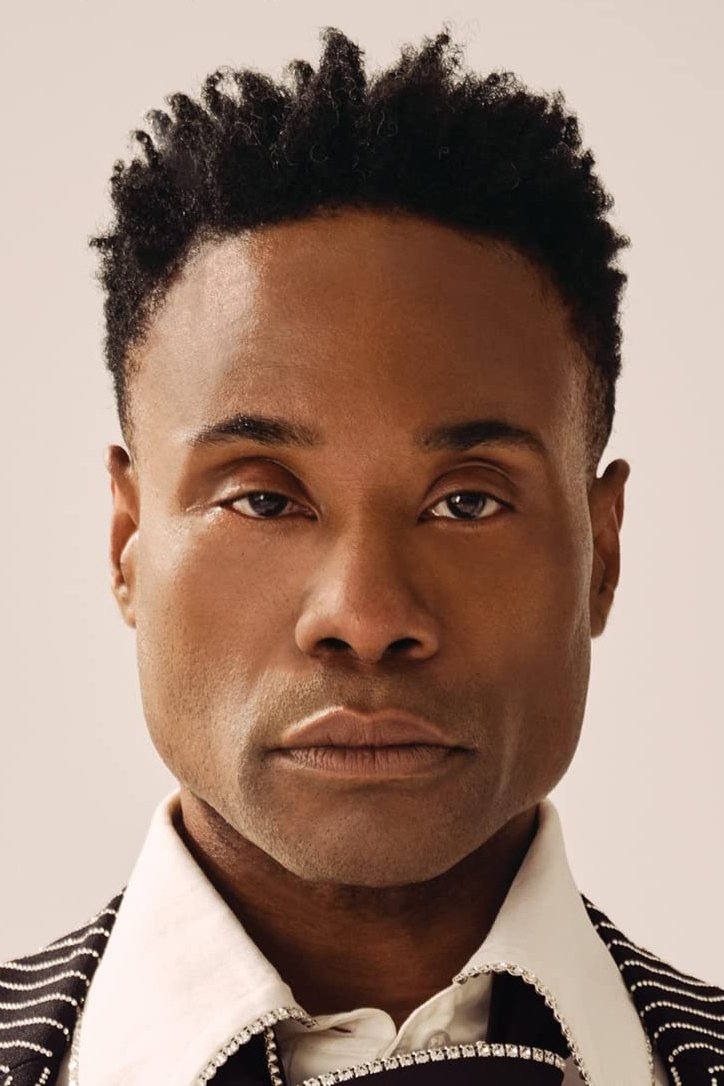
We were got at, and it was Porter who did it. There is a moment in the first season when Pray Tell stops the music and speaks to the hall in a voice quite unlike the one he uses for the categories, quieter and slower, and Porter lets his face fall for a second before the mask goes back on. We will not say what prompts it. We had been enjoying him as a comic turn, all shade and eyebrow, and were not ready to find him carrying the grief of the whole series.
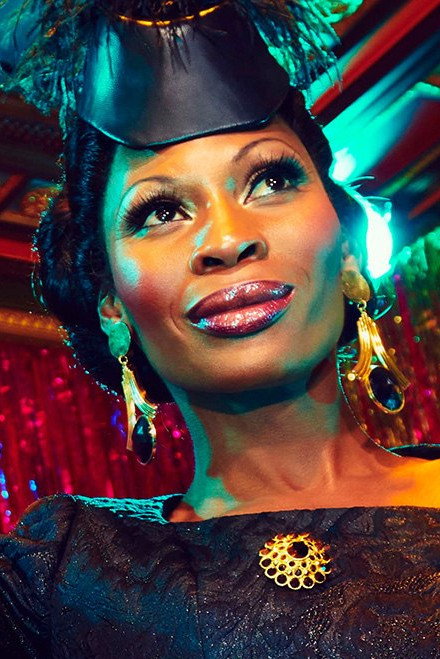
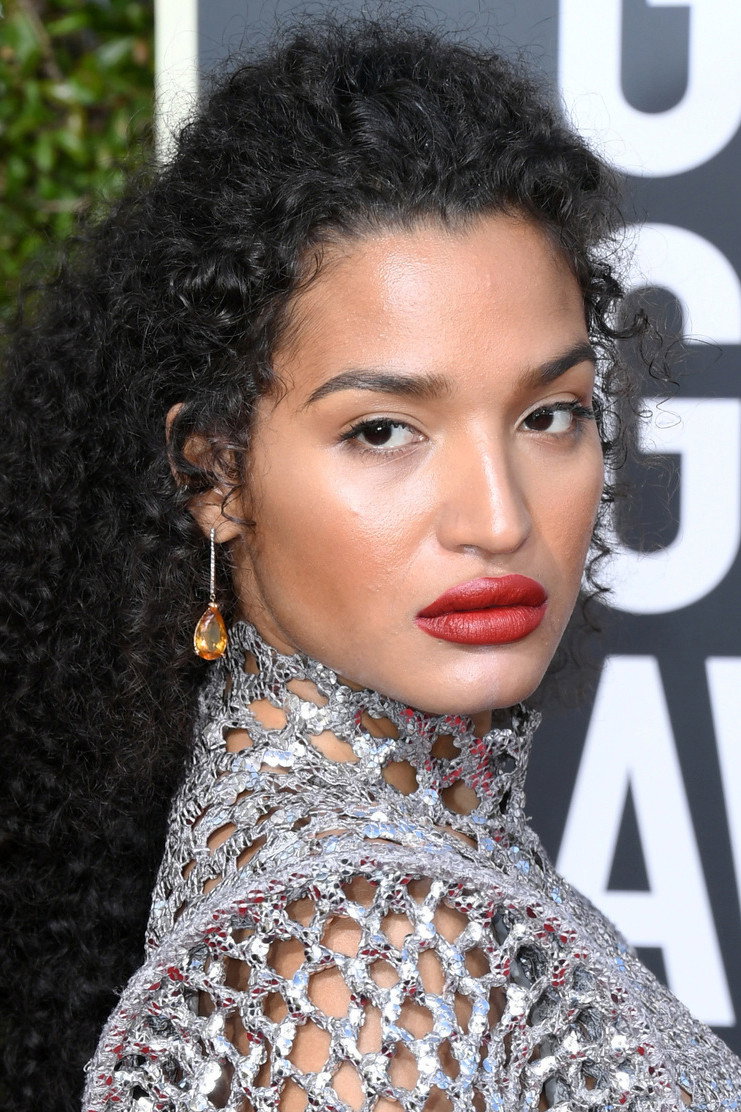
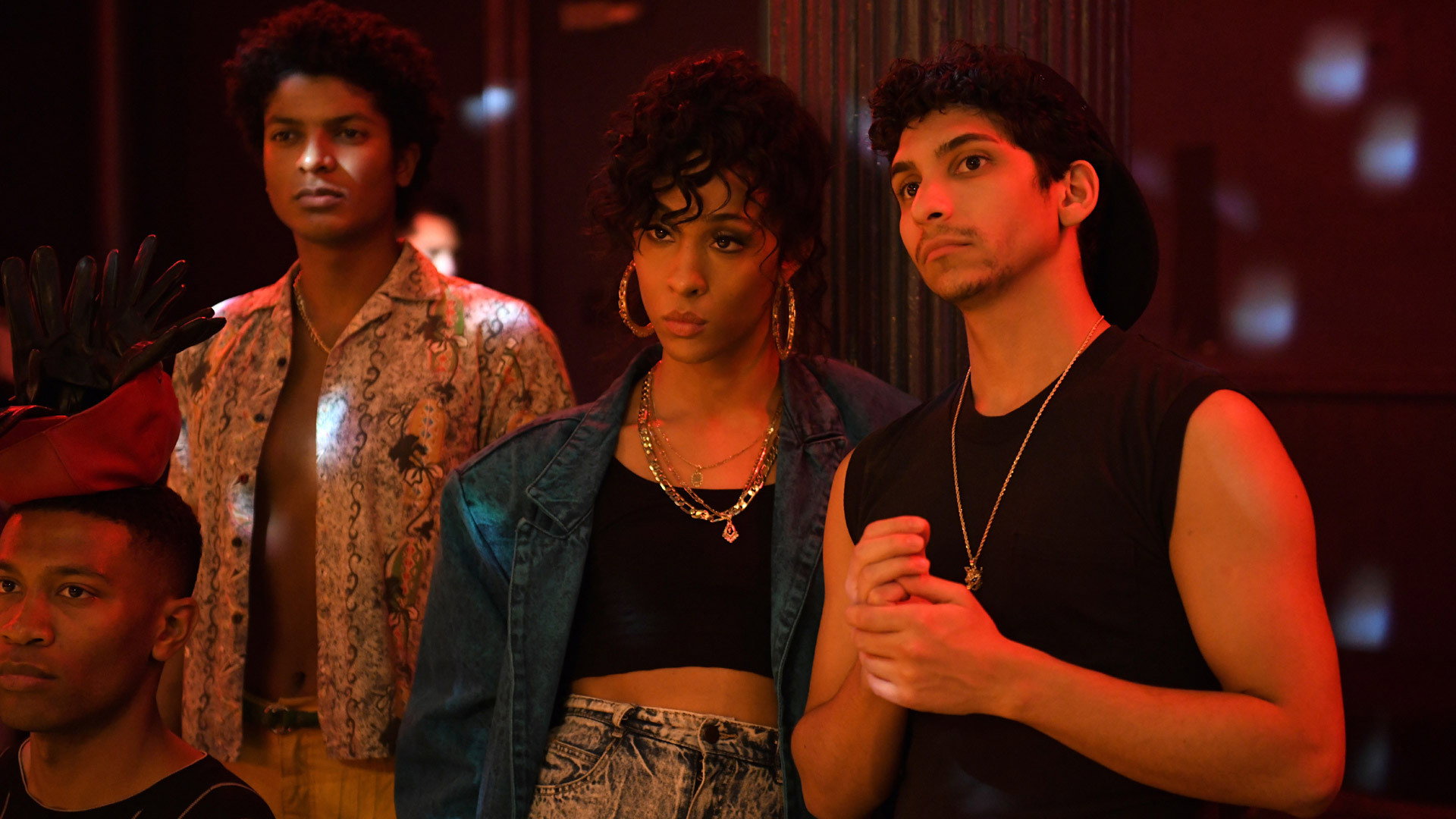
Rodriguez plays Blanca as a nag, which is right. She checks homework, sets curfews and turns up uninvited, and Rodriguez never asks us to admire her for it. Jackson’s Elektra delivers insults as though reading them from a menu, and the writers, Our Lady J and Janet Mock among them, give her the best lines in every episode she is in. Angelica Ross as Candy and Hailie Sahar as Lulu make Elektra’s lieutenants into people with worries of their own. Lillah Indya Moore gives Angel a hopefulness that is hard to watch, because we know more about the decade than she does.
Then there is Stan. Evan Peters plays a married man from the suburbs with a new office job in Manhattan under his boss Matt (James Van Der Beek), and a wife, Patty (Kate Mara), who is given little to do but wait. This strand exists to put the ballroom next to the money and let us draw the line between them, and we had drawn it by the end of the first episode. Peters and Mara are decent actors doing their best with a diagram. Whenever the show cut back to their kitchen, we wanted the ball.
The other trouble is the talking. Pose has a habit of stopping a scene so a character can explain, usually to a nurse, a landlord or a white person, what the scene is about. Some of these speeches are well written and all of them are well delivered, but by the third season we could see them coming from the door. Mac Quayle’s score does not help. It swells in under the last line and tells us what we were already feeling.
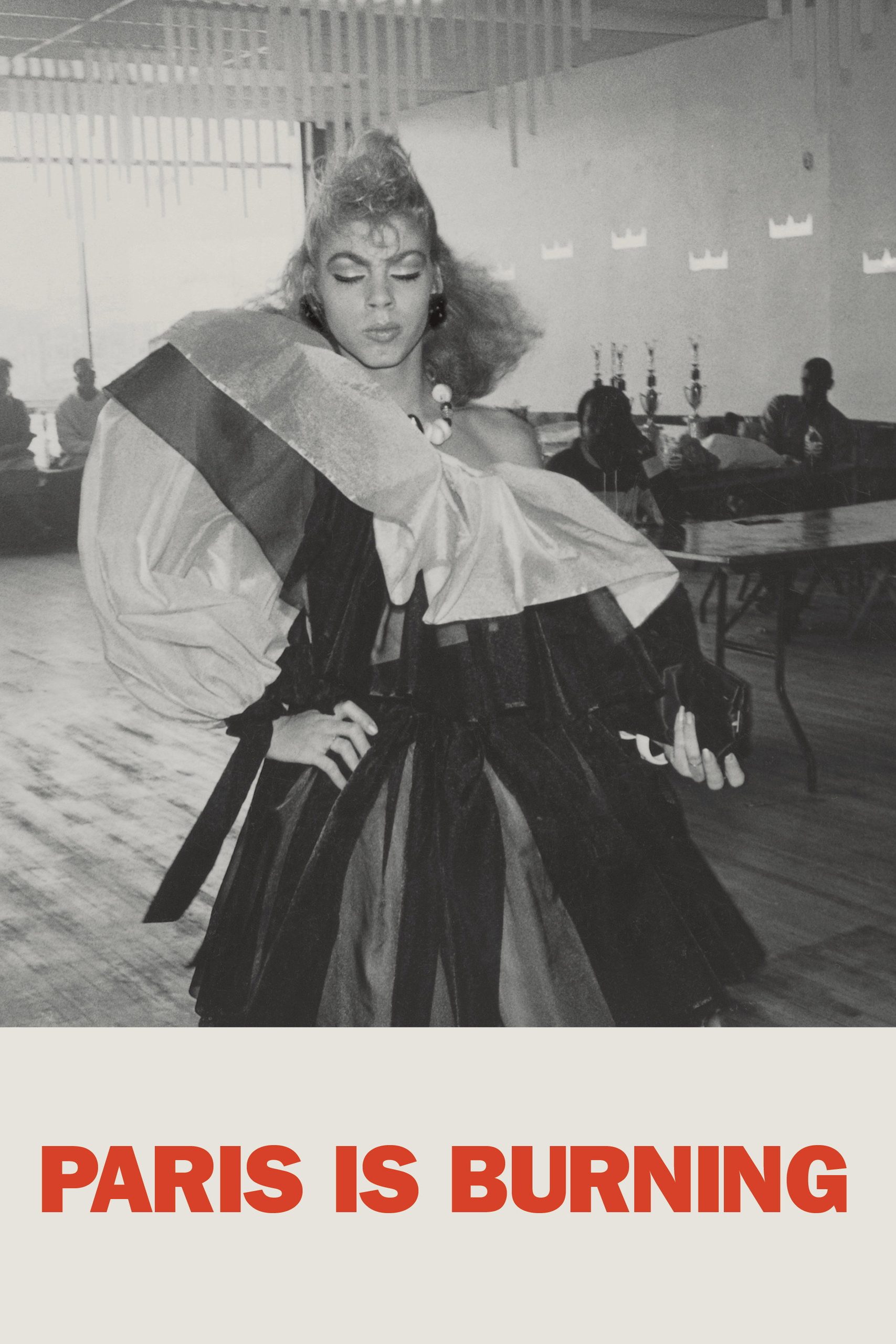
Jennie Livingston, who made Paris Is Burning, directs an episode, and the comparison is useful. Her documentary was small and hard and left things unresolved. Pose is large and soft and hands out second chances, and that is a choice rather than a failing; it is a melodrama and it behaves like one. By Murphy’s own standard it is among the more disciplined things he has put his name to. The two further seasons, of ten and eight episodes, keep the tone.
Watch the first season over a week rather than a night. The balls are better with a day between them, and the speeches are shorter in the memory than on the screen.