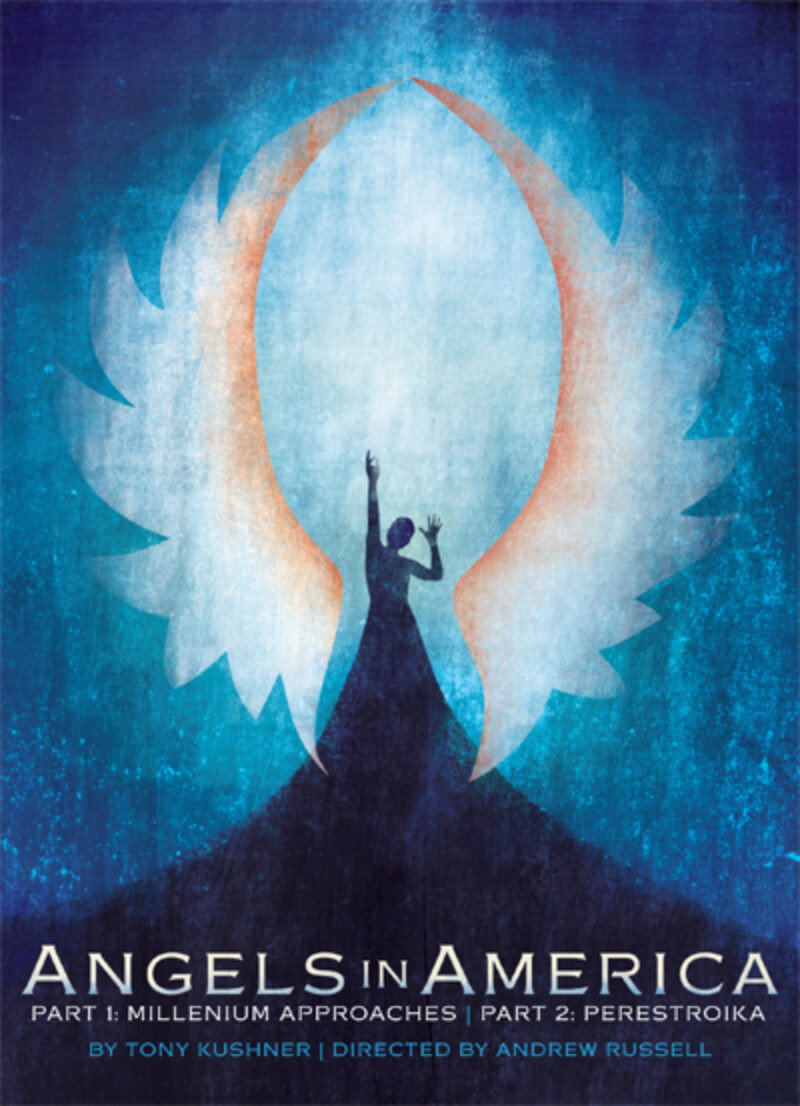
Mike Nichols films Tony Kushner’s two plays as six hours of television and loses less than anyone had a right to expect. Pacino, Streep and Wright are magnificent; the angel, when she comes, is the one thing that worked better on a stage.
Tony Kushner’s two plays, Millennium Approaches and Perestroika, run to about seven hours in a theatre and ask the stage for things it cannot quite deliver: an angel through a ceiling, a trip to Antarctica, a dead woman at a bedside. Mike Nichols and Kushner, who wrote the teleplay himself, have put them on television as six episodes of roughly an hour, first shown on 7 December 2003, and cut very little. Most of it works. The actors are the reason.
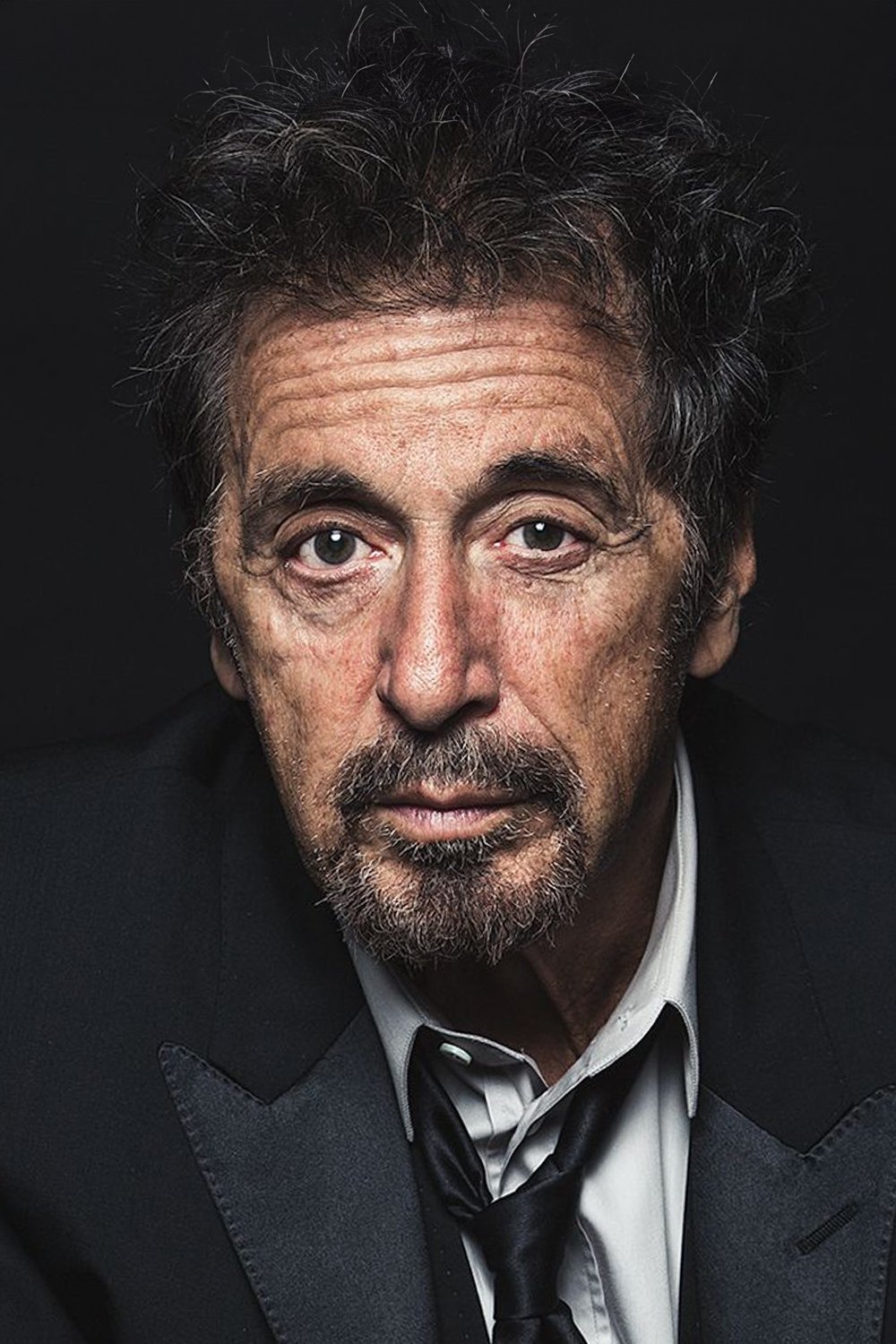
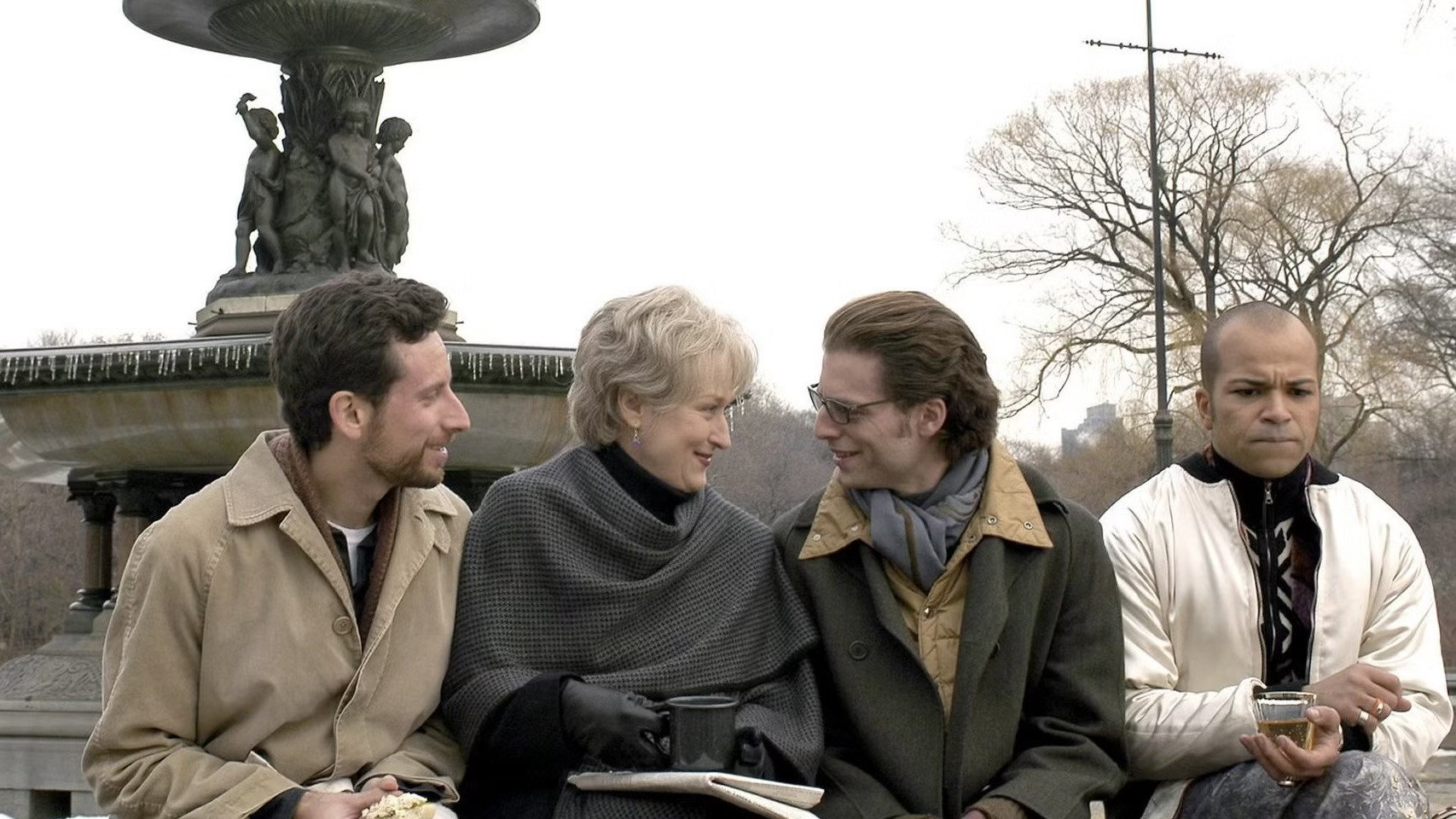
It is New York in 1985 and everyone is talking. Al Pacino’s Roy Cohn talks into two telephones at once, and when his doctor (James Cromwell) tells him he has AIDS he explains, first calmly and then not, that AIDS is what homosexuals get and he is a man with clout, so what he has is liver cancer. The shouting is what you expect from Pacino. The quiet afterwards, Roy on the edge of a hospital bed in his braces looking at the door, is worse. Meryl Streep plays four people, a rabbi, Ethel Rosenberg, the Angel Australia and Hannah Pitt, and is best as Hannah, the Mormon mother who sells her house in Salt Lake City to come and sort out her son. Jeffrey Wright’s Belize, the nurse who has to look after Roy and does, says the cruellest things in the softest voice, and the scene where he tells Roy which drug to demand from his doctor is the best six minutes in the whole thing.
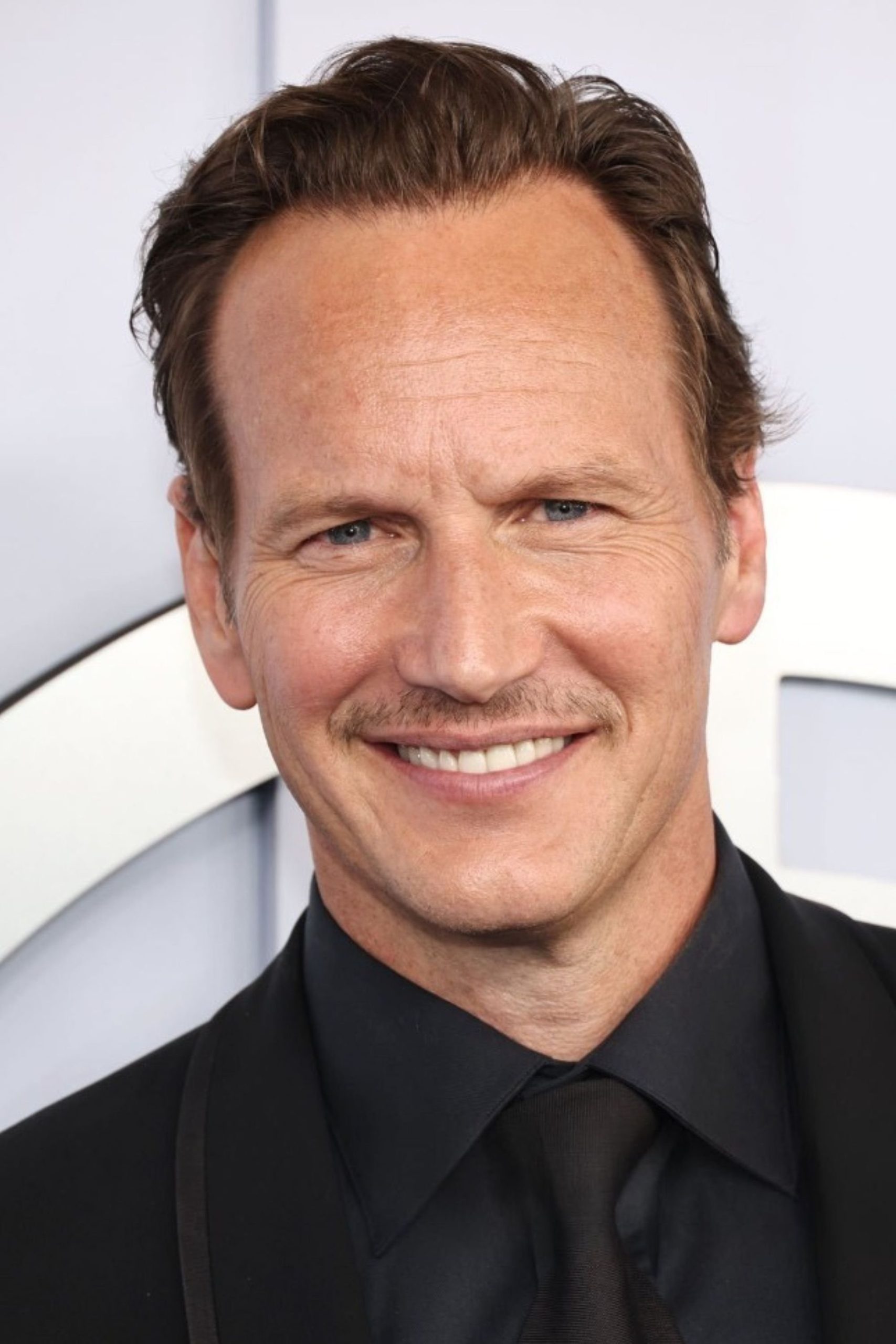
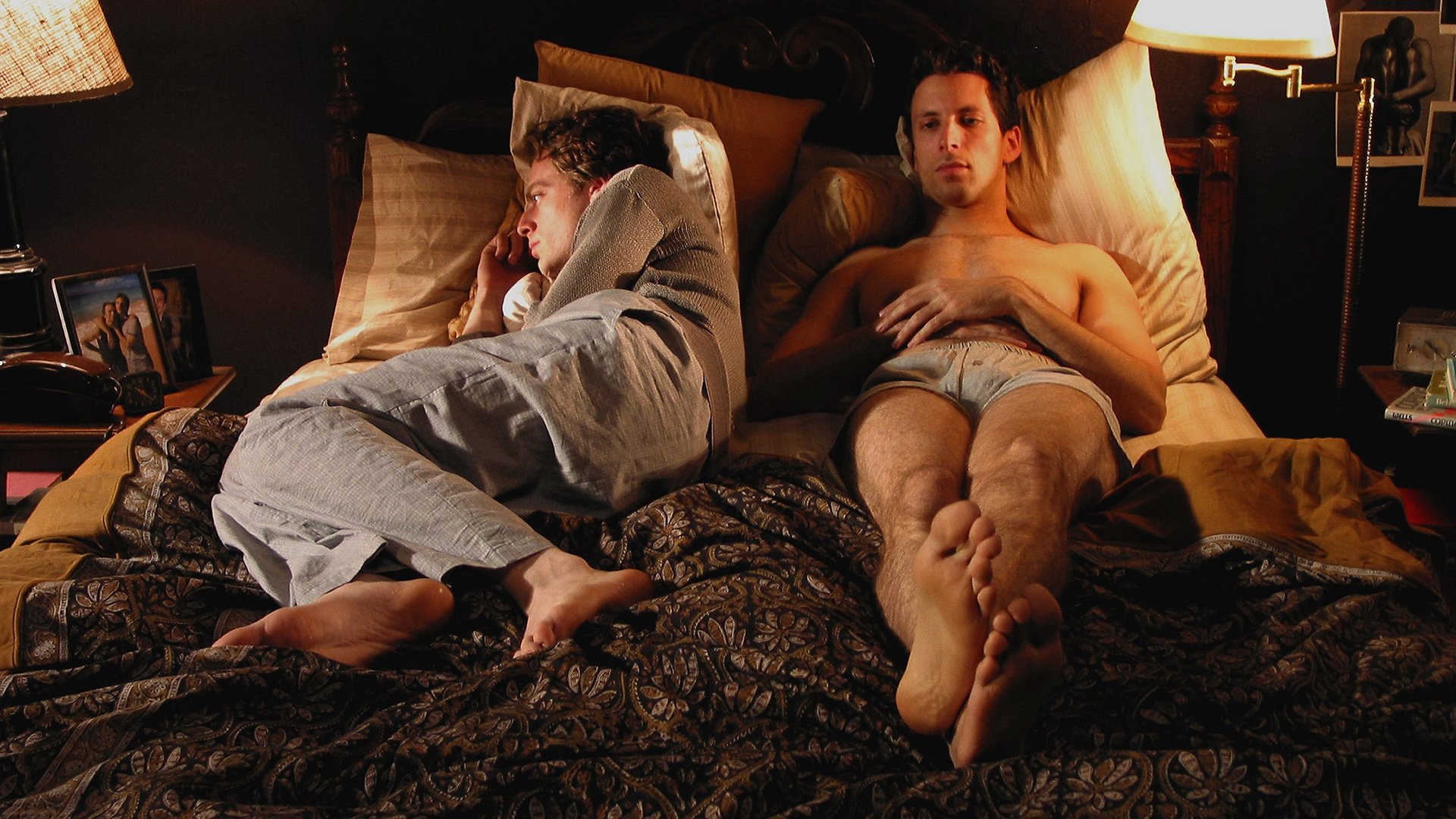
Around them, four younger actors do the plainer work. Justin Kirk gives Prior Walter a wit that thins as the illness thickens. Ben Shenkman has the hardest part, Louis, who leaves his sick boyfriend and then talks politics for six hours to avoid talking about that, and never once asks to be forgiven. Mary-Louise Parker’s Harper, alone in her flat on Valium, imagining a travel agent (Wright again) who can take her to the ice, is funny and frightening in the same sentence. Patrick Wilson plays her husband Joe as handsome and blank, which is right.
Stuart Wurtzel builds the two flats small and cluttered and the hospital rooms large and bare, and Stephen Goldblatt lights the wards with a green cast so everyone in them looks a week nearer death. Ann Roth keeps Roy in shirtsleeves and braces and Harper in a housecoat. Thomas Newman’s score is bells and a wordless voice, and most of the time it stops when someone speaks. The editors, Antonia Van Drimmelen and John Bloom, keep Kushner’s split scenes, two rows in two flats cut into each other so that Louis seems to be answering Joe’s wife, and it is the one stage device that works better on screen than off.
We knew what was coming and it got us anyway. The scene where Prior shows Louis the first lesion and Louis goes to the bathroom to be sick is played by Kirk as an apology, as though the illness were bad manners, and by Shenkman as a man already halfway down the stairs. We were in tears. Then Harper asked Joe whether he was a homosexual and he answered with scripture, and we were angry, at him and at the year. That is the play working.
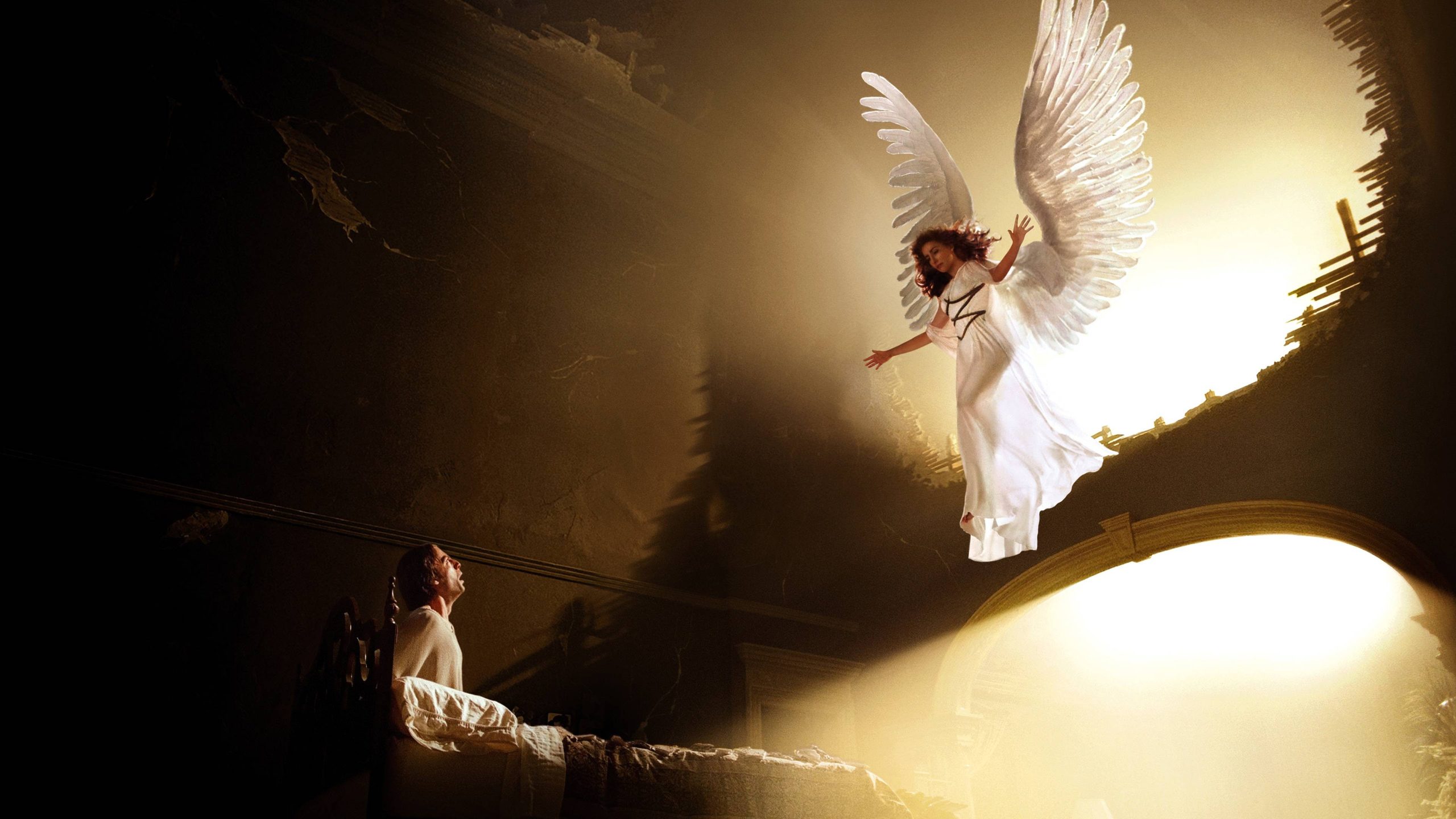
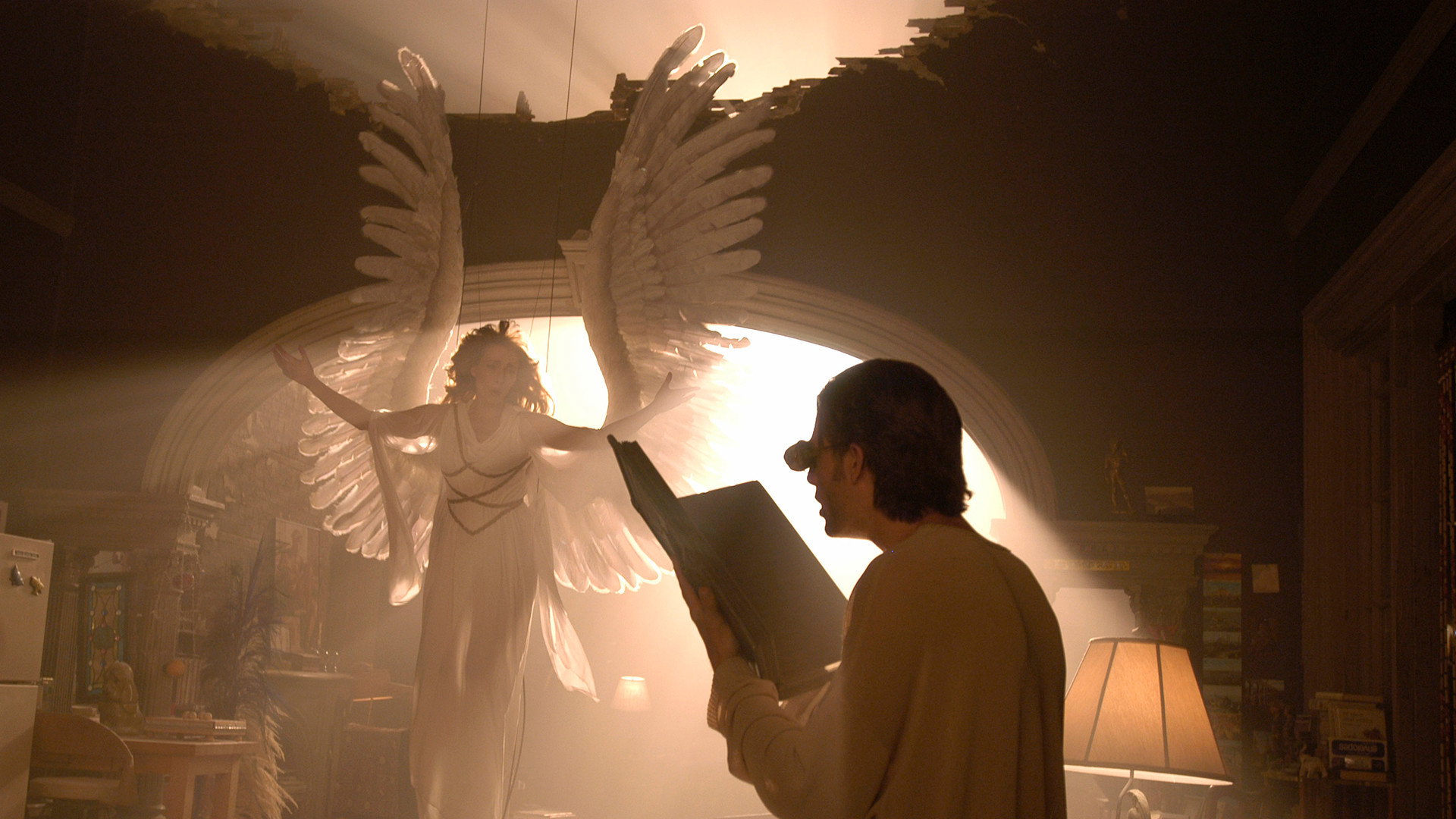
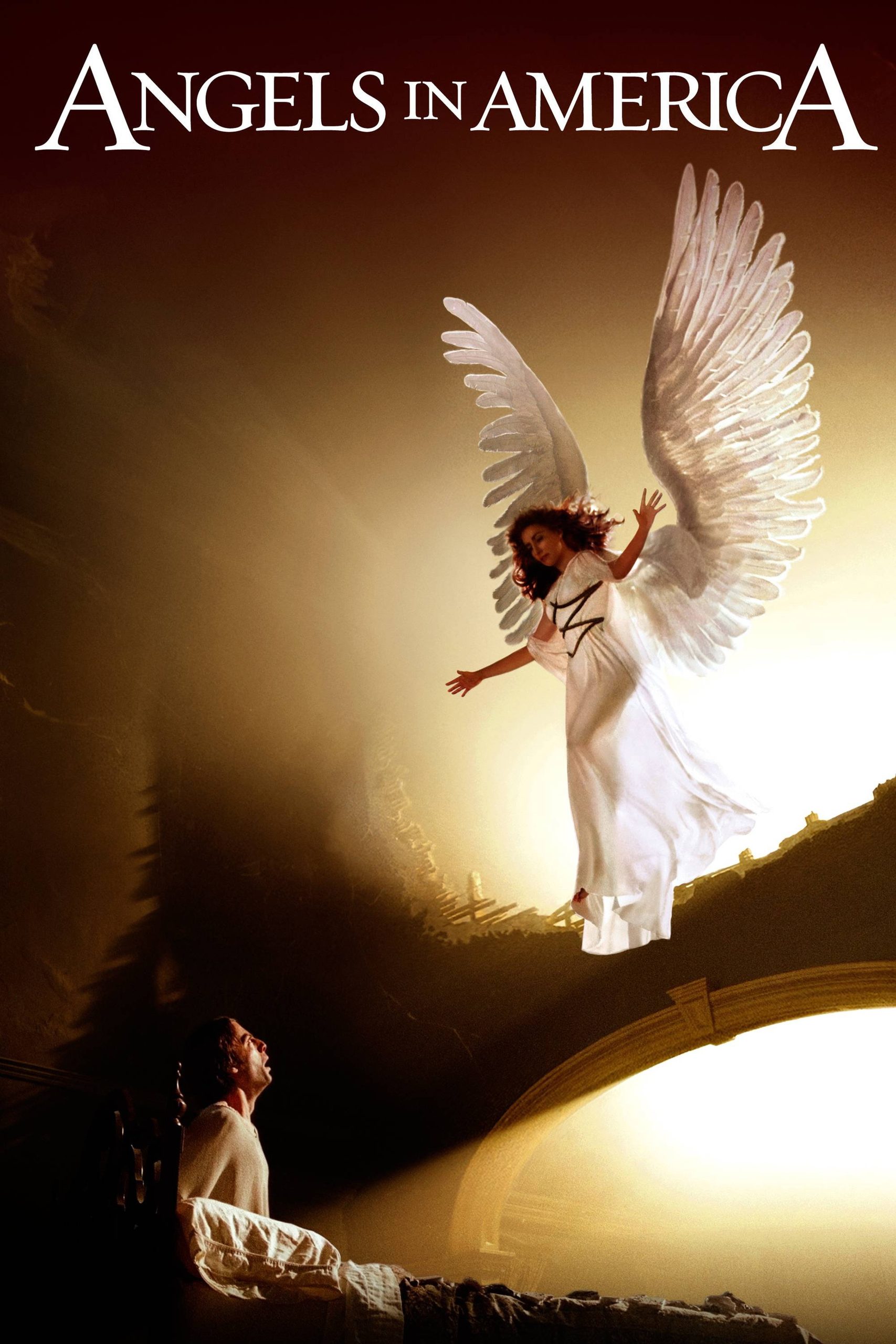
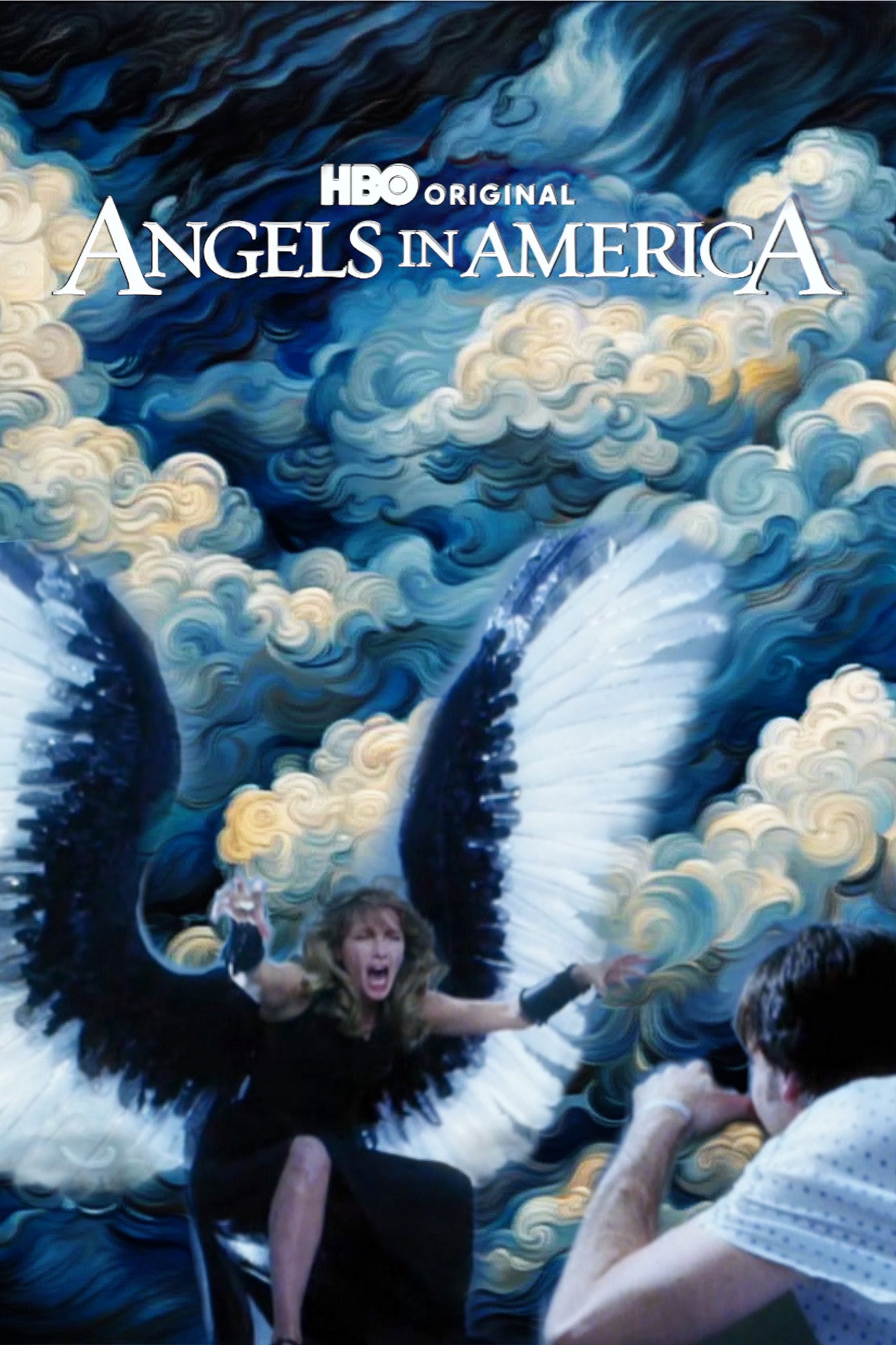
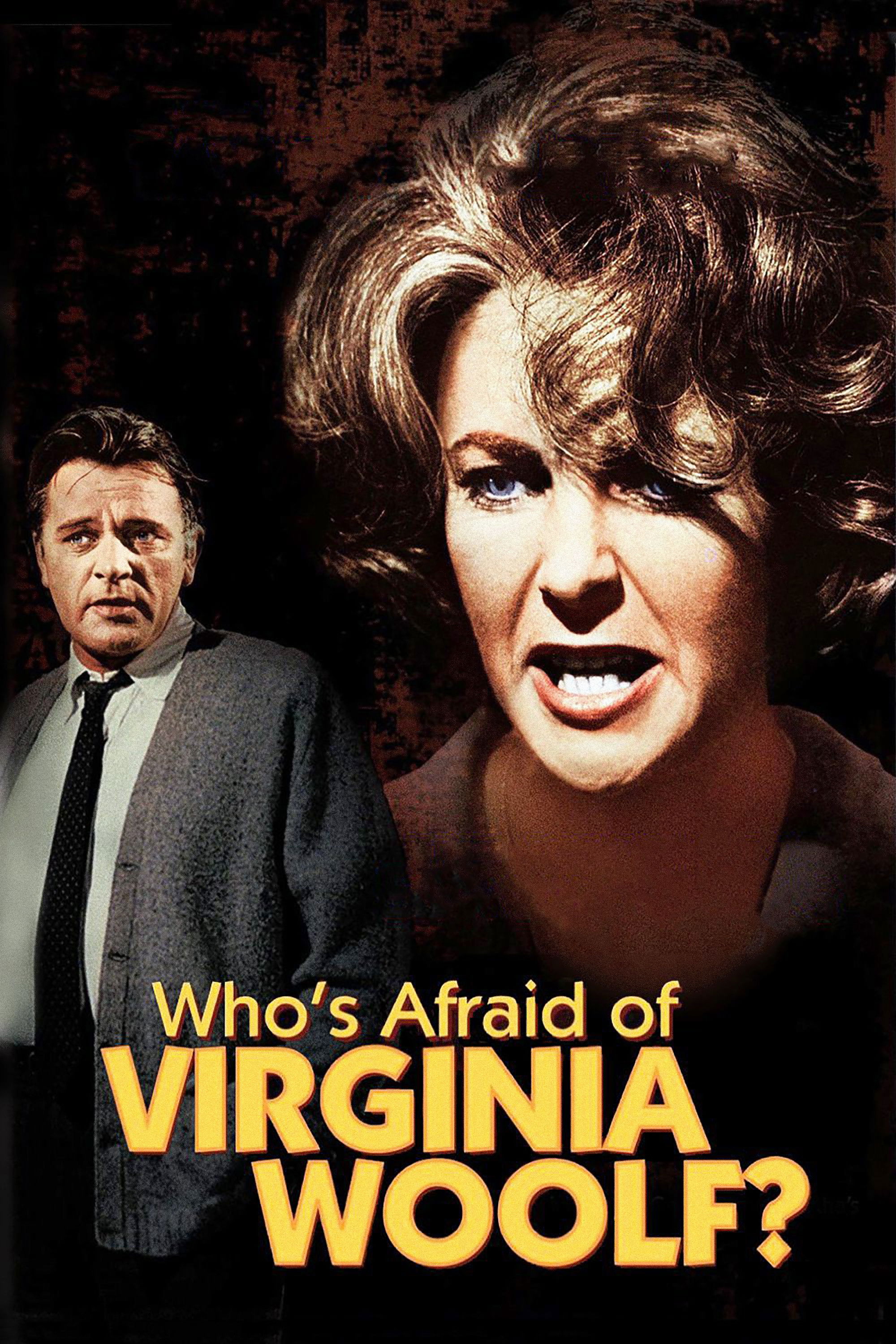
The angel is where it does not. Emma Thompson comes through Prior’s ceiling on wires in a shower of plaster, with computer-made wings and a voice thickened in the mix, and what a theatre audience accepts as a trick reads on screen as an effect. The second half sends Prior to a heaven Wurtzel designs as a ruined city, and it looks like a set, which the hospital never did. Perestroika also repeats itself: the arguments about God, blame and forgiveness go round at least three times, and somewhere in the fifth hour we looked at the clock and were slightly ashamed of it. Some British critics found the whole thing pompous. Kushner’s people do talk in paragraphs and know they are being overheard, but that is how these people talk, and Nichols, who filmed Who’s Afraid of Virginia Woolf? in 1966, has always known how to make that kind of talk move.
Watch it as the two plays it is, three episodes a night, so the first half ends where Kushner ended it. It carries a 15 and earns it. The heavenly business is the least of it; the ill, the frightened and the appalling people in the rooms are the whole thing.