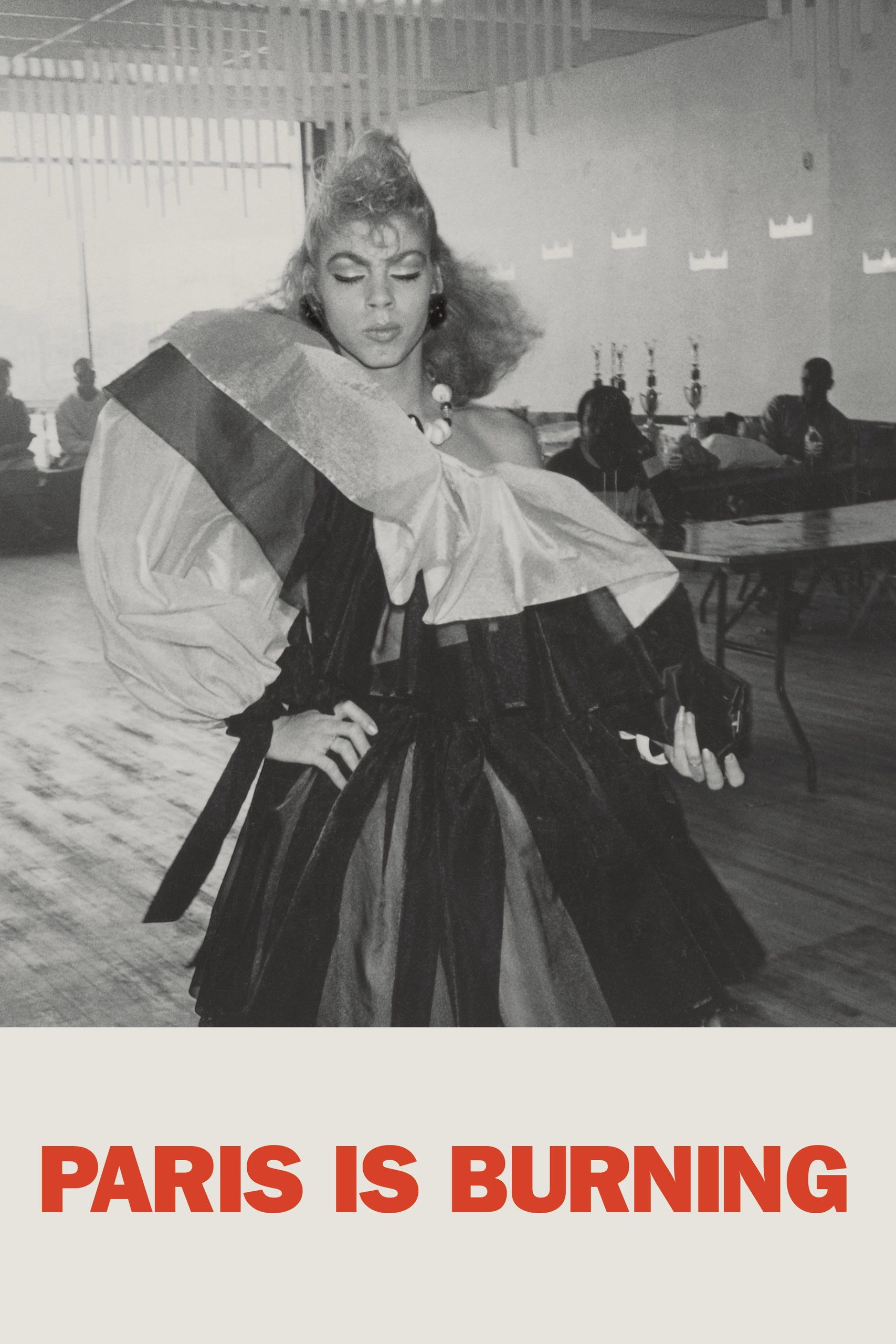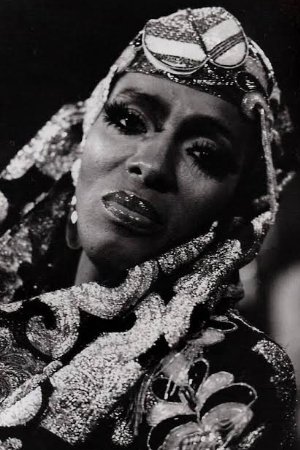
Pepper LaBeija is on screen in one film that matters, and in it she does what few performers manage: she is grand at the ball and plain at home, and both are true. Paris Is Burning is hers as much as anyone's.
Fi1m perspective
The ball first. In Paris Is Burning (1991) Pepper LaBeija comes down the runway in gold, in the Egyptian style she made her own, and nobody in the hall looks anywhere else. Then Jennie Livingston's camera follows her home, and the same woman sits down and talks about the boys who turn up at the House of LaBeija with nothing and nowhere to sleep. The voice is a headmistress's: fond, unfooled, keeping count. The two scenes are the whole act, and she does not appear to be acting in either.
She was already known in the scene before the film found her. She took over the House of LaBeija around 1972, after its founder Crystal LaBeija, and ran it as mother for more than thirty years, producing balls and teaching modelling. Livingston caught her in the middle of that run, which is why she sounds like someone explaining a job rather than playing a character. Junior LaBeija calls the categories from the microphone; Pepper explains what they are for.
What she is for, in the film, is telling the truth about wanting. The word the balls use is realness, and she is the one who says out loud that the thing being copied is white America, and that everyone in the hall knows it. She says it without heat, as a fact rather than a complaint. The film is funny and generous, and she supplies a good deal of both, but she also supplies its plainest speaking.
The moment that stayed with us is the quiet one. Sitting at home, she says "A house is a family for those who don't have a family," and the line works because we have just watched her be a mother to people who needed one, not because it is a good line. We came for the gold and were moved by the bookkeeping.
The limit is obvious. There is one film. She turns up in archive footage in How Do I Look (2006) and Disclosure (2020), but those are other people's films borrowing her. Anyone who wants more of Pepper LaBeija must go back to the same 78 minutes, which is not a hardship. Watch the ball, then wait for her to get home.
Biography
Pepper LaBeija, also credited as William Jackson, was an American drag performer and fashion designer. Born William Jackson on 5 November 1948 in the Bronx, New York, LaBeija appeared as herself in the 1990 documentary Paris Is Burning, which documented the Harlem drag-ball scene. She died on 14 May 2003 in Manhattan.
LaBeija led the House of LaBeija as its mother from the early 1970s until her death and was known as the last of the prominent queens of the modern Harlem balls. She competed in numerous events, winning approximately 250 trophies, and was noted for Egyptian-inspired runway performances. LaBeija also produced drag balls and taught modelling. She appeared in additional documentaries including How Do I Look (2006).